银发经济

Search documents
持续看好战略金属投资机遇 | 券商晨会
Sou Hu Cai Jing· 2026-01-13 00:47
Group 1 - The core viewpoint of the reports indicates that the market may exhibit characteristics of a bottom lift and active main lines in the first quarter and beyond, with China's economy expected to enter a recovery phase by 2026 under a policy framework of "stabilizing growth" and "strengthening technology" [1] - The transition from old to new driving forces is showing initial effectiveness, with a number of high-tech listed companies moving from "policy-driven" to "performance verification," providing necessary conditions for medium to long-term capital participation and continuous pricing [1] - The technology sector is anticipated to become a long-term focus for capital markets, driven by increasing market confidence and capital inflow, with long-term funds supporting the market and maintaining active trading under policy promotion [1] Group 2 - The "14th Five-Year Plan" period will see China's economy enter a transformation phase dominated by new productive forces, with investment focusing on four main lines: technology self-reliance, green transition, silver economy driven by aging population, and strategic resource layout under development and security [2] - A dual-peak asset allocation strategy is recommended, with defensive investments in high-dividend assets (such as hydropower, telecom operators, and state-owned banks) for stable cash flow, and offensive investments in hard technology growth assets (like semiconductor equipment, industrial software, and humanoid robots) to capture excess returns from domestic substitution and industrial upgrades [2] Group 3 - There is a sustained optimism regarding investment opportunities in strategic metals characterized by resource scarcity and rigid supply, which often leads to a natural "bullish option" due to high geographical concentration of resources [3] - The demand for strategic metals is expected to benefit from significant changes in industries and national strategic reserves, as they are essential for developing new productive forces, with a new cycle of demand driven by new energy, new materials, and artificial intelligence [3] - Global resource supply security is under threat, prompting countries to increase acceptable inventory levels to mitigate potential supply disruption risks, particularly for metals used in the military industry [3]


持续看好战略金属投资机遇
Mei Ri Jing Ji Xin Wen· 2026-01-13 00:44
Group 1 - The core viewpoint of the reports indicates that the market may exhibit characteristics of a bottom lift and active main lines in the first quarter and beyond, with China's economy expected to enter a recovery phase by 2026 [1] - The macro environment is supported by policies focusing on "stabilizing growth" and "strengthening technology," which will favor technology-related sectors through sustained institutional support and fiscal resources [1] - The transition from old to new driving forces is showing initial effectiveness, with several high-tech listed companies moving from "policy-driven" to "performance verification," providing necessary conditions for medium to long-term capital participation [1] Group 2 - The asset allocation strategy suggested by the company is a dual-peak strategy, focusing on defensive high-dividend assets for stable cash flow and offensive hard technology growth assets to capture excess returns from domestic substitution and industrial upgrades [2] - The report emphasizes that during the "14th Five-Year Plan" period, China's economy will enter a transformation phase led by new productive forces, with investment focusing on technology self-reliance, green transition, silver economy due to aging population, and strategic resource layout [2] Group 3 - The company maintains a positive outlook on strategic metal investment opportunities characterized by resource scarcity and supply rigidity, which can create a "bullish option" due to their inherent supply vulnerabilities [3] - Strategic metals are essential for developing new productive forces and are expected to see increased demand due to significant changes in demand structure driven by global technological revolutions [3] - The report highlights that global resource supply security is under threat, prompting countries to increase strategic reserves, particularly for metals used in the military industry [3]
中信建投:资产配置建议采用双峰型策略
Zheng Quan Shi Bao Wang· 2026-01-12 23:57
Core Viewpoint - During the "14th Five-Year Plan" period, China's economy is expected to enter a transformation phase dominated by new quality productivity, with a downward shift in growth center and intensified external geopolitical competition [1] Group 1: Investment Focus Areas - Industry investment will concentrate on four main lines: technology self-reliance driven by new quality productivity, green transformation during the carbon peak battle, the silver economy driven by an aging population, and strategic resource allocation under the coordination of development and security [1] - Non-ferrous metals are expected to maintain strong performance, with gold being a core safe-haven asset under the "de-dollarization" pricing logic, while copper and aluminum will benefit from energy transition and supply constraints [1] Group 2: Asset Allocation Strategy - The asset allocation strategy suggests a dual-peak approach: defensive allocation in high-dividend assets (such as hydropower, telecommunications operators, and state-owned banks) to secure stable cash flow returns [1] - Offensive allocation should focus on hard technology growth assets (including semiconductor equipment, industrial software, and humanoid robots) to capture excess returns from domestic substitution and industrial upgrading [1]
医康养融合加速保险业转型
Jing Ji Ri Bao· 2026-01-12 22:12
Core Insights - The aging population is driving the medical and health care industry from a marginal issue to a core component of economic and social development [1] - Insurance is evolving from a mere risk compensation tool to a critical connector within the medical, rehabilitation, elderly care, and payment systems, becoming an indispensable part of the health care industry [1] Demographic Changes - By the end of 2024, the population aged 60 and above in China is expected to exceed 300 million [1] - There is a significant increase in chronic diseases among the elderly, leading to a rising demand for long-term care and medical services [1] Financial Pressures - The growth rate of medical insurance fund expenditures is consistently outpacing income growth due to accelerated aging and advancements in medical technology [2] - A growing "protection gap" is emerging as many rehabilitation, nursing, and special medical expenses remain out-of-pocket for families [2] Role of Insurance - The unique value of insurance lies in its ability to connect customer needs, service supply, and funding payments, creating a closed-loop operational mechanism [2] - Some regions are beginning to integrate insurance products with rehabilitation and nursing services, allowing policyholders to access cash benefits and direct service resources [2] Challenges for Commercial Health Insurance - Current commercial health insurance products often focus on short-term hospitalization, which does not align with the long-term care needs of the elderly [3] - Pricing pressures exist due to high risks and costs associated with elderly care, making it challenging to balance affordability for consumers and sustainability for insurance companies [3] Future Outlook - The medical and health care industry is expected to evolve into a comprehensive system encompassing payment, services, and industry chain collaboration as the "silver economy" and elderly finance become national development priorities [3]
2026年做什么行业赚钱有前景?前景最被看好的3个行业,赚得还不少!
Sou Hu Cai Jing· 2026-01-12 19:23
站在2026年这个时间节点上,很多人明显感觉到,钱变得"聪明"了,也变得更难赚了。 过去那种靠信息差、靠堆人力就能轻松获利的粗放式增长已经彻底成为历史。现在的创富逻辑,正在从"流量博弈"转向"价值深耕"。如果你还在盯着那些已 经红海化的传统类目,大概率只能在存量市场里挣扎。根据近两年的宏观趋势和产业调研数据显示,真正的机会往往藏在技术革新与社会结构变化导致 的"刚需缺口"中。经过深度复盘和行业比对,我提炼出了三个在2026年极具前景、且变现天花板极高的核心赛道。 一、 AI应用层与垂直化大模型服务 如果说前两年是AI的底层技术竞赛,那么2026年则是AI应用的大爆发元年。 现在最赚钱的不是去开发一个通用大模型,而是如何将AI落地到具体的业务场景中。据统计,目前企业对于"垂类模型定制"的需求量同比增长了200%以 上。通常而言,一个精通行业Know-how并能利用AI优化工作流的小型团队,其人效产出是传统咨询公司的数倍。无论是个人的生产力工具开发,还是针对 细分行业的AI法律助手、AI医疗预诊,这些方向不仅前景最被看好,而且因为壁垒较高,溢价空间巨大。在这个行业里,你卖的不是软件,而是针对具体 痛点的"降本增效 ...


全面打造“公园城市、安逸家园”
Xin Lang Cai Jing· 2026-01-12 18:00
Core Viewpoint - Sichuan Province has released an implementation opinion aimed at promoting high-quality urban development, focusing on building modern cities characterized by innovation, livability, beauty, resilience, civilization, and intelligence, with a target to achieve significant progress by 2030 and establish a modern urban framework by 2035 [1][2]. Group 1: Urban Development Strategy - The opinion outlines a comprehensive urban spatial layout, emphasizing the development of the Chengdu-Chongqing urban axis and other key urban development belts, while adhering to principles like "one city, one policy" [2]. - Support for Chengdu includes establishing it as a model park city and enhancing its core functions, while also promoting the integration of the Chengdu metropolitan area [2][3]. - Regional cities like Mianyang and Yibin are encouraged to attract major productivity layouts, enhancing their economic growth potential [2]. Group 2: Technological Innovation and Industry Integration - The opinion emphasizes the importance of technological innovation and industry-city integration, proposing the establishment of key innovation zones and collaborative innovation frameworks [3]. - It advocates for the application of advanced technologies such as AI and clean energy in urban development, fostering new economic models and consumption scenarios [3]. Group 3: Quality of Life and Infrastructure - The opinion addresses housing security by promoting a new real estate development model and a tiered housing supply system [4]. - It outlines plans for enhancing public services, including education and healthcare, and improving community infrastructure [4][5]. - The focus on green transformation includes initiatives for pollution reduction, green building development, and waste classification [5]. Group 4: Safety and Governance - The opinion stresses the establishment of safety management systems for buildings and infrastructure, alongside measures to enhance urban resilience against extreme weather [5]. - It proposes the creation of a unified digital urban governance framework to improve service delivery and operational efficiency [5].
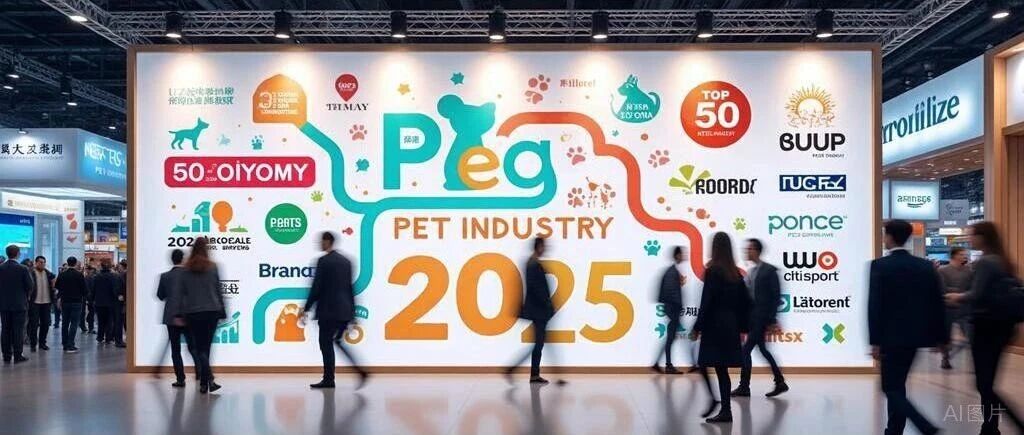
【2025榜单】驱动3000亿宠物市场的真内核是什么?| 2025宠物产业50条隐秘洞察与TOP50创新品牌发布
新消费智库· 2026-01-12 16:23
Core Insights - The pet industry in China is projected to exceed 500 billion yuan by 2025, marking a significant transformation from a purely economic sector to a social ecosystem [2] - The main consumer group is shifting from the "90s generation" to the "00s generation," which is growing at a rate 21 percentage points higher, while the "silver-haired" demographic will also play a crucial role in the next decade [2] - The emotional connection between pets and owners is becoming a driving force in the industry, moving from pets as mere property to being considered family members [2] - Government policies are increasingly integrating the pet economy into urban development plans, indicating a shift from spontaneous market growth to a more structured and policy-driven approach [2] Section 1: Sharp Insights into the Pet Industry - The illusion of a market ceiling at 811.4 billion yuan creates a false sense of prosperity, as the real challenge lies in transitioning from "new pet ownership" to "refined care" [6] - The "Z generation" is seen as the fastest-growing consumer group, but their actual purchasing power is limited, making them more of future influencers than current spenders [6] - The "silver-haired gold mine" is expected to be the most significant source of growth in the pet industry over the next 5-10 years, as this demographic has both the financial means and emotional needs for pet companionship [6] - The concept of "emotional tax" is emerging, where spending on pets is viewed as fulfilling emotional needs rather than mere expenses [7] - The shift from impulsive pet ownership to responsible consumption is driven by rising abandonment rates, leading to a more thoughtful approach to pet care [9] - The "it economy" is showing resilience during economic downturns, but non-essential pet products may face cuts first [9] - "Pet-friendly" policies are becoming essential for businesses, with a focus on creating harmonious environments for pets and their owners [9] - The trend of "personalization" in pet products is evolving, moving towards unique offerings based on individual pet characteristics [9] Section 2: Product Innovation and Supply Chain Dynamics - The competition in functional pet food is intensifying, with many players in the market, making it crucial to base claims on verifiable clinical data [11] - The "fresh meat" segment is entering a critical phase where supply chain efficiency will determine market success [11] - The rise of "baked food" is creating a competitive landscape focused on ingredient quality and scientific formulation [11] - Freeze-dried snacks are transitioning from luxury items to staple foods, reshaping consumer perceptions of pet food value [13] - The "clean label" movement is facing trust issues due to the lack of standardized definitions for terms like "natural" and "no additives" [12] - Pet snacks are becoming a significant part of the diet, with specific functional benefits [15] - The demand for smart pet products is growing, but they must address real pain points to move beyond novelty [16] - Design is becoming a critical factor in pet product success, with aesthetically pleasing items gaining popularity [17] Section 3: Market Trends and Consumer Behavior - The trend of celebrating pets' birthdays and purchasing themed products is becoming a new norm, with significant growth in related consumer behavior [21] - Multi-pet households are becoming the norm, driving demand for specialized products [42] - Pet health management is shifting towards proactive prevention, with a growing number of pet owners regularly providing supplements [43] - The "humanization" of pets is deepening, with owners increasingly investing in their pets' fashion and social presence [44] - Exotic pet ownership is rising among younger generations, reflecting a desire for unique social expressions [45] Section 4: Best Innovative Brands in the Pet Industry - The report will highlight 50 brands excelling in product breakthroughs, innovative business models, technological applications, design aesthetics, and social responsibility [23][24] - Each brand will be evaluated based on its core innovations, representative products, and industry impact [24]

2026年开年新政红利持续释放 银发经济激活消费新动能
Sou Hu Cai Jing· 2026-01-12 13:03
Core Insights - The silver economy is projected to become a core engine for domestic demand activation by 2026, with the population aged 60 and above expected to exceed 310 million by the end of 2024, accounting for 22% of the total population [1] - The silver economy is steadily approaching a scale of 12 trillion yuan, driven by policy incentives that cater to diverse needs such as smart health care, social engagement, emotional companionship, and value realization [1] - The silver economy encompasses various segments, including "for the elderly economy," "preparation for the elderly economy," and "utilizing the elderly economy," with core drivers identified as elderly care services, health consumption, and cultural entertainment consumption [1] Policy and Market Dynamics - A new round of national subsidies is effectively stimulating the diverse demands of the silver population, with significant growth in community, institutional, and home care services, showing year-on-year revenue increases of 30.4%, 22.6%, and 18.0% respectively in the first half of 2025 [1] - The launch of the elderly service consumption subsidy project by the Ministry of Civil Affairs and the Ministry of Finance aims to support elderly individuals with moderate to severe disabilities, providing electronic vouchers for various care services, with a maximum monthly deduction of 800 yuan [3] - The silver economy is not only a response to aging demographics but also a significant contributor to economic growth, highlighting the importance of understanding the needs of the elderly population for future societal development [3] Consumer Behavior and Trends - The consumption capacity of the silver population is continuously being released, reflecting a deeper upgrade in their views on aging and consumption, with increasing participation in cultural and recreational activities [2] - Health-related products, such as smart health devices, are becoming essential for the elderly, with a notable example being the opening of Shanghai's first silver store, which achieved sales of over 300,000 yuan within two weeks [2] - The silver economy's growth is supported by a stable and capable consumer base, driven by effective policy support and a focus on enhancing the quality of life for the elderly [2] Future Outlook - The government has emphasized the development of the silver economy in its 2025 work report and the 14th Five-Year Plan, indicating a strategic focus on this sector [4] - The interplay of policy, demand, and supply is creating a new ecosystem for the silver economy, which is expected to be a key area for domestic demand growth in the coming years [4] - Understanding the underlying logic of the silver economy is crucial for capturing growth opportunities in this emerging market, aligning with demographic trends and consumer needs [4]
晶采观察丨2026年开年新政红利持续释放 银发经济激活消费新动能
Yang Guang Wang· 2026-01-12 13:02
Core Insights - The "silver economy" is emerging as a significant driver of domestic demand in China, with the population aged 60 and above expected to exceed 310 million by the end of 2024, accounting for 22% of the total population [1] - The silver economy is projected to reach a market size of 12 trillion yuan, supported by favorable policies that cater to diverse needs such as smart health care, social engagement, emotional companionship, and self-actualization [1] - The government is implementing a series of policies to enhance the silver economy, focusing on elderly care services, health consumption, and cultural entertainment as the three core drivers of silver consumption [3] Market Dynamics - Sales revenue from community, institutional, and home-based elderly care services saw year-on-year growth of 30.4%, 22.6%, and 18.0% respectively, indicating a sustained release of consumption capacity among the elderly [4] - The rise in demand for spiritual consumption is evident, with more elderly individuals willing to spend on experiences that provide emotional satisfaction and social connections, such as travel and cultural events [4] - The introduction of smart health devices, like mobility aids and emergency call systems, is becoming standard for the elderly, reflecting a shift towards health-oriented consumption [4] Policy Support - The Ministry of Civil Affairs and the Ministry of Finance have launched a subsidy program for elderly care services, providing electronic vouchers that can cover up to 800 yuan per month for various care services [7] - The policy aims to create a complete ecosystem for health consumption rather than merely providing financial support, highlighting the importance of addressing the needs of the elderly population as a response to aging demographics [7] - The 2025 government work report emphasizes the need to improve policies for the development of the elderly care industry and the silver economy, indicating a strategic focus on this sector [8]
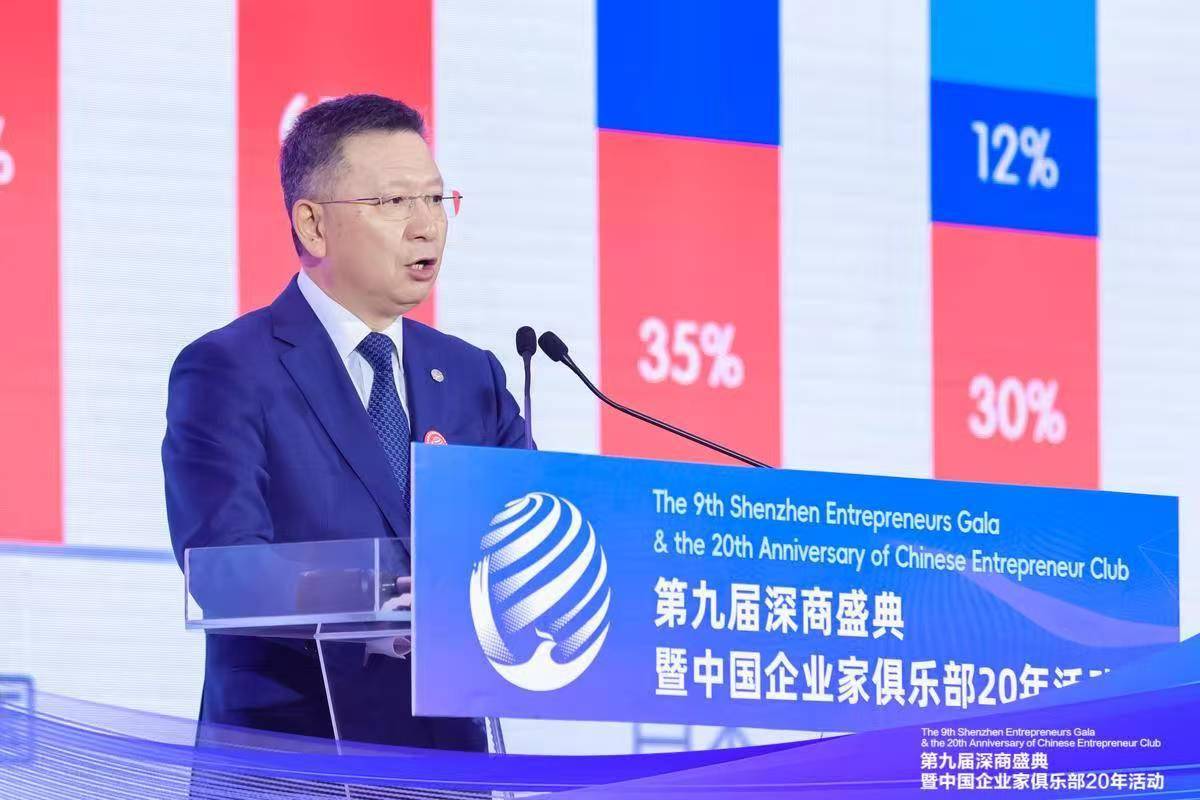
谢永林:平安集团将承继蛇口基因,扎根深圳、反哺深圳
Sou Hu Cai Jing· 2026-01-12 11:04
ST TH ulayan 平安集团总经理兼联席 1月12日,在第九届深商盛典暨中国企业家俱乐部20年系列活动主题论坛上,平安集团党委副书记、平安集团总经理兼联席首席执行官谢永林现场分享了新 形势之下平安集团的战略考量。 财富管理市场成为重要蓝海。谢永林认为,中国金融方面财富管理市场有巨大的潜力和结构性变化,到2030年中国家庭资产规模达到440万亿,但是由于房 地产市场调整、低利率周期到来,房地产这类传统配置品种面临保值增值的压力,保险股票资金逐渐走进配置组合,我国多元化配置需求未来有很大的增长 潜力。 医疗服务也是重要战略维度。他分析,2030年医疗服务市场规模将达到30万亿。其中一个数字值得留意,2024年我国居民个人自费医疗支出占医疗总费用的 比例约为27%,个人自费医疗支出的负担仍然比较重,而商业保险占比只有4%,远远低于发达国家的水平。未来保险将逐步成为医疗健康的重要支付方 式,既是保险公司的重要责任,也是巨大发展机遇。 养老服务方面,谢永林认为,银发经济需求端快速增长,供给端却严重不足,涉及养老服务、养老金融、健康管理、财富传承等领域新蓝海,需要提供系统 化的解决方案。因此,基于对财富、医疗、养老 ...