耐心资本

Search documents
今年,身边VC都在延期
投资界· 2025-07-14 07:41
Core Viewpoint - The article highlights a significant trend of fund extensions in the investment industry, driven by mismatches between fund durations and the growth of invested companies, leading to widespread delays in exits and fund liquidations [1][5][14]. Group 1: Fund Extension Trends - A notable number of funds are currently in extension, with many having already undergone multiple extensions due to the challenges in exiting investments [1][3]. - The majority of active investment institutions were established between 2011 and 2015, indicating a high concentration of older funds facing exit difficulties [3][14]. - The trend of fund extensions is particularly pronounced among government-guided funds, which are often under pressure to meet performance metrics [6][9]. Group 2: Challenges in Exiting Investments - The difficulty in exiting investments is underscored by the fact that nearly 19 trillion yuan in funds are currently in extension or exit phases, reflecting a liquidity crisis in the primary market [14][15]. - The pressure on funds to return capital to Limited Partners (LPs) is increasing, with many funds facing scrutiny from regulatory bodies [6][10]. - The average duration for a fund to fully exit in the U.S. is around 19 years, while many domestic funds struggle to meet their shorter timelines [8][9]. Group 3: Market Dynamics and Future Outlook - The article suggests that the current environment necessitates a shift towards more patient capital, as the tech innovation cycle requires long-term investment strategies [15][16]. - Recent IPO activity, particularly in the A-share market, has created a sense of urgency among investors to capitalize on potential exits [16][17]. - The evolving landscape indicates a new cycle beginning, with expectations for improved exit opportunities as market conditions change [18].


“强富美高”新江苏现代化建设需要金融发力支持 江苏省金融学会举办“锚定‘四个着力点’ 金融赋能经济大省挑大梁”专题座谈会
Jin Rong Shi Bao· 2025-07-14 06:09
Core Points - The emphasis on Jiangsu's role as an economic powerhouse and the need for financial support to drive high-quality development is highlighted by Xi Jinping's speech during the National People's Congress [1] - A series of discussions and policy suggestions were made during a seminar organized by the Jiangsu Financial Society to align financial strategies with the province's economic goals [1][2] Financial Support for Innovation - Financial support for technological innovation should focus on policy guarantees, operational mechanisms, financing models, product systems, market environments, and talent development [2] - Key areas for rapid development in financial support for innovation include financing for small tech enterprises, merger loans for large tech firms, innovation bonds, and equity investments through financial asset investment companies [2][3] Long-term Capital Strategies - Six strategies to enhance long-term capital include improving supportive policies, creating compatible incentive mechanisms, exploring innovative financing models, developing relevant financial products, optimizing the financial market environment, and nurturing innovative talent [3] - The importance of optimizing government-led funds and improving private equity ecosystems to address investment challenges and promote innovation is emphasized [3][4] Equity Investment Mechanism Optimization - Recommendations for optimizing equity investment mechanisms include abandoning performance-driven buyback clauses, fostering leading funds, and protecting innovative elements in projects triggering buyback clauses [4] - The need to reduce reliance on bank credit and enhance equity financing capabilities is highlighted as crucial for unleashing new productive potential [4][5] Capital Market Development - Suggestions for developing the capital market include nurturing growth-stage stocks of hard tech companies, encouraging asset restructuring through mergers and acquisitions, and leveraging Hong Kong's capital market for cross-border financing [5][6] - The Jiangsu financial system aims to focus on four key areas to support economic development, including promoting technology and industry integration, advancing deep reforms, aligning with national strategies, and enhancing inclusive financial services [6]
金融科创双向奔赴:政府引导基金扩容,呼唤耐心资本深耕科创沃土
Bei Ke Cai Jing· 2025-07-14 01:04
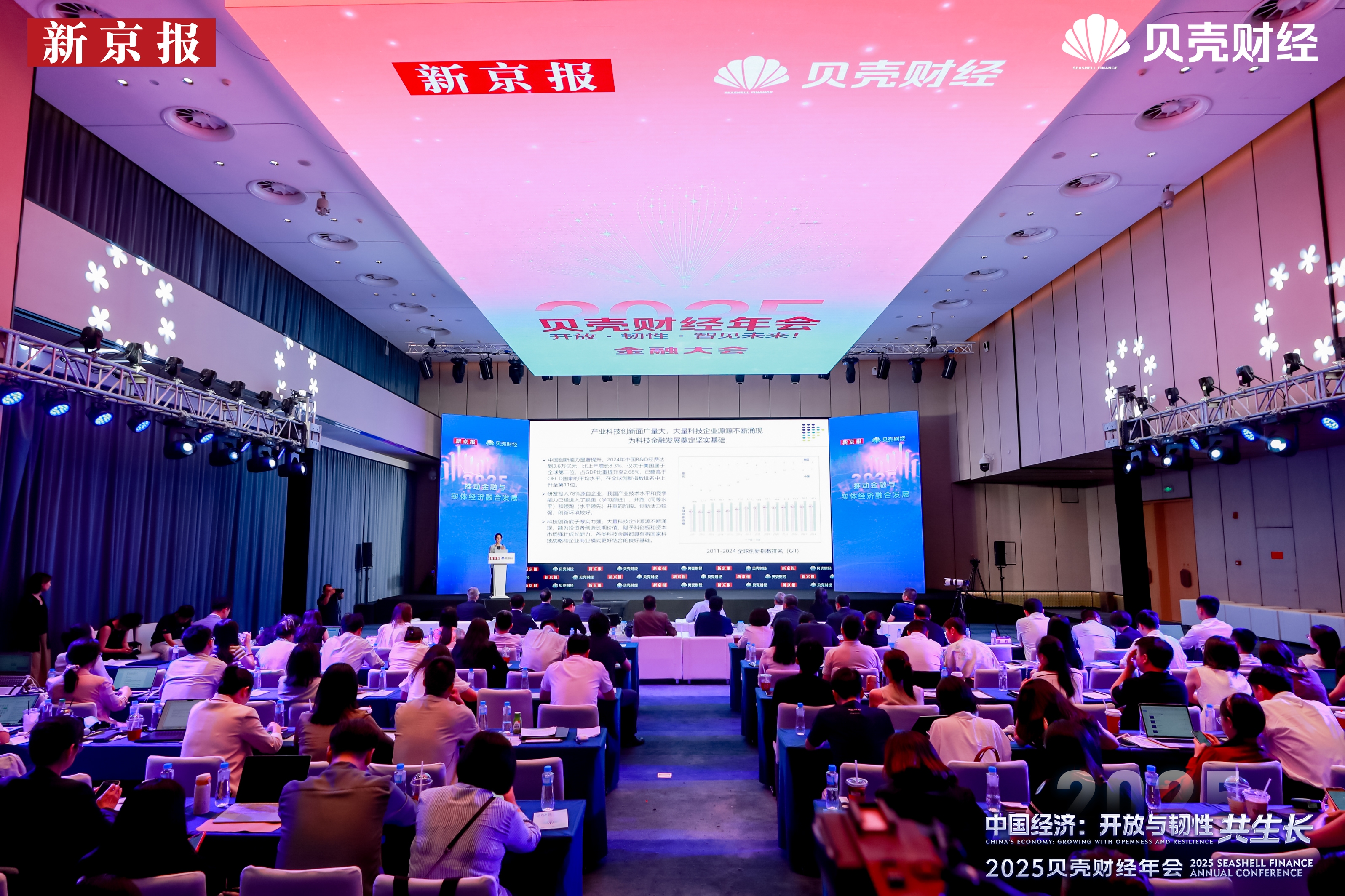
Group 1 - The conference focused on how finance can better serve the real economy and the role of technology in reshaping financial empowerment models [1][2] - Beijing is promoting the integration of finance and the real economy, leveraging its industrial layout and talent advantages to foster high-quality economic development [1][5] - The establishment of the Beike Finance Capital Market Research Institute aims to create a multi-layered content ecosystem that includes information, research, and community engagement [2] Group 2 - China's technology enterprises are becoming a backbone of economic development, with Beijing forming several trillion-yuan industry clusters in sectors like information technology and healthcare [5] - The rapid growth of technology companies presents significant opportunities for the venture capital industry, although traditional financing models may not fully meet their unique needs [6][12] - The increasing R&D investment in technology firms is expected to create long-term value for investors and enhance the growth potential of the STAR Market and capital markets [7][10] Group 3 - Corporate venture capital (CVC) is playing a crucial role in technology innovation, although identifying high-potential companies is becoming more challenging [8][9] - Government investment funds are expanding, with over 2,000 established funds totaling more than 1.5 trillion yuan, which are essential for supporting technology innovation [14][15] - The financial service system is evolving to better support technology innovation, with banks and insurance companies offering tailored services for different stages of enterprise development [21][22][23] Group 4 - The need for a balanced approach between encouraging innovation and managing risks is emphasized, as the rapid pace of technological change increases investment risks [19][20] - The establishment of a comprehensive financial service system that integrates venture capital, loans, and insurance is crucial for supporting technology enterprises throughout their lifecycle [27]
加码权益投资 银行理财入列“耐心资本”
Zheng Quan Shi Bao· 2025-07-13 17:22
Group 1 - The market has long called for banks to channel medium- to long-term funds into investments, but the allocation of equity assets in bank wealth management remains limited despite the establishment of various investment mechanisms [1] - As of the end of 2024, the balance of equity asset allocation in wealth management products reached 0.83 trillion yuan, accounting for 2.58% of total investment assets, with a slight increase to 2.6% by the end of March this year [1] - Banks are exploring new meaningful avenues for increasing equity asset allocation, including enhanced research on A-share listed companies and active participation in index investments and IPO cornerstone investments [1] Group 2 - Several wealth management companies, including Bank of China Wealth Management and Postal Savings Bank Wealth Management, have announced plans to increase their holdings in exchange-traded funds (ETFs) and various equity-related products [2] - There has been a significant increase in the number of wealth management products involved in index investments compared to the same period last year [2] Group 3 - More wealth management companies are participating in offline IPO subscriptions and cornerstone investments in Hong Kong IPOs, marking a shift in their investment strategies [3] - Notable participation includes Everbright Wealth Management's involvement in the offline subscription for the IPO of Xintong Electronics and cornerstone investments by Postal Savings Bank Wealth Management and ICBC Wealth Management in various Hong Kong IPOs [3] - The need for strong control capabilities in asset admission, post-investment management, product design, and client engagement is emphasized as banks navigate their roles as "patient capital" in equity investments [3]

GP开始为“过错”买单
母基金研究中心· 2025-07-13 08:42
Core Viewpoint - The article discusses the significant shift in the venture capital industry in China, where litigation has become a necessary tool for investment firms to recover funds from failing projects, reflecting deeper issues within the industry [5][8][31]. Group 1: Industry Changes - The venture capital industry is experiencing a transformation as many funds reach maturity with disappointing returns, leading to increased tensions between Limited Partners (LPs) and General Partners (GPs) [6][20]. - The entry of state-owned LPs has changed the rules of the game, enforcing stricter definitions of "state asset loss" and requiring clear accountability for every investment [7][21]. - A significant number of projects are now entering liquidation phases, revealing numerous "zombie" projects that do not yield high returns for investment firms [4][6]. Group 2: Litigation as a Tool - Litigation has become a common method for GPs to recover investments, with a notable increase in lawsuits related to investment disputes [9][14]. - In 2023, a leading venture capital firm initiated 38 litigation cases, with a 69% increase in disputes compared to the previous year [14][15]. - The trend of buyback agreements has become standard, with many companies failing to meet these agreements, triggering legal actions [15][16]. Group 3: Legal and Operational Challenges - Many investment firms are now facing legal repercussions for their past management practices, as they are held accountable for the performance of their investments [31][32]. - The lack of thorough due diligence and post-investment management has led to significant vulnerabilities within the industry [7][32]. - Legal complexities arise from poorly defined contractual terms, making it difficult for firms to pursue claims effectively [39][41]. Group 4: The Role of State-Owned Enterprises - State-owned enterprises are increasingly dominant in the LP structure, accounting for approximately 88.8% of contributions, with government funding making up 52.5% of that [20][21]. - The stringent requirements from state-owned LPs have led to a culture where GPs must pursue legal action to demonstrate compliance and accountability [27][30]. Group 5: Future Outlook - The article suggests that the current crisis could serve as a turning point for the industry, pushing firms to adopt more rigorous investment processes and legal safeguards [8][37]. - There is a growing recognition that the venture capital industry must evolve from a zero-sum game mentality to a more collaborative approach that emphasizes long-term growth and stability [79].

100亿,江苏迎来一支央企科创基金
母基金研究中心· 2025-07-12 08:10
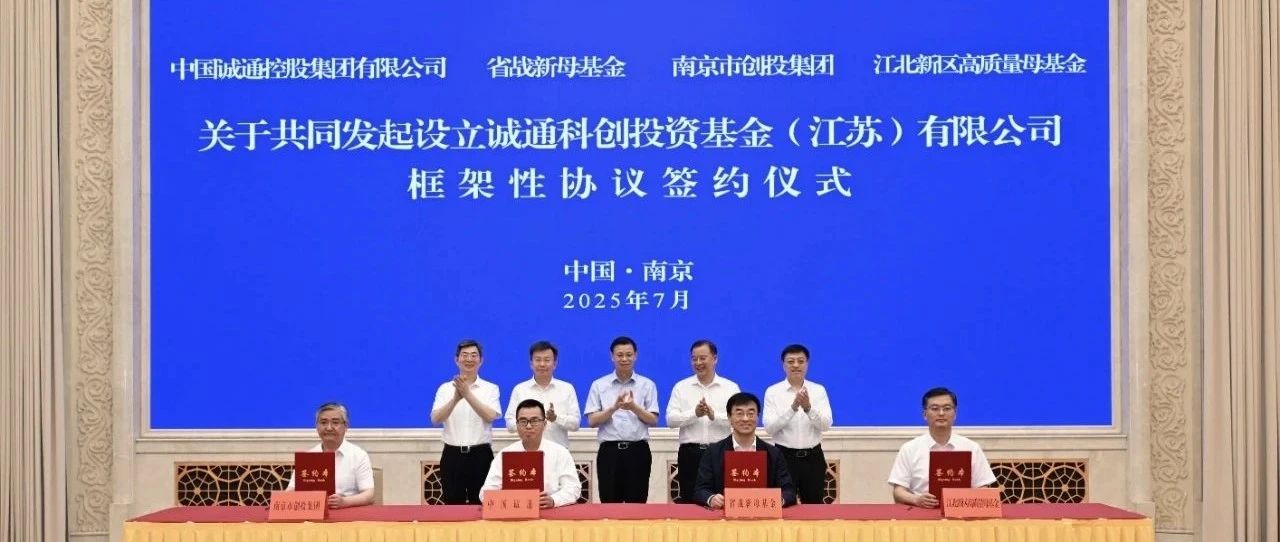
Core Viewpoint - China Chengtong and Jiangsu Provincial Government signed a framework cooperation agreement to establish the Chengtong Science and Technology Innovation (Jiangsu) Fund with a scale of 10 billion yuan, aiming to promote regional technological innovation and industrial upgrading [1][3][4]. Group 1: Fund Structure and Objectives - The Chengtong Science and Technology Innovation (Jiangsu) Fund will primarily focus on direct investments in strategic emerging industries such as new materials, advanced manufacturing, new generation information technology, and new energy [4][5]. - The fund aims to provide critical capital support for early and mid-stage technology projects and industrialization, while also addressing bottlenecks in capital investment, institutional mechanisms, and resource integration [4][8]. - The fund is part of a larger initiative, with a total planned scale of 30 billion yuan for the Chengtong Science and Technology Innovation Fund, which includes a 10 billion yuan fund in Jiangsu and a 10 billion yuan mother fund established in Beijing [4][6]. Group 2: Investment Strategy - The fund will adopt a combination strategy of equity investment and ecological incubation, focusing on seed, startup, and growth-stage technology innovation enterprises [7][8]. - It aims to support the transformation of scientific research achievements into marketable products, particularly in the context of "hard technology" investments [7][8]. - The fund is designed to have a duration of 15 years, emphasizing long-term support for innovative projects and fostering collaboration among central enterprises, local state-owned enterprises, and research institutions [8][12]. Group 3: Collaboration and Ecosystem Development - The fund will collaborate closely with the Suzhou Laboratory to accelerate the commercialization of new materials and promote significant research tasks into major industrial projects [5][9]. - It seeks to create a new industrial ecosystem by enhancing cooperation in technology, market, and capital among various stakeholders [8][10]. - The establishment of the fund is seen as a practical step to implement national policies aimed at supporting strategic emerging industries and fostering long-term capital investment [12][14].
险企考核“指挥棒”改革 打通险资入市堵点
Shang Hai Zheng Quan Bao· 2025-07-11 18:02
Core Viewpoint - The recent notification from the Ministry of Finance aims to guide state-owned commercial insurance companies towards long-term stable investments, adjusting performance evaluation metrics to include longer-term indicators, thereby promoting a more sustainable investment approach [2][3][4]. Group 1: Changes in Evaluation Metrics - The Ministry of Finance has adjusted the performance evaluation metrics for state-owned commercial insurance companies, combining annual indicators with 3-year and 5-year cycle indicators for "net asset return rate" and "capital preservation and appreciation rate" [3][4]. - The new evaluation weights are set at 30% for the annual indicator, 50% for the 3-year cycle indicator, and 20% for the 5-year cycle indicator, significantly increasing the emphasis on long-term performance [3][4]. Group 2: Impact on Investment Strategy - The adjustments are expected to alleviate short-term performance pressures on insurance companies, allowing them to increase their long-term stock investment capabilities [5][6]. - Insurance companies are encouraged to shift their investment strategies from short-term gains to long-term value creation, focusing on high-quality stocks with stable cash flows and reasonable valuations [6][8]. Group 3: Asset-Liability Management - The notification emphasizes the need for improved asset-liability management, requiring insurance companies to align their investment strategies with long-term goals and enhance their internal management mechanisms [7][8]. - Companies are urged to consider various factors such as customer needs, cash flow matching, and liability cost constraints in their operational strategies to optimize capital allocation [8]. Group 4: Support for Innovation - The notification is expected to enhance the ability of insurance funds to support technology innovation by identifying stable, low-risk investment opportunities, particularly in promising small and medium-sized tech enterprises [8]. - This approach aims to ensure that insurance funds play a significant role in providing long-term capital to support national strategic initiatives and the development of the real economy [8].

这个省出台新规:管理费按实际投资金额计提
母基金研究中心· 2025-07-11 09:44
Core Viewpoint - The newly implemented "Ningxia Autonomous Region Government Investment Fund Management Measures" introduces significant changes in fund management fees, emphasizing a shift towards performance-based compensation rather than traditional management fees based on committed capital [1][2]. Summary by Sections Fund Management Fees - The management fee is capped at 2% of the actual investment amount per year, calculated based on the actual investment time [1]. - This marks a departure from the previous industry norm where management fees were typically based on committed capital [2]. - The trend indicates increasing expectations for General Partners (GPs) to deliver valuable projects rather than relying solely on management fees for income [1][2]. Trends in the Primary Market - There is a noted downward trend in overall management fees in the primary market, with recent guidelines suggesting that management fees should be based on actual contributions or investments rather than committed capital [2]. - The Ningxia regulation is seen as a new approach, potentially influencing other regions to adopt similar practices [2]. Importance of Trust Between LPs and GPs - The relationship between Limited Partners (LPs) and GPs is crucial, with management fees intended to cover operational costs while excess returns are what ultimately benefit GPs [3][4]. - The industry is moving towards greater standardization and professionalism, reducing the number of GPs who rely solely on management fees [4]. Error Tolerance Mechanism - The Ningxia measures include a detailed error tolerance mechanism, allowing for flexibility in cases where expected outcomes are not met due to innovative approaches or unforeseen circumstances [5][6]. - This mechanism is designed to encourage risk-taking and innovation within government investment funds [9]. National Policy Context - The new measures align with national policies aimed at optimizing government investment fund management and establishing a robust error tolerance mechanism [8][9]. - Recent policies have emphasized the need for a supportive environment that encourages innovation and tolerates failure, which is reflected in Ningxia's approach [8][9]. Future Expectations - There is an anticipation for more regions to adopt similar frameworks that enhance the incentive structures and error tolerance mechanisms for government investment funds, promoting long-term and patient capital [14].

从热钱到长钱 创投行业将迎生态重构
Shang Hai Zheng Quan Bao· 2025-07-10 18:29
Core Insights - The venture capital market in China is experiencing a significant transformation, with a notable increase in institutional LP commitments and a shift towards long-term investments in early-stage technology projects [1][2][4]. Group 1: Investment Trends - In the first half of this year, institutional LP commitments reached 872 billion yuan, a 50% year-on-year increase, with 3,315 investment transactions, marking a 2% rise [2][3]. - The overall investment scale in the venture capital market decreased by approximately 5% compared to the same period last year, but the decline is significantly less than the 50% drop observed in 2024 [3]. - The number of IPOs on A-shares and Hong Kong stocks increased by 20 compared to the previous year, indicating a more favorable exit environment for investors [3]. Group 2: Market Dynamics - The influx of long-term capital is reshaping the venture capital ecosystem, moving away from short-term speculative investments towards more sustainable funding models [4][5]. - Government policies and support from state-owned LPs have become more proactive, creating new opportunities for market participants [3][5]. - There is a growing trend among venture capital firms to focus on early-stage investments, particularly in technology sectors, as they adapt to the changing market landscape [6][7]. Group 3: Future Outlook - The venture capital industry is expected to continue evolving, with a focus on enhancing investment capabilities and diversifying exit strategies to support high-quality economic development [1][7]. - Industry participants are advocating for improved exit mechanisms, including more inclusive listing processes and diversified exit routes such as mergers and acquisitions [8]. - There is an emphasis on the importance of patience in capital investment, with a call for venture capital firms to enhance their research capabilities to identify and nurture promising technology enterprises [7][8].
刚刚,苏州发布两大百亿基金
母基金研究中心· 2025-07-10 10:07
Core Viewpoint - Suzhou has launched two major funds, the "Billion Talent Fund" and the "Major Industry Development Fund," each with a total scale of 10 billion yuan, aimed at supporting talent and industrial development in the region [1][3]. Group 1: Billion Talent Fund - The "Billion Talent Fund," initiated by Suzhou Chuangtou Group, has a total scale of 10 billion yuan, with an initial phase of 2.5 billion yuan and a duration of 15 years [3]. - The fund will focus on key areas such as artificial intelligence, low-altitude economy, biomedicine, cultural creativity, and youth entrepreneurship, providing a comprehensive financial support system for talent development [3]. - Suzhou Chuangtou Group plans to establish 10 sub-funds within the year, with a specific focus on early-stage projects for talents under 35 years old [3]. Group 2: Major Industry Development Fund - The Major Industry Development Fund, led by Suzhou Guotou Group, also has a total scale of 10 billion yuan, focusing on "chain master" projects in significant industrial sectors [3][4]. - Investments will primarily be direct, with a minimum investment of 500 million yuan per project, targeting key enterprises that possess scarce resources and core technologies [4]. Group 3: Investment Trends and Achievements - Suzhou has seen a surge in successful IPOs from companies backed by its state-owned capital, with multiple firms going public in 2023, indicating a robust investment environment [5]. - The establishment of various specialized funds, including a 100 billion yuan biomedicine fund and a 50 billion yuan new energy fund, reflects Suzhou's commitment to enhancing its advantageous industries [6]. - The "New Billion" fund group is designed to cover all stages of enterprise growth, from incubation to maturity, with a total of 145 funds managed by Suzhou, exceeding 260 billion yuan in scale [8]. Group 4: Ecosystem and Future Outlook - Suzhou is recognized as a leading city in venture capital, with a clear strategy to optimize its industrial layout around the "1030" industrial system, which includes 10 key industrial clusters and 30 key industrial chains [9]. - The province of Jiangsu is also accelerating its mother fund layout, with a total scale of 500 billion yuan for strategic emerging industries, indicating a strong commitment to fostering innovation and investment [10][11]. - The collaborative approach of provincial and municipal funds aims to create a comprehensive investment ecosystem that supports various sectors and enhances regional competitiveness [17][18].