印太战略

Search documents
美关税大棒砸向新德里,印度告 到WTO,普京战机订单稳赚赢家
Sou Hu Cai Jing· 2025-08-10 03:15
Group 1: Trade Relations - The U.S. plans to impose tariffs of 20% to 25% on Indian goods, significantly higher than the 15% tariffs on Japan and the EU, which has shocked Indian negotiators [1] - India's exports to the U.S. could drop by 30% in the new fiscal year, from $86.5 billion to $60.6 billion, affecting key sectors like oil, pharmaceuticals, and electronics [4] - India's Trade Minister Goyal has formally challenged the U.S. tariffs at the WTO, claiming that $2.9 billion worth of Indian exports will be impacted, leading to an additional cost of $725 million for Indian businesses [1][4] Group 2: Agricultural Concerns - The U.S. demands that India open its markets for corn, soybeans, and dairy products, which poses a significant political risk for the Modi government, as 42% of the population relies on agriculture [5] - The Indian government has firmly stated that agriculture and dairy products are off-limits for negotiation, highlighting the sensitivity of these sectors [5] Group 3: Military Developments - India has signed a significant military deal with Russia for 30 Su-57E stealth fighter jets, which includes technology transfer and local assembly, enhancing India's air force capabilities [7] - The Indian Air Force plans to establish three stealth fighter squadrons in strategic locations, increasing its operational readiness against regional threats [8] Group 4: Economic Impact - The tariffs and military expenditures are expected to lead to rising prices for medicines and food, affecting the general population as political decisions impact market dynamics [10]

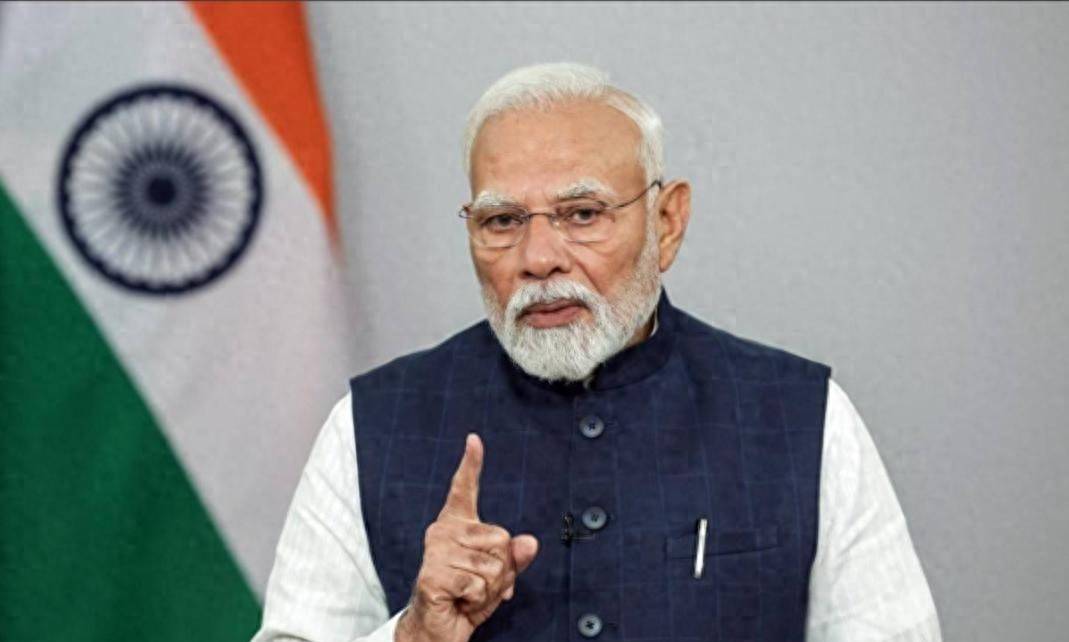
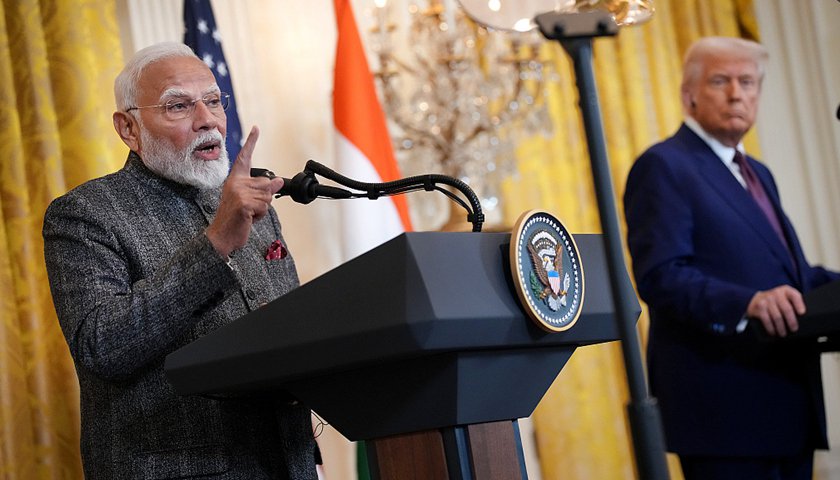
美方一点余地不留,莫迪终于翻脸,不仅供出美国,还将主动访华
Sou Hu Cai Jing· 2025-08-07 09:09
Core Viewpoint - The escalating tensions between the United States and India, primarily due to India's purchase of Russian oil, have led to a significant diplomatic rift, with Trump threatening to impose high tariffs on India, showcasing a lack of respect for India's strategic importance [1][3][15]. Group 1: U.S.-India Relations - Trump's aggressive stance towards India, including threats of tariffs, indicates a shift in U.S. policy, where India is no longer seen as a reliable partner but rather as a target for pressure [3][15]. - The U.S. perception of India as a country that prioritizes short-term gains over long-term strategic alliances has contributed to the current diplomatic crisis [5][15]. - Modi's initial silence in response to U.S. pressure was a strategic pause before a more assertive response, highlighting the seriousness of the situation [3][10]. Group 2: India's Response - Modi's government has begun to push back against U.S. pressure by revealing the hypocrisy of U.S. criticisms, pointing out that the U.S. had previously encouraged India's oil imports from Russia [7][9]. - The decision for Modi to visit China after U.S. threats signals a potential realignment of India's foreign policy, seeking support from other major powers [10][12]. - This visit is seen as a strategic move to enhance India's negotiating position against U.S. tariffs and to recalibrate its relationship with China [12][19]. Group 3: Implications for Global Strategy - The U.S. strategy in the Indo-Pacific region is at risk of unraveling as India, a key player, openly distances itself from U.S. influence [15][17]. - The situation illustrates a broader trend where emerging nations may seek to assert their independence from U.S. dominance, potentially leading to a shift in global alliances [19]. - The U.S.'s failure to treat India as an equal partner has resulted in a loss of credibility and strategic stability, undermining its geopolitical objectives [17][19].
“你们也在买俄罗斯商品”:印度强硬回怼特朗普关税威胁
Xin Lang Cai Jing· 2025-08-05 03:56
Core Viewpoint - The article discusses the tensions between India and the United States regarding India's import of Russian oil amidst the ongoing Russia-Ukraine conflict, highlighting India's stance against U.S. threats and the geopolitical implications of energy trade [1][2][4]. Group 1: U.S. Threats and India's Response - The U.S. President Donald Trump has issued warnings to India regarding its continued import of Russian oil, threatening to impose higher tariffs on Indian goods if the imports do not cease [1][4]. - India's Ministry of External Affairs spokesperson, Randeep Jaiswal, criticized the U.S. threats as "unfair and unreasonable," asserting that India will take necessary measures to protect its national interests and economic security [4][5]. Group 2: Energy Trade Dynamics - Since the onset of the Russia-Ukraine conflict, India has significantly increased its imports of Russian oil, with an average daily import of approximately 1.75 million barrels in the first half of the year, marking a 1% increase from the previous year [4]. - The article notes that the U.S. and EU have also continued to import goods from Russia, including liquefied natural gas and various chemicals, which Jaiswal points out as a double standard in the criticism directed at India [4][5]. Group 3: Geopolitical Context - Historically, India has maintained close ties with Russia for geopolitical reasons, especially in energy and military sectors, with 85% of its oil being imported [4]. - The article mentions that India is viewed as a key player in the U.S. "Indo-Pacific strategy," but recent disagreements, particularly over oil imports and trade negotiations, have strained relations [5].
马科斯访美,美国开了“空头支票”?菲防长转身对华明牌,解放军对菲律宾称呼已变,10个字定调
Sou Hu Cai Jing· 2025-08-04 14:16
Core Points - Philippine President Marcos's recent visit to the U.S. was marked by unmet expectations, with U.S. commitments perceived as "empty promises" [1][9] - The U.S. plans to impose a 20% "equivalent tariff" on Philippine exports, raising concerns among Philippine officials [1][3] - Marcos aimed to negotiate favorable outcomes regarding tariffs and defense cooperation during his visit, but the results were largely unsatisfactory [3][9] Tariff Issues - The U.S. initially planned to increase tariffs on Philippine products from 17% to 20%, causing significant anxiety in the Philippines [1] - After negotiations, the U.S. reduced the tariff to 19%, which was viewed as a symbolic concession rather than a substantial benefit [3] Defense Cooperation - Despite discussions on enhancing defense cooperation, no significant breakthroughs were achieved during Marcos's visit [3] - The U.S. support for the Philippines in the South China Sea remains largely verbal, with actual military assistance being uncertain due to domestic political processes [4][9] Philippine Military Actions - Following the visit, Philippine Defense Secretary Teodoro adopted a confrontational stance towards China, labeling it a "peace destroyer" in Southeast Asia [6] - The Philippine military has engaged in provocative actions in the South China Sea, including attempts to supply illegally stationed vessels [6][7] Domestic and Strategic Context - The Philippines faces economic challenges, leading some politicians to divert public attention through external conflicts [7] - The Philippines is seen as a key player in the U.S. Indo-Pacific strategy, seeking military and economic support from the U.S. while risking over-reliance [7][9] China's Response - The Chinese military has labeled the Philippines as a "troublemaker" and "danger creator," indicating a shift to a more assertive stance against Philippine actions [7] - China's commitment to defending its territorial sovereignty and maritime rights remains strong, urging the Philippines to cease provocative actions and engage in dialogue [9]
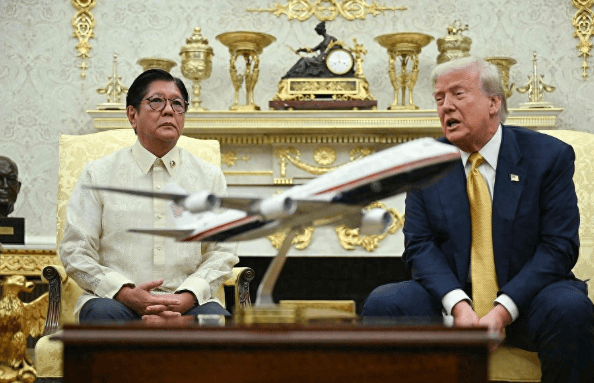
不顾特朗普威胁,印度有意继续购买俄罗斯石油
Xin Lang Cai Jing· 2025-08-04 08:57
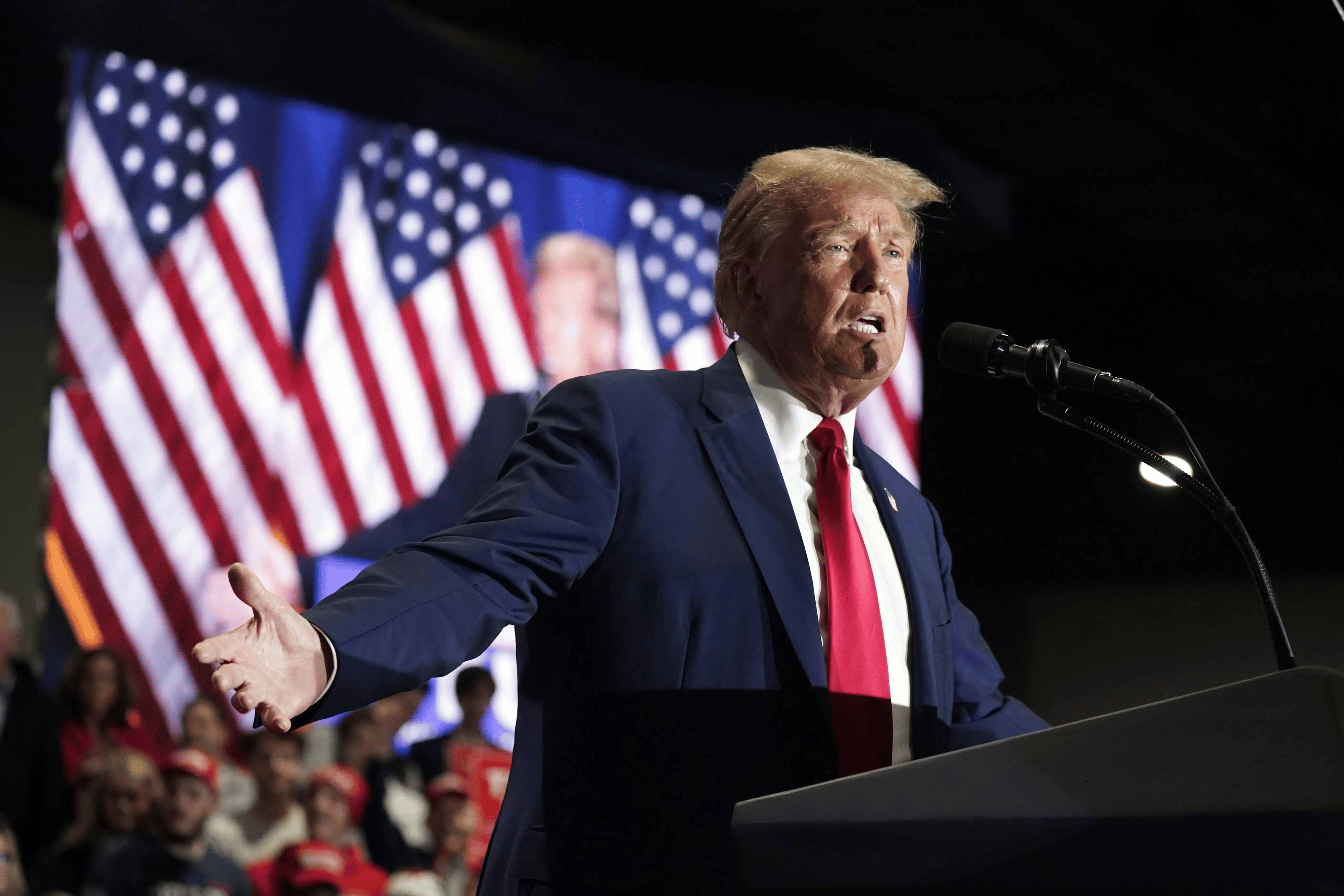
Core Viewpoint - The article discusses India's continued purchase of Russian oil amidst threats of sanctions from the U.S. government, highlighting the geopolitical implications and India's strategic partnerships with Russia and the U.S. [1][2] Group 1: U.S. Pressure on India - U.S. President Trump has threatened sanctions against India for purchasing Russian oil, indicating a potential increase in import tariffs on Indian goods if the purchases continue [1][2] - Trump's senior advisor, Stephen Miller, criticized India's actions as funding Russia in the ongoing conflict, emphasizing the need for India to stop supporting the war [2] Group 2: India's Oil Imports - India has signed long-term contracts for Russian oil and has no immediate plans to halt these purchases, with both state-owned and private refiners allowed to buy oil from various suppliers [1] - Prior to the conflict, Russian oil accounted for about 1% of India's total oil imports, but this figure has increased significantly since the onset of the war [2] - In May 2023, India reached a peak import rate of 2.15 million barrels per day from Russia, making it the largest source of oil for India [3] Group 3: Market Dynamics - From January to June 2023, India's average daily imports of Russian oil were approximately 1.75 million barrels, reflecting a 1% increase from the previous year [3] - In July 2023, there was a noted decrease in oil imports from Russia, which analysts attribute to seasonal factors such as the monsoon and regular maintenance of refineries [3]
特朗普威胁“惩戒”,印度决定“硬刚”
Sou Hu Cai Jing· 2025-08-03 20:49
Core Points - The U.S. will impose "reciprocal tariffs" ranging from 10% to 41% on 69 global trade partners starting August 7, with India facing a 25% tariff, the highest among major economies [1][3] - Trump's administration aims to reduce trade deficits and encourage manufacturing to return to the U.S. through these tariffs, impacting allies like Japan, South Korea, and the UK as well [3][4] - The tariffs are also seen as a strategy to pressure Russia regarding the Ukraine situation, as India is a significant buyer of Russian oil [4][6] Trade Relations - The trade volume between the U.S. and India is projected to exceed $118 billion in the fiscal year 2023-2024, making the U.S. India's largest trade partner [3] - Trump's comments highlight that high tariffs and non-tariff barriers from India have limited trade relations, despite India being a key player in the U.S. Indo-Pacific strategy [3][4] Geopolitical Implications - The tariffs are part of a broader strategy to leverage economic pressure on Russia, with India’s continued purchase of Russian oil being a critical factor [4][6] - India's relationship with Russia is characterized as a "privileged special strategic partnership," making it unlikely for India to significantly reduce oil imports from Russia despite U.S. pressure [7] Domestic Response - Indian Prime Minister Modi emphasized the importance of domestic manufacturing and consumption, indicating a reluctance to compromise economic interests for U.S. favor [7] - The Indian government faces domestic criticism regarding its relationship with the U.S., particularly in light of recent geopolitical tensions [7]
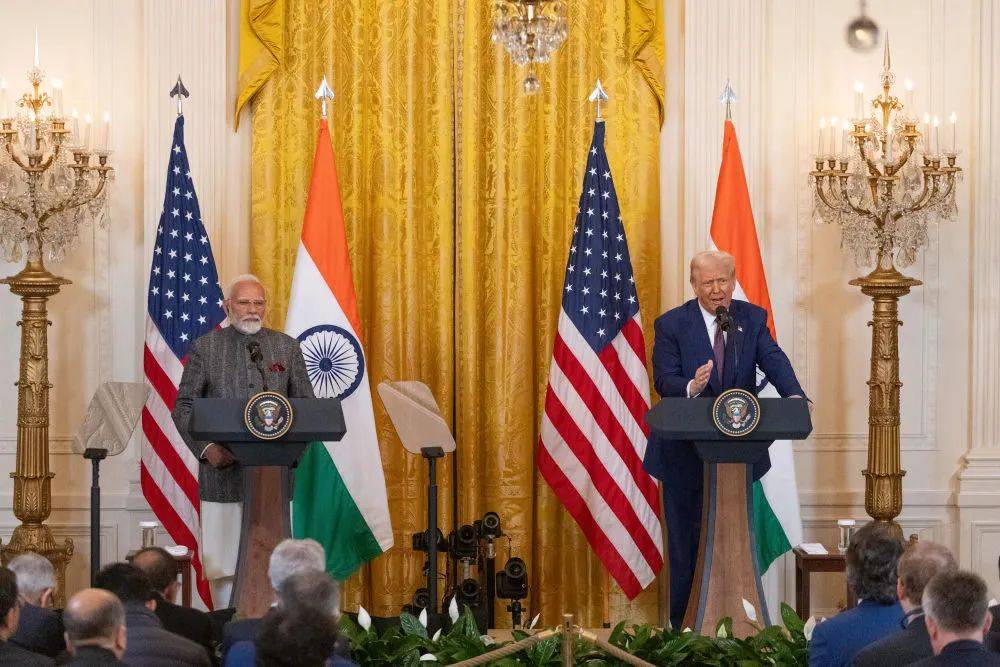
印度选择“不跪”,等着美国挥出关税大棒,特朗普发出最后警告,治不了中国,还收拾不了印度?
Sou Hu Cai Jing· 2025-08-01 06:36
Group 1 - The U.S. has recently targeted India with tariffs, marking a shift in its trade strategy after previously pressuring the EU and Japan, which complied with a 15% tariff [1][2][4] - The trade deficit with India stands at $46 billion, with a total bilateral trade volume of approximately $129 billion, prompting U.S. frustration over India's market openness and its ties with Russia [4][6] - India is resisting U.S. pressure, citing its diverse trade options and the need to protect its agricultural sector, which employs 50% of its population [6][7] Group 2 - The U.S. is in a contradictory position, wanting to use tariffs to open India's market while fearing that aggressive tactics may push India closer to China, undermining its "Indo-Pacific strategy" [7][9] - Both countries are likely to engage in retaliatory measures, leading to a trade conflict that may harm both sides, as neither is willing to compromise on their core interests [9] - The outcome of this trade dispute could reflect poorly on U.S. strategic objectives, questioning the effectiveness of its approach in maintaining global dominance [9]
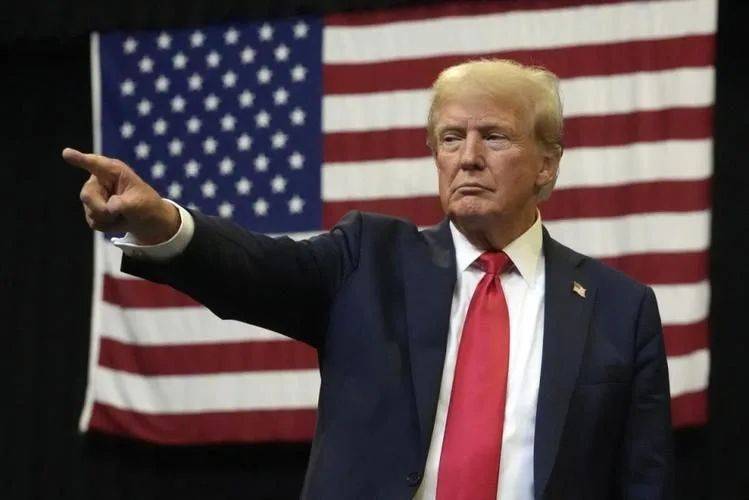
国防部回应“美空军史上最大规模演习”:中国军队有信心有能力应对一切风险挑战
Xin Lang Cai Jing· 2025-07-30 08:32
Group 1 - The core viewpoint of the article highlights the U.S. Air Force's recent large-scale exercise in the Western Pacific, named "Operation Return to the Pacific," which is seen as a significant escalation of the U.S. military presence in the region as part of its Indo-Pacific strategy [1] - The exercise is described as the largest in U.S. Air Force history and serves as a practical test of operational concepts like "Agile Combat Employment," indicating a shift towards more robust military deployments in the Asia-Pacific region [1] - The Chinese Defense Ministry spokesperson criticized the U.S. for its Cold War mentality, accusing it of using military exercises to intimidate other countries and disrupt peace and stability in the Asia-Pacific [1] Group 2 - The spokesperson emphasized that the Pacific should remain a peaceful area and not be turned into a zone of conflict due to external provocations [1] - The Chinese military expressed confidence and capability to address any risks and challenges, asserting its commitment to safeguarding national sovereignty, security, and development interests [1] - The statement positions the Chinese military as a steadfast force for maintaining international and regional peace amidst rising tensions [1]
特朗普关税施压没用?关键时刻,美逼迫韩国“协防台海”,李在明早已给出答案,美失望了
Sou Hu Cai Jing· 2025-07-29 02:38
Group 1 - The core argument of the article highlights the failure of U.S. pressure tactics on South Korea, as President Yoon Suk-yeol employs a diplomatic strategy to counteract the dual pressure from the Trump administration [1][3] - The U.S. has threatened to impose a 25% tariff on South Korean shipbuilding unless cooperation is achieved, but South Korea has proposed a multi-billion dollar investment plan to support U.S. shipbuilding, effectively turning the tariff threat into a job creation opportunity for the U.S. [3][10] - The U.S. has also requested South Korea to expand the scope of the U.S.-South Korea Mutual Defense Treaty to include the entire Indo-Pacific region, indicating a desire for South Korea to participate in conflicts in the Taiwan Strait or South China Sea [3][5] Group 2 - South Korea's defense budget is under pressure to increase from 2.3% of GDP to 5%, which would raise military spending from approximately $50 billion to over $100 billion [5] - The article describes the U.S. approach as "double extortion," with South Korea's media echoing this sentiment, indicating a growing frustration with U.S. demands [5] - President Yoon's statement that "the Taiwan issue has nothing to do with South Korea" marks a significant shift in South Korea's stance in the U.S.-China rivalry, reflecting a desire to avoid past mistakes that led to strained relations with China [5][12] Group 3 - The article outlines three failures of U.S. strategies in East Asia: economic pressure has backfired as South Korea finds ways to counteract tariffs, military alliances are showing cracks with South Korea's refusal to comply, and the U.S. is losing leverage over the Korean Peninsula as inter-Korean relations improve [10][11][12] - South Korea's economic ties with China are emphasized, particularly in the semiconductor industry, where over 60% of South Korea's exports are directed to China, providing a potential alternative market if U.S. restrictions are imposed [7][9] - The article suggests that South Korea's recent moves towards cooperation with China in sectors like renewable energy and electric vehicles are strategic efforts to mitigate risks associated with U.S. pressures [9][12]
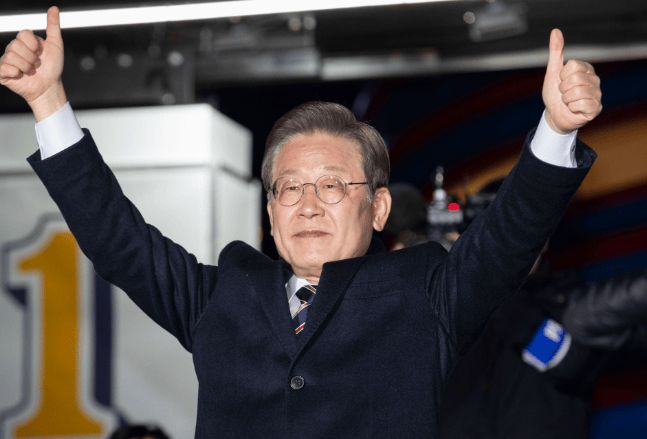
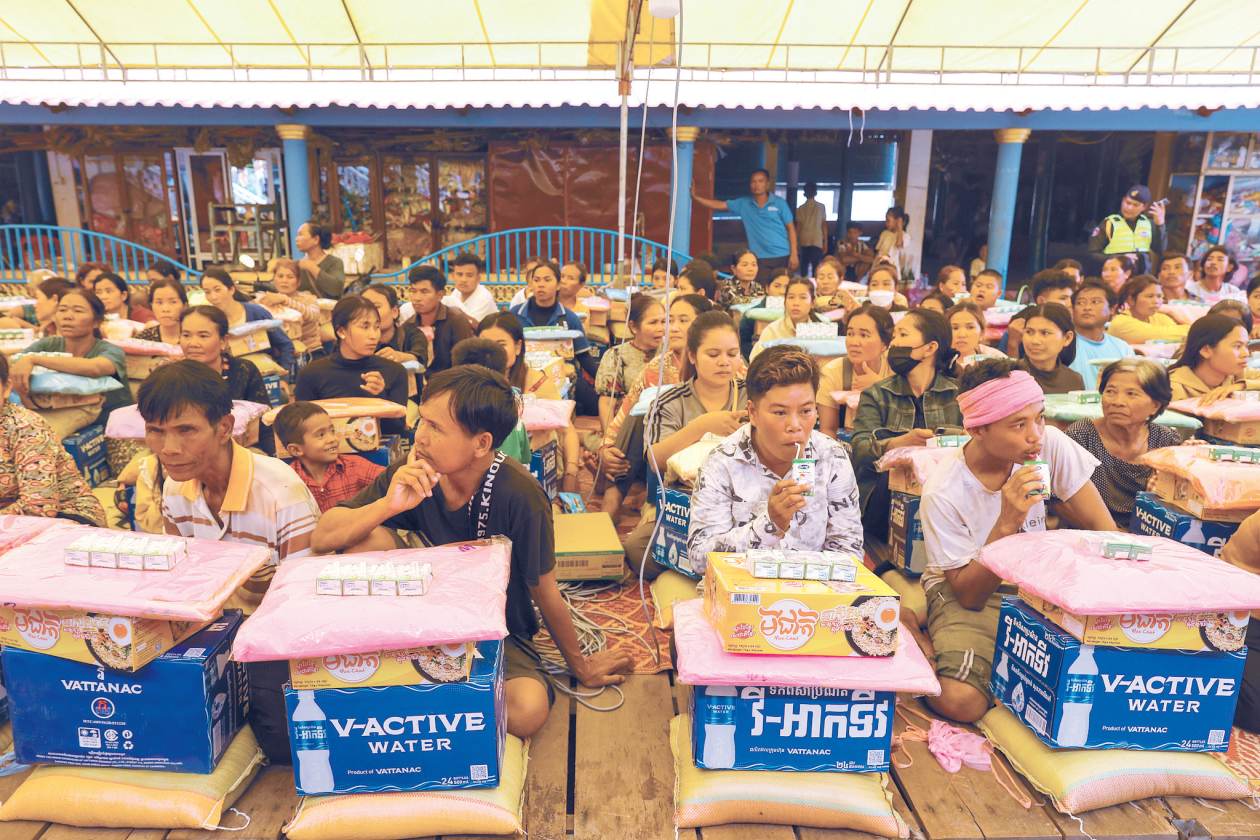
东盟持续进行斡旋,两国仍在互相指责,泰国称将与柬举行领导人会晤
Huan Qiu Shi Bao· 2025-07-27 23:06
Group 1 - The core point of the article is that U.S. President Trump has engaged in discussions with the leaders of Cambodia and Thailand to facilitate a ceasefire agreement amid ongoing border conflicts between the two nations [1][3][4] - Trump has linked the ceasefire negotiations to ongoing trade talks, warning that continued conflict would hinder any potential trade agreements with the U.S. [3][4] - Cambodia's Prime Minister Hun Manet has expressed support for the ceasefire proposal and has instructed his foreign minister to coordinate with U.S. Secretary of State Rubio and Thailand's foreign minister [4][6] Group 2 - Despite discussions of a ceasefire, fighting between Thailand and Cambodia has continued for four consecutive days, with reports of artillery fire and casualties on both sides [5][6] - The Thai military has confirmed that the situation on the ground remains tense, with ongoing military operations despite diplomatic talks [5][6] - Malaysia, as the ASEAN chair, has offered to mediate the conflict and facilitate dialogue between the two countries [6][7] Group 3 - U.S. media has highlighted the geopolitical implications of the conflict, framing it as a test of U.S. influence in Southeast Asia against China's growing presence [7] - The media narrative suggests that the conflict could be seen as a proxy war, although experts argue that both the U.S. and China are likely to encourage diplomatic resolutions [7]