
可重复使用火箭技术

Search documents
今日财经要闻TOP10|2025年12月3日
Xin Lang Cai Jing· 2025-12-03 12:07
Group 1 - Trump introduced Kevin Hassett as a potential candidate for the Federal Reserve Chair [1] Group 2 - The Invesco Nasdaq Technology ETF (159509) has issued a premium risk warning due to significant trading price exceeding the reference net asset value, leading to a potential trading risk for investors [2] - The fund will suspend trading from December 4, 2025, until 10:30 AM if the premium does not decrease effectively [2] Group 3 - Russian presidential assistant Ushakov stated that discussions between Russia and the U.S. included territorial issues, but no compromise on the Ukraine situation has been reached [3][11] - The five-hour meeting allowed for in-depth discussions on various solutions for the Ukraine issue, but no agreement was finalized [11] Group 4 - The Zhuque-3 reusable launch vehicle successfully completed its flight mission, although the recovery of the first stage failed due to an abnormal combustion incident [4][12] - The rocket is designed for low-cost, high-capacity, and frequent launches, with a focus on reusability [12] Group 5 - Dongxing Securities and Xinda Securities are set to be merged through a share exchange by China International Capital Corporation (CICC), with A-shares suspended from trading due to the restructuring process [6][5] Group 6 - The Shanghai Composite Index experienced a slight decline of 0.09%, while sectors such as coal and wind power equipment showed positive performance [14] - The market saw over 3,500 stocks decline, with significant movements in various sectors including diamonds and coal mining [14] Group 7 - French President Macron arrived in Beijing for a three-day state visit, marking his fourth visit to China, aimed at enhancing the comprehensive strategic partnership between the two nations [15] Group 8 - U.S. stock indices collectively rose, with Intel shares increasing by over 8%, indicating positive performance among major technology stocks [16]


朱雀三号首飞成功入轨,一级回收失利!曾获马斯克高度关注,称“可能在五年内超过猎鹰”
Sou Hu Cai Jing· 2025-12-03 11:52
Core Viewpoint - The successful launch of the Zhuque-3 rocket marks a significant milestone in China's commercial space sector, despite the failure of the first-stage recovery test, highlighting the ongoing advancements in reusable rocket technology [1][3][8] Group 1: Rocket Specifications and Features - Zhuque-3 is a new generation of low-cost, high-capacity, high-frequency, reusable liquid oxygen-methane launch vehicle developed by Blue Arrow Aerospace [1][5] - The rocket features a two-stage design with a diameter of 4.5 meters and a total length of 66.1 meters, utilizing the Tianque series liquid oxygen-methane engines [1][5] - The first stage is equipped with a reaction control system, grid fins, and landing legs for vertical return and reuse after orbital launch [1][5] Group 2: Launch and Recovery Test - The mission included a first-stage recovery verification, which encountered an abnormal combustion issue, resulting in a failure to achieve a soft landing [3] - Despite the recovery failure, the mission validated the overall design and operational plans of the Zhuque-3, providing critical engineering data for future launches and recovery efforts [3][6] Group 3: Market Reaction and Industry Impact - The launch generated significant interest in the capital markets, with stocks in the commercial space sector experiencing notable gains, including Shanghai Hanyun and Zhaobiao Co., which hit their daily limit [6] - The successful recovery of the Zhuque-3 would position China as the second country globally, after the United States, to master reusable rocket technology, enhancing Blue Arrow Aerospace's status in the industry [8] Group 4: Notable Achievements - The Zhuque-3's maiden flight achieved five "domestic firsts," including the first orbital flight of a new reusable liquid oxygen-methane launch vehicle and the first application of a nine-engine parallel liquid oxygen-methane propulsion system [5] - The rocket's design incorporates high-strength stainless steel and advanced laser welding techniques, marking significant advancements in manufacturing processes for space vehicles [5][8]

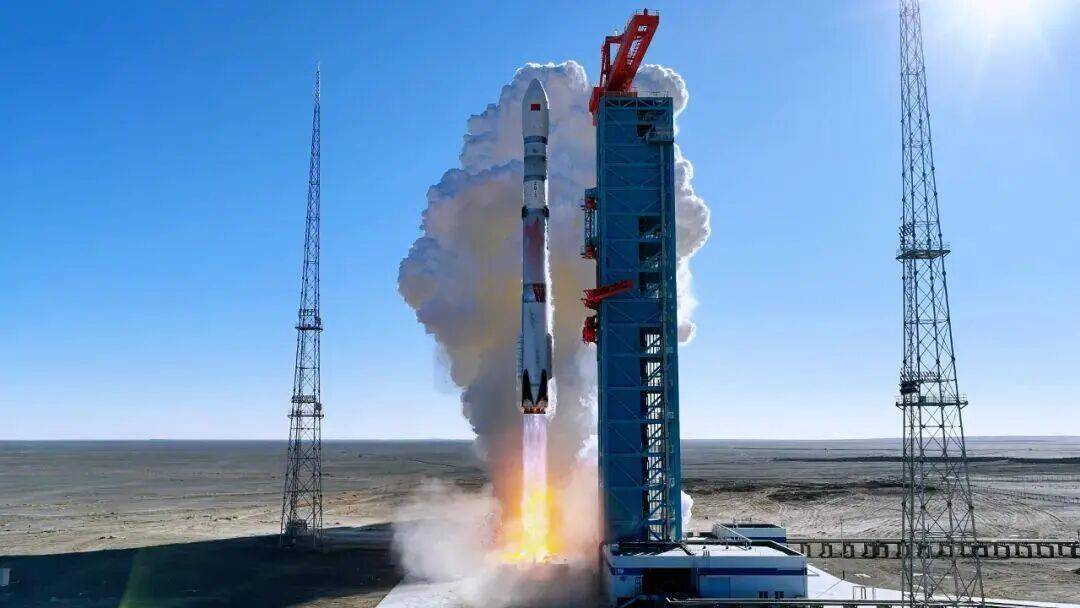
朱雀三号回收试验失败,概念股纷纷跳水
Zhong Guo Ji Jin Bao· 2025-12-03 07:05
【导读】朱雀三号回收试验失败,概念股纷纷跳水 12月3日,朱雀三号的发射引起全市场关注。 如果朱雀三号发射并实现成功回收,这对于中国航天具有里程碑式的重要意义,将使得中国成为美国之后,全球第二个掌握可重复使用火箭技术的国家。 同时,蓝箭航天将成为继美国SpaceX、蓝色起源公司外,全球第三家可实现火箭一子级回收的公司。 不过,12月3日朱雀三号任务一级回收失败。 蓝箭航天称,此次任务的飞行过程中,火箭起飞、一二级分离、二级发动机起动、整流罩分离、二级发动机关机、二级滑行、二级发动机二次起动等关键 动作均按计划完成,表现稳定可靠。与此同时,本次任务开展了一子级垂直回收技术的飞行验证。根据飞行测量数据,火箭一子级在着陆段点火后出现异 常,未实现在回收场坪的软着陆,残骸着陆于回收场坪边缘,回收试验失败,具体原因正在进一步排查中。 蓝箭航天发文表示,北京时间2025年12月3日,朱雀三号遥一运载火箭在东风商业航天创新试验区发射升空,按程序完成了飞行任务,火箭二级进入预定 轨道。 (文章来源:中国基金报) 蓝箭航天表示,朱雀三号首飞入轨并完成关键技术验证,体现了我国商业航天产业在高质量发展道路上的创新突破与战略担当。蓝 ...

突然跳水!刚刚,回收失败!
Zhong Guo Ji Jin Bao· 2025-12-03 06:59
【导读】朱雀三号回收试验失败,概念股纷纷跳水 中国基金报记者 泰勒 12月3日,朱雀三号的发射引起全市场关注。 如果朱雀三号发射并实现成功回收,这对于中国航天具有里程碑式的重要意义,将使得中国成为美国之 后,全球第二个掌握可重复使用火箭技术的国家。同时,蓝箭航天将成为继美国SpaceX、蓝色起源公 司外,全球第三家可实现火箭一子级回收的公司。 不过,12月3日朱雀三号任务一级回收失败。 蓝箭航天发文表示,北京时间2025年12月3日,朱雀三号遥一运载火箭在东风商业航天创新试验区发射 升空,按程序完成了飞行任务,火箭二级进入预定轨道。 编辑:杜妍 校对:王玥 制作:嘉颖 审核:许闻 蓝箭航天称 ,此次任务的飞行过程中,火箭起飞、一二级分离、二级发动机起动、整流罩分离、二级 发动机关机、二级滑行、二级发动机二次起动等关键动作均按计划完成,表现稳定可靠。与此同时,本 次任务开展了一子级垂直回收技术的飞行验证。根据飞行测量数据,火箭一子级在着陆段点火后出现异 常,未实现在回收场坪的软着陆,残骸着陆于回收场坪边缘,回收试验失败,具体原因正在进一步排查 中。 蓝箭航天表示,朱雀三号首飞入轨并完成关键技术验证,体现了我国商 ...

突然跳水!刚刚,回收失败!
中国基金报· 2025-12-03 06:52
【导读】 朱雀三号回收试验失败,概念股纷纷跳水 中国基金报记者 泰勒 12月3日,朱雀三号的发射引起全市场关注。 如果 朱雀三号 发射并实现成功回收,这对于中国航天具有里程碑式的重要意义,将使得中国成为美国之后,全球第二个掌握可重复使用 火箭技术的国家。同时,蓝箭航天将成为继美国SpaceX、蓝色起源公司外,全球第三家可实现火箭一子级回收的公司。 不过,12月3日 朱雀三号任务一级回收失败。 蓝箭航天发文表示,北京时间2025年12月3日,朱雀三号遥一运载火箭在东风商业航天创新试验区发射升空,按程序完成了飞行任务, 火箭二级进入预定轨道。 编辑:杜妍 校对:王玥 制作:嘉颖 审核: 许闻 越跌越买!加仓 蓝箭航天称 , 此次任务的飞行过程中,火箭起飞、一二级分离、二级发动机起动、整流罩分离、二级发动机关机、二级滑行、二级发动 机二次起动等关键动作均按计划完成,表现稳定可靠。与此同时,本次任务开展了一子级垂直回收技术的飞行验证。 根据飞行测量数 据,火箭一子级在着陆段点火后出现异常, 未实现在回收场坪的软着陆, 残骸着陆于回收场坪边缘,回收试验失败,具体原因正在进一 步排查中。 蓝箭航天表示,朱雀三号首飞入轨并 ...
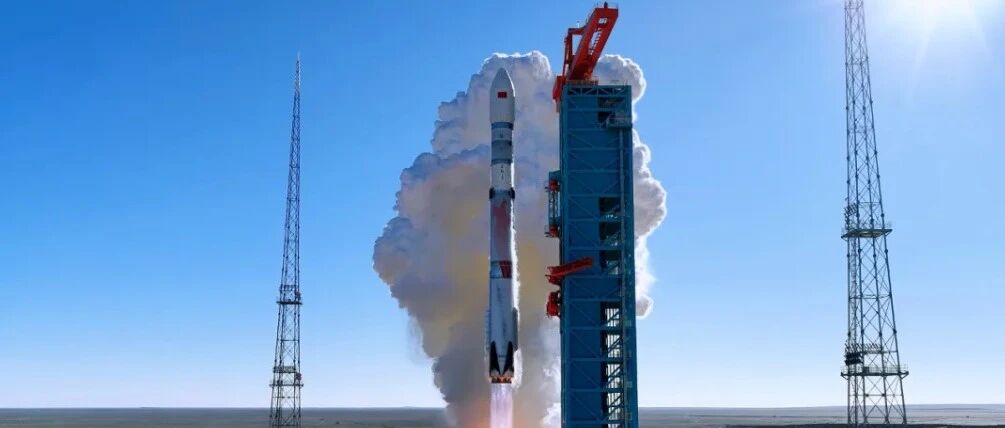
朱雀三号发射入轨,回收试验失败:发生异常燃烧,该可回收火箭曾获马斯克高度关注
Xin Lang Cai Jing· 2025-12-03 06:19
Core Viewpoint - The successful launch of the Zhuque-3 rocket marks a significant milestone for China's space industry, although the recovery of the first stage was unsuccessful due to an abnormal combustion incident during the test [3][4][19]. Group 1: Launch and Recovery - The Zhuque-3 rocket was launched on December 3, completing its flight mission with the second stage entering the designated orbit [1][16]. - The first stage recovery verification was attempted but failed to achieve a soft landing at the recovery site, with the specific cause under further analysis [3][18]. - Despite the failure in recovery, the mission validated the overall testing, launch, and flight processes, providing critical engineering data for future reusable missions [3][18]. Group 2: Technical Specifications - Zhuque-3 is a new generation of low-cost, high-capacity, and reusable liquid oxygen-methane launch vehicle developed by Landspace [3][10]. - The rocket measures 76.6 meters in length, with a launch mass of approximately 570 tons and a thrust exceeding 750 tons [10][25]. - It has a low Earth orbit payload capacity of 21.3 tons and can be reused up to 20 times for its first stage [10][25]. Group 3: Market Impact and Future Prospects - The launch of Zhuque-3 has attracted significant market attention, as successful recovery would position China as the second country globally to master reusable rocket technology after the United States [4][19]. - Landspace aims to optimize recovery strategies and continue validating reusable technology in future missions [3][18]. - The company is currently valued at over 20 billion yuan and is in the process of an IPO, indicating strong investor interest in the commercial space sector [29]. Group 4: Industry Context - The Zhuque-3 project was officially initiated in August 2023, with significant milestones achieved in vertical landing tests within five months [12][27]. - Other reusable rockets in development in China include the Chang Zheng 12A and the Hyperbola-3, indicating a growing competitive landscape in the commercial space industry [29][30]. - The establishment of a dedicated Commercial Space Administration by the National Space Administration aims to enhance the regulatory framework and support the growth of the commercial space sector in China [30].
朱雀三号发射入轨,回收试验失败!曾获马斯克高度关注,此前他称“可能在五年内超过猎鹰”
Xin Lang Cai Jing· 2025-12-03 06:19
Core Viewpoint - The successful launch of the Zhuque-3 rocket marks a significant milestone for China's space industry, although the recovery of the first stage was unsuccessful due to an abnormal combustion incident [3][19][20]. Group 1: Launch and Recovery - The Zhuque-3 rocket was launched on December 3, completing its flight mission with the second stage entering the designated orbit [1][17]. - The mission included a recovery verification for the first stage, which failed to achieve a soft landing due to an abnormal combustion event [3][19]. - Despite the recovery failure, the mission validated the overall testing, launch, and flight processes, providing critical engineering data for future reusable launch services [3][19]. Group 2: Technical Specifications - Zhuque-3 is a new generation of low-cost, high-capacity, and reusable liquid oxygen-methane launch vehicle developed by Landspace [3][10]. - The rocket measures 76.6 meters in length, with a launch mass of approximately 570 tons and a thrust exceeding 750 tons [10][26]. - It has a low Earth orbit payload capacity of 21.3 tons and can achieve a recovery mission capacity of 18.3 tons [10][26]. Group 3: Market Impact and Future Prospects - The launch of Zhuque-3 has attracted significant market attention, as successful recovery would position China as the second country globally to master reusable rocket technology after the United States [4][20]. - Landspace aims to optimize the recovery plan and continue validating reusability in future missions [3][19]. - The company is currently valued at over 20 billion yuan and is in the process of an IPO [30]. Group 4: Industry Context - The Zhuque-3 project was officially initiated in August 2023, with significant milestones achieved in vertical landing tests shortly thereafter [12][28]. - The Chinese commercial space industry is steadily progressing, with the establishment of a dedicated regulatory body to promote high-quality development [16][31]. - Other reusable rockets in development include the Chang Zheng 12A and the Hyperbola-3, indicating a competitive landscape in China's commercial space sector [30][31].
朱雀三号发射入轨,回收试验失败:发生异常燃烧;该可回收火箭曾获马斯克高度关注,此前他称“可能在五年内超过猎鹰”
Mei Ri Jing Ji Xin Wen· 2025-12-03 06:09
Core Viewpoint - The successful launch of the Zhuque-3 rocket marks a significant milestone for China's commercial space industry, despite the failure of the first-stage recovery test, which will lead to further analysis and optimization of recovery strategies [3][4][6]. Group 1: Launch and Mission Details - The Zhuque-3 rocket was launched on December 3, completing its flight mission with the second stage entering the designated orbit [1]. - The mission included a first-stage recovery verification, which encountered an abnormal combustion issue, resulting in a failed soft landing at the recovery site [3]. - Despite the recovery failure, the mission validated the overall testing, launch, and flight processes, providing critical engineering data for future launches and reusable recovery efforts [3][4]. Group 2: Technical Specifications and Development - Zhuque-3 is a new generation, low-cost, high-capacity, and reusable rocket developed by Landspace, utilizing a stainless steel structure and a propulsion system based on the Tianque series of liquid oxygen-methane engines [4][11]. - The rocket has a total length of 76.6 meters, a launch mass of approximately 570 tons, and a thrust exceeding 750 tons, with a low Earth orbit payload capacity of 21.3 tons [11]. - The first stage is designed for up to 20 reuse cycles, aiming for high precision in returning to the recovery site after orbital missions [11]. Group 3: Market Impact and Future Prospects - The launch of Zhuque-3 has attracted significant market attention, as successful recovery would position China as the second country globally to master reusable rocket technology, following the United States [4][6]. - The rocket's development has garnered interest from industry leaders, including Elon Musk, who noted its potential to surpass SpaceX's Falcon 9 within five years if all goes well [8][9]. - The Chinese commercial space sector is steadily advancing, with ongoing projects like the Long March 12A and Hyperbola-3 rockets, indicating a robust pipeline for future launches and innovations [14][15][16].
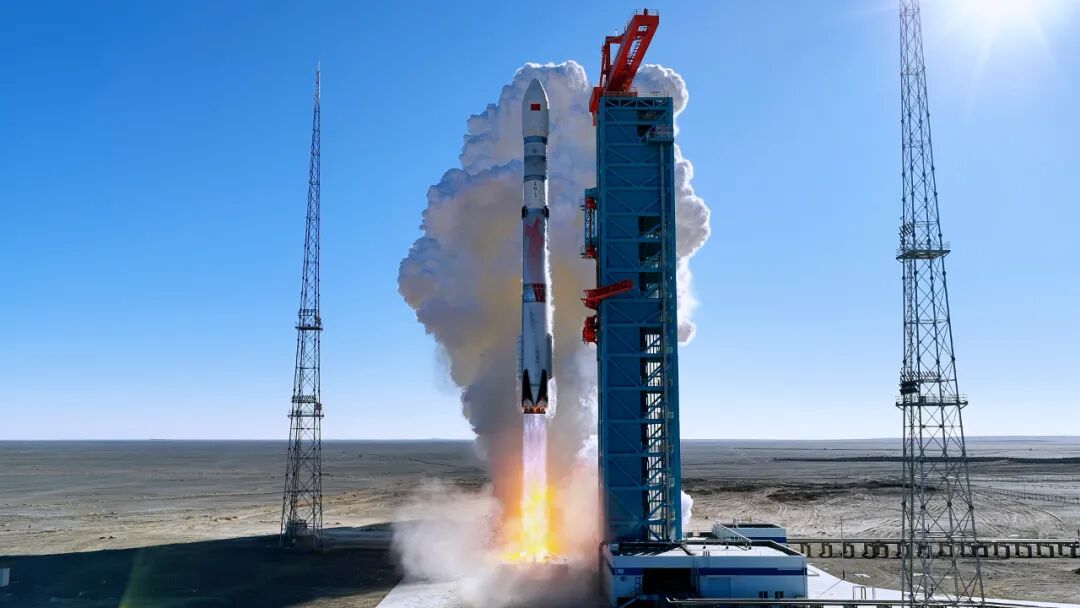
朱雀三号首飞成功入轨,一级火箭回收任务未能完成
Guan Cha Zhe Wang· 2025-12-03 05:49
12月3日,观察者网了解到,中国民营企业蓝箭航天自主研发的朱雀三号运载火箭成功实现首飞入轨,但一级火箭回收任务未能成功。 根据相关任务数据,火箭按预定时间点火升空,成功将有效载荷精准送入预定轨道,圆满达成本次飞行任务的核心目标。 朱雀三号是中国首款旨在实现可重复使用的大型液体运载火箭。本次发射被视为中国商业航天迈向可重复使用火箭技术的关键一步。此次发射原定于11月29 日进行,因故推迟至今日实施。 据官网披露,朱雀三号全箭总长76.6米,整流罩直径5.2米,采用蓝箭航天自研天鹊系列液氧甲烷发动机,一子级采用9台TQ-12B发动机,二子级配置1台TQ- 15B真空发动机。根据蓝箭航天的设计,朱雀三号一次性任务低轨运载能力达21.3吨,航区回收任务达18.3吨,返场回收任务达12.5吨,其未来火箭一子级可 重复使用次数可达20次。 朱雀三号蓝箭航天官网 2023年8月,朱雀三号项目立项,五个月后完成垂直起降回收百米级飞行试验。去年9月,朱雀三号完成垂直起降回收十公里飞行试验,这是实现回收复用最 为关键的节点之一。 本文系观察者网独家稿件,未经授权,不得转载。 相关图片 不过,后续开展的一级火箭回收过程中突发异常状 ...

商业航天板块活跃 多公司回应业务进展
Zheng Quan Shi Bao Wang· 2025-12-02 11:20
Group 1 - The commercial aerospace sector has shown significant activity recently, with several companies experiencing stock price surges, indicating heightened investor interest [1] - Companies like Huawu Co., Ltd. have identified commercial aerospace as a key development direction, with its subsidiary, Ande Technology, focusing on aerospace technology equipment and components [1] - Ande Technology has established long-term partnerships with major domestic aerospace manufacturers and is actively pursuing opportunities in commercial aerospace, although its current impact on overall performance is minimal [1] Group 2 - Jinlu Electronics has confirmed collaborations with leading domestic commercial aerospace companies, although this segment currently has a low impact on its overall performance [2] - The commercial aerospace sector is experiencing an upward trend, with significant attention on the upcoming maiden flight of the Zhuque-3 rocket, which could position China as the second country to master reusable rocket technology [2] - The establishment of a dedicated Commercial Aerospace Department by the National Space Administration signifies a move towards specialized regulation and support for the high-quality development of China's commercial aerospace industry [2] Group 3 - CITIC Securities forecasts that the commercial aerospace industry will accelerate by 2025, with over a hundred satellites in orbit and private rocket companies entering the national satellite launch market [3] - The report anticipates that from 2026 onwards, commercial aerospace will enter a phase of frequent launches, with low Earth orbit satellite internet and rocket launch industries becoming core beneficiaries [3] - Despite the positive outlook, companies have indicated potential business risks, as the industry is still in its early stages with rapid technological changes and long investment cycles [3]
