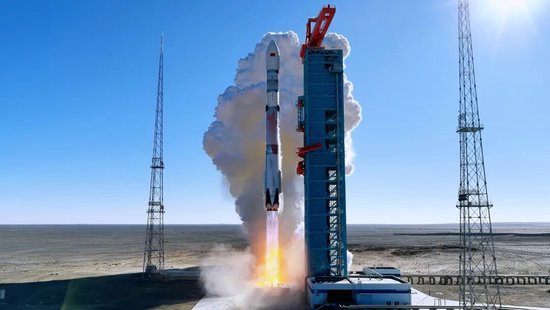
双曲线三号运载火箭

Search documents
融资破纪录,项目加速跑,“成都造”火箭基地年底亮相丨人勤春来早
Sou Hu Cai Jing· 2026-02-26 12:10
Core Insights - The article highlights the rapid progress of the reusable liquid rocket production headquarters project by Galactic Glory Aerospace Technology Group in Chengdu, which has resumed full operations after the holiday and is supported by a record-breaking financing round of 5.037 billion yuan [1][4][6]. Financing and Project Development - Galactic Glory has recently completed a D++ round of financing amounting to 5.037 billion yuan, setting a record for single financing in China's commercial rocket sector [1][6]. - The project, with a total investment of 3.3 billion yuan and covering an area of 200 acres, is expected to complete its civil construction by June and be fully operational by the end of the year [4][6]. - The facility will have an annual production capacity of 20 H-IIA rockets, which is anticipated to meet national satellite networking and commercial space needs within the next 3 to 5 years [6][12]. Strategic Importance and Policy Support - The project aligns with Chengdu's strategic goals to enhance its aerospace industry and is part of a broader initiative to develop key industrial chains for high-quality growth [1][12]. - Chengdu's strong industrial foundation, including a robust aerospace sector and supportive government policies, has been crucial for the project's rapid advancement [6][12]. - The city has over 1,000 aerospace-related enterprises, contributing to an industry scale of nearly 140 billion yuan, making the Galactic Glory project a key component in completing the local rocket assembly capabilities [12]. Future Goals and Industry Outlook - The company aims to achieve the first flight of its reusable rocket and sea recovery by 2026, while also accelerating production capacity in Chengdu [12]. - The favorable business environment and comprehensive support from local government are expected to enhance the company's growth prospects in the region [12].

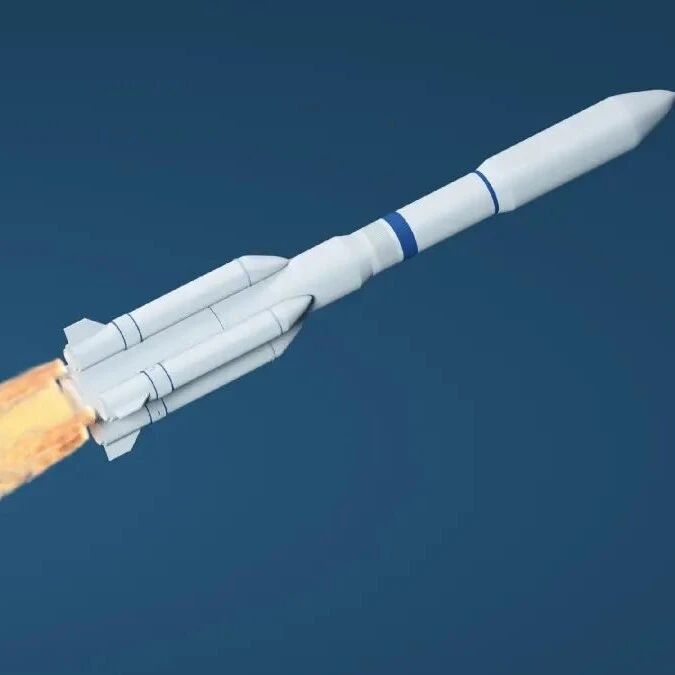
刷新纪录!星际荣耀融资超50亿 加速研发双曲线三号
2 1 Shi Ji Jing Ji Bao Dao· 2026-02-13 01:19
Group 1: Financing and Investment - The private rocket company, Galactic Glory, announced the completion of a D++ round financing amounting to 5.037 billion yuan [1] - The investment was led by Tongchuang Weiye and existing shareholder Jingming Capital, with participation from multiple new institutions [1] - This financing round sets a record for the highest single-round financing for domestic private rocket companies, although it is lower than the 6.7 billion yuan A round financing completed by Yuanxin Satellite in 2024 [2] Group 2: Company Background and Achievements - Galactic Glory was established in 2016 and is one of the earliest private commercial launch vehicle companies in China, with a core team from the China Academy of Launch Vehicle Technology [2] - The company successfully launched its SQX-1 rocket in 2019, becoming the first private company in China to achieve orbit [2] - In 2023, Galactic Glory completed China's first full-size vertical takeoff and landing test of a liquid rocket [2] Group 3: Future Plans and Developments - The company is accelerating the development of the SQX-3 medium-sized reusable rocket, which is planned to complete its first flight and sea recovery by 2026 [3] - The SQX-3 will utilize liquid oxygen and methane as fuel, with a height of 69.6 meters and a takeoff weight of approximately 491 tons, capable of recovering 8.5 tons to a 200 km low Earth orbit [3] - The company is enhancing its production capacity and testing capabilities for core systems, focusing on land launch and sea recovery technologies [1][3] Group 4: Industry Trends - The commercial space sector is experiencing accelerated capitalization, with several companies, including Blue Arrow Aerospace, moving towards IPOs [4] - The commercial rocket industry in China is entering a new phase of engineering and industrial development, driven by strong demand from satellite internet construction [5] - There is a growing enthusiasm in the investment community for commercial space ventures, with many companies receiving increased investor interest and inquiries [4]
决战2026:中国民营火箭企业该“交卷”了
经济观察报· 2026-02-07 05:53
Core Viewpoint - The Chinese commercial space industry has reached a critical juncture after 11 years of development since the government encouraged private investment in space infrastructure in 2014. Despite recent launch failures, market enthusiasm remains high, with significant IPO activities and capital inflow into the sector [4][6][24]. Group 1: Recent Launch Failures - On January 17, 2026, both a state-owned Long March 3B rocket and a private company, Xinghe Power's "Gushenxing No. 2" rocket, experienced launch failures on the same day [2][3]. - In December 2025, another private rocket, Zhuque No. 3, faced issues during its recovery phase, highlighting ongoing challenges in the industry [3]. Group 2: Market Response and IPO Activities - Despite the setbacks, the capital market's interest in commercial space remains strong, with companies like Blue Arrow Aerospace and Star Glory making significant progress towards IPOs [4][5][24]. - The commercial space sector has seen a surge in stock prices, with many companies experiencing rapid increases in market value, even if they have not yet generated substantial revenue [5][8]. Group 3: Satellite Production and Capacity - China submitted an application for 203,000 satellites, which has led to a bullish market reaction, with many companies seeing their stock prices double [8]. - The production capacity for satellites is not a limiting factor, as companies like Galaxy Aerospace have significantly reduced manufacturing times through advanced production techniques [8]. Group 4: Structural Challenges in Launch Capacity - The reliance on state-owned rockets for major launches has created a bottleneck for private companies, which struggle to secure launch opportunities [10][11]. - Private companies have primarily used solid rockets, which are less capable of meeting the demands for large-scale satellite deployments, leading to a mismatch in supply and demand [10][11]. Group 5: Development of New Rocket Companies - Due to dissatisfaction with existing launch options, companies like "Xinghuo Shikong" have been established to develop new rockets, indicating a shift towards self-reliance in launch capabilities [12]. - The new company is backed by significant investment and aims to produce larger rockets capable of carrying more substantial payloads [12]. Group 6: Cost and Technology Challenges - The high costs associated with launching rockets, particularly at commercial launch sites, have led some companies to consider alternative methods, such as sea launches [13]. - The industry is focused on developing reusable rocket technology to reduce costs, with various companies exploring different propulsion systems [16][20]. Group 7: Financial Pressures and IPO Timing - The urgency for companies to go public is driven by early investors seeking liquidity, with many companies nearing IPOs despite ongoing technical challenges [27][28]. - The year 2026 is seen as a pivotal moment for the industry, where successful launches and technology validation are critical for maintaining investor confidence [28].
商业航天迎来“决战时刻”
Jing Ji Guan Cha Wang· 2026-02-06 13:52
Core Insights - The Chinese commercial space industry is facing significant challenges, highlighted by the failures of both state-owned and private rocket launches on January 17, 2026, marking a critical moment in the sector's development [1][2][3] - Despite recent launch failures, investor enthusiasm for commercial space remains high, with multiple companies advancing towards IPOs and significant market activity in related stocks [2][16] - The industry is at a pivotal point, with a pressing need for liquid rocket capabilities to meet the ambitious goal of deploying 203,000 satellites [4][10] Industry Developments - On January 10, 2026, China submitted a large-scale application for frequency and orbital resources for 203,000 satellites, which spurred a surge in stock prices within the commercial space sector [4] - The production capabilities of companies like Galaxy Space have improved significantly, with a reported annual capacity of 100 to 150 medium-sized satellites [5] - The commercial space sector is experiencing a structural mismatch in launch capacity, as most private companies are still reliant on solid rockets, which are not suitable for large-scale deployments [6][10] Market Dynamics - The demand for launch services has led companies like Yuanxin Satellite to explore in-house rocket development due to dissatisfaction with existing commercial options [7][8] - High costs associated with launch facilities, such as the Hainan commercial space launch site, are pushing companies to consider alternative solutions like sea-based launches [9] - The urgency for private companies to demonstrate liquid rocket capabilities is underscored by the need to fulfill the ambitious satellite deployment plans [10][12] Financial Landscape - The IPO landscape for commercial space companies is becoming increasingly competitive, with several firms, including Blue Arrow Aerospace and Tianbing Technology, nearing public offerings [16][17] - The regulatory environment has shifted to support commercial space ventures, allowing companies to meet IPO requirements even with recent setbacks in rocket recovery [16][17] - Early investors are feeling pressure to exit, leading to a trend of share sell-offs as companies approach IPOs, highlighting the need for liquidity in the sector [18][19] Technological Challenges - The focus on reusable rocket technology is critical for reducing launch costs, with estimates suggesting that reusability could lower costs by 40% to 60% [11][12] - The industry is divided between two main propulsion technologies: liquid oxygen and kerosene versus liquid oxygen and methane, each with its own advantages and challenges [14][15] - Achieving successful rocket recovery remains a significant hurdle, with technical complexities involved in ensuring reliable performance during re-entry and landing [13][14]
影响市场重大事件:商业航天首个卫星测发技术厂房诞生,未来可将单箭发射效率提升100%;星际荣耀可回收火箭双曲线三号迎来多项新进展!
Mei Ri Jing Ji Xin Wen· 2026-02-04 23:16
Group 1: Commercial Aerospace Developments - Tianbing Technology announced the completion of China's first satellite measurement and launch technology facility, which will enhance single-launch efficiency by 100% and reduce network costs by over 30% [1] - Interstellar Glory has made significant progress with its SQX-3 rocket, completing the second phase of ground system integration, which is crucial for the rocket's first flight [2] Group 2: Financial and Economic Support - The People's Bank of China emphasized the need to support key sectors such as technology innovation and small and micro enterprises in the 2026 credit market work meeting [3] Group 3: Artificial Intelligence and Technology Innovation - The Ministry of Industry and Information Technology highlighted the importance of advancing AI in manufacturing, focusing on key technologies like computing power and industrial models [4] - The establishment of the "AI + Film Virtual Shooting Innovation Laboratory" aims to promote the integration of AI and virtual filming technologies [7] Group 4: Healthcare and Biomanufacturing - The National Medical Products Administration plans to support innovation in the biomanufacturing industry during the 14th Five-Year Plan, focusing on new drug approvals and advanced technologies [10] Group 5: Mining and Resource Development - The China Gold Association held a seminar to discuss the "14th Five-Year Plan" for the gold industry, emphasizing the need to overcome key technological bottlenecks and enhance high-end material development [11]
文昌完成双曲线三号火箭地面联调试验
Hai Nan Ri Bao· 2026-02-04 03:45
Group 1 - The core viewpoint of the article highlights the successful completion of the second phase ground system joint debugging test for the Hyperbola-3 rocket by the company, marking a significant step towards achieving the goal of "first flight into orbit and sea recovery" [2][3] - The joint debugging test, which lasted one week from January 28, involved simulating real processes and verifying the coordination and compatibility of the rocket's ground launch support systems [2] - The test adhered to principles of "close to actual combat, simulating actual combat, and stricter than actual combat," ensuring the operational capability of the ground support systems and laying a solid foundation for future integrated system exercises [2][3] Group 2 - The company, a commercial aerospace enterprise focused on the development of reusable rockets using liquid oxygen and methane, is establishing a complete closed-loop industrial chain that includes testing, launching, recovering, and reusing rockets [3] - The successful joint debugging test enhances the launch link support system, providing strong support for the efficient operation of the closed-loop industrial chain [3]
中国商业航天低成本时代渐行渐近
Zheng Quan Ri Bao Zhi Sheng· 2025-12-23 16:10
Core Viewpoint - The successful launch of the Long March 12甲 rocket marks a significant step towards the development of reusable rocket technology in China, despite the failure to recover the first stage, which provides critical data for future missions [1][2]. Group 1: Rocket Development and Technology - The Long March 12甲 is a medium-sized rocket utilizing liquid oxygen and methane as propellants, designed for "first-stage reuse" [1]. - The rocket's total length is approximately 70.4 meters, with a takeoff weight of about 437 tons [1]. - The development of reusable rockets is seen as a key technology to reshape the global space competition and reduce commercial spaceflight costs [1][2]. - Multiple technical paths are being explored in China's reusable rocket development, including land vertical recovery and sea recovery methods [3][4]. Group 2: Industry Trends and Market Potential - The maturity of reusable rocket technology is viewed as a core engine for ushering in a low-cost era in commercial spaceflight, enabling cost optimization and expanding application scenarios [5]. - The commercial space industry is expected to reach a market size of trillions, with satellite manufacturing and rocket manufacturing being the first beneficiaries [7]. - The development of satellite communication services is accelerating, with major telecom operators preparing to enhance satellite communication capabilities [6][7]. - The industry is transitioning from isolated network operations to integrated "space-ground" communication systems, enhancing overall service offerings [6].
文昌有座“火箭工厂”
Hai Nan Ri Bao· 2025-12-06 01:21
Core Insights - The article highlights the establishment of China's first reusable rocket factory by the company Xingji Hongyuan, aiming to transform rockets from one-time use to a reusable model, similar to commercial flights [1][2] Group 1: Factory Overview - The factory, located in Wenchang, Hainan, features a height of 22 meters and a total area of 5,700 square meters, capable of accommodating six rockets simultaneously [1] - The facility employs advanced "seamless flooring" technology for high strength and crack resistance, essential for handling heavy rocket components [1] - The factory is designed to withstand severe coastal weather, with robust structural elements that enhance its durability [1] Group 2: Production Capacity and Investment - The factory has an initial production capacity of 6 to 12 rockets per year, which is expected to increase to 36 rockets per year after the second phase of expansion [2] - The total investment in the factory is approximately 450 million yuan, with additional projects including a 106 million yuan offshore recovery platform and a 350 million yuan general-purpose power system testing base [2] Group 3: Future Developments - The first model of the dual-curve three rocket is scheduled to arrive at the factory in the first half of next year for assembly and testing [3] - The factory will also serve as a "public space platform" for global commercial aerospace companies, offering comprehensive services [3]
朱雀升空背后,谁在改写中国商业航天版图?
Mei Ri Jing Ji Xin Wen· 2025-12-03 14:02
Core Viewpoint - The successful first flight of the Zhuque-3 rocket marks a significant step in China's commercial space industry, despite not achieving the recovery verification task. This event highlights the dual breakthrough of "technological advancement" and "scale explosion" in the commercial space sector since its inception in 2015 [1][2]. Industry Overview - The commercial space sector is becoming a focal point for major powers, with China integrating it into its national space development strategy through the establishment of a dedicated Commercial Space Administration [1][2]. - The industry is experiencing rapid expansion, with at least 20 provinces in China implementing supportive policies to enhance their commercial space capabilities [1][2]. Technological Developments - The Zhuque-3 mission achieved five domestic firsts in technology, indicating progress in the development of reusable rockets [6][7]. - The development of reusable rockets is expected to reduce launch costs and increase launch frequency, addressing the current bottleneck of insufficient launch capacity [2][6]. Market Dynamics - The commercial space market in China is projected to grow from approximately 0.38 trillion yuan in 2015 to 2.3 trillion yuan by 2024, with an annual growth rate of about 22%. By 2030, the market could approach 10 trillion yuan [14][15]. - The competition among local governments to develop commercial space industries is intensifying, with regions like Hubei aiming to establish significant commercial space hubs by 2028 [16][18]. Company Landscape - Various private companies are focusing on developing large reusable rockets, with Blue Arrow Aerospace being one of the closest to achieving this goal [6][7]. - A list of companies and their respective rocket projects indicates a diverse landscape, with firms like Star River Power and Tianbing Technology also targeting reusable rocket technologies [9][10]. Financing Trends - In 2024, the commercial space sector in China saw 52 financing events totaling 15 billion yuan, with significant investments in satellite operations and rocket manufacturing [20][19]. - The financing landscape is concentrated in regions like Beijing and Shanghai, reflecting their potential for commercial space development [20][19].
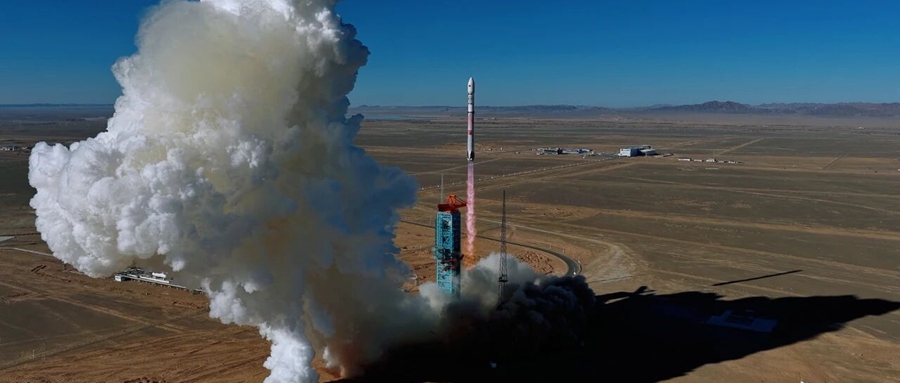
朱雀三号发射入轨,回收试验失败:发生异常燃烧,该可回收火箭曾获马斯克高度关注
Xin Lang Cai Jing· 2025-12-03 06:19
Core Viewpoint - The successful launch of the Zhuque-3 rocket marks a significant milestone for China's space industry, although the recovery of the first stage was unsuccessful due to an abnormal combustion incident during the test [3][4][19]. Group 1: Launch and Recovery - The Zhuque-3 rocket was launched on December 3, completing its flight mission with the second stage entering the designated orbit [1][16]. - The first stage recovery verification was attempted but failed to achieve a soft landing at the recovery site, with the specific cause under further analysis [3][18]. - Despite the failure in recovery, the mission validated the overall testing, launch, and flight processes, providing critical engineering data for future reusable missions [3][18]. Group 2: Technical Specifications - Zhuque-3 is a new generation of low-cost, high-capacity, and reusable liquid oxygen-methane launch vehicle developed by Landspace [3][10]. - The rocket measures 76.6 meters in length, with a launch mass of approximately 570 tons and a thrust exceeding 750 tons [10][25]. - It has a low Earth orbit payload capacity of 21.3 tons and can be reused up to 20 times for its first stage [10][25]. Group 3: Market Impact and Future Prospects - The launch of Zhuque-3 has attracted significant market attention, as successful recovery would position China as the second country globally to master reusable rocket technology after the United States [4][19]. - Landspace aims to optimize recovery strategies and continue validating reusable technology in future missions [3][18]. - The company is currently valued at over 20 billion yuan and is in the process of an IPO, indicating strong investor interest in the commercial space sector [29]. Group 4: Industry Context - The Zhuque-3 project was officially initiated in August 2023, with significant milestones achieved in vertical landing tests within five months [12][27]. - Other reusable rockets in development in China include the Chang Zheng 12A and the Hyperbola-3, indicating a growing competitive landscape in the commercial space industry [29][30]. - The establishment of a dedicated Commercial Space Administration by the National Space Administration aims to enhance the regulatory framework and support the growth of the commercial space sector in China [30].