
增强现实(AR)

Search documents
美股异动 | Snap Inc(SNAP.US)涨超7% 触及七周高位
智通财经网· 2025-09-22 14:47
Core Viewpoint - Snap Inc's stock surged over 7%, reaching a seven-week high of $8.72, following the launch of its new Snap OS 2.0, which supports the upcoming sixth-generation consumer Spectacles augmented reality glasses set to launch in 2026 [1] Company Developments - Snap Inc launched Snap OS 2.0 on September 15, designed specifically for the new Spectacles AR glasses, enhancing mobile applicability across multiple dimensions [1] - The sixth-generation Spectacles are positioned as the first consumer-targeted AR hardware product, indicating a significant technological advancement for the company [1] Market Context - Ongoing uncertainties surrounding TikTok's operations in the U.S. have led investors to view Snap as a potential beneficiary of any market share disruptions that may affect TikTok [1]

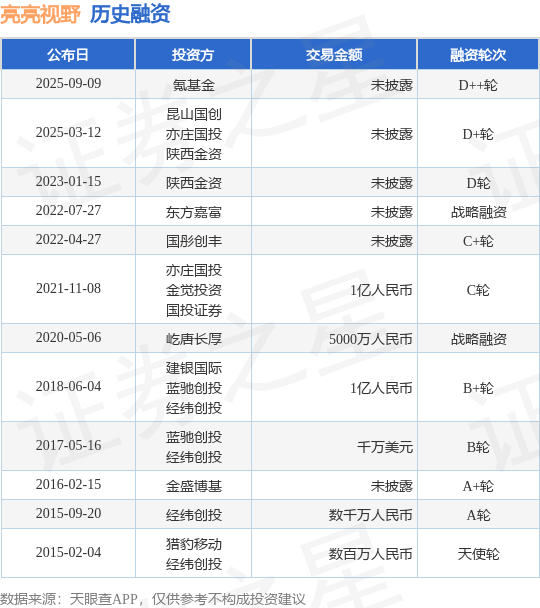
【投融资动态】亮亮视野D++轮融资,投资方为氪基金
Sou Hu Cai Jing· 2025-09-20 11:19
Core Insights - Beijing Liangliang Vision Technology Co., Ltd. has completed a D++ round of financing, with the amount undisclosed and participation from Ke Fund [1] Financing Details - The D++ round financing was announced on September 9, 2025, with investment from Daoliangjin, amount undisclosed [2] - Previous financing rounds include: - D+ round on March 12, 2025, with undisclosed amount from Kunshan Weichuang and Yizhuang Guotou [2] - D round on January 15, 2023, with undisclosed amount from Shaanxi Jinzi [2] - C round on November 8, 2021, with 100 million RMB from Yizhuang Guotou and Jin Jue Investment [2] - B+ round on June 4, 2018, with 100 million RMB from Jianyin International and Zhao Ta Chuangtou [2] Company Overview - Established in 2014, Liangliang Vision focuses on providing high-availability AR hardware, software products, and digital solutions, with a full-stack capability from research to commercialization [2] - The company possesses core technologies in AR optics, computer vision, knowledge graphs, and multimodal interaction, and is familiar with customer scenarios and real AR needs [2] - Liangliang Vision has developed an enterprise-level service platform, ARISE, integrating advanced technologies such as 5G, AR interaction, and AI for comprehensive services [2] - In 2021, the company created smart AR subtitle glasses for the hearing-impaired, merging commercial and public welfare goals, and received the "2021 Global Top Ten Technological Innovation Award" from UNESCO in 2022 [2]

智能眼镜风潮涌现:“百镜大战”中崛起的珠海产业链群
2 1 Shi Ji Jing Ji Bao Dao· 2025-09-18 23:44
Core Insights - The rise of AI hardware, particularly smart glasses, is becoming evident with cities like Zhuhai emerging as key players in the "AI glasses chain" [1][7] - Major companies in Zhuhai, such as Rokid and MoJie Technology, are leading the development of the smart glasses industry, supported by significant investments and technological advancements [1][3][4] Industry Overview - The smart glasses market is expected to see strong growth, with global shipments projected to reach 14.5 million units by 2025, a 42.5% increase year-on-year, and AI glasses specifically expected to grow by 225.6% [7] - The smart glasses industry is characterized by a supply chain similar to that of smartphones, involving component suppliers, manufacturers, and traditional optical service providers [2] Key Players - Rokid, a leading smart glasses company, plans to establish a regional marketing and delivery center in Zhuhai, targeting various sectors including tourism and education [6] - MoJie Technology has developed the world's lightest dual-eye AR glasses, weighing only 35 grams, and has established partnerships with major companies like SoftBank and OPPO [3] - BOE Huacan is a core supplier of micro-displays for AI glasses, having built the world's first mass production line for 6-inch Micro LED technology [3] Technological Advancements - Allwinner Technology provides SoC solutions for AI glasses, enhancing performance and power efficiency, with plans to deliver new chips by Q3 [4] - The development of steel-shell batteries by Guanyu Battery aims to improve the energy density and performance of smart glasses [5] Market Dynamics - The competitive landscape in Zhuhai is bolstered by the presence of multiple key players, including Rokid and Starry Meizu, which are filling gaps in the smart glasses manufacturing segment [5][6] - The integration of components and collaboration among local companies is seen as a critical strategy for Zhuhai to gain a competitive edge in the AI hardware market [7][9] Future Outlook - The smart glasses industry is expected to evolve towards AI+AR integrated devices, with a focus on enhancing user experience through advanced display technologies [8] - There is potential for further growth in AI hardware beyond smart glasses, including AI cameras and toys, as Zhuhai continues to develop its capabilities in AI and computing [8]
直击Meta Connect大会:AI智能眼镜矩阵升级,手势控制+内置屏幕眼镜售价799美元
Xuan Gu Bao· 2025-09-18 03:30
Core Insights - Meta Connect showcased multiple new smart glasses, including the first Ray-Ban Display with a built-in screen, Oakley Meta Vanguard for athletes, and the next generation Ray-Ban Meta smart glasses [1] Product Launches - Meta introduced the Ray-Ban Display, priced at $799, featuring a small digital display on the right lens for notifications and basic tasks, with a 20-degree field of view, 600x600 pixel resolution, 90Hz refresh rate, and peak brightness of 5000 nits [2] - The Oakley Meta Vanguard, aimed at athletes, is priced at $499 and integrates with Garmin and Strava for real-time training data, boasting a 9-hour battery life and a camera module capable of 3K video recording [9] - The third generation Ray-Ban Meta smart glasses have improved battery life and camera features, priced at $379, which is higher than the previous generation's $299 [9] Innovative Features - The Ray-Ban Display will come with a neural wristband for gesture control, allowing users to navigate music and adjust volume through finger movements, with a potential typing speed of 30 words per minute using muscle signals [4] - A new feature called "Conversation Focus" allows the glasses to automatically recognize when the wearer is in conversation and pause notifications [10] Challenges and Competition - During the AI demonstration, the technology faced multiple failures, highlighting challenges in real-time AI interaction and contrasting with Meta's ambitions for a "super intelligent interface" [12][14] - Meta is reportedly in a talent acquisition race in Silicon Valley to enhance its AI capabilities, aiming to catch up with competitors like OpenAI and Alphabet [14] Industry Engagement - Director James Cameron discussed the advancements in 3D content on the Meta Quest platform, emphasizing the superior brightness and field of view compared to traditional cinema [15]

罗永浩:决定放弃进一步追究西贝;中美就妥善解决TikTok问题达成基本框架共识;雷军:小米17系列全面对标iPhone丨邦早报
创业邦· 2025-09-16 00:08
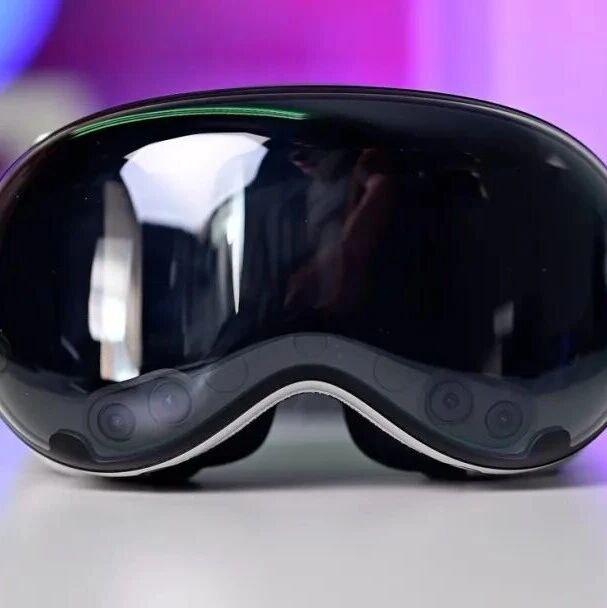
Group 1 - Xibei issued an apology letter stating it will adjust its pre-prepared food processing to on-site processing in stores by October 1, 2025 [3] - Luo Yonghao announced he would not pursue further action against Xibei after receiving an apology from the owner of Hua Yu Hua [4] - Xiaomi's Lei Jun stated that the Xiaomi 17 series will directly compete with the iPhone, featuring significant upgrades and the global debut of the fifth-generation Snapdragon 8 processor [4] Group 2 - China and the U.S. reached a basic framework consensus to resolve TikTok issues through cooperation, aiming to reduce investment barriers and promote economic cooperation [4] - The 2025 China Enterprise 500 list was released, with the revenue threshold for entry set at 47.96 billion yuan, an increase of 579 million yuan from the previous year [8] - The number of enterprises with revenue exceeding 100 billion yuan reached 267, accounting for 53.4% of the list [8] Group 3 - Zeekr Technology's shareholders approved a merger agreement with Geely Automobile, with 94.2% voting in favor [10] - Reports of Burger King's closures in Shenzhen were confirmed, attributed to changes in business strategy [10] - Amazon Web Services denied rumors of layoffs in its Greater China region, stating it continues to actively recruit talent [12] Group 4 - Apple is expected to launch its first display-less smart glasses within the next 12 to 16 months, competing with Meta's Ray-Bans [13] - Faraday Future announced the initiation of a spin-off listing plan for its Crypto Flywheel project [16] - Xiangjie Automotive plans to invest 20 billion yuan over three years to develop a dedicated team for its brand strategy [16] Group 5 - The first low-altitude economy internet platform in Hunan was launched, allowing users to book drone services similarly to ride-hailing [18] - Anku Energy completed an A+ round of financing, with previous funding from Xiaomi Group exceeding 100 million yuan [18] - Chip Vision Microelectronics completed a C+ round financing, focusing on ToF sensor chips for various applications [18]





挑战Meta,亚马逊AR眼镜战略布局曝光
3 6 Ke· 2025-09-12 00:23
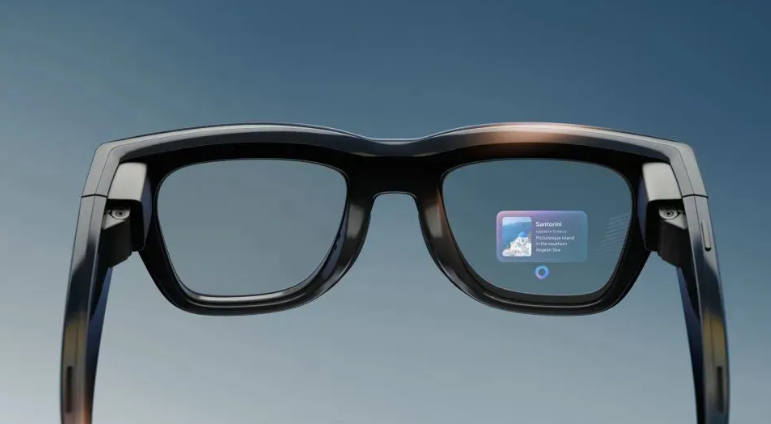
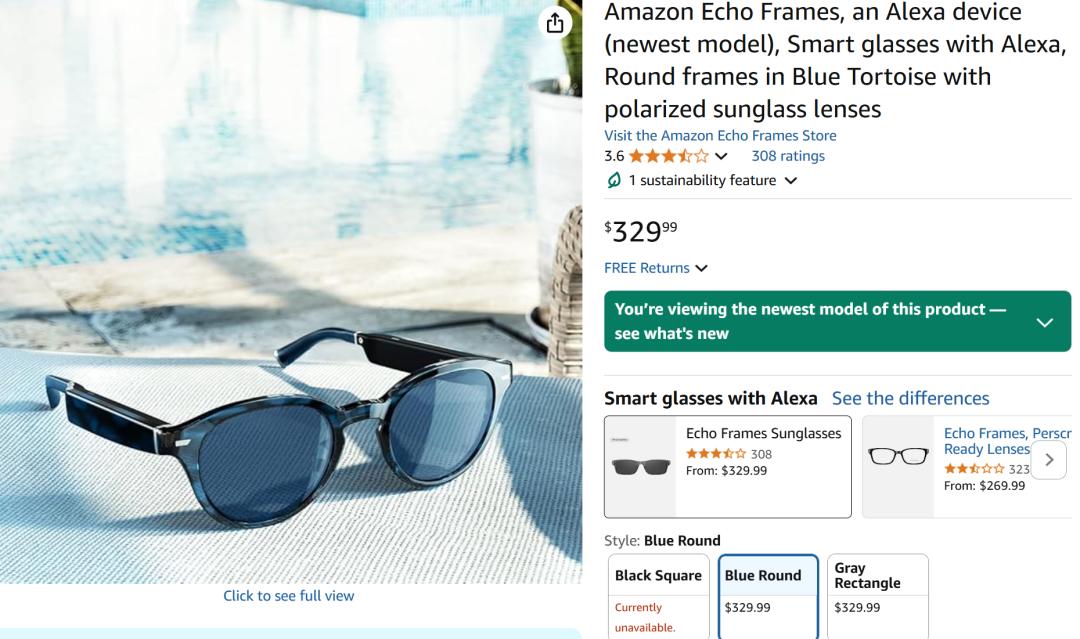
Core Insights - Amazon is developing two AR glasses: "Amelia" for delivery personnel and "Jayhawk" for consumers, with expected launches in mid-2026 and late 2026 to early 2027 respectively [1][2] - The AR glasses market is becoming increasingly competitive, with major players like Meta, Google, and Apple also investing in AR technology [2][5] - Amazon's AR glasses will feature integrated microphones, speakers, cameras, and a display screen, with the consumer version being lighter and more stylish [1][2] Company Developments - The "Amelia" model is aimed at assisting Amazon's delivery workers with sorting and delivering packages, with an initial production plan of around 100,000 units [1] - Amazon has a history in the smart glasses market, having launched Echo Frames in 2019, and is now working on a new version that will include a camera [2] Industry Trends - The AR glasses sector is at a pivotal moment for mainstream consumer adoption, with multiple tech giants making significant investments [2] - Meta is set to unveil its new AR glasses, named Hypernova, at the upcoming Connect 2025 conference, which could raise the price ceiling for AR devices to $800 or more [5]

亚马逊被爆正在开发AR眼镜,代号“Jayhawk”,与Meta直接展开竞争
美股IPO· 2025-09-10 16:06
Core Insights - Amazon is developing a consumer-oriented augmented reality (AR) glasses, codenamed Jayhawk, to directly compete with Meta in the AR device market [3][4] - The AR glasses will feature a microphone, speakers, camera, and a single-eye full-color display, with plans for a launch by the end of 2026 or early 2027 [3][4] - The competition in the AR market is intensifying, with both Amazon and Meta positioning themselves for a significant market shift [3] Product Development - Amazon is simultaneously developing two different AR glasses: the consumer version (Jayhawk) and a version for delivery drivers (codenamed Amelia) [4][5] - The consumer version will focus on a lightweight and stylish design, while the driver version will assist in sorting and delivering packages by displaying delivery instructions on the screen [5] - The driver version is expected to be produced in an initial batch of approximately 100,000 units, with a potential release in the second quarter of 2026 [5] Competitive Landscape - Meta is also actively engaged in the AR glasses market, with plans to showcase a new product, codenamed Hypernova, at the upcoming Connect conference [6] - Meta's previous AR prototype, Orion, featured dual-eye display technology, while the new product is expected to adopt a single-eye display design [6] - The pricing strategy for Meta's AR glasses is under discussion, with estimates around $800, compared to the current Ray-Ban smart glasses starting at $299 [7] Technology Considerations - Dual-eye displays offer a more natural AR experience but come with higher development costs and complexity compared to single-eye displays [8] - Other companies, including Chinese firms like Xreal, Rokid, and Thunder Innovation, are also competing in the AR glasses market, each with varying levels of technology maturity [8] Market Trends - In the U.S. market, Snap is also developing AR glasses, and Google has showcased a prototype AR glasses this year [9]
亚马逊被爆正在开发AR眼镜,代号“Jayhawk”,与Meta直接展开竞争
Hua Er Jie Jian Wen· 2025-09-10 14:02
Group 1 - Amazon is developing a consumer-oriented augmented reality (AR) glasses, codenamed Jayhawk, to directly challenge Meta's position in the AR device market, with a planned launch by the end of 2026 or early 2027 [1] - The AR glasses will feature a microphone, speakers, a camera, and a single-eye full-color display, marking a significant entry into the AR technology space [1] - Amazon is also developing a second AR glasses model, codenamed Amelia, specifically designed for delivery drivers to assist in sorting and delivering packages, with an initial production plan of around 100,000 units [2] Group 2 - Meta is actively competing in the AR glasses market, with a new product, codenamed Hypernova, expected to be showcased at the upcoming Connect conference, featuring a single-eye display [3] - The pricing strategy for Meta's AR glasses is under discussion, with estimates around $800, compared to the current Ray-Ban smart glasses starting at $299 [3] - The AR glasses market is becoming increasingly competitive, with other companies like Xreal, Rokid, and Snap also developing AR products, indicating a growing interest and investment in this technology [3]
2025年全球AR眼镜出货量预计约60万台
Bei Jing Shang Bao· 2025-09-03 07:22
北京商报讯(记者 陶凤 实习记者 王天逸)9月3日,TrendForce集邦咨询发布最新研报称,随着Meta、 Google等国际大厂加速布局,AR眼镜市场将进入高速增长期:2025年全球出货量预计约60万台,2028 年起年比年增速将明显放大,至2030年达3210万台。 AI技术让消费者对AR眼镜应用形成明确认知,品牌方对光引擎提出功耗<300 mW、体积<1 cc、重量 <3 g等新标准,推动供应链规格趋同。Meta、Google的持续投入,正加速LUMUS、歌尔股份、JBD、 Xreal、Omnivision等关键供应商的技术迭代与产能扩张,为2030年实现千万级出货量奠定基础。 报告指出,信息提示类AR是主要增长引擎,2028年高阶全彩技术成熟后,国际大厂更完善的产品将集 中上市,推动出货量快速放大。区域结构方面,目前中国仍是出货主力,但受Meta、Google等巨头带 动,北美与欧洲份额将迅速提升,到2030年中国市场占比预计降至50.2%。 ...

山水比德(300844) - 2025年8月27日投资者关系活动记录表
2025-08-27 10:36
Financial Performance - The company reported a significant revenue growth driven by the EPC business and architectural design collaboration, with a focus on improving profitability despite pressure on gross margins [2][3] - For 2024, the revenue base is set at CNY 459 million, with a target growth rate of at least 10% for 2025 and 21% for 2026 [3] Strategic Goals - The company aims to enhance profitability by combining market expansion with cost reduction, while also managing cash flow effectively to mitigate liquidity risks [3] - The company plans to explore external growth opportunities while ensuring the competitiveness of its core business [3] Competitive Landscape - The design industry is facing intensified competition due to macroeconomic controls in the real estate market, necessitating higher standards for design firms [4][5] - The company’s competitive advantages include: - **Talent Advantage**: Over 1,200 employees with a focus on talent development and training [5][6] - **Brand Advantage**: Established a strong brand presence with 929 awards in the landscape design sector [5][6] - **Client Advantage**: Strong relationships with local governments and leading real estate developers [5][6] - **Innovation Advantage**: R&D investment of CNY 17.1 million, representing 7.6% of revenue, with numerous patents and software copyrights [6] Market Expansion Strategy - The company has established a design and service network across 22 cities in China, with recent expansions into Xinjiang and Hefei [7] - The company is committed to a "market year" strategy, focusing on increasing market penetration and collaboration with state-owned enterprises [7] Technological Collaboration - The partnership with Lingban Technology aims to integrate AI and AR into design processes, enhancing urban renewal and tourism experiences [8][9] - Future projects will focus on smart city updates and immersive tourism experiences through technology [8][9] Urban Renewal Initiatives - The company is actively involved in urban renewal and village renovation projects, leveraging over a decade of experience [9] - Recent acquisitions have strengthened the company’s capabilities in municipal engineering and comprehensive service offerings [9]