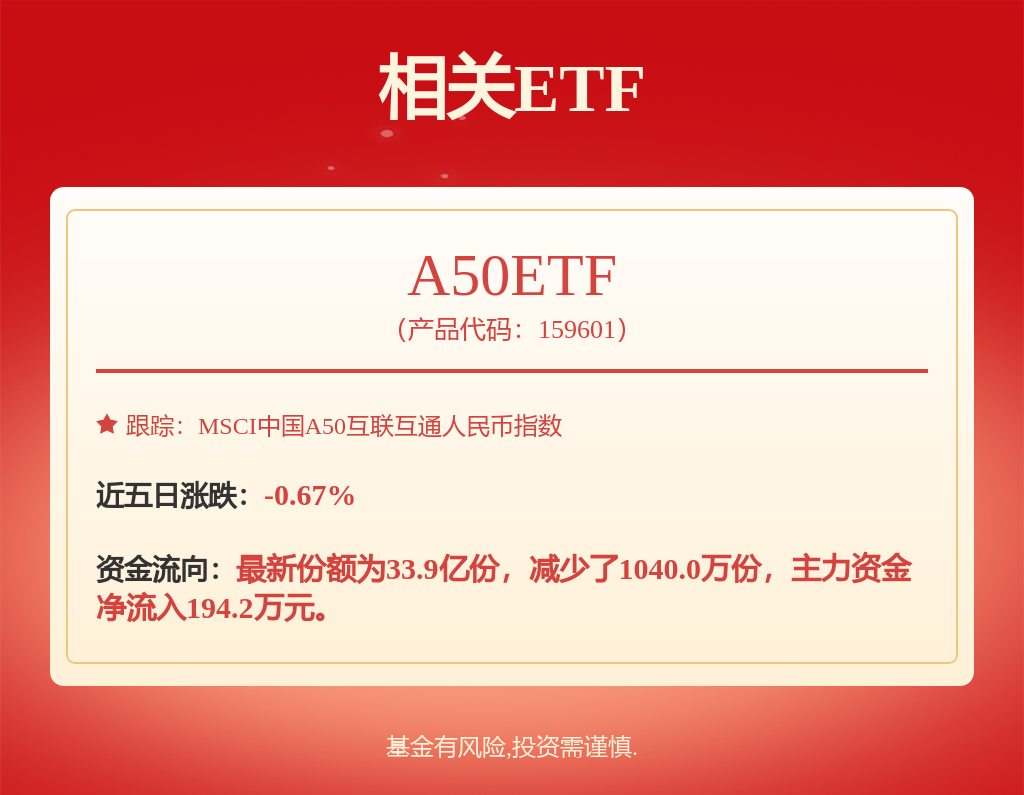
市场估值

Search documents
城投债投资框架之四:短期定价的关键变量与高频数据
Minsheng Securities· 2025-08-21 02:53
Group 1 - The key short-term factors affecting the pricing strategy of urban investment bonds include the administrative level of urban investment platforms, financing capabilities, market sentiment, and investment entities [1][2][8] - Specific meetings, such as the State Council executive meetings and the Central Political Bureau meetings, can introduce new policies that may impact local government actions and subsequently affect urban investment bond valuations [1][11][12] - The administrative level of urban investment platforms is crucial, as the relationship between local governments and provincial governments can significantly influence financing capabilities and support for local industries [2][13] Group 2 - Market sentiment is reflected in the subscription multiples and coupon rates of urban investment bonds in the primary market, indicating the credit recognition of the platform [2][15] - The financing ability of urban investment platforms is assessed based on their relationships with various banks, particularly policy banks and state-owned commercial banks, which can indicate their overall creditworthiness [2][14] - High-frequency data, such as the manufacturing PMI and project bidding amounts, are increasingly influencing short-term valuation pricing, providing real-time insights into macroeconomic conditions [3][17][19] Group 3 - The report emphasizes the importance of monitoring various high-frequency indicators, including logistics indices and retail indices, to gauge the current economic state and its impact on urban investment bond pricing [3][19][23] - The analysis highlights that while high-frequency data can provide valuable insights, challenges exist in ensuring the effective transmission of these data points across the entire industry chain [3][24] - The report suggests constructing a robust high-frequency data indicator system to enhance the accuracy of short-term valuation assessments [3][24]
A股83%个股今年来整体上涨 360只个股翻倍
Cai Jing Wang· 2025-08-20 00:48
Market Overview - The A-share market has shown a strong upward trend, with the Shanghai Composite Index, Shenzhen Component Index, and ChiNext Index rising by 11.23%, 13.64%, and 21.69% respectively since the beginning of the year [1] - There is significant internal structural differentiation in the market, with 28 out of 31 Shenwan first-level industries experiencing overall increases, particularly in telecommunications and non-ferrous metals, which have both exceeded 30% growth [1][2] Industry Performance - The top five performing industries include telecommunications, non-ferrous metals, pharmaceutical biology, machinery equipment, and comprehensive industries, all with annual growth rates exceeding 20% [1] - Conversely, industries such as coal, food and beverage, and oil and petrochemicals have seen overall declines this year [1] - Among thematic industries, biotechnology, precious metals, pharmaceuticals, and software have all recorded growth rates above 30%, while sectors like highways, oil and gas, and coal remain in a downward trend [1] Individual Stock Performance - Out of 5,424 A-shares, 4,514 stocks have risen this year, representing 83% of the total [2] - 360 stocks have doubled in value, accounting for 6.6% of the total, with only 6 of these having a market capitalization above 100 billion yuan, indicating a strong performance from smaller companies [2] - Among the 160 stocks with a market capitalization over 100 billion yuan, 49 have declined, showing that smaller market cap companies are outperforming larger ones [2] Market Drivers - The current market uptrend is primarily driven by liquidity, with quantitative products, small active equity products, and retail investors contributing significantly to the influx of funds into small-cap stocks [3][4] - The financing heat in smaller sectors is rising faster than in larger weight sectors, indicating a preference for small-cap investments [3] Valuation and Future Outlook - Despite some industries experiencing significant growth, the overall valuation of the A-share market remains within a reasonable range, with the CSI 300's dynamic price-to-earnings ratio around 12.2 times, which is approximately at the 69th percentile historically since 2010 [5] - The total market capitalization of A-shares is around 100 trillion yuan, with the ratio to GDP remaining relatively low compared to major global markets, suggesting potential for further growth [5][6] Liquidity and Capital Flow - The market liquidity is improving, with the average monthly trading volume as a percentage of the A-share market capitalization reaching the 74.80th percentile since 2015 [7] - The margin financing balance has surpassed 2 trillion yuan, approaching historical peaks, indicating a healthy liquidity environment [7]
港股投资主要关注哪些方面?
Jin Rong Jie· 2025-08-19 03:26
Group 1: Macroeconomic Factors - The macroeconomic environment significantly impacts the Hong Kong stock market, with global economic growth directly affecting trade and finance in Hong Kong [1] - A rising global economy can lead to increased market demand, benefiting companies' revenues and profits, thus driving the overall stock market upward [1] - Local economic policies, including fiscal, monetary, and industrial policies, are crucial variables influencing the stock market [1] Group 2: Industry Development Trends - Different industries exhibit varying performances in the Hong Kong stock market, making it essential for investors to follow industry trends [2] - The emerging technology sector has gained prominence, with innovative companies attracting significant attention due to their growth potential [2] - Traditional industries, such as resources and manufacturing, face constraints from market demand changes and cost fluctuations [2] Group 3: Company Fundamentals - A company's financial health is a core aspect of its fundamentals, requiring analysis of balance sheets, income statements, and cash flow statements [2] - Stable revenue growth, reasonable debt levels, and strong cash flow indicate good operational health and resilience [2] - Governance structures are also important, as effective governance ensures sound decision-making and protects shareholder interests [2] Group 4: Market Valuation Levels - Accurate assessment of market valuation is critical for determining investment value, with common metrics including Price-to-Earnings (PE) and Price-to-Book (PB) ratios [3] - Comparing current valuation metrics with historical data and peer markets helps investors identify whether the market is overvalued, undervalued, or fairly valued [3] - Currency exchange rates, particularly the peg of the Hong Kong dollar to the US dollar, can significantly influence investment returns [3]
华尔街大佬:美股七巨头未被高估,标普500其余公司反倒有问题
Feng Huang Wang· 2025-08-15 09:07
Core Viewpoint - Despite uncertainties surrounding Trump's tariff policies, the US stock market has continued its strong performance from last year, with the S&P 500 index rising over 10% since the beginning of the year, largely driven by a few large tech stocks [1] Group 1: Market Performance - The S&P 500 index has seen a cumulative increase of 58% between 2023 and 2024, with over half of this growth attributed to the "Seven Giants" of technology: Apple, Microsoft, Google, Amazon, Meta, Nvidia, and Tesla [2] - The average price-to-earnings (P/E) ratio for the "Seven Giants" is approximately 33 times, which is higher than the market average, but is considered reasonable given their strong products, market share, high margins, and competitive advantages [3] Group 2: Valuation Concerns - Howard Marks argues that while the "Seven Giants" are not overvalued, the remaining 493 companies in the S&P 500 have an average P/E ratio of 22 times, significantly above the historical average of around 15 times, raising concerns about their valuations [3] - Marks warns that the overall market has shifted from being "high" to "concerning" in terms of valuation, indicating potential risks in the broader market [3]





「踏空」很难受,该怎么办呢?
银行螺丝钉· 2025-08-13 07:48
Core Viewpoint - The article discusses the concept of "missing out" on market gains, emphasizing that for ordinary investors, missing out is not a risk, while losing money is the real concern [2][10]. Group 1: Fund Managers' Perspective - For fund managers, missing out on market gains poses a significant risk, as it can lead to underperformance compared to the market, resulting in investor dissatisfaction and a substantial decrease in fund size [4][6]. - A decline in fund size directly impacts the management fees collected by fund companies, leading to reduced revenue [5]. - To mitigate this risk, many fund managers opt to maintain a high stock allocation consistently, aiming for excess returns through careful stock selection [7][8]. Group 2: Ordinary Investors' Perspective - Ordinary investors face different circumstances; they do not receive rewards for taking on greater risks, and aggressive investment strategies do not guarantee higher returns [11][14]. - Ordinary investors often need to liquidate assets for cash flow to meet living expenses, which can be problematic during market downturns [15][16]. - Unlike fund managers, who focus on relative performance against other funds, ordinary investors should prioritize absolute returns to ensure each investment is profitable and does not negatively impact their purchasing power [20][17]. Group 3: Investment Strategy - The article emphasizes the importance of investing during undervalued market phases to minimize potential losses [21][23]. - It highlights that purchasing high-quality assets at lower valuations can lead to higher long-term returns while reducing risk [22][23]. - As of August 12, 2025, the market is still considered relatively cheap, presenting an opportunity for investors to accumulate quality assets [26].


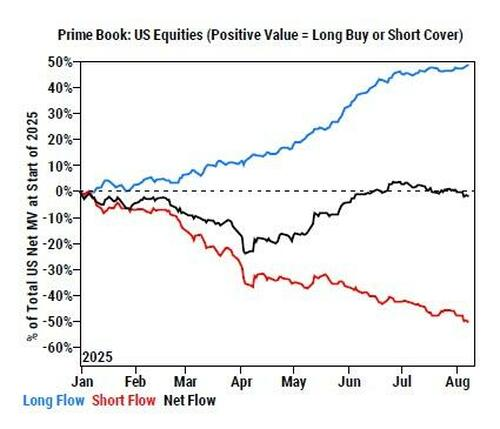
美股创新高之际:散户买盘退潮,对冲基金以四个月来最快速度做空
Hua Er Jie Jian Wen· 2025-08-11 10:51
Group 1 - Hedge funds significantly reduced their positions in the U.S. stock market, with a net sell of $1 billion, primarily focused on macro products such as indices and ETFs [1][2][3] - The short-selling ratio for macro products reached approximately 4:1, with U.S. listed ETFs seeing a 4% increase in short positions, marking a monthly increase of 5.7% [3][5] - Technology stocks have become the main target for hedge fund short-selling, with the information technology sector experiencing net selling for the third consecutive week at the fastest pace in over four months, with a short-to-long selling ratio of 3.9:1 [5][6] Group 2 - Retail investors showed a decrease in market participation, with a net buy of $4.9 billion, below the year-to-date average of $6.6 billion per week [2][8] - Retail investors preferred ETFs, with $4.7 billion in net purchases, compared to $276 million in individual stocks, indicating a contrasting strategy to hedge funds [10] - The current earnings season has exhibited unusually high volatility, with the average stock price movement on earnings day reaching ±5.3%, the highest in 15 years, despite 60% of companies exceeding EPS expectations [11]
美股投资有哪些注意事项?
Jin Rong Jie· 2025-08-11 04:04
Group 1 - The U.S. stock market operates under a T+0 trading system, allowing investors to sell stocks on the same day they are purchased, which enhances trading flexibility [1] - Most U.S. stocks do not have price limits, leading to potentially significant price fluctuations within a single day, which increases both investment opportunities and risks [1] - The settlement system in the U.S. is T+2, meaning that the actual transfer of funds and stocks occurs on the second business day after a trade, necessitating careful management of available funds and stocks [1] Group 2 - Understanding a target company's financial health is crucial for investment decisions, focusing on key financial metrics such as revenue, profit, and balance sheet indicators [1] - The company's market position, including market share and competitive advantages, significantly impacts its long-term stock performance [1] - The capability of the management team and their strategic planning are vital, as effective leadership can provide a competitive edge in the market [1] Group 3 - Macroeconomic factors, such as GDP growth rate, unemployment rate, and inflation rate, have a profound impact on the overall stock market trends [2] - High GDP growth and low unemployment typically indicate economic prosperity, which may lead to rising stock prices, while high inflation can pressure the stock market due to potential interest rate hikes [2] - U.S. monetary and fiscal policies, including Federal Reserve interest rate decisions and tax policy adjustments, significantly influence market liquidity and corporate financing costs [2] Group 4 - Market valuation is a key consideration for investors, with common metrics including Price-to-Earnings (PE) and Price-to-Book (PB) ratios [2] - Overvaluation may indicate bubble risks and increased likelihood of market corrections, while undervaluation could present investment opportunities, albeit with caution regarding other adverse factors [2] Group 5 - Currency exchange rate fluctuations pose risks for investors in U.S. stocks, as changes in the value of the investor's home currency against the U.S. dollar can directly affect investment returns [3] - An appreciation of the home currency reduces the amount of local currency needed to exchange for the same amount of dollars, potentially decreasing returns when converted back [3] - Conversely, depreciation of the home currency increases returns when converted back to local currency [3]
美股七月涨势背后:大公司内部人士买入创四年新低
Hua Er Jie Jian Wen· 2025-08-08 13:40
Group 1 - The core observation is that insider buying among S&P 500 companies has dropped significantly, with less than one-third of companies seeing insider purchases in July, marking the lowest level since 2018 [1][2] - The ratio of insider buying to selling has fallen to about half of the long-term average, indicating a cautious sentiment among executives despite the overall market's optimism [1][2] - Executives are behaving similarly to institutional investors, showing caution and sensitivity to valuations, suggesting that most positive news has already been priced into the market [1][2] Group 2 - The collective selling behavior of insiders is particularly notable against the backdrop of the market reaching new highs, highlighting a divergence between insider sentiment and general investor optimism [2] - Insiders' actions reflect their concerns regarding current market valuations, as they possess the most accurate information about their companies' operational conditions [2] - Factors such as high valuations, weakening economic indicators, and overbought technical conditions are contributing to a warning signal for investors [2]
外卖大战 瑞幸翻盘
3 6 Ke· 2025-08-08 00:36
Core Viewpoint - The intensifying competition in the food delivery market has unexpectedly benefited the ready-to-drink tea and coffee sector, particularly Luckin Coffee, which reported strong financial performance in Q2 2025, exceeding expectations in revenue and operating profit growth [1][4]. Financial Performance - In Q2 2025, Luckin Coffee achieved a revenue of 12.359 billion yuan, a year-on-year increase of 47.08%, and an operating profit of 1.7 billion yuan, up over 60% [4]. - Same-store revenue growth returned to a positive trajectory, with Q1 2025 showing an 8.1% increase and Q2 2025 accelerating to 13.4% [4]. - The number of monthly active customers reached 91.7 million, a 32% year-on-year increase, with over 28.7 million new customers added in Q2 [8]. Market Dynamics - The entry of competitors like Kudi has intensified price competition in the domestic coffee market, prompting Luckin to accelerate store expansion and implement a low-price strategy [3]. - The impact of the price war began to reflect in Luckin's financials starting in 2024, with a decline in same-store revenue in Q1, but recovery was noted in Q2 due to strategic adjustments [3][4]. Cost and Profitability - The operating profit margin improved to 13.8% in Q2 2025, up from 12.5% in Q2 2024, driven by an increase in gross margin and a decrease in the proportion of rental and operational expenses [5]. - Transportation costs surged to 1.67 billion yuan in Q2, a significant increase of 175% year-on-year, impacting profit margins due to the higher costs associated with delivery orders [10]. Future Outlook - The ongoing food delivery competition is expected to provide a favorable environment for Luckin's growth, with potential for increased market penetration in the ready-to-drink coffee sector [11]. - However, the rising delivery costs associated with the increased share of delivery orders remain a concern for future profitability [11][14]. - Long-term growth prospects for Luckin are strong, supported by the expanding domestic coffee market, which is projected to grow from 151.5 billion yuan in 2023 to 331.4 billion yuan by 2027 [15].
时报观察丨两融余额重上两万亿,这次有何不同?
Zheng Quan Shi Bao· 2025-08-07 00:32
其次是资金流向不同。7月以来,两融资金主要流向的行业是医药生物、电子、电力设备等。主要流向的个股包括贵州茅台、宁德时代、胜宏科 技、新易盛、比亚迪、药明康德等。相比之下,2014年至2015年期间,融资资金更偏向于金融板块。 最后是市场估值不同。以上证指数的滚动市盈率为例,当前的市盈率在15倍至16倍,而2015年5月时市盈率在19倍至20倍,高峰时期超过23倍。拉 长时间来看,2015年年初到2015年年中,市盈率从15倍上升到23倍。而今年只是从14倍上升到16倍。市场估值并没有快速提升。 (原标题:时报观察丨两融余额重上两万亿,这次有何不同?) 此2万亿元与彼2万亿元不可同日而语。 截至8月5日,A股两融余额已经达到了20002.59亿元,再次突破2万亿元。上轮行情两融余额首次突破2万亿元,还要追溯到2015年5月20日,当时 正值一轮大牛市。同样是2万亿元,这次有何不同? 首先是占比不同。一方面,两融余额占A股流通市值的比重不同。8月5日,两融余额占A股流通市值的比重为2.31%,明显低于2015年5月20日的 4.16%,表明当前两融余额的增长与市场整体市值的增长相匹配。 另一方面,融资买入额占A股 ...