
林下经济

Search documents
浑身是宝!一颗油茶果如何“榨”出近千亿绿色产值?
Yang Shi Xin Wen Ke Hu Duan· 2025-11-05 08:47
Core Insights - The oil tea industry in China has become a significant economic pillar, with a total output value exceeding 100 billion yuan, particularly highlighted during the harvesting season in Hunan province [1] Group 1: Industry Overview - Hunan province has over 5 million mu of oil tea trees entering the concentrated harvesting period, utilizing high-yield and disease-resistant varieties along with advanced agricultural technologies [2] - The oil tea production in Hunan is projected to reach 440,000 tons with a total output value of 93.4 billion yuan by 2024, with plans to expand the planting area by 1.05 million mu during the 14th Five-Year Plan [12] Group 2: Technological Advancements - The introduction of drones for transporting oil tea fruits has significantly improved efficiency, reducing transport time from 20 minutes to just 1 minute per trip [6] - A fully automated production line for processing oil tea fruits enhances production efficiency and ensures the freshness of the tea oil [14] Group 3: Economic Impact - The establishment of the oil tea industry association in Youxian has facilitated a complete industrial chain from seedling cultivation to processing, achieving a production of 13,000 tons of tea oil with a comprehensive output value of 2.3 billion yuan last year [10] - Financial support from government initiatives has amounted to over 5.2 billion yuan during the 14th Five-Year Plan, promoting the cultivation of oil tea resources [23] Group 4: Product Diversification - The oil tea fruit is being utilized in various products beyond cooking oil, including skincare items such as hand creams and soaps, significantly increasing the product's value from 80-100 yuan per jin to over 1,000 yuan per jin for refined products [16][22] - The development of 15 different products from tea oil, including hand soap and skincare products, showcases the industry's potential for product diversification and added value [18]

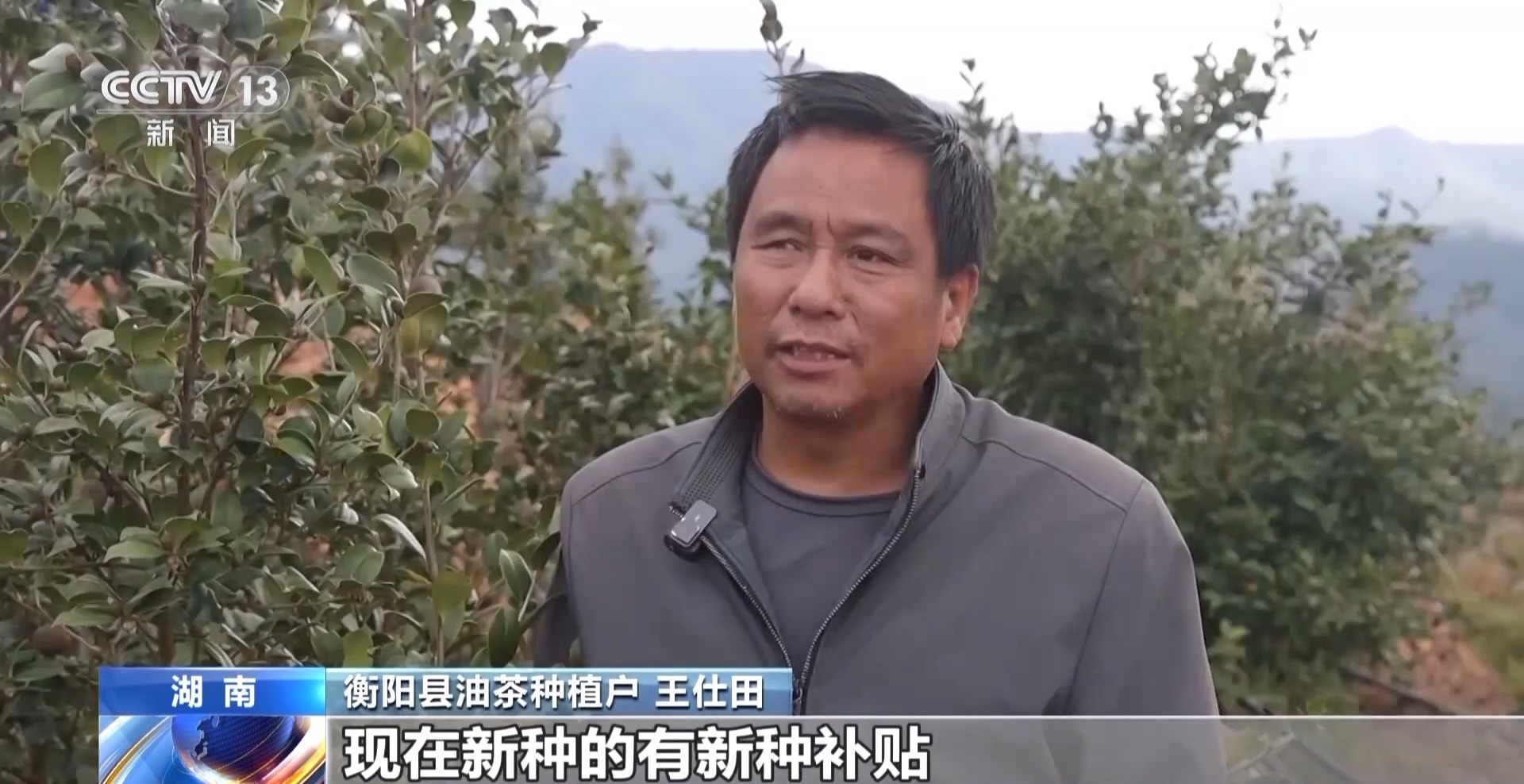
视频丨浑身是宝!一颗油茶果如何“榨”出近千亿绿色产值?
Yang Shi Xin Wen Ke Hu Duan· 2025-11-05 07:15
Core Insights - The oil tea industry in China has become a significant contributor to the economy, with a total output value of nearly 1 trillion yuan, particularly in Hunan province, which is a major production area [1][13]. Group 1: Industry Overview - The oil tea industry has formed four pillar industries with an output value exceeding 1 trillion yuan, including the under-forest economy [1]. - Hunan province has a total oil tea plantation area of 23.71 million acres, with an expected production of 440,000 tons of tea oil and a comprehensive output value of 93.4 billion yuan in 2024 [13]. Group 2: Technological Advancements - In Hunan Hengyang, over 500,000 acres of oil tea are in the harvesting season, utilizing high-yield and disease-resistant varieties along with integrated water and fertilizer systems [3]. - Drones are being used to transport oil tea fruits from steep slopes, significantly reducing transportation time from 20 minutes to just 1 minute per trip [7]. Group 3: Economic Impact - The oil tea industry in You County has established a complete industrial chain, achieving a tea oil production of 13,000 tons and a comprehensive output value of 2.3 billion yuan last year [11]. - The local government has allocated over 5.2 billion yuan in funding to support oil tea production during the 14th Five-Year Plan period, promoting the cultivation of 500,000 acres of low-yield forests [25]. Group 4: Product Diversification - The oil tea fruit is being processed into various products, including skincare items, with the value of refined tea oil derivatives reaching over 1,000 yuan per pound, increasing the added value by more than ten times [17]. - A company has developed 15 products from tea oil, including handmade soap and hand cream, enhancing the product line and increasing the overall value [19]. Group 5: Financial Innovations - Innovative financial solutions, such as the "green financial property rights certificate," have been introduced to facilitate funding for the oil tea industry, allowing businesses to leverage forest resources for loans [29]. - The establishment of a 20 million yuan reserve fund by the local government has helped mitigate risks for banks, encouraging lending to businesses in the forestry sector [29].
在大山里“种”出好日子
Ren Min Ri Bao Hai Wai Ban· 2025-11-04 21:32
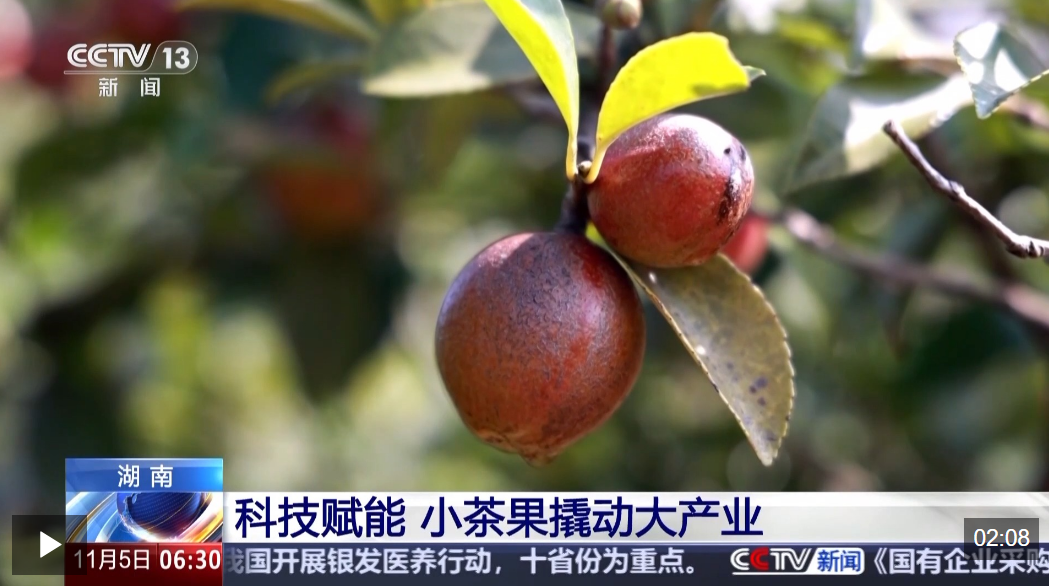
Core Viewpoint - The development of the under-forest economy in Hunan has transformed natural resources into significant economic benefits, creating a sustainable model that balances ecological protection with economic growth [10]. Group 1: Bamboo Shoot Processing - Hunan Green Land High-tech Agricultural Development Co., Ltd. has processed bamboo shoots into various products, achieving a sales target of 80 million yuan this year, supported by a full industrial chain model [11]. - The company has integrated land use rights and introduced a unique "forest rights loan" system, allowing for significant financial support and expansion of production capabilities [12]. Group 2: Herbal Medicine Production - The cultivation of Epimedium (Yin Yang Huo) has become a lucrative venture, with an annual output value of 10,000 to 20,000 yuan per mu, benefiting local farmers and creating job opportunities [14]. - The Jingzhou Guoling Technology Co., Ltd. has established a successful model of intercropping Reishi mushrooms with young trees, reducing land costs and enhancing soil fertility [14]. Group 3: Yellow Essence Cultivation - Hunan Xin Zhu Ecological Agricultural Technology Co., Ltd. has developed a comprehensive processing and sales system for yellow essence, with a projected annual sales volume of 1,500 tons [15]. - The company has successfully integrated various sales channels, including e-commerce and traditional retail, to maximize market reach [15]. Group 4: Camellia Oil Industry - Hunan's camellia oil industry is recognized for its high oil content and health benefits, with a total area of 23.71 million mu and an output value of 94.3 billion yuan [16]. - The industry leverages technological innovations throughout the production chain, enhancing efficiency and product quality [17][18]. Group 5: Employment and Economic Impact - The under-forest economy in Hunan generates over 670 billion yuan in annual output value, directly employing more than 3 million people and increasing farmers' income by over 2,800 yuan per capita [15].
“十四五”以来云南林下经济产业产值达1934亿元
Ren Min Ri Bao· 2025-11-04 00:44
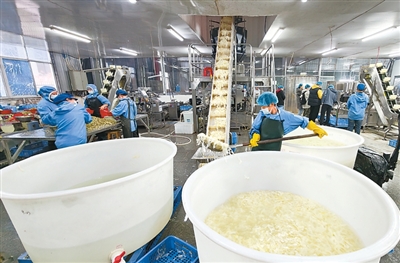
Core Insights - Yunnan Province has been promoting high-quality development of the forestry and grassland industry since the 14th Five-Year Plan, with the output value of the under-forest economy reaching 193.4 billion yuan [1] - The total output value of the forestry and grassland industry in Yunnan is projected to reach 562.65 billion yuan in 2024, doubling from 277.1 billion yuan at the end of the 13th Five-Year Plan [1] Group 1: Policy and Resource Management - Yunnan has optimized resource policies to promote the development of the under-forest economy, conducting thorough investigations of usable forest land resources [1] - The province has implemented a total of 310 million mu (approximately 20.67 million hectares) of forest land area for both full and restricted utilization [1] - Guidelines for sustainable forest management and technical regulations for timber harvesting have been established to clarify land use requirements for commercial and public forests [1] Group 2: Financial and Technological Support - A total of 2.39 billion yuan has been invested in forest cultivation, covering an area of 7.66 million mu (approximately 511,000 hectares) [1] - The establishment of a research center for the under-forest economy aims to enhance technological support, promoting projects such as the cultivation of medicinal herbs and conservation of wild mushrooms [1] - Efforts are being made to facilitate the transformation of scientific and technological achievements in the forestry sector [1]
年产值1300多亿!广西是如何挖掘林下经济“富矿”的|一线调研
Di Yi Cai Jing· 2025-10-30 01:08
Core Insights - The under-forest economy in Guangxi has achieved an average annual growth rate of 6% since the 14th Five-Year Plan, with a total output value reaching 138.8 billion yuan by the end of 2024, ranking third in the country [1][6] - The development of the under-forest economy has benefited over 12 million forest farmers, with an average annual income increase of over 4,000 yuan per person [1][4] Summary by Category Economic Performance - By the end of 2024, the area utilized for under-forest economic activities in Guangxi will reach 70.77 million acres, with an output value of 138.8 billion yuan [1] - The under-forest planting sector contributes over 41 billion yuan (30.1% of total output), while the under-forest breeding sector accounts for over 52 billion yuan (37.9%), and collection and processing contribute over 22 billion yuan (16.5%) [1][4] Industry Development - The under-forest economy includes diverse activities such as under-forest planting, breeding, product collection and processing, and forest landscape utilization [2] - The Qipao Forest Farm has developed a demonstration area for under-forest economy, achieving nearly 300 million yuan in output during the 14th Five-Year Plan [2][3] Agricultural Practices - Key under-forest planting products include medicinal herbs like Camellia sinensis and various forest foods, with significant cultivation in counties like Rongshui and Ziyuan [3][4] - The breeding sector primarily focuses on poultry, pigs, cattle, sheep, and bees, with significant production in cities like Cengxi [4] Financial Support and Policy - Guangxi has implemented various policies to promote the transformation and upgrading of the under-forest economy, including financial products like "Medicinal Material Loans" and "Forest Economy Loans" [5][6] - Since 2016, a total of 358 million yuan has been allocated for under-forest economic development, attracting nearly 900 million yuan in capital [5][6] Future Outlook - The Central Committee has emphasized the importance of developing the under-forest economy to strengthen the forestry and grass industry, with plans to enhance policy support and optimize production and supply chains by 2030 [6]
从“十五五”规划建议看广东林业发展机遇
Nan Fang Nong Cun Bao· 2025-10-29 01:00
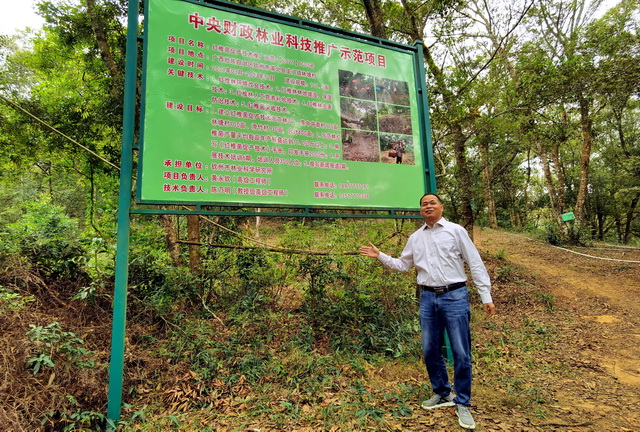
Core Insights - The article discusses the strategic importance of forestry in Guangdong as highlighted in the recently published "15th Five-Year Plan" by the Central Committee, emphasizing its role in rural revitalization and ecological safety [2][15]. Group 1: Agricultural and Rural Modernization - The "15th Five-Year Plan" emphasizes the need for a diversified food supply system and the development of the under-forest economy as a key component of agricultural modernization [3][4]. - The plan aims to integrate agriculture, forestry, animal husbandry, and fishery to promote comprehensive rural revitalization [3]. Group 2: Green Development and Ecological Protection - The plan underscores that green development is a fundamental aspect of Chinese modernization, advocating for a holistic approach to ecological protection and restoration [6][9]. - It promotes the idea that "lucid waters and lush mountains are invaluable assets," linking ecological health to economic growth [7][29]. Group 3: Development of Under-Forest Economy - The under-forest economy is identified as a crucial support for agricultural modernization and increasing farmers' income, with Guangdong being well-suited for diverse under-forest economic activities [18][21]. - Guangdong has established 194 national and provincial under-forest economic demonstration bases, with a total operating area of 32.41 million acres and a production value exceeding 52.7 billion [21][22]. Group 4: Strengthening the Forestry Industry - The plan calls for the expansion of the forestry industry, aiming to create a modernized forestry industry system that integrates production, technology, and green development [33][36]. - Guangdong's forestry industry is expected to focus on eight major industrial clusters, including oil tea, bamboo, and forest medicinal materials, to enhance its competitive edge [39][40]. Group 5: Ecological Integration and Urban-Rural Harmony - The forestry sector is positioned as a key vehicle for ecological integration between urban and rural areas, contributing to a harmonious coexistence between humans and nature [46][49]. - The province is implementing six major action projects to enhance forest quality and promote a beautiful ecological environment [48][49]. Group 6: Future Prospects - The future of Guangdong's forestry is closely tied to ecological protection, industrial upgrading, and the high-quality development of the green economy [51][53]. - The article anticipates that with policy incentives and technological innovation, Guangdong will foster sustainable green development and create more opportunities for rural prosperity [55][56].

支持经济回升向好,自然资源要素保障有哪些“广西经验”?
Di Yi Cai Jing Zi Xun· 2025-10-28 01:48
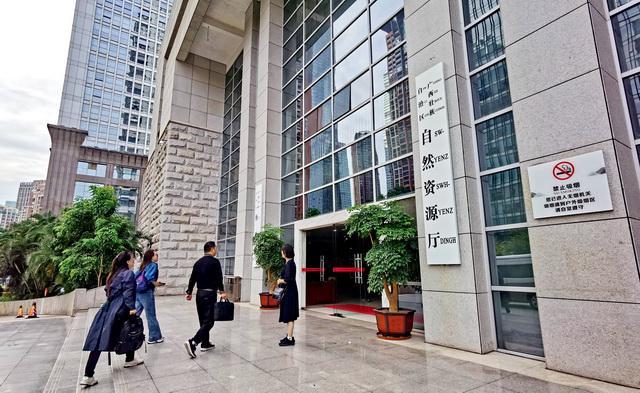
Core Insights - The article highlights the significant achievements of Guangxi Zhuang Autonomous Region in ensuring natural resource elements to support high-quality development and economic recovery [1][2] Group 1: Land and Resource Management - In 2024, Guangxi has allocated a new construction land plan of 373,400 acres, approved construction land of 364,300 acres, and supplied state-owned construction land of 511,900 acres [1] - The region has successfully auctioned 123 mining rights with a total transaction value of 7.659 billion yuan [1] - Guangxi has completed all 10 mineral exploration tasks assigned by the state ahead of schedule [1] Group 2: Infrastructure Development - During the 14th Five-Year Plan, Guangxi has ensured land for 198 major infrastructure projects, maintaining a leading position in land approvals nationwide [4] - The largest single new marine area project approved this year is the 901.58-hectare Phase I of the Fangchenggang Port 300,000-ton access channel project [4] Group 3: Forestry and Economic Development - Guangxi's forestry industry has the highest total output value in the country, accounting for over 10% of the national total, with man-made board production leading globally [4] - The development of the under-forest economy has covered 70.77 million acres, generating a value of 138.8 billion yuan, benefiting over 12 million forest farmers [5] Group 4: Marine Economy - The marine economy has become a "blue engine" for high-quality economic development in Guangxi, with 785 projects approved from 2017 to 2024, covering a marine area of 792,700 acres and an investment of approximately 262.93 billion yuan [6] - The marine production value in Guangxi has grown from 137.7 billion yuan in 2017 to 258.09 billion yuan in 2024, with an average annual growth rate of 9.4% [7]
青山叠翠生灵归
Shan Xi Ri Bao· 2025-10-24 22:19
Group 1 - The core project is the Qinling Mountain Water Project, which aims to integrate the protection and restoration of the ecosystem in the Qinling region, with a focus on irrigation improvements in local agriculture [1] - The project has initiated 35 sub-projects covering 130 sub-engineering works, achieving ecological protection and restoration over an area of 39,000 hectares and repairing riverbanks over 709.88 kilometers [1] - The implementation of a micro-spray irrigation system is expected to increase kiwi fruit yield to 1,600 kilograms per acre while saving 200 yuan in labor costs per acre [1] Group 2 - The ecological protection efforts in the Qinling region have led to a significant improvement in environmental quality, with the ecological quality index expected to reach the highest category in 2024 [2] - The population of endangered species such as the crested ibis and giant panda has seen remarkable growth, indicating successful conservation efforts [3][4] - The development of the under-forest economy in the region has resulted in substantial income for local farmers, with some earning over 100,000 yuan per acre from medicinal mushroom cultivation [4] Group 3 - The forestry industry in Shaanxi province is projected to reach a total output value of 182.5 billion yuan by 2024, with the under-forest economy making a significant contribution [5] - The establishment of a company to manage ecological resources aims to integrate fragmented resources into marketable projects, benefiting local farmers and enhancing their income [4][5] - The commitment to ecological protection in the Qinling region reflects a strong political and historical responsibility, ensuring the sustainability of the ecosystem [5]
“一片叶、一块土、一滴油”,湖南林下经济何以强壮|一线调研
Di Yi Cai Jing· 2025-10-23 02:38
Core Insights - Hunan Province's under-forest economy is performing well, with significant contributions to local income and employment [1][5][10] Economic Performance - The under-forest economy in Hunan utilizes 36.1 million acres of land, generating an annual output value of over 67 billion yuan, with forest food production exceeding 11 million tons [1] - More than 3 million people are engaged in the under-forest economy, contributing an average income of over 2,800 yuan per person annually [1] Industry Development - Hunan has developed various models for under-forest economy, including "leading enterprises + professional cooperatives + bases + forest farmers" [1] - The province has established 10 types of under-forest industries, 10 distinctive brands, and 20 key counties for development [1] Specific Crop Insights - The arrowleaf herb (淫羊藿) is a key crop, with a breeding base expected to produce 10 million seedlings annually, generating a projected output value of 20 million yuan [2] - The cultivation of arrowleaf herb can yield 10,000 to 20,000 yuan per acre annually, with a continuous harvest cycle of over 10 years [2] Financial Support Mechanisms - The "forest rights loan" initiative allows farmers to use forest management rights as collateral for loans, facilitating access to necessary funding [6][7] - This financial support has enabled companies like Green High-tech to expand production capabilities significantly [7] Regional Economic Strategies - Huaihua City has focused on developing under-forest economies centered around medicinal herbs, bamboo shoots, and konjac, with annual funding exceeding 50 million yuan for support [5] - The city has established a complete industrial chain for medicinal herbs, including breeding, ecological planting, and deep processing [5][12] Market Dynamics - The market for medicinal herbs, particularly Reishi mushrooms and arrowleaf herb, is thriving, with significant production and sales figures reported [8][9] - The Jizhou County has become a hub for the Reishi mushroom industry, with a complete supply chain from cultivation to processing [9] Future Outlook - Hunan Province aims to enhance infrastructure for the under-forest economy, addressing challenges related to production materials and product distribution [14][15] - The government plans to increase financial support and develop specialized funds to bolster the under-forest economy further [15]
安徽、河南:推进文化旅游产业融合发展
Zheng Quan Shi Bao Wang· 2025-10-17 10:44
Core Viewpoint - The implementation plan for cooperation and development between Anhui and Henan provinces emphasizes the integration of cultural tourism industries and the promotion of red culture resources [1] Group 1: Cultural Tourism Development - The plan supports the collaboration in developing red culture resources related to the Huaihai Campaign, aiming to create a nationally recognized red culture heritage area [1] - Encouragement for neighboring regions to form scenic area alliances to enhance cooperation in cultural tourism [1] - The initiative includes the establishment of tourism routes featuring themes such as Huai River culture, Yellow River ecology, immersive performances, leisure vacations, medicinal cuisine, and cultural roots [1] Group 2: Health and Wellness Industry - The plan supports the collaborative development of the "World Capital of Traditional Chinese Medicine" in Bozhou and "China's Medicine Valley" in Zhumadian [1] - It promotes the joint development of health and wellness industries in Liu'an and Xinyang, focusing on expanding the medicinal cuisine, enzyme, and health product supply chains [1] - The initiative aims to enrich various health-related sectors, including traditional Chinese healing, sports rehabilitation, and forest wellness [1] Group 3: Economic Development - There is an active promotion of the development of the forest economy as part of the overall strategy [1]