硬核科技

Search documents
千亿研发迎来收获期,小米的价值重估才刚开始
Xin Lang Ke Ji· 2025-08-22 02:27
Core Viewpoint - Xiaomi has demonstrated remarkable growth in the second quarter, achieving record highs in revenue and adjusted net profit despite a challenging smartphone market, indicating a significant transformation in the company's business model and strategy [1][2][4]. Financial Performance - In Q2, Xiaomi's total revenue reached 1160 billion, a year-on-year increase of 30.5%, while net profit was 119 billion, up 134.2%. Adjusted net profit was 108 billion, reflecting a 75.4% increase [5]. - Xiaomi has achieved three consecutive quarters of revenue exceeding 100 billion and five consecutive quarters of revenue growth over 30% [5][9]. Strategic Initiatives - The "Human-Vehicle-Home Ecosystem" strategy has enhanced Xiaomi's resilience and internal growth momentum, contributing to its strong financial performance [5][9]. - Xiaomi's smartphone business has solidified its position in the high-end market, with a 27.6% share of high-end smartphone sales in mainland China, an increase of 5.5 percentage points year-on-year [5][6]. Product Performance - The IoT and consumer products segment saw a 44.7% year-on-year revenue growth, driven by smart home appliances, with air conditioning sales exceeding 5.4 million units, a growth of over 60% [6][11]. - The automotive sector reported a staggering 230.3% year-on-year increase in revenue, reaching 206 billion, with a gross margin of 26.4%, surpassing leading brands like Tesla [6][9]. Future Outlook - Xiaomi aims to enter the "2 million club" within three to five years, positioning itself alongside Apple and Samsung [6]. - The company plans to invest 300 billion in R&D this year, with a total of 1020 billion invested over the past five years, focusing on core technologies [11][13]. - Xiaomi is preparing to expand its automotive business into overseas markets, with a target to enter Europe by 2027 [15]. Market Perception - Analysts view Xiaomi's explosive growth in the electric vehicle sector as a potential catalyst for stock price increases, with Morgan Stanley maintaining an "overweight" rating and a target price of 62 HKD, indicating significant upside potential [15].

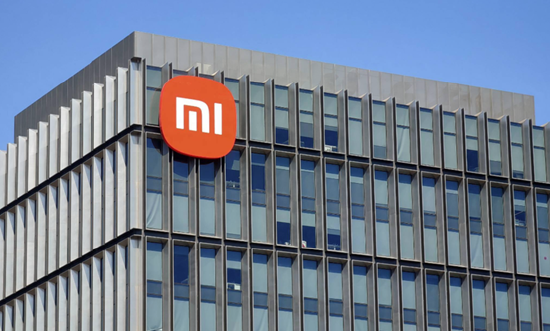
小米稳住业务增长点,高端化战略要从单品类向全生态冲击
Xin Lang Cai Jing· 2025-08-19 14:53
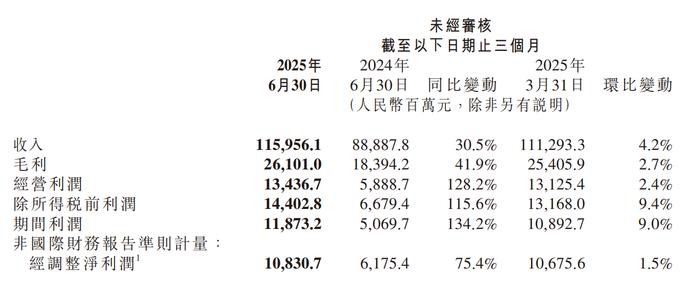
Core Viewpoint - Xiaomi Group reported a record high revenue of 116 billion RMB for Q2 2025, marking a 30.5% year-on-year increase, and an adjusted net profit of 10.8 billion RMB, up 75.4% year-on-year, indicating strong financial performance and growth potential in key business segments [1][2]. Financial Performance - Revenue for Q2 2025 reached 115,956.1 million RMB, a 30.5% increase from 88,887.8 million RMB in Q2 2024, and a 4.2% increase from 111,293.3 million RMB in Q1 2025 [2]. - Gross profit was 26,101.0 million RMB, up 41.9% year-on-year, and operating profit increased by 128.2% to 13,436.7 million RMB [2]. - Adjusted net profit for the quarter was 10,830.7 million RMB, reflecting a 75.4% increase compared to 6,175.4 million RMB in the same period last year [2]. Business Segments - The smartphone segment generated 455 million RMB in revenue with a shipment of 42.4 million units, showing a slight increase from 42.2 million units year-on-year [3]. - IoT and lifestyle products revenue reached 387 million RMB, a 44.7% increase, with smart home appliances seeing a significant growth of 66.2% [3]. - The automotive and innovative business segment reported revenue of 213 million RMB, a remarkable 234% increase, with 81,302 units delivered in the quarter [3]. Strategic Focus - Xiaomi is focusing on a dual strategy of scaling and high-end positioning in the smartphone market, shifting its focus from the 4000-6000 RMB range to the ultra-high-end segment above 6000 RMB [3][4]. - The company aims to expand its retail presence, targeting 30,000 stores in China and 400-500 overseas by the end of the year [4]. - Xiaomi's goal is to join the "2 billion club" alongside Apple and Samsung within the next three to five years, emphasizing its commitment to growth despite a stagnant global market [4][5]. R&D and Innovation - R&D investment reached a record high of 7.8 billion RMB in Q2 2025, a 41.2% increase, with an annual target of 30 billion RMB [6]. - Key technological advancements are focused on automotive, chips, and AI, including the development of a prototype car and a self-developed 3nm flagship chip [6]. - The company believes that having self-developed chips will create a significant competitive advantage in the future [6].

不只智选,布局“空天地海”,“赢”在科技未来
Zheng Quan Shi Bao Wang· 2025-08-18 11:33
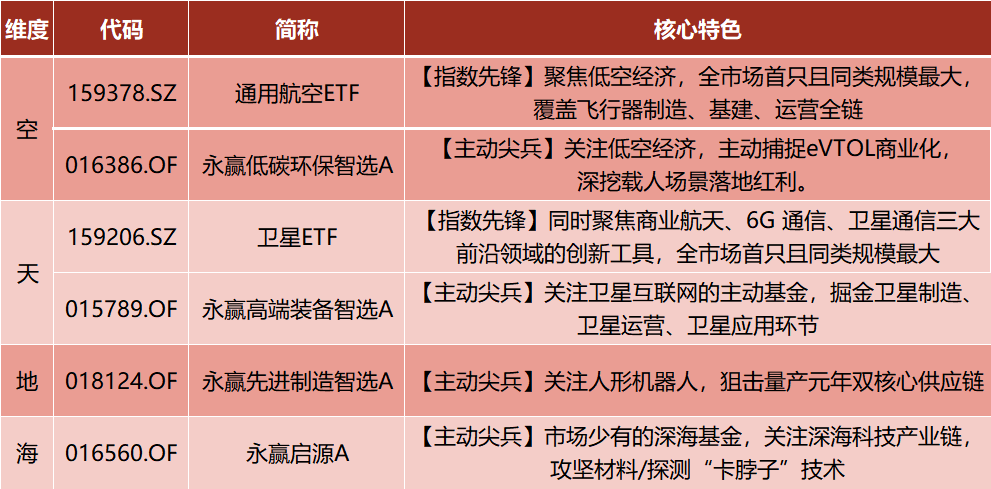
Core Viewpoint - The article emphasizes the transformative potential of "hardcore technology" across various sectors, including low-altitude economy, commercial aerospace, artificial intelligence, and deep-sea technology, presenting significant investment opportunities for investors who can understand trends and utilize the right tools [1][2]. Group 1: Investment Opportunities - The low-altitude economy is projected to reach 3.5 trillion yuan by 2035, with eVTOL (electric vertical takeoff and landing aircraft) entering large-scale production [4][5]. - The satellite internet sector is expected to see a market space of 831.3 billion yuan from 2023 to 2027, driven by the urgent need for satellite communication infrastructure [5]. - The humanoid robot market in China could reach 1.6 trillion yuan in industrial manufacturing and 1.9 trillion yuan in service sectors by 2035, indicating a significant growth trajectory [5]. - Deep-sea technology is gaining attention, with government support aimed at high-quality development of the marine economy, marking it as a key area for investment [6]. Group 2: Investment Products - The "空天地海" (Air, Space, Land, Sea) product matrix includes various investment tools such as the General Aviation ETF and Satellite ETF, which are the first and largest in their categories [3][8]. - Active management products like 永赢低碳环保智选A and 永赢高端装备智选A focus on specific sectors within hardcore technology, allowing for targeted investment strategies [3][8]. - The investment strategy emphasizes a combination of passive index funds and actively managed funds to cater to different investor needs and risk profiles [10][12]. Group 3: Market Trends - The military industry has seen a significant increase, with the military index rising over 20% from June to August, indicating a shift towards technology-driven growth rather than speculative trading [4]. - The article highlights the importance of understanding the intersection of "new combat power" and "new productive forces," where military technology converges with civilian markets, creating new investment avenues [4][5]. Group 4: Strategic Insights - The investment approach is based on a forward-looking perspective, focusing on structural opportunities in emerging industries, rather than chasing short-term trends [11][12]. - The investment team combines industry experts and fund managers to ensure informed decision-making based on deep industry insights and market responsiveness [12]. - The commitment to long-term investment and risk management is emphasized as a core principle guiding the investment strategy in hardcore technology [12][14].
不只智选,布局“空天地海”,“赢”在科技未来
券商中国· 2025-08-18 11:19
Core Viewpoint - The article emphasizes that the investment opportunities in the new era driven by hard-core technology will belong to investors who can understand trends and utilize the right tools [1][2]. Group 1: Investment Opportunities in Hard-Core Technology - The article highlights the ongoing technological revolution across "air, space, land, and sea," driven by advancements in low-altitude economy, commercial aerospace, artificial intelligence, and deep-sea technology [1]. - Historical trends indicate that investors who align with national policy directions and industrial transformations can reap significant rewards, similar to past investments in the internet and semiconductor sectors [1]. - The low-altitude economy is projected to reach 3.5 trillion yuan by 2035, with eVTOL (electric vertical takeoff and landing aircraft) entering large-scale production [6]. - The satellite internet sector is expected to see a market space of 831.3 billion yuan from 2023 to 2027, driven by the need for satellite communication as a foundation for 6G technology [6]. - The humanoid robot market in China is anticipated to reach 1.6 trillion yuan in industrial manufacturing and 1.9 trillion yuan in service sectors by 2035 [6]. - Deep-sea technology is gaining attention, with government support aimed at high-quality development of the marine economy [7]. Group 2: Investment Tools and Strategies - The article discusses the creation of an "air, space, land, and sea" investment matrix by Yongying Fund, which includes six distinct products designed to facilitate investment in these emerging sectors [8][9]. - The matrix consists of both passive index funds and actively managed funds, allowing investors to efficiently target core value segments within the industry [9]. - The index products, such as the General Aviation ETF and Satellite ETF, are the first of their kind in the market, focusing on low-altitude economy and satellite communication respectively [9]. - Active products like Yongying Low Carbon Environmental Selection A and Yongying Advanced Manufacturing Selection A are tailored to capture growth in specific hard-core technology fields [9]. - The investment strategy emphasizes a forward-looking approach, focusing on structural opportunities in emerging industries rather than merely chasing market trends [14][15]. Group 3: Future Outlook - The article concludes with a vision of a future where advancements in eVTOL, humanoid robots, satellite networks, and deep-sea resources significantly transform daily life and economic structures [16]. - Public funds are positioned as key players in supporting national technological independence and industrial upgrades, connecting ordinary investors with capital markets [16].

送“米粉”2000份芯片,雷军和小米要证明什么
Mei Ri Jing Ji Xin Wen· 2025-08-17 13:14
Core Insights - Xiaomi is aiming to reshape its brand image from a "manufacturer" to a "hardcore technology" company, emphasizing the importance of self-developed chips in this transformation [1][2][3] - The launch of the玄戒O1 chip, China's first 3nm chip, represents a significant milestone for Xiaomi, showcasing its commitment to technological innovation and self-reliance [2][5] - The company is under pressure to overcome public skepticism and redefine its identity, especially following a recent public relations crisis [3][4] Financial and Investment Highlights - Xiaomi has invested 135 billion yuan in the development of the玄戒O1 chip over four years, employing a team of 2,500 people [2] - The company plans to increase its R&D investment to over 300 billion yuan by 2025 and aims for a total of 2 trillion yuan in R&D over the next five years [4] - Xiaomi's strategy includes a long-term investment of 500 billion yuan in chip development over the next decade [4] Market Positioning and Strategy - The introduction of the玄戒O1 chip is part of Xiaomi's broader strategy to penetrate the high-end market, with the Xiaomi 15S Pro priced above 5,500 yuan, leveraging self-developed chips to support premium pricing [6] - The company aims to create an interconnected ecosystem across devices, enhancing user experience and establishing a competitive edge in the market [6] - Xiaomi's approach to high-end positioning is not solely based on price but on technological innovation, aiming to rebuild trust with consumers [6]
《灵笼》主创开启科学溯源之旅 科幻与硬核科技碰撞新火花
Huan Qiu Wang Zi Xun· 2025-07-31 14:28
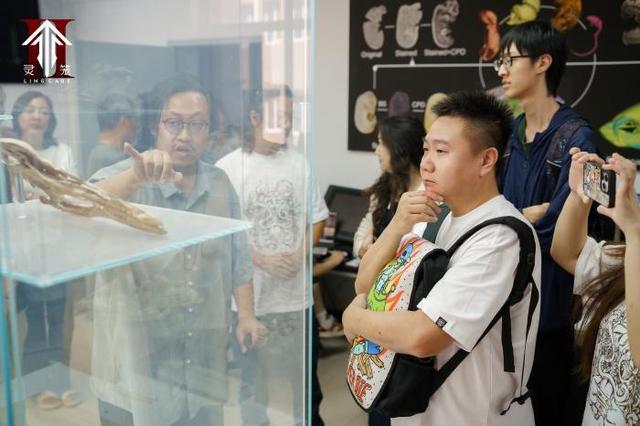
Core Insights - The animated series "Ling Cage," recognized as the "first IP of Chinese sci-fi," has achieved over 300 million views for its second season and surpassed 1 billion views for the entire series [1][3] - The creative team of "Ling Cage" is actively exploring the intersection of science and sci-fi by collaborating with the Chinese Academy of Sciences [1][3] Group 1 - The team visited the Institute of Vertebrate Paleontology and Paleoanthropology to observe dinosaur fossils under the guidance of geologist and paleontologist Wang Xiaolin [3] - Experts engaged in discussions about the core settings of "Ling Cage," addressing questions about the evolutionary origins of fictional species and extreme ecological periods in Earth's history [3] - Academician Zhou Zhonghe emphasized the social value of scientifically rigorous sci-fi works beyond their entertainment attributes [3] Group 2 - Liu Jun, a paleontologist and deputy director of the institute, acknowledged the importance of sci-fi works in popular science education and expressed willingness for broader collaboration with the "Ling Cage" team [3] - The "Ling Cage" team plans to incorporate publicly available scientific designs and research findings into their animation, aiming to infuse hard science elements into the narrative and present cutting-edge Chinese research in a more engaging manner [3]
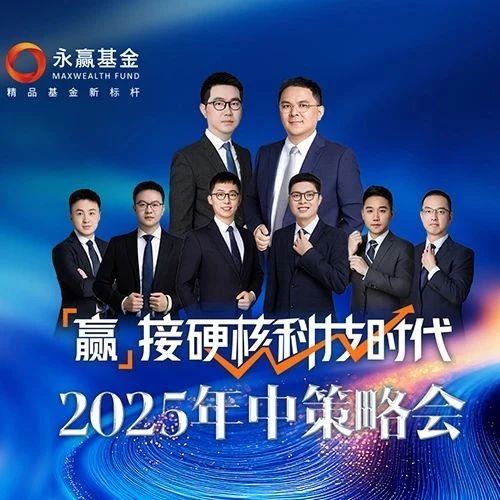
“赢”接硬核科技时代!永赢基金2025年中策略会精彩回顾
中国基金报· 2025-07-09 10:15
Core Viewpoint - The article highlights the significant performance of structural opportunities in the market, particularly in hard technology sectors such as humanoid robots, innovative pharmaceuticals, and cloud computing, which saw index increases of over 15% in the first half of the year [1][28]. Group 1: Investment Strategy and Product Overview - Yongying Fund has developed an investment system tailored to the local market, focusing on forward-looking industry research and structural opportunities, moving away from simplistic bull-bear thinking [3][5]. - The "1+N" equity investment ecosystem categorizes active equity products into four types: comprehensive, style-based, tool-based (Intelligent Selection Series), and strategy-based (Wisdom Selection Series) [3][5]. - The Intelligent Selection products are designed to focus on high-growth, policy-supported emerging industries, with each product matched to fund managers who align with the investment focus [5][6]. Group 2: Market Outlook and Key Sectors - The article discusses the anticipated growth in hard technology sectors, particularly humanoid robots, innovative pharmaceuticals, and cloud computing, which are expected to drive significant investment opportunities [7][12]. - Humanoid robots are projected to become a major consumer product, with a compound annual growth rate of 100% over the next six years, potentially leading to explosive growth post-2025 [14]. - The demand for overseas computing power is expected to surge, driven by successful AI applications like ChatGPT, with significant investments from major cloud service providers [17][19]. - The innovative pharmaceutical sector is positioned to capitalize on global market opportunities, leveraging China's clinical efficiency and industry chain advantages [21]. - The low-altitude economy is recognized as a strategic national priority, with significant potential to reshape economic growth, particularly in eVTOL and drone logistics [22]. - The semiconductor industry, particularly in light of domestic advancements in photolithography technology, is seen as a critical area for investment, with potential for substantial returns [24]. Group 3: Conclusion and Future Prospects - The article concludes that the acceleration of technological breakthroughs in China is creating unprecedented structural investment opportunities, with new productive forces driving the rise of the nation [25].
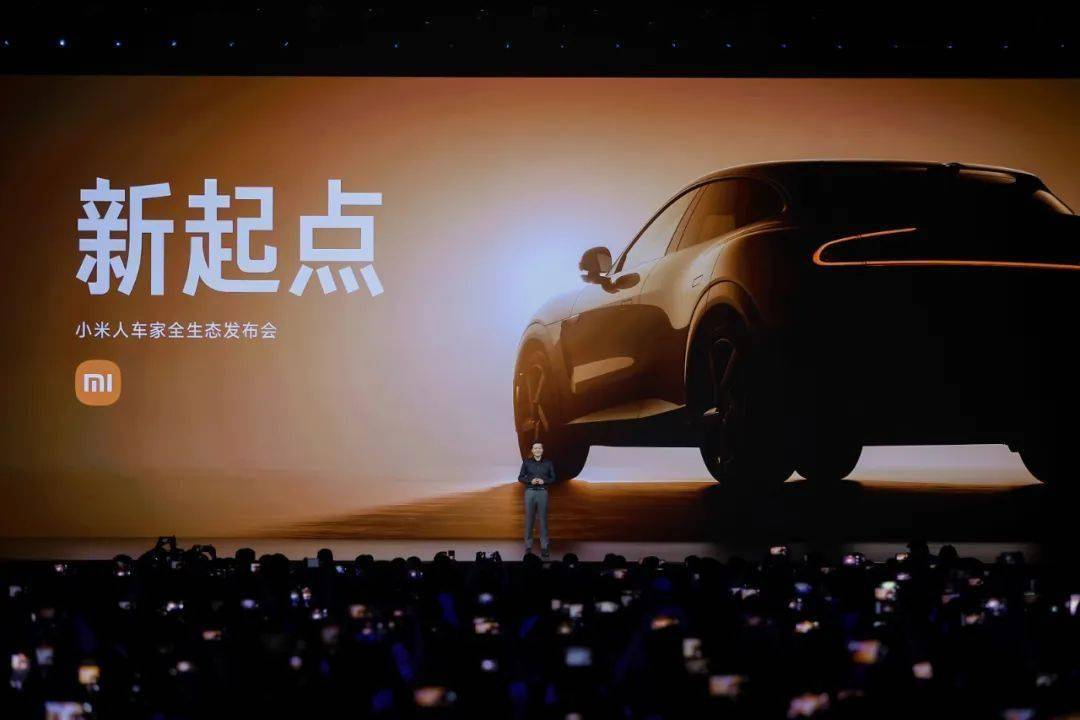
雷军:小米YU7 正式上市,还有小米MIX Flip 2、小米AI眼镜及众多全生态新品
Sou Hu Cai Jing· 2025-06-26 15:05
Core Viewpoint - Xiaomi has launched a series of innovative products at its ecosystem conference, showcasing advancements in technology and design, including the Xiaomi YU7, Xiaomi MIX Flip 2, and Xiaomi AI glasses, marking significant milestones in the company's development [1][3]. Group 1: Financial Performance - Xiaomi reported its best financial results in history for Q1 2025, with a revenue increase of 47% year-on-year [4]. - The company has committed to investing 200 billion yuan in core technology over the next five years to enhance its technological capabilities [14]. Group 2: Product Launches - The Xiaomi YU7 comes in three configurations, priced at 253,500 yuan for the standard version, 279,900 yuan for the Pro version, and 329,900 yuan for the Max version, with additional premium options available [5]. - The Xiaomi MIX Flip 2 aims to provide a high-end folding smartphone experience, featuring a Snapdragon 8 Gen 2 processor and a 5165mAh battery, with prices starting at 5,999 yuan [40]. - The Xiaomi Pad 7S Pro 12.5 is designed for mobile office and learning, featuring a 12.5-inch display and the self-developed Xuanjie O1 processor, with a starting price of 3,299 yuan [73]. Group 3: Technological Innovations - The self-developed Xuanjie chip represents a significant breakthrough for Xiaomi, with a total investment of 13.5 billion yuan over four and a half years [6]. - Xiaomi has become the first company in mainland China and the fourth globally to independently develop a 3nm mobile chip, with the Xuanjie O1 chip being recognized for its performance [9]. Group 4: Market Position - Xiaomi's smartphone market share has remained in the global top three for 19 consecutive quarters, reflecting strong global business progress [7]. - Xiaomi ranks second in the recently released list of the top 50 global Chinese brands, indicating its growing international presence [7]. Group 5: Consumer Electronics - The Xiaomi MIX Flip 2 features a refined design with a 4.01-inch external screen and enhanced usability, supporting over 500 mainstream apps [21]. - The Xiaomi Watch S4 41mm is a new addition to the smartwatch family, emphasizing style and functionality, with a price starting at 999 yuan [154]. - The Xiaomi Smart Band 10 features a 1.72-inch AMOLED display and a variety of stylish bands, continuing Xiaomi's leadership in the fitness tracker market [156]. Group 6: Home Appliances - The Mi Home High-Speed Hair Dryer Pro offers advanced features such as a 70m/s wind speed and 50°C constant temperature protection, priced at 579 yuan [200]. - The Mi Home Sweeping and Mopping Robot M40 S boasts a suction power of 23,000Pa and is designed for efficient cleaning, starting at 2,999 yuan [202].
从SU7到芯片,小米商业化闭环的野心
Bei Jing Shang Bao· 2025-06-16 15:02
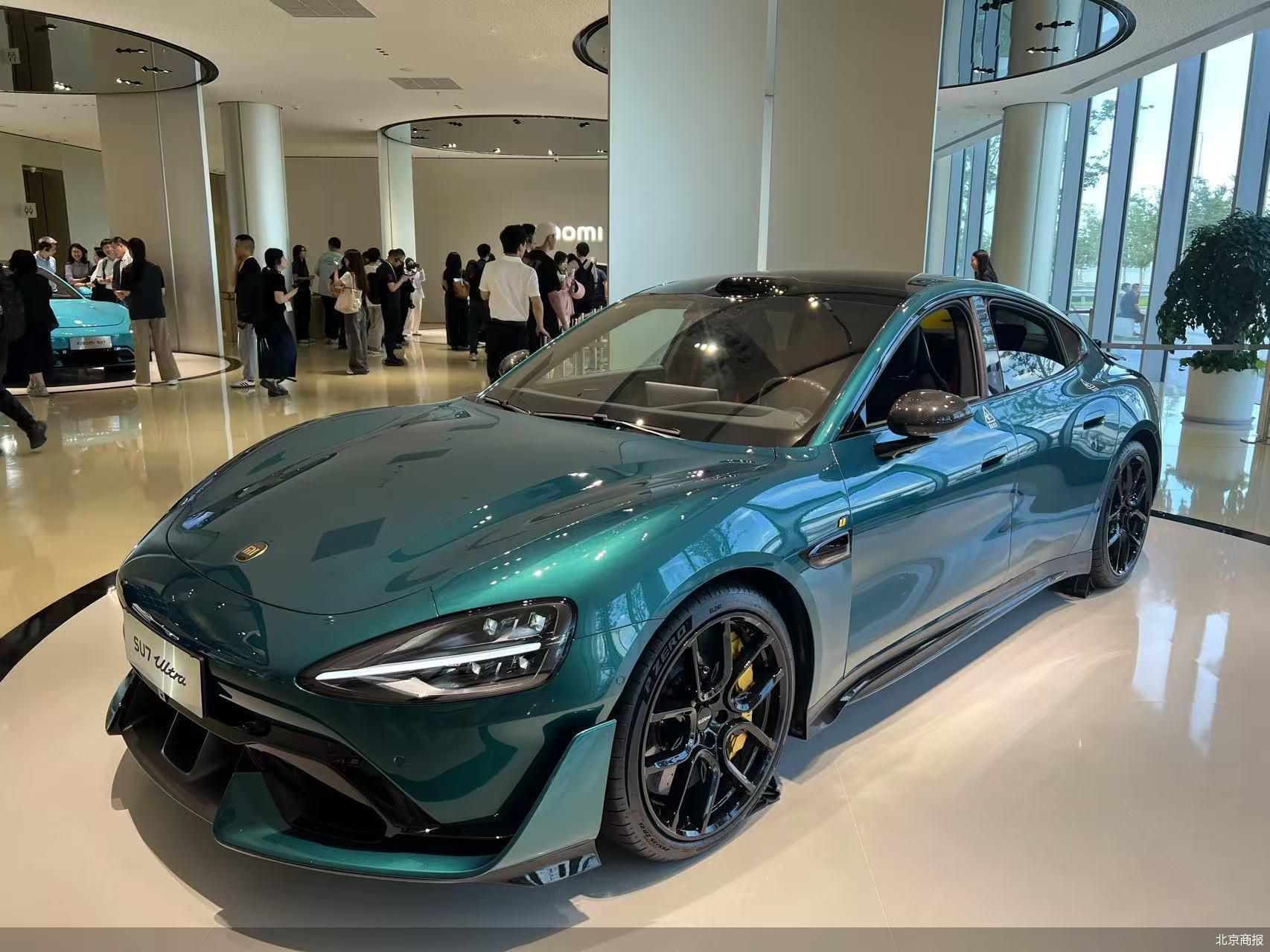
Group 1: Core Insights - Xiaomi's launch of the Xuanjie O1 chip marks a significant milestone in its ambition to create a comprehensive "human-vehicle-home ecosystem" [1][6] - The company has invested 13.5 billion yuan over the past four and a half years in developing the Xuanjie O1, which is part of a broader strategy to enhance its technological capabilities [1][6] - Xiaomi's SU7 vehicle has achieved remarkable sales, becoming the best-selling model in the 200,000 yuan and above category, with 250,000 units sold within 14 months [4][6] Group 2: Manufacturing and Production - Xiaomi's super factory employs over 700 robots, achieving 100% automation in key manufacturing processes, including die-casting and assembly [3] - The factory's integrated die-casting production line simplifies 72 parts into one, reducing production time by 74% [3] - Once fully operational, the factory can produce a new SU7 vehicle every 76 seconds, with a monthly capacity of 28,000 to 29,000 units [4] Group 3: Research and Development - Xiaomi plans to invest an additional 200 billion yuan in R&D over the next five years, building on its previous commitment of 102 billion yuan from 2021 to 2025 [7] - The company has seen a 30.1% year-on-year increase in R&D investment, reaching 6.7 billion yuan in Q1 2025, with total R&D personnel rising to 21,731 [7] - Xiaomi's focus on long-term investment in core technologies aims to establish itself as a leading hard-tech company globally [6][7] Group 4: Strategic Importance of Chip Development - The re-launch of Xiaomi's "big chip" strategy is crucial for building a self-sufficient technological moat and reducing supply chain dependencies [8] - Self-developed chips are expected to enhance product performance and user experience, supporting Xiaomi's high-end market penetration [8] - The integration of chips, operating systems, and AI is seen as essential for creating a cohesive ecosystem across devices [7][8]
深圳近期三大展会折射科技新动向 全球新产业“卡位赛”的深圳雄心
Shen Zhen Shang Bao· 2025-06-08 17:02
Core Viewpoint - Shenzhen is positioning itself as a leader in the new track of "new quality productivity," focusing on hard technology innovations such as artificial intelligence, drones, and new energy vehicles, which are crucial for the global industrial landscape transformation [1][3]. Group 1: Technological Advancements - Shenzhen's R&D investment reached 223.66 billion yuan, growing by 18.9%, marking nine consecutive years of double-digit growth, which supports breakthroughs in hard technology [3]. - Major technological showcases at recent exhibitions included BYD's "megawatt flash charging" technology, allowing for a one-minute charge to achieve a 100-kilometer range, addressing user concerns about range anxiety [3]. - Huawei unveiled significant products like the HUAWEI MateBook Fold and HUAWEI MateBook Pro at the global AI terminal exhibition, while DJI showcased the new Matrice 4 series drones with advanced AI detection capabilities [4]. Group 2: Application of Technology - The trend of technology rapidly transitioning from exhibition to real-life applications is evident, with AI and drones being integrated into various sectors such as smart homes, logistics, and emergency services [5][6]. - Shenzhen plans to open 100 application scenarios annually to enhance the matching of supply and demand, facilitating product development and technology iteration [6]. Group 3: Ecosystem Development - The exhibitions reflect a shift from merely showcasing products to presenting an entire ecosystem, highlighting the collaboration between technology and industry [7]. - The establishment of the Shenzhen AI Glasses Industry Alliance aims to integrate resources across the AI glasses sector, promoting innovation and scaling [8][9]. - Policies supporting the development of these industries include the launch of investment funds for AI terminals and robotics, indicating a strong commitment to fostering long-term capital investment [9]. Group 4: Future Outlook - The combination of hard technology breakthroughs, accelerated application scenarios, and efficient industrial ecosystem collaboration forms the "innovation triangle," which is central to Shenzhen's new quality productivity strategy [9].