
精准医学

Search documents
博鳌亚洲论坛聚焦生物医药:细胞疗法与基因编辑加速突围
Bei Jing Shang Bao· 2025-07-27 05:15
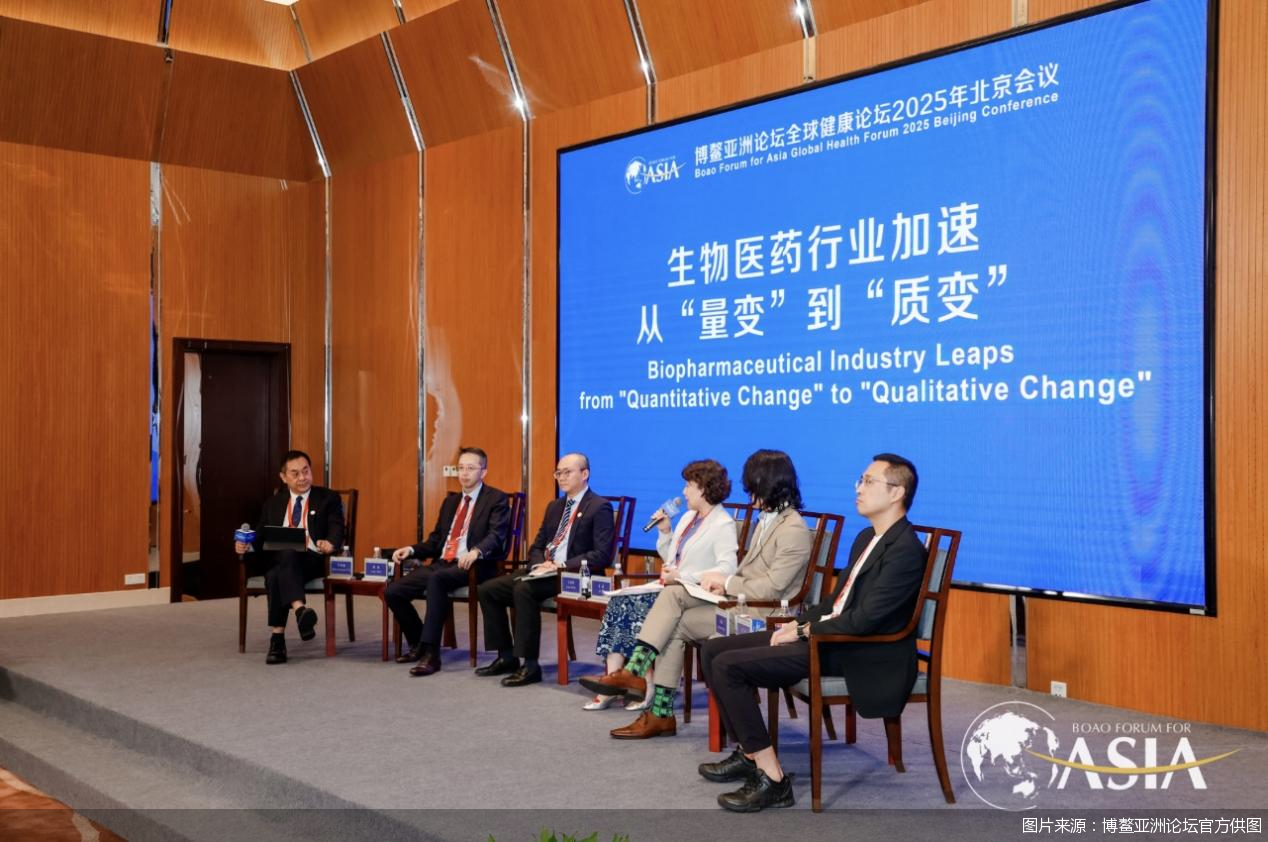
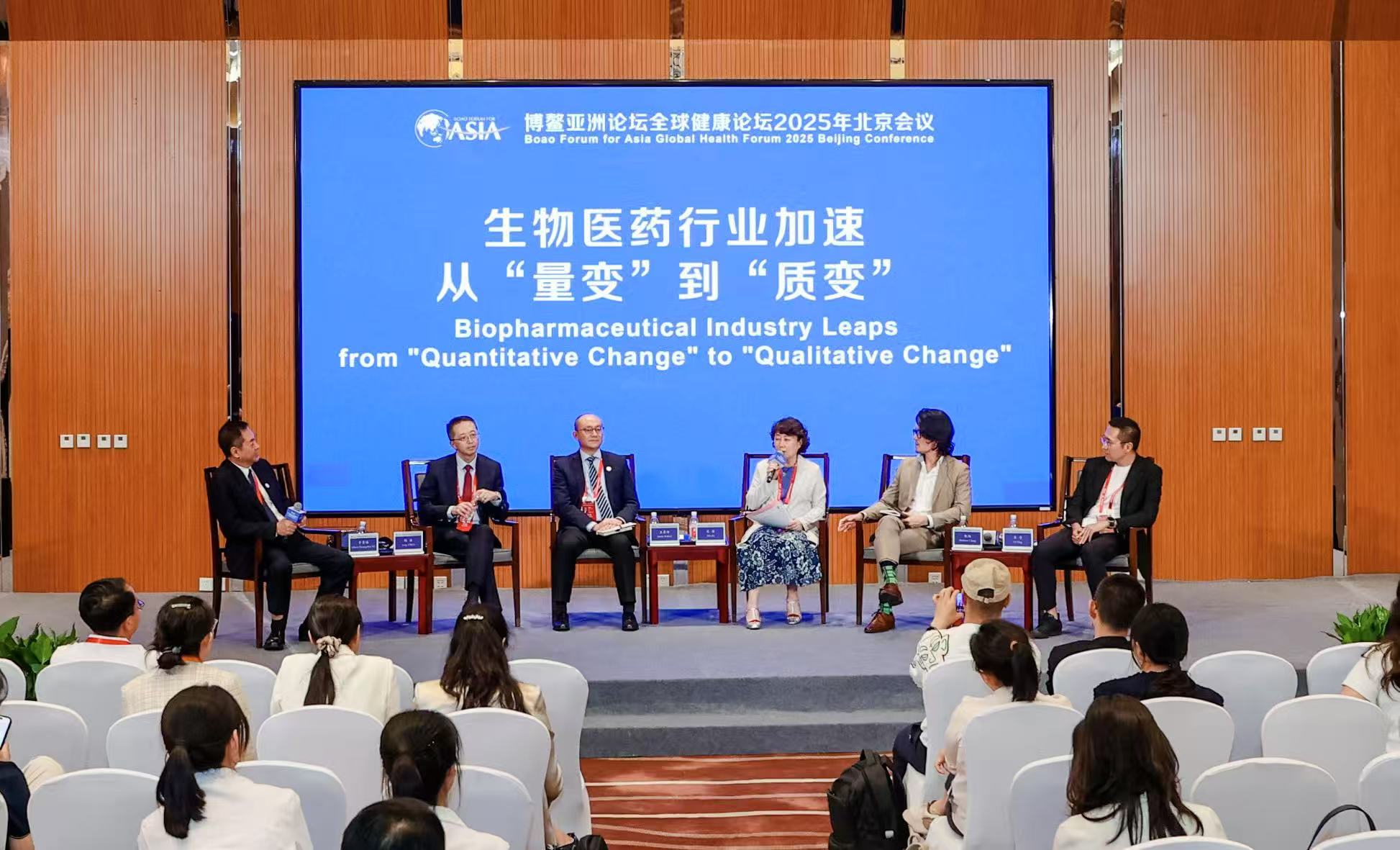
Core Viewpoint - The Boao Forum for Asia Global Health Forum 2025 recently focused on the biopharmaceutical industry, discussing the transition from "quantitative change" to "qualitative change" in the sector, highlighting breakthroughs in cell therapy and gene editing technologies [1] Industry Growth - The global biopharmaceutical market has been growing rapidly, with a compound annual growth rate (CAGR) of 12.2%, expected to reach $530.1 billion by 2025 [3] - In 2023, China's biopharmaceutical market reached 650.6 billion yuan, reflecting a year-on-year growth of 15.09% [3] AI Integration - AI technology is becoming a significant driver of innovation in the biopharmaceutical industry, with applications in various fields, including the identification of biomarkers, which has reduced the development cycle from five years to 18 months [3] - AI-driven advancements in cancer vaccine development have shown promising results, with technologies like CAR-T and TCR-T therapies being applied in blood cancer treatment and expanding into solid tumors [3] Precision Medicine - Precision medicine is presenting unprecedented possibilities for curing diseases, including cancers and rare diseases, according to industry experts [4] - In China, it is estimated that from 2025 to 2035, 10 million patients will benefit from precision medicine therapies, averaging an additional year of life, leading to a potential savings of over 200 billion yuan in healthcare costs [5] Clinical Research Advancements - The explosion of AI and big data is expected to significantly enhance clinical research, allowing for better utilization of real-world data, which has historically faced challenges due to poor data quality [5] - The integration of AI in clinical research is anticipated to provide substantial support for existing studies [5] Regulatory Challenges - The emergence of new technologies in the pharmaceutical field brings challenges, necessitating updated regulatory frameworks to balance development and compliance, particularly concerning patient and data privacy [6] - Ethical issues surrounding AI applications in healthcare require synchronized upgrades in regulatory systems alongside technological advancements [6] Funding and Cost Issues - Funding remains a critical challenge for the innovation of new technologies, with high initial costs potentially hindering research and development [7] - Both China and the U.S. are exploring ways to control healthcare spending, which could impact the motivation for companies to innovate if payment issues are not resolved [7] Future Focus Areas - The aging population in many countries, especially developed ones, may shift the focus of disease research towards degenerative diseases and chronic disease management, presenting new opportunities for the industry [7]

生物医药:从“量变”到“质变”的跨越之路
Yang Shi Wang· 2025-07-26 14:20
Core Insights - The forum discussed the transition of the biopharmaceutical industry from "quantitative change" to "qualitative change" and the role of AI in driving high-quality development [2] Group 1: Industry Development Directions - The integration of technology and precision medicine is a key development direction in the global biopharmaceutical industry [2] - AI technology can significantly shorten the research and development cycle for in vitro diagnostic reagents from approximately 5 years to 18 months [2] - The combination of genomics and multimodal technologies is advancing precision medicine, with applications in cell therapy and CRISPR gene editing for treating blood cancers and rare diseases [2] Group 2: Impact of AI Technology - AI is viewed as a core driving force for the development of the biopharmaceutical industry [3] - The deep integration of disciplines is a significant trend, with AI and big data playing a crucial role in drug development and clinical research [3] - AI is transforming molecular design processes, enabling the design of new molecules that do not exist in nature, thereby greatly enhancing research and development efficiency [3] Group 3: Challenges and Opportunities - Regulatory and payment frameworks are identified as major challenges for the development of precision medicine [4] - The emergence of numerous new technologies raises higher regulatory demands, necessitating a balance between promoting development and risk prevention [4] - Opportunities exist in early screening, diagnosis, and treatment in areas such as neurodegenerative diseases and chronic disease management, significantly improving patient quality of life [4] Group 4: Collaborative Efforts for Quality Development - The transition from "quantitative change" to "qualitative change" in the biopharmaceutical industry requires collaboration among various stakeholders [4] - Data quality is crucial for AI applications, necessitating the collection of scientific-grade big data [4] - As technology continues to advance, regulatory frameworks improve, and international cooperation deepens, the biopharmaceutical industry is expected to achieve higher quality development, benefiting human health [4]
1.45万亿精准医学投资浪潮来了
21世纪经济报道· 2025-07-25 04:18
Core Insights - The rise of precision medicine in the Asia-Pacific region is not only a transformation in medical technology but also a core force reshaping the regional economic landscape [1] - A new study by L.E.K. Consulting indicates that precision medicine is expected to generate approximately 14.5 trillion RMB (2,000 billion USD) in direct economic investment in China's pharmaceutical value chain over the next decade [1] - The study also forecasts the creation of up to 142,000 high-skilled jobs in the pharmaceutical value chain and additional employment opportunities in diagnostics and healthcare systems [1][2] Economic Impact - Precision medicine is projected to create an indirect economic benefit of up to 8.7 trillion RMB (1,200 billion USD) through its multiplier effect on related industries [1] - The expected increase in patient lifespan is estimated to be 9.2 million years, alongside a reduction in medical expenses by 216 billion RMB (30 billion USD), alleviating pressure on China's healthcare resources [1] Investment Focus - Investments will cover research and development, production, and commercialization, with R&D and commercialization expected to receive the largest funding [2] - Targeted antibody drugs will remain a primary focus for funding, while cell therapy, gene therapy, and companion diagnostics are anticipated to be rapidly growing sectors [2] Healthcare Transformation - Precision medicine aims to optimize diagnostic and treatment outcomes, reduce waste in medical resources, and clarify the causes of rare diseases [4] - The long-term investment in precision medicine is expected to enhance healthcare infrastructure and create high-quality job opportunities, stimulating broader economic activity [4] Regulatory Environment - The Chinese government plays a crucial role in optimizing drug approval processes and regulatory frameworks, which is essential for the success of precision medicine [5][9] - Recent reforms have aimed to accelerate the approval of urgently needed cell and gene therapies, reflecting a commitment to enhancing regulatory efficiency [9] Data and Technology - The rise of AI technology presents new opportunities for the intelligent transformation of the healthcare industry and the development of precision medicine [10] - However, there are challenges related to data sharing and privacy, which need to be addressed to fully leverage clinical and genetic data for research and patient care [10][11] Future Outlook - The ongoing development of a multi-tiered healthcare security system in China is expected to better meet diverse patient needs and enhance overall patient benefits [6][7] - The precision medicine sector is seen as a significant growth area, with the potential to reshape the economy and improve health outcomes for millions [12]

1.45万亿精准医学投资浪潮来袭:如何重塑医疗价值链?
Sou Hu Cai Jing· 2025-07-25 03:34
Group 1 - Precision medicine is reshaping the economic landscape in the Asia-Pacific region, with an estimated direct economic investment of approximately 1.45 trillion RMB (200 billion USD) in China's pharmaceutical value chain over the next decade [1] - The sector is expected to create up to 142,000 high-skilled jobs and generate an additional 870 billion RMB (120 billion USD) in indirect economic benefits [1][2] - Targeted antibody drugs, cell therapy, gene therapy, and companion diagnostics are identified as key areas for investment and growth [2][4] Group 2 - The investment in precision medicine will enhance healthcare accessibility and reduce medical expenses by approximately 216 billion RMB (30 billion USD), alleviating pressure on China's medical resources [1][3] - The development of precision medicine is a long-term process that will not only benefit patients but also upgrade medical infrastructure and create high-quality employment opportunities [3][5] - The Chinese government plays a crucial role in optimizing drug approval processes and enhancing the regulatory framework to support innovative therapies [6][8] Group 3 - The rise of AI technology is providing new opportunities for the intelligent transformation of the healthcare industry, which is essential for the development of precision medicine [7][8] - There is a need for improved data sharing and connectivity among medical institutions to facilitate the effective use of clinical and genetic data [7][8] - The global emphasis on data security and privacy protection necessitates compliance with regional policies and regulations, especially concerning cross-border data flow [8][9]
赛默飞发布2025年Q2财报:实验室产品部门的高增长,营收超预期
仪器信息网· 2025-07-25 03:02
Core Viewpoint - Thermo Fisher Scientific reported a 3% year-over-year revenue growth for Q2 2025, reaching $10.85 billion, exceeding market expectations [2][4][10]. Financial Performance - Total revenue for Q2 2025 was $10.85 billion, compared to $10.54 billion in Q2 2024, reflecting a 3% increase [10]. - GAAP diluted earnings per share (EPS) increased by 6% to $4.28, up from $4.04 in the same quarter last year [5][12]. - Non-GAAP adjusted EPS was reported at $5.36, slightly down from $5.37 in Q2 2024 [6][15]. - Operating income was $1.83 billion, with an operating margin of 16.9%, compared to $1.82 billion and 17.3% in Q2 2024 [13][14]. - Non-GAAP adjusted operating income reached $2.38 billion, with an adjusted operating margin of 21.9%, down from 22.3% in the previous year [16][17]. Business Highlights - The laboratory products segment generated $6 billion in sales, accounting for 55% of total revenue, surpassing the expected $5.79 billion [2]. - The company launched several innovative products, including the Orbitrap Astral Zoom mass spectrometer and the Krios 5 cryo-transmission electron microscope, aimed at advancing precision medicine and accelerating new therapy development [7]. - The expansion of the DynaDrive single-use bioreactor product line introduced a new benchtop-scale system, enhancing workflow efficiency in drug production [7]. - The Accelerator drug development solution demonstrated significant advantages, validated by Tufts Center research, indicating a reduction in development cycles and high returns on investment for clients [7]. Strategic Initiatives - The company optimized operations through its PPI business system, adjusting supply chains to address tariff environments and proactively managing cost structures [8]. - A strategic partnership was announced with the acquisition of Sanofi's sterile filling production site in Ridgefield, New Jersey, aimed at supporting Sanofi's therapeutic product portfolio and expanding U.S. production capacity [8]. - The CEO emphasized the company's ability to adapt to market conditions and manage costs effectively, contributing to strong operational results in Q2 [9].


《迎接治愈的曙光白皮书》发布,精准医学将带动医疗体系升级
Bei Ke Cai Jing· 2025-07-24 03:39
Core Insights - The white paper titled "Embracing the Dawn of Healing" indicates that the Asia-Pacific region is entering an era of precision medicine, which will reshape treatment options, attract capital, and benefit patients significantly [1][2] - China is expected to benefit substantially from this wave of innovation, providing unprecedented hope for tackling currently "incurable diseases" [1][2] Group 1: Economic Impact - The white paper estimates that the precision medicine era will generate approximately 1.45 trillion yuan (200 billion USD) in direct economic investment in China's pharmaceutical value chain over the next decade [2] - It is projected to create up to 142,000 high-skilled jobs within the pharmaceutical value chain and additional employment opportunities in diagnostics and healthcare systems [2] - The broader indirect economic benefits could reach up to 8.7 trillion yuan, alleviating medical expenses for target patients by 216 billion yuan [2] Group 2: Healthcare Transformation - The transition from traditional standardized prescriptions to individualized therapies marks a significant turning point in China's healthcare development [2] - Precision medicine is expected to enhance patient outcomes by reducing hospitalization, medication, specialist visits, and follow-up needs, ultimately saving healthcare costs equivalent to the annual medical expenses of 15 million people [3] - The white paper highlights the need for improvements in regulatory frameworks, professional understanding, and infrastructure to fully realize the potential of this new era [3][4] Group 3: Challenges and Collaboration - The emergence of precision medicine presents challenges for regulators and policymakers, necessitating ongoing enhancements in various areas [3] - Collaboration among all stakeholders, including medical professionals and industry leaders, is essential to ensure that patients truly benefit from these innovative therapies [4]
华人学者最新Cell论文:老药新用显奇效,逆转阿尔茨海默病,恢复记忆力
生物世界· 2025-07-23 02:58
Core Viewpoint - Alzheimer's disease (AD) is a prevalent neurodegenerative disorder with no effective treatment to reverse its progression, necessitating urgent action for better therapeutic options [2][3][6]. Group 1: Current State of Alzheimer's Disease - Over 50 million people globally suffer from Alzheimer's or related dementias, with projections indicating this number will double by 2050 [3]. - Annual global spending on Alzheimer's exceeds $1 trillion, making it one of the most costly health issues [3]. - The drug development landscape for Alzheimer's faces significant challenges, with a failure rate of 98% over recent decades [6]. Group 2: Research Findings - A recent study published in Cell identified two FDA-approved cancer drugs, letrozole and irinotecan, that, when used in combination, significantly improved memory and reduced Alzheimer's-related pathology in mouse models [4][17][20]. - The research utilized publicly available data to analyze gene expression changes in neurons and glial cells associated with Alzheimer's, leading to the identification of potential drug candidates [9][11][20]. - The study highlighted the importance of glial cell dysfunction alongside neuronal vulnerability in the disease's heterogeneous pathology [7][8]. Group 3: Methodology and Results - The research team compared gene expression features from Alzheimer's patients with a drug response database, narrowing down 1,300 drugs to 86, then to 10, and finally to 5 promising candidates [10][13]. - The combination therapy of letrozole and irinotecan was shown to reverse multiple Alzheimer's symptoms in mouse models, eliminating toxic protein plaques and restoring memory [17][20]. - The study emphasizes a cell-type directed, multi-target drug discovery strategy based on human data and real-world evidence, paving the way for precision medicine in Alzheimer's treatment [18][20].

生命谷国际精准医学产业园:打造全球精准医学创新策源地,引领产业生态高质量发展
Sou Hu Wang· 2025-07-21 03:37
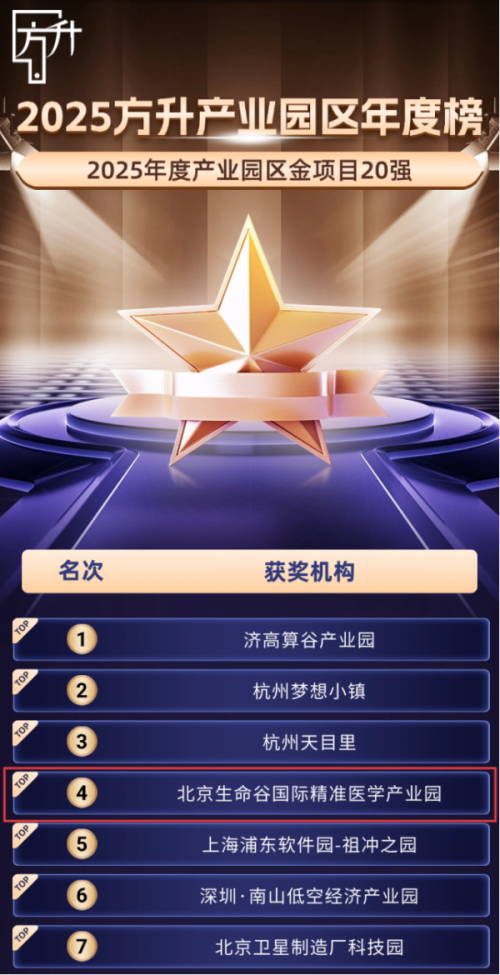
Core Insights - The "2025 Annual Industrial Park Gold Project Top 20" has recognized the Life Valley International Precision Medicine Industrial Park for its strategic layout, innovative ecosystem, and excellent industrial service capabilities [1][7] - This recognition signifies the park's contribution to the high-quality development of the biopharmaceutical industry in Changping District and Beijing [1] Group 1: Strategic Advantages - The park is located in the core area of the China (Beijing) Free Trade Pilot Zone, benefiting from various policy incentives such as the National Independent Innovation Demonstration Zone and the Capital High-Level Talent High Ground [4] - It focuses on cutting-edge technology sectors including cell gene therapy, synthetic biology, and AI healthcare, covering the entire industrial chain from basic research to commercialization [4] Group 2: Infrastructure and Services - The park has a planned construction area of approximately 245,700 square meters, offering diverse spaces for headquarters, research centers, pilot testing, and production bases [6] - It features high-standard laboratories, specialized hazardous materials access, and a distributed photovoltaic power generation system, achieving LEED and Green Building Three-Star certification [6] Group 3: Global Collaboration and Innovation - Developed by Chang Development Group and Kangqiao Capital, the park integrates capital, technology, and talent resources to enhance international clinical trials and cross-border technology transactions [6] - The park aims to deepen cooperation and optimize various service systems to support "hard technology" companies in overcoming critical technological challenges [7]
新研究:阻断或抑制一种特殊基因可选择性杀伤癌细胞
news flash· 2025-07-20 06:25
Core Findings - A new study published in the journal "Frontiers in Endocrinology" reveals that a specific gene is crucial for the intestinal absorption of vitamin D and its subsequent metabolic processes [1] - Blocking or inhibiting this gene can selectively suppress the growth of cancer cells, indicating significant potential applications in cancer treatment and precision medicine [1] Industry Implications - The findings suggest a promising avenue for developing targeted cancer therapies that leverage the understanding of gene functions related to vitamin D metabolism [1] - This research could lead to advancements in precision medicine, enhancing treatment efficacy for cancer patients by focusing on genetic factors [1]
守正创新 让中医好方变好药
Ren Min Ri Bao· 2025-07-07 21:55
Core Viewpoint - The innovative traditional Chinese medicine (TCM) product Yiqi Tongqiao Wan has successfully completed phase III clinical trials and is now available for treating allergic rhinitis, with plans for a large-scale real-world study involving 10,000 samples to validate its clinical efficacy [1][3]. Group 1: Product Development and Efficacy - Yiqi Tongqiao Wan is developed by integrating modern medicinal components from the effective formula "Allergy Decoction" and employs modern pharmaceutical techniques [2]. - Clinical trial results show significant efficacy, with a nasal discharge symptom disappearance rate of 52.65% and a tear symptom disappearance rate of 80.97%. Additionally, 30% of patients did not experience a recurrence of rhinitis within a year after two weeks of treatment [3]. Group 2: Quality Control and Technological Integration - The quality of raw materials is crucial for modern pharmaceutical companies, and Yiqi Tongqiao Wan's 14 ingredients are sourced from high-quality regions and standardized cultivation bases [5]. - The production process utilizes digital technology for quality traceability throughout the entire supply chain, enhancing the stability and uniformity of the extract's quality [5][6]. Group 3: Market Expansion and Cultural Promotion - The company is expanding the application of TCM by developing diverse product lines, including health foods and beverages that incorporate TCM ingredients [8]. - Efforts to promote TCM culture include public health services and community engagement activities, aiming to enhance public understanding and acceptance of TCM [8].