AI陪伴

Search documents
又一批AI社交产品悄悄「死亡」了
3 6 Ke· 2025-10-11 07:56
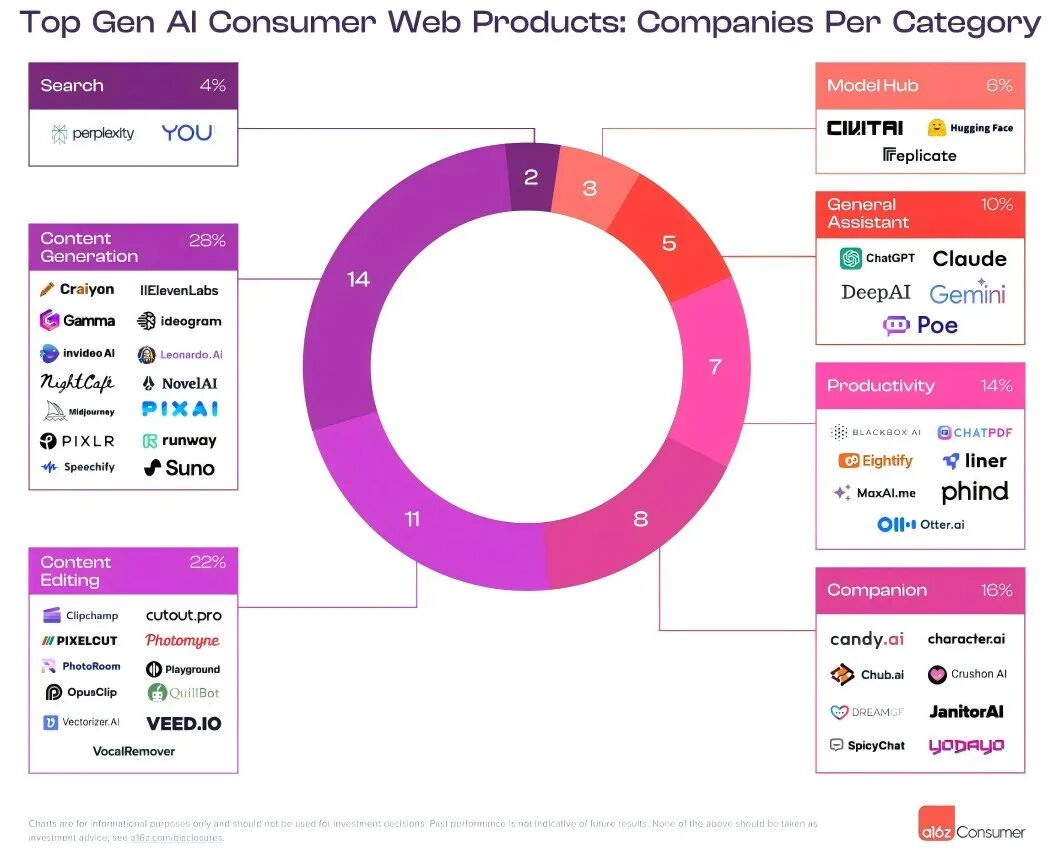
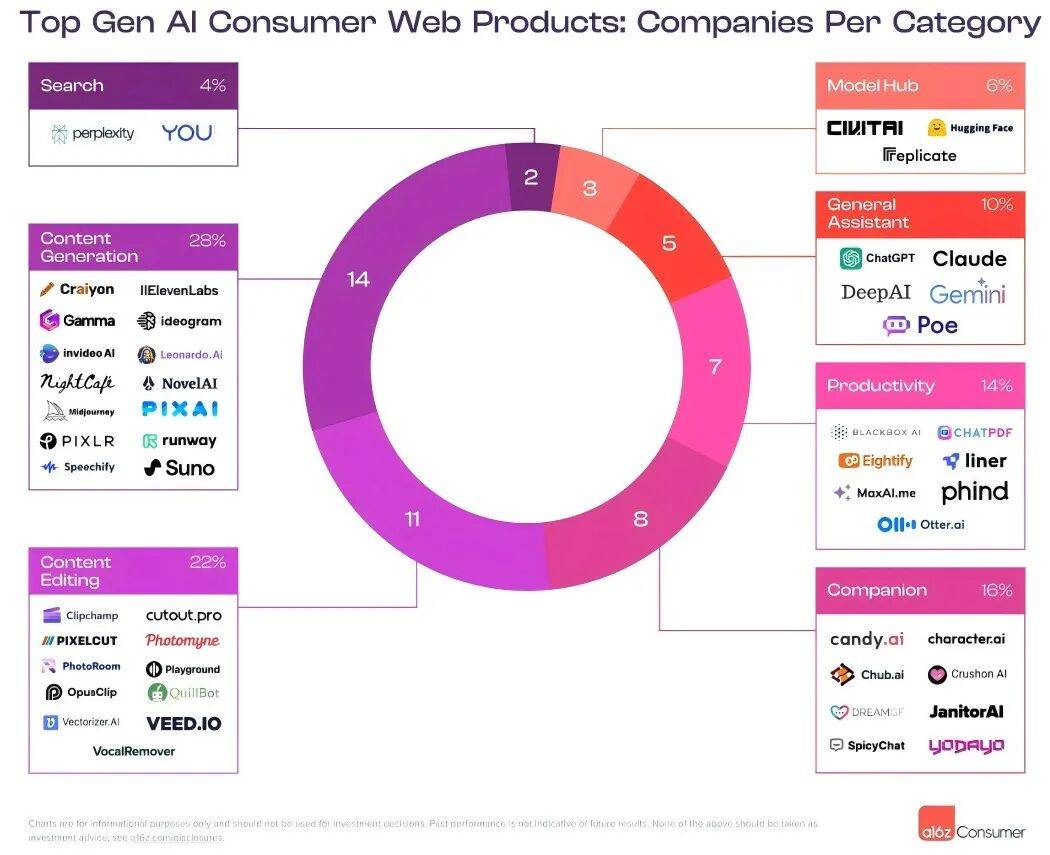
Core Insights - A wave of AI social companies and products has quietly shut down, including notable models and mid-sized firms, indicating a challenging environment for AI social applications [1] - Despite the shutdowns, AI companionship remains a popular sector, with significant interest and investment, as evidenced by the inclusion of several AI companionship products in the top global applications [2][5] Industry Trends - The AI companionship market has seen a surge in popularity, with 10 products listed among the top 50 AI applications globally in 2024, showcasing its mainstream acceptance [2] - By mid-2025, many AI companionship companies continued to dominate the rankings, indicating sustained interest despite the challenges faced by some players [5] User Behavior - Users of AI companionship products have expressed concerns over the shutdowns, often feeling a strong emotional attachment to their virtual characters, leading to a sense of panic within the user community [10][12] - A significant number of users are exploring alternative AI companionship solutions, including open-source projects, as they seek stability in a fluctuating market [10][12] Market Challenges - The AI companionship sector is characterized by intense competition, with many products struggling to differentiate themselves and maintain user engagement [7][20] - Users have reported dissatisfaction with pricing models and community engagement, highlighting a disconnect between emotional value and commercial viability [14][15] Future Directions - The market is witnessing a shift towards more specialized applications, with some companies focusing on niche areas such as gaming and emotional therapy, aiming for a more tailored user experience [25] - Innovations in product offerings, such as multi-modal interactions and integration of physical and virtual experiences, are being explored to enhance user retention and engagement [27][29]

又一批AI社交产品悄悄“死亡”了
Hu Xiu· 2025-10-11 07:05
Core Insights - A wave of shutdowns has hit AI social companies, including both established players and startups, indicating a challenging environment for AI companionship products [1][2][3] - Despite the shutdowns, AI companionship remains a popular sector, with significant user engagement and investment interest [4][5][6] Group 1: Market Trends - The AI companionship market has seen a surge in products since the rise of ChatGPT, but it is now experiencing a "shutdown wave" [3][4] - According to a16z, AI companionship applications have been consistently popular, with many products making it to the top rankings [6][9] - By 2025, AI companionship applications had achieved 220 million downloads globally, generating $221 million in consumer spending [19][20] Group 2: User Experience and Challenges - Users have expressed concerns over the pricing models of AI companionship applications, which often include subscription fees and pay-per-use structures [22][23] - Community engagement and stable operations are critical for user retention, as many applications struggle with technical and operational challenges [25][26] - The current landscape reveals a dichotomy where emotional value and commercial viability are difficult to balance [25][30] Group 3: Competitive Landscape - The AI companionship sector is highly competitive, with many products failing to differentiate themselves effectively [30][31] - Successful products are increasingly focusing on content-driven and feature-rich social platforms, while others are targeting niche markets [33][36] - Innovations in user interaction, such as hardware integration and multi-modal experiences, are being explored to enhance user engagement [40][42] Group 4: Future Directions - The market is undergoing a transformation, with a shift towards more personalized and emotionally resonant AI companionship experiences [39][44] - Companies are experimenting with various strategies to sustain user interest and improve retention, including integrating real-world social elements [42][45]
新加坡探路智能陪伴新纪元:千亿市场的全球化起点|SEA Frontline
Tai Mei Ti A P P· 2025-10-10 22:16
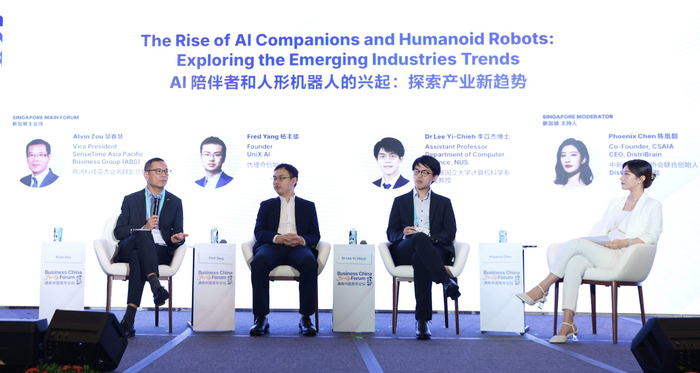
Core Insights - The global AI companion market is projected to exceed $28.1 billion in 2024 and surpass $140 billion by 2030, with a compound annual growth rate of 30% [1] - China and Singapore are emerging as key markets for AI companion development, with China being the second-largest market and Singapore serving as a testing ground for global validation [1] - The 2025 China-Singapore Youth Forum featured discussions on AI companionship and humanoid robots, highlighting the collaborative efforts between the two countries [2] Market Potential - The AI companion market is expected to grow significantly, with a forecasted market size of over $140 billion by 2030 [1] - China is recognized for its active application innovation ecosystem and complete industrial chain, while Singapore benefits from its international environment and advanced AI governance [1] Forum Discussions - The forum included insights from various industry leaders, focusing on the commercialization of AI companions and ethical considerations [3][4] - Key topics discussed included technology product breakthroughs, commercialization positioning, globalization strategies, and social ethics governance [4] Product Design and User Experience - Emphasis was placed on user experience in product design, with the notion that the best technology should be invisible to users [4][5] - The integration of tactile feedback in humanoid robots was highlighted as essential for precise control and safety in human environments [5] Commercialization Strategies - Companies are focusing on enhancing human capabilities rather than replacing them, with AI serving as a supportive tool in various sectors [6][8] - The importance of cultural adaptation and compliance with local regulations was stressed for successful market entry [9][10] Ethical Considerations - The need for a multi-faceted approach to AI ethics was emphasized, including the establishment of ethical review mechanisms and the importance of diverse perspectives in governance [13][14] - Discussions highlighted the potential risks of AI over-personification and the necessity of maintaining clear boundaries between human and AI interactions [12][14] Globalization Challenges - AI companies face challenges such as market acceptance, data privacy, computational resource limitations, and cultural adaptation when expanding internationally [9][10] - The importance of understanding local customer needs and regulatory environments was underscored for successful AI deployment in different regions [10][11]
当AI学会去爱:在游戏中重塑亲密关系 | 张志会 Jaz | TEDxSongze Ave
TEDx Talks· 2025-10-10 14:24
Company Focus - CYBERPINKY, a "female emotional service" company, was founded and incubated by ANTLER and NVIDIA [1] - CYBERPINKY is pioneering a new upgrade in female emotion and virtual companionship through the "Ruyi Qing Tan" series, integrating large models, multi-modal interaction, IP creation, and gamified innovative narratives [1] - The company is exploring the boundaries and possibilities of AI in human emotional connection within the "female x technology" sector [1] Technological Innovation - The company is developing an "emotional engine" by combining AI technology with Otome games to understand and respond to women's delicate emotions [1] - The company is exploring how AI can deeply understand, respond to, and carry women's emotions, making technology a catalyst for real emotional connections [1] - The company is integrating cutting-edge AI with innovative storytelling to create unique emotional interaction and virtual companionship experiences for women [1] Founder's Background - Zhang Zhihui, the founder, has over ten years of innovation experience spanning entertainment and technology, with previous roles at the National Centre for the Performing Arts, Disney (US & Shanghai) [1] - Zhang Zhihui holds a Bachelor's degree in Automation from the Communication University of China, a Master's degree in Service Management from Cornell University, and an MBA from Peking University [1] - In 2022, Zhang Zhihui co-founded AI computer vision company Susulin Technology, which won several AI entrepreneurship and innovation awards and represented China's AI enterprise ecosystem at the 2024 NVIDIA GTC Global Conference [1]

松霖科技(603992):进军机器人领域,内生外延发展并举
Tianfeng Securities· 2025-10-09 12:03
Investment Rating - The report maintains a "Buy" rating for the company with a target price not specified [4] Core Views - The company is entering the robotics field, focusing on both organic growth and external expansion [2] - The robotics business includes care service robots, logistics service robots, AI companion robots, and humanoid robots, aiming to create a product system with application value [2][3] - The company has made significant technological advancements in motion control, scene voice interaction, and emotional experience for its robots [3] Financial Performance - In Q2 2025, the company reported revenue of 600 million, a decrease of 25% year-on-year, and a net profit attributable to shareholders of 50 million, down 57% [1] - For the first half of 2025, the company achieved revenue of 1.1 billion, a decrease of 21%, and a net profit of 90 million, down 58% [1] - The overseas revenue for the first half of 2025 was 880 million, down 16.78%, while domestic revenue was 260 million, down 33.54% [1] Business Development - The company is leveraging its subsidiary, Songlin Robotics Technology Co., Ltd., to develop a comprehensive robotics product system [2] - The focus is on enhancing the R&D team and utilizing existing technology in AI smart hardware and software algorithms for product development [2] - The company is also exploring acquisition opportunities and collaborating with outstanding enterprises and professional teams in the industry [2] Profit Forecast - The profit forecast has been adjusted, with expected net profits for 2025, 2026, and 2027 being 350 million, 410 million, and 470 million respectively, with corresponding P/E ratios of 39X, 32X, and 29X [4]

方直科技:发布“阳仔”AI陪伴机以及“开口喵”、“同步喵”AI英语学习产品
Xin Lang Cai Jing· 2025-09-25 08:25
Core Viewpoint - The company has recently launched the "Yangzai" AI companion device and two AI English learning products, "Kaitou Miao" and "Tongbu Miao," targeting children's educational needs [1] Product Overview - The "Yangzai" AI companion is designed for children aged 4-8, focusing on being a growth partner with the core concept of "understanding children and accompanying growth" [1] - Unlike traditional AI devices, "Yangzai" employs anthropomorphic interaction logic, creating a children's exclusive AI partner that "can understand, respond, and guide" [1]

AI频现情感纠纷 国内外产品如何落地未成年人模式?
2 1 Shi Ji Jing Ji Bao Dao· 2025-09-23 07:11
Core Viewpoint - The article discusses the increasing attention on AI companionship products and the measures being taken to protect minors, particularly focusing on OpenAI's new features aimed at enhancing safety for users under 18 years old [1][2]. Group 1: OpenAI's Measures - OpenAI has introduced a "minor mode" for users under 18, which includes parental supervision features to manage content and monitor usage [2]. - The system will use age prediction and user status to determine if a user is underage, switching to the minor mode to block explicit content [2]. - In severe cases of distress, OpenAI may involve law enforcement to ensure user safety [2]. Group 2: Industry Concerns - AI companionship products have faced scrutiny due to incidents involving minors, such as the lawsuits against Character AI related to self-harm and suicide cases [3]. - Meta has been criticized for allowing its AI chatbots to engage in romantic and potentially inappropriate conversations with children [3]. Group 3: Domestic AI Products - Domestic AI companionship products like Dream Island, Starry Sky, and Cat Box have also launched minor modes, but these features often lack strict identity verification, making them easy to bypass [4][5]. - Testing revealed that the minor modes significantly limit functionality, with Dream Island restricting usage to 40 minutes daily and prohibiting access between 10 PM and 8 AM [6][9]. - The lack of mandatory identity verification in these products raises concerns about their effectiveness in protecting minors [8][9]. Group 4: Comparison with International Practices - Internationally, some companies are implementing AI age estimation methods to better protect minors, such as Meta's Instagram and YouTube, which use user behavior to identify underage accounts [9][10].

创世伙伴周炜:做VC还是要有点梦想,不敢投通用AI太“咸鱼了”
Xin Lang Ke Ji· 2025-09-13 08:23
Core Insights - The general AI sector is expected to be dominated by large companies, but it remains a high ceiling area for investment opportunities [1][3] - Venture capital firms are hesitant to invest in large models due to the fear of being outcompeted by major players like Alibaba and Tencent, which may limit their investment scope [1][3] - Despite the risks, there is a belief in the potential of investing in AI companies, particularly those with high barriers to entry and those that integrate closely with complex workflows [3][4] Investment Perspectives - The venture capital approach emphasizes the importance of having dreams and ambitions, leading to investments in high-potential areas despite the associated risks [3] - Recent investments include a company focused on AI companionship, highlighting a clear future direction in the AI space [3] - The strategy includes investing in To B AI startups, which are seen as resilient due to their deep integration with existing workflows, allowing them to withstand disruptions from model upgrades [3][4]

养「AI宠物」一个月,我发现这门生意充满泡沫
创业邦· 2025-09-13 03:11
Core Viewpoint - The AI toy market is rapidly growing, with expectations for the market size in China to exceed 10 billion yuan annually, and potentially surpass 100 billion yuan by 2030, with a compound annual growth rate (CAGR) exceeding 70% [6][8]. Group 1: Market Dynamics - A number of companies, including Ropet, Haivivi, and Qidian Lingzhi, have recently secured new rounds of financing, indicating a surge in interest and investment in AI toys [6]. - The AI toy market is characterized by a diverse range of products aimed at different demographics, with a common theme of "companionship" [8][10]. - The early users of AI toys are primarily young parents, single youths, trend enthusiasts, and students, predominantly from Generation Z [15]. Group 2: User Experience and Expectations - Users report that while AI toys provide emotional support, they often fall short in delivering a true sense of companionship [15][20]. - The AI toy experience is often compared to traditional toys, with users noting that current AI toys tend to have similar functionalities and designs, leading to limited engagement over time [15][16]. - Emotional value is a significant factor driving purchases, but safety and adaptability for different age groups are also critical considerations for parents [15][16]. Group 3: Competitive Landscape - The AI toy industry is experiencing intense competition, with nearly 100 companies currently operating in the space, leading to a crowded market with similar product offerings [22][20]. - Companies are faced with the challenge of meeting high user expectations while navigating a rapidly evolving supply chain and competitive environment [20][24]. - There are two distinct growth strategies emerging: one focusing on rapid product release and market penetration, while the other emphasizes a slower, more deliberate approach to product development and user feedback [23][24]. Group 4: Lessons from Competitors - The Japanese company GROOVE X, known for its LOVOT product, serves as a benchmark for domestic companies, emphasizing the importance of emotional engagement and unique positioning in the market [28][31]. - The success of brands like Pop Mart highlights the potential for IP and brand strength to become key competitive advantages in the AI toy sector [32]. - The AI toy market is still in its early stages, with significant room for growth and development, particularly in achieving higher levels of user engagement and satisfaction [32][33].
从「物理同频」到「心灵同频」,聊天之外 AI 陪伴还有别的可能吗?|科技早知道
声动活泼· 2025-09-05 10:48
Core Viewpoint - The article discusses the launch and features of "Doudou AI," an AI application designed to accompany users in gaming, providing emotional support and strategic advice during gameplay. The CEO, Binson, shares insights on the product's development and the importance of emotional value in user experience [3][5][6]. Group 1: Product Features and Development - "Doudou AI" serves as a gaming companion, offering strategies and sharing emotional experiences during gameplay, enhancing user engagement [5][6]. - The transition from the Beta version to the 1.0 version was driven by breakthroughs in multimodal technology, allowing the AI to understand game scenes and user actions more effectively [9][11]. - The initial launch faced unexpected user traffic, with actual usage reaching 8-10 times the expected capacity, resulting in rapid server expansions [7][8]. Group 2: Market Insights and User Engagement - The product's emotional value is emphasized, with users preferring genuine interactions over mere compliments, highlighting the need for the AI to resonate with users' feelings [49][50]. - The gaming environment is identified as a significant emotional space, where users experience highs and lows, making it ideal for AI companionship [28][30]. - The company aims to create a strong emotional connection between users and the AI, treating the AI as a person rather than a tool, which enhances user experience [55][56]. Group 3: Strategic Vision and Future Directions - Binson's vision for the company is rooted in the belief that technological advancements will drive new product forms, emphasizing the importance of both technology and user needs [19][21]. - The company plans to expand its product offerings beyond gaming, exploring broader applications of AI companionship in various life scenarios [6][24]. - The approach to product development is dynamic, focusing on long-term technological trends rather than short-term market demands, allowing for adaptability in a rapidly changing landscape [22][23].