产品创新

Search documents
亚马逊揭晓“2025产品创新出海品牌五十强”,赋能中国跨境电商新飞跃
Sou Hu Cai Jing· 2025-08-15 12:41
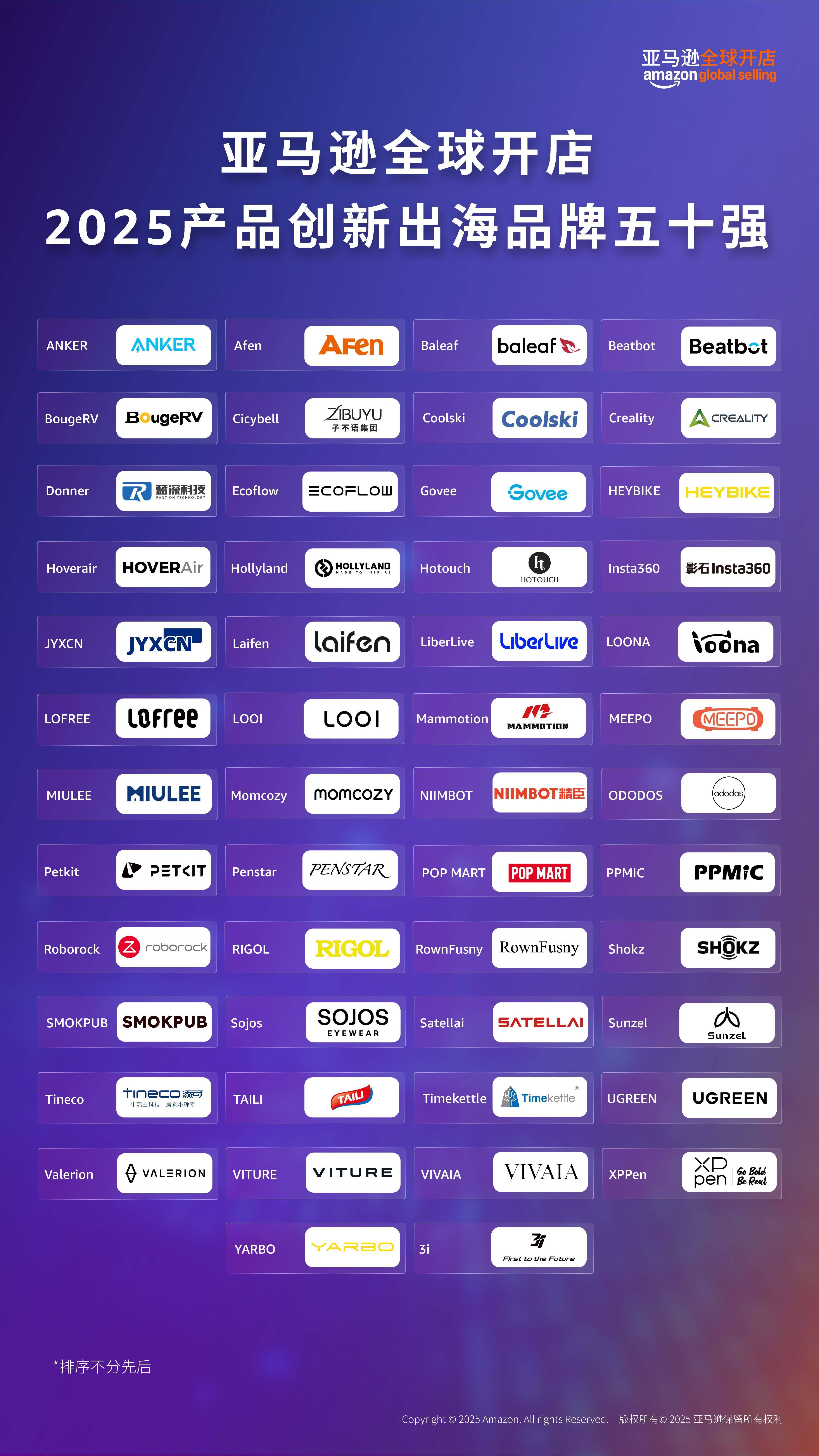
Core Insights - Amazon Global Selling recently launched the "2025 China Export Cross-Border E-commerce Development Trend White Paper," highlighting its deep insights into the Chinese export cross-border e-commerce market [1] - The white paper focuses on product innovation, analyzing fifty of the most innovative cross-border e-commerce companies and showcasing their success in international competition [1] - The report indicates that the scale of China's export cross-border e-commerce reached 2.15 trillion RMB in 2024, a year-on-year increase of 16.9%, with high-tech products and domestic brands driving this growth [1] Group 1: Product Innovation - The white paper reveals a transformation trend from "Made in China" to "Created in China," providing valuable product innovation pathways for sellers [1] - The "Top 50 Innovative Brands Going Global" list includes well-known sellers like Anker Innovations and Roborock, recognized for their innovative products on Amazon [8] - The evaluation criteria for the list include innovation value, differentiation advantages, business performance, user feedback, and continuous innovation capability [8] Group 2: Methodology and Insights - Amazon's Asia-Pacific Innovation Center introduced the "Product Innovation Flywheel" methodology, which consists of five stages: demand insight, creative development, product validation, scale growth, and iterative upgrades [8] - Companies on the list shared their innovation experiences, emphasizing the importance of strong empowerment layers and technology-driven innovation for global competitiveness [11] - The combination of Chinese supply chain efficiency and global aesthetic trends is driving industry innovation and cross-border business growth [11]


报告:中国跨境电商行业的高质量发展持续向优向新
Zhong Guo Xin Wen Wang· 2025-08-15 12:40
Core Insights - The "2025 China Export Cross-Border E-commerce Development Trend White Paper" was released, highlighting product innovation and revealing the "Top 50 Innovative Export Brands" [1] - In 2024, China's export cross-border e-commerce scale reached 2.15 trillion RMB, marking a 16.9% year-on-year growth, setting a new historical high [1] - High-tech products such as 3D printers and industrial robots saw significant export growth of 32.8% and 45.2% respectively, indicating a trend towards high-quality development in the cross-border e-commerce sector [1] Group 1 - The white paper identifies four key characteristics of product innovation in China's cross-border e-commerce: strong independent innovation capabilities, significant investment, notable hard technology advantages, and a consumer-centric innovation value orientation [2] - Nearly 90% of the listed companies have original products, and over 30% have created new consumption scenarios and categories, with high-tech products like smart home devices and consumer electronics making up over 75% of the total [2] - The founder and CEO of Anker Innovations emphasized that the next decade will be the golden age for hardware, requiring strong enabling layers to attract more creators for high-innovation products [2] Group 2 - The rapid development of cross-border e-commerce has allowed more Chinese companies to win global customers' favor through innovative, high-quality, and high-tech products, showcasing a significant shift from "Made in China" to "Created in China" [2] - Amazon China's Vice President highlighted the ever-changing global customer demands and the emergence of new consumption scenarios, making product innovation a critical focus for cross-border e-commerce companies [2]
科联系统发布中期业绩,股东应占溢利1859.5万港元 同比增加2.4%
Zhi Tong Cai Jing· 2025-08-15 10:40
Core Viewpoint - The company reported a decrease in revenue but an increase in profit, indicating effective cost management and operational efficiency [1] Financial Performance - Revenue for the six months ending June 30, 2025, was HKD 120 million, a year-on-year decrease of 5.76% [1] - Profit attributable to equity holders of the parent company was HKD 18.595 million, reflecting a year-on-year increase of 2.4% [1] - Basic earnings per share were HKD 0.0766, with an interim dividend proposed at HKD 0.055 per share [1] Operational Efficiency - The company’s sustained business momentum relies on a cost-effective operating model and focused marketing strategies [1] - Successful execution of streamlined processes has effectively reduced employee costs and selling, general, and administrative expenses [1] Strategic Development - The company has expanded its software development capabilities in the Greater Bay Area of mainland China [1] - There is an emphasis on accelerating product innovation and enhancing project delivery efficiency [1]
桃李面包:2025年上半年营收下降13.55%,推出芝士肉松蛋糕等适应消费习惯和潮流变化
Cai Jing Wang· 2025-08-15 10:40
Core Viewpoint - The company reported a significant decline in revenue and profits for the first half of 2025, indicating challenges in maintaining financial performance amidst rising costs and increased competition in the market [1] Financial Performance - The company achieved an operating revenue of 2.611 billion yuan, a decrease of 13.55% compared to the same period last year [1] - Operating profit and total profit were 266 million yuan and 272 million yuan, respectively, reflecting declines of 27.42% and 27.00% year-on-year [1] - Net profit attributable to shareholders was 204 million yuan, down 29.70% year-on-year [1] - The net profit after deducting non-recurring gains and losses and the basic earnings per share, also adjusted for non-recurring items, fell by 30.03% [1] Cost and Expense Factors - The decline in profitability was primarily attributed to increased depreciation expenses from newly launched projects, which led to a decrease in gross margin, as well as higher advertising and promotional expenses [1] Product Development and Market Strategy - The company is focusing on enhancing product development and promotion, accelerating product updates, and introducing advanced production equipment to create unique production processes [1] - In the first half of 2025, the company launched several new products, including cheese meat floss cake, alkaline water bread cubes, cranberry grape soft bread, explosive horn bread, and pulled cake, to adapt to changing consumer habits and trends [1] - The aim is to maintain product competitiveness and meet the diverse needs of consumers by offering differentiated products in the market [1]

头部平台齐聚“跨交会”,助力中国制造拓展全球商机
Sou Hu Cai Jing· 2025-08-15 10:20
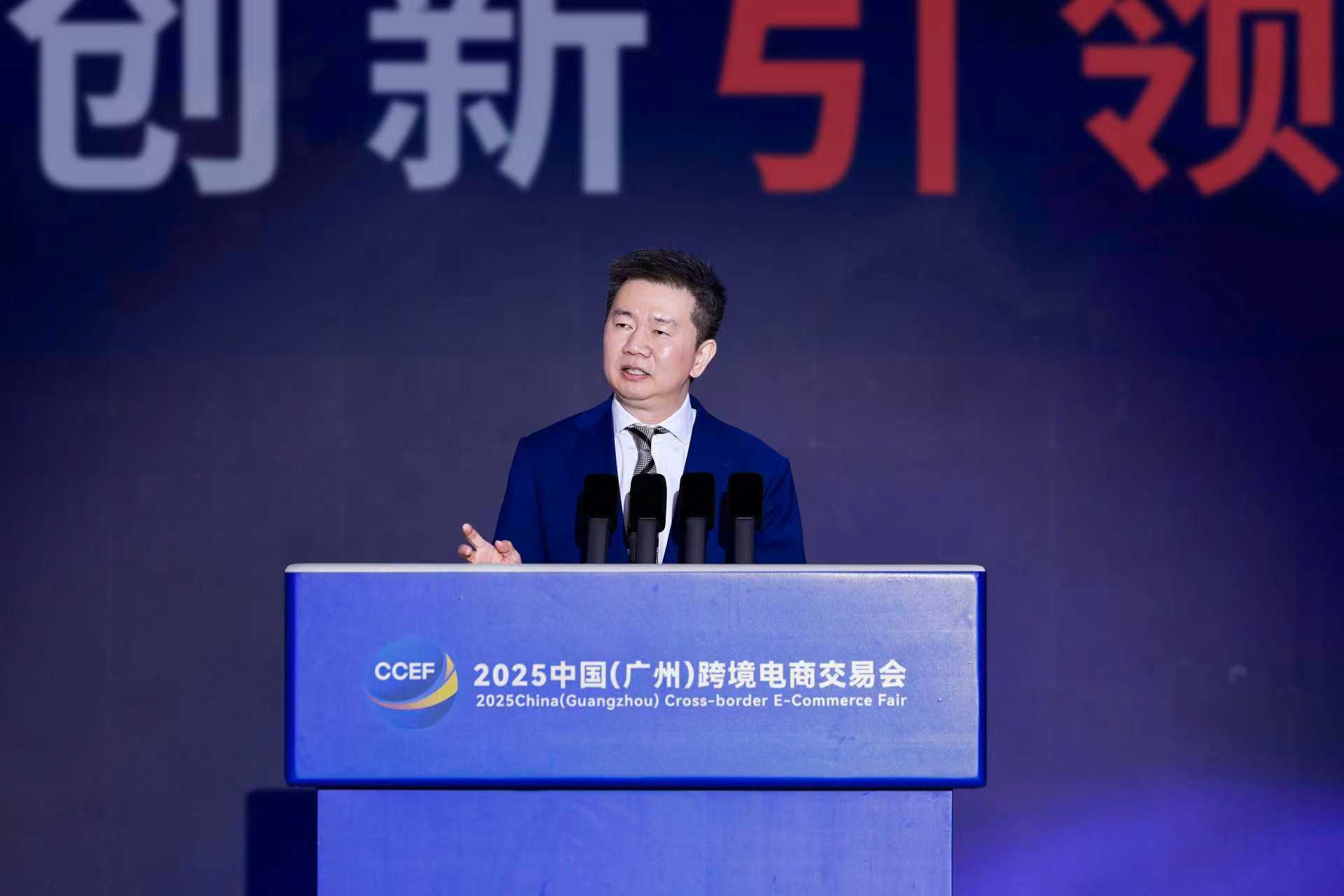
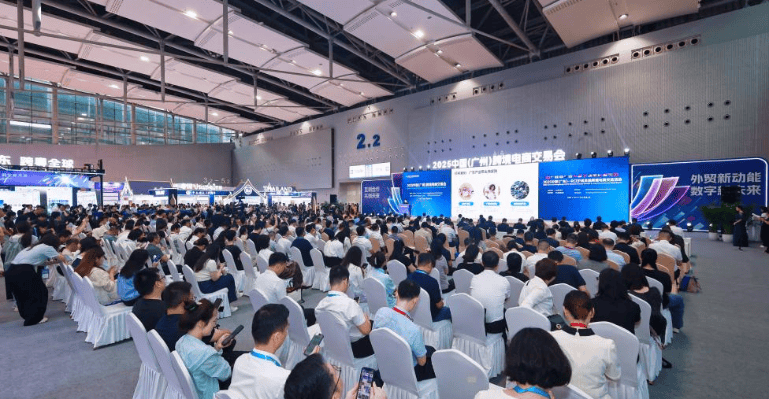
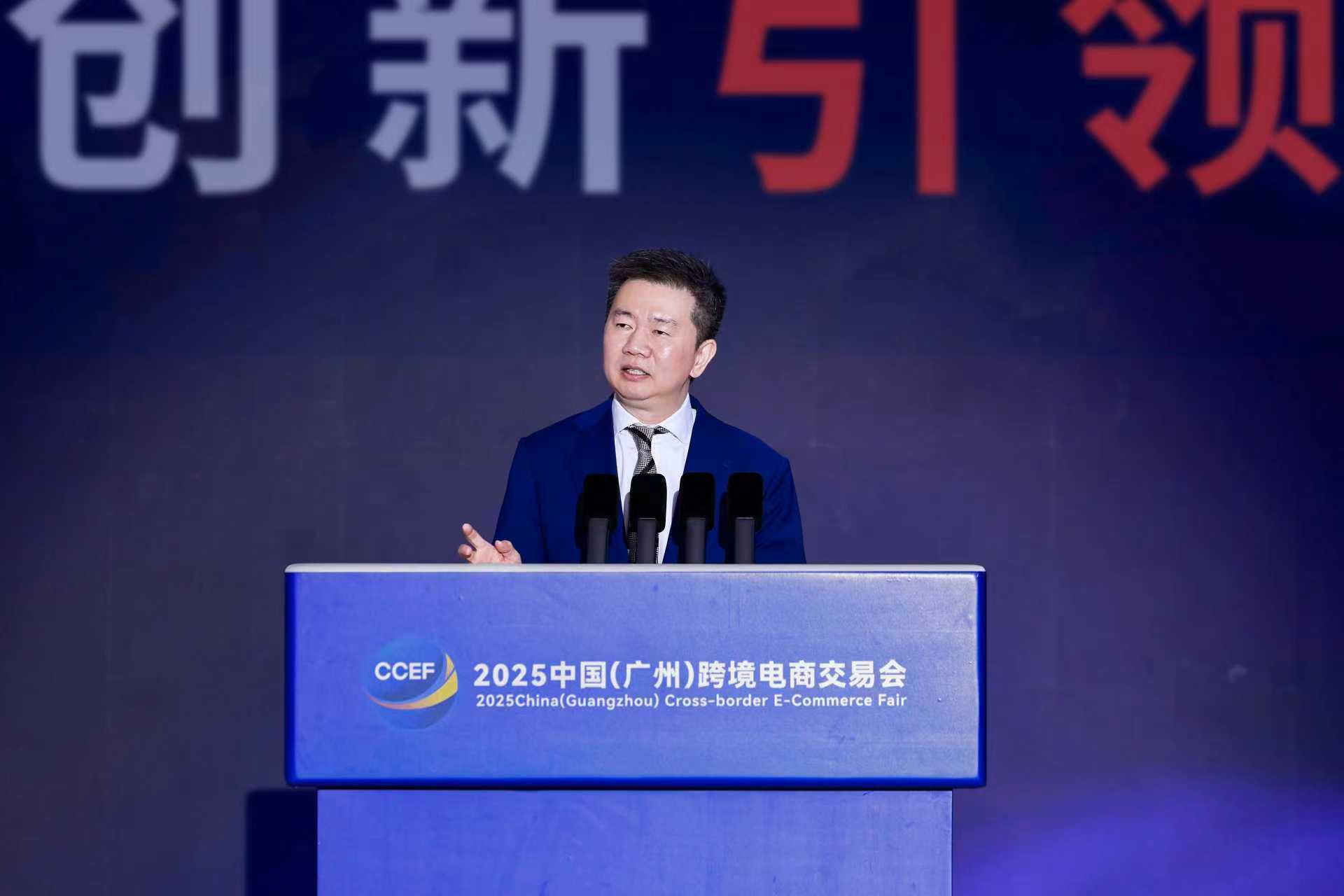
8月15日,2025中国(广州)跨境电商交易会(简称"跨交会")开幕。作为"中国跨境电商第一展"和展示广东省跨境电商建设成果的金字招 牌,本届跨交会重点打造跨境电商综试区及出口型产业带展区、跨境电商平台及服务商展区、跨境电商供应链展区三大核心展区,同期举办 跨交会开幕式暨第三届中国(广东)RCEP跨境电商交流会以及30多场论坛活动及线上直播活动。据南方+记者了解到,本届跨交会吸引了40 多家国内外跨境电商平台参展,参展平台数量超过上届,头部平台投入进一步加大。 韶音科技首席执行官(CEO)陈皞在谈到创新时表示,技术驱动创新可分为原创式创新、跟随式创新、成本下降创新与微创新。"韶音致力于 硬科技领域的技术创新(基础研究突破驱动)和原创式科技创新,基于对数学、科学、技术、工程学和系统工程的深度认知,致力于用科技 创新推动世界进步。这不仅是我们自身发展的战略方向,更代表着未来中国科技企业走向全球、赢得尊重的必由之路。"Insta360创始人刘靖 康则表示,与传统影像不同,智能影像想办法创造出新市场和新需求,通过给客户带来前所未有的体验跟愉悦来盈利。"我们要保持非常高频 次不断抓到用户新的需求,通过软硬协同和AI层面 ...
网易云音乐(09899):在线音乐服务收入快速增长,2025H1利润翻倍
NORTHEAST SECURITIES· 2025-08-15 09:13
Investment Rating - The report initiates coverage with a "Buy" rating for the company [9]. Core Views - The company has demonstrated a significant increase in online music service revenue, with a 15.9% year-on-year growth, contributing to a net profit of 18.85 billion yuan in H1 2025, which is a 132.8% increase compared to the previous year [2][3]. - The company is focusing on enhancing its content ecosystem and user experience, while also exploring innovative product features and expanding music consumption scenarios [3]. Financial Summary - In H1 2025, the company achieved a revenue of 38.27 billion yuan, a decrease of 6.0% year-on-year, primarily due to a decline in social entertainment service revenue [2]. - The operating profit for H1 2025 was 8.45 billion yuan, showing a substantial increase, attributed to reduced promotional and advertising expenses [2]. - The gross margin improved to 36.4%, reflecting a 1.4% increase year-on-year [2]. - The company expects EPS for 2025-2027 to be 12.70, 10.31, and 12.13 yuan respectively, with corresponding P/E ratios of 20X, 24X, and 20X [3][4]. Market Data - The target price for the stock is set at 317.8 HKD, with the current closing price at 270.20 HKD [5]. - The stock has shown a 199% absolute return over the past 12 months [6].
亚马逊全球开店重磅发布“2025产品创新出海品牌五十强”榜单
Sou Hu Cai Jing· 2025-08-15 08:04
2025年8月15日,广州——今日,亚马逊全球开店携一站式高质量出海解决方案亮相中国(广州)跨境电商交易会。在开幕式上,由亚马逊全球开店亚太区 创新中心编写的《2025中国出口跨境电商发展趋势白皮书》(以下简称《白皮书》)重磅首发。本次《白皮书》聚焦产品创新,首次揭晓了"产品创新出海 品牌五十强"榜单、以及"产品创新飞轮"方法论,致力于深度剖析五十家极具产品创新力的跨境电商企业的发展之道,进而洞察产品创新趋势、探索产品创 新机制、赋能产品创新实践,为广大卖家提供全链路的产品创新路径,加速"高质量出海"的步伐。 据海关总署统计,2024年,中国出口跨境电商规模达2.15万亿元人民币,同比增长16.9%,再创历史新高。同时,整体外贸的含"新"量不断上升,更多高科 技属性的新产品加速出海,比如:3D打印机、工业机器人出口分别实现了32.8%、45.2%的同比增长,此外国货潮牌也在世界各地刮起了"中国风" 。跨境电 商行业的高质量发展持续向优向新。 中国(广州)跨境电商交易会主办方相关负责人表示:"随着跨境电商的高速发展,我们欣喜地看到越来越多的中国企业通过新颖、优质、高科技含量的产 品赢得了全球客户的喜爱,展现出' ...
重啤发布半年报 业绩表现优于行业
Sou Hu Cai Jing· 2025-08-15 08:01
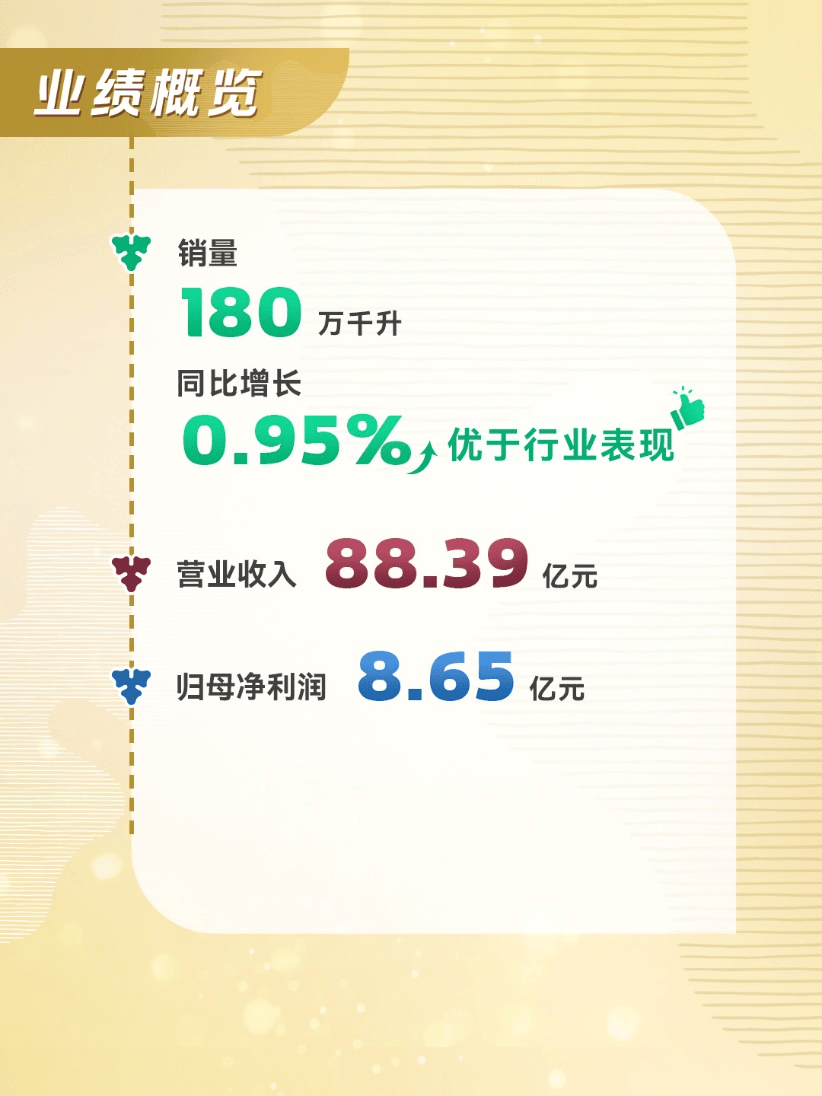
Core Insights - Chongqing Brewery Company Limited (重啤) reported a beer sales volume of 1.8 million kiloliters in the first half of 2025, showing a year-on-year growth of 0.95%, while the national beer production decreased by 0.3% during the same period [1] - The company achieved an operating revenue of 8.839 billion yuan and a net profit attributable to shareholders of 865 million yuan [1] Group 1: Performance and Strategy - In the first half of 2025, the company actively responded to external challenges and strengthened its core competitiveness through innovation, product structure optimization, and expansion into non-traditional beverage channels [3] - The company launched nearly 30 new products in the first half of 2025, including craft beers and non-beer categories like fruit-flavored sodas and energy drinks, catering to diverse consumer preferences [4][5] Group 2: Marketing and Brand Development - The company enhanced brand communication by integrating local culture and consumption scenarios, with initiatives like the "Ursus + Barbecue" campaign gaining popularity [6] - Events such as beer festivals and collaborations with local celebrities were organized to strengthen brand image and market presence [8] Group 3: ESG Initiatives - The company made significant progress in its ESG initiatives, achieving 100% water feedback in three breweries and reducing water consumption by nearly 30,000 cubic meters in the first half of 2025 [9] - The company received multiple awards for its governance and sustainability efforts, including the "Best ESG" award from Extel [10]

创新跨界“破圈” 重庆啤酒交出半年度业绩答卷
Huan Qiu Wang· 2025-08-15 06:33
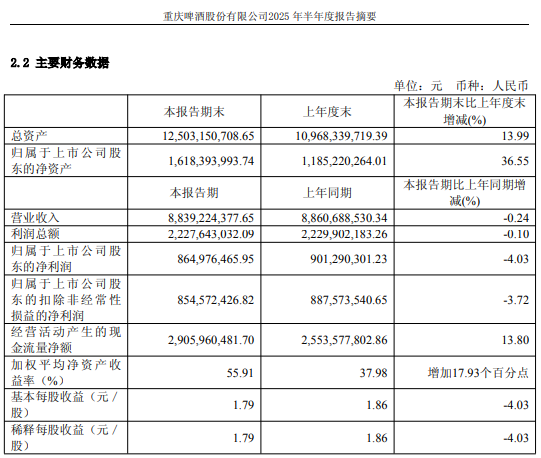
Core Viewpoint - Chongqing Beer reported a slight increase in beer sales but a decline in revenue and net profit for the first half of 2025, indicating challenges in maintaining financial performance while pursuing strategic initiatives for growth [1][2]. Financial Performance - Beer sales reached 1.8 million kiloliters, a year-on-year increase of 0.95% [1]. - Operating revenue was 8.839 billion yuan, down 0.24% year-on-year [2]. - Net profit attributable to shareholders was 864.976 million yuan, a decrease of 4.03% compared to the previous year [2]. - Total assets increased to 12.503 billion yuan, reflecting a growth of 13% from the previous year [2]. - The average return on equity rose to 55.91%, an increase of 17.93 percentage points [2]. Product Innovation and Market Expansion - The company launched nearly 30 new products and various new packaging options, expanding into non-beer categories such as fruit-flavored sodas and energy drinks [2][3]. - Focus on 1L packaging and craft beer to cater to social drinking occasions, with new products like "Chongqing Craft Whole Wheat" and "Wusu Beer Big Red Robe" [3]. - The craft beer brand "Jing A" underwent a comprehensive upgrade, introducing four new canned products [3]. Marketing and Brand Strategy - Chongqing Beer is enhancing brand communication by aligning with local culture and consumption scenarios [4]. - The international brand "Carlsberg" is strengthening its connection with football and culinary experiences to engage younger consumers [5]. ESG and Sustainability Initiatives - The company is advancing its ESG plan aimed at achieving zero carbon emissions, with significant progress reported [6]. - Energy consumption per 100 liters of beer produced decreased by 1.409 kWh, and total CO2 emissions were reduced by 3,080 tons [7]. - Water consumption averaged 2.01 hl/hl, with several breweries achieving "water feedback" to return water resources to nature [7].
亚马逊全球开店重磅发布“2025产品创新出海品牌五十强” 榜单
3 6 Ke· 2025-08-15 06:19
亚马逊中国副总裁、亚马逊全球开店亚太区市场及合作拓展负责人邱胜表示:"全球客户的需求日新月异、全新消费场景也在持续涌现,如何积极响应客 户'尚未被满足'的需求成为全球企业面临的新课题。这也让'产品创新'日益成为跨境电商企业能力构建的当务之急,也是业务长远发展的重中之重。在这一 行业发展背景下,亚马逊全球开店首次推出'产品创新出海品牌五十强'榜单和'产品创新飞轮'方法论,希望为更广大的跨境电商企业提供标杆、借鉴和方式 方法,在坚实的'产品制造'优势基础上,加速实现'产品创新'的飞跃。" 中国(广州)跨境电商交易会主办方相关负责人表示:"随着跨境电商的高速发展,我们欣喜地看到越来越多的中国企业通过新颖、优质、高科技含量的产 品赢得了全球客户的喜爱,展现出'中国制造'向'中国创造'转型的显著趋势。我们期待在这一行业发展的关键节点,更多跨境电商企业能够以更大的决心、 更快的行动力,通过亚马逊等优质电商渠道,实现'以消费者为中心'的产品创新。跨交会也将持续发挥国家级跨境电商展会的平台作用,聚合产业资源,协 助跨境电商企业不断提升综合竞争力。" 2025年8月15日,广州——今日,亚马逊全球开店携一站式高质量出海解决方案 ...