通用人工智能(AGI)

Search documents
加大AI基建投资,阿里云要做“AI时代的Android”
2 1 Shi Ji Jing Ji Bao Dao· 2025-09-24 11:58
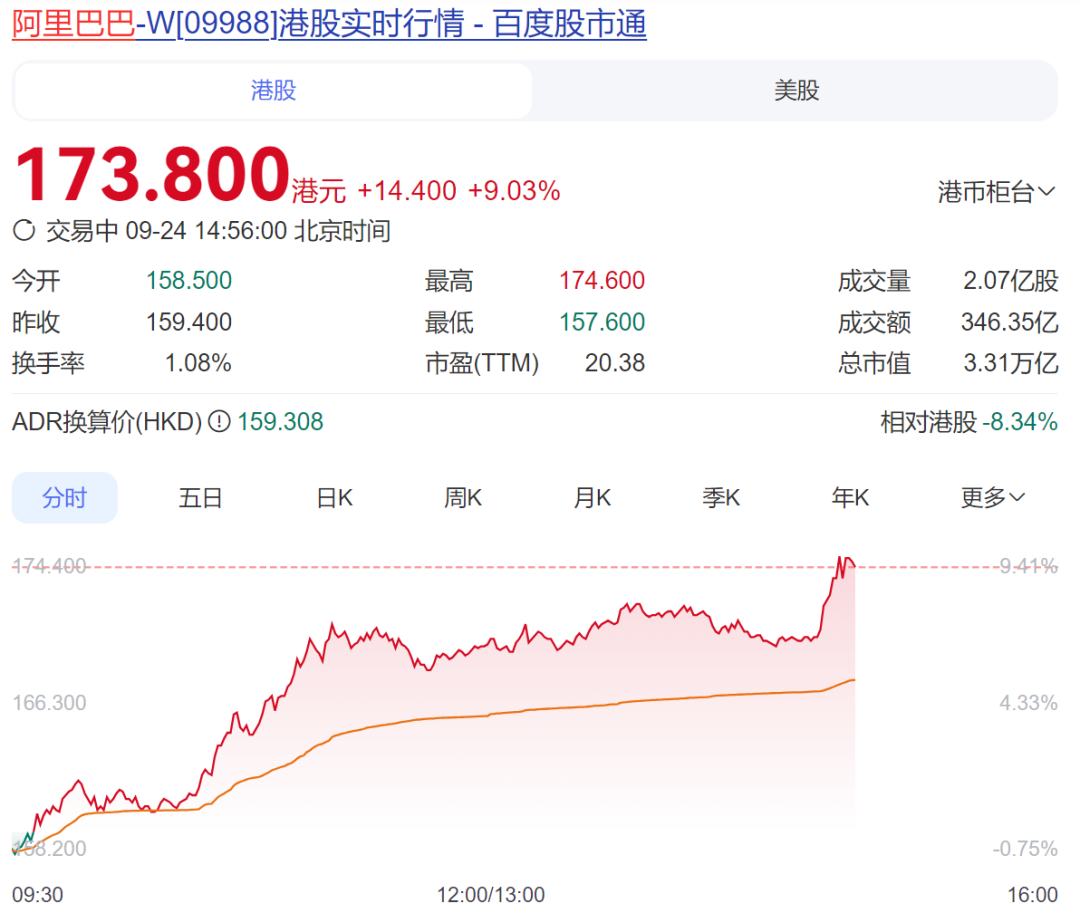
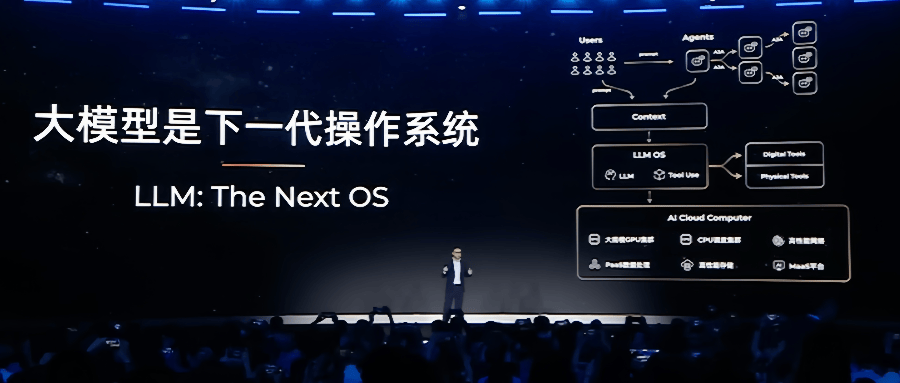
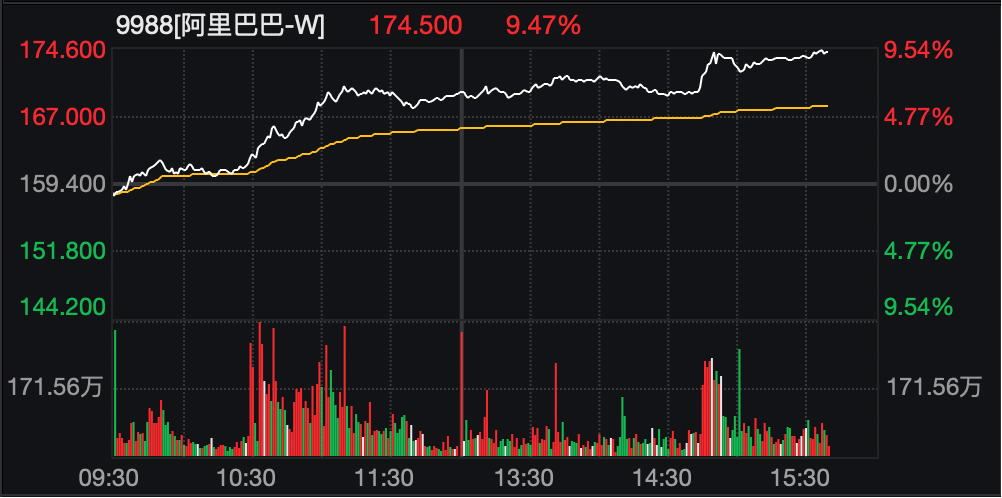
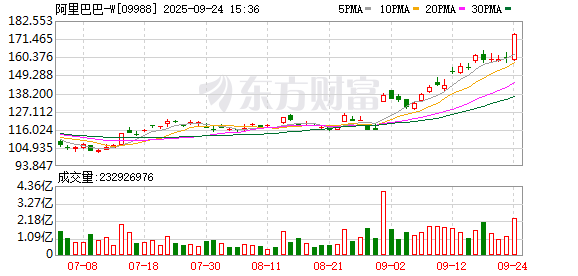
(原标题:加大AI基建投资,阿里云要做"AI时代的Android") 21世纪经济报道记者陶力 杭州报道 从电商到云+AI,再到超级人工智能(ASI),在AI战略的全力投入,让阿里巴巴再次回到巅峰。 9月24日,在2025云栖大会上,阿里巴巴集团CEO、阿里云智能集团董事长兼CEO吴泳铭明确阐述了AI时代下阿里云的核心战略。 他表示大模型是下一代操作系统,而AI云是下一代计算机。"大模型将取代传统OS,成为连接用户、软件与AI计算资源的中间层。" (2025云栖大会现场 本报记者 陶力/摄) 他宣布,公司正积极推进3800亿元的AI基础设施建设,并计划追加更大投入。到2032年,阿里云全球数据中心的能耗规模将比2022年提升10倍。 这一目标预示着阿里云算力投入将指数级增长,为迎接超级人工智能(ASI)时代做准备。此前公布的2025财年第二季度财报显示,阿里云智能 集团收入同比增长26%,创下近三年最高增速。公司整体净利润同比增长76%,表明AI投入已开始产生实效。 受到上述信息的刺激,资本市场也给予了积极回应。截至9月24日下午4点,阿里巴巴港股股价上涨超9%,市值一日增加近3000亿港元。 这意味着,阿里 ...

阿里狂发300多款模型背后,吴泳铭:做“AI时代的安卓”
Sou Hu Cai Jing· 2025-09-24 11:44
Core Insights - Alibaba released seven model updates at the 2025 Yunqi Conference, with over 300 models in the Tongyi series [2] - CEO Wu Yongming outlined a three-phase evolution towards Artificial Super Intelligence (ASI), emphasizing that achieving Artificial General Intelligence (AGI) is a certainty but merely a starting point for AI development [3][4][5] Model Updates - Qwen3-MAX: A trillion-parameter model excelling in programming and tool usage, achieving top international rankings [2][12] - Qwen3-Omni: A multimodal model supporting 19 languages for input and 10 for output, capable of processing 30-minute audio recordings [2][18] - Wan2.5-Preview: A video generation model that can create 10-second videos with enhanced quality [2][26] - Tongyi Bailin: An enterprise-level voice model with a significant reduction in hallucination rates [2][28] - Qwen3-VL: A visual understanding model with enhanced capabilities for video and OCR [2][21] - Qwen-Image: An upgraded image editing model with improved consistency in multi-image editing [2][22] - Qwen3-Coder: An intelligent programming model that supports multimodal input and has become popular on the OpenRouter platform [2][24] AI Development Vision - Wu emphasized that the first phase involves AI learning from human knowledge, the second phase focuses on AI assisting humans through tool usage, and the third phase aims for self-learning and surpassing human intelligence [5][6][8] - The ultimate goal is for AI to connect with the physical world and continuously learn from real-time data [6][8] Infrastructure and Strategic Goals - Alibaba is investing 380 billion yuan in AI infrastructure over three years, with plans to increase data center energy consumption tenfold by 2032 [11] - The company aims to establish a "super AI cloud" as the next-generation computing platform, requiring extensive resources and technology [10][11] - Alibaba's Tongyi Qianwen aims to be the "Android of the AI era," with over 300 models already open-sourced and a global download count exceeding 600 million [10][11] Agent Development Framework - The company introduced the Baolian Agent platform, which supports low-code development and aims to enhance the capabilities of intelligent agents [31][36] - The platform allows for dynamic memory updates and multi-modal memory capabilities, facilitating personalized agent experiences [32][35] AI Infrastructure Enhancements - Alibaba launched the Panjiu AI Infra 2.0 server, capable of high power and efficiency, and introduced the HPN 8.0 high-performance network for improved data center connectivity [38][39] - The company also unveiled a multi-modal intelligent data foundation for agent development, enhancing data processing capabilities [39] Conclusion - The Yunqi Conference showcased Alibaba's ambitions in AI, presenting a comprehensive ecosystem from model development to infrastructure, positioning itself for leadership in the next generation of AI operating systems and computing platforms [40]

刚刚,阿里CEO吴泳铭发布「ASI宣言」:超级智能才是终局!
Sou Hu Cai Jing· 2025-09-24 11:25
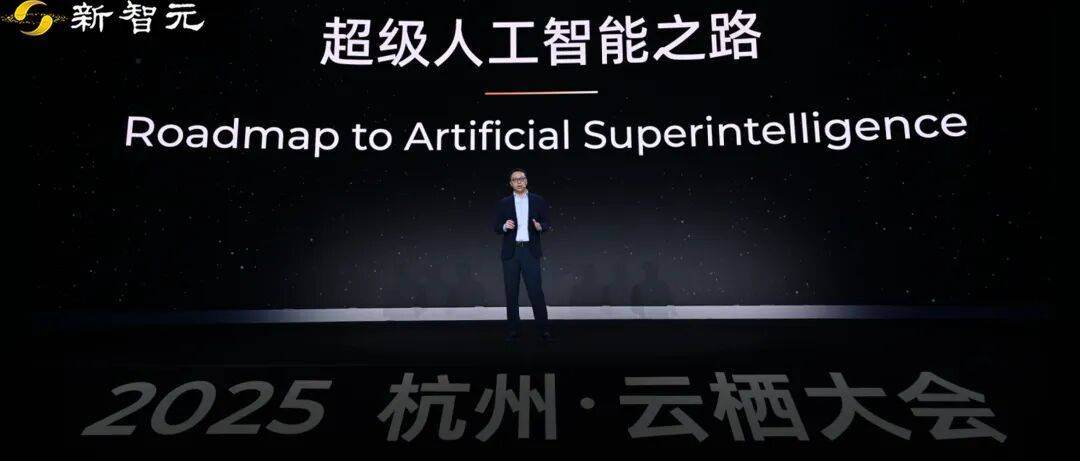
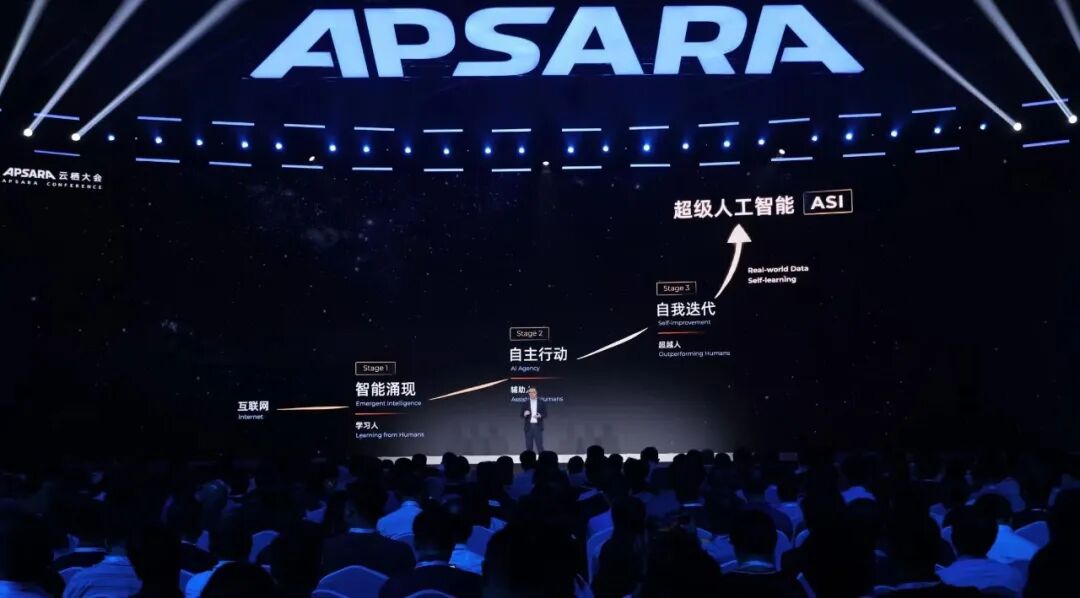
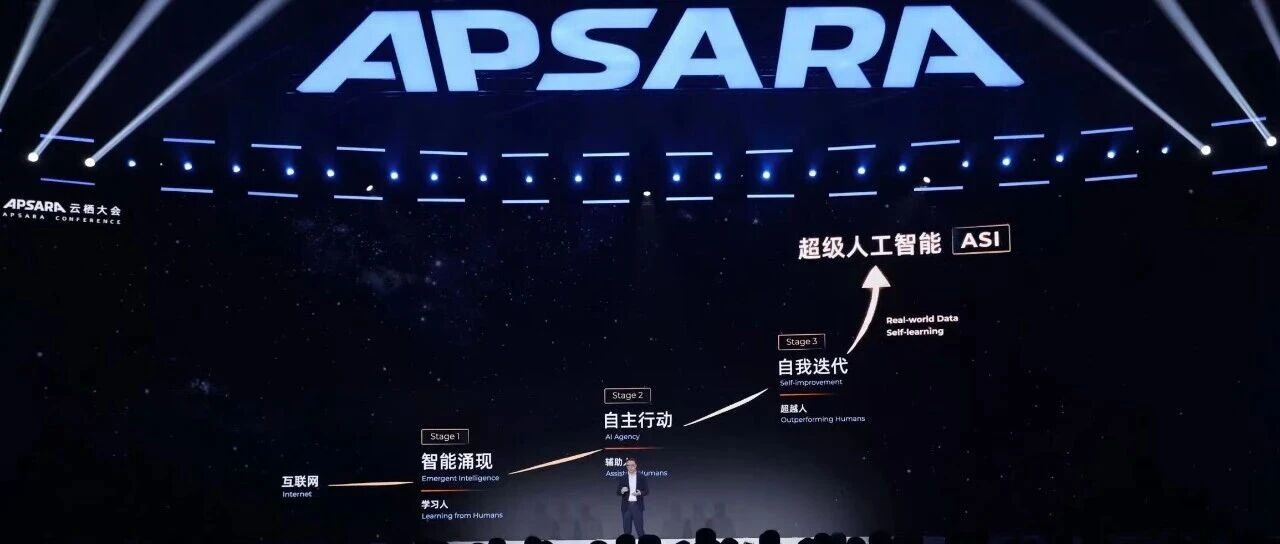
Core Insights - Alibaba has unveiled its ambitious blueprint for Artificial Super Intelligence (ASI), asserting that the realization of Artificial General Intelligence (AGI) is a certainty, while ASI will elevate human intelligence beyond current limits [6][9][22] - The company aims to liberate humans from 80% of daily tasks through AGI, while ASI is expected to create "super scientists" and "full-stack super engineers" capable of solving complex global issues at unprecedented speeds [11][12][22] Summary by Sections AGI and ASI Vision - The new CEO of Alibaba, Wu Yongming, has shifted focus towards ASI, emphasizing its potential to redefine human capabilities and the future of humanity [8][9] - AGI is described as the beginning of an intelligence revolution, with ASI representing the ultimate goal of surpassing human intelligence [12][22] ASI Roadmap - Alibaba has outlined a three-phase evolution towards ASI: 1. Emergence of intelligence (Learning Man) 2. Autonomous action (Assisting Man) 3. Self-iteration (Surpassing Man) [24][26] - The first phase involves AI learning from vast amounts of digitalized human knowledge, while the second phase focuses on AI assisting humans through tool usage and programming capabilities [25][28] Technological Advancements - The company has introduced several advanced AI models, including Qwen3-Max, which surpasses GPT-5 in performance, and Qwen3-VL, which enhances visual understanding and interaction capabilities [36][38][41] - Qwen3-Omni aims to integrate multiple modalities, allowing AI to process and generate audio, text, and visual content seamlessly [42][43] Future Infrastructure and Strategy - Alibaba positions itself as a full-stack AI service provider, anticipating a future where AI capabilities will be delivered through a few dominant cloud computing platforms [34][35] - The company believes that AI will become the most critical commodity, akin to electricity, with a significant increase in data center energy consumption projected by 2032 [34][35] Market Impact - The advancements in AI technology are expected to lead to a massive transformation in the IT industry, with AI agents and robots becoming ubiquitous in daily life [35][36] - Alibaba's commitment to open-source models aims to democratize access to AI technology, similar to the Android model in the mobile space [34][36]
继OpenAI千亿豪赌后,阿里3800亿入局:全球算力之战,谁能给出终极答案?
锦秋集· 2025-09-24 10:17
Core Insights - The article highlights the escalating competition in the AI infrastructure sector, marked by significant investments from major tech companies like Nvidia and Alibaba, indicating a strategic shift towards building powerful computing capabilities for AI development [1][2][5]. Group 1: Major Investments and Strategic Moves - Nvidia and OpenAI recently announced a monumental $100 billion deal to develop next-generation AI supercomputing clusters [1]. - Alibaba has committed to investing 380 billion RMB (approximately $53 billion) in AI infrastructure, joining the ranks of other tech giants like OpenAI, Google, and Meta in the global "computing power war" [2][3]. - The article emphasizes that advanced algorithm models are essential for entering the race towards Artificial General Intelligence (AGI) and Superintelligence (ASI), with robust computing infrastructure being the core battlefield [5]. Group 2: Strategic Challenges in Building Computing Empires - The construction of a successful computing empire requires more than just financial investment; it demands foresight, engineering excellence, innovative system architecture, and a strong developer ecosystem [6]. - The challenges faced by industry players are universal, as they all strive to establish their own "computing barriers" in this competitive landscape [7]. Group 3: Nvidia's Strategic Partnerships - Nvidia's recent $5 billion investment in Intel to co-develop customized data center and PC products has generated significant industry buzz, reflecting a dramatic shift from past rivalries to collaboration [10]. - This partnership is expected to enhance product competitiveness, particularly in the laptop market, while revitalizing Intel's position in the industry [10]. Group 4: GPU Market Dynamics - The GPU market has experienced dramatic fluctuations, likened to a "drug trade," with supply shortages and price wars affecting availability and pricing strategies [12]. - New entrants in the cloud service market have intensified competition, leading to a complex landscape where acquiring GPUs for large-scale deployment remains a significant challenge [12]. Group 5: Oracle's Rise in Cloud Services - Oracle has emerged as a dark horse in the cloud services market, leveraging its substantial balance sheet to support large-scale computing orders for clients like OpenAI [13]. - Its flexible hardware strategy allows Oracle to deploy the most effective technology combinations, enhancing its competitive edge [13]. Group 6: Amazon AWS's Recovery Strategy - Amazon AWS is experiencing a resurgence after a growth slowdown, driven by its vast data center resources and the provision of massive GPU and custom chip capabilities to major clients [14]. - Despite challenges with its custom chip Trainium, AWS is adapting its infrastructure to meet the demands of AI workloads [15]. Group 7: New AI Hardware Opportunities and Challenges - The introduction of Nvidia's Blackwell architecture marks a new era in AI hardware, presenting both performance advancements and new challenges regarding cost, reliability, and system architecture [16]. - The GB200 architecture presents a performance paradox, where its deployment costs are higher, but the performance gains are highly workload-dependent [17]. Group 8: Nvidia's Competitive Edge - Nvidia's success is attributed to its visionary leadership, particularly Jensen Huang's bold decision-making and execution capabilities, which have allowed the company to maintain a significant competitive advantage [22][24]. - The company's ability to deliver new chip designs successfully on the first attempt is a testament to its engineering prowess and operational efficiency [26]. Group 9: Future Considerations for Nvidia - Nvidia faces the challenge of effectively utilizing its substantial cash flow for future investments, with options including infrastructure development and AI factory expansions [27].

吴泳铭23分钟演讲,让阿里涨了2200亿
Hu Xiu· 2025-09-24 08:19
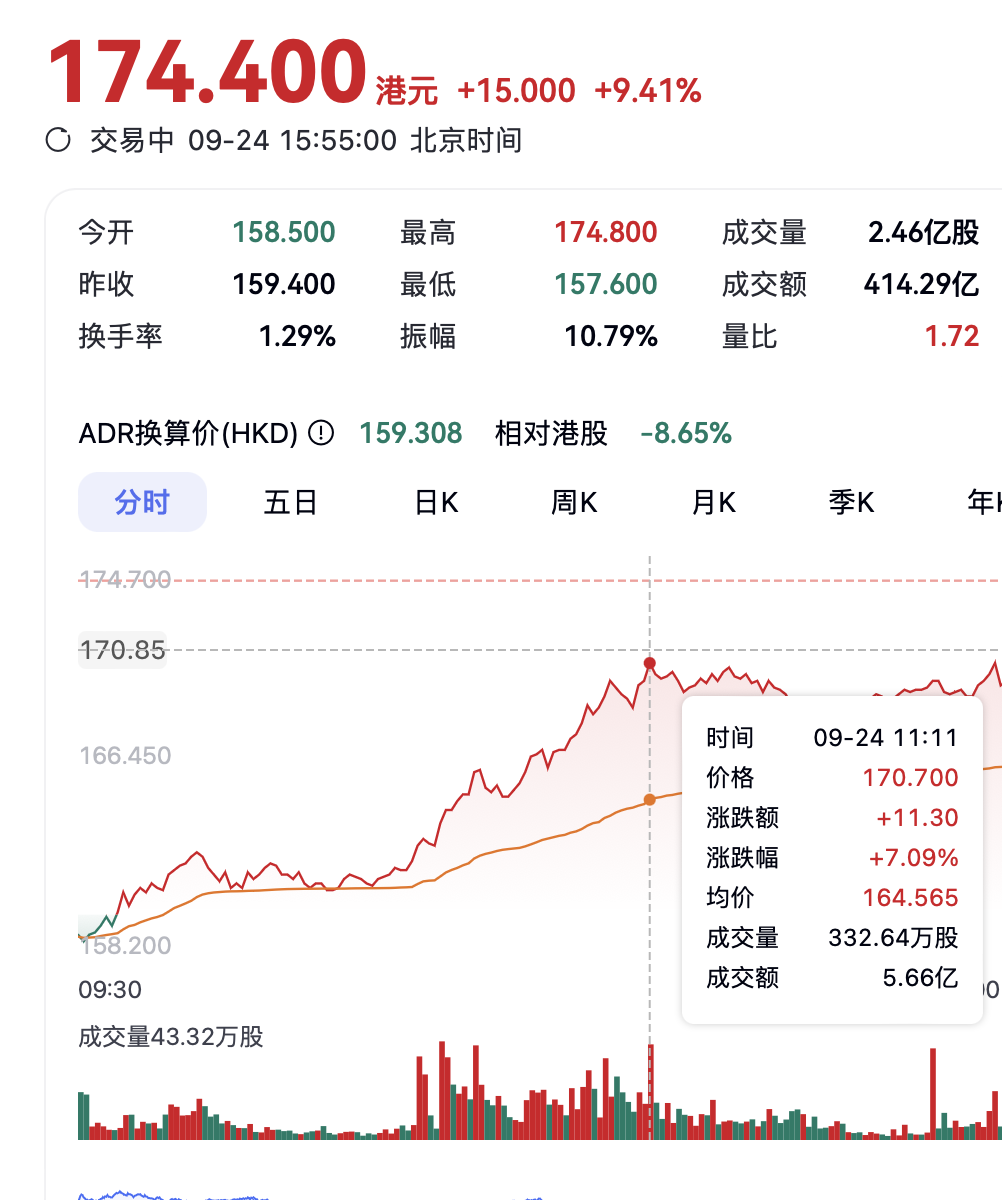
在9月24日上午10点许,阿里巴巴CEO、阿里云董事长&CEO吴泳铭演讲结束后,阿里的股价开始明显增长,从9:30开盘的158.5港元/股,到11:11时已经上涨 到了170.7港元/股,相当于在不到两个小时内市值增长了2200亿港元。 显然,对阿里股价而言,这是一场价值连城的演讲。笔者全程在现场听了吴泳铭的分享,我觉得他主要对AI未来的发展路线,以及阿里在这个未来中扮演 什么角色,进行了"定义"和"定位"。而阿里在吴泳铭演讲后股价大涨,可以理解为外界对于吴泳铭给出的"定义"和"定位"给予了"正反馈"。 吴泳铭的"定义"和"定位"其实可以用他演讲中的一段话来很好地总结:"AI 将会替代能源的地位,成为最重要的商品,驱动千行百业每天的工作……Token 就是未来的电……阿里云的定位是全栈人工智能服务商,提供世界领先的智能能力和遍布全球的 AI 云计算网络,向全球各地提供开发者生态友好的 AI 服 务。" 简单来说,吴泳铭眼中的蓝图不只是互联网、电商也不只是某个技术,而是成为AI时代的"水、电、石油"。 吴泳铭对这次演讲应该是非常重视的。我了解到,在吴泳铭成为阿里巴巴CEO后,他参与的所有致辞、电话会议都没有使用 ...
大涨!阿里大消息:联手英伟达!
Zheng Quan Shi Bao· 2025-09-24 08:17
Group 1 - Alibaba Cloud announced a partnership with NVIDIA in the field of Physical AI, integrating NVIDIA's software stack into its AI platform PAI to provide comprehensive services for enterprises [1][4] - The collaboration aims to shorten the development cycle for applications such as embodied intelligence and assisted driving by offering services like data preprocessing, simulation data generation, model training evaluation, and reinforcement learning [1][4] - Alibaba Group's CEO emphasized the inevitability of General Artificial Intelligence (AGI) and the ultimate goal of developing Super Artificial Intelligence (ASI), predicting that only 5-6 super cloud computing platforms will exist globally in the future [4][5] Group 2 - Alibaba Cloud plans to significantly enhance its AI infrastructure, projecting a tenfold increase in global data center energy consumption by 2032 compared to 2022, indicating exponential growth in computing power investment [5] - The company introduced multiple technological updates at the 2025 Cloud Habitat Conference, including the launch of the Qwen3-Max model, which outperforms competitors like GPT-5 and Claude Opus 4, ranking among the top three globally [5][6] - Alibaba's Tongyi model has become the world's leading open-source model, with over 300 models available and a global download count exceeding 600 million, capturing the largest share of the enterprise-level model market in China [6] Group 3 - Alibaba Cloud showcased its upgraded AI infrastructure, demonstrating a full-stack AI technology capability that includes components from chips to AI platforms [6][7] - The newly released Panjiu 128 super node AI server, designed by Alibaba Cloud, supports high-density and high-performance AI chip integration, achieving record density in the industry [7] - The Panjiu super node server features an open architecture and can support up to 128 AI computing chips, offering significant improvements in inference performance compared to traditional architectures [7]
吴泳铭为阿里AI设定航线:做操作系统 更要做下一代计算机(附全文)
2 1 Shi Ji Jing Ji Bao Dao· 2025-09-24 08:10
9月24日,阿里巴巴集团CEO吴泳铭在云栖大会上,明确阐述了AI时代下阿里云的核心战略。他判断,"大模型是下一代的操作系统",将取代传统OS,成 为连接用户、软件与AI计算资源的中间层。基于此判断,吴泳铭宣布阿里云做出关键战略选择:通义千问将坚定走开放路线,致力于成为"AI时代的 Android",与全球开发者共同构建繁荣的AI应用生态。 吴泳铭解释说,开源模型能渗透的场景和创造的价值将远超闭源模型。目前,通义千问开源模型矩阵的全球下载量已超6亿次,衍生出超过17万个模型, 成为了全球最受欢迎的开源模型之一。通过开源,阿里云旨在将开发者规模从数千万扩展至数亿,让任何人都能用自然语言创造满足自身需求的Agent (智能体),从而"吞噬"传统软件的形态。 要支撑这个全新的"操作系统"和其上无限的应用生态,必须有一台"下一代的计算机"——即"超级AI云"。吴泳铭强调,阿里云正全力打造这台AI超级计算 机,提供从自研芯片、网络、存储到模型、平台的全栈人工智能服务。他透露,为满足AI计算范式的革命性转变,公司正在积极推进庞大的基础设施建 设计划,根据规划,为迎接ASI时代的到来,阿里云预计到2032年其全球数据中心的能 ...
吴泳铭为阿里AI设定航线:做操作系统,更要做下一代计算机|附全文
21世纪经济报道· 2025-09-24 08:00
9月24日,阿里巴巴集团CEO吴泳铭在云栖大会上,明确阐述了AI时代下阿里云的核心战略。他 判断,"大模型是下一代的操作系统",将取代传统OS,成为连接用户、软件与AI计算资源的中间 层。基于此判断,吴泳铭宣布阿里云做出关键战略选择:通义千问将坚定走开放路线,致力于成 为"AI时代的Android",与全球开发者共同构建繁荣的AI应用生态。 吴泳铭解释说,开源模型能渗透的场景和创造的价值将远超闭源模型。目前,通义千问开源 模型矩阵的全球下载量已超6亿次,衍生出超过1 7万个模型,成为了全球最受欢迎的开源模型 之一。通过开源,阿里云旨在将开发者规模从数千万扩展至数亿,让任何人都能用自然语言 创造满足自身需求的Ag e n t(智能体),从而"吞噬"传统软件的形态。 要 支 撑 这 个 全 新 的 " 操 作 系 统 " 和 其 上 无 限 的 应 用 生 态 , 必 须 有 一 台 " 下 一 代 的 计 算 机 "—— 即 " 超 级 AI 云 " 。 吴 泳 铭 强 调 , 阿 里 云 正 全 力 打 造 这 台 AI 超 级 计 算 机 , 提 供 从 自 研 芯 片 、 网 络、存储到模型、平台的全栈人 ...
阿里巴巴重大宣布!吴泳铭:未来可能会出现超过全球人口数量的智能体和机器人
Mei Ri Jing Ji Xin Wen· 2025-09-24 07:36
Core Insights - Alibaba announced a collaboration with NVIDIA for Physical AI, covering various aspects such as data synthesis, model training, environmental simulation reinforcement learning, and model validation testing [2] - Alibaba's stock surged over 9% on September 24, reaching its highest level since October 2021 [2] - The launch of the new AI creation platform "ZaoDian" integrates AI-generated images and videos, marking a significant advancement in Alibaba's AI capabilities [2] Company Developments - Alibaba's CEO, Wu Yongming, emphasized the evolution of human-AI collaboration, predicting that every household, factory, and company will have numerous agents and robots working 24/7 [3] - Wu stated that by 2032, the energy consumption of Alibaba Cloud's global data centers will increase tenfold compared to 2022, indicating a significant escalation in computational power investment [5] - The path to Super AI (ASI) is divided into three stages: emergence of intelligence, autonomous action, and self-iteration, with the ultimate goal of developing ASI to tackle major scientific challenges [5] Product Launches - The "Guard" safety model was released, featuring generative and streaming versions for near real-time safety assessments [7] - The "Qianwen Travel Planner" was introduced, capable of generating detailed travel plans based on user inputs, including budget and preferences [7] - A simultaneous interpretation API, "qwen3-livetranslate," supports multiple languages and visual understanding, enhancing cross-border e-commerce communication [8] - The upgraded programming model API, "Qwen3-Coder," excels in programming capabilities and agent features, surpassing traditional code completion tools [8] - The "Qwen3-VL" visual-language model was launched, with its flagship model outperforming competitors in key visual tasks [9] - The flagship model "Qwen3-Max" was introduced, boasting 1 trillion parameters and significant enhancements in coding and agent capabilities, ranking among the top models globally [9]

阿里巴巴,重大宣布!股价涨超9%,吴泳铭:未来可能会出现超过全球人口数量的智能体和机器人
Mei Ri Jing Ji Xin Wen· 2025-09-24 07:25
Core Insights - Alibaba officially announced a collaboration with NVIDIA for Physical AI, covering various aspects such as data synthesis, model training, environmental simulation reinforcement learning, and model validation testing [1] - Alibaba's stock surged over 9% on September 24, reaching its highest level since October 2021 [1] Group 1: AI Developments - Alibaba's Quark launched a new AI creation platform called "ZaoDian," integrating AI-generated images and videos, and connecting to the Wan2.5 model [3] - The Qwen3-Max model was introduced, outperforming GPT-5-Chat in the LMArena text ranking, showcasing advancements in coding and agent capabilities [3] - CEO Wu Yongming emphasized the evolution of human-AI collaboration, predicting that AI will significantly enhance human intelligence and capabilities [3][5] Group 2: Future Projections - Wu stated that by 2032, the energy consumption of Alibaba Cloud's global data centers will increase tenfold compared to 2022, indicating a substantial rise in computational investment [5] - The path to Super AI (ASI) is divided into three stages: emergence of intelligence, autonomous action, and self-iteration, with the ultimate goal of surpassing human capabilities [5] - Wu projected that there may be more agents and robots than the global population, working alongside humans and impacting the real world significantly [5] Group 3: New Product Releases - The first new product released was the open-source security model "Guard," which includes generative and streaming versions for real-time safety assessments [6] - The "Qianwen Travel Planner" was introduced, capable of generating detailed travel plans based on user inputs, including budget and preferences [7] - A simultaneous interpretation API, "qwen3-livetranslate," was launched, facilitating seamless communication across languages, particularly beneficial for cross-border e-commerce [7] - The Qwen3-Coder API was upgraded, enhancing its programming capabilities and agent features, surpassing traditional code completion tools [8] - The Qwen3-VL model was released as the most powerful visual-language model to date, with significant advancements in visual tasks [8] - The flagship model Qwen3-Max was launched, featuring 1 trillion parameters and improvements in understanding and instruction adherence [8]