
绿色转型

Search documents
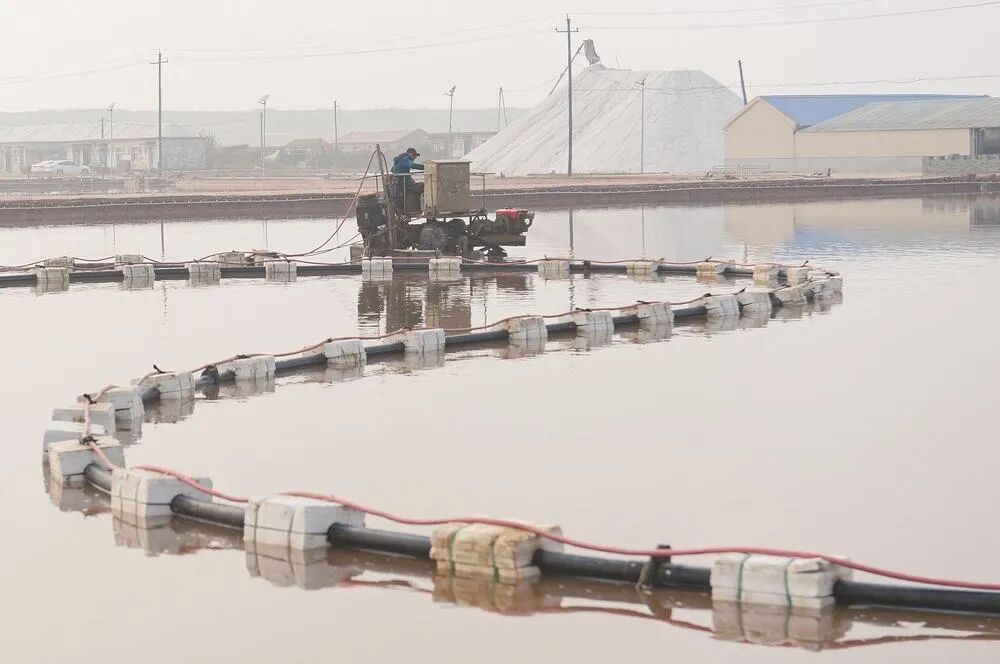
“一粒盐”的升级蝶变
Xin Lang Cai Jing· 2025-12-21 13:34
Core Viewpoint - The transformation of the Caofeidian Nanpu Economic Development Zone from a saline wasteland to a thriving hub for the salt chemical industry, driven by leading enterprises, technological breakthroughs, and green transformation [1][8]. Group 1: Industry Development - The Caofeidian Nanpu Economic Development Zone has evolved from producing only salt to a full industrial chain that includes products like raw salt, pure soda, PVC, organic silicon, and trichlorosilane, exporting to over 120 countries [1]. - The zone now hosts 106 salt chemical-related enterprises and employs over 20,000 people, with an annual production capacity of 230,000 tons of pure soda, 40,000 tons of PVC, and 40,000 tons of lithium carbonate/hydroxide [7]. Group 2: Leading Enterprises - Sanyou Group is a key player in the salt chemical sector, having developed a battery-grade sodium carbonate project with an annual production capacity of 100,000 tons, which is now in trial production [3]. - Sanyou Group has established a "three chains and one cluster" industrial layout, focusing on circular economy and high-end product development, achieving significant technological advancements and numerous patents [3][4]. Group 3: Technological Innovation - Sanyou Group has successfully implemented proprietary purification technology to produce high-purity products, with over 80 technology patents and several products recognized as leading in both domestic and international markets [3][4]. - The company has developed a hydrogen-coal co-firing technology that saves over 7,600 tons of raw coal annually, significantly reducing carbon emissions [6]. Group 4: Green Transformation - The focus on green development is evident in the production processes, with initiatives like water recycling in PVC production and the development of recycled fibers that have gained market traction [6][7]. - The integration of ecological practices in the salt production process, such as the use of brine for resource optimization, showcases the commitment to sustainable industrial practices [7].


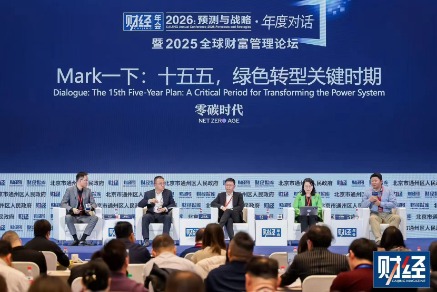
“十五五”绿色转型提速 能源结构、产业创新进入新阶段
2 1 Shi Ji Jing Ji Bao Dao· 2025-12-20 13:41
Group 1 - The "15th Five-Year Plan" will implement a comprehensive evaluation of carbon peak and carbon neutrality, emphasizing the importance of carbon dual control in project assessments to optimize industrial structure and promote a green transition in economic and social development [1] - The roundtable discussion hosted by Caijing magazine focused on the pathways for green transition during the new planning period, highlighting the need for substantial breakthroughs in power system flexibility, market mechanism improvement, and the shaping of green lifestyles to support carbon peak goals [1] Group 2 - Beijing aims to become an international benchmark for green economy by reducing the use of refined oil and natural gas while increasing the share of green electricity, with plans to import over 40 billion kilowatt-hours of green electricity by 2025 [2] - The application of green technologies is expanding, with companies like CATL providing battery solutions for over 900 electric vessels, indicating a growing market for battery applications beyond electric vehicles and energy storage [2] - Systemic reforms in China's green transition, particularly in the green electricity sector, have led to the establishment of a national unified electricity market framework, positioning China as a leader in the global renewable energy system [3] Group 3 - The design of electricity market mechanisms is crucial for the development of a new power system, with the need for market-driven price signals to guide long-term investment decisions and influence consumption behavior [5] - The traditional energy system, based on a planned pricing mechanism, will evolve to rely on market signals to determine investment in renewable energy projects and adjust production and consumption patterns [5]
中国清洁能源四大突破震撼全球
Sou Hu Cai Jing· 2025-12-20 12:57
Core Insights - China has achieved four world-class records in clean energy within the past week, showcasing its commitment to green transformation and technological innovation [1] Group 1: Offshore Wind Power - The Jiangsu Dafeng offshore wind project has set a record with wind turbines located 85.5 kilometers offshore, capable of powering 1.4 million households and saving 860,000 tons of coal annually [3] - This project provides a complete technical solution for developing deep-sea wind energy resources, paving the way for the construction of multiple offshore power stations in the future [3] Group 2: Green Hydrogen - The "Qing Hydrogen No. 1" project in Jilin Songyuan produces 45,000 tons of green hydrogen and 200,000 tons of green ammonia and methanol annually, reducing carbon emissions by 1.4 million tons [4] - This project innovatively addresses the challenge of hydrogen production from fluctuating wind and solar energy, moving hydrogen energy from the laboratory to industrialization [4] Group 3: Bio-Methanol - The bio-methanol project in Zhanjiang offers a sustainable solution for the global shipping industry, reducing carbon emissions by over 85% compared to conventional fuels [5] - It establishes a complete supply chain from production to storage and transportation, significantly lowering carbon emissions during the transport process [5] Group 4: Ultra-High Voltage Transmission - The ultra-high voltage transmission project, spanning nearly 1,900 kilometers from the upper reaches of the Jinsha River to Hubei, has a total investment of 33.4 billion yuan [6] - This project facilitates the transfer of abundant hydropower resources from the Tibetan Plateau to the electricity-demanding central regions, marking a significant milestone in the cross-regional allocation of clean energy [6]

“十五五”绿色转型提速,能源结构、产业创新进入新阶段
2 1 Shi Ji Jing Ji Bao Dao· 2025-12-20 09:27
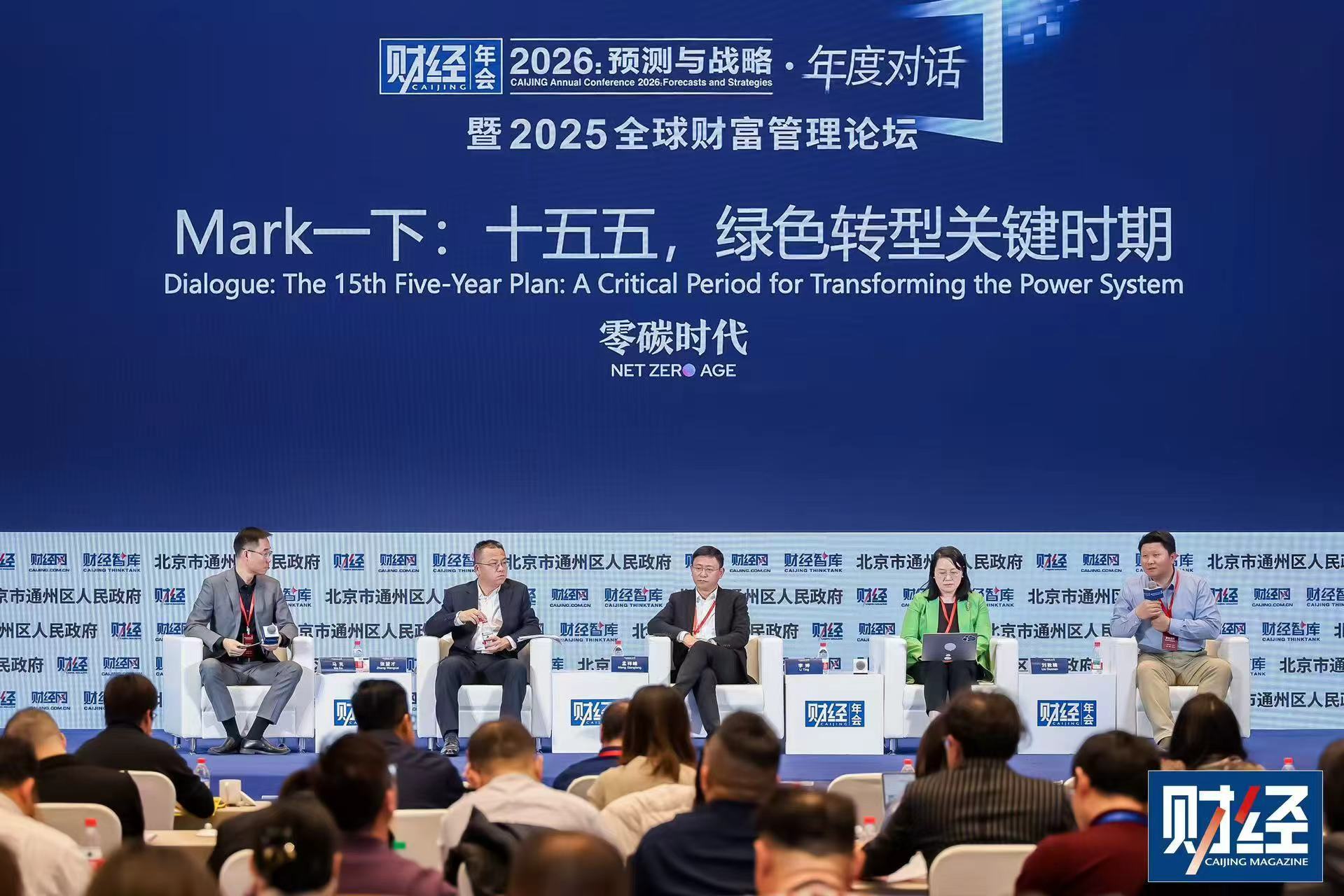
21世纪经济报道记者雷椰 北京报道 (原标题:"十五五"绿色转型提速,能源结构、产业创新进入新阶段) "十四五"规划即将收官、"十五五"规划正待开启序幕。近日,2026年全国能源工作会议明确,按照党中 央,国务院部署,"十五五"将实施碳达峰碳中和综合评价考核,各地要将碳双控作为项目评估的重要依 据,调整优化产业结构,推动经济社会发展全面绿色转型。 12月19日,《财经》杂志举办"Mark一下:'十五五',绿色转型关键时期"圆桌对话,聚焦新一轮规划周 期中绿色转型的推进路径,围绕新型能源体系、电力市场化改革、国际合作以及经济社会全面绿色转型 等议题展开深入讨论。与会专家认为,在"十四五"已建成全球最大可再生能源体系的基础上,未来五年 需在电力系统灵活性、市场机制完善和绿色生活方式塑造等方面取得实质性突破,以支撑碳达峰目标的 实现。 从地方实践来看,区域能源结构调整成为绿色转型的重要落脚点。北京市节能环保中心党委书记、主任 张望才介绍了北京在加快建设国际绿色经济标杆城市的重点方向。他表示,北京每年约96%的能源消费 来自外地调入。未来几年,北京将持续压减成品油和天然气使用规模,进一步提高绿电占比。2025年, 北 ...

香港助力全球航运业脱碳转型
Ren Min Ri Bao Hai Wai Ban· 2025-12-20 08:38
Core Insights - Hong Kong is recognized as a significant international shipping hub, with discussions at the 2025 World Shipping Conference focusing on challenges such as decarbonization, geopolitical impacts, and crew shortages, emphasizing the need for dialogue and cooperation in the shipping industry [1] Group 1: Hong Kong's Strategic Advantages - Hong Kong serves as a vital gateway for connecting domestic and international markets, leveraging its geographical proximity to mainland China, favorable investment environment, advanced technology, efficient legal system, and abundant talent pool [2] - The city has maintained its position as the fourth in the International Shipping Center Development Index for six consecutive years, hosting over 1,200 port and maritime-related companies [2] - Hong Kong's unique advantages under the "One Country, Two Systems" framework, including a common law system and low tax regime, attract global shipping enterprises [2] Group 2: Green Transition Initiatives - Hong Kong is actively pursuing a green transition in its port operations, having invested nearly 200,000 tons in green fuel and preparing to launch methanol bunkering [4] - The Hong Kong government has established a clear roadmap and objectives through the "Green Marine Fuel Bunkering Action Plan" to achieve the International Maritime Organization's target of net-zero emissions by 2050 [4] - Legislative changes have expanded the types of marine fuels to include liquefied natural gas and methanol, facilitating a legal framework for green fuel adoption [6] Group 3: Collaborative Efforts for Decarbonization - Industry representatives stress the importance of breaking down regional barriers and achieving global collaboration for the decarbonization of the shipping sector [7] - Hong Kong is building a cooperative network that includes partnerships with ports in mainland China and Chile, enhancing regional synergy and international cooperation [7] - The financial advantages of Hong Kong can support the production and financing of alternative fuels, creating a competitive edge that is difficult for other regions to replicate [2][7] Group 4: Role in Global Maritime Regulation - Hong Kong's pragmatic approach to rule-making considers the interests of various stakeholders, positioning it as a potential coordinator of maritime regulations amid global fragmentation [3] - The city is expected to facilitate participation from international organizations and multinational entities in global emission reduction efforts, contributing to a collaborative green shipping transition [8]
“十五五”关键时期,绿色转型进入系统推进阶段
Feng Huang Wang Cai Jing· 2025-12-20 01:12
Group 1: Core Insights - The roundtable discussion highlighted the need for China to achieve substantial progress in flexibility of the power system, market mechanism improvement, and shaping a green production and lifestyle in the next five years, building on the foundation of the largest renewable energy system globally and a significant increase in non-fossil energy consumption during the 14th Five-Year Plan period [4] - Beijing aims to reduce the use of refined oil and natural gas while increasing the share of green electricity, with plans to import over 40 billion kilowatt-hours of green electricity from outside the city by 2025 [4] - The rapid development of renewable energy in China is becoming a major driving force for the green transition across society, positioning China as a leader in the global renewable energy system [5] Group 2: Industry Perspectives - The application of batteries in green transition is expanding beyond electric vehicles and energy storage, with companies like CATL providing battery solutions for over 900 electric ships and addressing the needs of high-energy-consuming industries like steel and cement through electrification and energy storage [5] - The establishment of a unified national electricity market framework in China has been progressing, with innovations in green electricity purchasing and direct connections being implemented [5] - The electricity market is expected to play a crucial role in guiding long-term investment decisions through price signals, influencing where new energy projects are directed based on local electricity prices [6] Group 3: Future Initiatives - The launch of the journal "Zero Carbon Era" aims to contribute insights into energy system transformation, green technology innovation, and low-carbon development paths, establishing a high-end think tank platform with international influence [6] - The upcoming "Finance Annual Conference 2026" will focus on China's resilience amid changing circumstances, serving as a significant platform for international economic exchange and observation of China's future direction [7]
【每周经济观察】全方位扩内需空间大潜力足
Sou Hu Cai Jing· 2025-12-19 22:50
绿色转型拓展潜能。绿色低碳理念深入人心,绿色消费加速融入日常生活,新能源汽车、绿色消费等加 速开启新市场。能源、交通、建筑等传统产业在绿色低碳转型过程中,也将创造出庞大的投资机遇和热 点,这将合力擦亮中国式现代化的绿色底色。 内需不足是当前我国经济运行面临的一个主要问题。过去5年,尽管持续发力扩大内需,着力畅通供需 循环,但国内消费与投资增长仍处于走弱态势,扩大内需的战略基点作用尚未充分发挥。 党中央高度重视扩大内需工作,党的二十届四中全会强调要坚持扩大内需这个战略基点,近日召开的中 央经济工作会议将"坚持内需主导,建设强大国内市场"列为明年经济工作8项重点任务之首。这些决策 部署进一步凸显了扩大内需的重要性和紧迫性。 事实上,扩大内需不仅事关经济稳定,也关系到经济安全。当前,世界经济增长动能不足,地缘冲突多 发。世界贸易组织预测2026年全球货物贸易量增速为0.5%,大幅低于历史平均水平。我国经济平稳运 行将面临更多不确定性,唯有稳定的内需增长方能有效对冲外部需求变化。这意味着,全方位扩大内需 不是权宜之计,而是战略之举,必须远谋近思、系统谋划,以更加灵活有效的政策举措,从根本上解决 内需不足的问题。 居民 ...
农业大市加快补齐工业短板——甘肃省定西市持续优化产业结构
Jing Ji Ri Bao· 2025-12-19 22:35
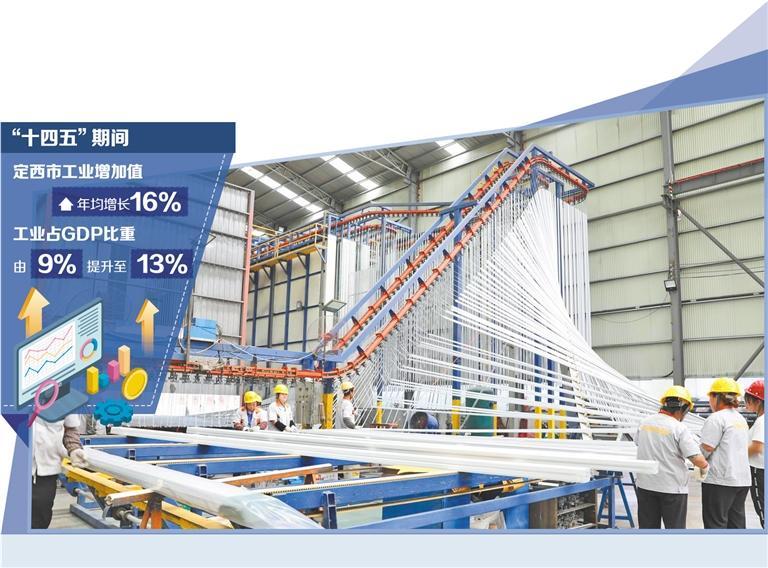
Core Viewpoint - Gansu Dingxi City is transforming its agricultural economy by implementing a dual approach of strengthening traditional industries and fostering emerging sectors, leading to significant industrial growth and investment attraction. Group 1: Industrial Growth and Investment - Dingxi has increased its number of industrial enterprises to 295, up by 177 since 2020, with an average annual industrial value-added growth of 16% during the 14th Five-Year Plan period [1] - The city has seen an increase in external investment from 206.86 billion yuan in 2020 to 730.82 billion yuan in 2024, with an annual growth rate of 37.1% [3] - The establishment of 12 specialized teams for industrial chain investment has contributed to the influx of major companies like Guangyao Group and Sany Heavy Energy [3] Group 2: Policy Support and Financial Investment - Dingxi High-strength Fasteners Co., Ltd. has received over 10 million yuan in various policy funds since the 14th Five-Year Plan, which has been invested in R&D and modernization [2] - The city has implemented policies such as stable employment subsidies and technology transformation rewards to support local enterprises [2] Group 3: Agricultural Transformation - The agricultural sector is being restructured through industrialization and clustering, with companies like Gansu Fuzheng Pharmaceutical Co., Ltd. establishing standardized planting bases and connecting with thousands of local farmers [4][5] - The potato industry has seen significant growth, with companies like Gansu Blue Sky Potato Industry Development Co., Ltd. creating a closed-loop ecosystem that includes supply chain finance and product diversification [6][7] Group 4: New Energy and Digital Transformation - Gansu Dongxing Jiaxin New Materials Co., Ltd. is focusing on a green and integrated aluminum industry chain, achieving significant energy savings and CO2 reduction [8] - The integration of digital technology in traditional industries has led to a 25% increase in production efficiency, with 100% of large-scale enterprises participating in digital transformation [8] Group 5: Future Development Strategy - Dingxi aims to establish itself as a distinctive industrial hub in the Longzhong region, focusing on resilience, innovation, structural optimization, and low-carbon transformation as part of its development strategy [9]
农业大市加快补齐工业短板
Xin Lang Cai Jing· 2025-12-19 22:31
Core Insights - Gansu Dingxi City is transforming its industrial landscape by implementing a "strong industry" initiative, focusing on both traditional and emerging industries to enhance industrial output and attract investment [2][5]. Industrial Growth - As of now, Dingxi has 295 industrial enterprises above designated size, an increase of 177 since 2020, with industrial value added growing at an average annual rate of 16% during the 14th Five-Year Plan period [2][5]. - The proportion of industrial output in GDP has risen from 9% to 13% [2]. Investment and Policy Support - Dingxi High-strength Fasteners Co., Ltd. has achieved an annual production capacity exceeding 100,000 tons, ranking among the top three in the domestic market for high-end wind power fasteners, supported by over 10 million yuan in policy funding [3]. - The city has seen a significant increase in external investment, with funds rising from 20.686 billion yuan in 2020 to 73.082 billion yuan in 2024, reflecting an annual growth rate of 37.1% [5]. Agricultural and Industrial Integration - The integration of traditional agricultural products like medicinal herbs and potatoes into industrial processes is being emphasized, with companies like Gansu Fuzheng Pharmaceutical establishing standardized planting bases and connecting with thousands of farmers [6][7]. - The potato industry has seen a transformation with companies like Gansu Blue Sky Potato Industry Development Co., Ltd. creating a closed-loop ecosystem that includes supply chain finance and product diversification [8]. Green and Digital Transformation - Gansu Dongxing Jiaxin New Materials Co., Ltd. is focusing on a green aluminum alloy production chain, achieving significant energy savings and CO2 reduction [9]. - The integration of digital technologies in industries is enhancing productivity, with companies reporting a 25% increase in efficiency through automation and digital transformation [10]. Future Outlook - Dingxi aims to establish itself as a distinctive industrial hub in the Longzhong region, focusing on resilience, innovation, structural optimization, and low-carbon transformation as part of its strategic development plan [10].
多措并举建好零碳园区
Xin Lang Cai Jing· 2025-12-19 22:31
Core Viewpoint - The establishment of zero-carbon parks is essential for building a zero-carbon society and is a key strategy for promoting green economic transformation, especially in the context of limitations on centralized renewable energy development [1] Group 1: Policy and Government Initiatives - The Central Economic Work Conference in December 2024 proposed the establishment of a number of zero-carbon parks, which was further emphasized in this year's Government Work Report [1] - The National Development and Reform Commission, the Ministry of Industry and Information Technology, and the National Energy Administration jointly issued a notice on the construction of zero-carbon parks, outlining key tasks, basic conditions, and support measures [1] - The National Development and Reform Commission plans to identify the first batch of national-level zero-carbon parks [1] Group 2: Role and Function of Zero-Carbon Parks - Zero-carbon parks serve as practical carriers and innovation windows for zero-carbon transformation, focusing on energy consumption and carbon emissions in industrial parks, which are major hubs for manufacturing and productive services in China [1] - These parks are transitioning from "energy consumers" to "green innovators" by implementing distributed solar and wind energy, energy storage, smart microgrids, and energy management platforms [2] Group 3: Strategies for Construction - Internal potential should be tapped by enhancing the development and utilization of distributed renewable energy within parks, achieving self-circulation and self-sufficiency in energy production, consumption, and storage [3] - External support can be leveraged through direct connections to nearby renewable energy facilities, enabling efficient collaboration between internal energy consumption and external renewable supply [3] - Green certificates can be used to offset any shortfall in renewable energy supply or carbon reduction targets, ensuring a closed-loop for carbon neutrality [3] Group 4: Challenges and Solutions - Despite rapid progress in zero-carbon park construction, challenges such as an incomplete standard system, fragmented technology paths, significant funding pressures, and inadequate governance mechanisms remain [3] - A comprehensive approach is needed to strengthen collaborative innovation, making zero-carbon parks a breakthrough point for green transformation [3] - Establishing a national and local standard system for zero-carbon parks, improving carbon emission accounting, and creating performance-based incentive mechanisms are crucial for attracting social capital [4] - Accelerating the integration of technologies and establishing a digital platform for energy management and carbon emissions are essential for effective monitoring and control [4] - A multi-party governance system involving government leadership, enterprise initiative, and social participation should be developed to enhance policy coordination and resource sharing [4]