文化赋能

Search documents
第六届长三角文博会开幕 “文化赋能”显活力
Zhong Guo Xin Wen Wang· 2025-11-21 02:19
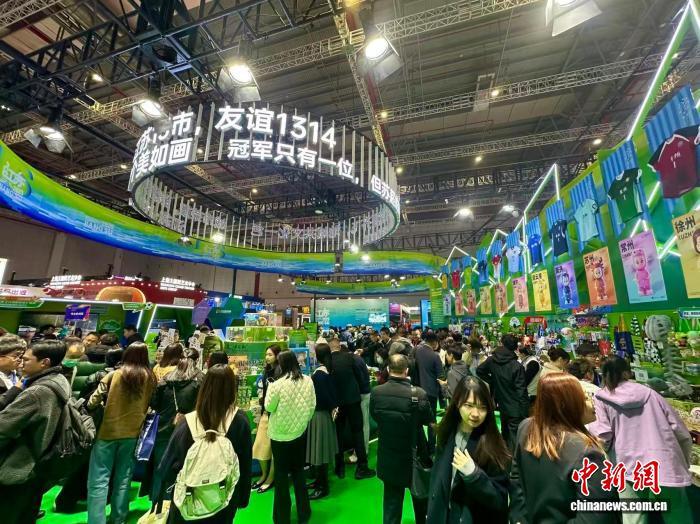
Core Viewpoint - The sixth Yangtze River Delta International Cultural Industry Expo showcases over 1,500 exhibitors, emphasizing the theme of "cultural empowerment" in economic and social development [1][3]. Group 1: Economic Growth and Trends - The Yangtze River Delta region is leveraging digital economy and cultural economy to create a globally significant modern cultural industry ecosystem [3]. - According to the "Blue Book on Cultural Industry Development," from 2020 to 2024, the revenue and profit of cultural enterprises in the region have maintained high growth rates, averaging 7.7% and 27.6% respectively [3]. - The new cultural business formats have shown remarkable performance, with an average revenue growth rate of 38.1%, becoming a key driver of rapid cultural industry development in the region [3]. Group 2: Innovative Exhibits and Engagement - The expo features innovative exhibits such as the "Drama Convenience Store," which brings the vibrant performing arts atmosphere into the venue, showcasing various cultural and creative products [5]. - The "Su Chao" (Jiangsu Province Urban Football League) IP has attracted attention, with creative products like blind boxes and themed fans driving consumer engagement and sales [5]. - Over 30 immersive projects are presented at the expo, such as the VR project "Sky Warrior," which combines traditional Chinese astronomy with technology, creating new cultural consumption scenarios [5][6]. Group 3: Future Directions - Research indicates four major trends in the development of the cultural industry in the Yangtze River Delta: generative artificial intelligence reshaping the industry landscape, enhanced cultural empowerment effects, data-driven quality upgrades, and integrated development of the digital cultural industry [6].

第六届长三角文博会开幕 “文化赋能”显活力
Zhong Guo Xin Wen Wang· 2025-11-20 15:59
Core Insights - The sixth Yangtze River Delta International Cultural Industry Expo has commenced, showcasing over 1,500 exhibitors and emphasizing the theme of "cultural empowerment" [1][3] Group 1: Economic Growth and Trends - The Yangtze River Delta region is leveraging digital economy and humanistic economy to create a globally significant modern cultural industry ecosystem [3] - According to the "Yangtze River Delta Cultural Industry Development Blue Book," from 2020 to 2024, the revenue and total profit of regulated cultural enterprises in the region have maintained high growth rates, averaging 7.7% and 27.6% respectively [3] - The new cultural formats have shown remarkable performance, with an average revenue growth rate of 38.1%, becoming a key driver of rapid development in the cultural industry [3][6] Group 2: Innovative Exhibits and Engagement - The expo features innovative exhibits such as the "Drama Convenience Store," which brings the vibrant performing arts atmosphere into the venue and includes interactive experiences with popular show actors [5] - The "Su Super" IP has gained attention, showcasing various cultural products that blend traditional craftsmanship with modern elements, attracting younger audiences [5] - Over 30 immersive projects are presented at the expo, such as the VR project "Sky Warrior," which combines traditional Chinese astronomy with LBE technology, creating new cultural consumption scenarios [5][6] Group 3: Future Directions - Research indicates four major trends in the development of the cultural industry in the Yangtze River Delta: generative artificial intelligence reshaping the industry landscape, enhanced cultural empowerment effects on economic and social development, data-driven quality upgrades in the cultural industry, and deepening integrated development of the digital cultural industry [6]
剑南春凭卓越品牌信誉和品质荣登天猫“双11”白酒榜首
Zhong Guo Zhi Liang Xin Wen Wang· 2025-11-18 05:14
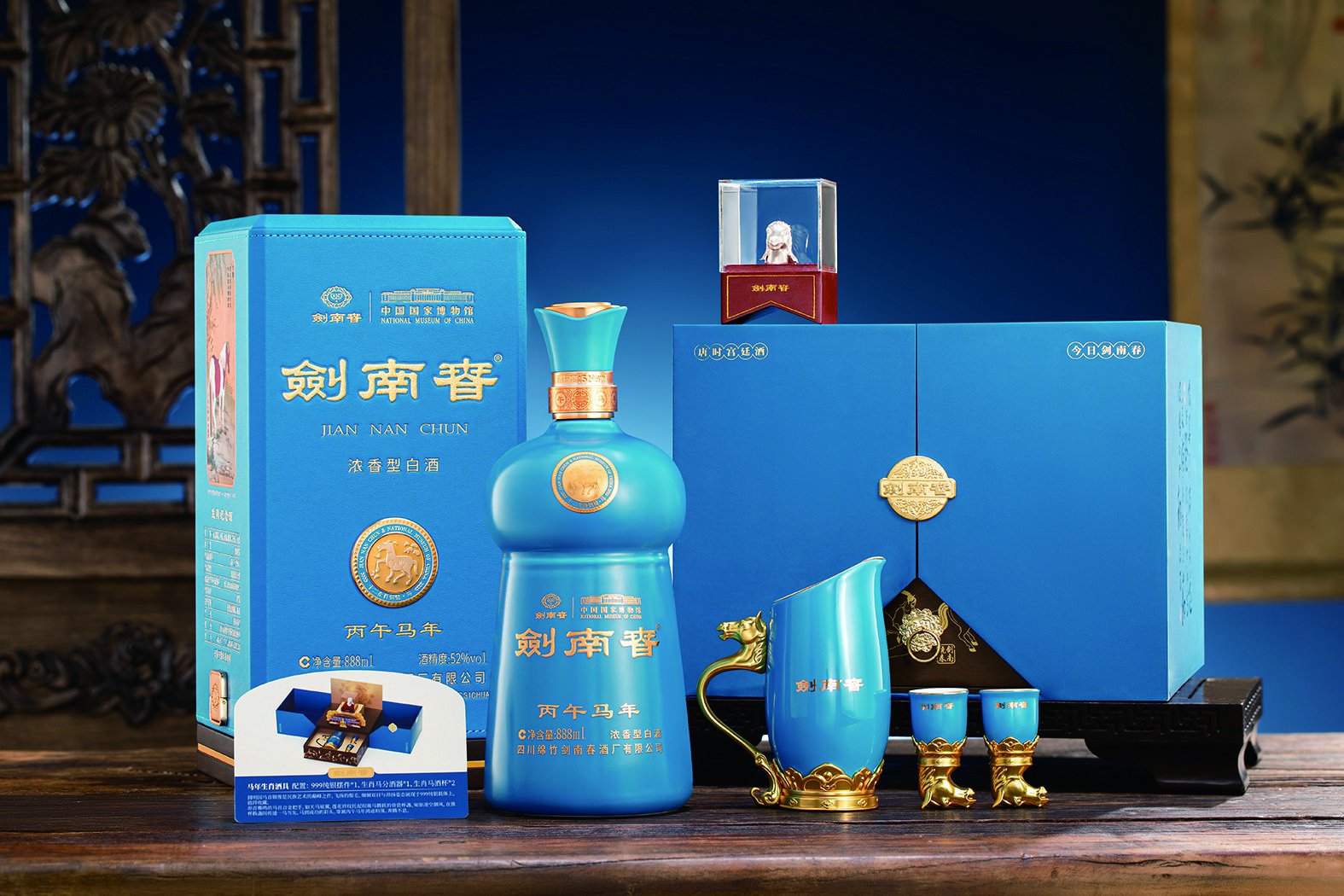
Core Insights - The article highlights the transformation of the liquor industry from price-driven to value-driven sales, particularly during the "Double 11" shopping festival, emphasizing brand influence and consumer experience [1][4] - Jian Nan Chun achieved the highest transaction volume in the liquor industry on the Tmall platform during "Double 11," showcasing its strong brand power and market recognition [4][8] - The collaboration with the National Museum of China to create the "Bing Wu Ma Year Zodiac Wine" reflects Jian Nan Chun's strategy of cultural empowerment and innovation to drive growth [5][6] Industry Trends - The online liquor market is shifting towards value-driven growth, with brand strength and product quality becoming key drivers of sales [4][5] - The increasing rationality in consumer decision-making and the fragmentation of purchasing channels are influencing how brands like Jian Nan Chun adapt their strategies [4][5] Company Performance - Jian Nan Chun's consistent performance during "Double 11" highlights its stability and growth within the liquor industry, maintaining a leading position [8][9] - The brand's long-term strategy focuses on quality, cultural empowerment, and technological innovation, which has contributed to its strong market presence [9][10] - The introduction of innovative products like the "Bing Wu Ma Year Zodiac Wine" demonstrates Jian Nan Chun's ability to cater to diverse consumer needs and expand its market reach [6][7]
浙江县域观察:山村“文化种子”绽放“希望之花”
Zhong Guo Xin Wen Wang· 2025-11-17 12:30
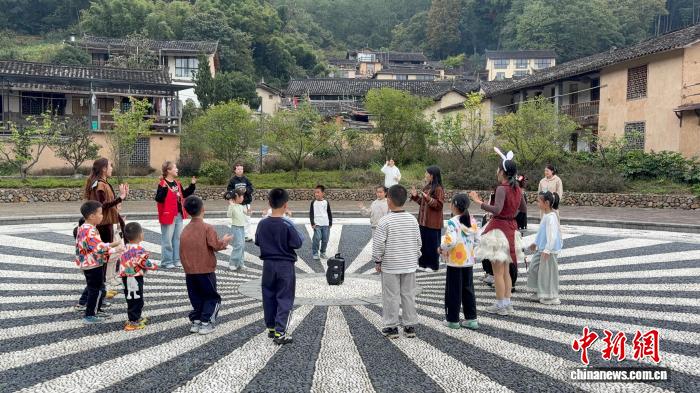
Core Viewpoint - The article highlights the transformation of rural areas in Yunhe County, Zhejiang, through cultural initiatives that leverage local resources and heritage to drive economic development and community engagement [1][9]. Group 1: Cultural Initiatives - The cultural commissioner system in Zhejiang has led to the appointment of enthusiastic cultural representatives in Yunhe County, who are unlocking the potential of natural beauty and traditional skills to revitalize rural areas [1][9]. - In Huangchu Village, a partnership with Zhejiang Normal University focuses on children's literature as a means to explore new development paths for the village, enhancing its cultural richness [2][4]. - The establishment of children's literature workshops and cultural landmarks in Huangchu Village has attracted a community of writers and increased local engagement through various cultural activities [4][8]. Group 2: Economic Development - The cultural initiatives in Huangchu and Houshan villages have not only fostered a love for reading but also created economic opportunities for local residents through tourism and cultural events [5][7]. - In Chishi Village, the integration of local ecological resources into a "beautiful economy" has led to the development of cultural brands, attracting tourists and generating income for villagers [8][9]. - The success of cultural projects, such as the Rose Valley in Chishi Village, has resulted in increased visitor numbers, benefiting local businesses and encouraging young people to return to their hometowns for entrepreneurial opportunities [9][10].
寻根问道 文化赋能:永脉集团战略升维与产业新路径
Zhong Guo Shi Pin Wang· 2025-11-13 07:07
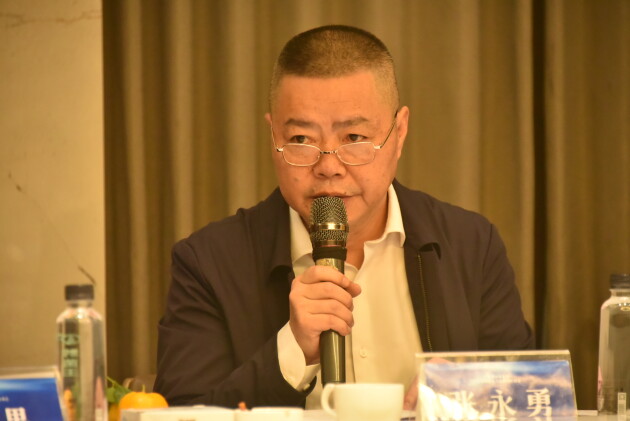
Core Insights - Guizhou Yongmai Group held a strategic and cultural research seminar to explore its cultural roots and future direction in the increasingly competitive sauce liquor industry [1][32] - The seminar emphasized the importance of cultural empowerment for private enterprises in China, proposing a new path of "seeking roots and cultural longevity" [1][32] Historical Roots - Renowned cultural historian Mu Shengfan established a historical foundation for Yongmai Group's cultural strategy by linking the Zhang family lineage to Daoist culture and historical events [2][4] - The Zhang family's historical resilience and business acumen were highlighted, showcasing their ability to seize opportunities in the Maotai region [2] Cultural Authenticity - Poet Hai Shang criticized the superficial understanding of corporate culture, advocating for a deeper connection between culture and the company's essence [6][8] - Hai Shang noted the significant progress made by Chairman Zhang Yongyong in internalizing culture as the soul of the enterprise [9] Strategic Foundation - Industry expert Chen Guo emphasized the fundamental role of culture in the sustainable development of enterprises, particularly in the context of Yongmai Group's nearly 30 years of cultural leadership [11][13] - Chen Guo highlighted the historical collaboration between the Zhang family and the Wang family of Maotai, illustrating the importance of cultural community in regional industry [13] Philosophical Guidance - Cultural scholar Gong Gang discussed the integration of Daoist philosophy into Yongmai Group's management practices, emphasizing the importance of internalizing culture within the company's spirit [15][17] - Gong Gang's insights on the Daoist principle of "wu wei" (non-action) provided a modern interpretation of management philosophy, linking it to the company's long-term vitality [17] Practical Implementation - Former chief quality officer of Moutai, Chen Qiang, stressed the necessity of aligning cultural strategies with market realities, emphasizing the need for economic value creation [19][21] - Chen Qiang proposed that Yongmai Group should integrate its cultural identity into product offerings to enhance market appeal [21] Industry Evolution - Chen Gang outlined the need for Yongmai Group to build a comprehensive management system based on ecological factors essential for sauce liquor production [23][25] - He suggested developing a new category of health-oriented liquor by combining the Zhang family's medicinal heritage with sauce liquor, identifying a potential market opportunity [25] Media Insights - Veteran journalist Shen Shiwei shared personal reflections on Chairman Zhang Yongyong's sincere commitment to cultural practices, viewing it as a key to the company's success [26][28] - Shen Shiwei distinguished between "Daoist" and "Buddhist" approaches to business, highlighting the proactive and innovative nature of the "Daoist" philosophy embodied by Yongmai Group [28] Cultural Empowerment - Senior teacher Hu Zhao Zheng emphasized the importance of local culture and red heritage in driving economic development and brand building for enterprises like Yongmai Group [30] - The seminar illustrated a comprehensive approach to cultural empowerment, integrating historical roots, authentic culture, philosophical wisdom, market logic, and ecological support [32]
文化赋能卓有成效 多项指标领跑全国
Xin Hua Ri Bao· 2025-11-12 00:24
Core Insights - Jiangsu Province is leveraging its rich cultural resources to drive economic growth and enhance the well-being of its citizens through a series of initiatives and collaborations [1][4]. Group 1: Cultural Heritage and Resources - Jiangsu boasts a significant cultural heritage with 3 UNESCO World Heritage Sites, 1 World Natural Heritage Site, 251 national key cultural relic protection units, and 14 national historical and cultural cities, making it the leader in these categories nationwide [2]. - The province has implemented systematic protection measures, including the "Cultural Civilization Exploration Project" and the introduction of regulations for the protection and utilization of revolutionary cultural resources [2]. Group 2: Museums and Cultural Engagement - The number of registered museums in Jiangsu has increased to 367, with 26 being national first-class museums, and it is projected that these museums will receive over 139 million visitors in 2024, maintaining the top position in the country [3]. - Innovative technologies such as 3D and holographic projections are being utilized to enhance visitor experiences in museums, making cultural heritage more accessible and engaging [3]. Group 3: Economic Impact of Cultural Tourism - In 2024, Jiangsu is expected to welcome 1.091 billion domestic and international tourists, generating a total tourism expenditure of 1.34 trillion yuan, with a strong double-digit growth anticipated this year [4]. - The integration of culture with commerce and tourism has led to significant economic benefits, with cultural enterprises in Huai'an growing from 381 to 473, and their revenue increasing from 28.07 billion yuan to 47.42 billion yuan from 2022 to 2024, reflecting a compound annual growth rate of 30% [4]. Group 4: Cultural Industry Development - Jiangsu has established a government-bank-enterprise cooperation platform, introducing the "Su Travel Loan" financial product, which has provided 2.594 billion yuan in loans to 228 cultural tourism enterprises [5]. - The province has also seen the number of large-scale cultural enterprises rise to 12,538, ranking it among the top in the country, with 24 national-level cultural industry demonstration parks established [6]. Group 5: Public Cultural Services and Community Engagement - Jiangsu has focused on enhancing public cultural services to meet the spiritual and cultural needs of its citizens, with initiatives like the "Double Thousand Plan" to cultivate cultural teams and create new public cultural spaces [7]. - The province has organized over 2,800 performances annually to bring cultural experiences to rural areas, benefiting over a million people [7]. Group 6: Quality of Life and Tourism Environment - Jiangsu has pioneered the development of night-time cultural tourism consumption zones, with 16 national-level clusters established, enhancing the overall quality of cultural tourism [8]. - The province's efforts in rural cultural empowerment have led to significant economic benefits, with the total income from leisure tourism agriculture exceeding 10 billion yuan and attracting 21 million visitors [8].
省政府新闻发布会解读江苏“以文化赋能经济社会发展”文化赋能卓有成效 多项指标领跑全国
Xin Hua Ri Bao· 2025-11-11 23:12
Core Viewpoint - Jiangsu Province is leveraging its rich cultural resources to drive economic growth and enhance the well-being of its citizens through various initiatives and innovations in the cultural and tourism sectors [1]. Group 1: Cultural Heritage and Resources - Jiangsu boasts a significant cultural heritage, including 3 World Cultural Heritage sites, 1 World Natural Heritage site, 251 national key cultural relic protection units, and 14 national historical and cultural cities, making it the leader in these categories nationwide [2]. - The province has implemented systematic protection measures, including the "Cultural Civilization Exploration Project" and the establishment of regulations for the protection and utilization of revolutionary cultural resources, ensuring the preservation of its cultural assets [2]. Group 2: Museums and Cultural Engagement - The number of registered museums in Jiangsu has increased to 367, with 26 being national first-class museums, and it is projected that these museums will receive over 139 million visitors in 2024, maintaining the top position in the country [3]. - Innovative technologies such as naked-eye 3D and holographic projection are being utilized to enhance visitor experiences in museums, making cultural heritage more accessible and engaging [3]. Group 3: Economic Impact of Cultural Tourism - In 2024, Jiangsu is expected to welcome 1.091 billion domestic and international tourists, generating a total tourism expenditure of 1.34 trillion yuan, with a strong growth rate anticipated [4]. - The integration of culture with commerce and tourism has led to significant economic benefits, with cultural enterprises in Huai'an growing from 381 to 473, and their revenue increasing from 28.07 billion yuan to 47.42 billion yuan from 2022 to 2024, reflecting a compound annual growth rate of 30% [4]. Group 4: Cultural Industry Development - Jiangsu has established a government-bank-enterprise cooperation platform, introducing the "Su Travel Loan" financial product, which has provided 2.594 billion yuan in loans to 228 cultural tourism enterprises [5]. - The number of large-scale cultural enterprises in Jiangsu has reached 12,538, with 24 national-level cultural industry demonstration parks established, indicating robust growth in the cultural sector [6]. Group 5: Public Cultural Services and Community Engagement - Jiangsu has focused on enhancing public cultural services to meet the spiritual and cultural needs of its citizens, with initiatives like the "Double Thousand Plan" to improve access to quality cultural resources [7]. - The province has organized over 2,800 performances annually to bring cultural experiences to rural areas, benefiting over a million people [7]. Group 6: Quality of Life and Tourism Environment - Jiangsu has pioneered the development of night-time cultural tourism consumption zones, with 16 national-level clusters established, enhancing the overall quality of cultural tourism in the province [8]. - The integration of cultural empowerment in rural revitalization efforts has led to significant economic benefits, with the total income from leisure tourism agriculture exceeding 10 billion yuan and attracting 21 million visitors [8].
“兰父”入湾遇“父兰”,科技“硬实力”激发更浓郁“致富香”
Nan Fang Nong Cun Bao· 2025-11-11 11:01
Core Viewpoint - The integration of cultural elements and economic activities in Guangdong's orchid industry, particularly through the promotion of orchids as gifts for Father's Day, is driving innovation and growth in the sector [7][19][22]. Group 1: Industry Development - Guangdong's orchid industry is experiencing significant growth, with Sihui being the largest orchid cultivation base in the Guangdong-Hong Kong-Macao Greater Bay Area [18]. - The industry has adopted a "media+" empowerment strategy and a "12221" market system to enhance brand recognition and cultural integration [19]. - The introduction of the "Father's Day exclusive flower" concept has transformed local orchids into a national gift, boosting sales during off-peak seasons [23][25]. Group 2: Research and Innovation - Professor Lan Sihua, known as the "Father of Orchids," is leading research efforts to enhance the orchid industry through sustainable development models [28][30]. - The research team has developed over 100 new products, including functional foods and cosmetics, significantly increasing product value and market competitiveness [46]. - The team aims to leverage Guangdong's industrial base and consumer market to further develop the orchid deep processing industry [48]. Group 3: Cultural and Economic Integration - The Guangdong orchid industry successfully combines cultural heritage with modern consumer trends, enhancing emotional value and human connection through the sale of orchids [32][33]. - The branding of "Father's Love Like Orchids" reflects a deep cultural significance, promoting the idea of gifting orchids as a romantic gesture in Chinese society [22][38]. - The collaboration between cultural elements and economic activities is expected to contribute to rural revitalization and economic prosperity in the region [54][56].

千年陶艺焕发新生机
Ren Min Ri Bao· 2025-11-10 22:41
Core Insights - Sichuan's Zigong City, specifically Rong County, is promoting its regional brand "Rongzhou Pottery" by leveraging rich clay resources and traditional pottery-making techniques to transition the traditional pottery industry towards cultural empowerment and intelligent upgrades [1][2] Group 1: Industry Development - Rong County has a rich supply of clay, producing pottery that is non-porous, breathable, and durable. The local pottery-making technique has been recognized as a representative project of Sichuan's intangible cultural heritage [1] - The local government has established a development plan for the ceramic industry, focusing on three main categories: industrial ceramics, daily-use ceramics, and cultural creative ceramics [1] Group 2: Innovation and Collaboration - To accelerate industrial transformation, Rong County has built a creative park for pottery that integrates research and development, education, sales, and experience, attracting young creators and art teams [1] - Collaborations with prestigious universities such as Tsinghua University and Jingdezhen Ceramic University have been initiated to provide internship and employment platforms for students [1][2] Group 3: Technological Advancements - The use of industrial robots in Rong County's Double Dragon Ceramics workshop has significantly improved efficiency in processes like clay transfer and glazing [2] - The county is exploring paths for the ceramic industry that include large-scale production of civilian ceramics, industrialization of industrial ceramics, and the refinement of cultural creative ceramics through technological innovation [2] Group 4: Cultural Promotion - Brand activities have become important for showcasing Rong County externally, with events like the 2023 China Ceramic Tile and Tile Industry Development Forum and the first "Rongzhou Pottery: Walking the World" Biennale attracting numerous upstream and downstream enterprises for exchange and learning [2]
NO.072!广州首家茅台文化体验馆开业
Zheng Quan Ri Bao Wang· 2025-11-09 11:44
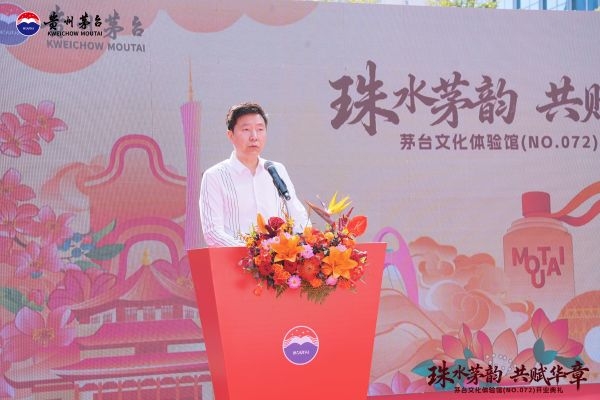
珠水茅韵,共赋华章。11月8日,广州首家茅台文化体验馆在广州番禺开业。地处粤港澳大湾区腹地的广州番禺,既有千 年商都的商业底蕴,又有开放包容的文化活力,茅台文化体验馆落子于此,不仅是一个展示空间的落地,更是茅台文化与岭南 文脉交融的新起点。 联合国教科文组织专家、中国政府友谊奖获得者安德列·切韦廖夫,中国酒业协会秘书长何勇,贵州省白酒产业发展促进会 会长李保芳,广东省酒业协会会长彭洪,茅台集团党委副书记、总经理王莉出席开业典礼。 何勇在致辞中表示,当前,中国酒产业正在进行深刻变革,消费理性化、价值情感化、产业生态化成为新趋势,消费者追 求品质真实、文化真实、服务真心的步伐日益坚定,对美酒成为情感寄托、场景体验与文化内涵的需求也日益迫切。茅台文化 体验馆的建设正是顺应这一趋势的创新实践,打破了传统酒品展示的边界,通过沉浸式参观、互动式体验,能够让消费者直观 感受白酒酿造的传统价值,深度理解酿酒生态与自然风景的核心密码,让文化看得见、摸得着、品得到,不仅为茅台品牌注入 了新活力,更为中国白酒行业探索文化赋能提供了可借鉴的样本。未来,期待茅台文化体验馆能成为连接茅台与消费者的文化 桥梁,让更多人读懂茅台文化,爱上中 ...