
养生酒

Search documents
2026年第9周:酒行业周度市场观察
艾瑞咨询· 2026-03-11 00:07
Group 1 - The core viewpoint of the article highlights the evolving trends in the Chinese alcohol industry, particularly focusing on the beer sector and the shift towards quality over quantity in production and consumption [2][3][5] - The beer industry is expected to see production, revenue, and profit growth of 5%, 4%, and 18% respectively by 2025, indicating a transition towards value-driven growth [3] - Key events influencing the beer industry include the IPO of Jin Xing Beer, the bankruptcy of Tai Shan Beer, and the acquisition of craft beer by Mi Xue Group, which reflect significant market dynamics [3] Group 2 - The consumption trend during the Spring Festival shows a preference for lower-alcohol and health-oriented beverages, with a notable increase in sales of low-alcohol and health wines driven by younger consumers [4] - The rise of "生肖酒" (Zodiac wine) during the festive season integrates traditional cultural elements, enhancing its collectible value [4] - The industry is moving towards rational consumption, emphasizing personalized experiences and cultural resonance, as evidenced by the growing popularity of self-mixed drinks and online sales channels [4] Group 3 - The "15th Five-Year Plan" for the brewing industry emphasizes high-quality development through technological innovation, cultural empowerment, and green development, aiming to reshape the industry [5] - The plan includes the establishment of billion-level wine production areas and a modern industrial system, focusing on raw material security and technological upgrades [5] - The document outlines seven key tasks and 21 initiatives to enhance the industry's structure and competitiveness, supporting rural revitalization and cultural heritage [5] Group 4 - The Chinese wine market is undergoing structural changes, with a 26.85% decline in imported wine volume but a 21.79% increase in average price, indicating a shift towards premium products [6] - The Ningxia region accounts for nearly 50% of domestic wine production, highlighting the rise of local wineries and the growing preference for boutique wines [6] - The market is expected to focus on white wines and affordable premium products, with brand operations and channel integration becoming crucial for success [6] Group 5 - The yellow wine industry is experiencing a transformation with leading companies raising prices and expanding their market reach, driven by innovative marketing strategies [8] - The industry is seeing a significant increase in sales of products priced between 50-100 yuan, with a notable performance in the young market segment [8] - Future trends include a focus on high-end products, online and offline integration, and the emergence of unique production areas [8] Group 6 - Moutai is leveraging its iMoutai platform to attract younger consumers and expand its market presence, with a notable increase in foot traffic to physical stores [12] - The brand is undergoing a market-oriented transformation, focusing on consumer-driven growth and breaking traditional consumption barriers [12] - Moutai's strategic adjustments have led to significant sales increases in various regions, showcasing its resilience in a challenging market [12] Group 7 - The wine market is facing challenges such as declining consumer willingness and intense competition, yet Moutai Wine is achieving growth through systematic changes in channels and branding [13] - The brand has optimized its product structure and increased brand investment, leading to improved market recognition and sales performance [13] - Moutai Wine's proactive strategies during market downturns demonstrate its commitment to creating opportunities and driving growth [13] Group 8 - The Chinese liquor industry is undergoing profound changes, with brands like Marcy leveraging cultural elements to enhance product appeal and drive sales during the Spring Festival [16] - Marcy's success is attributed to its long-term market presence and innovative marketing strategies that resonate with consumers [16] - The brand's ability to adapt and thrive in a competitive landscape highlights the importance of strategic positioning and consumer engagement [16]







酒行业周度市场观察-20260308
Ai Rui Zi Xun· 2026-03-08 06:21
Investment Rating - The report does not explicitly provide an investment rating for the industry Core Insights - The Chinese beer industry is expected to see production, revenue, and profit growth of 5%, 4%, and 18% respectively in 2025, indicating a shift towards value enhancement [2] - The trend towards low-alcohol beverages is gaining momentum, with consumers preferring to drink less but of higher quality, leading to a significant increase in low-alcohol and health-oriented drinks [2] - The liquor industry is transitioning from a "quantity era" to a "quality era," focusing on high-quality development and technological innovation [5] - The Chinese wine market is undergoing structural changes, with a 26.85% decrease in imported wine volume but a 21.79% increase in average price, indicating a preference for premium and specialty wines [5] - The yellow wine industry is experiencing a nationalization and quality upgrade, with major brands increasing prices and expanding their market presence [6] Industry Environment - The report identifies four major trends in the beer industry for 2026: expansion of non-on-premise channels, growth of non-alcoholic beer, differentiation in craft beer competition, and deepening of local brand premiumization [2] - The liquor industry is seeing a shift towards rational consumption, emphasizing personalized experiences and cultural resonance [2] - The "2026-2030 Guidelines for Quality Improvement and Upgrading of the Liquor Industry" aim to foster high-quality development through technological innovation and cultural empowerment [5] - The Chinese wine market is focusing on white wine, affordable premium options, and diverse consumption scenarios, with brand operation and channel integration becoming key [5] Top Brand Dynamics - Gujing Gongjiu launched a marketing campaign centered around the theme of "going home" during the Spring Festival, enhancing its image as the "national year wine" [9] - Moutai is attracting younger consumers and women through its iMoutai platform, significantly increasing foot traffic in offline stores [9] - Moutai Wine is undergoing systematic changes to achieve growth despite market challenges, optimizing its product structure and increasing brand investment [10] - The yellow wine industry is moving towards nationalization and quality enhancement, with major brands like Guyue Longshan and Kweichow Moutai leading the charge [6][10] - Xifeng Wine is focusing on marketing reform and product upgrades to achieve breakthroughs in the high-end market [13] - Jian Nan Chun is leveraging cultural empowerment and emotional resonance in its marketing strategy to transition from promotional discounts to value enhancement [19]
白酒、乳业、中式滋补的2025:崩盘、变局与增长新逻辑
Xin Lang Cai Jing· 2026-02-24 09:02
Core Viewpoint - The traditional business model of the liquor industry, particularly in the high-end white liquor segment, is failing, leading to a collapse of the pricing system and the emergence of new business models and consumer behaviors driven by the Z generation [3][4][14]. Industry Overview - In 2025, the Chinese consumer market is undergoing profound changes, with high-end liquor prices, such as those of Moutai, continuously declining, raising questions about their investment and stockpiling attributes [3][4][14]. - The Z generation (born between 1995 and 2009) has become the main consumer force, reshaping market rules and consumer preferences [3][4][14]. Pricing and Sales Performance - The prices of major white liquor products have significantly dropped, with Moutai's wholesale price falling from over 2200 yuan per bottle at the beginning of the year to below 1500 yuan by December 2025 [5][16]. - The overall performance of white liquor companies has deteriorated, with 20 A-share listed companies reporting a combined revenue of 317.78 billion yuan, a year-on-year decrease of 5.90%, and a net profit drop of 6.93% [5][17]. Corporate Strategies and Changes - Many liquor companies are experiencing frequent personnel changes, with over ten major companies, including Moutai and Yanghe, adjusting their core leadership positions in 2025 [6][18]. - Companies are exploring new business models and channels, such as switching from a "payment before delivery" to a "delivery before payment" model [8][20]. New Business Models - Moutai has announced a restructuring of its product system and pricing strategy, moving towards a direct sales model through its app, aiming to connect directly with consumers [9][20]. - The rise of "health liquor" has been notable, with a growth rate of 66%, indicating a shift in consumer preferences towards healthier options [10][21].

低度酒掀起风潮,“渠道保真”成关键丨年货新趋势
Bei Ke Cai Jing· 2026-02-11 08:36
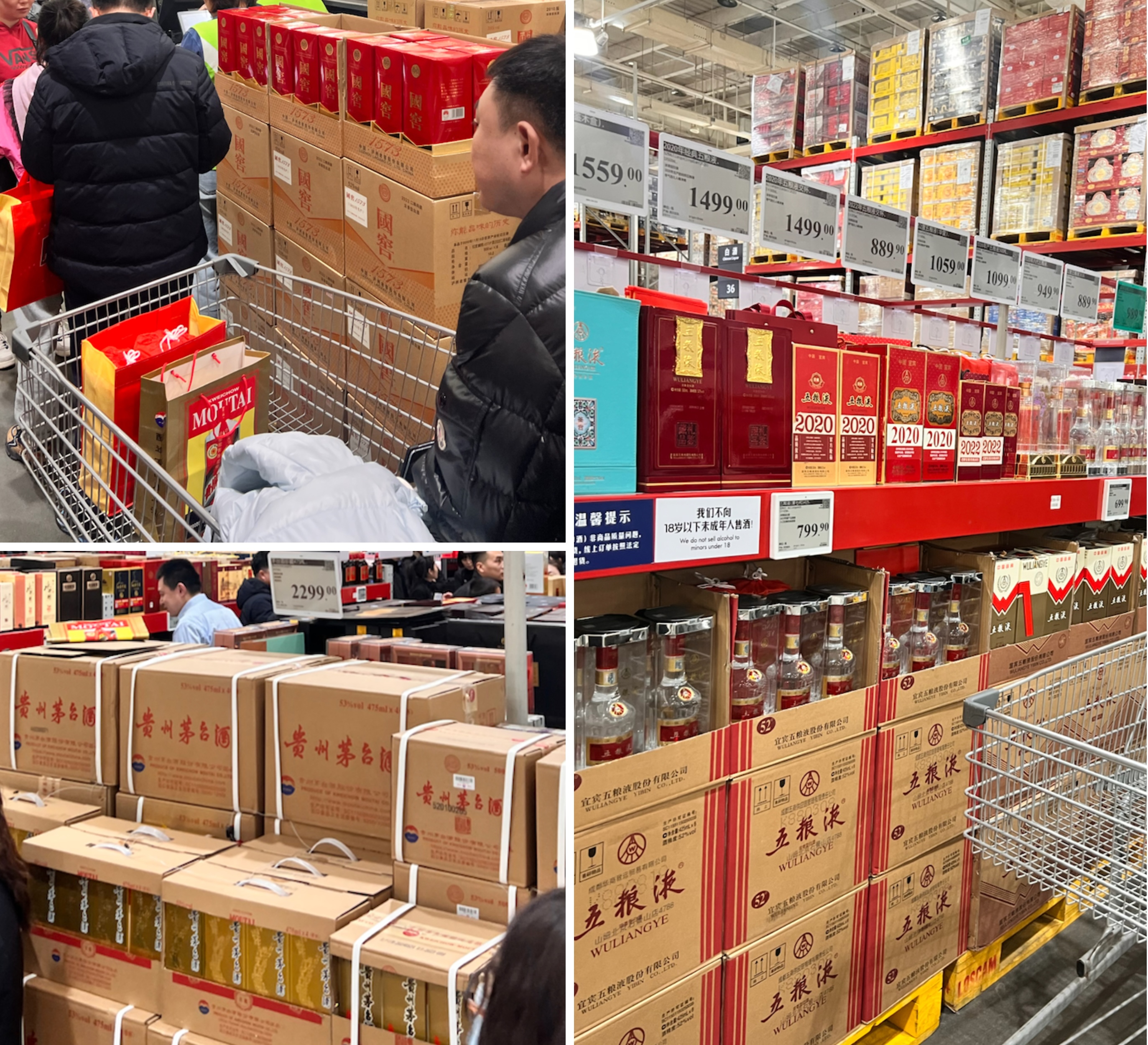
Core Insights - The Spring Festival is a traditional peak season for alcohol consumption, serving as a "barometer" for industry trends [1] - Consumers are increasingly favoring high-quality, well-known brands while opting for fewer purchases [1][4] - The rise of low-alcohol beverages is driven by younger consumers seeking healthier options [2][10] Group 1: Consumer Behavior and Trends - Consumers are shifting towards purchasing core products from leading brands, with many noting significant price reductions compared to the previous year [7][8] - Online channels are becoming crucial for alcohol sales, with consumers prioritizing authenticity and convenience [9] - The demand for low-alcohol and health-oriented beverages is growing, particularly among younger demographics, with sales of low-alcohol products increasing significantly [11][12][14] Group 2: Product Innovations and Market Dynamics - The white liquor industry is undergoing a deep adjustment phase, with overall inventory reduction leading to substantial price drops for premium brands [7] - Alcohol brands are responding to changing consumer preferences by launching low-alcohol products and non-alcoholic versions of traditional beverages [14] - The market for zodiac-themed alcohol is thriving, with brands incorporating cultural elements into their designs, enhancing their appeal as collectible items [15][16] Group 3: Sales Performance and Data Insights - Sales data indicates a double-digit growth in alcohol sales leading up to the Spring Festival, with specific categories like beer and health-oriented beverages seeing the fastest growth [12][13] - The popularity of zodiac alcohol is reflected in the high demand and limited editions, often leading to rapid sell-outs [15][17] - The trend towards personalized and culturally significant products is reshaping the alcohol market, emphasizing the need for brands to adapt to consumer-defined values [18]
西博城聚焦“好吃” 世纪城聚焦“好喝”
Xin Lang Cai Jing· 2026-01-26 21:05
Group 1 - The 114th National Sugar and Wine Fair will be held from March 26 to 28 in Chengdu, with an exhibition area of 325,000 square meters and over 6,600 global food and beverage companies participating [1] - This year's fair will feature several firsts, including a clear positioning of "one city, two venues," with West Expo City focusing on food and Century City on beverages, and the introduction of specialized sections for food packaging, supply chains, and green agriculture [1] - The fair aims to enhance new productive forces by showcasing traditional brewing techniques and modern health concepts in dedicated zones for yellow wine and health wine, along with a focus on Chengdu's innovations in the liquor industry [1] Group 2 - The 2026 Spring Sugar Season has become a unique urban consumption culture brand for Chengdu, featuring three main activities: an international youth creative entrepreneurship conference, a vibrant sports event, and a global food and wine carnival [2] - A series of promotional activities will be launched during the Spring Sugar Season, including discounts at duty-free shops and cross-border e-commerce experience stores, with participation from 73 key business districts and 251 themed commercial streets across Chengdu [2] - Visitors can enjoy "buy one get one free" offers at over 100 popular scenic spots and cultural venues in the city with valid tickets or electronic vouchers from the sugar and wine fair [2]
第114届全国糖酒会3月26日举行 预计超6600家企业参展
Xin Jing Bao· 2026-01-26 11:37
Group 1 - The 114th National Sugar and Wine Fair will be held from March 26 to 28 in Chengdu, featuring a total exhibition area of 325,000 square meters and expecting over 6,600 global food and beverage enterprises to participate [1] - The fair will introduce a month-long promotional activity to enhance consumption, with a clear focus on "one city, two venues" where Xibo City emphasizes "delicious" and Century City emphasizes "drinks" [1] - New specialized sections will be launched, including food packaging and supply chain, beverage raw material supply chain, and self-owned brands, achieving full industry chain coverage [1] Group 2 - The fair will showcase a new section for yellow wine and health wine, highlighting the integration of traditional brewing techniques with modern health concepts [2] - Over 2,000 international brands from more than 50 countries and regions are expected to participate, leveraging Chengdu's logistics advantages to build a cooperative global industrial ecosystem [2] - The 2026 "Spring Sugar Season" will focus on the construction goals of "three new" cities and youth development cities, integrating industrial strength with Chengdu's cultural and tourism resources [2]
浙江震元:百年老字号焕发新活力
Shang Hai Zheng Quan Bao· 2026-01-22 18:37
Core Viewpoint - Zhejiang Zhenyuan, a century-old brand, combines traditional Chinese medicine culture with modern innovation to achieve high-quality development and explore new growth areas in synthetic biology [1][4]. Group 1: Company Background and Heritage - Zhejiang Zhenyuan originated from a small pharmacy in 1752 and has evolved into a modern enterprise integrating pharmaceutical manufacturing, commerce, and health services [1]. - The company is deeply rooted in the rich cultural heritage of the Yue region, which has significantly influenced its development and the establishment of the "Yue Medicine" system [2]. - Zhenyuan Tang, the company's predecessor, has maintained its commitment to authenticity and quality for over 270 years, making it a representative of Yue medicine culture [2][3]. Group 2: Business Evolution and Achievements - After the reform and opening-up, Zhenyuan Tang was among the first to complete a shareholding reform and became one of the first "Chinese Time-honored Brands" in 1996 [3]. - The company was listed on the Shenzhen Stock Exchange in 1997, marking it as the first listed company recommended by the National Administration of Traditional Chinese Medicine [3]. - Zhenyuan has expanded its business into various sectors, including pharmaceutical manufacturing, retail, and health services, establishing a complete industrial chain [3]. Group 3: Innovation and New Ventures - In 2022, Zhejiang Zhenyuan entered the synthetic biology sector by establishing a wholly-owned subsidiary and investing over 1.1 billion yuan in an industrialization project [4]. - The company has developed a diverse product system focusing on amino acids and has established partnerships with top research institutions for collaborative innovation [4][5]. - Zhenyuan has achieved significant breakthroughs, including the establishment of the first large-scale industrialization facility for histidine synthesis in China [5]. Group 4: Modernization of Traditional Medicine - Zhejiang Zhenyuan is innovating traditional medicinal recipes into convenient products, such as the "Zhenyuan Yue Meal" series, making traditional health solutions more accessible [6]. - The company is actively involved in setting international standards for toxic herbal materials, aiming to integrate traditional Chinese medicine with global practices [6]. - Zhenyuan is exploring the development of health products that combine food and medicine, enhancing the daily integration of traditional medicine into consumers' lives [6]. Group 5: Future Outlook - The company aims to strengthen its pharmaceutical manufacturing while positioning synthetic biology as a core growth area [7]. - It plans to expand its retail operations and enhance the quality of pharmaceutical services, focusing on the refinement of traditional Chinese medicine and the development of health and wellness industries [7].

“打酒铺”火了,散酒模式能成酒企的“压力出口”吗?
Nan Fang Du Shi Bao· 2025-12-29 05:36
Core Insights - The Chinese liquor industry is undergoing significant transformation in 2025, facing challenges such as high channel inventory and weak terminal sales, while also experiencing new opportunities driven by changing policies, consumption patterns, and scenarios [1] Group 1: Market Trends - The trend of "loose liquor" has resurfaced as a new phenomenon, with various new-style "liquor shops" emerging, allowing consumers to purchase liquor by the cup, which has gained recognition among younger consumers [2][3] - The "liquor shop" model has become popular, particularly in urban areas, with high demand observed in places like Guangzhou, where consumers are eager to try premium brands at lower prices [3][4] - The market for loose liquor is projected to exceed 800 billion yuan in 2024 and reach a trillion yuan by 2025, indicating a strong potential for growth [6] Group 2: Company Strategies - Major liquor companies are entering the "liquor shop" space, with brands like Gujing Gongjiu and Kuozi Jiu actively opening their own liquor shops to cater to community needs and alleviate inventory pressure [5][6] - The new liquor shops are designed to appeal to younger consumers, offering a social space that combines quality and affordability, thus addressing the evolving consumer preferences [6][7] Group 3: Challenges and Concerns - Despite the potential of the "liquor shop" model, there are concerns regarding profitability, cost pressures, and the balance of interests with traditional distributors [8] - Food safety issues related to loose liquor have raised public concerns, with incidents of contamination affecting consumer trust and potentially hindering the expansion of this model [9]


2025年名酒企争相布局散酒市场,古井贡酒口子窖等试水社区打酒铺
Sou Hu Cai Jing· 2025-12-26 01:07
Core Insights - The white liquor market in 2025 is facing challenges, yet the scattered liquor business is emerging as a lucrative opportunity for major liquor companies [3][15] - The scattered liquor market is expected to grow significantly, with projections indicating a market size of approximately 800 billion yuan in 2024 and likely surpassing 1 trillion yuan in 2025 [13][15] Industry Trends - Major liquor companies are entering the scattered liquor market due to high inventory pressure and price inversion, which has made traditional sales channels less effective [15][18] - The scattered liquor business model has evolved since 2023, with new entrants like Tang San Liang and Zebra Hero targeting younger consumers through modern store designs and experiential consumption [3][12] Company Developments - Gujing Gongjiu opened its first scattered liquor store in December 2025, focusing on community sales and serving as a pilot project [4][5] - Kuaizi Jiu has opened two direct stores in 2025, combining scattered and bottled liquor sales, with prices ranging from 50 to 60 yuan per jin [6] - Anhui Hengjia Gongjiu has entered the scattered liquor market through a franchise model, with prices varying from over 10 yuan to 200 yuan per jin [6] Market Dynamics - The scattered liquor market is characterized by two main types of stores: traditional low-cost outlets and more upscale venues targeting young consumers [3][12] - The market is experiencing a shift from low-quality, low-price offerings to better value products, with an increasing number of young consumers participating [13][19] Financial Performance - In the first three quarters of 2025, 20 listed liquor companies reported a decline in revenue and net profit, with a year-on-year decrease of 5.90% and 6.93% respectively [17] - Kuaizi Jiu reported a significant drop in net profit by 43.39% year-on-year, indicating the financial pressures faced by liquor companies [17]
“养生酒+红糖姜茶”走红网络 警惕偏方“智商税”藏风险
Xin Lang Cai Jing· 2025-12-25 17:23
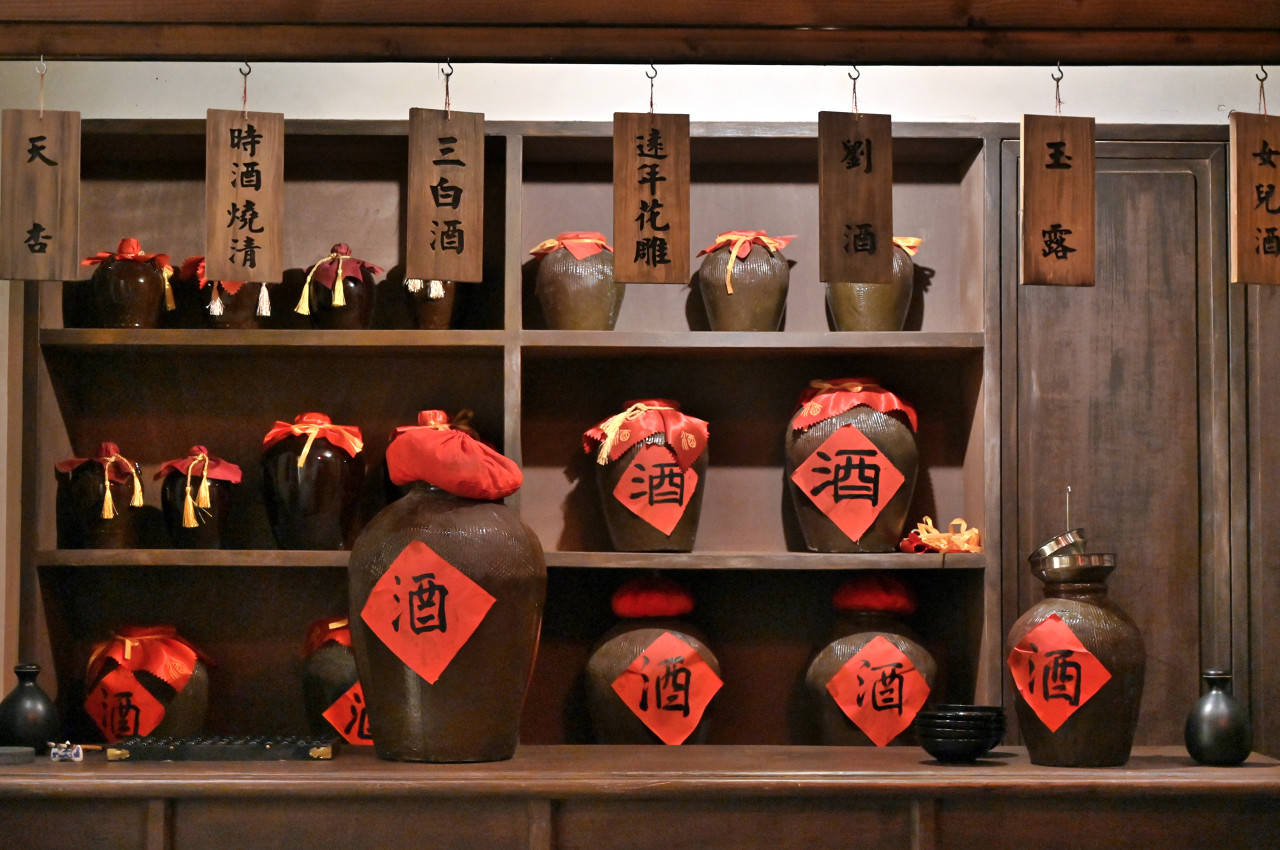
Group 1 - The recent trend on social media claims that alcoholic beverages can alleviate menstrual pain, with products marketed as "female wellness drinks" gaining popularity [1] - Medical professionals, including Dr. Sun Yanli from Nanjing Maternal and Child Health Hospital, emphasize that there is no scientific basis for using alcohol to regulate menstruation or relieve menstrual pain, especially for those with underlying conditions like endometriosis [1][2] - The herbal ingredients in these alcoholic products, such as Angelica, Astragalus, Clove, and Cinnamon, may provide temporary relief for certain women, but the alcohol content is the primary component, and the herbal dosage is insufficient for medicinal effects [1] Group 2 - For primary dysmenorrhea caused by underlying diseases, the treatment principle is to address the primary condition rather than relying on temporary pain relief [2] - Recommendations for managing menstrual pain include maintaining a regular routine, balanced diet, reducing caffeine and salt intake, engaging in outdoor aerobic exercise, and using heat therapy [2] - Severe menstrual pain that impacts daily life should prompt medical consultation to rule out serious conditions like endometriosis or adenomyosis, rather than relying on home remedies [2]