
混合式人工智能

Search documents
《财富》选出中国"最会赚钱"的10家公司 联想集团跻身Top 5
Ge Long Hui· 2025-07-31 06:00
Core Insights - The latest Fortune Global 500 list highlights Lenovo Group's impressive performance, ranking it among the top 5 companies in China for Return on Equity (ROE), showcasing its robust strength as a technology giant and providing important reference for investors [1][2] Group 1: ROE Significance - ROE is a key indicator of a company's profitability, calculated by dividing net profit by average net assets, reflecting the efficiency of generating profits for shareholders [1] - High ROE typically indicates strong profitability and efficient capital management, while low ROE may suggest operational inefficiencies or competitive pressures [1] - Warren Buffett emphasizes the importance of ROE, stating that it reveals how well a company optimizes its capital structure and can accelerate growth through reinvestment [1][2] Group 2: Global ROE Rankings - Cencora leads the global ROE rankings with over 233%, followed by Home Depot at approximately 223%, with Apple and AbbVie in third and fourth place respectively [2] - Pinduoduo ranks 25th globally with over 36% ROE, being the only Chinese company in the top 50 [2] - Other notable Chinese companies in the top 10 for ROE include TSMC, Quanta Computer, Zijin Mining, Lenovo, BYD, Meituan, CATL, Tencent, and Chery [2] Group 3: Lenovo's Performance - Lenovo Group ranks 196th in the 2025 Fortune Global 500, a significant improvement of 52 places from the previous year, marking its highest ranking in three years [3] - The company's revenue reached 498.5 billion RMB, achieving a strong year-on-year growth of 21%, with all global regions reporting double-digit growth [3] - Lenovo's rise is attributed to its strong performance in the 2024/25 fiscal year and its commitment to innovation, particularly in AI and high-performance computing [3]

联想王光熙:CVC是突破“创新者窘境”的关键途径
创业邦· 2025-07-09 03:05
Core Insights - The emergence of silicon-based intelligence is creating numerous new opportunities, with expectations for significant developments in spatial intelligence models and embodied intelligence in the next two to three years, and the potential for AGI to transform various industries over the next decade [1][5][6] - The world has entered an era of super technological engineering, where rapid technological innovation is expected to bring disruptive changes, necessitating continuous adaptation and learning within the industry [1][9] - Corporate Venture Capital (CVC) has become a core competitive advantage for large tech companies, facilitating the alignment of investment activities with corporate ecosystems and addressing the "innovator's dilemma" [1][13][14] Group 1: Trends and Opportunities - The current focus is on the explosive growth of silicon-based intelligence, which is seen as a major variable in the investment landscape, with a strong emphasis on AI and related technologies [3][5] - The next five years are anticipated to witness dynamic changes in the silicon brain sector, with significant advancements expected in AI applications and human-machine collaboration [5][6] - The importance of foundational infrastructure, including computing power and energy, is highlighted as critical for the evolution of AI technologies [6] Group 2: Investment Strategy - Lenovo Capital has been dedicated to early-stage technology investments since its inception in 2016, aiming to expand the intersection between its existing business and investment activities [4][14] - The investment strategy includes a focus on the entire IT and TMT industry, seeking to identify promising early-stage tech startups while fostering innovation within the corporate ecosystem [4][5] - The company has invested in over 200 firms, with a significant portion recognized as specialized and innovative, indicating a strong commitment to nurturing new productive forces in technology [14][15] Group 3: Ecosystem Collaboration - The company emphasizes the value of interaction between young entrepreneurs and corporate executives, fostering an environment for innovative ideas and strategic transformations [1][15] - Various ecosystem initiatives, such as the "Star Plan," "Light Plan," and "Fire Seed Plan," have been established to support startups through funding, R&D collaboration, and product development [15][16] - Successful case studies, such as the collaboration with Titan Technology, demonstrate the potential for cross-industry innovation and the transformation of startups into key suppliers [16][17] Group 4: Future Outlook - The CVC model is increasingly recognized as a vital component of corporate strategy, with expectations for continued growth and influence in the tech investment landscape [18] - The integration of CVC into corporate ecosystems is projected to enhance the ability to identify and support technological innovations, contributing to the overall advancement of the industry [18]


联想等发起AI善治联合体 “人本智能倡议”,百度、MiniMax等加入
Xin Lang Ke Ji· 2025-07-02 12:17
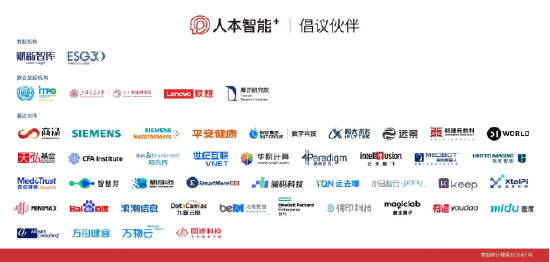
Core Insights - The 2025 Global Digital Economy Conference opened in Beijing, featuring the expansion of the "Human-Centric AI Development and Governance Initiative," which now includes nearly 50 member organizations from various sectors of AI technology and applications [2] Group 1: Initiative and Membership - The "Human-Centric AI Initiative" was jointly launched by several organizations, including Caixin Think Tank and Lenovo Group, in November last year, focusing on technology research, application implementation, and ethical governance [2] - New members of the initiative include major tech companies such as Baidu, MiniMax, Inspur, and Siemens (China), covering key areas like large models, embodied intelligence, and AI healthcare [2] Group 2: AI Development Perspectives - Lenovo's Vice President emphasized the need for hybrid AI development to empower various industries and enhance global competitiveness in the digital economy [3] - The development of hybrid enterprise intelligence relies on upgrading intelligent computing infrastructure and fostering an open application ecosystem [4] Group 3: AI Applications and Innovations - Lenovo has launched personal and enterprise super intelligent agents, such as the Lenovo Tianxi personal super intelligent agent and the "Lenovo Enjoy" enterprise super intelligent agent, aimed at improving quality of life and productivity [4] - The company is also working on city-level super intelligent agents for smart governance in locations like Yichang and Wuyishan [4] Group 4: Standards and International Initiatives - Lenovo has contributed to the publication of the report "Human-Centric AI: Technology Development Perspectives in the Era of Human-Machine Symbiosis" and has participated in establishing international AI standards [5] - In the 2024/25 fiscal year, Lenovo signed three major international initiatives, including the EU's "AI Pact" and UNESCO's ethical AI statement [5]
“人本智能倡议”成员单位扩容 联想集团携手百度、MiniMax等共探AI善治新业态
Zhong Guo Jin Rong Xin Xi Wang· 2025-07-02 11:51
Core Viewpoint - The "Human-Centric AI Development and Governance Initiative" has expanded its membership, now including nearly 50 organizations, aiming to enhance the global competitiveness of China's digital economy through collaborative innovation in AI technology and applications [1][2]. Group 1: Initiative Overview - The initiative was launched in November last year by several organizations, including Caixin Think Tank and Tencent Research Institute, focusing on the entire chain from technology research and application to ethical governance [1]. - New members include major tech companies such as Baidu, Siemens (China), and NetEase Youdao, covering key areas like large models, embodied intelligence, and AI healthcare [1]. Group 2: AI Development and Governance - The relationship between AI development and governance is not one of opposition but rather a guiding framework to determine the appropriate applications of technology [2]. - The importance of international policy coordination and establishing logical norms to ensure AI serves humanity and enhances productivity is emphasized [2]. Group 3: Mixed AI Development - The development of mixed AI requires advancements in both hardware (e.g., AI PCs, AI smartphones) and software (e.g., AI Agent applications) [3]. - Focusing on the cultivation and application of super-intelligent agents is seen as a critical step in improving quality of life and productivity [3]. Group 4: Future Outlook - The growth of the "Human-Centric AI Initiative" is expected to shift AI governance from value principles to practical implementation, promoting proactive leadership and collaborative innovation [3].


联想集团副总裁王会文:当前人工智能远未达到真正的普及普惠
Mei Ri Jing Ji Xin Wen· 2025-07-02 09:19
Group 1 - The core viewpoint is that the current wave of artificial intelligence (AI) is not a fleeting trend or a bubble, but requires a clear technological path for widespread adoption and the development of hybrid AI applications [1][2] - Wang Huiwen emphasizes the limitations of public large models due to factors like network speed, cloud efficiency, cost considerations, and energy consumption, highlighting the need for a hybrid approach that combines public and private intelligence [1] - Hybrid personal intelligence involves deploying models on personal devices or edge devices, creating personal intelligent agents that work across various devices, while hybrid enterprise intelligence focuses on deploying models in private clouds or local data centers to meet specific business needs [1] Group 2 - AI is increasingly integrated into daily life but has not yet achieved true universality; future development should prioritize human-centered and benevolent values to ensure benefits for all [2] - Encouraging technology companies to expand globally and develop collaborative innovation networks is essential for enhancing China's global competitiveness in the digital economy [2]
9点1氪|哪吒汽车员工称已两个月没去公司上班;教育厅回应那尔那茜定向委培事件,暂没有调查结果;《捞女游戏》制作人B站账号被封
3 6 Ke· 2025-06-21 01:11
Group 1 - PPLabs Technology Limited has submitted a listing application to the Hong Kong Stock Exchange, with joint sponsors being ICBC International and Shenwan Hongyuan Hong Kong [1] - Lingyun Guang's subsidiary, Changguang Chenshin, has applied for an initial public offering (IPO) of H-shares on the Hong Kong Stock Exchange, focusing on high-performance CMOS image sensors [2] - Neta Auto employees have been working from home for two months due to salary issues, and the company has been involved in bankruptcy proceedings with a total execution amount exceeding 158 million yuan [3] Group 2 - Foxconn is entering core component manufacturing in India by producing iPhone metal frames, strengthening its position in Apple's manufacturing strategy in the region [7][8] - Suining Yigou is selling four Carrefour subsidiaries for a total of 4 yuan as part of its strategy to focus on core home appliance business and reduce debt [10][11] - Baidu's autonomous taxi subsidiary, Luobo Kuaipao, plans to enter the Southeast Asian market by the end of 2025, focusing on Singapore and Malaysia [12] Group 3 - The largest diamond exchange in Israel was damaged by Iranian missile strikes, potentially impacting the Israeli diamond industry [13][14] - Pop Mart has established a film studio to enhance its IP content, aiming to improve profitability through richer storytelling [15] - A report indicates that AI-generated code is increasing rapidly, with 42% of code being AI-generated, raising concerns about the adequacy of human code review [16]

联想集团(0992.HK):营收持续高增 混合式人工智能加速落地
Ge Long Hui· 2025-06-06 02:19
Group 1 - The company achieved a revenue of $17 billion in FY25Q4, representing a year-on-year growth of 23%, with all main business segments showing double-digit growth [2] - The non-personal computer business revenue increased its share to 47% of total revenue, indicating a shift in the company's focus [2] - The IDG segment generated $11.8 billion in revenue, growing 13% year-on-year, while ISG revenue surged by 63% to $4.1 billion, and SSG revenue rose by 18% to $2.2 billion [2] Group 2 - The ISG business turned profitable for two consecutive quarters, driven by both traditional and AI computing, with cloud infrastructure revenue exceeding $10 billion, up 92% year-on-year [3] - The SSG segment achieved an operating profit of $1.8 billion, a 15% increase year-on-year, benefiting from digital workplace solutions and hybrid cloud services [3] - The company is optimistic about the strong demand for hybrid AI, which is expected to continue driving growth in solutions and services [3] Group 3 - The company adjusted its revenue forecasts for FY2026E to FY2028E to $75.1 billion, $79.7 billion, and $83.7 billion respectively, reflecting an increase from previous estimates [1] - Corresponding adjusted net profits for FY2026E to FY2028E are projected at $1.58 billion, $1.94 billion, and $2.35 billion [1] - The target price for Lenovo Group's Hong Kong stock is revised to HKD 14.7, maintaining a "Buy" rating based on a FY2026 PE of 15X [1]
联想集团(00992):FY25Q4业绩点评:营收持续高增,混合式人工智能加速落地
GUOTAI HAITONG SECURITIES· 2025-06-04 06:45
Investment Rating - The investment rating for Lenovo Group is "Buy" [5] Core Insights - Lenovo Group continues to experience high revenue growth, with all main business segments showing double-digit year-on-year growth. The demand for hybrid artificial intelligence is expected to accelerate the company's growth [2][5] - In FY25 Q4, Lenovo achieved revenue of $17 billion, a year-on-year increase of 23%. The operating profit was $331 million, down 32% year-on-year, while the net profit attributable to shareholders was $90 million, down 64% year-on-year [5] - The company has adjusted its revenue forecasts for FY2026E-FY2028E to $75.1 billion, $79.7 billion, and $83.7 billion, respectively, with corresponding net profits of $1.58 billion, $1.94 billion, and $2.35 billion [5][7] Financial Summary - Revenue for FY2025 is projected at $69,077 million, with a year-on-year growth of 21.5%. The gross profit is expected to be $11,098 million, and the net profit attributable to shareholders is projected at $1,384 million, reflecting a year-on-year growth of 37% [4][9] - The company’s PE ratio for FY2026 is adjusted to 15x, with a target price for Lenovo's stock set at HKD 14.7 [5][7] - The revenue breakdown shows that the IDG segment generated $11.8 billion, ISG generated $4.1 billion, and SSG generated $2.2 billion in FY25 Q4, with respective year-on-year growth rates of 13%, 63%, and 18% [5][9] Business Segment Performance - The IDG business continues to lead, with an AI PC penetration rate increasing. Lenovo holds a market share of 23.7% in the personal computer segment, leading the second competitor by 3.6 percentage points [5] - The ISG business has turned profitable for two consecutive quarters, benefiting from both traditional and AI computing. The cloud infrastructure business revenue exceeded $10 billion, with a year-on-year increase of 92% [5][9] - The SSG business achieved an operating profit of $1.8 billion, up 15% year-on-year, driven by digital workplace solutions and hybrid cloud services [5]
联想集团(0992.HK)FY2025年报点评:基本业务营运表现强劲 全速推进混合式人工智能落地
Ge Long Hui· 2025-05-28 18:12
Core Viewpoint - Lenovo Group reported strong financial performance for FY2025, with significant revenue and profit growth, despite a decline in net profit in Q4 due to non-cash losses from warrants [1] Group 1: Financial Performance - For FY2025, Lenovo achieved revenue of approximately $69.077 billion, a year-on-year increase of 21.41%, and a net profit of approximately $1.384 billion, up 37.01% [1] - In FY2025 Q4, the company reported revenue of approximately $16.984 billion, a year-on-year increase of 22.50%, but a quarter-on-quarter decrease of 9.64%; net profit was approximately $90 million, down 63.72% due to non-cash warrant losses [1] - Excluding non-cash expenses, the non-HKFRS net profit for Q4 was approximately $278 million, reflecting a year-on-year increase of 25% [1] Group 2: Intelligent Devices Group (IDG) - The IDG segment generated revenue of $51 billion for FY2025, a 13% increase, with an operating profit margin of 7.2%, leading the industry [2] - In FY2025 Q4, IDG revenue was approximately $11.814 billion, also a 13% year-on-year increase, with an operating profit margin of approximately 6.8% [2] - Lenovo's global PC market share increased by 1 percentage point to 24% [2] Group 3: Infrastructure Solutions Group (ISG) - The ISG segment achieved revenue of $15 billion for FY2025, a significant year-on-year increase of 63%, and turned profitable in the second half of the fiscal year [2] - In FY2025 Q4, ISG revenue was approximately $4.12 billion, with a year-on-year growth of 63% and an operating profit margin of approximately 0.1% [2] - The ODM+ model contributed to strong growth in cloud service provider business and balanced growth in sales and profits for small and medium-sized enterprises [2] Group 4: Solutions and Services Group (SSG) - The SSG segment reported revenue of approximately $8.5 billion for FY2025, a 13% increase, with operating profit reaching a record high of $1.8 billion, up 15% [3] - In FY2025 Q4, SSG revenue was approximately $2.15 billion, reflecting an 18% year-on-year increase, with an operating profit margin of 22.7% [3] - The growth in support service orders was driven by improved user experience and the success of digital workplace solutions and hybrid cloud services [3] Group 5: Future Outlook - Revenue forecasts for FY2026 to FY2028 are projected at $76.37 billion, $82.73 billion, and $87.21 billion, respectively, with non-HKFRS net profits of $1.601 billion, $1.874 billion, and $2.218 billion [4] - The company maintains a "buy" rating, anticipating performance improvement driven by the accelerated integration of AI features across various devices [4]
联想集团(00992):FY2025年报点评:基本业务营运表现强劲,全速推进混合式人工智能落地
Guohai Securities· 2025-05-27 06:05
Investment Rating - The report maintains a "Buy" rating for Lenovo Group (0992.HK) [1] Core Insights - Lenovo Group's basic business operations are strong, with all main business segments achieving double-digit year-on-year growth in FY2025, and a net profit increase of 37% [6][9] - The company is accelerating the implementation of hybrid artificial intelligence, which is expected to enhance overall performance and market competitiveness [9] Summary by Sections Recent Performance - For FY2025, Lenovo Group reported revenue of approximately $69.077 billion, a year-on-year increase of 21.41%, and a net profit of approximately $1.384 billion, up 37.01% [5][6] - In FY2025Q4, revenue was about $16.984 billion, showing a year-on-year growth of 22.50%, but a quarter-on-quarter decrease of 9.64% [5][6] Business Segments - **Intelligent Devices Group (IDG)**: Achieved revenue of $51 billion in FY2025, a 13% increase, with an operating profit margin of 7.2%, leading the industry [6][7] - **Infrastructure Solutions Group (ISG)**: Revenue reached $15 billion, a significant 63% increase, with the second half of the fiscal year turning profitable [7] - **Solutions and Services Group (SSG)**: Generated revenue of approximately $8.5 billion, a 13% increase, with operating profit reaching a record high of $1.8 billion, up 15% [7] Financial Projections - Revenue forecasts for FY2026 to FY2028 are $76.370 billion, $82.733 billion, and $87.208 billion respectively, with non-HKFRS net profits projected at $1.601 billion, $1.874 billion, and $2.218 billion [9][10] - The report anticipates a gradual improvement in performance as AI functionalities penetrate the PC and mobile markets [9]