
新型电力系统

Search documents
周乃翔在调研电力供应保障时强调 加快构建新型电力系统 夯实现代化强省建设电力支撑
Da Zhong Ri Bao· 2025-09-17 00:59
Core Insights - The provincial government emphasizes the importance of energy security and the transition to a green, low-carbon economy, aiming to ensure stable electricity supply for modern provincial development [1][2] Group 1: Energy Security and Supply - The provincial government highlights that energy and electricity are fundamental for the stable operation of the economy and society [2] - The State Grid Shandong Electric Power Company is recognized for its efforts in ensuring grid safety and stable electricity supply, contributing positively to the province's economic and social development [2] - There is a call for the company to enhance its supply assurance and service quality while taking on greater responsibility in promoting green and high-quality development [2] Group 2: Green and Low-Carbon Transition - The government urges the acceleration of the green and low-carbon transformation of energy, fostering strategic emerging industries in the electricity sector [2] - There is a focus on optimizing the business environment for electricity, improving the "access to electricity" service level, and ensuring that various electricity-related policies benefit enterprises effectively [2] Group 3: Infrastructure and Safety - The government stresses the importance of improving electricity infrastructure, including the enhancement of rural power networks and urban non-grid supply facilities [2] - There is a directive to strengthen safety in electricity production and to analyze the balance of electricity supply and demand, ensuring the safety of grid operations [2] - The government plans to elevate grid planning standards and develop the "14th Five-Year Plan," coordinating the development of power sources, new energy, and conventional power [2]
又一“超级工程”,来了!
中国基金报· 2025-09-16 09:29
Core Viewpoint - The construction of the Zang-Guangdong DC project marks the initiation of the world's strongest flexible DC transmission project, which will deliver over 43 billion kilowatt-hours of clean energy annually to the Guangdong-Hong Kong-Macao Greater Bay Area after its full operation in 2029 [2][3]. Group 1: Project Overview - The Zang-Guangdong DC project is a key cross-province transmission project under China's 14th Five-Year Plan, with a total length of approximately 2,681 kilometers and a transmission capacity of 10 million kilowatts [2][3]. - The project is expected to replace approximately 12 million tons of standard coal consumption and reduce carbon dioxide emissions by about 33 million tons annually [2][3]. Group 2: Investment and Economic Impact - The total investment for the Zang-Guangdong DC project is approximately 53.2 billion yuan, with an additional investment of over 150 billion yuan for the supporting "water-wind-solar integrated" power generation base [3]. - The project is anticipated to create over 100,000 direct jobs during peak construction, significantly promoting the economic and social development of Tibet [3]. Group 3: Technological Challenges and Innovations - The project faces significant challenges, including the development of new technologies for ultra-high altitude DC transmission and the integration of 20 million kilowatts of renewable energy into a weak grid [4][5]. - The project aims to establish a new model for energy production and consumption, contributing to China's dual carbon goals through high-level technological self-reliance and innovation [4][5]. Group 4: Collaborative Efforts - The Zang-Guangdong DC project is a collaboration between China Southern Power Grid Co., Ltd. and State Grid Corporation of China, marking another significant clean energy transmission project following previous successful collaborations [5]. - The project will leverage advanced technologies and equipment, including high-power semiconductor devices and digital twin technology, to enhance operational efficiency and reduce maintenance needs in remote areas [5].


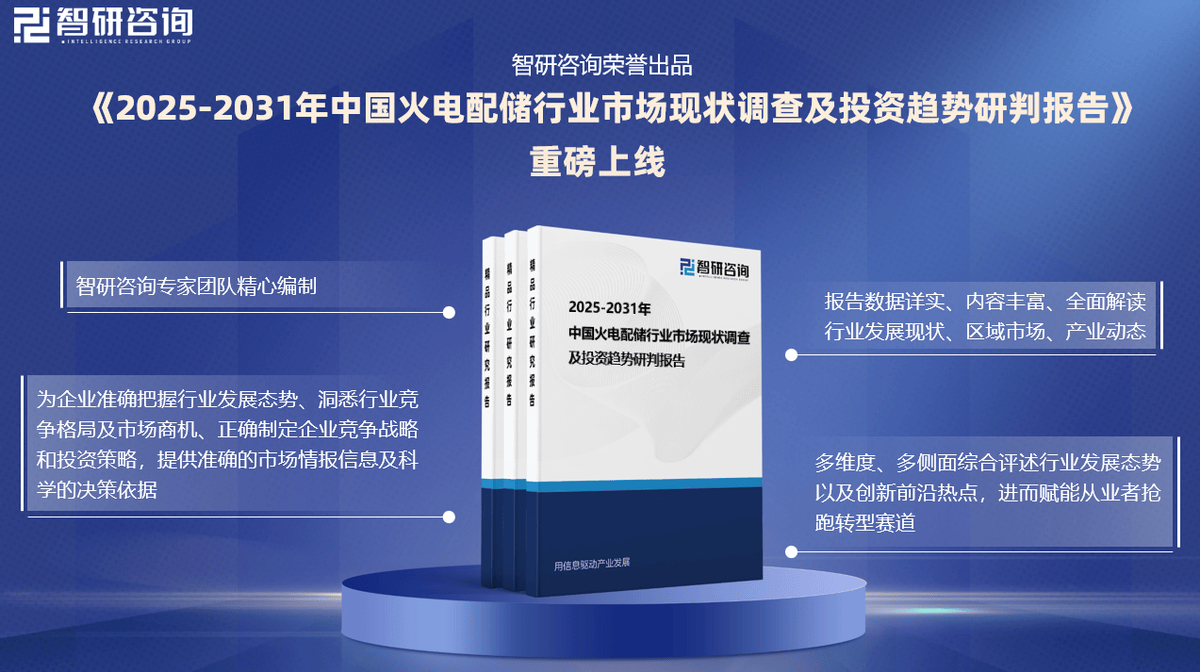
智研咨询—2025年中国火电配储行业市场全景调查及投资策略研究报告
Sou Hu Cai Jing· 2025-09-16 07:57
Core Insights - The report highlights the increasing demand for flexible resources in the power system due to the growing scale of new energy installations, with coal-fired power plants enhancing their regulation capabilities through energy storage systems [1][3] - The report indicates that coal-fired power plants with energy storage only account for 1.9% of the new energy storage installed capacity in 2024, with a cumulative installed capacity of 1.4 million kilowatts [1][3] - The report emphasizes the high utilization rate of coal-fired power plants with energy storage, with an average annual equivalent charge and discharge frequency of 897 times in 2024, which is a decrease of approximately 118 times from 2023 [1][3] Industry Overview - Background: Coal-fired power has been dominant in China's power sector, with an installed capacity of 1.487 billion kilowatts, accounting for 40.5% as of July 2025. The sector faces pressure for low-carbon transformation while ensuring energy security [3] - Market Status: New energy storage is rapidly developing, with an installed capacity exceeding 70 million kilowatts in 2024, reaching a total of 73.76 million kilowatts by the end of the year [3] - Installed Capacity: The report notes that the installed capacity of coal-fired power plants with energy storage is limited, with only 1.9% of the new energy storage capacity attributed to this segment [1][3] Project Developments - As of the end of 2024, there are 34 coal-fired power plants with energy storage that have been operational for over a year, with capacities ranging from 5 MW to 100 MW. Several projects are set to be implemented in 2025, including various frequency regulation storage projects [4][1] Policy Support - The report outlines that the government has been actively promoting the development of new energy storage as a crucial technology for achieving carbon neutrality goals. Policies have been established to encourage the integration of energy storage with coal-fired power plants [7][8]
电池板块震荡上行,相关产品受关注,储能电池ETF(159566)全天获6100万份净申购
Sou Hu Cai Jing· 2025-09-15 12:29
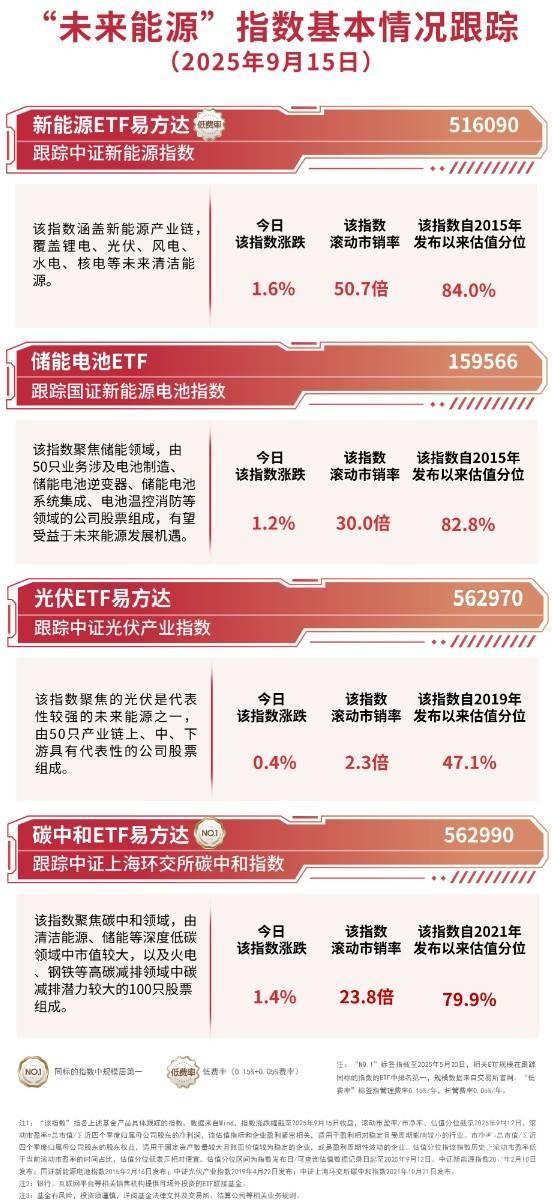
Group 1 - The core viewpoint of the article highlights the positive performance of various indices related to new energy and carbon neutrality, indicating a growing interest and investment in these sectors [1]. - The China Securities Index for new energy rose by 1.6%, while the Shanghai Carbon Neutrality Index increased by 1.4%, the National New Energy Battery Index by 1.2%, and the Photovoltaic Industry Index by 0.4% [1]. - The Energy Storage Battery ETF (159566) saw a net subscription of 61 million units throughout the day, reflecting strong investor interest [1]. Group 2 - According to Guosen Securities, the domestic energy storage system bidding capacity reached 47.2 GWh in August, showing rapid growth both year-on-year and month-on-month [1]. - The high order demand for domestic energy storage systems this year indicates a strong need for energy storage in the construction of new power systems, laying a foundation for stable development in the domestic energy storage market over the next two years [1].
1.3亿千瓦负荷下的“无感”度夏,山东交出迎峰度夏优异答卷
Qi Lu Wan Bao· 2025-09-15 09:31
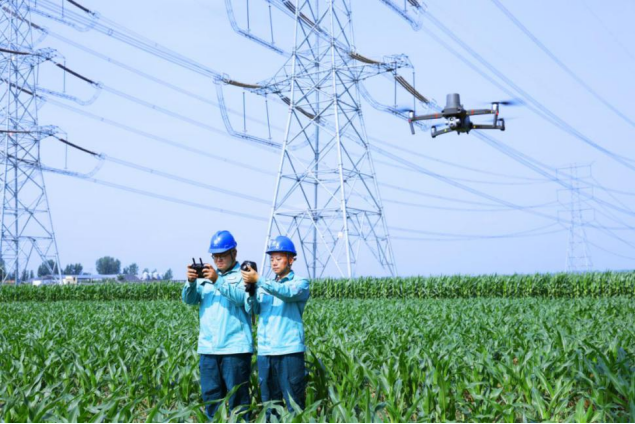
Core Insights - Shandong's power grid has faced extreme challenges this summer, with electricity load reaching a record high of 130.21 million kilowatts, reflecting the broader national trend of increasing electricity demand due to high temperatures [1][2] Group 1: Power Supply and Demand Management - The "three pillars" of power supply in Shandong—new energy, external electricity, and conventional power—have effectively collaborated to manage the peak load of 130 million kilowatts [2][5] - Shandong's new energy output and grid load have both reached new highs, with external electricity imports exceeding 30 million kilowatts for the first time, marking a 24% year-on-year increase [2][4] - The implementation of a "double zero" management strategy for thermal power units has expanded to 600,000 kilowatts, ensuring reliable power supply during peak times [5] Group 2: Infrastructure and Technological Advancements - The construction of a world-class UHV (Ultra High Voltage) grid has been accelerated, with the completion of the first "wind-solar-fire-storage integrated" UHV project in the country [6][7] - The accuracy of load forecasting reached 99.4%, and new energy forecasting accuracy was 98.4%, both showing a year-on-year improvement of 1.5 percentage points [6] - The use of advanced technologies, such as drones for inspections and intelligent predictive models, has enhanced the reliability and responsiveness of the power grid [6] Group 3: Innovative Energy Solutions - New energy storage systems and virtual power plants have played a crucial role in balancing supply and demand, with Shandong establishing 33 virtual power plants with a total capacity of 4.682 million kilowatts [10][11] - During peak demand, 144 new energy storage stations discharged a maximum power of 8.0359 million kilowatts, setting a new record for provincial grid energy storage discharge [11] - The integration of electric vehicles as "mobile power banks" through charging stations has further contributed to the flexibility of the energy supply [11] Group 4: Future Developments - The establishment of the Shandong New Power System Research Center marks a new phase in the development of innovative power systems, aiming to create more national-leading examples of new power system construction [12]
甘肃新能源新增装机破1000万千瓦
Zhong Guo Dian Li Bao· 2025-09-15 08:10
Core Insights - Gansu Province has seen a significant increase in new energy installations, surpassing 10 million kilowatts, reaching 10.2664 million kilowatts as of August [1] - The province's energy resources are abundant, with wind energy potential at 560 million kilowatts and solar energy potential at 9.5 billion kilowatts, ranking fourth and fifth nationally respectively [1] Energy Development - Wind power accounts for 5.5454 million kilowatts, solar power for 4.703 million kilowatts, and biomass power for 0.018 million kilowatts of the new installations [1] - As of August, the total installed capacity in Gansu Province is 115 million kilowatts, representing a year-on-year growth of 21.8% [1] - New energy installations reached 74.6323 million kilowatts, with a year-on-year increase of 25.51%, making up 65.17% of the total installed capacity [1] Energy Generation - New energy generation reached 66.035 billion kilowatt-hours, showing a year-on-year growth of 16.42% [1] - The share of new energy generation in the total energy output is 39.64%, an increase of 2.58 percentage points year-on-year [1] Infrastructure Development - Gansu is actively promoting the construction of a new power system and energy framework, accelerating the development of external power transmission channels [1] - The province has established two ultra-high voltage direct current lines and is progressing with the construction of additional transmission projects [1] - Gansu has created the first officially operating high-proportion new energy provincial spot market in the country and the first power spot market in the Northwest region [1]
电力政策专家分析会议
2025-09-15 01:49
Summary of Key Points from the Conference Call Industry Overview - The conference call focused on the **electric power industry** in China, particularly regarding the recent policies released by the National Energy Administration and the National Development and Reform Commission aimed at promoting market-oriented electricity systems and new energy systems [1][2][3]. Core Insights and Arguments - **Policy Initiatives**: The government has introduced several policies, including the establishment of an electricity spot market, near-consumption of new energy projects, and large-scale construction of new energy storage systems. These policies are seen as a continuation of previous initiatives rather than standalone measures [1][2][3]. - **New Energy System Characteristics**: The new energy system is centered around load, emphasizing interaction between sources and networks. It is characterized by being clean, low-carbon, safe, abundant, economically efficient, and flexible [6][8]. - **Near-Consumption Pricing Mechanism**: This mechanism applies not only to distributed photovoltaic projects but also to large wind power bidding projects, encouraging the use of cheap and clean new energy to meet demand [7][8]. - **Market Mechanisms for Profitability**: The government aims to ensure profitability for all parties involved through market mechanisms, including capacity pricing policies and the encouragement of emerging business entities [10][13]. - **Emerging Business Entities**: New business models such as green electricity direct connection and zero-carbon parks are encouraged, but these entities must also bear costs such as transmission and distribution fees [5][13]. Important but Overlooked Content - **Storage's Role in New Energy**: Storage plays a crucial role in the new energy market, allowing for the storage of energy during low-price periods and selling it during high-price periods, thus enhancing overall profitability [19][20]. - **Projected Growth of Storage Capacity**: By the end of 2024, the total installed capacity of new storage is expected to reach 74 GW, increasing to 180 GW by the end of 2027, indicating a significant growth trajectory [18][22]. - **Challenges in Large-Scale Projects**: The development of large-scale renewable energy bases in regions like Northwest China faces challenges such as slow construction of ultra-high voltage transmission lines and insufficient power delivery capacity [47][49]. - **Impact of Spot Market on Profitability**: The establishment of the electricity spot market is expected to significantly influence the profitability of power generation and consumption entities, with an increasing demand for auxiliary services as renewable energy penetration rises [50]. Conclusion The conference highlighted the ongoing transformation in China's electric power industry, driven by new policies aimed at enhancing market efficiency and promoting renewable energy. The emphasis on storage solutions and the establishment of a spot market are critical for the future profitability and stability of the energy sector.
绿色和平组织-煤电行业迈向“十五五”煤电何去何从:转型路径与多元机制研究-250914
Xin Lang Cai Jing· 2025-09-14 04:33
Group 1 - The core viewpoint emphasizes the significant role of the electricity sector in China's "dual carbon" goals during the 14th Five-Year Plan, highlighting the need for transformation and enhancement of power supply reliability and system flexibility [1] - By mid-2025, China's installed capacity of wind and solar power is expected to reach 1.67 billion kilowatts, surpassing the historical scale of 1.47 billion kilowatts of thermal power, indicating a substantial shift towards renewable energy [1] - The rapid growth in installed capacity has led to a significant increase in power generation, with a total of 247 billion kilowatt-hours added in the first half of 2025, exceeding the overall increase in electricity consumption [1] Group 2 - The explosive growth of renewable energy has created a mismatch with the existing power system, leading to structural adaptation gaps that need to be addressed [2] - The average utilization rates for wind and solar power dropped to 93.2% and 94% respectively in the first half of 2025, reflecting the challenges in accommodating the rapid deployment of renewable energy [2] - Coal power remains a key flexible resource in the current power system, and its transformation will be crucial in bridging the adaptation gap for a high-proportion renewable energy system [2] Group 3 - The report utilizes a comprehensive resource strategic planning model to assess the low-carbon transition goals for China's electricity sector from 2025 to 2035, proposing four development scenarios for coal power [3] - The design of coal power transition pathways aims to align with national electricity supply and demand dynamics while supporting high-proportion renewable energy system regulation needs [3] - The report seeks to provide recommendations for the green low-carbon transition of the electricity system in the upcoming 15th Five-Year Plan, focusing on the dual carbon objectives [3]
三部门:推动电力装备行业稳增长
Sou Hu Cai Jing· 2025-09-12 23:28
Core Viewpoint - The "Power Equipment Industry Growth Stabilization Work Plan (2025-2026)" aims to maintain a steady growth rate of around 6% in traditional power equipment revenue and promote growth in renewable energy equipment revenue by 2026 [1] Group 1: Industry Growth Targets - The plan sets a target for power generation equipment output to remain within a reasonable range, ensuring effective supply [1] - Key regions and enterprises are expected to enhance their driving role, with national advanced manufacturing clusters in the power equipment sector achieving an average revenue growth rate of around 7% [1] - Leading enterprises are projected to achieve an average revenue growth rate of 10% [1] Group 2: Key Initiatives - Improve equipment supply quality through coordinated implementation of industrial foundation reconstruction and major technical equipment breakthroughs [2] - Expand domestic effective demand by stabilizing power equipment demand through major energy projects and promoting the orderly construction of offshore wind power [2] - Actively explore international markets and deepen cooperation in green infrastructure and new infrastructure sectors [2] Group 3: Supportive Measures - Strengthen financial and tax support, including tax incentives for R&D expenses and resource utilization [3] - Establish a coordination mechanism for steady growth involving key enterprises and industry associations to address growth challenges [3] - Enhance public awareness and policy guidance to improve the implementation and influence of policies [3]
四川明星电力股份有限公司关于与清华四川能源互联网研究院签订《合作协议》的公告
Shang Hai Zheng Quan Bao· 2025-09-12 18:48
Core Viewpoint - Sichuan Mingstar Power Co., Ltd. has signed a cooperation framework agreement with Tsinghua Sichuan Energy Internet Research Institute to enhance collaboration in energy technology and innovation [2][3][15] Group 1: Agreement Overview - The cooperation agreement is a framework agreement, and specific projects will be determined later, without requiring board or shareholder approval [2][3] - The agreement aims to establish a solid partnership based on mutual benefits, focusing on accelerating the transformation and application of scientific research results [6][15] - The agreement is effective for five years from the date of signing [13] Group 2: Cooperation Objectives - The collaboration aims to promote technological innovation in the power industry, particularly in new energy and artificial intelligence applications [7][11] - The agreement includes plans for upgrading the company's information management systems and optimizing business processes [7][12] - A joint technology innovation management committee will be established to oversee project decisions and coordination [8] Group 3: Responsibilities and Contributions - Tsinghua Sichuan Energy Internet Research Institute will provide consulting and technical services for digital transformation and technological innovation [11] - The company will allocate necessary resources and funding for research projects, while the institute will offer technical support and integrate university resources [9][10] - All intellectual property generated during the cooperation will be jointly owned or shared according to pre-agreed terms [10] Group 4: Impact on the Company - The agreement does not specify any financial commitments and its impact on the company's performance will depend on the execution of future projects [15] - The cooperation is expected to enhance the company's market competitiveness and align with its long-term development strategy [15]
