数字化供应链

Search documents
万辰集团管理层交接,助力量贩零食业务迈向业绩新高
Quan Jing Wang· 2025-07-25 12:32
Group 1 - The management transition at Wancheng Group has occurred, with Wang Jiankun resigning as chairman and Wang Liqing taking over, while Wang Zenning becomes the CEO [1] - Wancheng Group reported Q1 2025 revenue of 10.821 billion yuan and a net profit of 215 million yuan, marking a year-on-year increase of 3344.13%, with the snack business revenue reaching 10.688 billion yuan, up 127.65% [1] - The company has expanded its store count to over 15,000 across several provinces, establishing its "Haoxianglai" snack brand as a nationally recognized chain [1] Group 2 - Wancheng Group has established over 50 warehouses and a modern logistics system covering over 900,000 square meters, enhancing delivery efficiency under the "T+1" principle [2] - The company has introduced new product categories and diversified marketing strategies to strengthen consumer connections, including exclusive collaborations with popular IPs [2] - The ongoing national policies to boost domestic demand and consumption are expected to enhance market potential, with Wancheng Group's performance gaining recognition in the capital market [2] Group 3 - Industry analysts believe that under the new management, Wancheng Group is poised to continue unlocking retail business potential, driving stronger growth and creating greater value for consumers and investors [3]


“落地闪购”成旅行新方式,如何让“美”即刻抵达?
Guan Cha Zhe Wang· 2025-07-22 09:33
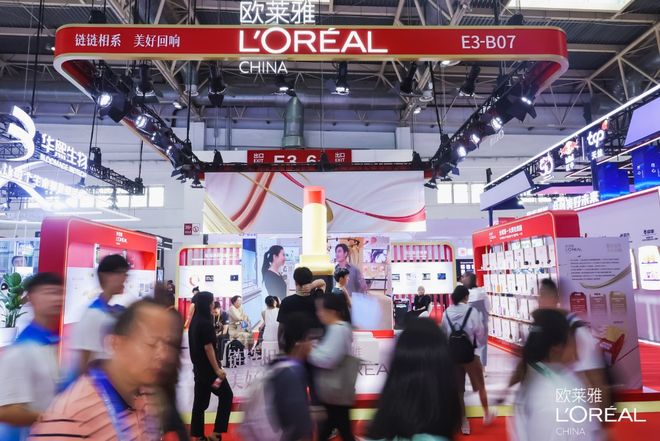
Group 1: Instant Retail Trends - The instant retail lifestyle has gained popularity among consumers, especially during travel, leading to increased sales of various products [1] - During the "May Day" holiday, sales of travel-related products saw significant growth: sunscreen orders increased by 145%, swimming goggles by 152%, women's swimsuits by 115%, outdoor items like picnic mats and tents by 140% and 120% respectively [1] Group 2: L'Oréal's Supply Chain Innovations - L'Oréal showcased its supply chain capabilities at the China International Supply Chain Promotion Expo, highlighting its ability to process over 7,000 consumer orders per hour [3] - The company ensures smooth delivery even during peak promotional periods, with 99% of direct mail packages delivered within an average of 2.4 days [3] - L'Oréal's supply chain agility is crucial for managing a vast array of products, with over 32 beauty brands and thousands of products generating a high volume of daily orders [3] Group 3: Digital Transformation in Cosmetics - L'Oréal announced an upgraded strategic partnership with the China Barcode Technology and Application Association to enhance the digital identity of beauty products [4] - The adoption of QR code technology is transforming operational efficiency in the cosmetics industry, reducing inventory turnover days and improving order delivery rates [4] - The implementation of unique digital identities for each cosmetic product allows for better traceability and quality improvements across the supply chain [4] Group 4: Expo Participation - The expo featured over 650 domestic and international exhibitors, with 35% being foreign participants, and a 15% increase in American exhibitors compared to the previous year [4] - More than 230 companies participated for the first time, showcasing over 100 new products [4]

2025年中国团餐行业研究报告
艾瑞咨询· 2025-07-21 08:25
Core Insights - The group meal industry is a crucial pillar of China's catering market, meeting the large-scale dining needs of enterprises, schools, and hospitals, directly impacting public service efficiency and food safety [1] - The industry is evolving towards intelligence, standardization, and intensification, driven by digital transformation and supply chain upgrades [1] - Leading companies are enhancing operational efficiency through the integration of central kitchens, cold chain logistics, and digital management systems [1] - The social value of the group meal industry is increasingly recognized, contributing to rural revitalization [1] Policy Drivers - The rural revitalization strategy encourages the integration of primary, secondary, and tertiary industries, allowing the group meal industry to penetrate rural areas through government collaboration [4][5] - Recent policies from the State Council and the Ministry of Agriculture promote rural industry development, focusing on agricultural product processing to enhance value and stability in the supply chain [5][6] Food Safety and Standardization - Food safety is a critical concern, with policies aimed at enhancing the quality and safety of the food supply chain [8][10] - Digital tools are being utilized to establish traceability systems in the supply chain, improving the competitive edge of leading group meal companies [8] Demand Drivers - High food consumption levels in China provide a stable daily consumption base for the group meal industry, with significant per capita consumption of grains, fruits, and protein products [13] - The online food delivery sector is thriving, with 590 million users expected by 2024, pushing group meal companies to upgrade their offerings [16] Capital and Investment Trends - The group meal industry is attracting capital, with significant funding directed towards projects integrating the three industries, digital supply chain construction, and cross-regional expansion [18][20] - Major funding uses include collaboration with local governments on infrastructure projects and enhancing digital capabilities [18] Technological Advancements - Leading social dining brands are adopting digital technologies, which can help group meal companies overcome data silos and improve operational efficiency [21] Market Dynamics - The group meal industry has transitioned from a "big canteen" model to a multi-model approach, with a focus on standardization and specialization [24] - The market is expected to grow steadily, with projections estimating a market size of approximately 2.7 trillion yuan by 2024 and over 3.5 trillion yuan by 2026 [30] Customer Segmentation - The primary customer segments for group meals include schools, hospitals, enterprises, and government institutions, each with distinct demand characteristics [33][35] - Schools account for approximately 52.7% of revenue in the group meal sector, with increasing demand from county-level primary and secondary schools [35] Operational Models - Three main operational models exist: the contracted entry model, collective meal distribution model, and platform model, each with unique revenue structures and operational efficiencies [39][41][43] - The collective meal distribution model is expected to gain traction, particularly in smaller institutions lacking fixed dining facilities [43][70] Profitability Challenges - The average profit margin in the group meal industry has decreased from 6.3% to 5.2%, indicating a shift towards a low-profit environment [48] - Factors contributing to this decline include increased competition, rising costs, and stricter regulatory requirements [48][50] Market Concentration - The concentration of the group meal market in China is relatively low compared to North America and Europe, with the top 100 companies holding only 6.7% of the market share [60][81] - Regional leaders are expected to leverage their supply chain advantages to enhance their competitive position [81] Emerging Opportunities - The county-level market is poised for growth, driven by urbanization and improved local infrastructure, creating new demand for group meals [73][74] - Innovative models like "central kitchen + satellite kitchen" are being explored to address food safety and delivery challenges in rural areas [77]

“链博首发站”为首秀搭台
Jing Ji Ri Bao· 2025-07-18 21:58
Group 1 - The "Chain Expo Launch Station" focuses on new products, technologies, processes, scenarios, ecosystems, and chains, showcasing breakthroughs and innovations in the global supply chain [1] - The core technology breakthroughs in key links are essential for strengthening and supplementing the supply chain, particularly in the context of increasing performance requirements for electric vehicle batteries [1] - Bettery New Materials Group introduced the BTR S+i graphite long-lasting anode material, which enhances electric vehicle range and battery life by 20% compared to conventional graphite batteries, with over 25% improvement in storage performance [1] Group 2 - BGI Group showcased a range of innovative products in life sciences, including a service that assesses immune aging status with just 5 milliliters of peripheral blood, emphasizing collaboration within the industry [2] - Major chain enterprises are working together to promote collaborative innovation in the supply chain, reflecting the open concept of the Chain Expo in fostering international standards and ecosystem collaboration [2] Group 3 - L'Oréal signed a strategic agreement with the China Barcode Technology and Application Association to advance the global promotion of cosmetic QR code standards, aiming to enhance supply chain efficiency and create a trust system for the cosmetics industry [3] Group 4 - McDonald's introduced the "One Box One Code" technology to streamline its supply chain, achieving a 30% efficiency increase and enhanced inventory visibility, while also expanding its digital capabilities to benefit its suppliers [4] - The Chain Expo serves as a platform for various industries to launch new products and innovations, contributing to the development and elevation of supply chains [4]
7月11日重要资讯一览
Zheng Quan Shi Bao Wang· 2025-07-11 13:38
New Stock Offerings - The new stock offerings include Jiyuan Group with an issuance price of 10.88 yuan per share and a subscription limit of 12,000 shares [1] - Shanda Electric Power has an issuance price of 14.66 yuan per share and a subscription limit of 10,000 shares [1] Regulatory Updates - The Ministry of Finance issued a notice on July 11 to enhance long-term assessments for state-owned commercial insurance companies, focusing on improving asset-liability management and investment capabilities [2] - The notice adjusts the weight of net asset return rates to 30% for annual indicators, 50% for three-year indicators, and 20% for five-year indicators [2] Index Compilation Changes - Shenzhen Stock Exchange announced revisions to the ChiNext Composite Index, including a monthly removal mechanism for stocks under risk warning and an ESG negative removal mechanism for stocks rated C or below [3] - These changes will take effect on July 25, 2025 [3] Healthcare Insurance Updates - The adjustment of the national basic medical insurance and commercial health insurance innovative drug directories began on July 11, focusing on high-innovation drugs that cannot be included in the basic directory [3] Industrial Policy Initiatives - The Ministry of Industry and Information Technology released work priorities for 2025, emphasizing the transformation of industrial chains and the development of high-standard digital parks [4] Trading Regulations - The Shanghai and Shenzhen Stock Exchanges issued guidelines for program trading reports for investors in the Stock Connect, effective January 12, 2026 [5] Self-Regulation in Securities Industry - The China Securities Association issued implementation opinions to enhance self-regulation and promote high-quality development in the securities industry [5] Financial Management Guidelines - The National Financial Regulatory Administration released guidelines on the appropriateness of financial institution products, emphasizing the need for comprehensive client information collection and sales personnel evaluation [5] Company Performance Highlights - Huaxi Securities expects a year-on-year net profit increase of 1025.19% to 1353.9% for the first half of the year [8] - Guolian Minsheng anticipates a year-on-year net profit increase of approximately 1183% [8] - Shuanglu Pharmaceutical projects a year-on-year net profit increase of 237.95% to 356.24% [8] - Yongding Co. expects a year-on-year net profit increase of 731% to 922% [8] - Yunnan Energy Holdings anticipates a net profit of 95 million to 120 million yuan, marking a turnaround from losses [8] - Several companies, including Lanke Technology and Yuntian Lifi, are planning to issue H-shares and list on the Hong Kong Stock Exchange [8]
工信部:支持一批有条件的地方开展数字化供应链贯标试点 加快建设高效、柔性、可控的数字化供应链体系
news flash· 2025-07-11 11:03
Group 1 - The Ministry of Industry and Information Technology (MIIT) has released the 2025 work priorities for the integration of informatization and industrialization, which includes five main areas and 17 specific items [1] - The initiative aims to guide the transformation and upgrading of industrial chains, focusing on high-quality development actions for key manufacturing industry chains [1] - The MIIT plans to initiate a world-class cluster cultivation project, promoting the construction of high-standard digital parks in key clusters and industrial parks [1] Group 2 - The MIIT will continue to implement the "Hundred Cities, Thousand Parks" initiative for integrated industrial internet development, accelerating the large-scale construction and application of new infrastructure in key parks [1] - A support program will be established for certain regions to conduct pilot projects for digital supply chain standardization, aiming to build an efficient, flexible, and controllable digital supply chain system [1]
叮咚买菜加码上游供应链 投资庆渔堂数字渔仓
Zheng Quan Shi Bao Wang· 2025-07-10 04:25
Core Insights - The "Common Prosperity Digital Fish Warehouse" has officially launched, marking the first digital aquaculture complex in China, operated by Qingyu Hall and strategically invested by Dingdong Maicai [1][2] - The digital fish warehouse integrates various functions including production, temporary storage, and sales, utilizing IoT and AI technologies to enhance efficiency and reduce environmental impact [2][3] Group 1: Company Overview - Qingyu Hall, established in 2016, is a leading digital aquaculture service provider in China, with services covering approximately 15,000 fishpond users and over 200,000 acres of aquaculture area in the Yangtze River Delta [1] - The digital fish warehouse is expected to scale up to over 5,000 pools by 2024, with projected business growth of nearly 200% over the next three years [1] Group 2: Technological Advancements - The digital fish warehouse employs a zero-emission low-carbon circulation system, utilizing IoT sensors for real-time monitoring of water quality and oxygen levels, combined with AI algorithms for precise environmental control [2] - The project will operate nearly 3,000 intelligent breeding barrels, cultivating various fish species including bass, grass carp, and golden crucian carp [2] Group 3: Market Dynamics - Traditional aquaculture methods are characterized by high labor and resource demands, inefficiency, and significant environmental pressure, leading to challenges in adapting to market needs [2] - The digital fish warehouse aims to address these issues by establishing a "sales-driven production" mechanism, shortening market response times, and alleviating sales difficulties for farmers [2] Group 4: Strategic Collaboration - Dingdong Maicai's Chief Product Officer emphasized the importance of technology in creating a closed-loop system that enhances the entire supply chain, from sales to upstream production [3] - The collaboration between Qingyu Hall and Dingdong Maicai aims to upgrade traditional fisheries through the integration of IoT, AI, and big data, promoting income growth for low-income households [3]

平台“补贴战” 火了新茶饮 多家茶饮品牌门店爆单股价飙升
Shen Zhen Shang Bao· 2025-07-09 16:34
Core Viewpoint - The recent "takeout subsidy war" initiated by Alibaba and Meituan has significantly boosted the new tea beverage consumption across the country, leading to a surge in stock prices of tea beverage companies in the Hong Kong market [1][2]. Group 1: Market Impact - The introduction of various no-threshold coupons such as "25 yuan off 21 yuan" and "25 yuan off 20 yuan" has ignited a consumption boom in new tea beverages [1]. - As of July 8, 2023, tea beverage stocks saw notable increases, with Cha Bai Dao rising by 5.82% to 11.28 HKD, Nayuki's Tea increasing by 2.53% to 1.62 HKD, and Gu Ming up by 0.36% to 27.7 HKD [1]. - The stock prices of tea beverage brands remained high, with Gu Ming rising by 2.17% to 28.30 HKD and Mi Xue Group increasing by 0.74% to 543.00 HKD as of July 9, 2023 [1]. Group 2: Operational Dynamics - Many tea beverage brands experienced a "surge in orders," with Nayuki reporting multiple stores facing "explosive order" situations, particularly in cities like Shenzhen [2]. - The "takeout war" has positioned tea and coffee consumption as major beneficiaries due to their high frequency, low average transaction value, and stable preparation processes [2]. - Supply chain efficiency has become a core competitive factor, with leading brands like Heytea and Cha Bai Dao leveraging digital supply chain technologies to reduce waste, while smaller brands struggle with technological capabilities [2].
聚龄零售WMS用户中免集团助力天津国际消费中心城市建设提质
Sou Hu Cai Jing· 2025-07-08 04:26
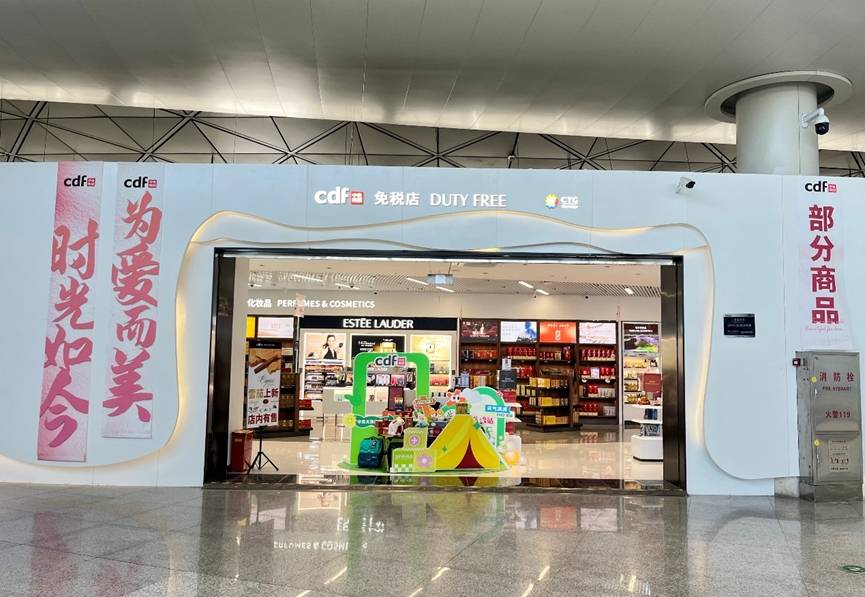
Group 1: China Duty Free Group - China Duty Free Group, established in 1984 and under China Tourism Group, is a leading global travel retailer with a dominant position in the Chinese duty-free market, leveraging its all-channel duty-free license and a significant market share in Hainan's offshore duty-free sales, expected to increase by 2 percentage points in 2024 [1] - The company collaborates with over 1,400 prestigious brands globally, including luxury names like Estée Lauder, Lancôme, COACH, Prada, and Gucci, as well as domestic giants like Moutai and Fenjiu [1] - The duty-free store at Tianjin Binhai International Airport has developed a comprehensive product matrix covering various personal consumer goods, continuously optimizing the shopping experience by introducing new product categories like sunglasses [1] Group 2: JuLing Supply Chain - JuLing Supply Chain is a leading domestic WMS (Warehouse Management System) provider, offering an end-to-end digital supply chain solution for China Duty Free Group, which operates over 200 duty-free stores [2] - The company has innovatively designed standardized two-dimensional barcode labels for various operational processes, enhancing efficiency and ensuring real-time inventory accuracy even in extreme conditions [2] - JuLing's WMS integrates seamlessly with over 50 existing commercial systems of China Duty Free Group, supporting customs transparency and real-time tracking of cross-border logistics [3] Group 3: Digital Supply Chain Solutions - JuLing's logistics management software utilizes a modular architecture and advanced technologies like AIoT and 5G, aiming to transform inventory visibility, operational automation, and intelligent decision-making for China Duty Free Group [3] - The company has accumulated over 20 years of industry best practices, applying its expertise across various sectors, including manufacturing, biomedicine, new retail, and international logistics [8] - JuLing provides a comprehensive range of software products and hardware integration solutions, including OMS, WMS, TMS, and automated equipment like AGVs and automated storage systems [6][7]

2025年中国团餐行业研究报告
艾瑞咨询· 2025-07-06 03:49
Core Insights - The group meal industry is a crucial pillar of China's catering market, meeting the large-scale dining needs of enterprises, schools, and hospitals, directly impacting public service efficiency and food safety [1] - The industry is evolving towards intelligence, standardization, and intensification, driven by digital transformation and supply chain upgrades [1] - Leading companies are enhancing operational efficiency through the integration of central kitchens, cold chain logistics, and digital management systems [1] - The social value of the group meal industry is increasingly recognized, contributing to rural revitalization [1] Policy Drivers - The rural revitalization strategy encourages the integration of primary, secondary, and tertiary industries, allowing the group meal industry to penetrate rural areas through government collaboration [4][5] - Recent policies from the State Council and the Ministry of Agriculture promote rural industry development, emphasizing the importance of food processing and supply chain stability [5][6] Food Safety and Regulation - Food safety is a critical concern, with various policies aimed at enhancing the quality and safety of the food supply chain [8][10] - Digital tools are being utilized to establish supply chain traceability systems, improving the competitive edge of leading group meal companies [8] Demand Drivers - High food consumption levels in China provide a stable daily consumption base for the group meal industry, particularly in schools and government institutions [13] - The online food delivery sector is thriving, with 590 million users expected by 2024, pushing group meal companies to innovate and upgrade their offerings [16] Capital and Investment - The group meal industry is attracting significant capital, with funding primarily directed towards integrating supply chains, digital transformation, and regional expansion [18][20] - Major investments are being made in central kitchen infrastructure and digital systems to enhance service capabilities [20] Technological Advancements - Leading social dining brands are leveraging digital technologies to improve operational efficiency and consumer experience, which can be applied to the group meal sector [21] Market Evolution - The group meal industry has transitioned from a "big canteen" model to a more diversified approach, with a focus on standardization and quality [24] - The market is expected to grow steadily, with projections estimating a market size of approximately 2.7 trillion yuan by 2024 [30] Customer Segmentation - The primary customer segments for group meals include schools, hospitals, enterprises, and government institutions, each with distinct needs [33][35] - Schools represent the largest segment, accounting for approximately 52.7% of revenue, with increasing demand from county-level primary schools [35] Operational Models - Three main operational models exist: the contracted model, collective meal distribution, and platform model, each with unique characteristics and revenue sources [39][41][43] - The contracted model is prevalent but faces challenges in scalability, while the collective meal distribution model is gaining traction due to its flexibility [43][46] Profitability Challenges - The average profit margin in the group meal industry has decreased from 6.3% to 5.2%, indicating a shift towards a low-margin environment [48] - Factors contributing to this decline include increased competition, rising costs, and stricter regulatory requirements [48][50] Market Concentration - The group meal market in China is characterized by low concentration, with the top 100 companies holding only 6.7% of the market share, indicating significant opportunities for consolidation [60][81] - Regional leaders are expected to leverage their supply chain advantages to enhance competitiveness and drive market concentration [81]