
文化科技融合

Search documents
打造文化科技融合新高地 浙江大学—华数跨媒体人工智能联合实验室正式成立
Zheng Quan Shi Bao Wang· 2025-06-19 14:44
Core Viewpoint - The establishment of the "Cross-Media Artificial Intelligence Joint Laboratory" by Zhejiang University and Huashu aims to explore effective mechanisms for the integration of culture and technology, focusing on developing a national-level benchmark project in cross-media cultural models [1][2]. Group 1: Laboratory Objectives and Focus Areas - The laboratory will focus on four main directions: strategic research, project tackling, innovation incubation, and talent cultivation [1]. - Key tasks include model data and knowledge construction, cross-media large model development, platform and application service technology, scenario-driven and virtual-physical integration, and legal regulations and security assurance technology [1]. Group 2: Strategic Importance and Expectations - The laboratory's establishment is seen as a significant milestone for Zhejiang University in the field of artificial intelligence, promoting the deep integration of culture, technology, and AI to empower industry development [2]. - Expectations include stimulating innovation through the deep integration of culture and technology, serving industry needs with practical research and transformation, and building a sustainable innovation ecosystem through platform and talent development [2]. Group 3: Industry Collaboration and Initiatives - Huashu Group views the laboratory as a strategic response to the historical opportunities presented by AI development, aiming to lead in the "AI+" sector within the broadcasting industry [3]. - The collaboration will focus on four major actions: "AI+ New Infrastructure," "AI+ New Governance," "AI+ New Audio-Visual," and "AI+ New Operations" [3]. - A white paper on intelligent design in digital media during the AIGC era was jointly released, outlining the latest research and forward-thinking insights from both parties [3].
浙江20条措施支持游戏出海:支持游戏企业做大做强和国际化发展
Di Yi Cai Jing· 2025-06-11 03:09
Group 1 - The core viewpoint of the article emphasizes the support for the gaming industry to expand internationally, driven by specific measures from the Zhejiang provincial government [1][2][10] - The document outlines the background of the measures, linking them to national policies aimed at enhancing international communication and cultural trade [2][3] - The overall requirements focus on deepening reform and opening up, aiming for optimal service, lowest cost, and highest efficiency in cultural trade [3][10] Group 2 - The main content includes 20 specific measures categorized into four areas: industry enhancement, platform support, ecological optimization, and element assurance [4][5][6] - The measures aim to elevate the gaming industry's capabilities, foster market entities, support original game development, and enhance cultural expression within games [4][11] - The document highlights the importance of optimizing the approval process for gaming products and exploring innovative export management systems [5][13] Group 3 - The measures also focus on strengthening platform support for gaming exports, including participation in international exhibitions and enhancing the esports ecosystem [5][12] - The ecological service improvements include legal support for gaming exports, intellectual property protection, and compliance with international standards [6][13][14] - The document emphasizes the need for talent acquisition and training in the gaming sector, as well as financial support for international expansion [6][15][18] Group 4 - The characteristics of the measures include targeted policy design, deepening institutional openness, and promoting the internationalization of the gaming industry [7][8] - The measures aim to enhance the global competitiveness of gaming products through cultural and technological integration [8][10] - The document calls for coordinated efforts among various provincial departments to implement these measures effectively [15][20]
长三角数智文化产业基金成立
FOFWEEKLY· 2025-06-10 10:06
Group 1 - The core viewpoint of the article is the establishment of the Yangtze River Delta Digital Cultural Industry Fund, which aims to integrate culture and technology, focusing on the digitalization of cultural industries and the industrialization of digital technologies with a total scale of 10 billion yuan and an initial phase of 3 billion yuan [1] - The fund is primarily sourced from and invested in the Yangtze River Delta region, indicating a regional focus on cultural and technological integration [1] - Shanghai has developed a modern industrial system that deeply integrates culture and technology, with plans to emphasize "culture + AI" to further promote the fusion of digital technology and cultural creativity [1] Group 2 - The fund is initiated by companies such as China Cultural Industry Investment Mother Fund Management Co., Ltd. and Shanghai Jingwen Investment Co., Ltd., with participation from various other investment entities [1] - Notable participants in the fund's establishment include Haitong Kaiyuan Investment Co., Ltd., Anhui Cultural Tourism Investment Holding Group Co., Ltd., and Ningbo Yongyuan Investment Fund Co., Ltd., with additional potential investors in discussions [1]

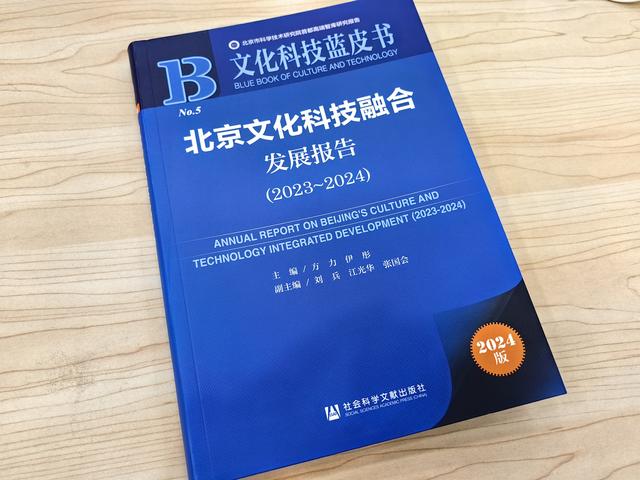
文化科技蓝皮书:北京文化科技融合指数名列前茅
Bei Jing Ri Bao Ke Hu Duan· 2025-05-29 09:12
Core Insights - The "Cultural Technology Blue Book: Beijing Cultural Technology Integration Development Report (2023-2024)" indicates that Beijing ranks first in the cultural technology integration index among ten provinces and cities, showcasing its leading position nationwide [1][3]. Group 1: Economic Performance - In 2024, cultural new economy enterprises in Beijing achieved a revenue of 1,590.69 billion yuan, accounting for over 70% of the city's cultural enterprise revenue [3]. - Beijing has 16 national-level cultural and technology demonstration bases, the highest number in the country [3]. Group 2: Development Index - The cultural technology integration development index for Beijing reached 202.5 in 2021, an increase of 43.1 from the previous year and a rise of 102.5 from the 2014 baseline [3]. - The indices for cultural technology integration in areas such as foundation, output, and environment have shown steady growth, indicating continuous advancement [3]. Group 3: Comparative Advantage - Beijing's cultural technology integration foundation is strong, with leading positions in R&D and experimental development funding intensity, as well as annual science popularization funding [3][4]. - The cultural technology integration output in Beijing significantly surpasses that of other provinces and cities [3]. Group 4: Workforce Efficiency - Beijing ranks first in labor productivity among large-scale cultural-related industries, reflecting the concentration of highly skilled and efficient professionals [4]. - The application of new technologies, models, and tools contributes to the highest level of labor productivity returns in the cultural industry [4]. Group 5: Future Recommendations - The blue book suggests that Beijing should continue to enhance its social cultural atmosphere and cultural infrastructure, while providing more support and development space for high-end cultural manufacturing to further improve the core competitiveness of the capital's cultural industry [4].

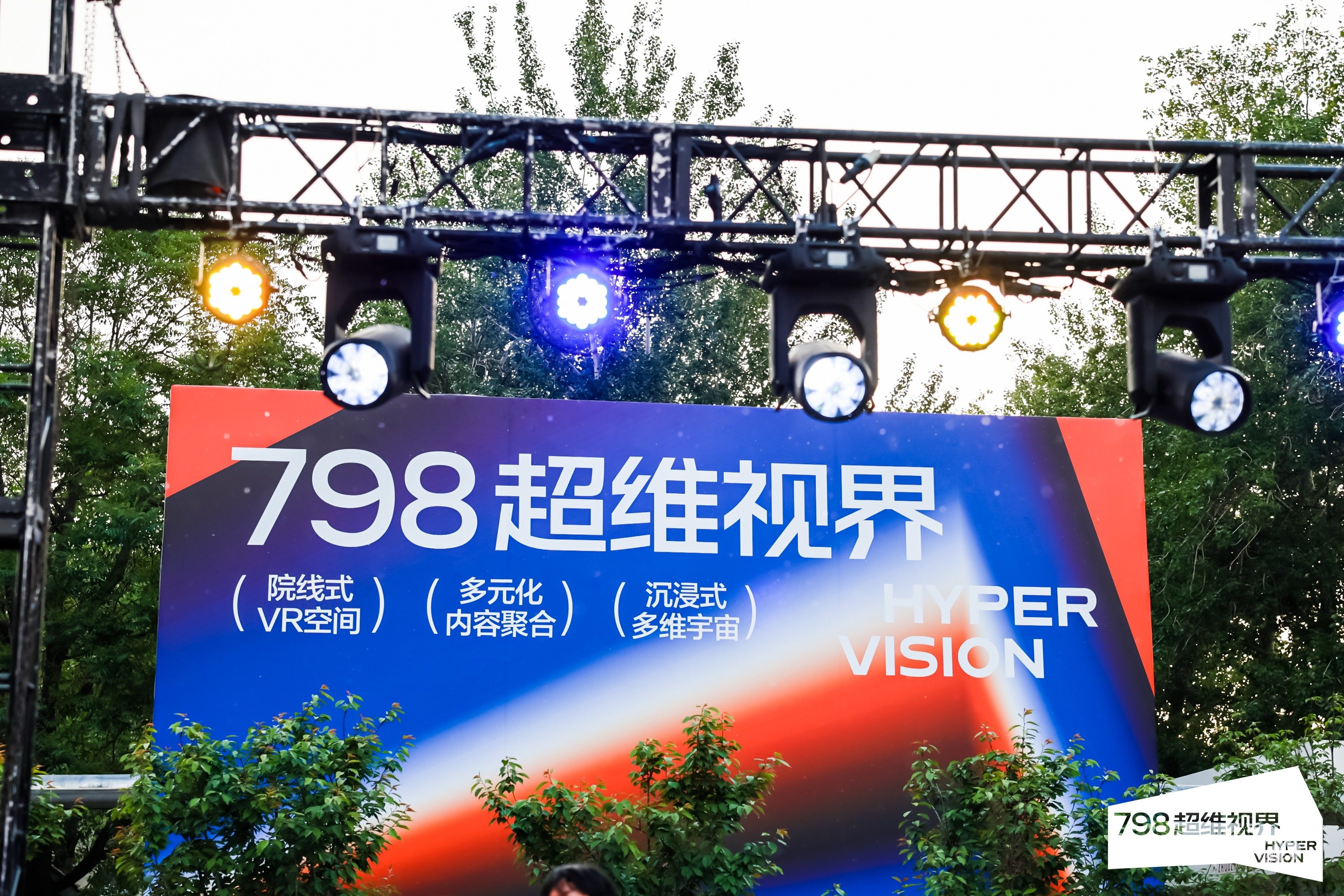
文化引流,科技搭台:VR院线正打造线下文化消费新生态 | 早期项目
3 6 Ke· 2025-05-29 05:41
Core Viewpoint - The VR large space market is rapidly growing, with IDC predicting a global market size exceeding $12 billion by 2025 and a compound annual growth rate of 58%, with China being a key growth market [1][4]. Group 1: Company Overview - 798 Super Dimension VR Cinema, developed by 798 Cultural Technology, officially opened to the public on May 1, 2025, marking the company's first VR cinema and a step in its future VR scene implementation plan [1][4]. - The team behind 798 Cultural Technology has been active in the cultural and technological integration sector since 2022, organizing numerous art and technology exhibitions [4][7]. - In the past year, the 798 area hosted nearly 4,000 exhibitions and welcomed 12.57 million visitors, showcasing the company's rapid growth and engagement in the cultural sector [7][8]. Group 2: Project Details - The 798 Super Dimension project occupies 3,500 square meters and features five themed spaces and two release halls, with an initial lineup of eight VR films covering genres such as mystery, sci-fi, cultural arts, and science education [7][10]. - The selection process for the films involved evaluating over a hundred candidates based on immersive experience, interaction, visual effects, narrative, and gameplay, ensuring high-quality content for users [8][10]. Group 3: User Experience and Engagement - The project aims to provide a rich and diverse content selection through a combination of real-world anchors and virtual narratives, enhancing the immersive experience for users [14][16]. - During the May Day holiday, over 5,000 visitors experienced the VR cinema, achieving an 80% occupancy rate on a single day, indicating strong consumer interest and engagement [16].
榫卯技艺紧“扣”现代科技
Ke Ji Ri Bao· 2025-05-29 01:12
Core Viewpoint - The article highlights the significance of the traditional Chinese woodworking technique of mortise and tenon (榫卯), showcasing its historical depth, cultural philosophy, and modern applications in creative products [1][3][6]. Group 1: Historical and Cultural Significance - Mortise and tenon is a unique Chinese woodworking method that has been in existence for approximately 7,000 years, originating from the Hemudu culture [3]. - This technique embodies deep cultural and philosophical concepts, particularly the yin-yang philosophy, which is central to ancient Chinese thought [3]. - The craftsmanship involved in mortise and tenon requires high precision, with tolerances as tight as 0.02 millimeters, demonstrating the skill of artisans [3]. Group 2: Modern Applications and Innovations - The technique is being applied in the creation of cultural products, such as the "Human Destiny Community" globe, which is made without nails or glue, using over 60 different mortise and tenon techniques [1][4]. - The production of Wang Erwen toys (鲁班锁 or 孔明锁) showcases the versatility of mortise and tenon, with hundreds of varieties that serve as both educational toys and decorative items [4]. - There is a push to integrate modern technology, such as AI and precision machinery, to enhance production efficiency and appeal to contemporary consumers [5][6]. Group 3: Challenges and Future Directions - The traditional craftsmanship faces challenges in modern markets due to high labor costs and consumer acceptance issues, which hinder the broader adoption of this cultural heritage [5]. - The need for innovative designs that resonate with modern aesthetics and cultural values is emphasized as a way to ensure the survival and relevance of this ancient technique [5][6].
首次全景式呈现南山“机器人谷”产研生态 深圳展区机器人已经“非常像人类”
Shen Zhen Shang Bao· 2025-05-26 17:14
Group 1 - The Shenzhen exhibition area, themed "Beautiful Life · Shenzhen Creation," is a highlight of the cultural industry innovation exhibition in the Guangdong-Hong Kong-Macao Greater Bay Area, featuring immersive interactive experiences and cutting-edge technology applications [1] - The main exhibition area includes four major sections: artificial intelligence, digital creativity, cultural tourism, and the sky bridge show, along with 12 distinctive sub-venues in Nanshan District [1] - The exhibition showcases a variety of robots, including the humanoid robot "Xialan," which has 29 motors and can display 22 different facial expressions, attracting significant attention from visitors [1] Group 2 - In the artificial intelligence experience area, 21 leading companies present their innovations through immersive interaction and scenario-based experiences, including a robot barista that can perform the entire coffee-making process [2] - The exhibition features a real-time translation earphone with an accuracy rate of 98%, and an air drum set developed by Shenzhen Ganyin Technology, which has captivated numerous visitors [2] - The smart toy area showcases products like AI visual toys and intelligent dialogue balls, providing children with educational and entertaining experiences through visual recognition and voice interaction technology [2] Group 3 - The "Cyber Fashion Parade" at the Shenzhen exhibition combines technology and fashion, featuring models wearing Shenzhen brand clothing alongside robots to demonstrate the perfect integration of fashion and technology [3] - A "micro short film viewing area" allows visitors to appreciate the unique charm of digital storytelling, while a gaming e-sports experience area offers immersive gameplay and competitions with well-known e-sports players [3] - The exhibition focuses on the integration of digital creativity and cultural technology, showcasing cutting-edge innovations from national high-tech enterprises, including AI education devices and smart wearables [3]

4家京企入选“全国文化企业30强”及“成长性文化企业30强”
Xin Jing Bao· 2025-05-26 11:10
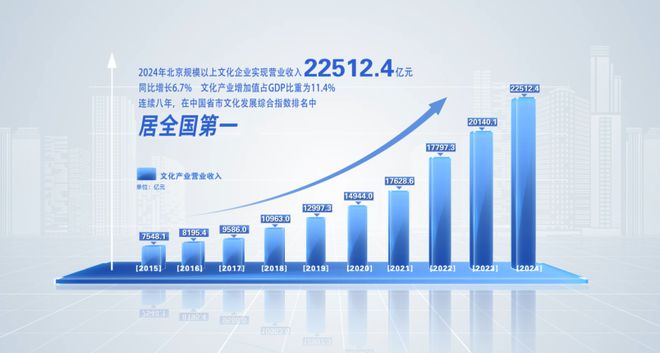
Group 1: Industry Overview - In 2024, Beijing's cultural enterprises achieved a total revenue of 22,512.4 billion yuan, marking a year-on-year growth of 6.7% [1] - The cultural industry in Beijing accounted for 11.4% of the city's GDP, maintaining the highest proportion in the country [1] - New cultural business formats in Beijing generated revenues of 15,906.9 billion yuan in 2024, representing over 70% of the total revenue of cultural enterprises in the city [1] - The core cultural sectors in Beijing generated 20,559.0 billion yuan in revenue, with a year-on-year growth of 7.7%, surpassing the national growth rate by 1.4 percentage points [1] Group 2: Company Highlights - Kuaishou Technology, iQIYI, and Weimeng Chuangke were recognized among the "Top 30 Cultural Enterprises" in China [1] - Kuaishou has invested heavily in technology R&D, developing the world's first truly user-accessible video generation model, Keling AI, which has over 6 million users and has generated more than 65 million videos and 175 million images [4] - Weimeng Chuangke has been active in cultural dissemination and tourism integration, launching the "Renewing Intangible Cultural Heritage Plan" which has garnered over 1.8 billion views [4] - iQIYI applied AI and new technologies across content planning, production, and user experience, and received 584 national patents related to culture in 2024, ranking among the top ten internet companies in China for total patent applications [5] Group 3: Growth Policies - Beijing's "1+N" policy framework is crucial for promoting new productive forces in the cultural industry [3] - The city introduced measures to cultivate new cultural formats and enhance cultural productivity, with action plans for 2025-2027 focusing on the integration of culture and technology [3]

AI出海 产业跃迁 深澳分会场集中展示AI新产品
Shen Zhen Shang Bao· 2025-05-25 22:58
Core Insights - The 21st China (Shenzhen) International Cultural Industries Fair (CICIF) opened with the theme "AI Outbound Industry Leap," showcasing new AI products, overseas practices, and talent projects, injecting new momentum into the cultural and technological integration in the Guangdong-Hong Kong-Macao Greater Bay Area [1][3] Group 1: Event Overview - The event was hosted by the Deep Ao International Cultural Technology Park and supported by various associations, including the Shenzhen Longgang District Jewelry Industry Association and the China Cultural Promotion Association [1] - The opening ceremony featured the "AI Innovation Project Achievement Exhibition," highlighting applications of AI in the gold jewelry and photovoltaic sectors [1][2] Group 2: Industry Trends and Innovations - The CEO of Runjihao Machinery Equipment Co., Ltd. shared insights on "AI + 3D Printing Technology," emphasizing the enhancement of jewelry design efficiency and creative space through intelligent algorithms [2] - A roundtable discussion titled "AI · Intelligent Manufacturing to Enable Outbound" explored innovative paths and practical experiences for gold jewelry companies in the AI era [2] Group 3: Talent Development and Collaborations - The event facilitated multiple cooperation agreements focused on talent cultivation, including the establishment of a "Cultural Creative Talent Training Project Training Base" [2] - Collaborations were formed between Shenzhen Jinsheng Yuzhen Research Institute and the Longgang District Jewelry Industry Association for a "Cultural Creative Planning and Operation Specialized Training" project [2] Group 4: Cultural Consumption and Future Directions - The event featured over a thousand pieces of gold jewelry national products, creating a cultural consumption feast [3] - The Deep Ao International Cultural Technology Park aims to continue promoting the deep integration of cultural technology and finance, supporting enterprises in their outbound efforts and contributing to the development of the cultural industry in the Greater Bay Area [3]
科技赋能文化新生态 文博会上融合互动“硬控”现场
Guang Zhou Ri Bao· 2025-05-23 13:29
Core Viewpoint - The 21st China (Shenzhen) International Cultural Industries Fair (CIFIT) serves as a significant platform to observe the globalization and digitalization of China's cultural industry, featuring innovative themes and interactive experiences [1] Group 1: Cultural Technology and Innovation - The Guangdong exhibition area highlights cultural technology applications, showcasing a vibrant display of innovation [1] - Huawei's new HarmonyOS computers, including the MateBook Fold, provide an immersive experience with advanced interactive features [2] - The exhibition features a smart home experience area, allowing visitors to interact with various smart devices through voice control and automation [2] Group 2: Digital Art and Cultural Expression - The "Spring Tide" series combines traditional aesthetics with modern technology, showcasing the beauty of classical culture through digital art [3] - The exhibition emphasizes the powerful expression of digital art in conveying grand themes, such as humanity's exploration of the universe [3] Group 3: Global Cultural Exchange and IP Development - Game IPs are evolving from cultural symbols to global narratives, enhancing cultural value and reshaping the gaming industry [4] - 37 Interactive Entertainment showcases a comprehensive overseas game ecosystem, integrating self-developed, invested, and agency strategies to promote Chinese IPs globally [4] Group 4: AI and Immersive Experiences - 37 Interactive Entertainment collaborates with technology firms to provide immersive experiences with AI products, including brain-computer interface devices [5] - The AI music creation tool "Tianpu Music" allows users to generate personalized songs, demonstrating the intersection of AI and cultural industries [6][7] - Quwan Technology's AI voice products have been well-received, showcasing the potential of AI in enhancing cultural storytelling [7]