
科创金融

Search documents
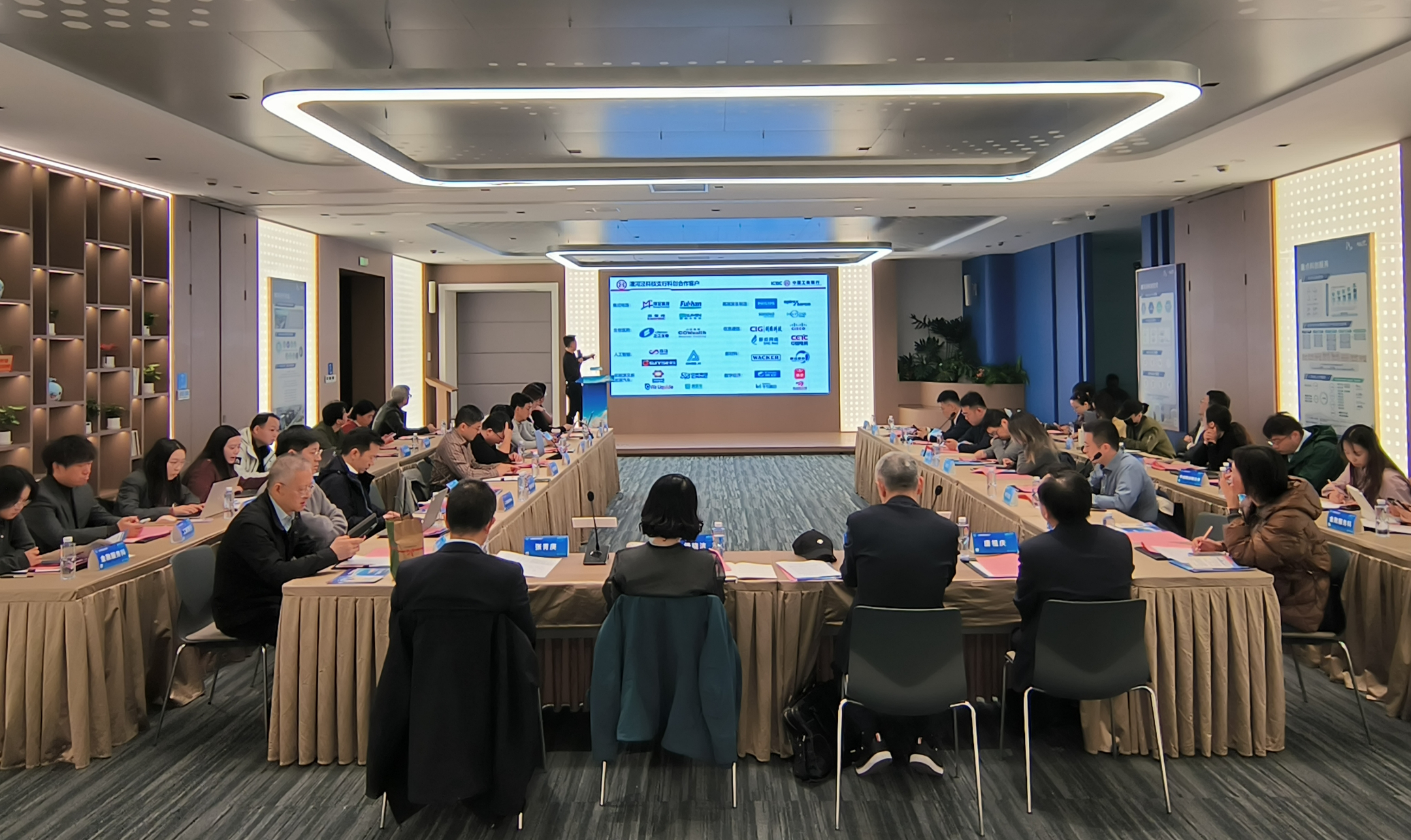
“人工智能+”企业如何破局融资难?金洽会“园区行”精准对接漕河泾
Guo Ji Jin Rong Bao· 2025-11-20 10:25
Core Insights - The 19th Jin Qiao Conference's "Park Tour" event focused on the theme "Financial Services Empowering 'Artificial Intelligence +'" to promote the integration of industrial development and financial empowerment [1] - The event is part of Xu Hui's response to Shanghai's "Five Centers" initiative and aims to deepen the synergy between technological innovation and financial services [1] Group 1: Financial Support and Initiatives - Xu Hui has positioned itself as a "Technology Innovation Leading Area" and a "Demonstration Area for Industry-City Integration," leveraging its rich tech resources and active financial ecosystem [3] - The Caohejing Development Zone serves as the core area for Xu Hui's tech industry, acting as a frontline for financial services to the real economy [3] - The newly established Caohejing Financing Service Center connects with the district's intellectual property protection services, providing targeted financial support to enterprises [3] - As of now, the financing platform has provided guarantees totaling 289 million yuan to 33 enterprises and facilitated loans amounting to 1.99 billion yuan for 332 enterprises, with total credit reaching 2.279 billion yuan [3] Group 2: Event Highlights and Interactions - The "Park Tour" event featured precise matching between enterprises and financial institutions, with representatives from AI-related companies presenting their development plans and financing needs [4] - Financial advisors provided one-on-one consultations, addressing specific questions raised during the presentations and offering tailored guidance based on the characteristics of the AI industry [4] - The event is part of a broader initiative that includes multiple "Park Tour" activities and an online exhibition running until September 2026, aimed at enhancing the connection between financial institutions and real enterprises [4]

大湾区将迎AIC“双子星”!区域科技金融如何开启新局?
Nan Fang Du Shi Bao· 2025-11-20 09:15
Core Insights - The establishment of two Asset Investment Companies (AICs) in the Guangdong-Hong Kong-Macao Greater Bay Area marks the beginning of a new era for AICs in the region, with one set to open in Shenzhen and another in Guangzhou [2][3][4] - The AICs are expected to enhance the supply structure of financial services for technology-driven enterprises, providing long-term capital and flexible financial solutions [2][5] Summary by Sections AIC Establishment - The first AIC under a joint-stock bank has been established in Fuzhou, with the second AIC from China Merchants Bank set to open in Shenzhen [3][5] - Another AIC is also planned for Guangzhou, indicating a significant expansion in the AIC sector after a hiatus of eight years [4][5] Strategic Importance of the Greater Bay Area - The choice of the Greater Bay Area for the new AICs is attributed to its favorable business environment, strong industrial base, and innovative financial policies [7] - Guangzhou's robust industrial strength and supportive policies provide a conducive environment for AIC operations, including a capital market financing platform and substantial investment funds [7][8] Impact on the Innovation Ecosystem - The new AICs are expected to focus on strategic emerging industries, with a significant portion of their investments directed towards sectors such as new energy, information technology, and high-end equipment manufacturing [12][16] - AICs have already invested in a substantial number of technology-oriented enterprises, with over 53% of their investments going to companies recognized for their technological innovation [14][16] Future Prospects - The AICs are anticipated to strengthen the connection between capital and industry, fostering a dual-driven model of innovation and manufacturing in the Greater Bay Area [16] - The establishment of AICs is seen as a catalyst for financial innovation, promoting a comprehensive service model that integrates financing and advisory support for technology enterprises [16]



为科创金融改革保驾护航 浙江嘉兴市出台《科创金融促进条例》
Jin Rong Shi Bao· 2025-11-20 02:05
Core Viewpoint - The implementation of the "Jiaxing City Science and Technology Innovation Financial Promotion Regulations" marks a significant step in addressing the financing challenges faced by science and technology enterprises, establishing a comprehensive financial service system for innovation [1][2]. Legislative Background: Reform Experiment Drives Legal Assurance - Jiaxing's legislative practice in science and technology finance is rooted in national strategic responsibilities, being included in the Yangtze River Delta's financial reform pilot zone [2]. - The regulations were developed through extensive public consultation, including over 20 discussion sessions to gather insights, resulting in a law that reflects both reform and local characteristics [2]. Core Framework: Three-Dimensional Efforts to Break Financing Bottlenecks - The regulations establish a financial service system through three key strategies that align with enterprise needs [3]. Strengthening Government Guidance: Building a Policy Support System - The regulations mandate local governments to incorporate science and technology finance into development plans and establish cross-departmental collaboration mechanisms [4]. - A fund system covering the entire lifecycle of enterprises is created, including a provincial and municipal cooperative science and technology mother fund of 5 billion, accounting for 45.5% of the provincial total [4]. Optimizing Financial Supply: Activating Market Entity Vitality - The regulations support the establishment of specialized branches in banks and departments in insurance institutions to better serve science and technology enterprises [5]. - Over 120 exclusive financial products have been developed, including "data asset loans" with a maximum credit of 30 million based on data resource ownership [5]. Improving Guarantee Mechanisms: Bridging the "Last Mile" of Service - Innovative systems have been introduced, such as a compliance exemption mechanism for venture capital investments and a digital application system for financial services [6]. - A service center for science and technology finance in the Yangtze River Delta has been established, providing listing planning services to 235 enterprises since 2024 [6]. Innovative Highlights: Demonstrating Jiaxing's Unique Institutional Breakthroughs - The regulations establish a collaborative model of "finance + credit + funds + insurance," with loan interest subsidies up to 40% and insurance premium subsidies up to 90% [7]. - A financial commissioner system is implemented to ensure service quality through annual evaluations across ten dimensions [7]. Implementation Results: Financial Support Empowering Innovation Development - As of now, the loan balance for science and technology enterprises in Jiaxing has reached 342.137 billion, with national high-tech enterprises accounting for 15.59% [8]. - A total of 1,188 instances of private equity investment exceeding 126.866 billion have been recorded, demonstrating the regulations' effectiveness in optimizing financial supply [8]. Legislative Significance: Legal Framework Leading to Innovation Ecosystem Upgrade - The introduction of these regulations is a key practice in fulfilling the central government's requirements for enhancing technology finance [9]. - The regulations provide a stable financial environment for local science and technology enterprises and serve as a model for national innovation in the financial sector [9].
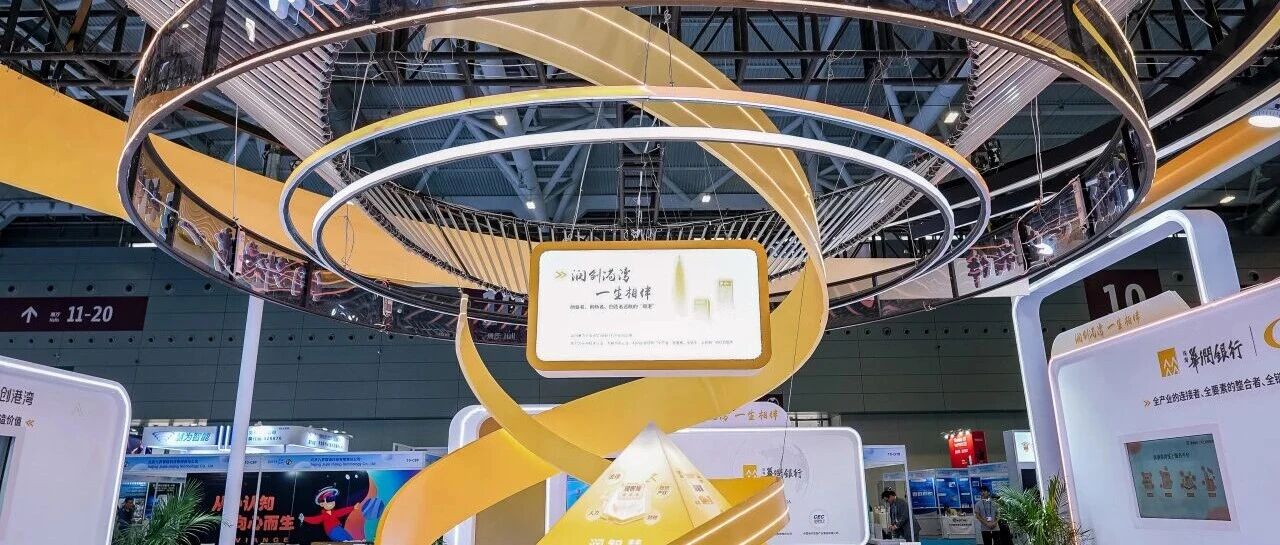
金融如何读懂科技?高交会上这家银行给出了一些答案
21世纪经济报道· 2025-11-16 23:26
Core Viewpoint - The 27th China International High-tech Achievements Fair (High-tech Fair) showcases over 5,000 cutting-edge technology achievements, with more than 20% being global debuts, highlighting the importance of innovation and technology in driving economic growth [1][3]. Group 1: Event Overview - The High-tech Fair spans 400,000 square meters and attracts over 5,000 enterprises and institutions from more than 100 countries and regions [1]. - The event features a significant presence of enterprises that are clients of China Resources Bank, particularly in advanced manufacturing sectors such as semiconductors and new energy vehicles [1][3]. Group 2: China Resources Bank's Participation - China Resources Bank launched its independent technology finance brand "Run Chuang Wan" at the fair, marking its first appearance as an independent exhibitor [1][3]. - The bank deployed a professional technology finance team on-site to engage with participating enterprises, aiming to identify their financial and non-financial needs [3]. Group 3: Technology Finance Growth - The technology finance loan balance in China reached 43.3 trillion yuan by mid-2025, growing by 12% year-on-year, outpacing overall loan growth [3]. - China Resources Bank's technology finance business has seen rapid growth, with the number of technology enterprise clients increasing by 332% to nearly 2,000 and technology finance loan balances exceeding 25 billion yuan, a 433% increase [5]. Group 4: Service Model and Offerings - The "Run Chuang Wan" brand offers four comprehensive product categories tailored to the needs of high-tech enterprises, including financing, sales expansion, management improvement, and digital transformation [5]. - The bank's unique "Kechuangli" risk evaluation system quantifies the innovation capabilities of enterprises, using various metrics to enhance credit approval processes [9]. Group 5: Recognition and Achievements - The "Run Chuang Wan" brand has been recognized as a typical case of technology finance by the People's Bank of China and has received multiple honors for its innovative approach [6].
江苏江阴农商银行 “融资+融智”激活科创企业动能
Zheng Quan Ri Bao· 2025-11-16 10:20
Core Viewpoint - Jiangyin Rural Commercial Bank has established the "Jiangyin High-tech Innovation Service Center" to address the financing challenges faced by light-asset technology enterprises, enhancing interaction between the bank and tech companies through a "financing + intelligence" mechanism [1][2]. Group 1: Service Center Initiatives - The "Jiangyin High-tech Innovation Service Center" is a dedicated service institution for technology enterprises, providing workspace and personnel support from Jiangyin Rural Commercial Bank [1]. - The center employs innovative evaluation methods and actively engages with local technology authorities to identify the specific needs of startups [1][2]. Group 2: Financing Solutions - Jiangyin Rural Commercial Bank provided a 2 million yuan "Technology Enterprise Loan" to a smart security technology company after conducting a comprehensive assessment of its needs [2]. - Another company in the smart transportation sector received a 3 million yuan "Technology Enterprise Loan" and was assisted in applying for a government interest subsidy, reducing financing costs to an annualized rate of 1% [2]. Group 3: Collaborative Ecosystem - The bank has introduced a "stock option" arrangement, adding 3 million yuan in stock options to support enterprises while sharing risks and benefits [3]. - Jiangyin Rural Commercial Bank aims to build a collaborative financial ecosystem involving government, banks, enterprises, and research institutions, facilitating technology exchanges and project roadshows [3]. - The bank plans to continue innovating financial products and expanding resource channels to support the entire lifecycle of technology enterprises [3].

金华银行落地浙江首笔柜台渠道科创债券质押再贷款业务
Sou Hu Cai Jing· 2025-11-14 09:04
金华银行运用再贷款资金,给某科创型纺织企业发放贷款255万元。"这笔资金太及时了,有了这笔资金可以帮助我们突破当前的困局。"该企业负责人在获 得该笔融资之后,对于当下的科技金融服务颇有感触。 这家成立于2004年的纺织企业,以科创为笔,在传统纺织行业的画布上勾勒出属于自己的"技术突围"。该企业负责人表示,设备更新是纺织企业转型升级的 必经之路,企业现在配备了3台高速弹力丝机、200台喷水织机,近两年更新的设备就达到五十余台。 今年,市场对其科创型纺织产品需求旺盛,该企业生产订单激增,企业急需进购化纤丝等生产原料以满足订单,但设备升级占用现金流较大,企业在资金方 面面临一定压力。金华银行得知该企业需求,随即为其量身定制了综合金融服务方案,给予该企业综合授信433万元,其中255万元用于采购生产原料。 近日,在中国人民银行金华市分行的指导下,金华银行成功办理浙江省首笔柜台渠道科创债券质押再贷款业务。 有了资金的助力,该企业迅速完成原料采购,生产线顺利投产。这笔流动资金贷款,不仅是企业扩大生产的"燃料",更是其持续践行科创战略、在纺织行业 赛道上加速奔跑的"助推器"。 "本次质押债券票面金额1000万元,获取再贷款 ...

大湾区“含科量”浓度再创新高 这家银行如何为“硬科技”定价
2 1 Shi Ji Jing Ji Bao Dao· 2025-11-13 22:28
Core Insights - The rapid development of "hard technology" in the Guangdong-Hong Kong-Macao Greater Bay Area is also a frontier for exploring technology finance [1] - In October, the Ministry of Industry and Information Technology announced the addition of 675 new "little giant" enterprises in the Greater Bay Area, marking a historical high [2] Group 1: Financial Support for Technology Enterprises - Banks are shifting from traditional asset-based lending to a focus on technological strength and the professional background of actual controllers, alleviating financing difficulties for "light asset" technology companies [3][4] - The collaboration between banks and enterprises is deepening, with banks increasingly proactively connecting with high-quality small and medium-sized technology enterprises [3] - Banks are expanding their services beyond traditional corporate loans to include support for sales expansion, management improvement, digital transformation, and cost reduction [3][8] Group 2: Case Studies of Technology Companies - Shenzhen Zhihui Technology, founded in 2015, has faced challenges in financing due to long cash flow cycles, requiring banks to extend loan terms [4][5] - Jinzhai Times, established in 2009, received nearly 200 million yuan in investment in 2023 and is seeking to attract industrial investors, highlighting the need for banks to understand the unique characteristics of high R&D investment technology companies [7][8] - Beike Biotechnology, a leading company in the stem cell industry, has received the highest credit limit from Huaren Bank, which has supported its R&D and international expansion [9][10] Group 3: The Role of Banks in Supporting Innovation - Huaren Bank's "Run Chuang Port" brand offers a comprehensive financial service system tailored to the needs of technology enterprises, including products for financing, sales expansion, digital transformation, and management improvement [8] - The collaboration between private equity/venture capital and banks is crucial for technology companies, with banks providing essential support for scaling production and supply chain management [11][12] - The deep integration of banks and industries is activating the innovation potential of enterprises and creating a virtuous cycle of "technology-capital-ecosystem" [12]
金融“活水”精准“资”润 齐鲁银行滨州分行助力民营经济扬帆
Zhong Guo Jin Rong Xin Xi Wang· 2025-11-12 12:33
Core Viewpoint - Qilu Bank's Binzhou Branch is innovating financial services to support the high-quality development of local private enterprises by focusing on green finance, technology innovation finance, and specialized financial products [1][2][4][6]. Green Finance - Under the "dual carbon" goals, Qilu Bank's Binzhou Branch is exploring innovative paths in green finance, creating localized green financial products to support the low-carbon transformation of traditional industries [2]. - By June 2025, the bank's green loan balance reached 1.2 billion yuan, a significant increase of 59% from the beginning of the year, indicating a strong commitment to green financing [3]. - The bank has implemented a sustainable development-linked loan scheme based on hydrogen recovery metrics, establishing a market-driven incentive mechanism that promotes a cycle of emission reduction, cost reduction, and efficiency enhancement [2]. Technology Innovation Finance - Qilu Bank's Binzhou Branch has introduced a "Technology Innovation Finance Marketing Toolkit" to provide tailored financial services for technology enterprises, addressing traditional financing challenges [4]. - The bank has supported over 160 technology enterprises, including five national-level specialized "little giant" companies, by offering flexible and expedited financing solutions [4]. - The bank's efficient service model allows for loan disbursement within one week, helping enterprises save approximately 60,000 yuan annually in financing costs [4]. Specialized Financial Products - The bank has developed a series of inclusive financial products tailored to local industries, such as the "Cookware Loan" for the commercial kitchenware sector, which addresses the unique financing needs of small and micro enterprises [6][7]. - The "Cookware Loan" product enabled a company to expand its production capacity by 40% and create 20 new jobs, demonstrating the effectiveness of the bank's targeted financial solutions [6]. - In the first half of the year, the bank's inclusive financial products saw an increase in deployment of 264 million yuan, showcasing the vitality and effectiveness of its specialized financial offerings [7].

让科创星火燃成燎原之势 南京科创金融改革试验区实践纪实
Jin Rong Shi Bao· 2025-11-12 02:05
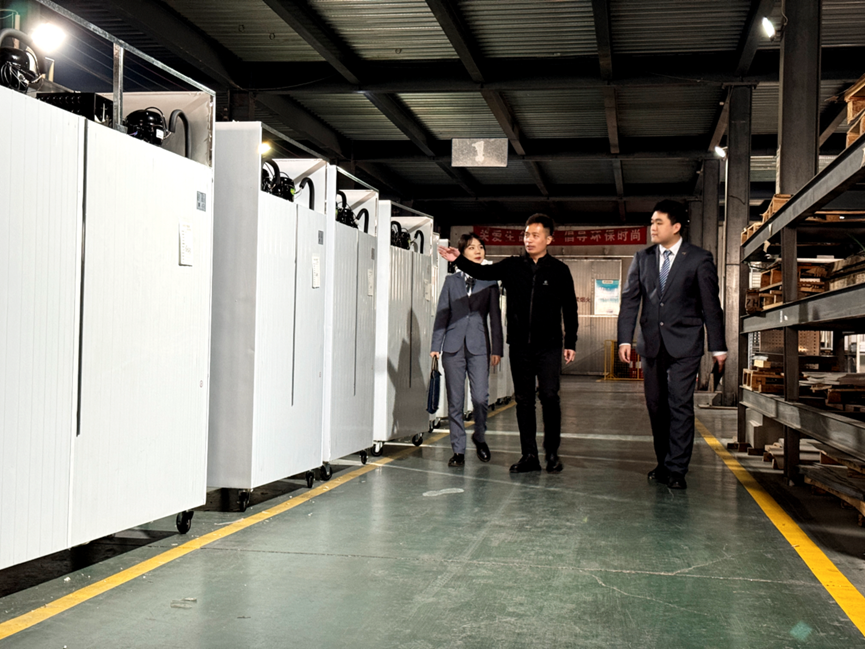
Core Insights - The establishment of the Science and Technology Innovation Financial Reform Pilot Zone in Nanjing aims to create a demonstration area for financial cooperation, innovation in products and services, and deep integration of industry and city [1] Group 1: Financial Innovations and Support - Nanjing Fangshenghe Pharmaceutical Technology Co., Ltd. has successfully utilized the "Technology Project R&D Expense Loss Insurance," which is the first of its kind in the country, to mitigate R&D risks [2][3] - The company received nearly one million yuan in compensation from the insurance, which helped offset R&D costs [3] - The Industrial and Commercial Bank of China (ICBC) Nanjing Branch developed a new credit rating model for technology companies, allowing Fangshenghe to secure an 85.14 million yuan loan, marking the first loan issued under this new model [4] Group 2: Policy and Regulatory Support - The financial regulatory authority announced a pilot program to relax merger loan policies for technology companies, including Nanjing as one of the pilot cities [5] - The Jiangsu Provincial Government has outlined a clear roadmap for the reform of the Science and Technology Innovation Financial Reform Pilot Zone, with 20 key tasks identified [6] - A quarterly dynamic evaluation mechanism has been established to assess the effectiveness of financial institutions in serving technological innovation [6] Group 3: Investment Trends and Market Dynamics - The robotics industry in Nanjing is emerging as a significant investment hotspot, with companies like Estun Robotics making strides in the field [8][10] - The Jiangsu Nanjing Soft Information Service Industry Special Fund invested 30 million yuan in Estun Cool Technology, which is part of a larger financing goal of 130 million yuan [8][9] - The investment in Estun Cool Technology is the first direct investment project from the provincial strategic emerging industry fund [8] Group 4: Collaborative Financial Models - The "loan + external direct investment" model has been emphasized in Nanjing, allowing banks and investment institutions to collaborate effectively [10] - The establishment of a "see investment, then lend" mechanism has helped banks overcome their hesitance in financing high-tech enterprises [10] - The Jiangsu Provincial Financial Office is exploring a "patent commercialization + equity" model to facilitate the transformation of patent achievements into financial products [11] Group 5: Growth Metrics and Achievements - As of September 2025, the total loan balance for technology enterprises in Nanjing reached 450 billion yuan, a year-on-year increase of 38% [15] - Since the establishment of the pilot zone, 17 new domestic and foreign listed companies have emerged, including five on the Sci-Tech Innovation Board [15] - The total direct financing from newly issued technology innovation bonds exceeded 54 billion yuan [15]
让科创星火燃成燎原之势
Jin Rong Shi Bao· 2025-11-12 01:21
Group 1 - The core idea of the news is the establishment and development of the Nanjing Science and Technology Financial Reform Pilot Zone, which aims to create a demonstration area for science and technology finance, innovative product business aggregation, and deep integration of industry and city [2][3][8] - The pilot zone has seen significant achievements in promoting technology finance from "experiment" to "demonstration," with various financial institutions and enterprises growing together [3][9] - The Nanjing government and financial regulatory bodies have implemented multiple measures to support the pilot zone, including the introduction of specialized financial products and services for technology enterprises [8][14] Group 2 - Nanjing Fangshenghe Pharmaceutical Technology Co., Ltd. has successfully navigated financing challenges by utilizing innovative insurance products, such as the "R&D Expense Loss Insurance," which is the first of its kind in the country [4][5][6] - The company has received nearly 100 million yuan in compensation from insurance, effectively mitigating R&D risks and allowing for further investment in other insurance products [5][6] - Fangshenghe's successful acquisition of Li Tail Pharmaceutical was supported by a nearly 100 million yuan merger loan from Industrial and Commercial Bank of China, facilitated by a new evaluation model for technology enterprises [6][7] Group 3 - The Nanjing pilot zone has established a comprehensive financial service system for technology enterprises, with a focus on "policy + product + model" innovation [9][18] - The introduction of the "investment-loan linkage" model has become a key initiative in promoting technology finance, allowing banks and investment institutions to collaborate effectively [13][17] - By the end of September 2025, the total loan balance for technology enterprises in Nanjing reached 450 billion yuan, marking a 38% year-on-year increase [18]
