经济增长放缓

Search documents
美联储主席鲍威尔:美联储的预测已转向预期经济增长放缓、通胀水平上升。
news flash· 2025-06-18 18:48
美联储主席鲍威尔:美联储的预测已转向预期经济增长放缓、通胀水平上升。 ...

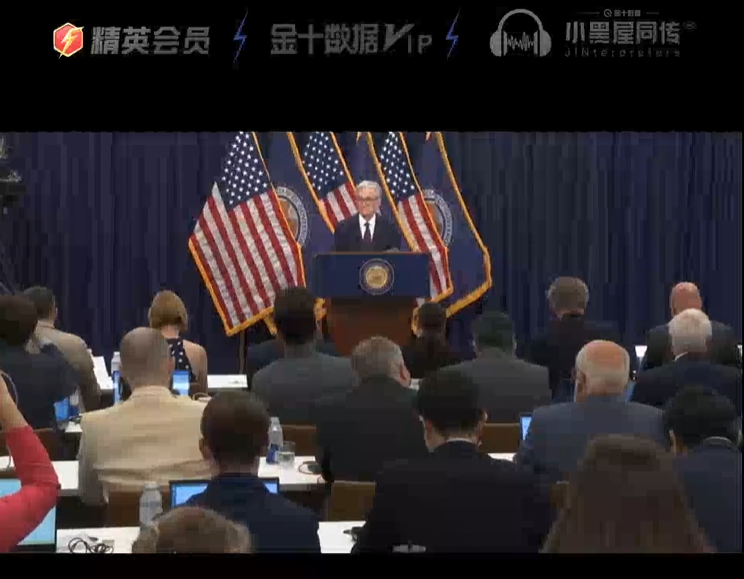
美联储FOMC经济预期:经济增长放缓,失业率略有上升,通胀率也略高于三月份的预期。
news flash· 2025-06-18 18:07
Core Insights - The Federal Reserve's FOMC has indicated a slowdown in economic growth, with a slight increase in the unemployment rate and inflation rates slightly above the expectations set in March [1] Economic Growth - Economic growth is projected to decelerate, reflecting broader economic trends [1] Unemployment Rate - The unemployment rate is expected to rise slightly, indicating potential challenges in the labor market [1] Inflation Rate - Inflation rates are anticipated to be marginally higher than the forecasts made in March, suggesting ongoing inflationary pressures [1]
【环球财经】日本央行继续保持谨慎 警惕通胀风险
Xin Hua Cai Jing· 2025-06-17 08:01
植田和男还表示,意识到食品价格上涨对家庭造成了影响。食品通胀可能是暂时的供应冲击,但可能影 响基础通胀。食品价格上涨和中东冲突如果持续下去,可能会对趋势通胀产生二次影响,将密切关注中 东局势的动向。 日本央行面临着在持续的通胀压力和经济增长放缓之间取得平衡的挑战。作为日本家庭主食的大米价格 在过去一年里翻了一番,突显出通胀压力的严重性。自2022年4月以来,核心通胀率一直未缓和,这给 加息带来了越来越大的压力。然而,经济增长明显恶化,第一季度GDP年化收缩0.2%。且由于通胀上 升,实际工资同比下降1.8%,这可能抑制消费者支出,进一步制约经济增长。 盛宝银行表示,由于市场已经为今年余下时间计入了略高于10个基点的日本央行加息预期,日本央行的 此次会议没有引发太大波澜。在尚不清楚美日贸易协议具体内容的情况下,日本央行也难以做出明确预 测,日本央行可能会提高对通胀的担忧。 日本央行行长植田和男在政策会议后的新闻发布会上表示,日本的通胀预期仍未稳定在2%的目标水 平。 随着贸易政策效应进一步显现,必须关注贸易政策对金融市场、外汇市场、日本经济和物价的影响。穆 迪分析经济学家Stefan Angrick说,美国提高 ...
欧洲央行副行长金多斯:欧洲央行的担忧已从通胀转向经济增长放缓。
news flash· 2025-06-12 12:24
Group 1 - The core concern of the European Central Bank (ECB) has shifted from inflation to the slowdown of economic growth [1] Group 2 - The ECB's focus on economic growth indicates a potential change in monetary policy direction [1] - This shift may impact investment strategies and market sentiment across Europe [1]
6月12日电,欧洲央行的GUINDOS表示,央行的担忧已从通胀转向经济增长放缓。
news flash· 2025-06-12 12:18
智通财经6月12日电,欧洲央行的GUINDOS表示,央行的担忧已从通胀转向经济增长放缓。 ...
凯德北京投资基金管理有限公司:德银预测明年美国企业违约率将大幅上升
Sou Hu Cai Jing· 2025-06-11 10:50
Core Viewpoint - Deutsche Bank's latest report indicates that the default rate for high-risk U.S. companies is expected to rise slightly by 2026 due to economic slowdown and rising interest rates, particularly among speculative-grade firms [1][4]. Economic Environment - The tightening global monetary environment is a contributing factor to this trend, with the ten-year U.S. Treasury yield likely to exceed nominal GDP growth for the first time since 2011, increasing corporate financing costs [4]. - The probability of a recession in the U.S. economy is currently estimated at around 30%, highlighting significant risks to economic growth [4]. Corporate Financing Challenges - The tightening of loan standards by U.S. banks adds another layer of burden for companies, exacerbating the default risk amid economic slowdown and rising interest rates [6]. - Companies that rely heavily on high leverage and high-yield debt will face more severe challenges in the coming years [6]. Overall Economic Outlook - Despite potential growth in certain sectors, the overall economic environment in the U.S. remains uncertain, with factors such as slowing economic growth and rising financing costs likely preventing a decrease in corporate default rates by 2026 [6]. - The report emphasizes the need for investors to carefully assess the debt risks of high-risk companies and prepare for potential default events in the future [6].
OECD下调2025年全球增长率至2.9%
日经中文网· 2025-06-06 07:55
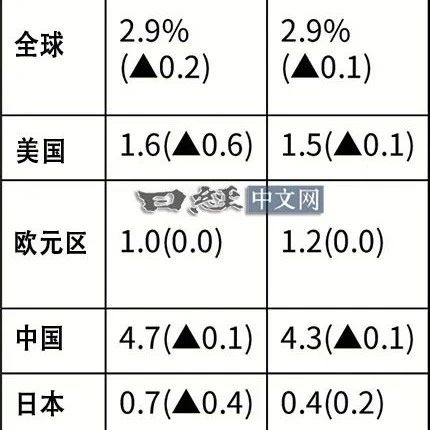
Core Viewpoint - OECD predicts a slowdown in US growth rate to 1.6% by 2025, down by 0.6 percentage points, primarily due to the impact of tariffs imposed by the Trump administration [1] Group 1: Global Economic Outlook - OECD forecasts global growth rate at 2.9% for 2025, a reduction of 0.2 percentage points from previous estimates [1] - The impact of tariffs has led to significant slowdowns in trade and investment, particularly in the US, where inflation and growth deceleration are expected to persist [1] Group 2: US Economic Impact - The average tariff rate on imported goods in the US has risen to over 15%, the highest level since 1938, contributing to increased domestic prices [1] - The inflation rate in the US is projected to rise to 3.2%, reflecting the effects of higher tariffs on consumer prices and purchasing power [1] Group 3: Regional Economic Projections - Countries closely linked to the US economy, such as Canada, Mexico, and Japan, are expected to face economic downturns, with Japan's growth rate projected to drop to 0.7% in 2025 [2] - China's growth outlook has been slightly adjusted, with consumption slowdown and real estate market adjustments being key factors, although government stimulus is expected to provide support [2] - The Eurozone is anticipated to maintain stable growth, with regional demand offsetting tariff impacts, supported by investments in defense and infrastructure [2]
特朗普关税或将削2.8万亿美元赤字,但代价触目惊心!
Jin Shi Shu Ju· 2025-06-05 07:31
Group 1 - The CBO report indicates that Trump's global tariff plan will reduce the federal deficit by $2.8 trillion over the next 10 years, but will simultaneously slow economic growth, increase inflation, and weaken household purchasing power [1] - The report predicts that tariffs will lead to an average annual inflation rate increase of 0.4 percentage points from 2025 to 2026 [1] - The CBO's analysis assumes that the tariff policies announced by the Trump administration will be implemented long-term, despite previous court rulings questioning the legality of these tariffs [1] Group 2 - The CBO concludes that the $2.8 trillion deficit reduction will come at the cost of reduced household wealth and a contraction in the overall economy, estimating a permanent decrease in the annual GDP growth rate of 0.06 percentage points [1] - The OECD's global economic outlook report predicts that U.S. economic growth will slow to 1.5% by 2026 [2] - The CBO emphasizes significant uncertainty in its estimates due to the potential for the Trump administration to adjust tariff policies at any time [2]
5月“小非农”跌至近两年冰点 连续两月远逊预期
Zhi Tong Cai Jing· 2025-06-04 13:12
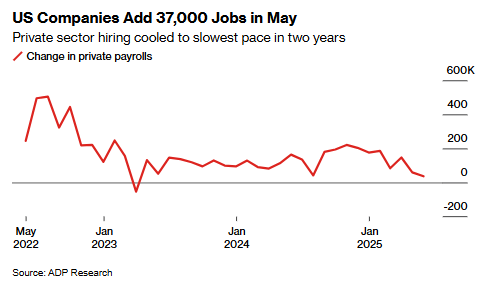
Group 1 - U.S. corporate hiring activity has slowed to its lowest level in nearly two years, with job cuts observed in sectors such as business services, education, and healthcare, indicating a continued weakening in labor demand [1][2] - According to ADP Research, private sector employment increased by only 37,000 jobs last month, falling short of all economists' predictions in a survey, marking the second consecutive month of significant underperformance [1][2] - The current job market is under dual pressure: a noticeable slowdown in hiring speed and an extended time for unemployed individuals to find new jobs, with economists expecting more signs of cooling in the labor market in the coming months [2][3] Group 2 - Following the data release, stock index futures and U.S. Treasury yields fell, while President Trump reiterated calls for Federal Reserve Chairman Powell to lower interest rates in response to the current situation [3][4] - Despite the hiring slowdown, wage growth remains strong, with a 7% increase for job switchers and a 4.5% increase for retained employees, according to the ADP report, which covers over 25 million U.S. private sector employees [4] - The upcoming U.S. government employment report for May is expected to show a slowdown in non-farm employment growth compared to the strong performance in April, while the unemployment rate is anticipated to remain stable [4]