
绿色产业

Search documents
东方盛虹(000301) - 000301东方盛虹投资者关系管理信息20251202
2025-12-02 09:38
Group 1: Market Development and Product Launch - The company is currently in the market development phase for carbon capture fiber products, with ongoing construction of a new materials pilot base [1] - The 100,000 tons/year POE facility has been completed and is currently supplying samples to downstream photovoltaic industry clients, with smooth progress reported [3] Group 2: Financial Performance and Risk Management - The company has diversified its raw material sources through "oil, coal, gas" strategies, enhancing cost control and risk management against cyclical fluctuations [2] - The company emphasizes shareholder returns through dividends and buybacks, with ongoing monitoring of the controlling shareholder's increase in holdings [2] Group 3: Technological Advancements and AI Integration - Significant achievements in digital transformation have been noted, with the establishment of an AI division aimed at deeply integrating AI into core business operations [2] - The company has been recognized for its advanced intelligent factories, contributing to a new paradigm in manufacturing transformation [2] Group 4: Future Capital Expenditure and Project Planning - Future capital expenditures are expected to gradually decline, with no new large-scale projects planned beyond current new materials projects [2] - The company is focusing on building a diversified industrial chain around new energy materials and high-performance materials [3]

中国经济的“稳”与“进”为世界注入信心(和音)
Ren Min Ri Bao· 2025-12-01 21:59
Core Insights - China's economy is characterized by steady growth, strong innovation momentum, and a broad openness, laying a solid foundation for the "14th Five-Year Plan" [1][3] - The international community is optimistic about China's economic growth prospects, with major foreign institutions like Goldman Sachs, Deutsche Bank, and Morgan Stanley expressing confidence [1] - In the first three quarters of this year, China's GDP grew by 5.2% year-on-year, with an estimated total economic output of approximately 140 trillion yuan for the year [1] Group 1: Economic Growth and Structure - Consumption is increasingly recognized as the main engine of economic growth, supported by rapid growth in manufacturing investment and ongoing market diversification [1] - The resilience of China's economy is reflected in stable growth and a healthier economic structure, aided by policies promoting a unified national market [1][2] - The new quality productivity is reshaping China's economic growth pattern, focusing on high-quality development through advancements in digital technology, AI, and green industries [2] Group 2: Innovation and Development - China has achieved significant results in key areas such as wind and solar power, with installed capacity exceeding 1.69 billion kilowatts, and the penetration rate of new energy vehicles surpassing 50% [2] - China is the largest holder of AI patents globally and has maintained the highest number of global top 100 innovation clusters for three consecutive years [2] - The "14th Five-Year Plan" emphasizes forward-looking layouts in key sectors like high-end instruments, advanced materials, and biomanufacturing, positioning innovation as a critical driver for economic transformation [2] Group 3: Open Cooperation - China is committed to open cooperation and mutual benefit, expanding institutional openness while enhancing high-quality development to support other countries [3] - The establishment of 22 free trade pilot zones and the continuous reduction of the negative list for foreign investment demonstrate China's determination to expand autonomous openness [3] - Foreign companies like Dow and AstraZeneca are deepening their presence in China, showcasing the strong "magnetic pull" of the Chinese market and institutional environment [3]
金观平:为高水平对外开放提供有力依托
Jing Ji Ri Bao· 2025-11-28 01:04
Group 1 - The core viewpoint emphasizes that China's super-large market advantage is becoming increasingly clear and crucial in the context of global economic uncertainty, serving as a solid foundation for high-level opening-up [1] - The super-large market is characterized not only by its population of over 1.4 billion but also by a complete industrial system, extensive modern infrastructure, and a growing middle-income group, which collectively form an organic system [1] - Digital consumption is becoming the norm, with a rising demand for high-quality goods, services, and personalized experiences, while the transformation of supply chains towards intelligence and sustainability is accelerating [1] Group 2 - The super-large market enhances China's attractiveness for foreign investment, with significant investment return expectations due to its vast market capacity and clear upgrade trends [2] - Continuous reduction of the negative list for foreign investment and ongoing optimization of the business environment reflect China's confidence in attracting multinational enterprises, which bring not only capital but also advanced technology and management experience [2] - China's market size increases its influence in global economic governance, transitioning from a passive recipient of international rules to an active participant in rule-making, particularly in emerging fields like digital economy and green industry [2] Group 3 - The super-large market serves as a new hub for interaction between China and the global economy, providing a buffer for multinational companies during external challenges and enhancing the resilience of global supply chains [3] - Platforms like the China International Import Expo are being developed to position China as a launchpad for global innovative products and a testing ground for future consumption trends [3] - To fully leverage the super-large market's advantages for opening-up, internal reforms are necessary, including breaking down local protectionism, building a high-standard market system, and strengthening intellectual property protection [3]
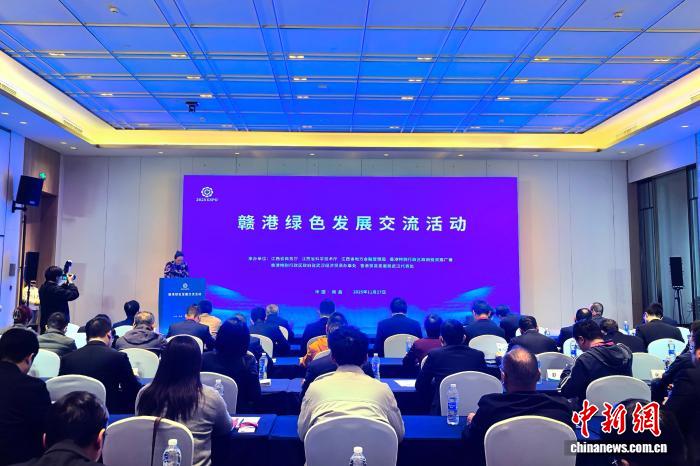
赣港共促绿色产业合作
Zhong Guo Xin Wen Wang· 2025-11-27 15:28
Core Insights - The Gantong Green Development Exchange Event was held in Nanchang, Jiangxi, focusing on green industry cooperation between Jiangxi and Hong Kong [1][3] - The event highlighted the importance of developing green industries as a global trend and a key response to climate change [3] Group 1: Green Industry Development - The combination of green finance and green technology is expected to accelerate the creation of rich industrial clusters, leading to significant business opportunities and financing needs [3] - Hong Kong possesses advanced technologies and business models in energy-saving technology, new energy, and smart transportation, while Jiangxi has a strong foundation in green manufacturing fields such as photovoltaics and lithium batteries [3] Group 2: Investment Opportunities - There is a call for Hong Kong's international capital and innovative financial tools to align precisely with Jiangxi's green industry needs [3] - The event encouraged more Hong Kong enterprises to invest in Jiangxi and suggested that Jiangxi companies consider establishing international business headquarters in Hong Kong [3] Group 3: Research and Development Collaboration - Jiangxi's Science and Technology Department proposed advancing Jiangxi-Hong Kong green technology cooperation, inviting Hong Kong universities and tech companies to participate in various research initiatives in Jiangxi [3] - Support was expressed for Jiangxi enterprises to establish "innovation hubs" in Hong Kong [3]

铂、钯期货今天上市
中国能源报· 2025-11-27 04:41
Core Viewpoint - The listing of platinum and palladium futures on the Guangzhou Futures Exchange marks a significant step in supporting green development and enhancing China's pricing power in the global market for these metals [1]. Group 1: Futures Listing Details - Platinum and palladium futures were officially listed today, with three contracts available for trading [1]. - The benchmark price for platinum futures is set at 405 yuan per gram, while palladium futures are priced at 365 yuan per gram [1]. - Initial trading activity indicates that both platinum and palladium futures are operating smoothly [1]. Group 2: Importance to Green Industries - Platinum and palladium are crucial raw materials for automotive emissions control, wind power, and hydrogen energy, with approximately 60% of platinum and nearly 80% of palladium used in green-related industries in China [1]. - The listing of these futures is seen as a vital measure to support the green development agenda in China [1]. Group 3: Market Impact - China is the largest consumer of platinum and palladium globally, accounting for over 20% of total consumption [1]. - The introduction of these futures is expected to enhance China's pricing authority in the global platinum and palladium markets [1]. - Domestic enterprises can utilize the RMB-denominated platinum and palladium futures prices as a pricing benchmark in international trade, thereby increasing China's initiative and influence in the global market [1].
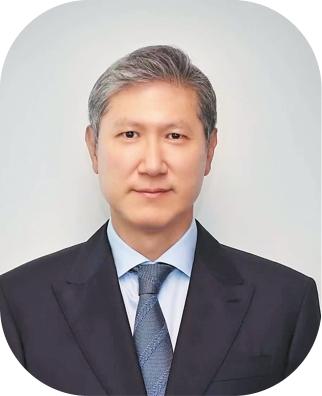
“推动双边关系持续向前发展”——访韩国驻华大使卢载宪
Bei Jing Ri Bao Ke Hu Duan· 2025-11-24 23:46
Core Viewpoint - The new South Korean ambassador to China, Lu Zai Xian, emphasizes the importance of strengthening strategic communication and mutual cooperation between South Korea and China, aiming to enhance the welfare of both nations' citizens [2][3]. Group 1: Bilateral Relations - The meeting between the leaders of South Korea and China is significant as it marks the first official talks since the new South Korean president took office, highlighting the enduring cooperative relationship despite changing external conditions [2][3]. - Lu Zai Xian recalls the friendly and candid atmosphere during the leaders' discussions, which resulted in several positive outcomes [2][3]. Group 2: Economic Cooperation - The two countries have agreed to explore cooperation in emerging fields such as artificial intelligence, biopharmaceuticals, green industries, and the silver economy, which are seen as future economic growth drivers [3][4]. - This collaboration is expected to enhance the quality of economic and trade relations, bringing substantial social and livelihood benefits [3][4]. Group 3: Cultural Exchange - The ambassador highlights the importance of youth exchanges in fostering mutual understanding and friendship between the two nations, as young people are in a critical period of cognitive development [4]. - Initiatives like the popularity of the giant panda "Fu Bao" and the trend of "weekend trips to Shanghai" among South Korean youth are seen as positive cultural ties that can strengthen bilateral relations [4]. Group 4: Regional Cooperation - Lu Zai Xian advocates for cooperation beyond bilateral levels, suggesting that South Korea and China can work together to contribute positively to regional and global peace and development [4]. - The ambassador mentions the role of the Asia-Pacific Economic Cooperation (APEC) in promoting regional trade and investment liberalization, with China hosting the upcoming APEC meeting in Shenzhen [4].
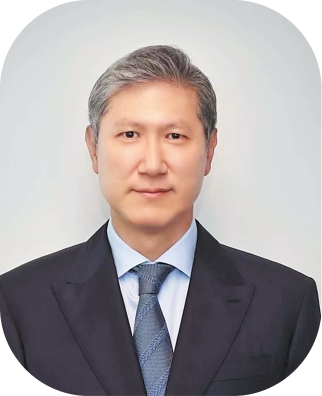
“推动双边关系持续向前发展” ——访韩国驻华大使卢载宪
Ren Min Ri Bao· 2025-11-24 22:58
Group 1 - The new South Korean ambassador to China, Lu Zaixian, aims to strengthen strategic communication and promote mutual cooperation between South Korea and China, enhancing the welfare of both nations [1] - The upcoming visit of President Xi Jinping to South Korea marks a significant moment in bilateral relations, being his first state visit in 11 years and the first meeting with the new South Korean president [1] - Both leaders agree that despite changing internal and external environments, the cooperative nature of South Korea-China relations remains unchanged, focusing on mutual benefits and exploring future development directions [1][2] Group 2 - The ambassador emphasizes the importance of deepening cooperation in emerging fields such as artificial intelligence, biopharmaceuticals, green industries, and the silver economy, which are seen as future economic growth drivers [2] - The future of South Korea-China relations is rooted in the friendship between the peoples of both countries, highlighting the significance of youth exchanges and mutual understanding [2] - The ambassador expresses a strong sense of responsibility and mission in his role, aiming to create meaningful outcomes in the development of South Korea-China relations [3]
“推动双边关系持续向前发展”
Ren Min Ri Bao· 2025-11-24 22:31
Group 1 - The new South Korean ambassador to China, Lu Zaixian, aims to strengthen strategic communication between South Korea and China, promote mutual cooperation in business, and enhance emotional resonance among the people of both countries [2][3] - The upcoming visit of President Xi Jinping to South Korea from October 30 to November 1 is significant as it marks his first state visit to South Korea in 11 years and the first meeting between the two leaders since the inauguration of President Yoon Suk-yeol [2][3] - Both leaders agree that despite changing internal and external environments, the cooperative nature of South Korea-China relations remains unchanged, and they will explore future development directions together [2][3] Group 2 - The bilateral relationship has evolved from complementary vertical division of labor to closer horizontal cooperation, with a focus on emerging fields such as artificial intelligence, biopharmaceuticals, green industries, and the silver economy [3][4] - The ambassador emphasizes the importance of youth exchanges in fostering friendly relations, as young people from both countries are seen as a valuable asset for future cooperation [4][5] - The APEC framework is highlighted as a platform for regional cooperation, with South Korea expressing a commitment to collaborate on trade and investment liberalization, digital economy, and inclusive development [4][5]
造船大周期驱动 东氩科技投资过亿转型海洋防污涂料|新质衢州
2 1 Shi Ji Jing Ji Bao Dao· 2025-11-21 09:00
Core Insights - The ship coating market is experiencing rapid growth driven by a new shipbuilding cycle, attracting numerous companies to enter the sector [1] - Dongya Technology is shifting its focus to marine antifouling coatings, leveraging local resources and opportunities in Quzhou [1][2] - The domestic ship coating market is expected to continue its positive growth trajectory, with local brands gradually entering high-end segments currently dominated by foreign companies [2] Company Developments - Dongya Technology plans to invest 109.03 million yuan to establish a production capacity of 10,000 tons of low VOCs high-performance coatings and 20,000 tons of high-end polymer polyester compounds [1] - The company collaborates with a research team from Zhejiang University, which has over 20 years of experience in marine antifouling coatings, to develop new technologies [2] - By 2029, Dongya Technology anticipates achieving a production value in the tens of billions of yuan [2] Industry Trends - The Chinese ship coating market was valued at nearly 10 billion yuan in 2023, with leading brands holding a market share of 95.62% [2] - The market is expected to maintain a strong growth trend, despite foreign brands currently holding approximately 80% of the high-end marine and industrial heavy-duty anti-corrosion coating market [2] - Industry leader Maijia Xincai has obtained certifications from multiple classification societies and is focusing on ship coatings as a key growth area for the coming years [3]
发挥险资长期稳健优势!股权投资仍有巨大潜力|聚焦2025深圳国际金融大会
Zheng Quan Shi Bao· 2025-11-21 00:09
Group 1: Financial Innovation and Development - The 2025 Shenzhen International Financial Conference focused on "Global Financial Markets and Policy Innovation," gathering industry leaders to discuss new paths for financial development [1] - The conference highlighted the importance of technology in reshaping the financial industry, with increasing investments in technology sectors and a shift in financial institutions' focus from traditional networks to technological capabilities [1][2] - The Greater Bay Area has implemented over 30 financial innovation measures during the 14th Five-Year Plan, establishing a policy matrix to support high-quality regional financial development [2][3] Group 2: Insurance Sector Transformation - The insurance industry is urged to transition towards comprehensive risk management, focusing on four key areas: supporting the real economy, enhancing social security, maintaining financial safety, and establishing a disaster insurance system [3][4] - Insurance funds are seen as crucial for supporting national strategies and the real economy, with a shift from limited to precise regulation in investment practices [3][4] Group 3: Talent Development and Market Structure - There is a steady increase in the number and proportion of technology talents in China's financial institutions, but a gap remains compared to international financial centers [2] - Experts suggest enhancing the capital market ecosystem by improving inclusivity and adaptability, and restructuring the capital market to better support innovation and economic growth [10][11] Group 4: Long-term Capital and Financial Stability - The need to strengthen long-term capital sources, such as social security funds and insurance capital, is emphasized to provide stable funding for infrastructure and technology projects [6][8] - The conference underscored the role of financial systems in supporting high-quality economic development and the importance of open financial markets for fostering innovation [9][10]