自动化

Search documents
西安咸阳国际机场物流园区东区国内货站投运
Shan Xi Ri Bao· 2025-12-27 00:13
Core Viewpoint - The Xi'an Xianyang International Airport's new domestic cargo station in the logistics park has officially commenced operations, significantly enhancing the airport's cargo handling capacity to 670,000 tons annually [1]. Group 1: Infrastructure and Capacity - The new domestic cargo station adopts a standardized, intensive, and multifunctional construction approach, leading to a systematic upgrade of hardware facilities [1]. - The station features a multifunctional warehouse of 27,600 square meters and intelligent shelving, enabling an efficient daily turnover of 800 tons of goods, catering to diverse storage needs such as e-commerce, fresh cold chain, and high-value industrial products [1]. Group 2: Operational Efficiency - The station innovatively employs a dual security check system, optimizing the process based on cargo type, which reduces manual intervention by 20%, achieving a balance between safety and efficiency [1]. - Automation, data-driven, and intelligent operations are emphasized, with significant improvements in operational efficiency, doubling the efficiency compared to traditional cargo stations and achieving a sorting speed of over 10,000 items per hour [1]. Group 3: Logistics Integration - The cargo station connects air, road, and rail transport, creating an integrated logistics service system that enhances nationwide coverage and efficient coordination [1]. - Unified resource scheduling and continuous process optimization are expected to effectively lower overall logistics costs [1]. Group 4: Future Development - The company plans to continue optimizing services and deepen industrial collaboration to support the construction of a composite international aviation hub, contributing to the smooth domestic circulation and promoting high-quality regional economic development [2].
彩电厂商陈泽锋:“港二代”的接班与远征|我们的四分之一世纪
Jing Ji Guan Cha Bao· 2025-12-26 06:12
Core Insights - The article discusses the journey of Cai Xun Industrial (Zhongshan) Co., Ltd., led by Chen Zefeng, as it transitions from a traditional manufacturing model to a more modern, automated, and AI-driven approach in the television industry [2][6][10]. Group 1: Historical Context - The company was founded by Chen Zefeng's parents in Shenzhen after the Asian financial crisis in 1997, starting with a small workshop producing VCDs [3][4]. - The shift to television production occurred around 2005 when the VCD market peaked, leading to a strategic pivot towards TV manufacturing [4]. Group 2: Market Challenges - The traditional television industry faced significant disruption with the rise of internet TV players like LeTV, which changed the competitive landscape by offering low-cost products and alternative revenue models [4][5]. - The domestic market became increasingly competitive, prompting the company to seek opportunities abroad to avoid low-profit battles in the saturated local market [6][10]. Group 3: Strategic Shift to Global Markets - The company decided to focus on international markets, viewing this as a second entrepreneurial venture that required a complete transformation in market understanding and product compliance [6][10]. - Key milestones included obtaining official licenses from Google for Android TV and Netflix, which allowed the company to access mainstream global sales channels [6][7]. Group 4: Production and Automation - The establishment of a new production base in Zhongshan in 2023 doubled the company's annual production capacity to 10 million units [7][10]. - The company is investing in automation and AI technologies to enhance production efficiency and reduce labor costs, with a focus on creating smart factories [9][10][12]. Group 5: Future Directions - The company aims to achieve a full transformation from data-driven to intelligent manufacturing, with ongoing investments in automation and AI [9][12]. - AI is seen as a dual opportunity to enhance existing operations and explore new business avenues, with applications already being tested in quality control and production processes [12].
彩电厂商陈泽锋:“港二代”的接班与远征
Jing Ji Guan Cha Wang· 2025-12-26 05:57
Core Insights - The article narrates the entrepreneurial journey of Cai Xun Industrial (Zhongshan) Co., Ltd., highlighting its evolution from a small workshop in Shenzhen to a modern manufacturing company focusing on overseas markets and technological advancements [2][3][4]. Group 1: Historical Context - The company was founded by the parents of Chen Zefeng in Shenzhen after the 1997 Asian financial crisis, initially focusing on the VCD industry [3]. - The transition to television manufacturing occurred around 2005 when the VCD market peaked, marking a significant shift in the company's strategy [4]. Group 2: Market Challenges - The traditional television industry faced disruption from internet-based competitors, leading to intense price competition and challenges for established manufacturers [4][5]. - The domestic market became saturated, prompting the company to seek growth opportunities abroad to avoid low-profit battles [6]. Group 3: Strategic Shift - The company decided to pivot its focus entirely to international markets, viewing this as a necessary evolution akin to a second startup [7]. - Key partnerships with Google and Netflix in 2018 and 2019 provided the company with essential market access and credibility in the global arena [7][8]. Group 4: Operational Expansion - The establishment of a new production base in Zhongshan in 2023 doubled the company's annual production capacity to 10 million units [8]. - Additional factories and sales centers were set up in Hungary, Egypt, and Colombia to support the global expansion strategy [8]. Group 5: Technological Advancements - The company is investing in automation and AI to enhance production efficiency and reduce labor costs, with a significant reduction in workforce on production lines [10][11]. - The transition to smart factories is underway, with ongoing investments in technology upgrades and industrial 4.0 projects [11][12]. Group 6: Future Directions - The company aims to leverage AI not only for operational efficiency but also for innovation in product development and new business opportunities [13]. - AI applications are already being integrated into production processes, improving quality control and operational efficiency [13].
模拟芯片大厂涨价后,市场啥反应?
芯世相· 2025-12-26 04:36
Core Viewpoint - ADI has announced a price increase due to rising costs, effective from February 1, 2025, which has already led to increased demand and price fluctuations in the chip market [3][4][6]. Group 1: Impact of ADI's Price Increase - The announcement of the price increase has caused a surge in customer demand, with some models experiencing price volatility and instances of stockpiling [3][6]. - Distributors have reported that the market sentiment is shifting, with many customers preparing for the price hike by increasing their orders [4][7]. - Although the official price increase has not yet taken effect, some popular ADI models have already seen price increases of around 10% over the past two months [6][7]. Group 2: ADI's Financial Performance - ADI has shown a strong recovery in its financial performance, with a gross margin of 69% for the fiscal year 2025, up from 67.9% in 2024 [9][13]. - The company's revenue for fiscal year 2025 reached $11 billion, representing a 17% increase from the previous year, with all application markets achieving double-digit growth [11][15]. - The fourth quarter of fiscal year 2025 saw revenues of $3.08 billion, a 26% year-over-year increase, driven by strong performance in industrial and communication sectors [9][12]. Group 3: Market Trends and Future Outlook - The demand for ADI products has been recovering since Q3 2024, with a notable increase in market activity and inventory turnover [16]. - Despite the anticipated price increase, actual demand may take time to materialize, as some customers remain cautious and are evaluating their purchasing strategies [16]. - ADI's management is optimistic about maintaining profitability and growth in the face of macroeconomic uncertainties, projecting continued revenue growth into fiscal year 2026 [14][15].


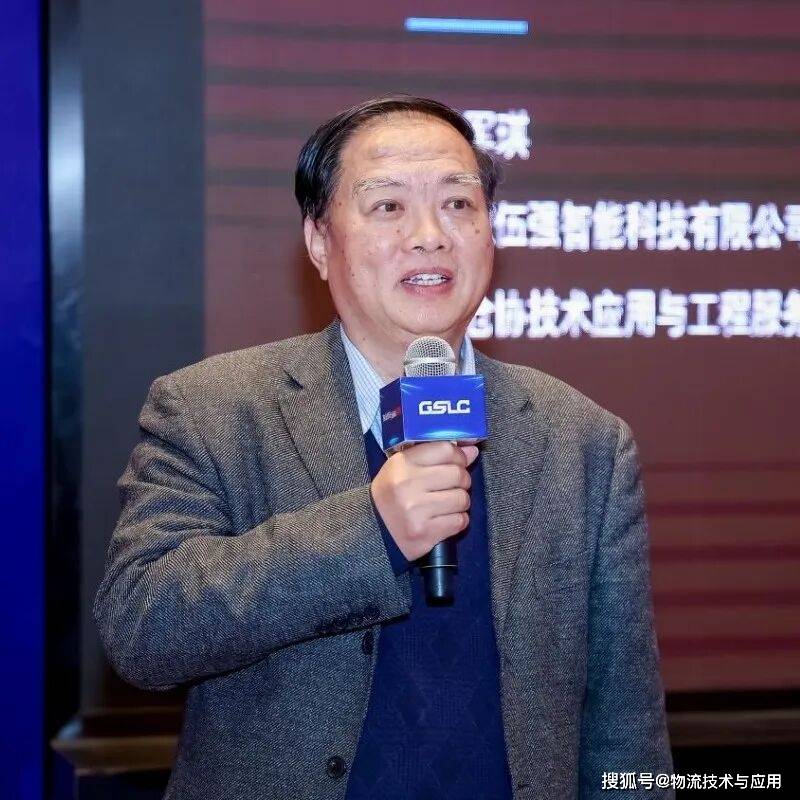
伍强智能科技董事长尹军琪:"价格"——“价值”,转变思路,走高质量发展之路
Sou Hu Cai Jing· 2025-12-25 08:40
Core Viewpoint - The article emphasizes the detrimental effects of price wars in the logistics industry, advocating for a shift from price competition to value competition to foster sustainable development and industry health [1][10]. Group 1: Causes of Price Wars - Price wars are primarily driven by overcapacity in the industry, leading to a supply-demand imbalance, where companies resort to lowering prices to survive [4][5]. - Factors contributing to price wars include product homogeneity, lack of competitive advantages, and pressures from market growth not meeting corporate growth expectations [4][5]. - Companies facing financial pressures, such as those preparing for IPOs or those without financing, often engage in price wars as a last resort for survival [4][5]. Group 2: Consequences of Price Wars - Price wars lead to a shrinking "effective market capacity," resulting in reduced employment opportunities within the industry, with estimates suggesting a potential loss of 30% to 50% of jobs in the logistics equipment sector [6]. - The competitive landscape becomes weakened as companies focus on cost-cutting measures rather than innovation, ultimately leading to a decline in market competitiveness [7][8]. - As price wars escalate, companies may compromise product quality to reduce costs, resulting in a market filled with low-quality products [7][8]. Group 3: The Illusion of Winners - Price wars create a multi-loss situation where suppliers lose their innovation capabilities and market competitiveness, often leading to a decline in brand reputation [8][9]. - Users who prioritize lower prices over quality may ultimately face negative consequences, as the quality of products and services deteriorates [9]. - The article stresses that maintaining a healthy industry requires mutual responsibility from both suppliers and users, highlighting the need for a balanced approach to competition [9]. Group 4: Understanding Value - The focus should shift from seeking the lowest prices to providing maximum value to users, ensuring that every investment is justified [10]. - Users must consider comprehensive comparisons of construction, equipment, and operations, as well as short-term and long-term costs and benefits when investing in logistics systems [13][14]. - The reliability and longevity of equipment are critical factors in evaluating value, as users often overlook the impact of product quality on overall costs [14]. Group 5: Strategies for Cost Reduction and Efficiency - Companies can enhance value through higher automation and flexibility in logistics systems, which can significantly improve operational efficiency [15][17]. - Standardization across various aspects of logistics can lead to better replicability and connectivity, maximizing industrial advantages [15]. - Optimizing processes and providing better solutions are essential for improving logistics systems, focusing on simplicity and reliability [17][18]. Group 6: Brand, Quality, and Service - From a supplier's perspective, brand, quality, and service are key indicators of value, and users should prioritize these over merely seeking lower prices [19]. - The lack of regulatory and certification mechanisms in the industry contributes to market chaos, necessitating a focus on quality and service in international markets [19]. - The article advocates for aligning Chinese standards with global standards to enhance the reputation of Chinese products abroad, moving away from reliance on price competition [19].
金银铜再创历史新高;库克豪掷295万美元增持,耐克涨超2%;英国石油以60亿美元出售百年品牌嘉实多65%股权【美股盘前】
Mei Ri Jing Ji Xin Wen· 2025-12-24 11:03
Group 1 - Sanofi announced a $2.2 billion acquisition of Dynavax at $15.50 per share, a 39% premium over its last closing price, adding a hepatitis B vaccine and an experimental shingles vaccine to its portfolio, with completion expected in Q1 2026 [2] - Apple CEO Tim Cook purchased $2.95 million worth of Nike shares at an average price of $58.97, increasing his total holdings to 105,480 shares valued at approximately $6.04 million, contributing to a 2.3% rise in Nike's stock [2] - UiPath was added to the S&P MidCap 400 index, leading to a 6.6% increase in its stock price, with RBC Capital raising its target price from $16 to $19 amid growing demand for automation [3] Group 2 - Motive, a fleet management software company, is seeking to go public on the NYSE under the ticker "MTVE" [2] - Toyota is recalling 55,405 vehicles in the U.S. due to potential issues with inverter bolts, resulting in a 1.69% decline in its stock [2] - BP agreed to sell a 65% stake in its Castrol lubricants business to Stonepeak Partners for approximately $6 billion, indicating a strategic shift to raise cash and reduce debt [3] Group 3 - Goldman Sachs released a report highlighting significant opportunities in the aerospace sector, particularly focusing on the $3.5 billion contract for the U.S. Space Development Agency's satellite program, with Rocket Lab securing its largest government contract to date [4] - Gold and silver prices reached historic highs, with gold surpassing $4,500 per ounce and silver exceeding $70 per ounce, while copper hit $12,159 per ton, reflecting a year-to-date increase of over 37% [4]



盐城市船舶工业行业擂响提升整体竞争力“战鼓”
Xin Lang Cai Jing· 2025-12-24 10:39
Group 1 - The Salt City Shipbuilding Industry Association held its fourth third member meeting on December 19, summarizing annual work and financial reports, and announcing the addition of three vice president units and three new member units [1] - The association aims to enhance the overall competitiveness of the Salt City shipbuilding industry by connecting enterprises with the government, expanding technical exchanges, and providing technical services and training [3] - The association emphasizes the importance of quality management in shipbuilding, promoting innovation, safety, and green practices, while enhancing the independent innovation and research capabilities of Salt City shipbuilding enterprises [6] Group 2 - The Salt City Transportation Comprehensive Administrative Law Enforcement Team and other departments urged the association and its member units to adhere to party leadership and leverage opportunities from the integration of the Yangtze River Delta region [5] - The association is focused on exploring new paths in automation, intelligence, and digitalization in shipbuilding, while optimizing quality management to improve shipbuilding quality [6]

【美股盘前】金银铜再创历史新高;库克豪掷295万美元增持,耐克涨超2%;赛诺菲斥资22亿美元收购,Dynavax涨超37%;英国石油以60亿美元出售百年品牌嘉实多65%股权
Mei Ri Jing Ji Xin Wen· 2025-12-24 10:31
Group 1 - Sanofi announced a $2.2 billion acquisition of Dynavax at $15.50 per share, a 39% premium over its last closing price, adding a hepatitis B vaccine and an experimental shingles vaccine to its portfolio, with completion expected in Q1 2026 [2] - Apple's CEO Tim Cook purchased $2.95 million worth of Nike shares at an average price of $58.97, increasing his total holdings to 105,480 shares valued at approximately $6.04 million, contributing to a 2.3% rise in Nike's stock [2] - UiPath was added to the S&P MidCap 400 index, effective January 6, 2026, with RBC Capital raising its target price from $16 to $19, reflecting a stable business trend amid growing automation demand, resulting in a 6.6% stock increase [3] Group 2 - Toyota is recalling 55,405 vehicles in the U.S. due to potential issues with inverter bolts, leading to a 1.69% decline in its stock [2] - BP agreed to sell a 65% stake in its Castrol lubricants business to Stonepeak Partners for approximately $6 billion, indicating a strategic shift to raise cash for debt reduction and improve performance, with BP's stock rising 0.26% [3] - Goldman Sachs released a report highlighting significant opportunities in the aerospace sector, particularly focusing on the $3.5 billion contract for satellite construction and launch under the U.S. Department of Defense's PWSA project, with Rocket Lab securing its largest government order to date [4]


中国机器人高效安装太阳能电池板,每秒百块创纪录
Xin Lang Cai Jing· 2025-12-22 10:23
Core Viewpoint - A Chinese robot has set a record by installing solar panels at a rate of 100 panels per second, showcasing advancements in technology and automation in the solar energy sector [1] Group 1: Technology and Automation - The robot's ability to install heavy solar panels quickly highlights the efficiency of automation in the renewable energy industry [1] - Human operators can focus on wiring and more technically challenging tasks while the robot handles the repetitive installation process [1] Group 2: Industry Impact - The use of robots in solar panel installation represents a significant shift towards automation in outdoor settings, akin to automated factories [1] - This technological advancement is expected to change the landscape of solar energy installation, making it faster and more efficient [1]


2025粒度仪市场规模预测:国产仪器份额将超4成
仪器信息网· 2025-12-21 09:02
Global Market Overview - The global laser particle size analyzer market is expected to exceed $1.5 billion by 2025, with a compound annual growth rate (CAGR) of over 10% from 2019 to 2024, driven by rapid advancements in pharmaceuticals and materials science [4] - By 2024, the market size is projected to reach approximately $1.4 billion [4] China Market Insights - The Chinese laser particle size analyzer market is anticipated to surpass 2 billion RMB by 2025, reflecting a year-on-year growth of 14.6% [5] - The localization rate of domestic equipment is expected to increase from 35% in 2020 to 45% by 2025, supported by national policies promoting independent innovation in scientific instruments [5] Competitive Landscape - The international market is characterized by a few leading brands dominating the high-end segment, with significant technological barriers to entry [6] - Companies like Malvern Panalytical and Beckman Coulter lead the market, offering high-precision and reliable solutions, but their products are often expensive and complex to operate [6] - Domestic brands are gaining market share through differentiated innovation and localized services, focusing on industrial quality control and new energy sectors [6][7] Future Market Trends - The market is moving towards increased intelligence and automation, with features like high-speed sampling and AI algorithm compensation becoming standard [8] - There is a growing demand for full-range detection capabilities, with devices capable of measuring from nanometers to millimeters without blind spots [11] - Domestic equipment is expected to capture 35% of the high-end market by 2025, with operational costs 30%-40% lower than imported brands [13] - Emerging applications in fields such as mRNA vaccines and environmental monitoring are driving the demand for high-precision laser particle size analyzers [14]