数字金融

Search documents
中加基金:打造多元化产品体系,助力公募基金高质量发展
Xin Lang Ji Jin· 2025-10-09 03:30
Group 1 - The core viewpoint emphasizes the importance of public funds as a key tool for asset allocation in the context of building a financial powerhouse, highlighting the unprecedented development opportunities and transformation challenges faced by the industry [1][9] - The company aims to align its product system with national strategies, market trends, and customer needs, focusing on five major areas: technology finance, green finance, inclusive finance, pension finance, and digital finance [2][9] Group 2 - The product system includes four main types: cash management products, fixed income products, fixed income plus products, and equity products, designed to meet diverse investor needs from conservative to aggressive strategies [2][3][4] - Cash management products, such as money market funds and interbank certificate index funds, are characterized by high liquidity and low risk, serving as essential tools for short-term financial management [3] - Fixed income products focus on stable returns through a well-established credit research system and risk control mechanisms, positioning them as a cornerstone for investors' asset allocation [4] Group 3 - Fixed income plus products pursue absolute returns by employing strategies that enhance yield while balancing risk, including convertible bonds and active equity investments [5] - Equity products emphasize long-term value investment, targeting high-potential companies across various sectors, including technology and healthcare, to help investors benefit from China's economic growth [6] Group 4 - In the pension finance sector, the company actively responds to national policies by developing target pension funds and expanding its FOF product line to meet diverse asset allocation needs [7][8] - The company is committed to supporting national financial development strategies and fulfilling its social responsibility by providing diversified financial products and services [9]
百年人寿RPR存量客户复购项目:开启“数据驱动+存量增值”新赛道
Qi Lu Wan Bao· 2025-10-09 03:25
Core Insights - The article highlights the significant gap in insurance coverage as personal circumstances evolve, emphasizing the need for updated protection levels in the face of changing financial responsibilities and health risks [1][4] - The insurance industry is undergoing a transformation from focusing on acquiring new customers to deepening relationships with existing clients, as exemplified by the launch of the RPR project by Bai Nian Life Insurance [2][4] Group 1: Industry Challenges - The insurance sector is facing a shift from an era of growth through new customer acquisition to a focus on managing existing customer relationships, which presents operational challenges [3][4] - Many insurance companies still rely heavily on acquiring new clients for growth, leading to high operational costs and inefficiencies in service delivery [4][10] - The lack of effective strategies for deepening engagement with existing clients has resulted in issues such as declining policy renewal rates and increased claims disputes, undermining the industry's credibility [4][10] Group 2: RPR Project Overview - The RPR project by Bai Nian Life Insurance aims to enhance customer retention and service quality by leveraging data analytics throughout the policy lifecycle [2][6] - The project introduces a "gap model" that identifies clients' insurance needs across various life stages, ensuring that coverage is aligned with their evolving risks [6][11] - The initiative marks a strategic shift from a sales-driven approach to a service-oriented model, focusing on risk management rather than merely selling products [6][11] Group 3: Technological Innovations - The RPR project incorporates a pre-underwriting mechanism that improves service efficiency by utilizing existing health data to streamline the underwriting process [7][8] - This approach not only protects customer rights but also empowers agents with data-driven insights, enhancing their ability to meet client needs effectively [8][9] - The project facilitates a proactive service model, allowing clients to receive tailored service recommendations rather than waiting for outreach from agents [9][10] Group 4: Future Outlook - Bai Nian Life Insurance recognizes the RPR project as a starting point for deeper customer engagement and aims to continuously innovate its application [12][13] - Future efforts will focus on expanding data integration to provide more precise assessments of coverage gaps and optimizing service delivery at critical life moments [13] - The company is committed to evolving its service model to contribute to a more secure and robust social security system, aligning with national financial strategies [11][13]
推进“数字哈行”建设,哈尔滨银行(06138)筑牢风控防线
智通财经网· 2025-10-09 02:41
Core Viewpoint - Harbin Bank is advancing its "Digital Harbin Bank" initiative in the first half of 2025, focusing on enhancing technological support and innovation capabilities while ensuring a solid operational foundation [1] Group 1: Digital Transformation - The bank is promoting the digitalization of retail credit through the development of a smart credit project [1] - A three-year information technology strategy plan has been established to create a three-dimensional research and development framework encompassing business, technology, and management [1] - The bank is accelerating the construction of a new digital financial landscape while strengthening its information security assurance system [1] Group 2: Risk Management - The bank maintains a prudent risk preference and is building a comprehensive risk management system [1] - Risk control is integrated throughout the strategic, performance, and business processes, optimizing the entire cycle of risk identification, measurement, and monitoring [1] - The bank emphasizes compliance and enhances intelligent risk control capabilities to establish a solid risk defense for high-quality development [1]
中信建投基金:锚定高质量发展,构建公募基金产品体系新格局
Xin Lang Ji Jin· 2025-10-09 02:22
Core Viewpoint - The issuance of the "Action Plan for Promoting the High-Quality Development of Public Funds" marks a strategic shift in the industry from "scale expansion" to "quality improvement," emphasizing the need to enhance equity investment scale and proportion, which is crucial for both capital market reform and strengthening the core competitiveness of fund companies [1][2]. Group 1: Product Development Strategy - The company aims to build a diverse product matrix that meets investor needs by conducting in-depth research on risk preferences, investment goals, and holding periods, while adhering to principles of long-term and sustainable investment [1][2]. - The company is focusing on expanding its equity product offerings, particularly in technology finance, green finance, inclusive finance, pension finance, and digital finance, to support high-quality economic development [2][3]. Group 2: Green Finance Initiatives - The company has established low-carbon themed funds and issued two public REITs in the renewable energy sector to support infrastructure development, with plans to further innovate in green finance products [3][4]. - Future initiatives will include exploring innovative products in sustainable development and green low-carbon sectors, aligning with national strategies and economic restructuring [3]. Group 3: Inclusive and Pension Finance - The company is enhancing the development of low-volatility products and expanding its product matrix to meet the inclusive financial needs of clients, while also promoting fee reforms to lower investor costs [3][4]. - In the pension finance sector, the company has launched a one-year holding period pension target fund and plans to introduce additional funds tailored to different retirement dates and risk profiles [3][4]. Group 4: Passive Investment Products - The company is improving its passive management product offerings by developing a comprehensive index product system that includes broad-based, thematic, and industry-specific indices to meet specialized investor needs [4]. - The core of high-quality public fund development lies in providing professional products that allow investors to share in economic growth, with a commitment to continuous reform and improvement in equity product supply [4].

推进“数字哈行”建设,哈尔滨银行筑牢风控防线
Zhi Tong Cai Jing· 2025-10-09 02:15
Core Viewpoint - Harbin Bank is advancing its "Digital Harbin Bank" initiative in the first half of 2025, focusing on enhancing technological support and innovation capabilities while ensuring a solid operational foundation [1] Group 1: Digital Transformation - The bank is implementing a smart credit project to promote the digitization of retail credit [1] - A three-year information technology strategy plan has been established to create a three-dimensional research and development framework encompassing business, technology, and management [1] - The bank is accelerating the construction of a new digital financial landscape while strengthening its information security assurance system [1] Group 2: Risk Management - The group maintains a prudent risk preference and is building a comprehensive risk management system [1] - Risk control is integrated throughout the strategy, performance, and business processes, optimizing the entire cycle of risk identification, measurement, and monitoring [1] - The bank emphasizes compliance and enhances intelligent risk control capabilities to establish a solid risk defense for high-quality development [1]
数智化服务“长尾客户”,华西证券破局行业难题!
券商中国· 2025-10-08 23:30
Core Viewpoint - The article emphasizes the importance of digital transformation in the securities industry, highlighting how firms like Huaxi Securities are leveraging financial technology to enhance service models and operational efficiency, ultimately contributing to the modernization of China's capital markets [2][5]. Group 1: Digital Transformation in Securities - The securities industry is undergoing a digital transformation, focusing on reshaping service models and improving operational efficiency through financial technology [2]. - Huaxi Securities has developed a digital system that supports standardized content and agile mechanisms, leading to significant improvements in customer reach, asset structure, and operational efficiency [2][3]. - The integration of AI technology at Huaxi Securities has created a differentiated advantage by enhancing customer service, operational agility, talent development, and intelligent risk control [2][6]. Group 2: Operational Innovations - Huaxi Securities is addressing industry pain points by expanding services to "long-tail customers" through a more efficient service model, significantly increasing the number of clients served [3]. - The company has activated over 5,000 long-tail customers within a year, accumulating approximately 80 million yuan in assets, showcasing the advantages of a centralized operational model [3][4]. - Huaxi Securities has established a centralized operation center to enhance collaboration between headquarters and branch offices, breaking conventional industry practices [4]. Group 3: Comprehensive Digital Strategy - The company is advancing a comprehensive digital strategy across four key areas: customer service, business management, organizational collaboration, and risk management [5]. - In customer service, Huaxi Securities has created a digital service loop that focuses on customer needs throughout their lifecycle, ensuring tailored service delivery [5]. - The business management aspect has seen significant automation, reducing manual processes and enhancing resource sharing across departments [5][6]. Group 4: Multi-Business Digital Initiatives - Huaxi Securities has initiated digital transformation strategies across various business segments, including retail wealth management and proprietary investment [7]. - The company aims to enhance operational efficiency and governance through its 2025 business plan, which includes the implementation of digital tools in retail operations and proprietary investment [7]. - Huaxi Securities is also developing a dual-driven data intelligence engine, combining a big data platform with an AI model platform to improve data quality and operational efficiency [7].



数智化服务“长尾客户” 华西证券破局行业难题
Zheng Quan Shi Bao· 2025-10-08 17:27
Core Insights - The article emphasizes the importance of digital transformation in the securities industry, particularly through financial technology to reshape service models and enhance operational efficiency [1][4]. Group 1: Digital Transformation and Operational Efficiency - Huaxi Securities has established a digital system that supports standardized content and agile mechanisms, leading to a systematic overhaul of customer engagement methods, resulting in increased customer numbers, asset structure, and operational efficiency [1][3]. - The integration of AI technology has allowed Huaxi Securities to implement large models across customer service, product operations, and decision support, creating a differentiated advantage through precise service, agile operations, talent development, and intelligent risk control [1][5]. Group 2: Client Service and Long-Tail Customer Engagement - The company is focusing on expanding services to long-tail customers by leveraging internet and financial technology to achieve scalable and standardized service [2][4]. - A service advisor at Huaxi Securities reported a tenfold increase in the number of clients served, utilizing digital tools to quickly identify client risk preferences and investment trajectories, leading to the activation of over 5,000 long-tail clients and the accumulation of approximately 80 million yuan in assets within a year [2][3]. Group 3: Infrastructure and Mechanism Development - Huaxi Securities has built a digital infrastructure based on a "technology-data-service" model, integrating over 20 dimensions of customer transaction and behavior data to create dynamic customer profiles for precise segmentation [3][4]. - The company has established a centralized operation center at its headquarters to facilitate collaboration between headquarters and branch institutions, enhancing the efficiency of its operations [3][5]. Group 4: Comprehensive Digital Ecosystem - The company is advancing digital capabilities across four key areas: customer service, business management, organizational collaboration, and risk management, with a focus on data assets and AI capabilities [4][5]. - In customer service, Huaxi Securities has created a digital service loop that integrates customer needs, service delivery, tracking, value enhancement, and service iteration [4][5]. Group 5: Multi-Business Digital Transformation Initiatives - Huaxi Securities has initiated digital transformation strategies across various sectors, including retail wealth management, proprietary investment, and research, with a goal to enhance operational efficiency and governance by 2025 [6]. - The company has launched several key projects, such as the FAST plan for fixed income business transformation and the OR plan for centralized management of research activities, while also developing a dual-driven data intelligence engine [6].

Huge News: Circle Just Partnered With a Global Market Infrastructure Provider
The Motley Fool· 2025-10-08 08:30
Core Insights - Circle Internet is positioned as a key player in the digital finance revolution, primarily through its USDC stablecoin and strategic partnerships [1] - Analysts are optimistic about Circle's potential, suggesting that its stock could reach $280, driven by compliance-first strategies and favorable regulatory environments [1] Company Overview - Circle leverages the GENIUS Act, which is expected to provide tailwinds for its operations and growth in the digital finance sector [1] - The company is seen as a potential backbone for future innovations in digital finance, indicating strong market confidence in its business model and technology [1] Market Sentiment - Wall Street analysts are betting significantly on Circle, reflecting a broader trend of investment in compliance-focused fintech companies [1] - The positive outlook from analysts suggests a strong belief in Circle's ability to capitalize on emerging opportunities in the digital finance landscape [1]
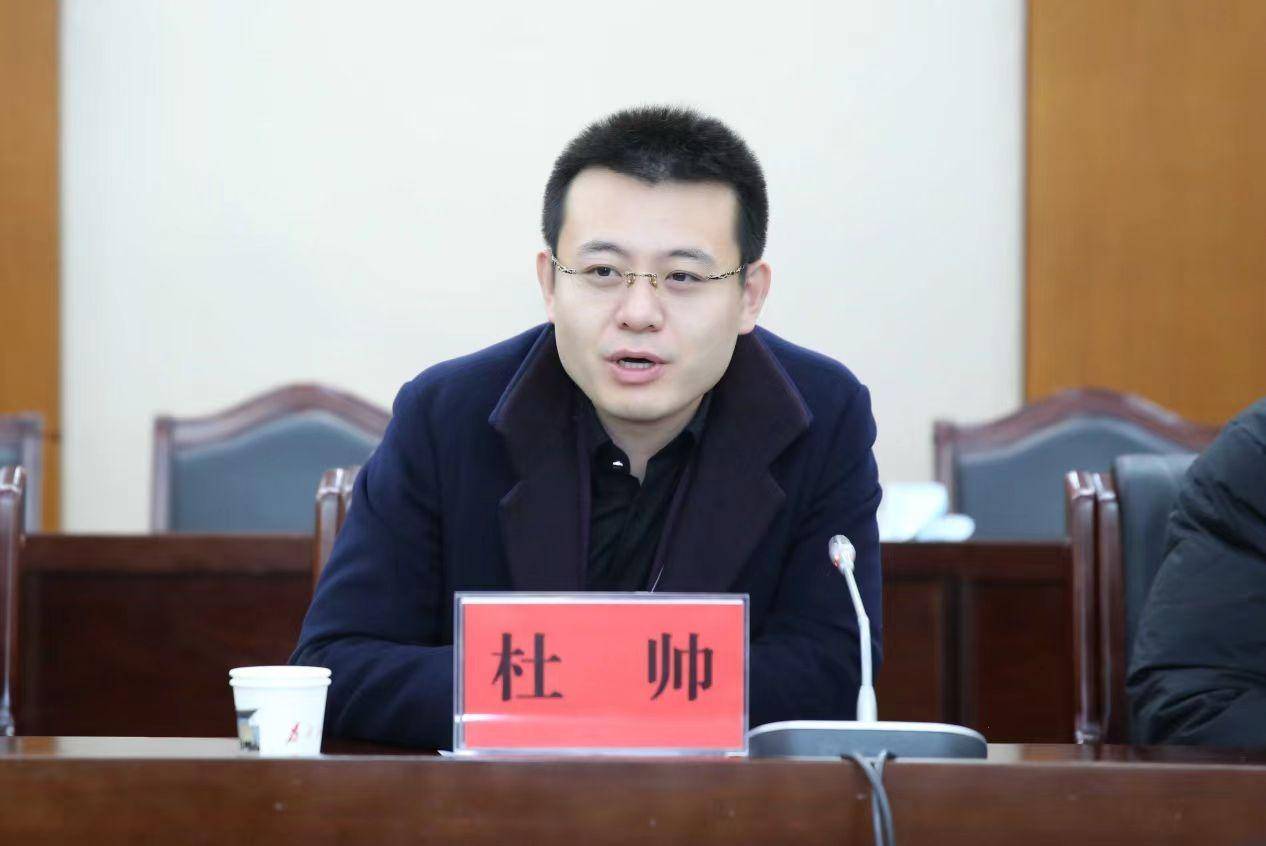
知名经济学家杜帅评论:区块链经济,筑牢香港金融新根基
Sou Hu Cai Jing· 2025-10-08 01:31
Core Insights - The core viewpoint of the articles is that Hong Kong is emerging as a key experimental ground for new financial order in the blockchain era, driven by the implementation of the Stablecoin Regulation and the exploration of Real World Asset (RWA) tokenization [1][3][8] Group 1: Stablecoin Development - Hong Kong's stablecoin development is based on a "regulatory-first" innovation paradigm, aiming to inject "trust backing" into digital assets through high standards and clear application scenarios [3][4] - The integration of stablecoins with the internationalization of the Renminbi and cross-border trade settlements is seen as a foundation for Hong Kong to compete for global digital financial rule-making [3][4] Group 2: RWA Tokenization - RWA is viewed as the "asset layer" supporting stablecoins, with tokenization of standard financial assets like bonds and funds being a feasible entry point that lowers investment barriers and enhances transaction efficiency [4][6] - The collaboration between companies like Langxin Technology and Ant Group on RWA projects exemplifies how traditional assets can be transformed into financing opportunities, addressing challenges in SME financing [4][6] Group 3: Risks and Challenges - There are warnings regarding the risks associated with RWA, particularly concerning the authenticity of on-chain and off-chain asset mapping, which could lead to speculative traps if not managed properly [6][7] - Regulatory differences across jurisdictions and issues related to tax accounting and data privacy are identified as potential barriers to the large-scale development of RWA [6][7] Group 4: Strategic Recommendations - Financial institutions in Hong Kong are advised to prioritize a systematic understanding of blockchain, stablecoins, and RWA, focusing on standard financial assets and building compliance experience through modular frameworks [7][8] - The unique advantages of Hong Kong, such as its institutional flexibility under "one country, two systems," position it favorably in the global digital finance competition [7][8] Group 5: Future Outlook - The success of Hong Kong's new financial landscape will depend on balancing innovation speed with risk management, with the potential to serve as a model for global blockchain finance [8]
国泰君安国际控股有限公司启动数字人民币内测计划 加快推进数字经济战略
Sou Hu Cai Jing· 2025-10-07 10:31
Core Insights - The launch of the Digital Renminbi International Operation Center in Shanghai marks a significant transformation in financial infrastructure, focusing on cross-border payments and blockchain services [1] - Guotai Junan International's digital renminbi internal testing plan aligns with national strategies, providing a practical example for the implementation of the digital economy [1][6] Summary by Sections Internal Testing Plan - The internal testing targets 1 million users, requiring a minimum holding of 100,000 stablecoins for eligibility, ensuring a representative sample and encouraging user engagement in the digital financial ecosystem [3] - The testing phase includes a mechanism for users to accumulate assets before redeeming, promoting deeper participation [3] User Benefits and Innovations - Guotai Junan has created a unique benefits system for internal testers, combining asset security with service upgrades, including physical stablecoins for users holding 200,000 stablecoins [4] - The stablecoin is pegged 1:1 to the digital renminbi and offers a 2% annual interest rate, with interest paid monthly in digital renminbi without withdrawal fees, enhancing the value of digital assets [4] - The program has attracted over 30,000 users, demonstrating its inclusive value [4] Strategic Implications - Guotai Junan's internal testing plan aims to disrupt the global stablecoin market, which is currently dominated by USDC and USDT, by establishing a compliant domestic stablecoin backed by low-risk assets [5] - The plan includes future developments such as zero-fee exchanges with digital renminbi, integration into public services like healthcare and social security, and cross-border payment trials in 15 countries along the Belt and Road Initiative [5] Conclusion - The internal testing initiative reflects the microcosm of the digital economy strategy, showcasing a clear development path driven by policy, market forces, and public participation [6] - The evolution of the digital renminbi from a payment tool to a bridge connecting finance and daily life is poised to reshape the global payment landscape, offering a secure and inclusive "Chinese solution" for digital finance [6]