通用人工智能(AGI)

Search documents
狼真的来了,“AI第一轮就业大冲击”已至,矛头直指年轻人
3 6 Ke· 2025-08-11 04:03
人工智能正在成为裁员的主要推手之一,应届毕业生和年轻科技从业者的失业率正在上升。 8月10日周日,美银Hartnett表示,美国毕业生失业率从2023年12月的4.0%飙升至8.1%,人工智能已开 始颠覆美国就业市场。 据人力资源机构Challenger, Gray & Christmas的最新数据,仅今年前七个月,美国就有超过1万个岗位的 消失与生成式AI的应用直接相关。该机构认为,AI已跃升为年度前五大裁员原因之一。 整体来看,2025年美国企业宣布的裁员总数已超过80.6万,创下自2020年以来同期最高纪录。其中,科 技行业是重灾区,已有超8.9万个岗位被削减,自2023年以来至少有2.7万个科技岗位因AI自动化而被取 代。 初级岗位首当其冲 AI正在直接取代大量初级岗位。面向Z世代的求职平台Handshake数据显示,初级职位的招聘信息(尤 其是企业类岗位)同比下降了15%。过去两年里,在招聘信息中提到AI的雇主数量激增了400%。 这些被AI"接手"的工作,大多是原本由初级员工完成的。耶鲁大学管理学院组织行为学副教授Botelho 表示,受冲击最大的是初级员工,许多刚毕业的新员工从事的都是知识密集型 ...
国内首个具身大脑+小脑算法实战全栈教程
具身智能之心· 2025-08-11 00:14
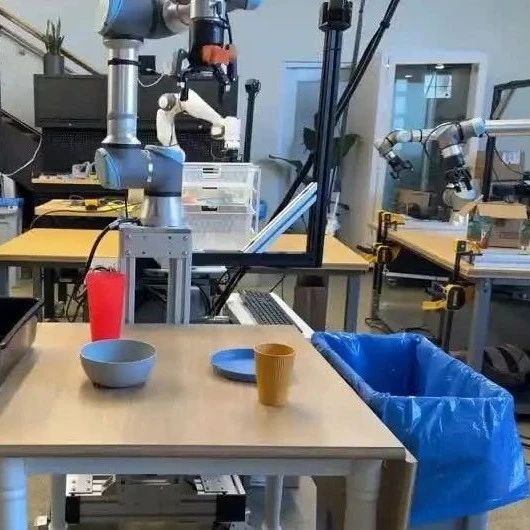
Core Viewpoint - The exploration towards Artificial General Intelligence (AGI) highlights embodied intelligence as a key direction, focusing on the interaction and adaptation of intelligent agents within physical environments [1][6]. Industry Analysis - In the past two years, numerous star teams in the field of embodied intelligence have emerged, establishing valuable companies such as Xinghaitu, Galaxy General, and Zhujidongli, driving advancements in embodied brain and cerebellum technologies [3]. - Major domestic companies like Huawei, JD.com, Tencent, Ant Group, and Xiaomi are actively investing and collaborating to build an ecosystem for embodied intelligence, while international firms like Tesla and investment institutions in the U.S. are supporting companies like Wayve and Apptronik in autonomous driving and warehouse robotics [5]. Technological Evolution - The development of embodied intelligence has progressed through several stages: - The first stage focused on grasp pose detection, which struggled with complex tasks due to a lack of context modeling [6]. - The second stage involved behavior cloning, allowing robots to learn from expert demonstrations but revealing weaknesses in generalization and performance in multi-target scenarios [6]. - The third stage introduced Diffusion Policy methods, enhancing stability and generalization in task execution through sequence modeling [7]. - The fourth stage, emerging in 2025, explores the integration of VLA models with reinforcement learning and tactile sensing, aiming to overcome limitations in feedback and future prediction capabilities [8]. Product and Market Development - The evolution from grasp pose detection to behavior cloning and advanced VLA models signifies a shift towards intelligent agents capable of performing complex tasks in open environments, leading to a surge in product development across various sectors such as industrial, home, dining, and healthcare [9]. - The demand for engineering and system capabilities is increasing as the industry transitions from research to deployment, necessitating higher engineering standards [12]. Educational Initiatives - A comprehensive curriculum has been developed to assist learners in mastering the full spectrum of embodied intelligence algorithms, covering topics from basic tasks to advanced models like VLA and its integrations [9][12].

陈天桥联手清华教授代季峰首发最强开源AI模型项目,全力打造下一个DeepSeek
Tai Mei Ti A P P· 2025-08-10 23:52
Core Insights - The article discusses the establishment of a new company focused on General Artificial Intelligence (AGI) led by Dai Jifeng, a professor at Tsinghua University, and Chen Tianqiao, an entrepreneur and philanthropist [2][12] - The MiroMind AI team has launched the MiroMind Open Deep Research (Miro ODR) project, which is a high-performance, fully open-source deep research initiative, achieving a GAIA score of 82.4, surpassing other models like OpenAI's Deep Research and Manus [3][4] Company Overview - MiroMind aims to create a collaborative environment for building AI rather than providing AI directly, emphasizing community involvement in the development process [5][12] - The company has released four sub-projects on platforms like GitHub and Hugging Face, with plans for monthly updates to enhance the deep research model [5][10] Technical Achievements - MiroMind ODR's GAIA score of 82.4 positions it as the strongest open-source deep research model available, outperforming competitors [4][9] - The project includes various components such as MiroFlow, MiroThinker, MiroVerse, and MiroTrain, each contributing to different aspects of deep research and model training [10][12] Research and Development Focus - The MiroMind team is concentrating on three key areas: AI-driven business decision-making, innovative content distribution algorithms, and AI services tailored for aging and youth demographics [12] - The MiroMind-M1 model, based on 7 billion parameters, has shown superior performance in mathematical reasoning tasks compared to other models [9][11] Leadership and Background - Dai Jifeng has a strong academic and professional background in AI and computer vision, having published over 80 papers and received more than 60,000 citations [7][8] - Chen Tianqiao has a history of investing in brain-computer interface technologies and aims to support long-term, stable investments in hard tech innovations [15][17]


OpenAI发布新一代AI模型GPT-5
Xin Lang Cai Jing· 2025-08-10 23:02
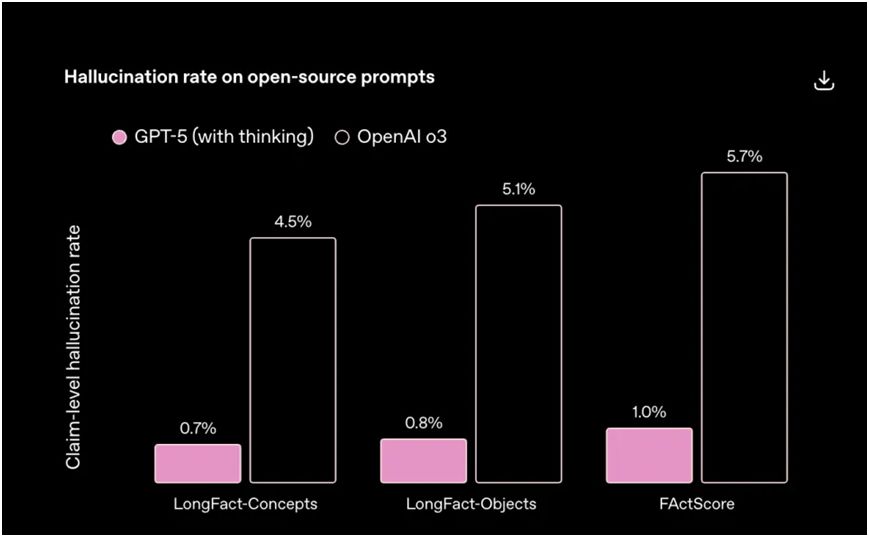
来源:科技日报 科技日报讯 (记者刘霞)美国《纽约时报》等媒体7日报道,OpenAI于当日正式推出新一代人工智能 (AI)模型GPT-5。该公司宣称,这是其"迄今为止最智能、最迅捷且最实用的AI模型",在健康咨询解 答、快速编写计算机代码等领域表现尤为突出。 据OpenAI官网报道,GPT-5首次采用推理模型为免费版ChatGPT提供支持,该模型能对复杂问题进 行"思考"后再作出回答。OpenAI首席执行官萨姆·奥尔特曼在记者会上表示,GPT-5是对前代系统的"重 大升级",新技术响应更快、准确性更高,"幻觉"(即虚构信息)现象显著减少。 此外,根据OpenAI发布的测试数据,GPT-5的响应事实 错误率较GPT-4降低约45%,较早期模型降低80%。新模型在文书处理方面也能提供更精准的写作建 议,在医疗领域则可辅助解读体检报告,但公司特别声明"不会取代专业医疗人员"。 值得注意的是,在演示中,当被问及伯努利原理在机翼应用的经典问题时,GPT-5仍给出了常见却不够 准确的解释,这表明该AI模型尚存改进空间。奥尔特曼坦言,尽管GPT-5是通向通用人工智能(AGI) 的重要里程碑,但要实现媲美人脑的机器智能,仍存 ...
狼真的来了!“AI第一轮就业大冲击”已至,矛头直指年轻人
美股IPO· 2025-08-10 22:35
Core Viewpoint - The rise of artificial intelligence (AI) is significantly impacting the job market, particularly for entry-level positions, leading to increased unemployment rates among recent graduates and young professionals in the technology sector [1][3][5]. Group 1: Impact of AI on Employment - Over 10,000 jobs in the U.S. have been lost due to generative AI applications in the first seven months of this year, with entry-level positions being the most affected [3][4]. - The unemployment rate for U.S. graduates surged from 4.0% in December 2023 to 8.1% [3][5]. - AI has become one of the top five reasons for layoffs in the U.S., with over 806,000 layoffs announced by companies in 2025, the highest since 2020 [3][4]. Group 2: Challenges for Young Job Seekers - Nearly half of U.S. Generation Z job seekers believe that AI has devalued their degrees, with the unemployment rate for recent college graduates rising to 6%, significantly above the national average of around 4% [5][6]. - The technology sector has seen the most significant impact, with unemployment rates for employees aged 20-30 increasing by approximately 3 percentage points this year [6][7]. Group 3: Shift in Hiring Practices - Companies are increasingly using AI to replace tasks traditionally performed by entry-level employees, leading to a 15% decline in job postings for entry-level positions [4][8]. - Major companies like Shopify and McKinsey have publicly stated that they will not hire new employees if AI can perform the tasks [8].




狼真的来了!“AI第一轮就业大冲击”已至,矛头直指年轻人
华尔街见闻· 2025-08-10 12:25
人工智能正在成为裁员的主要推手之一, 应届毕业生和年轻科技从业者的失业率正在上升。 8月10日周日,美银Hartnett表示, 美国毕业生失业率从2023年12月的4.0%飙升至8.1%,人工智能已开始颠覆美国就业市场 。 据人力资源机构Challenger, Gray & Christmas的最新数据, 仅今年前七个月,美国就有超过1万个岗位的消失与生成式AI的应用直接相关。 该机构认为, AI 已跃升为年度前五大裁员原因之一。 整体来看,2025年美国企业宣布的裁员总数已超过80.6万,创下自2020年以来同期最高纪录。其中,科技行业是重灾区,已有超8.9万个岗位被削减, 自2023 年以来至少有2.7万个科技岗位因AI自动化而被取代。 初级岗位首当其冲 AI正在直接取代大量初级岗位。 面向Z世代的求职平台Handshake数据显示,初级职位的招聘信息(尤其是企业类岗位)同比下降了15%。过去两年里,在招 聘信息中提到AI的雇主数量激增了400%。 这些被AI"接手"的工作,大多是原本由初级员工完成的。耶鲁大学管理学院组织行为学副教授Botelho表示,受冲击最大的是初级员工,许多刚毕业的新员工从 事的都 ...
狼真的来了!“AI第一轮就业大冲击”已至,矛头直指年轻人
Hua Er Jie Jian Wen· 2025-08-10 02:47
Core Insights - The rise of artificial intelligence (AI) is significantly impacting the job market, particularly for recent graduates and young tech workers, leading to increased unemployment rates [1][3][5] Group 1: Employment Trends - The unemployment rate for U.S. graduates surged from 4.0% in December 2023 to 8.1% due to AI disruptions [1] - Over 1 million jobs lost in the first seven months of the year are directly linked to the application of generative AI [1] - The total number of layoffs announced by U.S. companies in 2025 is projected to exceed 806,000, the highest for the same period since 2020, with the tech sector being the most affected [1] Group 2: Impact on Entry-Level Positions - Entry-level positions are the most vulnerable, with job postings for these roles declining by 15% year-over-year [2] - The number of employers mentioning AI in job postings has increased by 400% over the past two years, indicating a shift in hiring practices [2] - Many entry-level tasks, such as data collection and basic chart creation, are now being performed by AI, leading to a reduction in entry-level job openings [2] Group 3: Challenges for Young Workers - Nearly half of U.S. Gen Z job seekers believe AI has devalued their degrees, contributing to a rising unemployment rate of 6% among recent graduates [3] - The unemployment rate for young employees in the tech sector has increased by approximately 3 percentage points this year, significantly higher than the overall tech industry rate [3] - The tech industry's share of overall employment has been declining since the past three years, with recruitment levels falling below historical trends [3] Group 4: Corporate Strategies and AI Integration - Companies like Shopify and McKinsey are openly adopting AI in their operations, leading to changes in hiring strategies [6] - AI is reportedly responsible for generating about 30% of code in certain projects at Alphabet and Microsoft, while Salesforce claims that AI accounts for 50% of its internal work [6]
马斯克炮轰 OpenAI 被微软拿捏,纳德拉回帖称期待 Grok 5 到来
Sou Hu Cai Jing· 2025-08-09 04:13
Core Viewpoint - Elon Musk criticizes Microsoft's partnership with OpenAI, claiming it betrays OpenAI's original non-profit mission and has turned it into a "de facto subsidiary" of Microsoft [1] Group 1: Legal Actions and Allegations - Musk has filed two lawsuits against OpenAI, with the second lawsuit accusing OpenAI of "racketeering" [1] - Musk emphasizes that OpenAI was initially committed to developing AGI for the benefit of humanity, but has shifted focus to profit maximization under Microsoft's influence [1] Group 2: Reactions from Microsoft and OpenAI - Microsoft CEO Satya Nadella welcomed the launch of the GPT-5 model, responding humorously to Musk's criticisms by stating that "people have been trying for 50 years, and that's the fun of it" [2][3] - Nadella also promoted Microsoft's support for Musk's xAI Grok model in his communications [1][2]


实测GPT-5:写作“AI味”浓 代码“美而无用” OpenAI为何急于打响价格战
Mei Ri Jing Ji Xin Wen· 2025-08-09 01:57
Core Insights - The long-awaited GPT-5 has been released, but initial feedback indicates a disappointing performance compared to expectations, with users noting a regression in writing quality and code utility [1][4][11] - OpenAI appears to be shifting its focus from pure technological advancement to survival and commercial expansion, aiming for a $500 billion valuation by targeting enterprise and government markets [1][20][22] Technical Performance - OpenAI claims GPT-5 has improved capabilities, achieving near 70% better performance in complex scientific problems compared to human experts, and reducing error rates in code generation and writing by up to 80% in some tests [2][4] - Despite these claims, user experiences suggest that GPT-5's writing quality has not significantly improved and may have even regressed to levels similar to GPT-3.5 [4][11] - In programming tasks, GPT-5's performance does not show a significant advantage over competitors, with some users reporting that the generated code, while aesthetically pleasing, is non-functional [11][12][14] Market Strategy - OpenAI has adopted a competitive pricing strategy for GPT-5, with API costs significantly lower than those of its predecessors and competitors, aiming to attract enterprise clients [18][19] - The pricing strategy is designed to penetrate the B2B market, with OpenAI emphasizing enterprise applications during the GPT-5 launch [19][23] - OpenAI's revenue growth is heavily reliant on ChatGPT subscriptions, which account for approximately 70% of total revenue, but the C-end growth is nearing saturation [20][22] Future Outlook - OpenAI is exploring a potential valuation increase to $500 billion through employee stock sales, reflecting market speculation on its future in AGI [20] - The company faces significant operational costs, projected to exceed $28 billion this year, raising concerns about its financial sustainability [20][21] - OpenAI is transitioning from a focus on consumer internet to enterprise and government markets, with plans to offer its services at minimal costs to government agencies to establish long-term partnerships [22][23]
实测GPT-5:界面更简洁回答更高效,但“不够惊艳”
Bei Ke Cai Jing· 2025-08-09 01:50
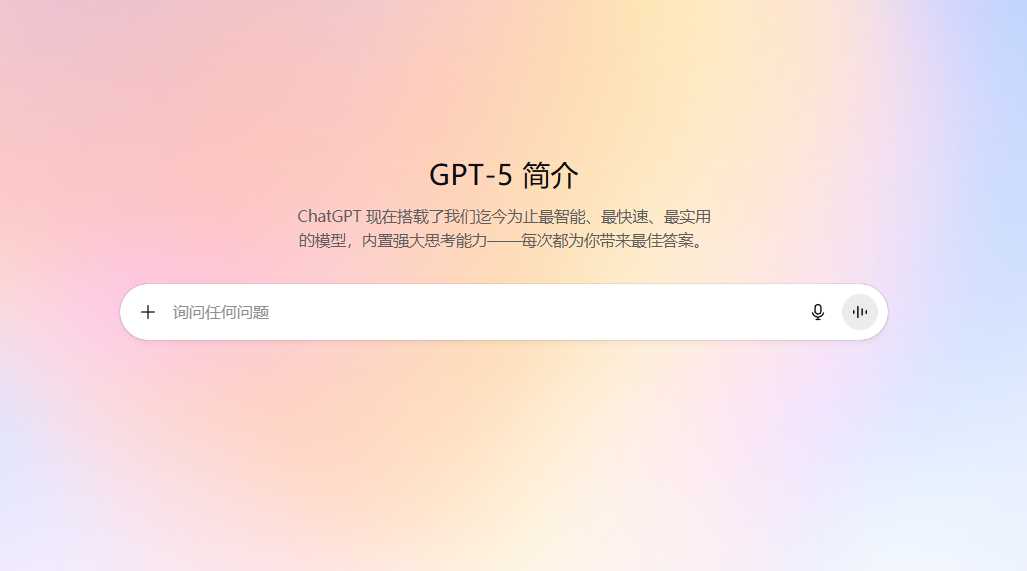
北京时间8月8日,"跳票"多次的GPT-5终于"千呼万唤始出来",OpenAI首席执行官山姆·奥特曼以一个77分钟的发布视频揭开了这个继两年前GPT-4发布震撼 业界后,就被不断寄予厚望的大模型。 新京报AI研究院第一时间对GPT-5进行了实测,发现接入GPT-5的能力后,ChatGPT的对话界面更加简洁,完全践行了此前奥特曼曾表示的将多模态、深度 思考、联网搜索等集成化的思路,在对话中,该款大模型也确实可以做到依据问题,丝滑切换不同的回答方式,让用户的使用体验"更上一层楼"。但对一些 较为复杂问题的回复,依然有错误出现,总体来看其模型能力并未与市面上其他模型拉开显著差距。 ChatGPT最新界面截图 事实上,由于OpenAI在近几年发布的GPT-4,甚至o1模型的表现都做到了大幅领先同行,GPT-5也被不少业界人士期待能够再度复制此前的辉煌,甚至成为 实现AGI(通用人工智能)的标志。此次发布后,GPT-5的能力依然在各项跑分测试中做到了领先,但其所带来的"惊艳程度"显然不及GPT-4和o1。 在AI大模型行业"以月为单位"的迭代速度,以及国产优秀AI大模型不断涌现的背景下,山姆·奥特曼要想继续谱写Open ...