数字孪生

Search documents
山水比德20250827
2025-08-27 15:19
Summary of the Conference Call for Shanshui Bide Company Overview - Shanshui Bide, established in 2007 and headquartered in Guangzhou, specializes in landscape design, architectural design, and EPC (Engineering, Procurement, and Construction) services. The company holds multiple qualifications, including Class A in urban and rural planning and landscape engineering design [doc id='4'][doc id='5']. Financial Performance - In the first half of 2025, Shanshui Bide reported significant revenue growth of 24.98%, reaching 225 million yuan, while net profit decreased by 84.36% to 1.9067 million yuan due to strategic expansion and investments in new businesses [doc id='2'][doc id='3']. - The company signed new contracts worth 657 million yuan, a year-on-year increase of 71.48% [doc id='3']. - The expected bad debts and asset impairments for 2025 are projected to be between 30 million to 35 million yuan, showing a decrease from previous years due to improved customer structure [doc id='11'][doc id='12']. Business Strategy and Expansion - Shanshui Bide is currently in a growth investment phase, focusing on optimizing its profit structure for future growth [doc id='2'][doc id='9']. - The company is expanding its services beyond traditional landscape business to include architectural design and EPC services, which have lower profit margins [doc id='2'][doc id='7']. - As of now, Shanshui Bide has established 22 city branches across China, with new service points in Xinjiang and Hefei added in July 2025 [doc id='12'][doc id='13']. Technological Integration - The company collaborates with Rocky to leverage AI and AR technologies for urban renewal, creating digital twins and immersive experiences in cultural tourism [doc id='13'][doc id='22']. - Digital tools such as AI and parametric design are being integrated into the design process, enhancing efficiency and quality [doc id='6']. Market Outlook - Despite a challenging overall market, the demand for architectural design, landscape design, and EPC services remains strong. The company anticipates continued revenue growth but acknowledges that profit margins may remain under pressure in the short term [doc id='9'][doc id='17']. - The company aims for a revenue growth target of no less than 10% for 2025 and 21% for 2026, with net profit targets set at 15 million yuan and 20 million yuan, respectively [doc id='18']. Challenges and Risk Management - The expansion into architectural design and EPC services presents challenges, including increased capital requirements and potential receivables accumulation. The company plans to enhance financial management and optimize project execution to mitigate these risks [doc id='14'][doc id='15']. - The company maintains a focus on high-quality clients to reduce financial risks associated with new business ventures [doc id='14']. Industry Dynamics - The landscape industry is experiencing a downturn, but Shanshui Bide's strategic focus on professional and comprehensive services positions it well to capitalize on emerging opportunities [doc id='17'][doc id='19']. - Urban renewal policies are seen as a significant growth opportunity, with the company establishing a dedicated urban renewal group to adapt to market trends [doc id='20'][doc id='21']. Conclusion - Shanshui Bide is navigating a complex landscape of growth and investment, with a clear strategy to enhance its service offerings and leverage technology for future success. The company is poised to capitalize on urban renewal opportunities while managing the challenges of expanding into lower-margin business areas.
国电南瑞上半年实现营收242.43亿元 拟派发现金红利11.75亿元
Zheng Quan Shi Bao Wang· 2025-08-27 13:02
Group 1 - The company reported a revenue of 24.243 billion yuan for the first half of the year, representing a year-on-year growth of 19.54% [1] - The net profit attributable to shareholders was 2.952 billion yuan, with a year-on-year increase of 8.82% [1] - The company plans to distribute a cash dividend of 1.47 yuan per 10 shares, totaling 1.175 billion yuan [1] Group 2 - The construction of a new power system and new energy system is advancing, with increasing demand for energy security, digital transformation, and high-quality development of new energy [2] - The company adheres to the value concept of "technology as the foundation, industry as the result, and support as the responsibility," establishing a three-domain and four-layer industrial layout [2] - The company focuses on four major industrial clusters: smart grid, energy digital integration, low-carbon energy, and industrial interconnection [2] Group 3 - The company will advance its technology and business development in two directions: flexible and reconfigurable power electronics technology, and digitalization and intelligence through AI and digital twin technology [3] - The company aims to enhance research and development in flexible power grid technology and equipment, focusing on core technologies such as FACTS and wide-bandgap semiconductor applications [3] - The company plans to create a high-fidelity dynamic virtual model of the physical grid in the digital space, leveraging data mining and intelligent inference for operational efficiency [3]

东华软件25H1营收56.22亿元 经营稳中有进、多核心业务取积极进展
Quan Jing Wang· 2025-08-27 09:08
Core Viewpoint - Donghua Software demonstrated strong business stability and resilience in a complex market environment, achieving positive progress in multiple core business areas during the first half of 2025. Financial Performance - In the first half of 2025, Donghua Software reported revenue of 5.622 billion yuan and a net profit attributable to shareholders of 244 million yuan, with a non-recurring net profit of 205 million yuan, reflecting a year-on-year growth of 0.74% [1] - Revenue contributions from various sectors included 3.438 billion yuan from the financial health industry, 1.236 billion yuan from government and public services, 203 million yuan from the internet and computer services, and 398 million yuan from the telecommunications industry [1] Healthcare Sector - Donghua Medical, a subsidiary of Donghua Software, has been deeply engaged in the healthcare sector for 25 years, covering over 1,000 institutions across more than 30 provinces, with over 30% of top hospitals as clients [1] - In the first half of 2025, Donghua Medical signed contracts with over ten top medical institutions, including Peking University First Hospital, and continued to advance smart hospital construction [1] - The company launched AI clinical solutions that improved electronic medical record generation efficiency by four times and outpatient response speed by 100% [1] - Donghua Medical's project "5G + County Medical Community Project" won the national first prize and the most promising development award at the 7th Smart Medical Innovation Competition [1] Financial Technology Sector - Donghua Software actively responded to regulatory policies in the fintech sector, successfully winning over 100 projects with banks and financial institutions [2] - In the anti-money laundering field, the company has collaborated with 40 banks on credit information management products [2] - The new generation of movable property financing registration system has been successfully launched in several banks and leasing institutions [2] - The credit compliance management platform has been developed and signed with five pilot financial institutions [2] Computing Power Sector - Donghua Software won a 539 million yuan project for the second phase of the Wuhan Supercomputing Center, utilizing Huawei Ascend chips and liquid cooling technology to achieve 50P double-precision floating-point computing power, with a power density of 50kW per cabinet, saving 40% energy compared to traditional data centers [2] Research and Development - As a national high-tech enterprise, Donghua Software adheres to an innovation-driven development philosophy, focusing on cutting-edge fields such as AI large models, digital twins, and trusted computing [2] - In the first half of 2025, the company's R&D expenses remained high, totaling 473 million yuan [2]

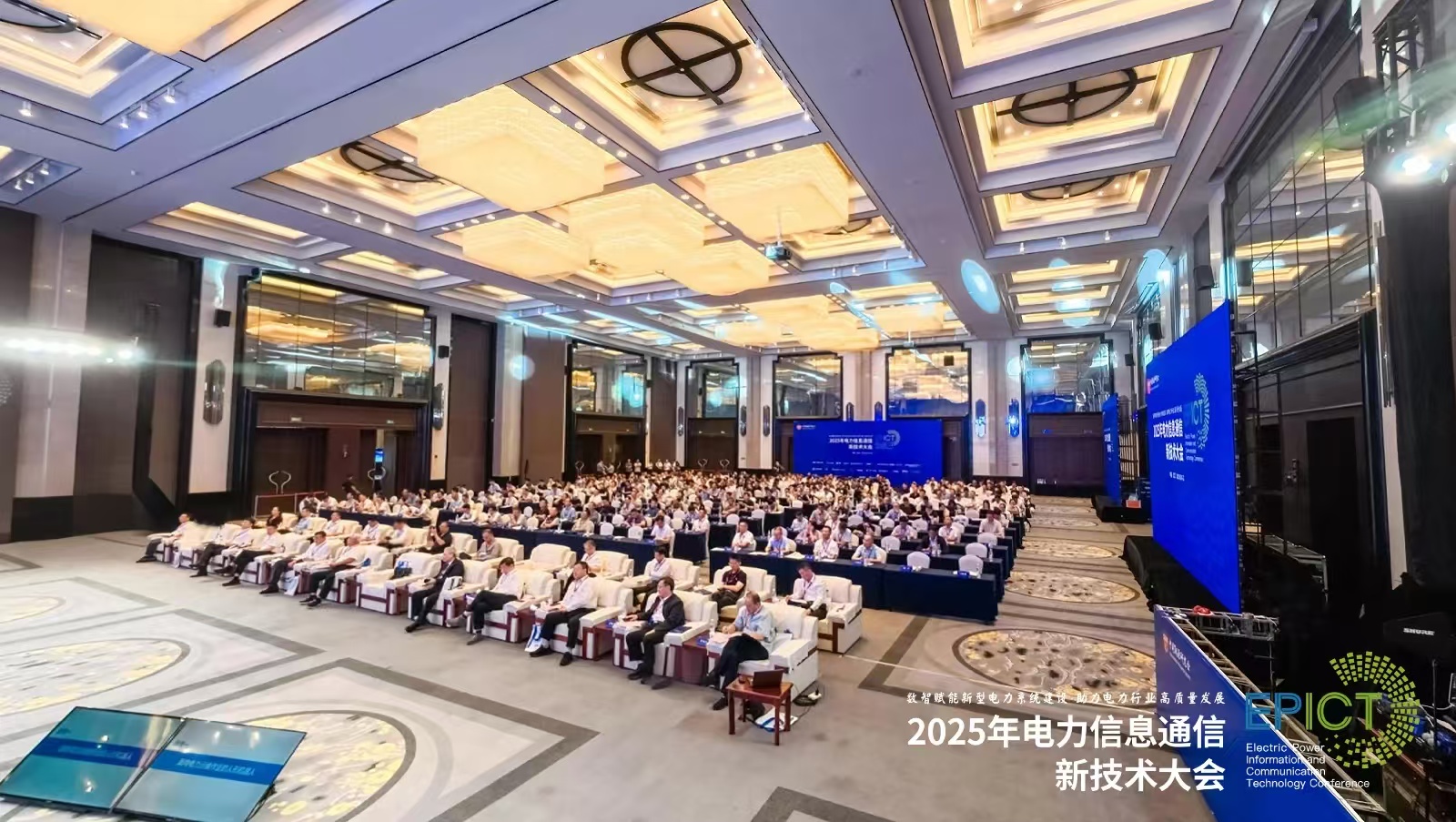
2025年电力信息通信新技术大会在武汉成功召开,共绘电力行业数智化新蓝图
Zhong Guo Neng Yuan Wang· 2025-08-27 08:51
Core Insights - The 2025 Power Information Communication New Technology Conference in Wuhan, China, gathered over 800 participants from various sectors, marking the largest scale and influence in its history [1][3][22] - The conference emphasized the role of information communication technology as a core engine driving the transformation of the power sector, particularly in the context of high proportions of renewable energy [4][22] Group 1: Key Themes and Discussions - The conference highlighted the transition of China's power communication network from a traditional model to a new form characterized by high-speed, ubiquitous, and integrated cloud-network systems [4][16] - Experts discussed the challenges posed by distributed energy integration and data security, advocating for platform-based thinking to optimize resource allocation and explore intelligent paths for power dispatch and customer service [6][22] - Two significant white papers were released, focusing on the communication target network for new power systems and the development of next-generation low-voltage power line broadband communication [10][12] Group 2: Expert Contributions and Innovations - Notable presentations included discussions on the evolution of 6G technology, the application of mobile robotics in power operations, and the integration of artificial intelligence and digital twin technologies in the power sector [6][16] - The conference featured a variety of innovative solutions, such as humanoid robots and heavy-duty quadruped transport robots, aimed at enhancing operational efficiency in the power industry [6][16] - The event also showcased a range of new technologies and products through case presentations and interactive experiences, reflecting the growing interest in innovative applications within the power information communication field [19][22] Group 3: Future Directions and Industry Standards - The conference underscored the importance of developing industry standards and promoting the standardization of new technologies in the power sector, particularly in areas like information, communication, and security [19][22] - Experts agreed on the necessity for continued integration of data elements with financial capital to facilitate the green and low-carbon transition in the energy sector [22] - The event served as a platform for fostering international cooperation to address global energy challenges, highlighting the collaborative efforts needed for future advancements in the power industry [22]

2025智能制造系统解决方案大会召开—— 业界共探制造业智能化新生态
Zhong Guo Hua Gong Bao· 2025-08-27 06:36
"智能制造本质上是一个'人—信息—物理系统',核心关键在于'人',必须培养和造就智能制造高质量人 才和智能制造工程技术队伍。"国家制造强国建设战略咨询委员会主任周济强调,要培养掌握细分行业 制造知识、具有工程实施经验的供应商,推动跨学科、跨领域的协同创新,推动和引领制造业企业转型 升级。 会上,多家单位代表联合发起《共建智能制造系统解决方案良性发展生态》倡议,宣布启动"智能制造 系统解决方案供应商服务等级认证"工作。 中化新网讯 8月22日,2025智能制造系统解决方案大会在北京召开。来自多个行业的专家学者以"系统 解决方案升级驱动制造模式革新"为主题,讨论新一代信息技术为制造业重点领域带来的技术革新与产 业变化,共同探索如何打造制造业智能化生态。 中国电子技术标准化研究院杨旭东表示,新一代信息技术正在推动系统解决方案的集成创新,具身智能 正在突破解决方案的"物理边界"。他建议以物理具身、多模态交互、自主进化、环境自适应等解决方 案,通过"感知—决策—行动"的闭环在真实环境中自学习、自优化,将物理不确定性转化为数字可控变 量,满足石化、钢铁、汽车、高端装备制造等行业在多变、精细、高危、复杂等应用场景的需求。 ...
ITIF:2025 AR&VR在医疗领域中的应用潜力研究报告(英文版)
Sou Hu Cai Jing· 2025-08-27 05:54
Core Insights - The ITIF report emphasizes the need for accelerated innovation in AR and VR technologies to meet critical healthcare demands, highlighting their potential for long-term cost savings and improved patient care [5][12][14] - The AR/VR healthcare market is projected to grow from approximately $4 billion in 2024 to over $46 billion by 2032, with 84% of healthcare professionals recognizing its transformative potential [11][15][18] Value of AR/VR in Healthcare - AR/VR technologies enhance traditional healthcare methods and introduce new treatment options, ultimately leading to better patient outcomes and cost savings [8][15] - Immersive technologies are being utilized in medical education, allowing students to learn in risk-free environments, resulting in a knowledge recall rate increase from 78% to 90% compared to traditional methods [17][49] - Patients benefit from AR/VR applications through home-based treatments and health monitoring, reducing the need for travel to medical facilities [18][40] Applications in Healthcare - Doctors are using AR/VR to improve diagnostic accuracy, with AR technology achieving a screw placement accuracy of 98% in spinal surgeries, surpassing the 90% clinical acceptance standard [22][25] - Mental health practitioners are employing AR/VR for exposure therapy, aiding patients with phobias and PTSD, and providing new approaches to addiction treatment [42][44] - AR/VR is being integrated into pharmaceutical and medical device research, accelerating drug development processes [2][12] Barriers to Adoption - High initial costs for AR/VR equipment and financial constraints faced by hospitals, with over half of U.S. hospitals operating at a loss in 2022, hinder widespread adoption [2][19] - A significant burnout rate among healthcare workers, with 46% experiencing burnout in 2022, complicates the training and implementation of new technologies [2][19] - Regulatory challenges, including the lack of clear FDA guidelines for AR/VR devices, create obstacles for timely technology deployment [2][19] Policy Recommendations - The report suggests establishing federal privacy regulations to protect AR/VR healthcare data and promoting public-private partnerships to enhance innovation [3][14] - It advocates for the integration of AR/VR into healthcare education and workforce training programs to improve technical skills among healthcare professionals [3][14] - Recommendations include streamlining the FDA approval process for AR/VR technologies and expanding Medicare and Medicaid coverage for these services [3][14]

上半年我国前装标配5G的乘用车新车230.5万辆 同比增72.6%
Xin Hua Cai Jing· 2025-08-27 05:38
Core Insights - The rapid growth of 5G applications in smart connected vehicles is highlighted, with 8.167 million new passenger cars equipped with 5G expected by June 2025, and a significant year-on-year increase of 72.6% in the first half of 2025 [1][3] Group 1: Innovation Capability - The innovation capability in the industrial sector has been further enhanced through the widespread application of new technologies such as 5G, industrial internet, artificial intelligence, and digital twins, leading to a transformation in industrial innovation paradigms and a nearly 30% reduction in the development cycle of key manufacturing sectors like large aircraft and new energy vehicles [1][2] Group 2: Industrial Foundation - The industrial foundation has been solidified with the deployment of 64,000 5G industry virtual private networks and the emergence of over 100 new industrial 5G terminal devices, including gateways and routers. More than 340 influential industrial internet platforms have been established, with over 6.9 trillion industrial internet identifiers registered, serving over 510,000 enterprises across 47 industries [2] Group 3: Application Scenarios - The depth and breadth of application scenarios have expanded, with 5G applications integrated into 86 out of 97 categories of the national economy, resulting in over 138,000 cases. In the industrial sector, 5G supports digital transformation, leading to a 19.6% increase in average factory capacity and a 14.5% reduction in operational costs [2][3]
中国联通雄安互联网产业园投运
Bei Jing Ri Bao Ke Hu Duan· 2025-08-27 03:52
Core Viewpoint - China Unicom's Xiong'an Internet Industry Park (Phase I) has officially commenced operations as part of the market-oriented relief project in the Xiong'an New Area, aimed at supporting high-quality development and innovation in the region [1][4]. Group 1: Project Overview - The Xiong'an Internet Industry Park is located in the key area of the Xiong'an New Area, which is designated for the initial construction and implementation of Beijing's non-capital function relief projects [1]. - The project is a significant initiative by China Unicom to actively contribute to the coordinated development of the Beijing-Tianjin-Hebei region and the high-standard construction of the Xiong'an New Area [1]. Group 2: Technological Focus - The park aims to establish a technology innovation center for China Unicom in the Xiong'an New Area, focusing on creating a "frontier technology application demonstration zone" [3]. - Key areas of development include next-generation information technologies such as IPv6, HarmonyOS, and low-altitude intelligent networking applications [3]. - The park will feature smart facilities and functions tailored to intelligent office and living needs, including smart meeting rooms, environmental monitoring, and intelligent attendance systems [3]. Group 3: Operational Management - The use of AI algorithms and digital twin technologies will enable comprehensive perception, intelligent judgment, and timely response to the operational conditions of the park [3]. - The management system will cover various scenarios such as security linkage, vehicle intelligent monitoring, equipment operation management, and emergency command, ensuring a "visible, manageable, and controllable" overall management approach [3].

共享中国工业智能化转型机遇——访剑维软件首席商务官康思韵
Jing Ji Ri Bao· 2025-08-26 21:59
Core Insights - China is rapidly advancing in industrial intelligence transformation due to its comprehensive industrial system, strong innovation vitality, and large market demand [1] - AVEVA, a UK-based software company, is actively participating in China's industrial digital transformation, leveraging AI technologies to enhance manufacturing processes [1][2] Industry Developments - As of the end of 2024, China has established over 2,100 smart factories, connected more than 79 million devices through industrial internet platforms, and achieved digital transformation in over 45% of large-scale industrial enterprises [1] - The Chinese government has launched the 2025 Smart Factory Gradual Cultivation Action, categorizing smart factory development into four levels: basic, advanced, excellent, and leading [2] Company Initiatives - AVEVA has collaborated with various Chinese clients, including Kunlun Engineering Co., to develop AI-assisted design tools and integrate data for enhanced operational efficiency [3] - The company has established the China Intelligent Innovation Center to address local market needs and accelerate technology development and application [3] - AVEVA has recently obtained two patents in China aimed at improving AI technology utilization in engineering, and has achieved compatibility certification with local software, Kirin [3] Future Outlook - AVEVA plans to continue its "In China, For China" strategy, deepening collaboration with partners to seize opportunities in China's industrial intelligence transformation [4]
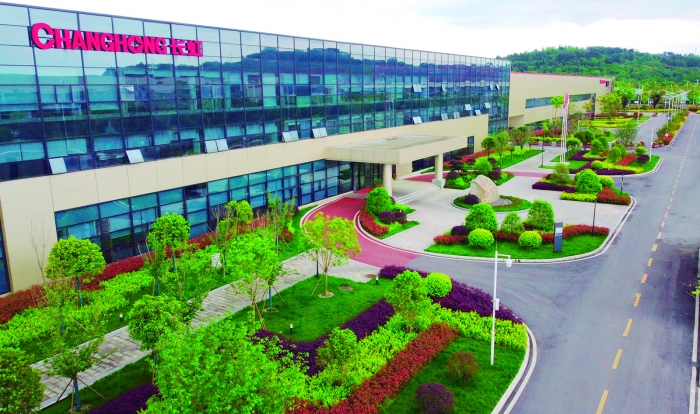
“并购+智造”双轮驱动 长虹能源开辟差异化增长极
Shang Hai Zheng Quan Bao· 2025-08-26 20:25
Core Insights - The article highlights how Changhong Energy, despite lacking mineral resources and terminal market advantages, has carved a niche in the competitive renewable energy sector through a dual strategy of mergers and acquisitions combined with intelligent manufacturing [6][9]. - The company has successfully acquired Changhong Sanjie in Jiangsu and Changhong Polymer in Shenzhen, establishing a diversified business model that includes alkaline batteries, high-rate lithium batteries, and polymer lithium batteries [6][11]. Production Capacity and Market Demand - Changhong Sanjie’s production facility in Mianyang has a designed capacity of 800,000 batteries per day, with actual production exceeding this figure due to high demand for high-rate lithium batteries in both domestic and international markets [7]. - The demand for high-rate lithium batteries is driven by the necessity for cleaning tools and garden equipment in Europe and the U.S., as well as the increasing safety and performance requirements for power banks following new regulations [7]. Intelligent Manufacturing and Efficiency - Changhong Energy has integrated "smart manufacturing" throughout its production processes, utilizing technologies such as digital twins and 5G to enhance operational efficiency [9][10]. - The alkaline battery factory has seen a 10% increase in labor efficiency, a 15% reduction in defect rates, and a 10% decrease in maintenance costs due to digital upgrades [10]. Research and Development Focus - The company has established a robust R&D framework that emphasizes the development of new materials and battery technologies, supported by Changhong Group's resources [11]. - Changhong Energy is focusing on three strategic product lines: alkaline batteries, high-rate lithium batteries, and polymer lithium batteries, with the latter being positioned as a promising future product due to its high energy density and safety features [11][12]. Future Outlook and Market Positioning - The company is actively tracking emerging technologies and aims to capture opportunities in the evolving market landscape, particularly in sectors like IoT and low-altitude economy [12]. - Changhong Energy's strategic acquisitions and technological advancements position it well to compete in the rapidly changing battery market, especially with the rise of new applications such as eVTOLs and AI devices [12].