
绿色金融

Search documents
两部门发文推动金融支持绿色工厂建设
Xin Hua Wang· 2025-12-12 09:11
在支持政策方面,通知提出,健全内部管理机制,支持金融机构制定绿色金融支持绿色工厂工作方 案,建立有效服务绿色工厂建设发展的激励机制。强化绿色信贷支持,鼓励金融机构根据绿色工厂资金 使用特点,合理确定贷款期限、还款周期;强化科技赋能,优化风险评估机制。 新华社北京12月12日电(记者周圆)记者12日从工业和信息化部获悉,工业和信息化部办公厅、中 国人民银行办公厅日前联合印发《关于用好绿色金融政策支持绿色工厂建设的通知》,进一步建立完善 绿色金融支持绿色工厂工作机制。 绿色工厂作为绿色制造的核心单元,其产值占制造业总产值比重超过20%,是实现"双碳"目标的重 要抓手。目前,国家层面已经累计培育6430家绿色工厂。工业和信息化部节能与综合利用司司长王鹏介 绍,通知旨在发挥绿色金融牵引作用,推动金融机构开发支持绿色制造的金融产品,加大对绿色工厂节 能、低碳、节水、环保、资源综合利用等领域的投入。 通知明确了研发和产业化应用项目、技术改造升级项目、零碳工厂建设项目等重点支持方向,主要 内容包括,重点支持传统产业绿色低碳重大工艺革新、"卡脖子"技术、短板装备等攻关和产业化应用项 目;国家绿色工厂深挖降碳潜力,开展零碳工厂 ...
China SIF|多方共话农业可持续发展与自然金融,共探中巴合作新路径
Xin Lang Cai Jing· 2025-12-12 08:52
Core Insights - The 13th China Responsible Investment Forum successfully held discussions on global responsible investment trends and ESG investment opportunities, highlighting the importance of sustainable practices in agriculture and finance [1][15][31] Group 1: Event Overview - The forum was co-hosted by the China Green Finance Committee and various international organizations, featuring experts from regulatory, market, academic, and international sectors [1][15] - A parallel forum focused on "Sustainable Agriculture Development and Natural Finance," emphasizing the structural complementary advantages between China and Brazil in the agricultural supply chain [1][4] Group 2: Key Discussions - Discussions highlighted the transition from traditional bulk trade to sustainable supply chains, driven by green finance and multi-stakeholder collaboration [1][4][20] - The World Resources Institute noted that discussions on "natural capital" have evolved to become a core factor influencing funding costs, with a focus on nature-based solutions in climate action [3][19] Group 3: Agricultural Cooperation - China and Brazil's agricultural cooperation is seen as crucial for global food security, facing challenges such as climate change and differing standards [4][20] - The partnership is expected to enhance both countries' positions in global environmental governance and accelerate the implementation of green finance strategies [8][24] Group 4: Financial Tools and Risks - The FAIRR Initiative presented research on natural risks, including water and deforestation risks associated with soybean production, and how these impact investor communications with Chinese companies [6][22] - The need for financial tools to quantify and reflect "natural" value in investment decisions was emphasized, alongside the importance of addressing local needs in Brazil for effective green finance implementation [10][26] Group 5: Future Challenges and Collaboration - The roundtable discussions underscored the necessity for collaboration among governments, financial institutions, enterprises, and social organizations to effectively integrate natural capital with sustainable agricultural development [28][29] - The importance of existing data for decision-making in natural and financial contexts was highlighted, stressing that delays in data acquisition could jeopardize environmental and food security [29]

绿色金融政策精准“滴灌”绿色工厂 绿色融资助力美丽中国建设
Yang Shi Wang· 2025-12-12 08:48
Core Viewpoint - The Ministry of Industry and Information Technology and the People's Bank of China have jointly issued a notice to enhance financial support for the construction of green factories through four mechanisms, aiming to provide quality financing services for green projects [1][3]. Financial Support Mechanisms - The notice establishes mechanisms for supply-demand matching, financing connection, and monitoring to ensure that financial institutions support green projects effectively [1][3]. - Financial institutions are encouraged to develop unique products such as non-repayable loans and medium-to-long-term loans to enhance support for green financing [1]. Current Green Financing Landscape - As of the end of Q3 this year, China's green loan balance reached 43.51 trillion yuan, a year-on-year increase of 22.9%, with cumulative green bond issuance at 4.95 trillion yuan, positioning China among the top globally [5]. - Over 1.3 billion yuan in green financing has been achieved through targeted cooperation between the Ministry of Industry and financial management departments [6]. Green Factory Development - China has cultivated 6,430 green factories and 491 green industrial parks, with total investment in green low-carbon transformation projects exceeding 250 billion yuan over the past three years [11]. - The output value of green factories has increased from 9% of total manufacturing output in 2020 to 20% [13]. Future Plans - The Ministry of Industry and Information Technology plans to implement a quality improvement and expansion plan for green factories, aiming for green factory output value to account for 40% by 2030 [16].


交通银行安徽省分行:做好绿色金融大文章 助力安徽实体经济发展腾飞
Ren Min Wang· 2025-12-12 08:32
Group 1: Green Finance Initiatives - The Bank of Communications Anhui Branch focuses on green development, investing in key areas such as green infrastructure, new energy, ecological environment governance, and green consumption upgrades [1] - The Anhui Province has been promoting multimodal transport development to create a modern, safe, and efficient transportation system, exemplified by the Wuhu Tower Bridge multimodal transport base, which has a total investment of 7.18 billion and covers an area of 2,910 acres [2] - The Wuhu Tower Bridge multimodal transport base is set to become the largest and most comprehensive "road, rail, and water" multimodal transport hub in Anhui Province, enhancing regional economic development [2][3] Group 2: Support for Local Enterprises - The Huangshan Branch of the Bank of Communications is innovatively promoting the synergy between green finance and technology finance to support local specialty industries, such as the century-old Xie Yuda Tea Company, which has transitioned to modern production methods [4] - The bank tailored financial products for the tea company, including the "Sci-Tech Easy Loan" that offers large credit loans without collateral, and online mortgage loans to facilitate quick funding for equipment purchases and capacity expansion [5] Group 3: Environmental Protection Financing - The Bank of Communications Huaibei Branch is actively addressing ecological issues caused by over-extraction of groundwater by supporting a water source replacement project, which aims to convert industrial water sources to domestic use [6] - The bank established a dedicated team to streamline the approval process for the project, providing significant long-term credit support while ensuring risk management and compliance [7] - The Anhui Branch plans to deepen its green finance system, focusing on key areas such as the Yangtze River protection, clean energy development, and rural revitalization, to enhance financial support for various green projects [7]

贵州首笔股份制银行对民营上市公司的股票回购增持贷款落地
Sou Hu Cai Jing· 2025-12-12 08:25
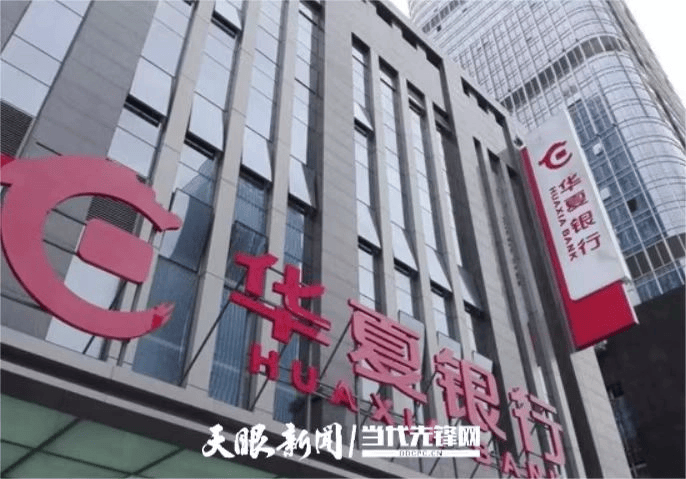
Core Viewpoint - Huaxia Bank's Guiyang branch has successfully issued a stock repurchase loan of 45 million yuan to a printing company in Guizhou, marking the first stock repurchase loan for a private listed company in the province [1][3]. Group 1: Stock Repurchase Loan Overview - Stock repurchase loans are specialized loans provided by banks to eligible listed companies or major shareholders for the purpose of repurchasing or increasing stock holdings [3]. - The product has gained widespread popularity among listed companies and major shareholders as a common method for market value management [3]. Group 2: Loan Execution and Impact - The loan was a result of the bank's deep customer engagement and market foresight, with the printing company initially expressing interest in early 2025 [3]. - Huaxia Bank's Guiyang branch quickly developed a differentiated credit plan based on a thorough understanding of customer needs, leading to the successful loan issuance when market conditions became favorable [3]. - The bank's efficient execution, completing the approval process within five working days, has strengthened customer trust [3]. Group 3: Broader Implications - Supporting stock repurchases not only enhances investor confidence and optimizes equity structure but also demonstrates financial institutions' long-term support for the private manufacturing sector [3]. - The successful issuance of this credit product exemplifies the deep integration of technology finance, green finance, and the private economy, highlighting Huaxia Bank's initiatives in the region [3].

“每炼1吨钢可以减少1.6吨碳排放” 源头降碳效应明显
Zhong Guo Xin Wen Wang· 2025-12-12 08:23
Group 1 - The core viewpoint is that the reduction of carbon emissions in steel production is significant, with each ton of steel produced reducing carbon emissions by 1.6 tons, and the utilization of scrap steel leading to a reduction of approximately 420 million tons of CO2 [1] - The Ministry of Industry and Information Technology (MIIT) highlighted that by 2024, the utilization of recycled resources such as scrap steel and scrap copper and aluminum will exceed 400 million tons, showcasing the effectiveness of source reduction in carbon emissions [1] - The renewable energy usage in the electrolytic aluminum industry has surpassed the planned target of 25%, and 246 national green data centers have achieved over 50% green electricity utilization [1] Group 2 - The green manufacturing system in China has become more comprehensive, with 6,430 green factories, 491 green industrial parks, and 727 green supply chains established at the national level [2] - The output value of green factories has increased from 9% of total manufacturing output in 2020 to 20%, indicating a significant growth in the green manufacturing sector [2] - Green industrial parks have demonstrated energy and water consumption per unit of industrial added value at only two-thirds and one-fourth of the national average, respectively, with an average solid waste disposal utilization rate exceeding 95% [2]
我国累计培育6430家绿色工厂!人民银行:切实做好绿色工厂金融服务
Sou Hu Cai Jing· 2025-12-12 08:21
12月12日,工信部网站消息,为更好引导绿色金融活水精准灌溉绿色制造领域,不断丰富政策工具赋能 绿色工厂建设,工信部近日联合中国人民银行印发《关于用好绿色金融政策支持绿色工厂建设的通 知》,重点支持国家绿色工厂采用中国人民银行等三部门《绿色金融支持项目目录(2025年版)》以及 国家有关部门政策规划、技术目录中载明的绿色低碳技术实施的投资项目,旨在提高企业能源低碳化、 资源高效化、生产洁净化、产品绿色化、用地集约化等绿色发展水平。 工信部节能与综合利用司司长王鹏介绍,工信部加快打造以绿色工厂为核心,以绿色工业园区、绿色供 应链为载体的绿色制造体系,通过标准引领、政策引导、标杆创建,建立国家、省、市上下联动全面推 行绿色制造的工作机制,绿色制造体系基本构建。 王鹏表示,一方面,绿色原料燃料应用更加广泛。2024年,我国废钢、废铜铝等10种再生资源利用量超 4亿吨。其中,以废钢为原料和以铁矿石为原料相比,每炼1吨钢可以减少1.6吨碳排放,仅废钢利用就 带动减排二氧化碳约4.2亿吨,充分释放源头降碳效应。电解铝行业可再生能源使用比重提前完成25% 的规划目标,246个国家绿色数据中心绿电利用率超过50%。氢基冶金、 ...
工信部:计划到2030年各级绿色工厂产值占比提高到40%
Nan Fang Du Shi Bao· 2025-12-12 07:57
Core Insights - The Ministry of Industry and Information Technology emphasizes that green factories are a dynamic process requiring continuous improvement, with a focus on enhancing their green development level through green finance policies [1][2] Group 1: Green Factory Development - The Ministry plans to accelerate the construction of green factories, aiming for the output value of green factories at national, provincial, and municipal levels to reach 40% by 2030 [2] - A gradient cultivation management approach for green factories will be established, optimizing the evaluation index system to guide energy-saving and carbon reduction efforts [2] Group 2: Green Supply Chain Initiatives - The Ministry will promote green supply chain enhancement actions, encouraging large enterprises to lead the way in supporting green factories through preferential policies [2] - Services such as green diagnostics and supply chain finance will be provided to facilitate the green low-carbon transformation of upstream and downstream suppliers [2] Group 3: Green Industrial Park Development - A plan to enhance green industrial parks will be implemented, promoting the green transformation of high-tech zones and industrial parks [2] - The establishment of carbon emission dual-control management systems within parks will be supported, along with the cultivation of zero-carbon industrial parks [2]
兴业蓝邂逅成都红金融体育共燃凤凰山
Zhong Guo Jin Rong Xin Xi Wang· 2025-12-12 06:56
Core Viewpoint - The collaboration between Industrial Bank Chengdu Branch and Chengdu Rongcheng Football Club marks a significant branding initiative in the Chinese Super League, enhancing community engagement through sports and financial education [1][3][4]. Group 1: Event Highlights - The match between Beijing Guoan and Chengdu Rongcheng attracted over 40,000 spectators, creating an electrifying atmosphere at the Phoenix Mountain Sports Park [1]. - Industrial Bank Chengdu Branch launched a "co-branding" initiative with Chengdu Rongcheng, featuring their logo prominently displayed on LED screens and at various promotional booths [1][3]. - The bank's financial knowledge campaign reached over 4,200 fans, distributing 1,600 anti-fraud brochures and engaging attendees with interactive activities [3]. Group 2: Community Engagement - The event included a unique employee sports day where players engaged with children in fun activities, promoting sportsmanship and financial literacy [3]. - The bank plans to further develop the "Xingfu Long" brand IP, integrating financial education into community events and sports, thereby supporting the development of Chengdu as a sports city [4]. - Future initiatives will focus on anti-fraud education, green finance, and pension finance, aiming to enhance financial services in a manner that resonates with fans [4].


工业和信息化部:已与12家金融机构建立绿色金融支持绿色工厂建设的工作机制
Xin Hua Cai Jing· 2025-12-12 06:50
新华财经北京12月12日电(记者刘旭阳李唐宁)工业和信息化部节能与综合利用司司长王鹏在12日举行 的新闻发布会上表示,绿色工厂不是一个静态的称号,而是一个动态的、需要不断提升的过程。目前, 工业和信息化部已与中国工商银行、中国民生银行等12家金融机构建立了绿色金融支持绿色工厂建设的 工作机制,加大政策的支持引导力度。 他表示,工业和信息化部将坚持绿色发展理念,更大力度推行绿色制造。一是加快建设绿色工厂。发挥 绿色工厂在制造业绿色低碳转型中的基础性和导向性作用,实施绿色工厂提质扩面计划,计划到2030 年,国家、省、市各级绿色工厂产值占比提高到40%。制定绿色工厂梯度培育管理办法,优化评价指标 体系。引导绿色工厂深挖节能降碳潜力,培育一批零碳工厂。 三是积极发展绿色工业园区。实施绿色工业园区提升计划,推动高新区、工业园区绿色转型,组织园区 内企业建立碳排放双控管理制度,支持园区内企业建设绿色工厂,同时要积极培育建设一批零碳工业园 区。 (文章来源:新华财经) 二是大力培育绿色供应链。开展绿色供应链提升行动,推动大型企业发挥龙头牵引作用,通过绿色采购 等倾斜政策支持,提高供应商中绿色工厂企业的比重,带动整个链条绿 ...