
科技+

Search documents
全国人大代表喻连香:以科技匠心推动传统产业提质升级
Xin Lang Cai Jing· 2026-02-27 23:36
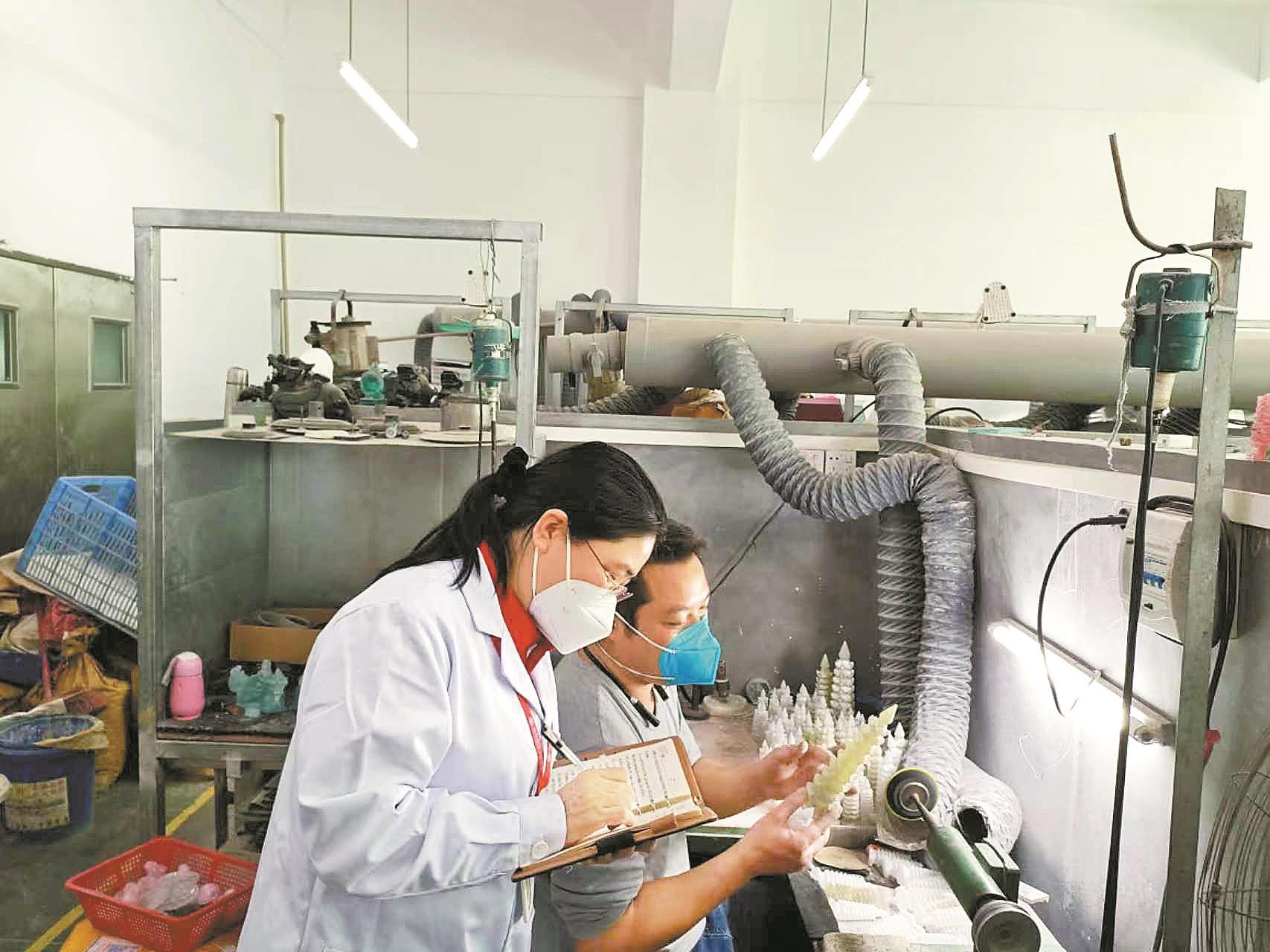
Core Insights - The article highlights the efforts of Yu Lianxiang, a senior engineer at the Guangdong Academy of Sciences, in integrating technology with traditional industries to enhance resource utilization and environmental protection [2][3][5] Group 1: Industry Innovation and Challenges - Yu Lianxiang aims to establish a provincial and national strategic resource pilot platform by 2026 to address the pain points identified during her fieldwork [3] - As a "technology commissioner," Yu emphasizes the importance of combining research with production, stating that innovation should directly respond to production challenges [3] - A significant achievement was made in 2025 when Yu's team improved the mineral recovery rate from 30%-40% to 85%-90%, potentially increasing the enterprise's output value by three to four times [3] Group 2: Technological Upgrades and Economic Impact - In a technical upgrade at a Maoming processing plant, Yu's team introduced an automated dehydration line, resulting in an increase in output from 300 million to 1.1 billion yuan, while also reducing energy consumption and labor costs [4] - The lack of a pilot platform for technology innovation is identified as a critical bottleneck, with Yu advocating for the establishment of a comprehensive utilization pilot platform for titanium and zirconium resources [4] Group 3: Environmental Protection Initiatives - Yu has focused on environmental protection by proposing the construction of an eco-industrial park to centralize and treat wastewater from over 4,000 small gemstone processing workshops [5] - The team developed a self-luminous material from solid waste, which can be used in the construction of green functional building materials, contributing to sustainable development [5] - Yu is preparing new proposals for the upcoming National People's Congress, aiming to integrate technology into the "Two Mountains" area to enhance tourism and environmental education [5]

广东茶产业高质量发展座谈会召开,四向发力擘画新路径
Nan Fang Nong Cun Bao· 2026-02-11 02:04
Core Viewpoint - The Guangdong province is focusing on high-quality development of the tea industry by integrating various sectors such as media, technology, and culture, aiming to enhance the value and market reach of Guangdong tea products [2][4]. Group 1: Industry Integration - The tea industry in Guangdong is leveraging the "Tea+" concept to promote deep integration with multiple sectors, extending from traditional tea consumption to health, culture, and tourism [8][9]. - New product trends include "Tea+Food," with companies like Yingde Hongcha developing innovative products such as craft beer and tea-infused snacks [10][12]. - The "Tea+Health" concept is emerging, with companies focusing on health-oriented tea products, such as Chenpi tea series, to meet modern wellness demands [15][17]. - The "Tea+Culture" initiative is enhancing local tea culture experiences, with projects like the Guangdong Phoenix Valley tea tourism complex and tea-picking activities in Jiangmen [19][21]. Group 2: Media Empowerment - Guangdong is building a "Media+" communication system to enhance brand visibility, utilizing both traditional media and online platforms to promote Guangdong tea [24][25]. - Events like the Chinese Cicada Tea Exchange Conference are being organized to deepen cultural connections and promote local tea products through various media channels [27][29]. - The establishment of unified branding at major exhibitions aims to increase public awareness and engagement with Guangdong tea [30][32]. Group 3: Technological Support - The tea industry is adopting "Technology+" to drive standardization, intelligence, and sustainability, transitioning from scale expansion to quality enhancement [40][41]. - Guangdong has established local standards for ecological tea gardens, with 230 certified gardens covering over 300,000 acres [42][43]. - Quality traceability systems are being implemented across cities, allowing consumers to track tea products from production to consumption [46][48]. - Research institutions are collaborating to advance key technologies in tea production, with significant investments in R&D for new tea products [50][52]. Group 4: Cultural Integration - The high-quality development of Guangdong's tea industry is closely tied to cultural heritage and innovation, with efforts in non-material cultural heritage protection and skill training [55][56]. - Initiatives to apply for global agricultural heritage status for local tea culture are underway, enhancing the cultural significance of Guangdong tea [62][64]. - The region is developing a complete ecological chain for new tea drinks, with over 3,000 stores nationwide and a focus on innovative product development [68][70].

践行金融为民 以专业深度与服务温度护航高质量发展
Zhong Guo Zheng Quan Bao· 2025-12-23 20:18
Core Viewpoint - 2025 marks a milestone year for China's public fund industry, entering a new phase of high-quality development focused on investor returns [1] Group 1: Investment Research and Core Competitiveness - Investment research capability is the core competitiveness of fund companies, essential for wealth preservation and serving the real economy [1] - The action plan requires public institutions to strengthen a "platform-based, integrated, multi-strategy" investment research system, which Longcheng Fund is prioritizing [2] - Longcheng Fund has implemented an integrated investment research reform, ensuring deep coverage of hundreds of sub-industries through collaboration between fund managers and researchers [2] Group 2: Focus on Technology and Innovation - Longcheng Fund is actively seizing opportunities in new productive forces, focusing on technology innovation across various sectors such as "Technology + Medicine," "Technology + Military," and "Technology + Energy" [2] - The company has released a "Technology +" fund allocation guide to help investors capture the benefits of industrial upgrades [2] - Longcheng Fund is also developing a diverse index product system to meet different investor needs, including core broad-based, technology themes, and overseas markets [2] Group 3: Enhancing Investor Experience - The action plan emphasizes enhancing investor satisfaction as a core goal, guiding service upgrades in the industry [3] - Longcheng Fund is committed to building a robust industry culture and enhancing investor education through various initiatives, including online and offline educational programs [3] - The company has conducted over 7,000 offline educational activities, reaching more than 900,000 investors to improve financial literacy [3] Group 4: Commitment to National Strategies - Longcheng Fund aims to align with national strategies through the "Five Major Articles," focusing on high-quality development in the public fund sector [4] - The company is deepening its investment ecosystem in technology finance, particularly in hard technology sectors like artificial intelligence and renewable energy [4] - Longcheng Fund is extending its financial literacy initiatives to rural areas, promoting sustainable development in rural economies [5] Group 5: Green and Digital Finance - Longcheng Fund is responding to the national "dual carbon" strategy by enhancing research in green industries and guiding funds towards low-carbon sectors [5] - The company is focusing on digital transformation to improve operational efficiency and service precision, exploring paths for digital development in the industry [5] - In the field of pension finance, Longcheng Fund is actively participating in the third pillar of the pension system, aiming to create a diverse range of pension products [6]
2026科技投资怎么投?这场策略会拆解十大关键问题
Zhong Guo Ji Jin Bao· 2025-12-17 02:07
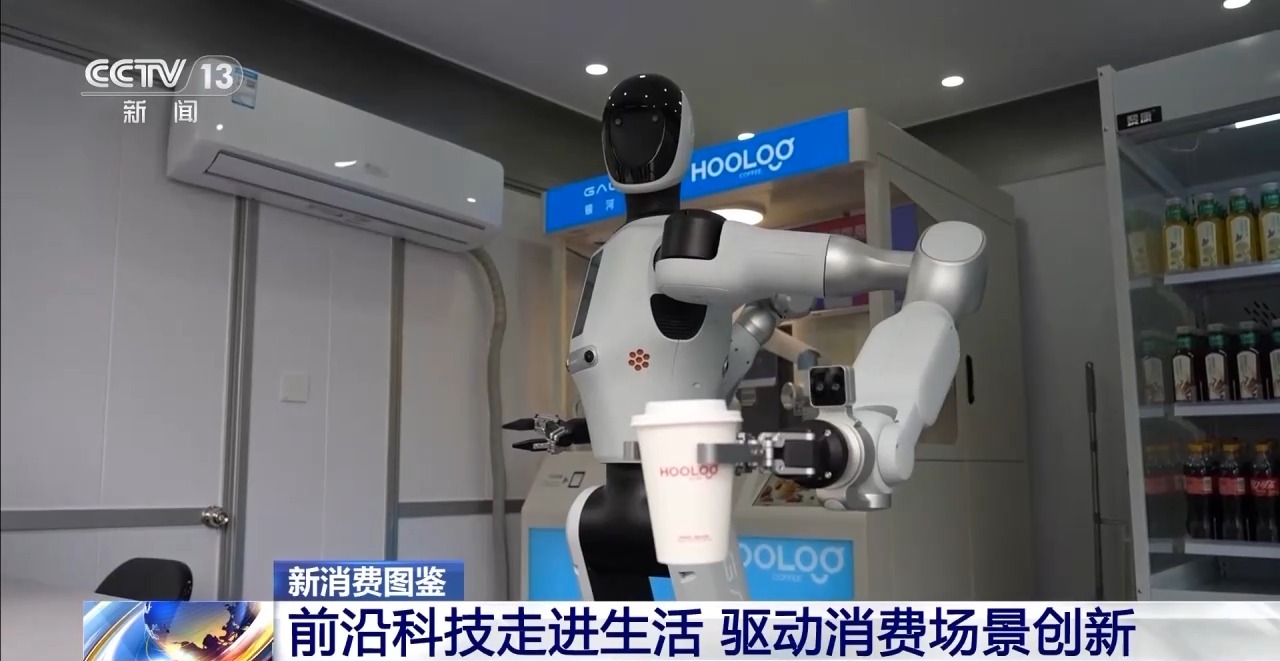
Group 1 - The core driver of the 2025 technology stock market is global technological transformation and breakthroughs in China's technology industry, with clear sector rotation and solid industrial logic supporting each wave of growth [6][7]. - The 2026 technology market is expected to continue, with a more balanced market style across domestic and foreign computing power, AI and non-AI sectors, and infrastructure and application development [8][9]. - The AI sector is still in its early growth stage, with significant potential for future growth, as the current focus is on foundational infrastructure development rather than immediate monetization [12][13]. Group 2 - The investment logic in the pharmaceutical sector has shifted from model innovation to technological breakthroughs, emphasizing the need for global capabilities and the ability to iterate existing treatment methods [20][21]. - The market will not completely desensitize to the logic of overseas business development (BD) for innovative drugs, but there will be differentiation based on companies' capabilities to independently conduct clinical trials and commercialization [22]. - Key technology segments to watch in 2026 include solid-state batteries, commercial aerospace, and AI applications, with significant advancements expected in these areas [23][24]. Group 3 - The AI industry is anticipated to see a significant breakthrough in applications, with the potential for a "killer app" that could ignite widespread adoption, likely emerging from platform companies rather than startups [17][18]. - The investment opportunities in the AI sector for 2026 are strongest in the upstream computing infrastructure, with challenges related to supply chain bottlenecks and geopolitical uncertainties [15][16]. - The pharmaceutical sector is expected to experience a dual resonance of Beta and Alpha in 2026, driven by ongoing strong development in the innovative drug industry and favorable liquidity conditions [25][26]. Group 4 - The understanding of "Technology+" emphasizes the need for a forward-looking global perspective and a deep grasp of the interconnectedness of the industry chain [28][29]. - The investment strategy in the "Technology+" sector is built on a comprehensive view and multi-faceted approach, focusing on value discovery and growth potential across various technology-related fields [30][31].
视频丨AI宠物、AI眼镜……“科技+”如何改变日常生活?
Yang Shi Xin Wen Ke Hu Duan· 2025-11-13 06:53
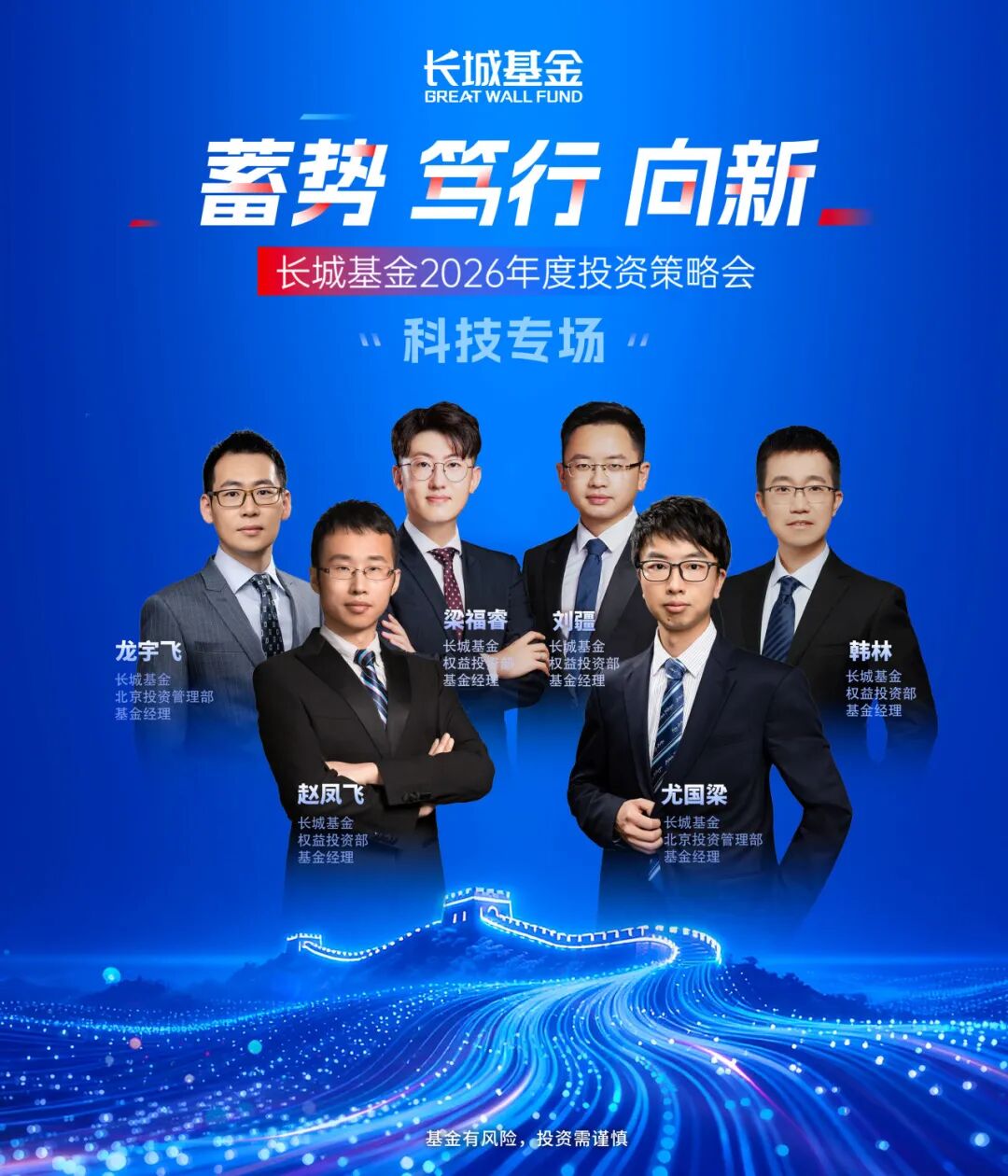
Core Insights - China's vast market advantage is driving economic growth from both supply and demand sides, with new consumption trends and technological advancements emerging this year [1] - The integration of technology into daily life is creating new consumer products and experiences, enhancing the overall consumer landscape [1] Group 1: Technological Integration in Consumer Products - Innovations such as QR code ordering, robotic baristas, and interactive music experiences are blending technology seamlessly into everyday activities [3][4] - Consumers are increasingly engaging with technology, as evidenced by older demographics actively seeking new experiences and products [6][8] - Retail environments are evolving, featuring interactive experiences with robots and DIY workshops, which attract consumer interest [10][13] Group 2: Emotional and Functional AI Products - The rise of AI pets reflects a growing consumer willingness to invest in emotional companionship, with products designed to respond to user interactions and preferences [16][21] - Companies are adapting their product development strategies to include insights from various fields, such as psychology and animation, to enhance user experience [23][28] - Functional products like AI glasses are gaining traction, with significant market growth projected, driven by the need for real-time translation and communication solutions [29][34] Group 3: Market Growth and Industry Collaboration - The smart glasses market in China is expected to see explosive growth by 2025, with a 148% year-on-year increase in retail volume in the first half of this year [38] - Collaborative efforts among companies in the semiconductor and optical sectors are crucial for innovation, leading to improved product performance and affordability [36][38] - Over 80% of global smart glasses suppliers are based in China, highlighting the country's competitive advantage in supply chain integration and rapid delivery capabilities [38]
长城基金“科技+”:AI景气延续,布局长线成长机会
Xin Lang Ji Jin· 2025-10-28 09:56
Core Insights - The "Technology+" trend is reshaping various industries, injecting vitality into sectors such as manufacturing, healthcare, energy, and agriculture [1] - Longcheng Fund is focusing on deep research and investment in technology sectors, including new energy, new materials, semiconductors, biotechnology, artificial intelligence, military industry, and healthcare [1] Group 1: Market Performance and Trends - In Q3, the A-share market showed steady growth with significant structural differentiation, particularly in the communication, electronics, and non-ferrous metals sectors, driven by strong overseas AI demand and capital expenditure expectations [2][3] - The macroeconomic environment in China is improving, with expectations of continued government policies to stabilize the economy and enhance overall development [2] Group 2: Sector Focus and Investment Strategies - Investment strategies are centered around identifying opportunities in sectors like non-ferrous metals, electronics, machinery, and power equipment, with a focus on AI hardware and related technologies [2][4] - The U.S. is experiencing a strong cycle of technological innovation, particularly in AI, which is driving demand for high-performance computing chips [3][4] Group 3: Long-term Growth and Innovation - Longcheng Intelligent Industry Fund is focusing on software, AI applications, domestic computing power, semiconductor equipment, and manufacturing, identifying companies with technological advantages and growth potential [4] - The emphasis on AI applications and autonomous control in semiconductor materials and military semiconductors is expected to yield significant investment opportunities [6][7] Group 4: Robotics and AI Applications - The robotics sector is anticipated to see substantial growth, particularly in core component manufacturing and integration, with expectations for significant advancements by 2025 [5] - AI applications are expected to enter a phase of practical implementation, with ongoing investments in infrastructure and technology driving growth [7][8]