
产品提价

Search documents
粗纱与电子布价格展望
2026-03-06 02:02
Summary of Conference Call on Glass Fiber Industry Industry Overview - The glass fiber industry is experiencing a price increase across various product categories, with mainstream prices for glass fiber roving rising to 3,700-4,000 RMB/ton, driven by industry loss recovery demands and rising platinum costs [1][5][6]. - The supply-demand structure for electronic yarn/fabric is extremely tight, with prices for G75 and 7,628 fabric increasing from 3.3 RMB to 5.5-6 RMB/m, with expectations for continued upward trends in the first half of the year [1][6]. Key Points Price Trends and Drivers - The price increase for glass fiber roving began before the Spring Festival, initially led by smaller enterprises and gradually spreading to larger firms. The overall price increase has been about 100 RMB/ton per month [2][5]. - The main drivers for the price increase include strong domestic market demand, geopolitical factors affecting supply, and a strong desire for profit recovery within the industry [5][6]. - The expected target transaction price for glass fiber roving is 3,600 RMB/ton, with current offers around 3,500 RMB/ton, although actual transaction volumes at this price are limited [9][30]. Supply Chain Dynamics - The supply of high-end products is squeezing conventional capacity, with production efficiency and quality requirements for mid-to-high-end yarns and fabrics being significantly higher [1][3]. - Limited supply growth is anticipated for 2026, with new production lines facing delays due to cost pressures [1][10]. - Wind power and thermoplastic demand are expected to remain strong, with price increases of about 5% confirmed for wind power yarns [1][6][29]. Inventory and Production Capacity - The industry is currently facing a mixed inventory situation, with leading companies maintaining around one month of inventory, while smaller firms have inventory levels ranging from 1.5 to 3 months [30][31]. - The production capacity for electronic yarn is projected to grow, but the expansion is slower compared to glass fiber roving, with significant increases in high-end product demand [12][28]. Market Outlook - The price for electronic yarn is expected to continue rising, with G75 and 7,628 fabric prices projected to reach 7-8 RMB/m in the near future [1][15][16]. - The market is likely to see a price correction in the second quarter due to seasonal factors, but a rebound is expected in the third quarter as demand picks up [9][30]. - The overall sentiment in the market indicates a cautious optimism for price increases, with potential for further upward adjustments in the second half of 2026 depending on demand and supply dynamics [29][30]. Additional Insights - The transition of weaving machines to produce thinner fabrics has not led to an increase in G75 electronic yarn inventory, as production adjustments have constrained supply [21][22]. - The impact of raw material and transportation disruptions on pricing is significant, particularly for low-dielectric and specialty yarns, which may see profit margins squeezed if prices do not adjust accordingly [17][28]. - The upcoming negotiations for long-term contracts in wind power and thermoplastics are crucial, with expectations for price increases of 3-5% [29][30]. This summary encapsulates the key insights and trends discussed in the conference call regarding the glass fiber industry, highlighting the dynamics of pricing, supply, and market expectations.
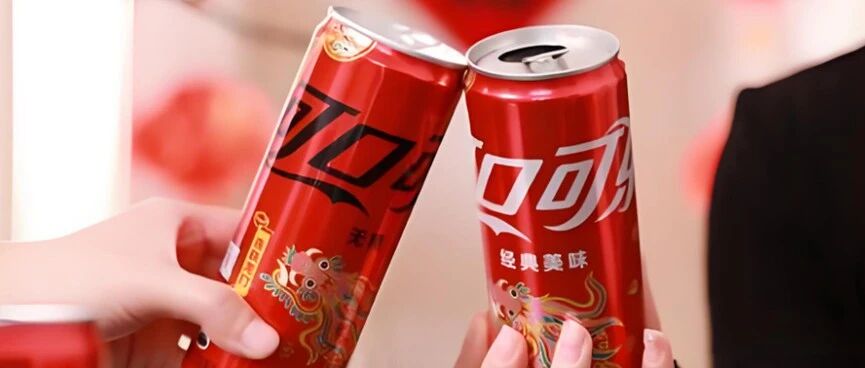
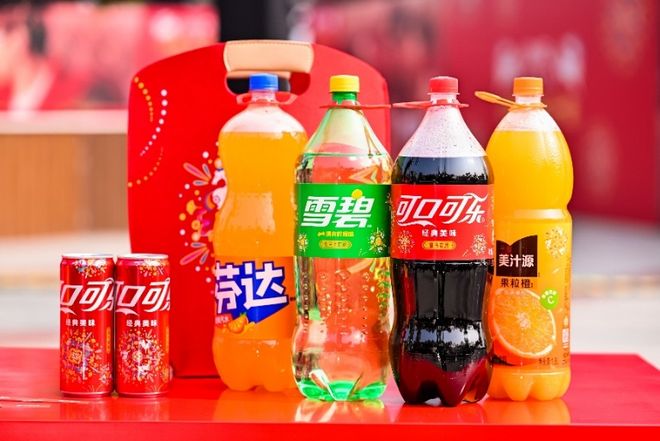
可口可乐10年来首次销量“零增长”!涨价变味后,突然卖不动了?
Xin Lang Cai Jing· 2026-02-15 09:30
Core Viewpoint - Coca-Cola is facing significant challenges with stagnant sales and declining profits, particularly in the Asia-Pacific region, indicating a shift in consumer preferences and market dynamics [2][3][4]. Financial Performance - In 2025, Coca-Cola reported a revenue of $47.941 billion, a 2% increase, and a net profit of $13.137 billion, a 23% increase, despite global single-serve sales being flat for the first time in a decade [3][16]. - The Asia-Pacific region, including China, saw a revenue of $1.139 billion in Q4 2025, down 7% year-over-year, with operating profit dropping 36% [4][19]. Market Dynamics - The stagnation in sales is attributed to declines in key markets such as the U.S., Mexico, and Thailand, which offset growth in regions like Central Asia and North Africa [3][16]. - Local competitors like Eastroc Super Drink, Nongfu Spring, and Yuanqi Forest are gaining market share, with Eastroc projecting a revenue increase of 31% to 33% for 2025 [20]. Consumer Sentiment - There is a growing consumer backlash regarding the taste of Coca-Cola, with many complaints about changes in flavor and sweetness due to cost-cutting measures [8][21]. - The company's strategy of frequent price increases has not resonated well with consumers, leading to reduced purchase impulses [10][23]. Strategic Challenges - Coca-Cola's reliance on price increases rather than volume growth is becoming unsustainable, as consumers are increasingly resistant to higher prices [11][23]. - The company is facing a critical transition with a change in leadership, as current CEO James Quincey will be succeeded by COO Brian Smith in March 2026, raising questions about future strategies in the Chinese market [11][25].



可口可乐10年来首次销量“零增长”!涨价变味后,突然卖不动了?
新浪财经· 2026-02-15 09:23
Core Viewpoint - Coca-Cola is facing significant challenges in both domestic and international markets, with zero growth in global sales for the first time in a decade and declining profits in key regions, particularly in the Asia-Pacific market [2][5][7]. Group 1: Sales Performance - Coca-Cola's global single-box sales remained flat in 2025, marking the first instance of zero growth in ten years [5][4]. - The Asia-Pacific region, including China, saw a 7% decline in revenue to $1.139 billion in Q4 2025, with operating profit dropping 36% [5][8]. - The company's revenue in China has shown a downward trend, decreasing from approximately 485.58 billion HKD in 2021 to around 467.25 billion HKD in 2024 [6]. Group 2: Pricing Strategy and Consumer Sentiment - The company has implemented price increases, with product prices rising by 4% in 2025, but this has not translated into increased sales volume [13][14]. - Consumer feedback on social media indicates dissatisfaction with the taste of Coca-Cola, with many claiming it has become less sweet and enjoyable [3][10]. - The shift in taste is attributed to the replacement of higher-quality sugars with cheaper alternatives, impacting brand reputation [10][13]. Group 3: Competitive Landscape - Local beverage companies like Dongpeng, Nongfu Spring, and Yuanqi Forest are gaining market share, with significant revenue growth reported [9]. - Dongpeng is expected to achieve a revenue of 20.76 billion to 21.12 billion CNY in 2025, while Nongfu Spring reported a 15.6% increase in revenue for the first half of 2025 [9]. Group 4: Management Changes - Coca-Cola's current COO, Brian Smith, is set to become the new CEO on March 31, 2026, after the tenure of current CEO James Quincey [14][15]. - Smith has extensive experience in various roles within the company, including leadership in the Greater China region, which may influence future strategies in that market [15][16].
福莱蒽特产品提价,2025年业绩预增超80%
Jing Ji Guan Cha Wang· 2026-02-12 08:16
Core Viewpoint - The company has recently increased product prices and projected a significant rise in performance, while some shareholders plan to reduce their holdings, indicating a mixed outlook for the company amidst industry challenges related to environmental policies and raw material price fluctuations [1][2][4]. Price Adjustment - On February 9, 2026, the company announced a price increase for 10 types of disperse dyes, including Disperse Black ECT (300%), with an average increase of approximately 10%. This led to a stock price surge, reaching a market capitalization of 4.559 billion yuan. The price hike aims to pass on upstream cost pressures, which may impact short-term operations [2]. Performance Forecast - On January 19, 2026, the company projected a net profit attributable to shareholders for 2025 between 40 million and 50 million yuan, representing a year-on-year increase of 81.67% to 127.08%. The non-recurring net profit is expected to grow by 214.37% to 287.48%, primarily due to product structure optimization and reduced losses from subsidiaries. Final data will be available after the official annual report [3]. Shareholder Actions - On January 6, 2026, the company announced that shareholders Chen Wangquan, Ren Pengfei, and Gao Xiaoli plan to reduce their holdings by up to 480,000 shares (0.36% of total share capital) within three months following the announcement, citing personal funding needs. This reduction may affect market sentiment [4]. Fund Management - On February 2, 2026, the company utilized 25 million yuan of idle raised funds to reinvest in large bank time deposits, aiming to enhance fund efficiency. A similar operation previously yielded a return of 154,900 yuan, reflecting the company's cash flow management strategy [5].

涨价红利消退?可口可乐2025年营收增长2%,销量持平
Nan Fang Du Shi Bao· 2026-02-11 08:39
Core Insights - Coca-Cola reported Q4 2025 revenue of $11.822 billion, a 2% increase, and net profit of $2.316 billion, a 5% increase, although below market expectations [1] - The company’s full-year revenue for 2025 was $47.941 billion, also a 2% increase, with net profit rising 23% to $13.137 billion [1] - CEO James Quincey emphasized the company's resilience and momentum, focusing on strategic execution for long-term success [1] Financial Performance - Q4 2025 earnings per share (non-GAAP) were $0.58, a 6% increase, exceeding market expectations of $0.56 [1] - For the full year 2025, earnings per share (non-GAAP) were $3.00, a 4% increase, surpassing market expectations of $2.99 [1] - Global unit case volume grew by 1% in Q4, with a 4% increase in concentrate sales and a 1% increase from price/product mix [1] Product and Market Strategy - Coca-Cola's product mix optimization and price increases contributed to revenue and operating profit growth, with an overall price increase of approximately 6% in Q3 2025 [2] - However, after multiple price hikes, there is a noticeable slowdown in sales, particularly in the Asia-Pacific region where price/product mix growth was -3% in Q4 [2] - The company plans to maintain a long-term development strategy in China, emphasizing high-quality leadership in core business areas [2] Future Guidance - Coca-Cola provided guidance for 2026, expecting organic revenue growth of 4% to 5% and earnings per share (non-GAAP) growth of 7% to 8%, which remains below market expectations [2] - The company has invested in upgrading five production bases in China over the past three years, focusing on factory construction, capacity expansion, and smart transformation [2]
福莱蒽特:公司10款产品平均提价约10%
Zhong Zheng Wang· 2026-02-09 08:29
Core Viewpoint - The company, Fulaient (605566), has announced a price increase for its disperse dyes effective from February 9, 2026, in response to rising raw material costs, with an average price increase of approximately 10% across ten products [1] Group 1: Price Adjustments - The sales department of Fulaient has issued a price adjustment notice to customers, with specific products like Disperse Black ECT (300%) seeing a price increase of 2,000 yuan per ton, and Cobalt Blue HW-SR increasing by 3,000 yuan per ton [1] - The average price increase for the ten products is around 10% [1] Group 2: Financial Performance Forecast - Fulaient has released a performance forecast for 2025, estimating a net profit attributable to shareholders of 40 million to 50 million yuan, representing a year-on-year growth of 81.67% to 127.08% [1] - The company anticipates a non-recurring net profit of 43 million to 53 million yuan, indicating a year-on-year increase of 214.37% to 287.48% [1] Group 3: Market Strategy - In light of the global rise in raw material prices, Fulaient is adjusting its product prices to effectively transmit upstream cost pressures [1] - The company is committed to monitoring raw material market trends, optimizing supply chain management, and adjusting operational strategies to protect the interests of the company and its investors [1]
涨价20轮,克价一度超过黄金,千亿“药茅”走到十字路口
Sou Hu Cai Jing· 2026-01-30 14:46
Core Viewpoint - The article discusses the decline in the performance of Pizhou Huang, a traditional Chinese medicine brand, highlighting a significant drop in revenue and profit after a period of rapid growth and market hype, emphasizing the need for the company to adapt and find new growth avenues. Group 1: Financial Performance - In the first three quarters of 2025, Pizhou Huang reported revenue of 7.442 billion yuan, a year-on-year decline of 11.93%, and a net profit of 2.129 billion yuan, down 20.74%, marking the first time in nearly a decade that both revenue and net profit have decreased [1][2][11] - The company's market value has plummeted from a peak of 290 billion yuan to around 100 billion yuan, resulting in a loss of over 180 billion yuan in market capitalization [1][2] - The third quarter of 2025 saw a 54.6% drop in net profit, amounting to 438 million yuan [1] Group 2: Market Dynamics - Following a price increase in May 2023, consumer demand for Pizhou Huang began to wane, leading to inventory buildup in distribution channels and a subsequent price correction in some areas [2][8] - The brand's core product, the Pizhou Huang pill, has seen its price rise from 325 yuan per pill in 2004 to 760 yuan in 2023, with a peak price of 1,600 yuan per pill during its market frenzy [8][9] - The company has historically relied on a sales model that capitalizes on social scenarios and price increases, but this model faces challenges as market demand shifts [11][12] Group 3: Product and Brand Strategy - Pizhou Huang's unique selling proposition lies in its rare ingredients, such as natural musk and bezoar, which are difficult to source, contributing to its luxury brand image [6][8] - The company has attempted to diversify its product offerings into cosmetics and pharmaceutical distribution, but these new ventures have not yet yielded significant results, with cosmetic revenue declining by 23.82% in the first three quarters of 2025 [12][13] - The reliance on a limited range of core products has made the company vulnerable to market fluctuations, as evidenced by a 12.93% decline in revenue from its main pharmaceutical manufacturing business [11][12] Group 4: Future Outlook - Pizhou Huang is exploring various transformation initiatives, including innovative drug development, increased investment, and expansion into international markets, although these efforts may take time to show results [13][15] - The company continues to hold valuable assets, such as its proprietary formula and stable supply chain, which provide a foundation for navigating industry volatility [15]
天正电气:由于铜银等原料价格上涨 部分元器件产品价格上调3%-50%
Xin Lang Cai Jing· 2026-01-30 07:45
Core Viewpoint - The electrical industry is experiencing price increases for certain components due to a significant rise in the prices of key raw materials like copper and silver, with price hikes ranging from 3% to 50% starting January 29 [1] Group 1 - The company has announced a price increase for distribution, control, power, and terminal components [1] - The average price increase reported by sales representatives is around 30% for most products [1]

和顺科技(301237.SZ):在BOPET薄膜行业龙头率先启动提价的背景下,公司正稳步推进产品调价工作
Ge Long Hui· 2026-01-30 01:20
Core Viewpoint - The company is actively adjusting its product pricing in the BOPET film industry, following the lead of industry leaders in initiating price increases [1] Group 1: Company Strategy - The company is focusing on the research and production of differentiated, functional film products to enhance product added value as its core competitive advantage [1] - The company is intentionally avoiding competition in the low-end film product market [1]
存储芯片价格飙涨两倍,智能手机将全面提价
Xin Lang Cai Jing· 2026-01-07 10:52
Core Insights - The price of storage chips has increased more than twofold in the past six months, with mobile main control chip costs expected to rise by over 500 yuan [2][3] - Further price hikes are anticipated by the end of March, with memory chip prices expected to increase by over 50%, leading to an average smartphone price increase of 800 to 1,000 yuan [2][3] Industry Trends - Industry experts recommend consumers looking to upgrade their smartphones, especially those interested in high-capacity storage models, to make purchases sooner, as flagship models are currently at a low price point for the next one to two years [2][3] - A market research report from December indicated that due to the anticipated significant rise in storage prices by Q1 2026, smartphone and laptop manufacturers are adjusting strategies, with some opting to raise product prices or reduce specifications [2][3] - Overall sales forecasts have been revised downward, with industry resources increasingly concentrating on leading brands [2][3] Supply Chain Impact - The current tight supply of memory chips is unprecedented, affecting nearly all companies in the sector [2][3] - This shortage is impacting not only the smartphone industry but also extending to televisions, home appliances, and various consumer electronics, indicating significant pressure on the entire supply chain [2][3]