
人工智能制药

Search documents
AI突破“不可成药” 英矽智能(03696)泛KRAS抑制剂ISM6166实现临床前肿瘤消退
智通财经网· 2026-02-27 07:11
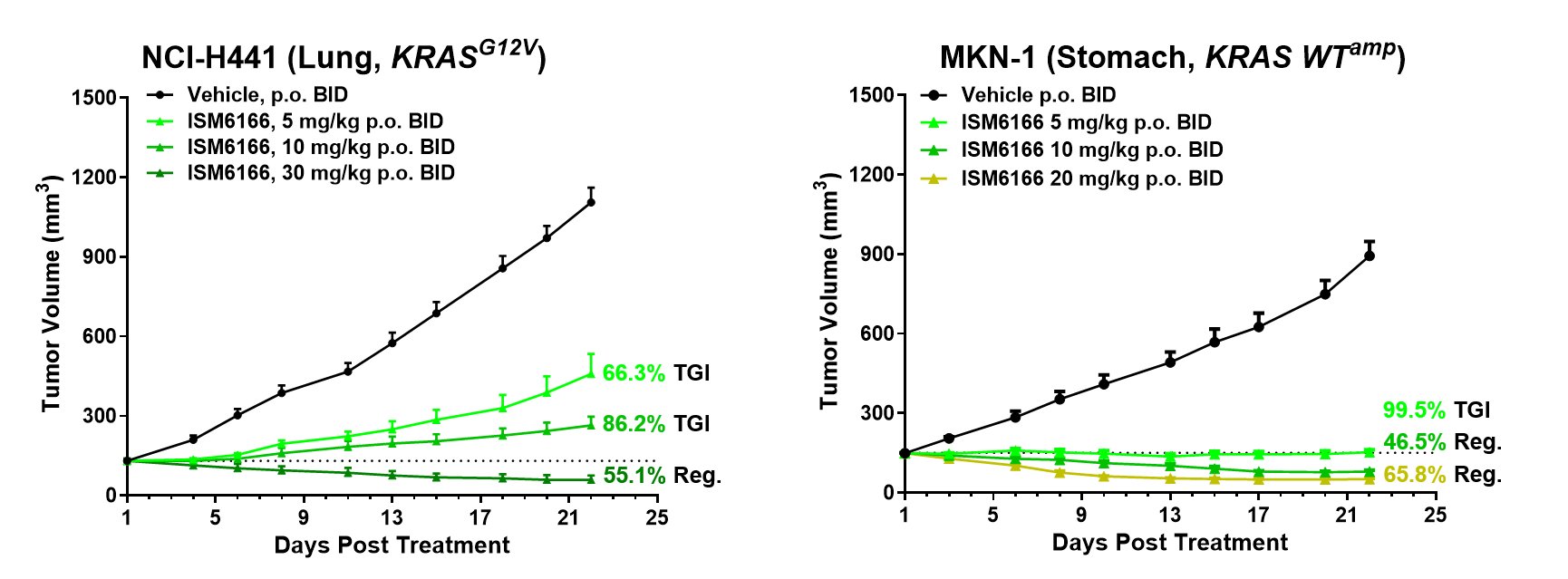
Core Insights - KRAS is one of the most mutated cancer driver genes, traditionally considered "undruggable" due to its smooth surface and high affinity for GTP/GDP, but recent advancements in targeting specific mutations like KRAS G12C have shown some progress [1] - Insilico Medicine's ISM6166 aims to address the limitations of existing KRAS inhibitors by targeting multiple key mutations and is expected to cover various KRAS-driven solid tumors such as lung, pancreatic, colorectal, and gastric cancers [1] - ISM6166 has demonstrated significant tumor suppression and regression effects in preclinical studies while maintaining high selectivity and favorable pharmacokinetic properties, indicating a balanced drug-like profile [1] Drug Efficacy - In lung cancer models, ISM6166 achieved an 86.2% tumor growth inhibition rate (TGI) at a dose of 10 mg/kg and a 55.1% tumor regression at 30 mg/kg [2] - In gastric cancer models, ISM6166 showed even more pronounced anti-tumor efficacy, with a TGI of 99.5% at 5 mg/kg and up to 65.8% tumor regression at higher doses [2] Selectivity and Pharmacokinetics - ISM6166 maintains high selectivity for other RAS family proteins, which is crucial for reducing off-target toxicity and potential side effects [4] - The compound has shown good plasma clearance rates and acceptable oral bioavailability across four preclinical species, supporting its potential as a best-in-class oral therapy [4] Research Background - This is not the first time Insilico Medicine has leveraged its AI capabilities in the "undruggable" space; in 2025, the company was recognized in Nature Biotechnology's top ten research advancements for its KRAS-related studies, which combined quantum and classical computing methods for small molecule design [4]

继脑机接口之后,AI制药“粉墨登场”?高贝塔医疗器械指数ETF(159898)连续6日吸金3.66亿元
Sou Hu Cai Jing· 2026-01-13 02:52
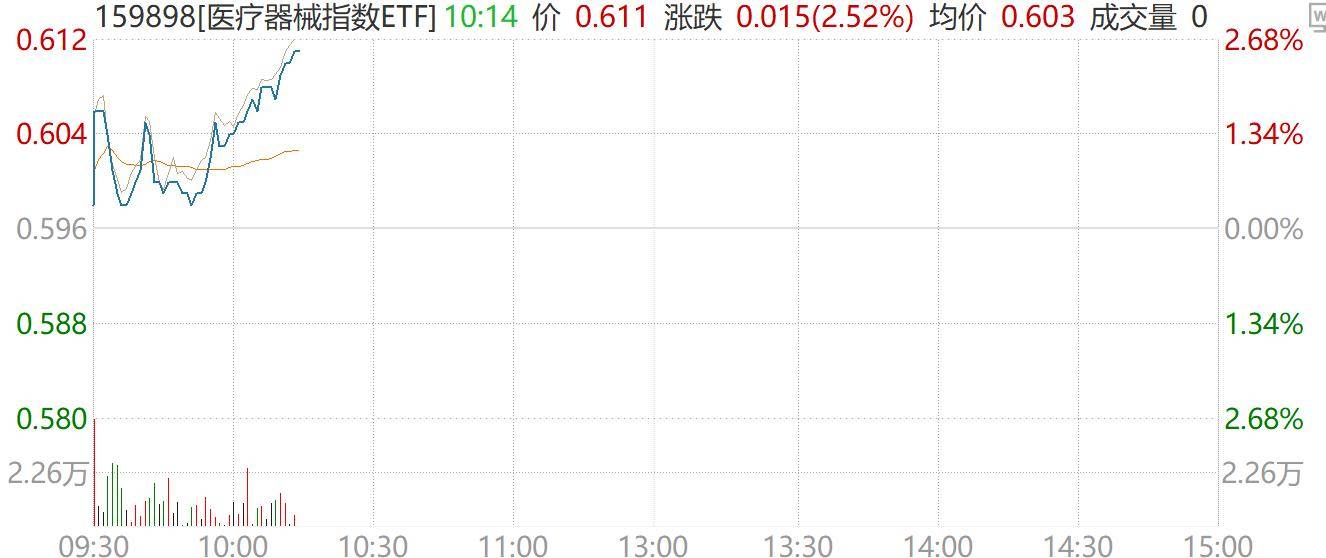
Group 1 - Nvidia and Eli Lilly will invest $1 billion over the next five years to establish an AI drug laboratory, focusing on accelerating medical discovery and production through robotics and physical AI [1] - The announcement has led to a significant rise in related pharmaceutical stocks, with Dean Diagnostics hitting the daily limit up for three consecutive trading days, and other companies like BGI Genomics and Berry Genomics seeing increases of over 16% and 8% respectively [1] - The medical device index ETF (159898) has gained 2.52% and has seen a net subscription of 366 million yuan over six consecutive days, indicating high market interest [1] Group 2 - Huafu Securities predicts that 2026 will mark the beginning of a new five-year period for AI healthcare, with expectations of more proactive fiscal signals supporting AI medical applications [2] - The current demand for AI applications in healthcare is expected to sustain the industry's long-term development, with recent events indicating a shift towards commercialization [2] - The National Medical Products Administration is expected to release ten measures by 2025-2026 to support the innovation and development of AI healthcare and high-end medical devices [2] Group 3 - The medical device index ETF (159898) tracks the CSI All-Share Medical Device Index, focusing entirely on the A-share medical device sector, with a pure beta quality [3] - The top ten holdings of the index include leading companies like Mindray Medical and United Imaging Healthcare, with over 80% of the portfolio in the ChiNext and STAR Market [3] Group 4 - The ETF's index includes a significant focus on brain-computer interface concepts, which account for approximately 24% of the index [4] - There is a scarcity of pure brain-computer interface stocks in the A-share market, presenting opportunities for capturing innovation in the industry [4] Group 5 - The medical device sector, which includes brain-computer interfaces, is expected to see substantial demand before and during the initial production phase of these technologies [5]
英矽智能与施维雅达成合作,总金额达8.88亿美元
Mei Ri Jing Ji Xin Wen· 2026-01-06 12:40
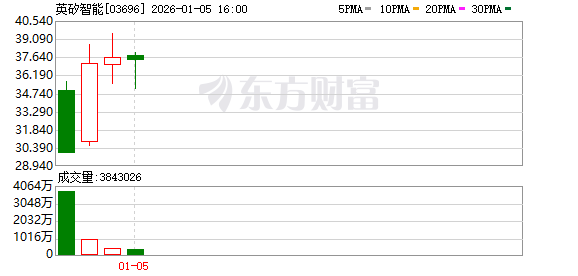
Core Viewpoint - The AI pharmaceutical company Insilico Medicine has entered a multi-year research collaboration with Servier, a global independent pharmaceutical company, with a total value of $888 million, focusing on drug discovery in oncology using Insilico's Pharma.AI platform [1] Group 1: Collaboration Details - Insilico Medicine will receive up to $32 million in upfront and milestone payments, leading the discovery and development of potential drug candidates, while Servier will co-fund the research and lead clinical validation and commercialization [1] - The collaboration comes amid a mixed market reaction, with Insilico's stock initially declining over 6% before stabilizing, closing at HKD 37.38, a decrease of 0.53% on January 5, and then rising 2.03% on January 6 [1] Group 2: Company Background and Market Position - Insilico Medicine was founded in the U.S. in 2014 and successfully listed on the Hong Kong Stock Exchange in late 2025, becoming the first AI biopharmaceutical company to do so under the main board listing rules [2] - The company raised HKD 2.277 billion in its IPO, the highest for a biopharmaceutical IPO in Hong Kong in 2025 [2] - Insilico's AI-driven drug discovery process significantly reduces the time from project initiation to identifying clinical candidates from an average of 4.5 years to 12-18 months, requiring only 60-200 compounds compared to thousands in traditional methods [2] Group 3: Revenue and Business Model - Insilico's business model includes drug discovery and pipeline development, software solutions, and other non-pharmaceutical discoveries, with drug discovery being the primary revenue source, generating $28.648 million, $47.818 million, and $79.733 million from 2022 to 2024 [2] - The company has several commercial licensing agreements and research service revenues, with potential income from partnerships with global pharmaceutical companies reaching $2 billion [3] Group 4: Industry Trends and Future Outlook - The AI pharmaceutical sector is experiencing a surge in business development collaborations, with significant financial commitments and diverse partnership models emerging in 2025 [5] - Notable collaborations include strategic research partnerships and pipeline agreements with major pharmaceutical companies, indicating a growing trend in the industry [5]
英矽智能与施维雅达成近9亿美元抗肿瘤药物研发合作,股价逆势下跌
Mei Ri Jing Ji Xin Wen· 2026-01-05 15:51
Core Viewpoint - The recent partnership between Insilico Medicine and Servier, valued at $888 million, aims to leverage Insilico's AI platform Pharma.AI for drug discovery in oncology, although market reaction has been muted despite a rise in the innovative drug sector [2][3]. Group 1: Partnership Details - Insilico Medicine has entered a multi-year R&D collaboration with Servier, with potential upfront payments of up to $32 million and shared development costs [2]. - The collaboration focuses on identifying and developing new therapeutic drugs targeting challenging oncology areas [2]. Group 2: Company Background and Performance - Insilico Medicine, founded in 2014, became the first AI biopharma company to list on the Hong Kong Stock Exchange in 2025, raising a total of HKD 2.277 billion in its IPO, the highest for a biotech IPO in Hong Kong that year [3]. - The company claims its AI platform can reduce the drug development timeline from an average of 4.5 years to 12-18 months, significantly decreasing the number of compounds synthesized [3]. Group 3: Revenue and Business Model - Insilico's revenue model includes drug discovery and pipeline development, software solutions, and other non-pharma discoveries, with drug discovery being the primary revenue source from 2022 to 2024 [3]. - The company has established partnerships with major pharmaceutical firms, generating potential revenue of up to $2 billion from licensing agreements [4]. Group 4: Industry Trends - The AI drug discovery sector has seen a surge in business development (BD) activities, with significant collaborations and funding in 2025, indicating a growing interest in AI-driven pharmaceutical solutions [6]. - Notable collaborations in the industry include partnerships between other companies like CSPC and AstraZeneca, highlighting the increasing complexity and scale of AI-driven drug development [6].
AI制药独角兽英矽智能登陆港交所
Sou Hu Cai Jing· 2025-12-30 12:48
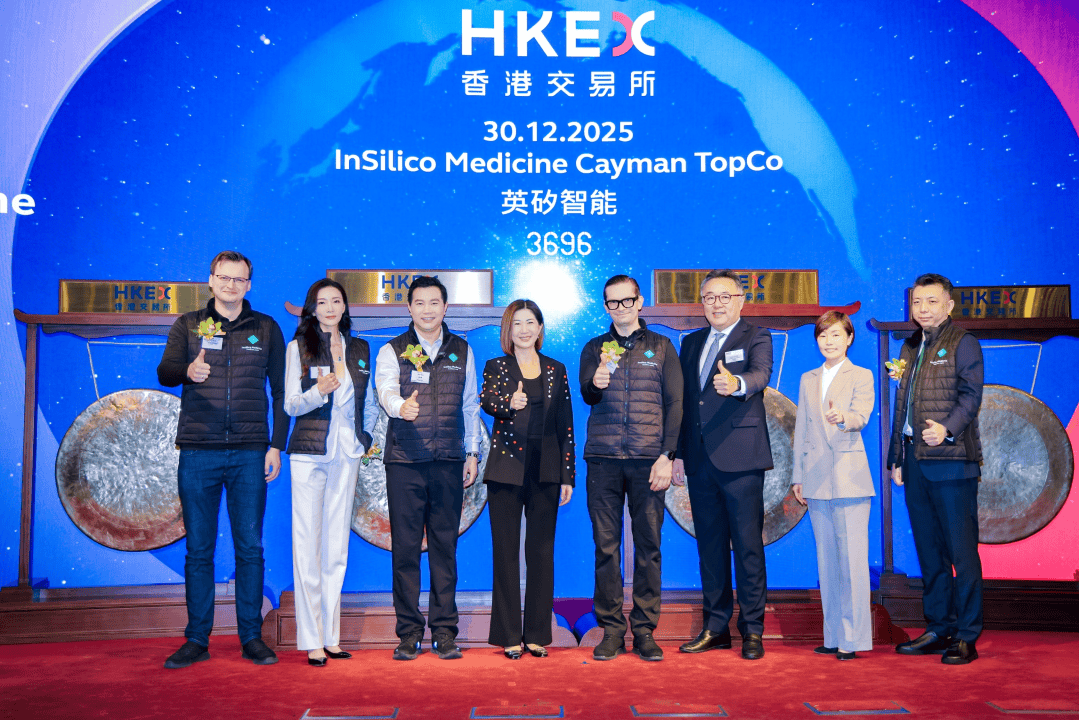
Core Viewpoint - The company Insilico Medicine, driven by generative artificial intelligence, successfully listed on the Hong Kong Stock Exchange, raising a total of HKD 2.277 billion, marking the highest fundraising for a biotech IPO in Hong Kong this year [1][3]. Group 1: IPO Details - Insilico Medicine's IPO was priced at HKD 24.05 per share, with an opening increase of 45.5% to HKD 35.00 per share [3]. - The IPO was co-sponsored by Morgan Stanley, CICC, and GF Securities, with a total issuance of 94.6905 million shares, where the Hong Kong public offering accounted for 10% and was oversubscribed by approximately 1,427.37 times, securing over HKD 328.349 billion in subscription funds [5]. - The international offering accounted for 90% and was oversubscribed by 26.27 times, setting a record for non-18A Hong Kong healthcare IPOs [5]. Group 2: Investor Participation - Insilico Medicine attracted 15 cornerstone investors, including Eli Lilly, Tencent, Temasek, Schroders, UBS, Oak Tree Capital, E Fund, and Taikang Life, enhancing its credibility in the global pharmaceutical and investment landscape [6]. - Notably, Eli Lilly and Tencent participated as cornerstone investors for the first time in a biotech company, while Oak Tree Capital returned to the Hong Kong biotech market as a cornerstone investor [6]. Group 3: Company Overview and Innovation - Insilico Medicine utilizes its proprietary Pharma.AI platform and advanced automated laboratories to accelerate drug discovery, focusing on unmet medical needs in areas such as fibrosis, oncology, immunology, pain, obesity, and metabolic disorders [7]. - The company has ten molecules that have received clinical trial approval, with Rentosertib being the most advanced candidate for treating idiopathic pulmonary fibrosis, having completed Phase 2a clinical studies with positive results [7]. - Compared to traditional drug development timelines of approximately 4.5 years, Insilico Medicine has reduced the average time from project initiation to clinical candidate nomination to 12 to 18 months for over 20 self-developed projects from 2021 to 2024 [7][8]. Group 4: Future Plans and Funding Allocation - Following the IPO, Insilico Medicine plans to allocate approximately 48% of the raised funds for further clinical development of key pipeline candidates, 20% for early drug discovery and development, 15% for developing innovative generative AI models and related validation studies, 12% for further development and expansion of automated laboratories, and 5% for operational funds and other general corporate purposes [9].
晶泰控股(02228):稀缺 AI4S 领军,空间广阔
Shenwan Hongyuan Securities· 2025-12-29 07:59
Investment Rating - The report initiates coverage with a "Buy" rating for the company, targeting a market value of 48.7 billion RMB [6][5]. Core Insights - The company is positioned as a leader in AI4S (Artificial Intelligence for Science), with significant growth potential in drug discovery and new materials [5][51]. - Revenue is expected to grow substantially, with projections of 795 million RMB in 2025, representing a year-on-year increase of 198% [6][5]. - The company has established a strong partnership with DoveTree, securing a strategic collaboration worth 5.99 billion USD, which includes an upfront payment of 51 million USD [7][5]. Financial Data and Profit Forecast - Revenue for the years 2023 to 2025 is projected to be 174 million RMB, 266 million RMB, and 795 million RMB, with corresponding growth rates of 30.8%, 52.75%, and 198.39% [4][6]. - The adjusted net profit is forecasted to transition from a loss of 522 million RMB in 2023 to a profit of 309 million RMB by 2027, indicating a significant turnaround [4][6]. - The company’s price-to-sales (PS) ratios for 2025 to 2027 are estimated at 47x, 38x, and 26x, respectively, with a target PS of 49x for 2026 [6][5]. Business Model and Technological Edge - The company utilizes a comprehensive approach combining quantum physics, AI, and robotics to enhance drug discovery processes, covering the entire lifecycle from drug design to clinical trials [23][5]. - The core technology includes high-precision virtual data generation through quantum physics, which addresses data scarcity in AI drug research [23][5]. - The company has a unique capability to integrate both dry and wet lab experiments, enhancing research efficiency and data accumulation for model optimization [5][51]. Market Position and Competitive Advantage - The company is recognized for its strong technical capabilities and has a competitive edge in the AI pharmaceutical sector, with a focus on both drug discovery and new materials [5][51]. - The market for AI4S is projected to reach nearly 50 billion USD, highlighting the expansive potential for the company's technology in both pharmaceutical and materials research [5][51]. - The report emphasizes the strong migration potential of the underlying technology from drug discovery to new materials, leveraging similar physical principles [51][5].
晶泰控股(02228):稀缺AI4S领军,空间广阔
Shenwan Hongyuan Securities· 2025-12-29 05:09
Investment Rating - The report initiates coverage with a "Buy" rating for the company [2][7]. Core Insights - The company is positioned as a leader in AI for drug discovery and has significant growth potential, with a projected market value of 487 billion RMB [6][7]. - Revenue is expected to grow substantially, with estimates of 795 million RMB, 985 million RMB, and 1.421 billion RMB for 2025, 2026, and 2027 respectively, reflecting year-on-year growth rates of 198%, 24%, and 44% [6][7]. - The company has established a comprehensive technology platform that integrates physical computing, AI, and automation in drug research and development [6][27]. Financial Data and Profit Forecast - Revenue projections for 2023 to 2027 are as follows: 174 million RMB, 266 million RMB, 795 million RMB, 985 million RMB, and 1.421 billion RMB, with corresponding growth rates of 30.80%, 52.75%, 198.39%, 23.92%, and 44.21% [5][6]. - The adjusted net profit is forecasted to be -522 million RMB, -457 million RMB, -23 million RMB, 75 million RMB, and 309 million RMB for the years 2023 to 2027, indicating a significant turnaround by 2025 [5][6]. - The company’s price-to-sales ratio (PS) is projected to be 47x, 38x, and 26x for 2025, 2026, and 2027 respectively, with a target PS of 49x for 2026 based on comparable companies [6][7]. Business Model and Market Position - The company focuses on drug discovery solutions as its core business, with significant revenue contributions from both drug discovery and automation solutions [6][31]. - The company has secured a major partnership with DoveTree, valued at 59.9 billion USD, which includes an upfront payment of 51 million USD [6][8]. - The technology is highly transferable, with applications extending beyond pharmaceuticals to new materials, indicating a potential market space of nearly 50 billion USD in the long term [9][58]. Technological Advancements - The company utilizes a combination of quantum physics, AI, and automation to enhance drug discovery processes, significantly reducing the time and cost associated with traditional methods [6][55]. - The integration of AI in drug development has been shown to cut research timelines by nearly half, as evidenced by various case studies [44][45]. - The company’s capabilities in both dry and wet lab environments provide a competitive edge in the AI-driven drug discovery landscape [6][27].
国产创新药可从四方面入手筑牢长红根基
Zheng Quan Ri Bao· 2025-12-10 16:20
Core Viewpoint - Since December, several domestic innovative pharmaceutical companies have announced the activation of cooperation agreements with overseas pharmaceutical giants to jointly promote the global development and commercialization of domestic innovative drugs. Data indicates that by the third quarter of 2025, Chinese pharmaceutical companies will have completed 103 outbound licensing transactions, totaling $92.03 billion, with the total for the year expected to exceed $100 billion. This reflects the market's recognition of Chinese innovative drugs. However, to transition from "one-time licensing frenzy" to "sustained value creation," domestic innovative pharmaceutical companies must overcome development bottlenecks by focusing on four key areas [1]. Group 1 - Leverage policy dividends to promote the rise of domestic innovative drugs. The approval cycle for innovative drugs in China has significantly shortened, with many included in medical insurance and a higher negotiation success rate than the industry average. Companies should utilize policy benefits to drive innovation breakthroughs, focusing on urgent clinical needs in areas like oncology and rare diseases, and establish cross-border innovative drug trading platforms to facilitate "going global" [2]. Group 2 - Emphasize talent as a key support for the development of innovative drugs. While China has a large pool of biopharmaceutical talent, there is a shortage of high-end talent. To overcome this bottleneck, domestic innovative pharmaceutical companies should build a collaborative system among industry, academia, and research, establish platform laboratories through school-enterprise cooperation, and cultivate interdisciplinary talents who understand both biology and medicine. Additionally, implementing mechanisms like technology equity and stock incentives can enhance the retention of core talent [3]. Group 3 - Utilize artificial intelligence technology to reduce costs and increase efficiency in innovative drug development. The rapid advancement of AI technology is enhancing its application in drug development, shortening average R&D cycles and helping to reduce costs. Domestic innovative pharmaceutical companies should seize AI opportunities by creating platforms that integrate high-throughput laboratories with AI algorithms, establishing a closed loop of "data-algorithm-experiment," and promoting AI's penetration from target discovery to clinical optimization. Furthermore, companies should actively participate in formulating international AI pharmaceutical standards and develop AI-assisted systems tailored to Chinese clinical characteristics [4]. Group 4 - Strengthen industry chain collaboration to build a solid foundation for risk resistance. Domestic innovative pharmaceutical companies need to establish a collaborative system across all stages, from R&D to production, clinical trials, and sales. They should cultivate the supply capacity of high-end excipients and pharmaceutical equipment to enhance industry resilience and international influence. In the current market enthusiasm, companies must recognize that the surge in licensing transactions is merely the starting point for "going global," and continuous innovation and overcoming technical barriers are essential to becoming a lasting force in the global pharmaceutical market [5].
摩根大通解密BD潮:巨头“抄底”中国创新药,下一个爆款在哪?
2 1 Shi Ji Jing Ji Bao Dao· 2025-12-08 04:50
Core Insights - The global biopharmaceutical innovation landscape, traditionally dominated by multinational corporations (MNCs), is undergoing significant structural changes, with China's innovative drug industry emerging as a key player on the global stage [1] - China's transition from a "fast follower" to a "first mover" in innovative drugs is becoming an irreversible trend, as highlighted by The Economist, indicating that Chinese innovation drugs are at a "critical point" of globalization [1] - Data shows that China's share in global clinical trials and licensing transactions is rising significantly, with Chinese biotech companies' stock prices outperforming their U.S. counterparts over the past year [1][2] - The total market capitalization of Chinese listed biotech companies is still less than 15% of their U.S. peers, presenting a "historic investment opportunity" as perceived by international capital [1] Group 1 - The cost-effectiveness and speed advantages of Chinese innovative drug companies are notable, with drug discovery phases being 2-3 times faster and patient recruitment in clinical trials being 2-5 times quicker than international counterparts [4] - The total amount of licensing transactions for Chinese innovative drugs is expected to exceed $100 billion by 2025, with significant deals already occurring, such as the $12.5 billion upfront payment from Pfizer to 3SBio [4][2] - The surge in business development (BD) activities reflects a growing interest from MNCs in China's innovative drug capabilities, particularly in advanced fields like T-cell engagers and CAR-T therapies [2][5] Group 2 - The market is witnessing a "BD frenzy," with MNCs actively engaging in acquisitions, driven by the recognition of China's improving innovation, research, and clinical capabilities [5][6] - The anticipated growth in the pharmaceutical industry is expected to lead to a significant increase in the Hang Seng Index, with projections indicating a potential doubling by 2025 [8] - The overall revenue of Chinese innovative drug companies reached 48.83 billion yuan in the first three quarters of 2025, marking a 22% year-on-year increase, with the sector achieving its first quarterly profit since inception [8] Group 3 - The shift in capital market dynamics is evident, with investors now focusing more on the "hard power" of companies rather than just their narrative or story [10][9] - The trend of companies transitioning from A-share to Hong Kong markets is gaining momentum, with a growing number of firms seeking to list in Hong Kong, reflecting a tightening scrutiny of fundamentals by investors [11][14] - The current market environment is characterized by a rational return, where investors prioritize solid fundamentals over speculative narratives, indicating a more cautious approach to investment [12][13]
摩根大通解密BD潮:巨头“抄底”中国创新药 下一个爆款在哪?
2 1 Shi Ji Jing Ji Bao Dao· 2025-12-08 04:48
Core Insights - The global biopharmaceutical innovation landscape, traditionally dominated by multinational corporations (MNCs), is undergoing significant structural changes, with China's innovative drug industry emerging as a key player on the global stage [1][3] - China's transition from a "fast follower" to a "first mover" in innovative drugs is becoming an irreversible trend, as highlighted by international media [1] - Data shows that China's share in global clinical trials and licensing transactions is increasing, with Chinese biotech companies outperforming their U.S. counterparts in stock price growth over the past year [1][2] Group 1: Market Dynamics - The cost-effectiveness and speed of Chinese innovative drug companies are becoming critical factors for MNCs to source R&D pipelines from China, with costs being 30%-40% lower than in the U.S. [2] - The year 2025 is projected to be a breakout year for China's innovative drug licensing transactions, with total amounts surpassing $100 billion in the first three quarters [4][8] - Notable collaborations include a $12.5 billion upfront payment from Pfizer to 3SBio for overseas rights to a bispecific antibody, which significantly boosted market enthusiasm [2][4] Group 2: Investment Trends - MNCs are actively engaging in acquisitions during industry downturns, recognizing the continuous improvement in China's innovation, R&D, and clinical capabilities [5] - The capital market is witnessing a shift from "story-driven" investments to a focus on the "hard strengths" of companies, emphasizing clinical data and product quality [10][11] - The interaction between A-share and Hong Kong markets is tightening, with many quality companies seeking to list in Hong Kong, reflecting a more rigorous examination of fundamentals by investors [11][12] Group 3: Future Outlook - The biopharmaceutical sector is expected to thrive, with projections indicating that the Hang Seng Index could double by 2025 due to favorable policies and recovering valuations [8] - The market is experiencing a healthy adjustment, with the innovative drug sector reporting a 22% year-on-year revenue increase, marking its first quarterly profit since inception [8][9] - The trend of companies transitioning from "fast followers" to "first movers" is gaining momentum, with 5%-10% of innovations now being true first-in-class [11]