
人工智能对就业的影响

Search documents
岗位没有消失,但好工作更难找了
3 6 Ke· 2026-01-07 13:00
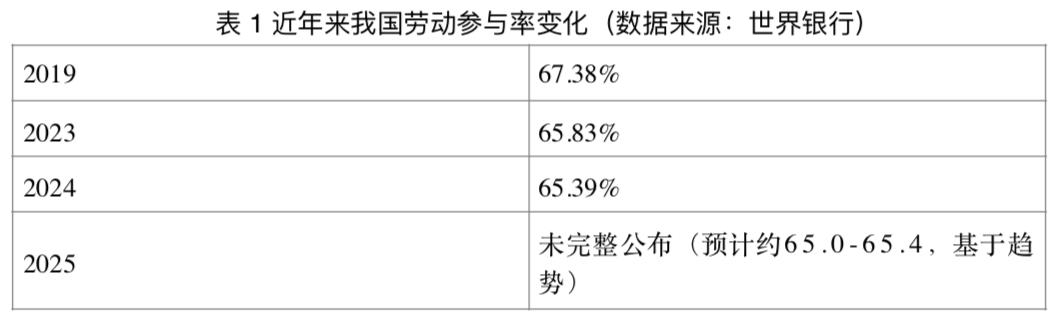
Core Viewpoint - The employment situation in 2025 is characterized by a paradox where macroeconomic indicators show stability, but individual experiences of employment are increasingly negative, leading to a perception of a structural imbalance in the job market [1] Group 1: Long-term Structural Dilemmas - The transformation of industrial structure is reducing the employment capacity of traditional labor-intensive sectors while new industries like AI and digital economy are still in a phase of selective hiring, limiting widespread job absorption [2] - Economic growth is slowing down, leading to cautious hiring practices among companies, with a tendency to outsource jobs rather than hire directly [2] - Weak consumer recovery is hindering the expansion of traditional employment sectors, with rising operational costs squeezing profit margins for small service businesses [2][3] Group 2: Key Facts Indicating Pressure - The number of college graduates in 2025 is projected to reach 12.22 million, marking a historical high and indicating sustained pressure on the job market [4] - The youth unemployment rate for ages 16-24 is fluctuating between 16% and 18%, significantly higher than the overall unemployment rate of around 5% [4] - There is a notable increase in risk-averse choices among youth, with a record number of applicants for civil service exams surpassing those for graduate studies [4] Group 3: Employment Mismatch - The current employment issue is characterized as a mismatch rather than a disappearance of jobs, with a significant portion of the workforce experiencing "hidden unemployment" due to various factors [5][9] - The labor participation rate has declined by approximately 1.9% to 2.3% from pre-pandemic levels, indicating a substantial number of individuals exiting the labor market [7] - Despite an increase in the share of labor compensation in GDP, workers feel little improvement in their income, highlighting a disparity between macroeconomic data and individual experiences [7] Group 4: Youth Employment Dilemmas - The rising educational qualifications of youth are not translating into job opportunities, leading to a rational choice of pursuing stable government jobs as a form of risk aversion [13] - The influx of educated individuals into low-stability sectors exacerbates competition and limits innovation in market-driven sectors [14] Group 5: Impact of AI on Employment - AI is reshaping the job market, leading to job polarization where high-skill positions are expanding while middle-skill jobs are being compressed [15][16] - New job opportunities are emerging in AI-related fields, but there is a growing skills gap as traditional roles decline [15] Group 6: Flexible Employment Trends - Flexible employment and new job forms are expanding, becoming a significant channel for income generation, yet they face challenges such as income volatility and lack of social security [17] - Recent legal changes are aimed at improving the regulatory framework for gig workers, but the implementation remains complex [18][19] Group 7: Migrant Worker Trends - An early wave of migrant workers returning home is observed, driven by weak demand in construction and manufacturing sectors, leading to increased social pressures in rural areas [20][21] - The trend reflects a long-term shift in labor dynamics, with fewer migrant workers willing to endure the risks associated with urban employment [21] Group 8: Employment Market Dynamics - The employment landscape in 2025 is marked by contradictions, with structural issues becoming more pronounced as technological advancements disrupt traditional job markets [24] - Policymakers face a critical moment to reshape employment governance and address the complexities of the labor market [25]

岗位没有消失,但好工作更难找了
经济观察报· 2026-01-07 11:10
Group 1 - The core issue of employment in 2025 is not the disappearance of jobs, but rather the decreasing availability of "good jobs" that are easy to find, easy to do, and worth doing [2][12] - The employment situation is characterized by a divergence between macro stability and micro tension, leading to a highly emotional and structurally imbalanced social issue [2][4] - The employment landscape is influenced by three main forces: the deep transformation of industrial structure, increased uncertainty in economic growth, and weak consumer recovery affecting traditional employment sectors [5][6] Group 2 - In 2025, the number of college graduates is projected to reach 12.22 million, continuing a trend of record-high figures, which adds pressure to the job market [7] - The youth unemployment rate remains high, fluctuating between 16% and 18% for those aged 16-24, significantly above the overall unemployment rate of around 5% [7][8] - The trend of risk-averse choices among youth is evident, with a record number of 3.718 million applicants for national civil service exams, surpassing graduate school applications for the first time in over a decade [7][8] Group 3 - The current employment issue is fundamentally one of "mismatch" rather than "disappearance," with a significant portion of the workforce unable to find suitable positions due to skill and expectation mismatches [12][14] - There is a notable skills mismatch, where the demand for complex, integrated skills is rising, while many workers possess only basic or single-task skills [14] - The mismatch extends to expectations, with young people seeking job stability and security that the current market cannot adequately provide [14][15] Group 4 - The impact of artificial intelligence (AI) on employment is a critical theme, leading to job polarization rather than simple job loss, with high-end positions expanding while middle-skill jobs are compressed [21][23] - AI is creating new opportunities in technology-intensive roles, while also enhancing productivity for individual workers who can leverage AI tools [23][24] - The growth of flexible employment and new job forms is becoming a significant channel for income generation, with the government actively promoting these trends [24][26] Group 5 - The early return of migrant workers to rural areas in 2025 is attributed to weak demand in construction and manufacturing, leading to job insecurity and wage delays [28][29] - The trend of migrant workers returning home reflects a long-term shift, with a decline in the number of interprovincial migrant workers and a growing preference for local employment opportunities [30] - The employment risks faced by migrant workers have shifted from merely finding work to concerns about job security and income reliability [30] Group 6 - The coexistence of "lying flat" and "involution" reflects the rational choices of workers in a competitive job market, where high-quality job growth lags behind labor supply [32][33] - The phenomenon of "lying flat" arises when the marginal returns of effort diminish, leading workers to reduce their input in a low-reward environment [32][33] - The interplay of these dynamics indicates a complex employment landscape where individual rational choices can lead to systemic inefficiencies [35][36]
“压力并非只是感觉”,2025年中国就业市场怎么了
Jing Ji Guan Cha Wang· 2026-01-07 08:32
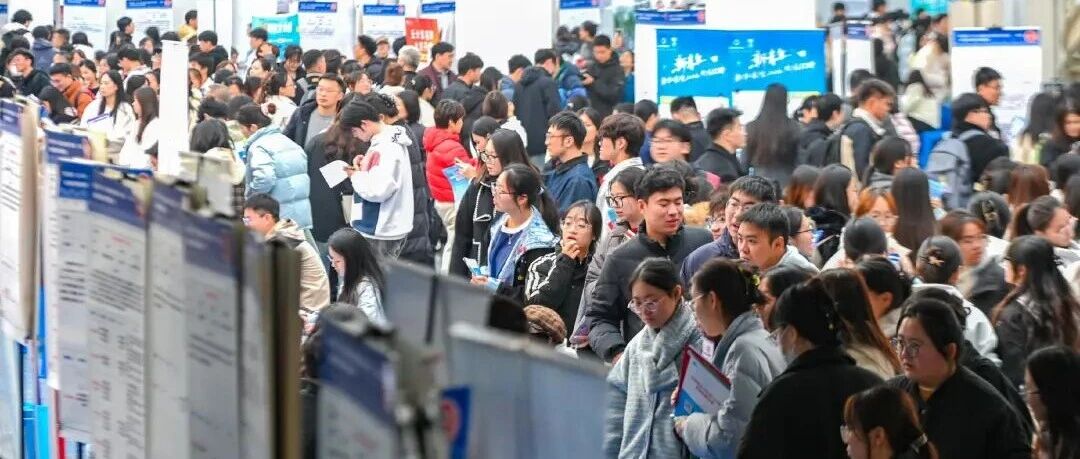
Group 1 - The core issue of employment in 2025 is characterized by a macroeconomic stability contrasted with individual feelings of insecurity, indicating a structural imbalance in the job market [2][3] - Employment opportunities are not disappearing, but the availability of "good jobs" that are easy to find and secure is declining [2][3] Group 2 - The transformation of industrial structure is leading to a decrease in employment absorption capacity in traditional labor-intensive sectors, while new industries are still in a phase of selective hiring [4] - Economic growth is slowing down, and uncertainty is increasing, causing companies to adopt a more cautious approach to hiring [4] - Weak consumer recovery is limiting the expansion of traditional employment sectors, leading to conservative hiring practices [4] Group 3 - The supply-side pressure is unprecedented, with the number of college graduates reaching 12.22 million in 2025, continuing a trend of record-high graduate numbers [5] - The youth unemployment rate remains high, fluctuating between 16% and 18% for those aged 16-24, significantly above the overall unemployment rate of around 5% [6] - Risk-averse choices among youth are increasing, with more opting for civil service exams and delayed employment [6] Group 4 - The labor participation rate has declined by approximately 1.9% to 2.3% from pre-pandemic levels, indicating a significant number of individuals exiting the labor market [8] - Despite an increase in the share of labor compensation in GDP, workers feel little improvement in income, with disparities in income growth across different sectors [9] Group 5 - The employment issue is fundamentally one of "mismatch" rather than "disappearance," with a significant portion of the workforce unable to find suitable positions due to skill mismatches [10] - There is a notable mismatch in expectations, with youth seeking job stability and security that the market cannot adequately provide [11] Group 6 - The impact of AI on employment is significant, leading to job polarization where high-skill jobs are expanding while middle-skill jobs are being compressed [15][16] - New job opportunities are emerging in AI-related fields, but there is a growing gap in the skills required for these positions [15][16] Group 7 - Flexible employment and new job forms are expanding, becoming a crucial channel for income generation, yet they face challenges such as income volatility and lack of social security [17] - The introduction of mandatory social insurance regulations reflects the need for adaptation in the face of diverse employment forms [18] Group 8 - The early return of migrant workers to rural areas is driven by weak demand in construction and manufacturing, highlighting the changing dynamics of labor mobility [20][21] - The employment risks for migrant workers have shifted from simply finding work to concerns about job security and income reliability [22] Group 9 - The coexistence of "lying flat" and "involution" reflects the rational choices of workers in a competitive job market, where the quality of job growth lags behind labor supply [23][24] - The structural employment issues in 2025 necessitate a multifaceted policy approach that addresses income distribution, consumption, and labor market dynamics [25][26]

薛澜对话特伦斯·谢诺夫斯基:人工智能的智能本质与未来治理
Xin Lang Cai Jing· 2025-12-20 03:36
Group 1 - The conference "Caijing Annual Conference 2026" focused on the theme "China's Resilience in Changing Circumstances" and included discussions on artificial intelligence (AI) [1][6] - The dialogue featured Tsinghua University’s Xue Lan and US National Academy of Sciences member Terrence Sejnowski, discussing the essence of AI, risk governance, and future development directions [4][6] - Key points included the distinction between AI's capabilities and human intelligence, particularly the lack of self-awareness in current AI models [4][10] Group 2 - Xue Lan identified three categories of AI risks: misuse, technological failure, and systemic risks, and questioned the applicability of drawing "red lines" for AI governance [4][14] - Sejnowski emphasized the need for a balance between risk and benefit in technology regulation, advocating for self-regulation within the industry and international cooperation [4][13] - The discussion highlighted the significant impact of AI on employment, particularly for young people, and suggested that embracing change and learning new skills is essential [4][21] Group 3 - The conversation touched on the potential for neuroscience to inspire AI development, noting challenges such as heat dissipation and energy consumption in creating brain-like intelligence [5][24] - Sejnowski proposed the idea of an "AI-CERN" to foster collaboration in AI research, similar to the European Organization for Nuclear Research [20][21] - The dialogue concluded with a call for young people to adapt to the evolving job market influenced by AI, emphasizing the importance of interdisciplinary skills and continuous learning [21][29]

12月美联储议息会议点评:利率如期三连降,明年空间几何?
HUAXI Securities· 2025-12-11 01:12
Group 1: Federal Reserve Actions - The Federal Reserve lowered interest rates by 25 basis points, marking the third consecutive rate cut, bringing the target range to 3.50% to 3.75%[1] - Starting December 12, the Fed will initiate a monthly purchase plan of approximately $40 billion in short-term Treasury bonds to maintain liquidity in the banking system[3] Group 2: Economic Indicators - The unemployment rate has slightly increased to 4.4% as of September, higher than market expectations, despite non-farm payrolls adding 119,000 jobs, exceeding the forecast of 50,000[2] - GDP growth forecasts for 2025, 2026, 2027, and 2028 have been revised upward to 1.7%, 2.3%, 2.0%, and 1.9% respectively, compared to previous estimates of 1.6%, 1.8%, 1.9%, and 1.8%[4] - PCE inflation expectations for 2025 and 2026 have been lowered to 2.9% and 2.4%, down from 3.0% and 2.6% respectively, while core PCE inflation expectations remain stable[4] Group 3: Future Projections - The median interest rate forecast remains unchanged for 2025, 2026, 2027, and 2028 at 3.6%, 3.4%, 3.1%, and 3.1% respectively[5] - The dot plot indicates a consensus for a potential additional 25 basis point cut next year, with some members predicting a more aggressive reduction[8] Group 4: Market Reactions - U.S. stock indices closed higher, with the Dow Jones up 1.05%, S&P 500 up 0.67%, and Nasdaq up 0.33% following the Fed's announcement[10] - Gold prices increased by 0.52% to $4,258.30 per ounce, while the U.S. dollar index fell by 0.60% to 98.64[10]
不再回避!企业CEO们公开预测:AI将取代很多白领岗位
Hua Er Jie Jian Wen· 2025-07-04 01:05
Group 1 - The core viewpoint of the articles highlights a significant shift in the perception of AI's impact on employment, with many CEOs predicting large-scale layoffs due to AI technology [1][2]. - Ford CEO Jim Farley stated that AI could replace half of the white-collar workforce in the U.S. [1]. - JPMorgan's Marianne Lake indicated that the company's operational staff could decrease by 10% in the coming years due to new AI tools [1]. Group 2 - Tech company executives are more aggressive in their predictions, with Amazon CEO Andy Jassy noting that the workforce may shrink due to unprecedented AI advancements [2]. - Anthropic CEO Dario Amodei predicted that within one to five years, half of entry-level jobs could disappear, potentially raising the U.S. unemployment rate to 10% to 20% [2]. - Fiverr CEO Micha Kaufman warned that AI will impact various job roles, including programmers, designers, and sales personnel [2]. Group 3 - Not all tech executives share a pessimistic view; OpenAI COO Brad Lightcap believes the impact on entry-level jobs will not be as swift or comprehensive as predicted [3]. - IBM CEO Arvind Krishna acknowledged that while AI has replaced hundreds of HR jobs, the company has hired more programmers and sales personnel [3]. - AT&T CFO Pascal Desroches mentioned that the uncertainty surrounding AI's impact on work remains significant, as past technological revolutions have often led to the emergence of new jobs [3].