
全球脱碳

Search documents
帮主郑重:油金背离、金属跳水!商品市场的“明牌”与“暗流”
Sou Hu Cai Jing· 2026-01-17 00:58
Group 1: Oil Market - Oil prices experienced a slight recovery, closing above $59 per barrel, primarily driven by a "weekend risk-off" sentiment rather than strong market optimism [3] - The geopolitical risk premium remains, but the underlying fundamentals supporting sustained oil price increases, such as global demand, are being scrutinized [3] - A senior strategist indicated that if the U.S. does not take action soon, market attention will shift back to less optimistic inventory and supply-demand data [3] Group 2: Gold Market - Gold prices fell due to a rebound in the dollar and rising U.S. Treasury yields, with deeper concerns stemming from Trump's statements regarding the Federal Reserve chair selection [4] - Market expectations for significant Fed rate cuts next year, which had previously driven gold prices to new highs, are now in doubt due to Trump's indecision [4] - The future trajectory of gold prices is increasingly tied to U.S. interest rate expectations, shifting from a geopolitical risk narrative to a financial story closely linked to the Fed's actions [4] Group 3: Base Metals Market - Base metals, including copper and tin, saw a significant decline after reaching historical highs, with tin prices dropping nearly 8% [4] - This collective drop is attributed to traders in Shanghai and London synchronously taking profits and closing positions, highlighting the volatility in speculative positions [4] - The market's reaction serves as a reminder that even in favorable long-term trends like global decarbonization, prices can experience significant corrections [4] Group 4: Investment Strategy - Investors are advised to differentiate between "event-driven" and "trend-driven" factors, with geopolitical events impacting oil prices being more volatile and less predictable [5] - Maintaining calm during market exuberance is crucial, as the recent correction in base metals illustrates the risks associated with prices deviating significantly from their fundamentals [5] - The strength of the dollar is emphasized as a key factor influencing all dollar-denominated commodities, with any shifts in Fed policy likely to create significant market impacts [5]


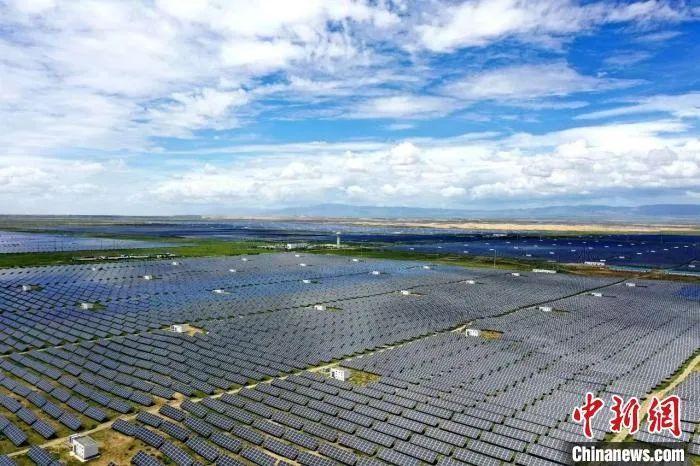
感受中国“太阳能经济”活力
Jing Ji Ri Bao· 2026-01-14 08:13
Group 1 - The 2025 European International Solar Energy Exhibition recently concluded in Munich, showcasing China's strong advantages in innovative products and system integration within the global photovoltaic industry [1] - Over 2,700 companies from more than 50 countries participated, with approximately 850 companies from China, highlighting their significant presence in the core exhibition area [1] - Chinese products displayed included high-efficiency photovoltaic modules, energy storage devices, charging infrastructure, and comprehensive energy solutions, demonstrating the overall strength of China's renewable energy industry [1] Group 2 - Chinese companies are continuously introducing innovative results in component manufacturing, with LONGi Green Energy's new solar panel winning the annual photovoltaic technology award for its high efficiency in low-light conditions and enhanced fire safety [2] - The European market's high acceptance of new photovoltaic technologies encourages Chinese companies to increase R&D investments, with a focus on integrating solar technology into household appliances to meet consumer demands [2] - The energy storage sector was a major highlight, with companies like CATL, Huawei, and Trina Solar showcasing the latest storage technologies and solutions [2] Group 3 - CATL launched a modular energy storage device at the exhibition, capable of charging approximately 150 electric vehicles or meeting the electricity needs of a German household for about six years [3] - The increasing share of renewable energy, which is significantly affected by weather, has led to a rising demand for power supply and demand regulation, resulting in a growing storage market in Europe [3] - Chinese companies play an irreplaceable role in promoting Europe's energy transition by providing cost-effective solutions and continuously advancing sustainable technologies [3]



Clean Energy ETFs in Spotlight as US Pulls Out Of Global Climate Treaties
ZACKS· 2026-01-09 17:40
Core Insights - The Trump administration's withdrawal from the UNFCCC marks a significant retreat from international climate cooperation, impacting the U.S. clean energy sector and creating uncertainty in domestic policy support [1][2][4] Impact on U.S. Clean Energy Industry - The U.S. clean energy industry is facing profound uncertainty due to the withdrawal, especially after recent rollbacks of the Inflation Reduction Act (IRA) [2] - In Q1 2025, investments totaling $7.9 billion for 16 large-scale projects were canceled, closed, or downsized, indicating the negative impact of anti-climate policies [3] - The U.S. government's disengagement from 66 international organizations creates a policy vacuum that will adversely affect U.S. clean energy companies, particularly those focused on domestic markets [4] Challenges Faced by U.S. Firms - U.S. clean energy firms are likely to experience diminished subsidies and increased costs for solar and wind projects due to the loss of global climate finance and domestic regulatory support [5] - Analysts predict that the lack of federal backing will stifle growth and innovation, leading to increased volatility and downward pressure on revenue and margins for companies reliant on the U.S. market [6] Global Clean Energy Market Dynamics - Despite challenges in the U.S., the global clean energy industry is accelerating, particularly in emerging economies in Asia, the Middle East, and Africa, with India expected to become the second-largest renewables market by 2030 [7] - U.S. clean energy firms are being compelled to expand their operations internationally to mitigate risks associated with domestic policy changes [8] Investment Opportunities in Clean Energy ETFs - Investors are shifting focus towards clean energy stocks with a global footprint, as domestic policy risks increase [11] - The IEA projects a 4,600-gigawatt increase in global renewable power capacity by 2030, presenting potential investment opportunities [12] Specific Clean Energy ETFs - **iShares Global Clean Energy ETF (ICLN)**: Holds 101 companies with net assets of $1.98 billion, has surged 55.4% over the past year [13][14] - **Invesco WilderHill Clean Energy ETF (PBW)**: Comprises 63 companies with a market value of $736.5 million, has increased by 63.1% over the past year [15][16] - **First Trust Global Wind Energy ETF (FAN)**: Contains 43 companies with net assets of $209.3 million, has rallied 50.8% over the past year [17][18]

澳专家:中国为全球降碳作出实质贡献 期待澳中深化能源合作 | 世界观
Zhong Guo Xin Wen Wang· 2025-11-21 06:12
Core Insights - China has made substantial contributions to global decarbonization, recognized internationally, particularly through technological innovation and manufacturing capabilities that have significantly reduced the costs of solar and wind energy [2][3] - The collaboration between Australia and China in the clean energy sector presents vast opportunities, despite differing governance systems, as both countries share a common goal of global decarbonization [4][6] Group 1: China's Contribution to Global Decarbonization - Over the past decade, China's efforts have led to an average cost reduction of 60% for wind power and 80% for solar power generation [3] - The scale of China's production and technological advancements has made electric vehicles more affordable, supporting energy transitions in developing countries [3] Group 2: Australia-China Cooperation in Clean Energy - There is potential for joint educational programs between Australian and Chinese universities focusing on energy transition, policy analysis, and clean technology [4] - The influence of Chinese brands in the Australian electric vehicle market is creating opportunities for establishing battery recycling and reuse systems, aligning with sustainable development goals [6] Group 3: Political Trust and Climate Cooperation - The implementation of climate commitments is hindered by political trust issues, with a need for genuine cooperation to enhance climate governance effectiveness [7] - The geopolitical tensions pose challenges to global climate action coordination, emphasizing the importance of political goodwill in achieving decarbonization goals [7]
非洲彩虹矿业考虑与纽蒙特在巴布亚新几内亚建立铜矿合资企业
Wen Hua Cai Jing· 2025-11-19 00:56
Core Insights - African Rainbow Minerals (ARM) is evaluating a partnership with Newmont Corporation to develop a large copper mining project in Papua New Guinea, with potential investments reaching $4-5 billion [1] Investment Strategy - The company is currently making significant investments in Papua New Guinea and has established a partnership with Newmont [1] - The majority of the funding will be allocated to Australia and Papua New Guinea, which are key copper mining regions [1] Long-term Vision - The investment in Papua New Guinea is viewed as a long-term strategy, aligning with global trends of decarbonization and increasing demand for critical minerals [1]
拥抱变局 共创未来
Sou Hu Cai Jing· 2025-10-30 08:15
Group 1: Economic Outlook and Global Cooperation - The 2025 Bund Summit in Shanghai focused on the theme "Embracing Change: New Order, New Technology," discussing economic, financial, and governance issues amid global restructuring and technological revolution [1] - The International Monetary Fund (IMF) projects a 4.5% economic growth rate for the Asia-Pacific region in 2025, with China's growth forecast at 4.8%, reflecting an increase of 0.8 percentage points from previous estimates [2] - Global financial leaders emphasized the importance of cooperation and shared opportunities, highlighting China's commitment to high-quality development and mutual benefits in international relations [2] Group 2: Green Finance and Environmental Leadership - The release of the "Natural and Biodiversity Finance" report at the summit showcased China's role in ecological protection and financial innovation [3] - China is recognized as a global leader in clean energy technologies, including solar, wind, and electric vehicles, contributing significantly to global climate change efforts [3][4] - The development of biodiversity-friendly financial products, such as loans for offshore photovoltaic projects, illustrates China's commitment to integrating ecological and economic interests [3] Group 3: Technological Innovation and Economic Transformation - Discussions at the summit highlighted China's advancements in artificial intelligence and the importance of data-driven industries for economic transformation [5] - The shift from cash to digital payments in China has revolutionized consumer behavior and accelerated financial inclusion, showcasing the impact of fintech on the economy [6] - Experts noted that China's strong emphasis on technology research and development is crucial for achieving high-quality economic growth, with a focus on nurturing engineering talent and entrepreneurial spirit [6][7] Group 4: International Relations and Collaborative Opportunities - Former U.S. Treasury Secretary Robert Rubin emphasized the benefits of constructive U.S.-China relations, advocating for collaboration in addressing challenges like AI, climate change, and terrorism [7] - The summit reflected a collective understanding that global cooperation is essential for navigating future challenges and achieving sustainable development [7]
井冈山大学,首次发表Nature论文
生物世界· 2025-10-23 10:00
Core Insights - The lithium-ion battery supply chain is crucial for global decarbonization, but its production is geographically dispersed, posing significant carbon management challenges [4][6] - A study published in Nature developed a Lithium Circular Computable General Equilibrium (LCCGE) model to assess decarbonization pathways, revealing a "value-emission paradox" in the supply chain [4][6] - The research emphasizes that global cooperation and localized strategies are key to achieving effective decarbonization [4][6] Supply Chain Carbon Footprint Dilemma - The lithium-ion battery market is projected to grow from $30 billion in 2020 to $180 billion by 2030, yet the carbon footprint from production can offset environmental benefits during usage [6] - The geographical distribution of the global supply chain complicates carbon accounting and reduction management [6] Value-Emission Paradox - Analysis from 2018-2022 shows that upstream mining contributes only 18.78% of economic value but accounts for 38.52% of carbon emissions, while downstream production generates 42.56% of value with only 34.82% of emissions [8] - This structural imbalance is particularly pronounced in resource-rich regions like the "Lithium Triangle" (Bolivia, Chile, Argentina) [8] Geographic Distribution and Carbon Inequality - China dominates production, accounting for 51.40% of global emissions, significantly higher than the "Lithium Triangle" [11] - The EU and the US are major net importers of embedded carbon, with the EU's consumption-based emissions being over six times its production-based export emissions in 2022 [11] Innovative Research Methodology - The LCCGE model integrates lifecycle thinking with global economic dynamics, allowing for comprehensive assessments of economic and environmental outcomes [13] - The study explores 1,036 integrated pathways for decarbonization, considering various socio-economic scenarios and recycling intensities [14] Complexity of Recycling Strategies - Recycling is essential for a circular economy, but its policy design requires careful consideration to avoid negative cross-regional spillover effects [16] - Consumer-oriented strategies yield the best global results, but their effectiveness varies across regions [16] Regional Differentiated Strategies - Optimal decarbonization is achieved through customized strategies rather than a one-size-fits-all global directive [18] - The study identifies that technology-trade cooperation is the most effective strategy for China, while developed economies benefit from environmental-technology collaboration [18] Efficiency vs. Equity Trade-off - Maximizing global efficiency may externalize environmental burdens to resource-exporting countries, highlighting the need for multi-objective approaches in policy design [20] - Strategies that appear globally optimal may not benefit all participants equally, necessitating robust frameworks to address distributional impacts [20] Feasible and Equitable Transition Framework - A comprehensive multi-level framework is essential for deep and equitable decarbonization of the lithium-ion battery supply chain [22] - The framework should be based on international cooperation and tailored approaches according to regional readiness, with a unified data platform for lifecycle carbon footprint standards [23]

全球脱碳催化绿醇需求放量关注绿醇供应商与设备投资机遇
Hua Yuan Zheng Quan· 2025-10-15 08:41
Investment Rating - The report maintains a positive outlook on the public utility industry, specifically focusing on green methanol suppliers and equipment investment opportunities [1]. Core Insights - The demand for green methanol is catalyzed by carbon pricing, opening up a market space worth billions in the shipping industry [4]. - Attention is drawn to flexible stocks with cost and consumption advantages among green methanol suppliers [4]. - The demand for biomass gasification equipment is expected to rise due to project initiations in the midstream equipment sector [4]. Supply and Demand - Carbon pricing is driving the demand for green methanol, with the shipping sector poised to unlock a market space exceeding 100 billion [4]. - The traditional methanol market has not yet adopted carbon pricing, leading to a dominance of gray methanol [5][6]. - The global methanol production capacity is projected to reach 177 million tons by 2024, with China accounting for 58% of this capacity [11]. Green Methanol Production - Green methanol is defined as methanol produced with minimal to zero carbon emissions, categorized into electro-methanol and bio-methanol [12]. - The cost of green methanol production is currently high, primarily due to the costs associated with green hydrogen production [15][18]. - The biomass gasification route for methanol production is more cost-effective than electro-methanol, with potential for further cost reductions [21][25]. Regulatory Environment - The EU's carbon tax is set to impact the shipping industry, with regulations requiring reductions in greenhouse gas emissions from 2025 onwards [26][28]. - The International Maritime Organization (IMO) is implementing a net-zero framework that will enforce carbon emission limits and pricing mechanisms starting in 2025 [29][30]. Market Trends - The share of alternative fuel vessels is increasing, with methanol-powered vessels accounting for 10% of the total orders as of September 2025 [50]. - The demand for green methanol is expected to surge, with projections indicating that by 2027, demand could exceed 9 million tons annually [55]. - The supply agreements for green methanol are intensifying, with major shipping companies signing contracts with suppliers [60][63]. Investment Opportunities - Capital expenditures are anticipated to drive equipment demand, while downstream sales are expected to enhance the performance of suppliers [64]. - The report highlights specific companies such as 嘉泽新能 and 吉电股份, which are positioning themselves to benefit from the green methanol market [68][71].
【环球财经】远景能源布局巴西绿氨 助力清洁能源出口
Xin Hua Cai Jing· 2025-07-31 18:16
Core Viewpoint - Envision Energy has announced a strategic partnership with Fotowatio Renewable Ventures (FRV) to advance the H2 Cumbuco green ammonia project in Ceará, Brazil, aiming to provide an integrated solution for renewable energy, green hydrogen, and green ammonia [1][2]. Group 1: Project Details - The H2 Cumbuco project will feature a green hydrogen production facility with an electrolytic capacity of up to 500 megawatts and associated green ammonia production units, targeting markets in Brazil, Europe, and Asia, with an expected operational date in 2030 [1][2]. - The project is seen as a significant step towards decarbonization and aims to provide a replicable operational model for global energy transition [2]. Group 2: Strategic Importance - Brazil is positioned to become a global leader in renewable hydrogen and its derivatives, supported by strategic location, commitment to energy transition, and broad social backing [1][2]. - The collaboration between Envision Energy and FRV is viewed as a key project in the renewable energy transition in Latin America, especially as Brazil prepares to host the COP30 conference [2]. Group 3: Company Background - Envision Energy has previously established the world's first AI-enabled off-grid green hydrogen and ammonia production base in Dalian, China, showcasing its technological strength in large-scale green energy system integration [2]. - FRV, part of Jameel Energy, is a leading provider of sustainable energy solutions with a total operational and under-construction renewable energy and storage project capacity of 3 gigawatts across various regions [2].
通讯丨在国际光伏展感受中国“太阳能经济”活力
Xin Hua Wang· 2025-05-10 07:30
Group 1 - The 2025 European International Solar Energy Exhibition showcased the strong advantages of Chinese companies in innovative products and system integration, attracting over 2,700 exhibitors from more than 50 countries, with around 850 from China [1] - Chinese exhibitors presented a comprehensive range of products, including high-efficiency photovoltaic modules, energy storage devices, and charging infrastructure, highlighting the integrated strength of China's renewable energy industry [1] - The European Solar Industry Association emphasized China's significant contributions to the European photovoltaic market, including high-quality product supply and local production line establishment, fostering deep collaboration between China and Europe [1] Group 2 - The report released during the exhibition projected that China's growth in the solar industry is a key achievement in global decarbonization, driving rapid technological advancements [2] - Longi Green Energy showcased a new solar panel that won the annual photovoltaic technology award, featuring structural innovations that maintain high photoelectric conversion efficiency even in low-light conditions [2] - TCL presented a model residential system that integrates solar panels with energy storage and smart distribution, catering to the growing consumer demand for green living solutions in Europe [2] Group 3 - The storage sector was a highlight of the exhibition, with companies like CATL, Huawei, and Trina Solar displaying the latest storage technologies and solutions [3] - CATL introduced a modular energy storage device capable of charging approximately 150 electric vehicles or meeting the electricity needs of a German household for about six years [3] - The CEO of the German Solar Promotion Company noted that Chinese companies play an irreplaceable role in Europe's energy transition by providing cost-effective solutions and promoting sustainable technology evolution [3]