
农业产业升级

Search documents
端牢“中国饭碗”!多省份“十五五”农业规划路线图出炉
2 1 Shi Ji Jing Ji Bao Dao· 2026-01-14 12:13
Core Viewpoint - The "14th Five-Year Plan" emphasizes strengthening food security and enhancing the supply capacity of important agricultural products, with a focus on technological innovation and land management as key strategies for agricultural development [2][3]. Group 1: Food Security and Agricultural Production - Food security is identified as a national priority, with the plan to implement a new round of actions to increase grain production capacity by 100 billion jin [3]. - Various provinces have set specific goals for grain production, such as Heilongjiang aiming for a total grain output of 1640.1 billion jin by 2025 and striving for 2000 billion jin by 2030 [3]. - Each province's plan highlights the importance of enhancing agricultural production capacity and quality, with specific tasks assigned to regions based on their agricultural strengths [3]. Group 2: Technological Innovation - Technological innovation is positioned as the core driver for improving agricultural production capacity and ensuring food security, focusing on overcoming challenges in seed technology and promoting smart agricultural machinery and big data applications [4][5]. - Provinces like Inner Mongolia and Jilin are implementing actions to revitalize the seed industry and enhance breeding technologies, while also focusing on smart machinery development [5][6]. Group 3: Differentiated Development Strategies - Different regions are encouraged to adopt differentiated development paths based on local resource endowments, with a focus on enhancing local agricultural characteristics and consumer demand [6][7]. - The plans emphasize the need for a diversified food supply system, integrating various agricultural sectors such as livestock, aquaculture, and specialty crops [7][8]. Group 4: Agricultural Industry Upgrading - Many provinces are prioritizing the upgrading of agricultural industries and the development of specialty products, with initiatives to enhance modern agricultural practices and promote local specialties [8][9]. - For instance, Shandong and Fujian are focusing on integrating agriculture with other industries and enhancing brand influence for local agricultural products [9][10]. Group 5: Infrastructure and Supply Chain - The plans call for improvements in infrastructure, such as cold chain logistics and storage facilities, to enhance the agricultural supply chain and avoid oversaturation of primary agricultural products in the market [9][10]. - Strengthening the entire agricultural value chain is essential for promoting industry clustering and ensuring efficient production and distribution [10].

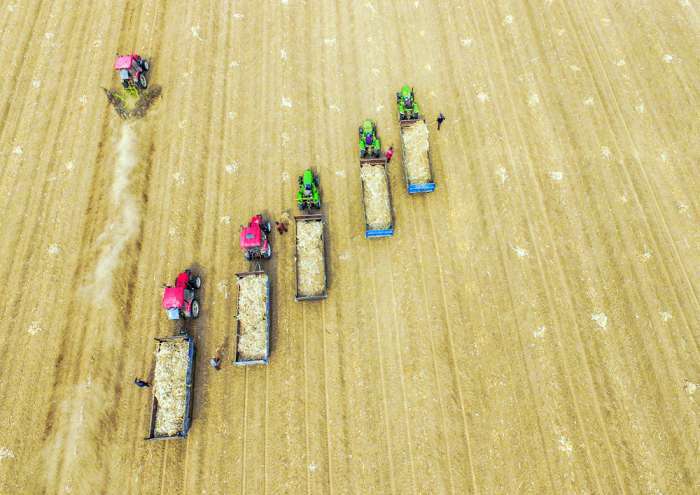
山西草莓首次出口 发往阿联酋
Xin Lang Cai Jing· 2026-01-04 02:27
Core Viewpoint - Shanxi strawberries have successfully exported to the UAE, marking the first export of this fruit from Shanxi and increasing the variety of fresh fruit exports from the region to 15 types [1] Group 1: Export Achievement - A batch of 180 kilograms of fresh strawberries from Jang County, Yuncheng, Shanxi, has been exported to the UAE and sold out quickly [1] - The successful export of strawberries is seen as a starting point for further international market expansion [1] Group 2: Support for Agricultural Development - Yuncheng Customs is focusing on supporting the export of specialty agricultural products as a key part of rural revitalization [1] - The customs authority has assisted planting bases in completing export registration and has implemented strict testing for pesticide residues and heavy metals to ensure compliance with international quality standards [1] Group 3: Trade Facilitation Measures - Yuncheng Customs has established a "green channel" for agricultural product exports, implementing measures such as "smart inspection" and appointment-based inspections to reduce customs clearance time for fresh products [1] - The customs authority is closely monitoring trade policies in the Middle East and guiding enterprises in optimizing packaging and traceability management [1] Group 4: Economic Impact - The strawberry industry in Jang County has already helped over 800 local farmers increase their income and has created employment for over 1,000 people, becoming an important pillar for rural revitalization [1]
河源“十四五”农业产业升级:多元发力兴产业 赋能乡村促振兴
Nan Fang Nong Cun Bao· 2025-12-22 10:04
Core Viewpoint - The article discusses the agricultural industry upgrade in Heyuan during the 14th Five-Year Plan, emphasizing the integration of technology, finance, and market innovation to modernize traditional agriculture and promote rural revitalization [2][4]. Group 1: Agricultural Modernization and Industry Clusters - Heyuan focuses on building modern agricultural "1+3" industry clusters as a core strategy, promoting the scale and standardization of agricultural development [8][9]. - The city aims to enhance the sales channels for local specialties through the establishment of online and offline platforms, achieving full coverage of provincial modern agricultural industrial parks [10][11]. Group 2: Technological and Financial Support - Technological innovation is highlighted as a key driver for industry upgrade, with local initiatives connecting to the Greater Bay Area's innovation system and establishing significant agricultural technology platforms [14][15][16]. - Financial support includes over 60 specialized credit products, with total loans exceeding 12 billion yuan, addressing financing challenges for agricultural operators [19][20][22]. Group 3: Market Integration and Innovative Models - Heyuan leverages strategic opportunities from the "Rongwan" and "Rongshen" initiatives to deepen market integration with the Greater Bay Area, establishing 27 production bases for high-quality agricultural products [25][26][27]. - Innovative land use and operational models are explored, including comprehensive land remediation projects to create large contiguous farmland [28][29][30]. Group 4: Ecological Transformation and Industry Extension - The city transforms ecological advantages into industrial strengths by integrating high-quality water resources with the beverage and food industry, attracting major companies and forming a complete industrial chain [41][42][43][45]. - The water economy industrial park is recognized as a provincial food and beverage characteristic industrial park, with expected output value surpassing 10 billion yuan and tax revenue reaching 900 million yuan, a 2.7-fold increase from 2020 [47][48][49][50]. Group 5: Future Outlook - Looking ahead, Heyuan plans to continue enhancing agricultural technology and model innovation, strengthening collaboration with the Greater Bay Area, and transforming ecological advantages into developmental strengths [55][56][57].

农产品促消费,就是这么“潮”
Sou Hu Cai Jing· 2025-12-14 15:51
Core Insights - The article discusses the launch of a consumption promotion activity for the New Year and Spring Festival, themed "Taste Local Products, Seek New Year Flavor," aimed at boosting agricultural product sales and enhancing consumer engagement [1][3][16] Group 1: Event Overview - The event was initiated by the Ministry of Agriculture and Rural Affairs in collaboration with multiple provinces and key cities, focusing on promoting local agricultural products as trendy "New Year goods" [1][3] - Various innovative formats such as performances and interactive activities were employed to attract consumers and highlight products like Fengjie navel oranges and Changping strawberries [1][3] Group 2: Policy and Market Synchronization - The Ministry outlined five key tasks to enhance consumption during the holiday season, including the release of a directory for local specialty products and the organization of themed consumption activities [3][5] - This initiative aligns with national economic policies aimed at boosting consumer spending and enhancing the supply of quality goods and services [3][5] Group 3: Challenges in Agricultural Product Sales - The article identifies several bottlenecks in the agricultural supply chain, including information gaps, branding issues, logistics challenges, and consumer trust concerns [6][7][8] - These challenges lead to a situation where high-quality agricultural products struggle to reach consumers effectively, impacting both sales and pricing [6][7][8] Group 4: Modern Agricultural Practices - The promotion of agricultural products is evolving beyond simple sales efforts to include branding, technology integration, and quality assurance, reflecting a shift towards modernized agricultural practices [10][11][13] - The use of cultural narratives and technological innovations is being emphasized to enhance product appeal and consumer trust [11][13] Group 5: Collaborative Efforts and Policy Implementation - The event showcased a coordinated approach involving various stakeholders, including local governments, industry associations, and financial institutions, to create a comprehensive support system for agricultural product sales [14][16] - Specific measures include forming national purchasing alliances and providing financial products to support small and medium-sized enterprises within the agricultural sector [14][16]

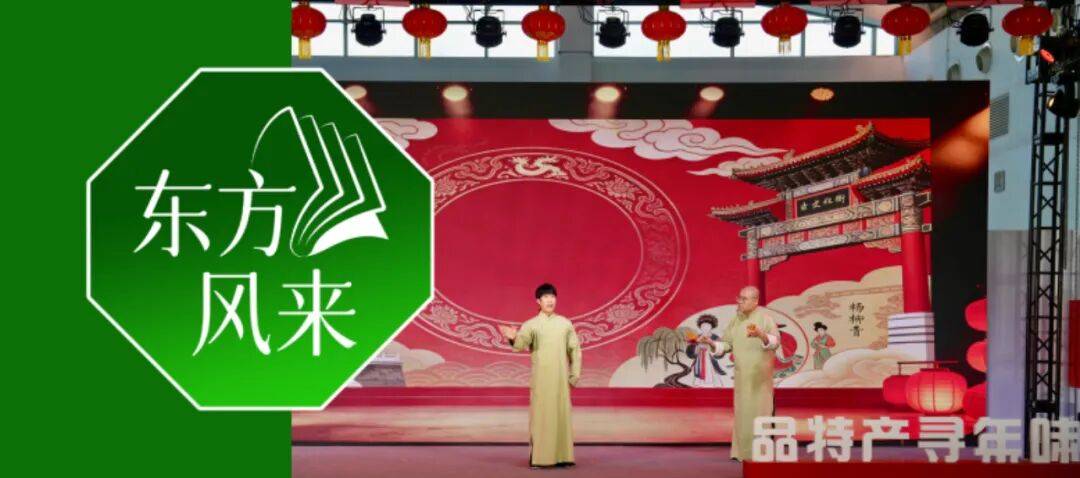
银川市兴庆区亮相2025企业家博鳌论坛 尽显农业发展活力
Zhong Guo Jin Rong Xin Xi Wang· 2025-12-08 11:21
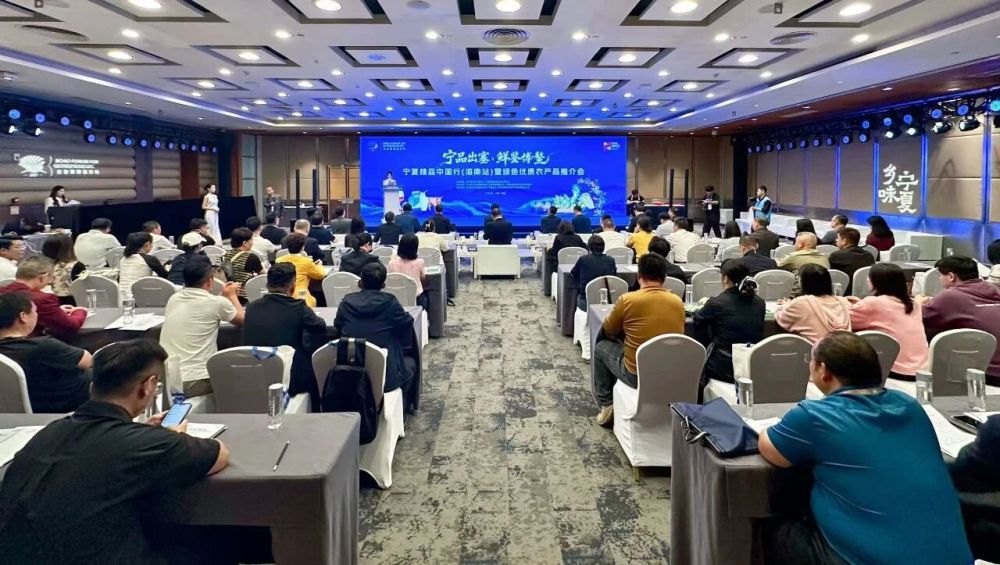
Core Insights - The Ningxia Green Quality Agricultural Products Promotion Forum was held in Boao, Hainan, focusing on showcasing agricultural brands and facilitating industry exchanges [1] - The event highlighted the ecological richness and development potential of the Xinqing District, featuring various high-quality agricultural products [2] Group 1: Agricultural Product Highlights - The Xinqing District has developed the "Xi You Yi Zu" brand, with several products recognized as national quality agricultural products [3] - The "Yellow River Crab" from the region is noted for its firm texture and early market entry, winning nine awards at the Shanghai International Crab Industry Expo [3] - The "Moon Lake Honey Melon" is praised for its sweetness and has a large cultivation base of 6,500 acres, exporting to Southeast Asian countries [3] - Other featured products include "Zhenhe Tomatoes," "Yam," and "Broccoli," each with unique qualities and health benefits [3] Group 2: Strategic Development and Market Integration - The forum aimed to align with the theme of linking global opportunities and showcased the agricultural upgrade and brand-building achievements of the Xinqing District [4] - The district's transportation network facilitates the distribution of its products, enhancing market reach [4] - The event provided a platform for exchanging experiences in agricultural development and brand management, contributing to the high-quality development of agriculture in the region [4]
聚焦大湾区农交会|搭上农域“广交会”快车,肇庆农品借力“媒体+”走向全国
Nan Fang Nong Cun Bao· 2025-12-02 12:02
Core Viewpoint - The upcoming 2025 Greater Bay Area Agricultural Products Trade Fair is seen as a significant opportunity for Zhaoqing to promote its high-quality agricultural products nationwide, leveraging its geographical advantages and local specialties [2][23]. Group 1: Event Overview - The Greater Bay Area Agricultural Products Trade Fair is scheduled to take place, with Zhaoqing positioning itself as a key participant [2]. - Zhaoqing will establish a dedicated 100 square meter exhibition area to showcase its agricultural products and development achievements [7][11]. Group 2: Featured Products - Zhaoqing will highlight its geographical indication products such as Deqing Gonggan and Sihui sugar oranges, showcasing both fresh and processed forms like juices and vinegars [12][13]. - Various local specialties will be presented, including ready-to-eat bamboo shoots, Xinfeng chicken, and tilapia products, emphasizing their quality and market appeal [16][18][19]. Group 3: Market Expansion and Networking - The trade fair serves as a vital platform for connecting agricultural production and sales within the Guangdong-Hong Kong-Macao Greater Bay Area, providing Zhaoqing with opportunities to access broader markets [23]. - A dedicated promotional event for Zhaoqing will take place on December 12, aimed at connecting with national buyers, distributors, and industry experts to enhance the visibility of Zhaoqing's agricultural brand [24][25].
高素质农民领路 “老把式”变“新农人”
Jing Ji Ri Bao· 2025-11-27 21:41
Core Viewpoint - The cultivation of high-quality agricultural operators is crucial for the transformation of traditional agriculture into modern agriculture, with significant achievements reported in the development of skilled farmers during the "14th Five-Year Plan" period [1] Group 1: Development of High-Quality Farmers - A total of 1.26 million grain and oil producers, 800,000 industry leaders and impoverished individuals, 1.44 million new agricultural operators, and nearly 40,000 agricultural management talents have been cultivated nationwide [1] - The average age of high-quality farmers is 45.4 years, with 56.76% aged between 36 and 54 years [4] - 63.22% of high-quality farmers have a high school education or above, while 24.06% have a college education or higher [4] Group 2: Innovations in Farmer Education - In 2024, agricultural vocational schools will enroll 25,000 students and have 51,000 students in attendance, focusing on innovative training methods [2] - New courses, such as short video script writing, are being introduced to help farmers improve their marketing skills and increase sales [2] - The "Head Goose" project aims to train potential rural leaders in e-commerce and market analysis, addressing the shortage of key talents in rural areas [3] Group 3: Impact of Technology and Modern Practices - Mobile phones have become essential tools for modern farmers, facilitating access to online education and market information [3] - By the end of 2024, mobile application skills training will reach over 270 million participants [3] - High-quality farmers are increasingly adopting modern management concepts and internet thinking, transitioning from mere producers to skilled managers and innovators [4] Group 4: Demonstration and Leadership Roles - 70.47% of high-quality farmers have positively influenced surrounding farmers by providing technical guidance and unified marketing [8] - High-quality farmers play a core role in industry upgrades, organizing small farmers to connect with larger markets [8] - Successful examples, such as the establishment of cooperatives and innovative business models, demonstrate the potential for increased income and community development [5][6] Group 5: Challenges and Recommendations - High-quality farmers face challenges such as slowing income growth and the need for better alignment between education and market demands [9] - Recommendations include enhancing educational opportunities, integrating cultural elements into agricultural production, and providing robust policy support to improve farmers' income [9]
北京首座现代农事综合服务中心落地平谷 2026年投用
Bei Jing Shang Bao· 2025-11-15 02:19
Core Insights - The first modern agricultural comprehensive service center in Beijing has been approved for construction in Pinggu District, set to begin in early 2026 and be operational by the end of the year [1] Group 1: Project Overview - The project aims to create a replicable model known as the "Pinggu Sample" under a new policy for agricultural service centers initiated by six departments, including the Ministry of Agriculture and Rural Affairs [1] - The center will address challenges faced by small farmers, such as high agricultural input costs, post-harvest preservation difficulties, and inconvenient machinery usage [1] Group 2: Service Offerings - The center will focus on two core areas: pre-production agricultural input collection and centralized storage of agricultural machinery, as well as post-harvest drying, storage, and cold preservation [1] - Additional services will include farmer training and market information connection, providing comprehensive support for small farmers transitioning to modern agriculture [1] Group 3: Innovative Layout - The project features a "dual-park" layout, utilizing spot land supply and land released from demolition, which aligns with agricultural land policies and shortens the approval period [1] - The drying plant in Emei Mountain Village will cover 21 acres and employ advanced environmentally friendly mixed-flow drying technology to enhance efficiency while ensuring product quality [1] - The agricultural machinery center in Beidulehe Village will occupy 8.337 acres and serve as a demonstration and training base for advanced agricultural machinery, helping local farmers improve skills and support local agricultural branding [1] Group 4: Regional Impact - Once completed, the center is expected to effectively serve Pinggu East and surrounding areas, promoting agricultural industry upgrades [2]
农业投资,正迎来“牛市”
2 1 Shi Ji Jing Ji Bao Dao· 2025-11-14 12:22
Core Viewpoint - The agricultural investment sector is entering a "bull market," driven by changing perceptions and technological advancements, with a critical opportunity window in the next two to three years [1][2][20]. Group 1: Industry Trends - Historically, agriculture has been viewed as a "forbidden zone" for capital investment due to its long cycles and high risks [3][6]. - The perception of agriculture is changing, with the integration of hard technology such as drones and smart farming equipment reshaping industry views [7][8]. - The Chinese agricultural sector is still in its early stages compared to industrial advancements, indicating a significant potential for growth [10][31]. Group 2: Investment Dynamics - A shift from traditional subsidy funding to equity investment is occurring, emphasizing sustainable returns and a self-sustaining financial model [22][23]. - The establishment of the "Agricultural Investment Conference" aims to create a collaborative ecosystem among various market players [27]. - Confidence in agricultural investments is growing, with the potential for significant value creation in underdeveloped segments [31]. Group 3: Technological Integration - The application of industrial technology in agriculture is seen as a key driver for efficiency and productivity [9][38]. - The rise of smart agriculture solutions is leading to a re-evaluation of investment strategies and operational models within the sector [14][39]. Group 4: Regional Development - Different regions are adopting unique strategies for agricultural modernization, with Shanghai focusing on high-value agriculture rather than scale [42][43]. - The integration of public and private resources is essential for driving innovation and efficiency in agricultural practices [48][50]. Group 5: Challenges and Opportunities - Despite the positive outlook, challenges such as talent shortages and resistance to change remain prevalent [34][56]. - The path from recognition to tangible results in agricultural investment is expected to be long and complex, requiring ongoing adaptation and learning [58][59].
十二家产投机构沪上结盟?共组农投会掘金农业“牛市”
2 1 Shi Ji Jing Ji Bao Dao· 2025-11-14 06:43
Core Viewpoint - The agricultural investment sector is entering a "bull market," driven by favorable policies and technological advancements, with a critical opportunity window in the next two to three years [2][10]. Group 1: Industry Trends - Historically, agriculture has been viewed as a "forbidden zone" for capital investment due to its long cycles, high risks, and fragile supply chains [3][4]. - The perception is changing as hard technology, such as drones and smart agricultural machinery, begins to penetrate the industry, leading to significant growth opportunities [5][6]. - The number of agricultural drones in China is expected to exceed 200,000 by 2024, with an annual operational volume surpassing 2.6 billion acres [7]. Group 2: Investment Dynamics - A shift from traditional subsidy funding to equity investment is occurring, termed "supplement, reform, and invest," which emphasizes sustainable returns and a self-sustaining funding cycle [12][13]. - The future of agricultural funding is predicted to be dominated by fund-based operations, requiring agricultural entities to understand fund management to thrive [15][21]. - The establishment of the "Agricultural Investment Conference" aims to create a collaborative ecosystem among various market players and local agricultural investment platforms [18][19]. Group 3: Regional and Sectoral Integration - Different regions are adopting unique strategies for agricultural modernization, with Shanghai focusing on "boutique agriculture" that prioritizes value over scale [30][31]. - The integration of public and private resources is essential, with companies like Guizhou Niulaifu Biotechnology exploring innovative product combinations to enhance market offerings [37][39]. - The establishment of regional public brands is seen as a viable path for local enterprises to consolidate resources and expand sales channels [40][41].