
金堂羊肚菌

Search documents
乡村市集,“摊”出发展好光景
Xin Lang Cai Jing· 2026-02-09 06:55
Core Insights - The central theme emphasizes the importance of empowering farmers to become active participants and beneficiaries in rural consumption upgrades, rather than mere observers [1][2][3] Group 1: Rural Consumption Dynamics - The 2026 Central Document No. 1 highlights the cultivation of new consumption formats such as harvest markets and intangible cultural heritage workshops, focusing on the role of farmers [1] - Rural consumption's core competitiveness lies in its unique local characteristics and lifestyle, which cannot be replicated in urban settings [1] - Events like the intangible cultural heritage New Year goods festival in Shandong demonstrate how farmers can transform traditional crafts into marketable experiences, enhancing local consumption [1] Group 2: Empowerment and Support Mechanisms - The development of new rural consumption formats requires substantial empowerment and support, including policy backing and platform support [2] - Innovative models like "village community capital + market-led" in Guangzhou have encouraged villagers to actively participate in local economic initiatives, leading to increased revenues for surrounding businesses [2] - The Ministry of Agriculture and Rural Affairs has initiated activities to promote consumption, addressing logistical challenges and facilitating the flow of quality agricultural products from rural to urban areas [2] Group 3: Farmer-Centric Approach - Respecting farmers' primary role and fostering their intrinsic motivation is crucial for creating a beneficial cycle of participation and profit in rural consumption upgrades [2] - The ultimate goal of rural consumption upgrades is to enhance farmers' quality of life, necessitating alignment with their ideas and practical realities [2][3] - Continuous policy, capacity, and skill empowerment are essential for ensuring that farmers can thrive in the evolving landscape of rural consumption [3]
今年四川“三农”工作划重点→→
Sou Hu Cai Jing· 2026-01-30 01:03
Core Viewpoint - Sichuan aims to strengthen its agricultural sector as a cornerstone for economic stability and growth, focusing on modernizing agriculture and improving rural living conditions as it enters the new "15th Five-Year Plan" period [1]. Group 1: Food Security - The meeting emphasized the importance of ensuring the supply of key agricultural products, particularly grain, as Sichuan is one of the 13 major grain-producing provinces in China [3]. - By 2025, Sichuan's total grain production is projected to reach 732.5 billion jin, marking a historical high and maintaining a stable output above 700 billion jin for six consecutive years since 2020 [4]. - Sichuan will implement a new round of grain production capacity enhancement actions, focusing on stabilizing supply and improving yield through better agricultural practices and technology [4]. Group 2: Rural Prosperity - The meeting highlighted the need to develop and expand industries that increase farmers' incomes, integrating technology, green practices, quality, and branding in agriculture [7]. - Strategies to ensure farmers benefit from agricultural value chains include enhancing modern agricultural park construction and promoting deep processing of agricultural products [8]. - Innovative business models are being adopted, such as the one in Guangyuan City, which has established 52 agricultural industrialization unions and 3,823 farmer cooperatives, directly benefiting over 400,000 households [8]. Group 3: Reform and Development - The meeting discussed leveraging reforms to enhance agricultural and rural development, including pilot programs for urban-rural integration and revitalizing idle rural assets [12]. - Successful examples of asset management and resource utilization were shared, such as the revitalization of 132 idle assets in Fushun County, generating 130 million yuan in revenue [14]. - There is a strong emphasis on attracting and retaining talent in rural areas to support agricultural modernization and rural revitalization efforts [14].

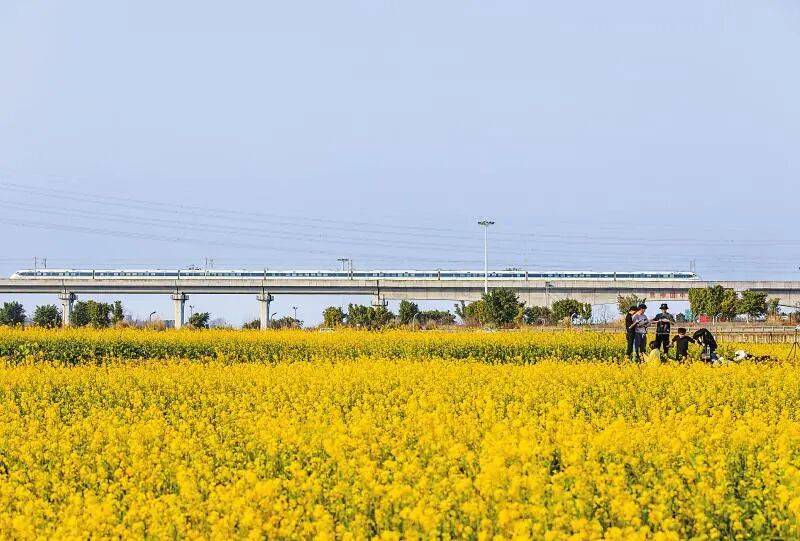
让乡亲们的生活更有甜头、更有奔头
Xin Lang Cai Jing· 2026-01-29 19:50
Core Viewpoint - The article emphasizes the modernization of agriculture and rural areas in Chengdu, aiming to enhance the quality of life for farmers and promote urban-rural integration through innovative strategies and sustainable practices [4][5][10]. Group 1: Agricultural Modernization - Chengdu is focusing on building a modern agricultural industry, ensuring that rural areas meet modern living standards and improving farmers' livelihoods [4][5]. - The city aims for a 2.8% increase in primary industry added value by 2026, with rural residents' disposable income growing in line with economic growth [5][12]. - Chengdu has established high-standard farmland covering 4.5177 million acres, with a comprehensive mechanization rate of 77% for crop farming [7]. Group 2: Food Security and Supply - Chengdu's agricultural strategy includes increasing grain production to 237.1 million tons by 2025, with a focus on enhancing the quality and efficiency of agricultural products [7][14]. - The city has achieved a vegetable production of 6.9268 million tons and a stable agricultural product quality safety rate of over 99% [7]. - Chengdu is innovating in food supply by leveraging technology and optimizing land use to ensure stable food supplies for its large population [6][10]. Group 3: Rural Development and Infrastructure - The city is implementing the "Hundred Villages First, Thousand Villages Upgrading" project to improve rural infrastructure and services, achieving a 95% sanitation toilet coverage rate [9][15]. - Chengdu is enhancing rural governance and promoting cultural tourism, creating over 500 unique rural consumption scenarios [9][11]. - The city plans to complete the construction of 16 provincial model villages and 137 provincial shortfall villages by 2026 [15]. Group 4: Urban-Rural Integration - Chengdu is breaking down barriers between urban and rural areas, allowing for the free flow of production factors and enhancing rural property rights [10][16]. - The city has facilitated 54,000 rural property transactions worth 18.269 billion yuan in 2025, leading the nation in similar transactions [10]. - Chengdu is innovating financial products to support agriculture, including a platform that provided 12.13 billion yuan in loans to farmers [10][17]. Group 5: Economic Growth and Common Prosperity - The city aims to cultivate over 1,000 new farmer cooperatives and family farms by 2026, enhancing collective economic strength [17]. - Chengdu is promoting new agricultural business models and ensuring continuous income growth for farmers through various support mechanisms [17]. - The city is committed to increasing financial investment in agriculture and rural areas, targeting over 10 billion yuan by 2026 [16][17].
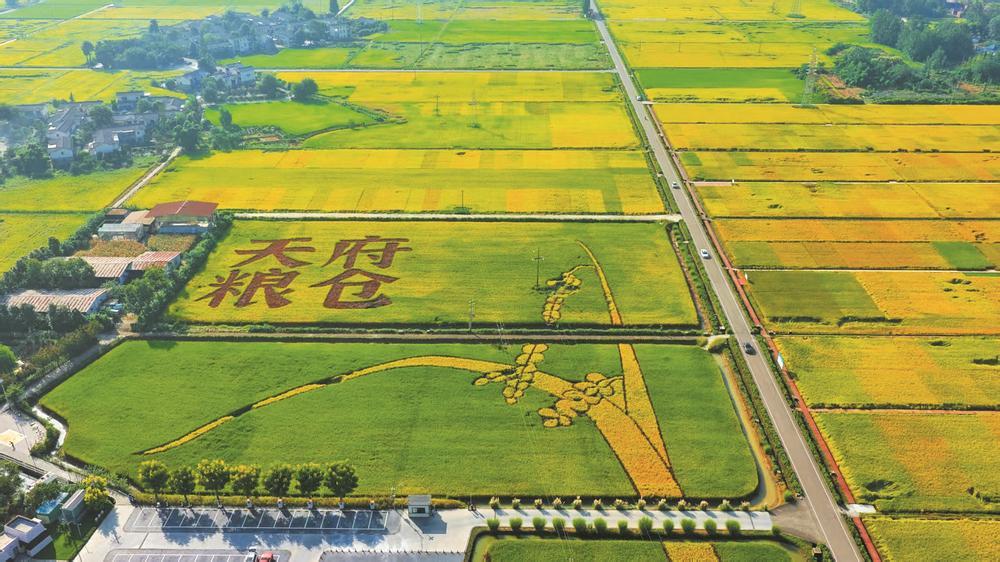
锻长板、补短板、育新板 今年四川“三农”工作划重点
Si Chuan Ri Bao· 2026-01-29 00:26
Core Viewpoint - The article emphasizes the importance of agricultural modernization and rural development in Sichuan, highlighting strategies to enhance food security, increase farmers' income, and promote integrated rural development [10][11][14]. Group 1: Food Security and Agricultural Production - Sichuan aims to achieve a total grain output of 732.5 billion jin by 2025, maintaining a stable production level above 700 billion jin for six consecutive years [11]. - The province will implement a new round of grain production enhancement actions, focusing on increasing yield per unit area as the primary growth driver [11]. - Key strategies include the "Tianfu Granary" initiative, which emphasizes maintaining arable land and preventing non-agricultural use of farmland [11][12]. Group 2: Farmers' Income and Economic Development - The meeting highlighted the need to develop profitable industries that benefit farmers, integrating technology, green practices, and quality agriculture [14]. - A shift is encouraged for farmers to become partners in the modern agricultural industry chain, ensuring they share in the economic benefits [14][15]. - Successful models, such as the establishment of agricultural industrialization unions and cooperatives, have been reported to significantly increase farmers' income [14]. Group 3: Rural Reform and Innovation - The article discusses the importance of reform in enhancing agricultural and rural development, including pilot programs for urban-rural integration [16][17]. - Efforts to revitalize idle rural assets and improve resource management are seen as crucial for economic growth [17]. - Talent development in rural areas is emphasized, with initiatives to attract and retain skilled individuals in agriculture [16][17].
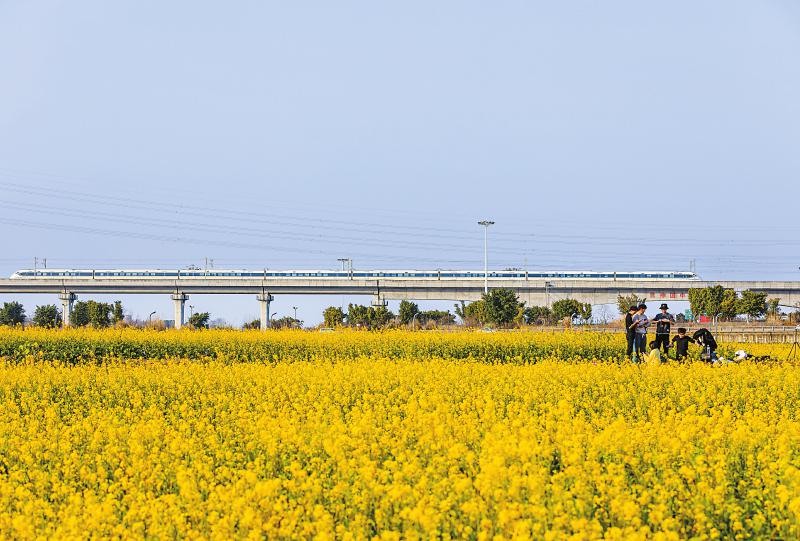
锻长板 补短板 育新板 今年四川“三农”工作“划重点”
Xin Lang Cai Jing· 2026-01-28 16:49
Core Viewpoint - Sichuan's agricultural development is positioned as a cornerstone for addressing external uncertainties, with a focus on modernizing agriculture and improving rural living conditions as part of the "14th Five-Year Plan" [1] Group 1: Grain Security - Sichuan emphasizes the importance of grain production, aiming to enhance its status as a major grain-producing province, with a record grain output of 732.5 billion jin in the previous year [2] - The province plans to implement a new round of grain production capacity enhancement actions, focusing on increasing yield per unit area rather than expanding planting area [2] - The "Tianfu Granary" initiative will continue, promoting stable supply and quality improvement of grain and important agricultural products [2][3] Group 2: Farmer Income Increase - The development of prosperous industries is crucial for increasing farmers' incomes, with a focus on technology, green agriculture, quality agriculture, and brand agriculture [4] - Local agricultural industries, such as the meat rabbit industry in Zigong, are being developed to achieve significant economic output, targeting a comprehensive output value of 20 billion yuan by 2027 [5] - Strategies to ensure farmers benefit from industry growth include enhancing agricultural supply chains and ensuring that more value remains in rural areas [6] Group 3: Reform and Development - The modernization of agriculture in Sichuan will leverage reforms to activate rural resources, including pilot projects for urban-rural integration and the revitalization of idle rural assets [7] - Efforts to manage and utilize idle rural assets effectively have shown promising results, with significant revenue generated from revitalizing these resources [8] - Talent support is essential for rural revitalization, with initiatives aimed at training and retaining skilled agricultural workers [9]
成都今年将新建超10个智慧农业创新园区
Xin Lang Cai Jing· 2026-01-03 20:20
Group 1: Food Security - Chengdu aims to build 185,000 acres of high-standard farmland by 2026 to enhance food security [1][2] - The city plans to stabilize grain production at over 2.36 million tons [2] - The comprehensive mechanization rate for farming is expected to increase by 6 percentage points [2] Group 2: Industry Upgrading - Chengdu will recognize more than 3 national and provincial agricultural parks by 2026 [1][4] - The city intends to implement 39 key municipal projects and attract 17 major projects exceeding 100 million yuan [5] - A target of gathering 500 agricultural product import-export enterprises within 5 years is set [5] Group 3: Modern Agricultural Development - Chengdu will focus on developing technology-driven, green, quality, and brand agriculture during the "14th Five-Year Plan" period [4] - The city plans to establish over 10 smart agriculture innovation parks by 2026 [4] - The initiative includes the cultivation of a billion-level modern urban agricultural industry cluster [4]

农产品促消费,就是这么“潮”
Sou Hu Cai Jing· 2025-12-14 15:51
Core Insights - The article discusses the launch of a consumption promotion activity for the New Year and Spring Festival, themed "Taste Local Products, Seek New Year Flavor," aimed at boosting agricultural product sales and enhancing consumer engagement [1][3][16] Group 1: Event Overview - The event was initiated by the Ministry of Agriculture and Rural Affairs in collaboration with multiple provinces and key cities, focusing on promoting local agricultural products as trendy "New Year goods" [1][3] - Various innovative formats such as performances and interactive activities were employed to attract consumers and highlight products like Fengjie navel oranges and Changping strawberries [1][3] Group 2: Policy and Market Synchronization - The Ministry outlined five key tasks to enhance consumption during the holiday season, including the release of a directory for local specialty products and the organization of themed consumption activities [3][5] - This initiative aligns with national economic policies aimed at boosting consumer spending and enhancing the supply of quality goods and services [3][5] Group 3: Challenges in Agricultural Product Sales - The article identifies several bottlenecks in the agricultural supply chain, including information gaps, branding issues, logistics challenges, and consumer trust concerns [6][7][8] - These challenges lead to a situation where high-quality agricultural products struggle to reach consumers effectively, impacting both sales and pricing [6][7][8] Group 4: Modern Agricultural Practices - The promotion of agricultural products is evolving beyond simple sales efforts to include branding, technology integration, and quality assurance, reflecting a shift towards modernized agricultural practices [10][11][13] - The use of cultural narratives and technological innovations is being emphasized to enhance product appeal and consumer trust [11][13] Group 5: Collaborative Efforts and Policy Implementation - The event showcased a coordinated approach involving various stakeholders, including local governments, industry associations, and financial institutions, to create a comprehensive support system for agricultural product sales [14][16] - Specific measures include forming national purchasing alliances and providing financial products to support small and medium-sized enterprises within the agricultural sector [14][16]

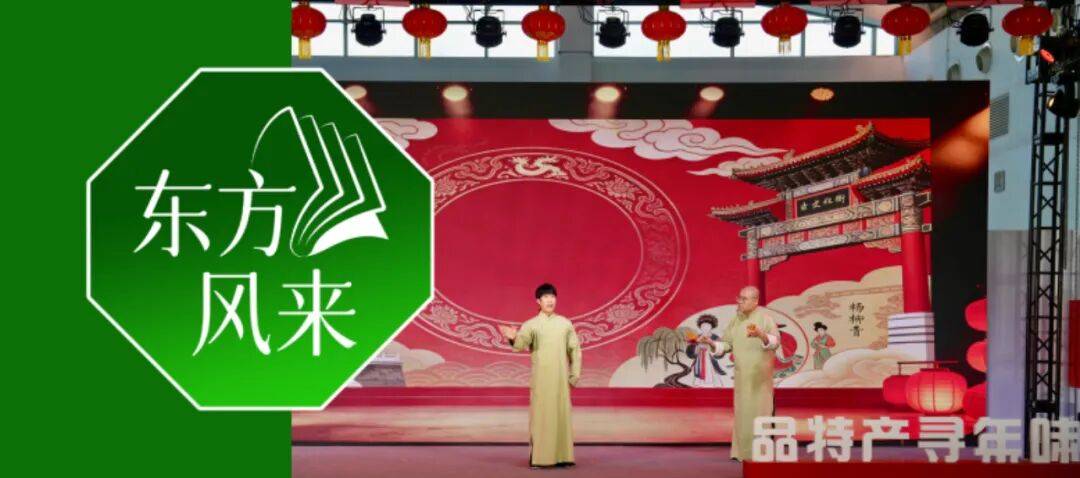
从“土味”到“潮品”,农产品凭什么拿捏你的钱包?答案在这4招
Sou Hu Cai Jing· 2025-12-13 15:49
Core Viewpoint - The event "Taste Local Products, Seek New Year Flavor" aims to boost consumption during the New Year and Spring Festival through a combination of policy support and consumer engagement, highlighting a modern approach to agricultural promotion that goes beyond simple sales tactics [1][3]. Group 1: Brand Agriculture - Brand agriculture is evolving from merely selling local products to creating compelling narratives around them, transforming agricultural goods into branded experiences that resonate with consumers [5][7]. - The example of Fengjie navel oranges illustrates how storytelling can enhance product value, linking it to cultural heritage and emotional connections, resulting in a brand value exceeding 38 billion [7]. Group 2: Technology in Agriculture - Technological advancements in agriculture allow for precise customization of products based on consumer preferences, shifting from traditional farming to a model that responds directly to market demands [10]. - The case of Changping strawberries demonstrates how data-driven approaches enable farmers to cultivate specific varieties tailored to consumer tastes, enhancing transparency and trust in the production process [10]. Group 3: Quality Agriculture - Quality agriculture focuses on building consumer trust through transparency and traceability, exemplified by initiatives like "one fish, one code" for full sourcing information [12][14]. - The success of Jin Tang mushrooms showcases how stringent quality control and standardized production processes can elevate local products to national and international markets, creating a billion-dollar industry [14]. Group 4: Green Agriculture - Green agriculture emphasizes environmental sustainability as a key selling point, transforming products into symbols of ecological value and cultural significance [15][17]. - The promotion of Honghu lotus root and black bee honey highlights how narratives around natural origins and traditional practices can enhance product desirability, making consumers feel they are supporting a sustainable lifestyle [15][17]. Conclusion - The "Taste Local Products, Seek New Year Flavor" event reflects a new logic in agricultural consumption, where brand, technology, quality, and green practices work together to modernize and marketize the agricultural sector, igniting consumer engagement and revitalizing the industry [1][3].
链接全球资源、赋能企业拓市,第十一届成都农博会将于9月4日开幕
Mei Ri Jing Ji Xin Wen· 2025-08-26 04:35
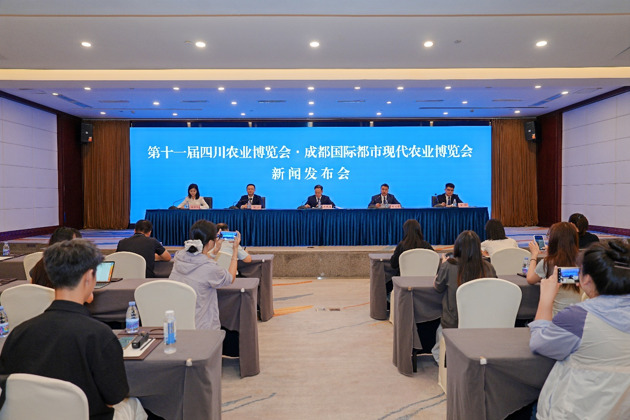
Core Viewpoint - The 11th Chengdu International Urban Modern Agriculture Expo will be held from September 4 to 7, showcasing Chengdu's agricultural achievements and linking global resources for business expansion [3]. Group 1: Event Overview - The expo is part of the 11th Sichuan Agricultural Expo and aims to promote Chengdu's agricultural development as a comprehensive platform for internationalization, specialization, marketization, branding, and digitization [3]. - International participation includes exhibition groups from 12 countries such as Russia, the Netherlands, Australia, and New Zealand, while 22 cities from China, including Guizhou, Henan, Hubei, and Liaoning, will also participate [3]. Group 2: Featured Products and Innovations - The main venue will feature local delicacies and products from Chengdu, including traditional brands and new products like organic Douban sauce and carbon-neutral tea [4]. - A special theme pavilion titled "Rong Products Going Global" will focus on representative agricultural products and key export brands, facilitating direct dialogue with domestic and international buyers [8]. Group 3: Activities and Engagement - The expo will introduce multiple innovative experiences, including interactive exhibition areas and live streaming for product launches, promoting a new trend of "Agriculture + Consumption" [9]. - Various industry matchmaking activities will be organized, including international agricultural promotion meetings and specialized procurement conferences, aimed at enhancing the competitiveness and brand influence of Chengdu's agricultural products [12][13].
成都市深入实施“立园满园”行动 加快把农业打造成为现代化大产业
Ren Min Ri Bao· 2025-06-23 21:48
Core Viewpoint - Chengdu is actively promoting modern agriculture through the establishment and optimization of industrial parks, aiming for high-quality development and significant economic contributions from these parks in 2024. Group 1: Industrial Park Development - Chengdu has created 3 national modern agricultural industrial parks, with 9 key parks projected to achieve a total output value of 405 billion and operating revenue exceeding 442 billion in 2024, contributing to an increase in the primary industry value added to 540.1 billion [1] - The city is focusing on optimizing and enhancing the agricultural sector by integrating various agricultural industries into the parks, including high-quality grain, green vegetables, specialty fruits, and livestock [2] Group 2: Economic Growth and Industry Focus - Chengdu's agricultural output is expected to reach 234.56 million tons of grain and a total agricultural, forestry, animal husbandry, and fishery output value of 970 billion in 2024 [2] - The city is enhancing its competitive edge by developing specialized agricultural products and creating demonstration parks for integrated development, with a focus on organic geographical indication products [2] Group 3: Enterprise Concentration and Support - Chengdu is implementing a comprehensive project management mechanism to attract significant investments, with 26 major projects planned and 37 key projects targeted for chain enhancement [3] - The city is fostering a supportive environment for enterprises by establishing a "one enterprise, one policy" support system and increasing the number of key enterprises in the agricultural sector [3] Group 4: Technological Innovation and Smart Agriculture - Chengdu is leveraging its agricultural technology innovation center to enhance collaboration between research institutions and industrial parks, achieving over 98% coverage of quality seeds in major crops and 88% mechanization in farming [4] - The city is developing a digital service system for agriculture, including smart farming technologies and a digital platform for agricultural services [5]