品牌资产

Search documents
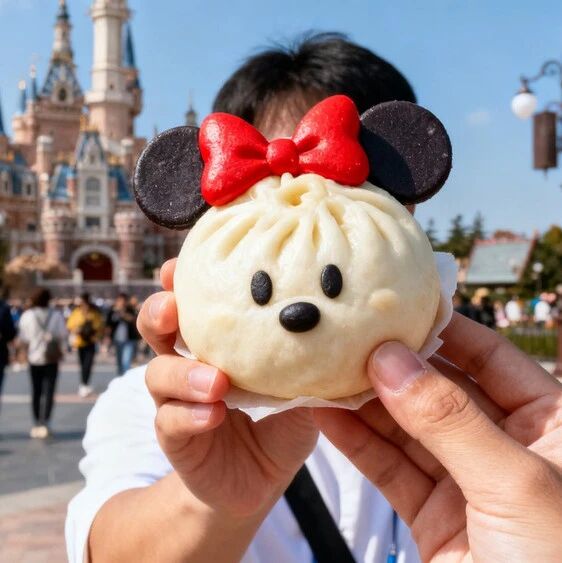
70元一个包子,迪士尼真正的问题不是贵
虎嗅APP· 2026-03-25 09:57
Core Viewpoint - The article discusses the pricing strategy of Shanghai Disneyland, highlighting the tension between traditional economic principles and modern consumer expectations in the age of social media [4][10]. Pricing Economics of Theme Parks - Pricing in theme parks is influenced by supply and demand dynamics, where high visitor density and limited supply lead to higher prices, a phenomenon known as monopolistic pricing in a closed market [13]. - Theme parks often aim to maximize revenue from infrequent visitors by setting high prices, contrasting with regular businesses that rely on repeat customers for long-term profitability [14][15]. Changing Pricing Logic in the Social Media Era - The article contrasts Disneyland's high pricing strategy with that of Tangshan's HeTou Old Street, which maintains prices comparable to external markets, enhancing customer satisfaction and brand reputation [20][21]. - Disneyland's approach focuses on maximizing immediate revenue, which has led to negative public sentiment regarding its pricing practices, while HeTou Old Street prioritizes long-term brand image and customer loyalty [22][25]. Consumer Psychology and Brand Perception - Pricing is not merely an economic calculation but a psychological interaction between brands and consumers, where perceived value and emotional responses play crucial roles [21][23]. - The disparity between consumer expectations and actual product value can lead to negative perceptions, as seen with the 70 yuan bun, which became a symbol of consumer frustration [22][24]. - Successful brands in the modern era must respect consumer sentiments and foster positive relationships, as brand loyalty increasingly depends on perceived respect and value rather than just price [25][26].


“救火式”换帅,迎驾贡酒直面中年危机
阿尔法工场研究院· 2026-03-23 00:04
Core Viewpoint - The management transition at Yingjia Gongjiu reflects a lack of true organizational renewal, as the core operational control remains with familiar figures from the old system [2][33]. Management Changes - On March 11, Yingjia Gongjiu announced the resignation of General Manager Qin Hai due to work adjustments, with Yang Zhaobing appointed as the new General Manager [4][6]. - This leadership change is not a smooth organizational iteration, as Yang Zhaobing is not an external newcomer but has previously exchanged roles with Qin Hai multiple times [5][9]. Performance Metrics - In the first three quarters of 2025, Yingjia Gongjiu reported revenue of 4.516 billion, a year-on-year decline of 18.09%, and a net profit of 1.511 billion, down 24.67%, marking four consecutive quarters of decline [13]. - The company's cash flow from operating activities was 789 million, a decrease of 38.13%, with contract liabilities dropping from 578 million at the beginning of the year to 482 million [15]. Brand and Market Position - The "Dongcang" series, which accounted for over 60% of revenue, has been a core asset for Yingjia Gongjiu, representing both high-end and mid-range product lines [16][18]. - The loss of the "Dongcang" trademark has led to significant brand asset depreciation, causing confusion among consumers and impacting sales channels [18][20]. Competitive Landscape - Yingjia Gongjiu faces intense competition in the Anhui market, where it must defend its market share against established players like Gujing Gongjiu, which has a much larger revenue scale [21][24]. - The shift back to the "Gongjiu" brand from "Dongcang" places Yingjia Gongjiu in a more crowded competitive space, necessitating a rapid establishment of new value propositions for its products [22][23]. Strategic Challenges - The company must address the challenges of stabilizing its market presence and rebuilding trust with distributors and consumers after the rebranding [30][32]. - The reliance on familiar management structures may hinder the company's ability to innovate and adapt to changing market dynamics, emphasizing the need for a new approach to brand and channel management [33][34].


波司登(03998):暖冬环境下主品牌高质量平稳增长
Soochow Securities· 2026-03-17 07:31
Investment Rating - The investment rating for the company is "Buy" (maintained) [1] Core Views - The main brand of the company is expected to achieve stable growth despite a warm winter, with a projected revenue increase of approximately 8.3% year-on-year for FY26H1 [3][8] - The OEM business is anticipated to face temporary pressure due to tariff policies in 2025, leading to a decline in revenue for FY26 [3] - The company maintains high operational quality, with significant growth expected in its three main product series [3] - Long-term prospects remain positive due to strong brand equity and operational management capabilities, with a high dividend payout ratio of over 80% in the past four years, resulting in a dividend yield of over 7% [3][8] Financial Projections - Total revenue is projected to grow from CNY 23,214 million in FY2024A to CNY 30,983 million in FY2028E, with year-on-year growth rates of 38.39%, 11.58%, 4.28%, 7.03%, and 7.18% respectively [1] - Net profit attributable to the parent company is expected to increase from CNY 3,074 million in FY2024A to CNY 4,387 million in FY2028E, with corresponding growth rates of 43.74%, 14.31%, 5.49%, 8.83%, and 8.75% [1] - The latest diluted EPS is projected to rise from CNY 0.26 in FY2024A to CNY 0.38 in FY2028E [1]
解码最新CBI快消新锐品牌榜:从品牌资产健康度到赛道蓝海
FBeauty未来迹· 2026-02-10 12:51
Core Insights - The core viewpoint of the article emphasizes the shift in the Chinese fast-moving consumer goods (FMCG) industry from pursuing explosive growth to building sustainable brand value as the flow of marketing benefits reaches its peak [3][5]. Group 1: Industry Trends - The "China Online Consumption Brand Index (CBI)" report for Q3 2025 reveals a new quantitative assessment system for emerging brands in the FMCG sector, highlighting the importance of brand health over mere sales figures [4][5]. - The report indicates that domestic brands dominate the emerging brand landscape, with 91 out of the top 100 brands being Chinese [4][12]. - Successful emerging brands are driven by dual engines of "emotional consumption" and "quality consumption," reflecting a deeper understanding of consumer needs [4][15]. Group 2: Evaluation Framework - The CBI report introduces a new evaluation paradigm focusing on long-term brand health, moving away from traditional metrics like sales volume and market share [6][9]. - The assessment framework assigns a 29% weight to "newness," emphasizing the importance of attracting future core consumer groups and continuous innovation [6][9]. - The report provides transparency by disclosing detailed scores for the top 100 brands across 12 specific indicators, allowing for precise quantitative analysis [7][9]. Group 3: Market Dynamics - The report marks a transition in industry competition from short-term scale chasing to systematic measurement and construction of brand assets [5][6]. - The CBI index and its metrics align with the strategic shift of major e-commerce platforms like Taobao and Tmall, which are focusing on supporting brands with originality, product strength, and user loyalty [10][28]. - The report identifies significant opportunities in established categories, indicating that new structural opportunities arise from evolving consumer demands rather than the creation of entirely new categories [24][27]. Group 4: Consumer Behavior - Emotional consumption brands excel at transforming product functionality into emotional experiences and cultural symbols, while quality consumption brands focus on specialized, trust-building approaches [16][17]. - The report highlights that successful brands often combine emotional resonance with professional trust, indicating a shift in competitive dynamics towards deeper brand asset construction [21][29]. - The "search transaction growth gap" metric provides a forward-looking perspective on consumer interest and demand, revealing areas where supply has yet to meet rapidly evolving consumer needs [27][28].

外卖战激烈的2025,为什么喜茶却在批量重装线下门店
Sou Hu Cai Jing· 2026-01-29 08:45
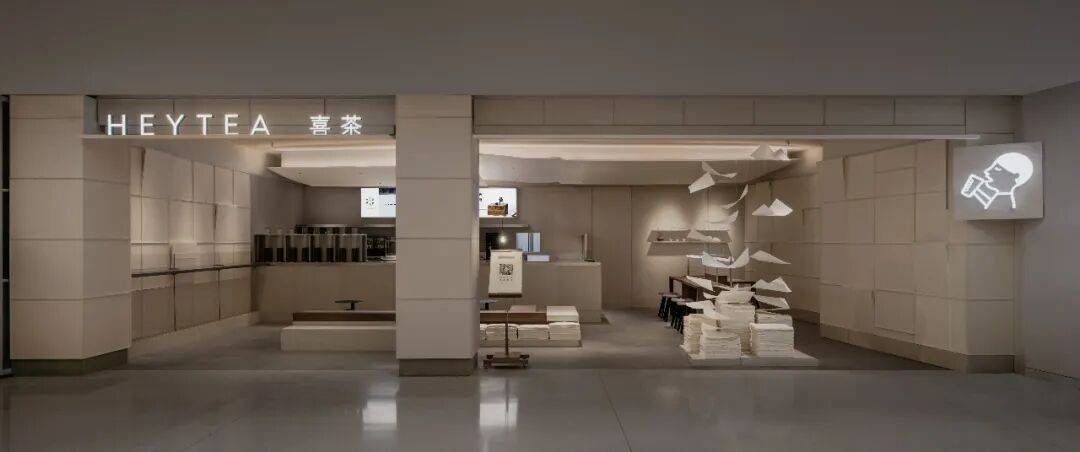
Core Insights - The year 2025 is seen as a pivotal moment for tea brands, driven by platform subsidies and algorithms, leading to a competitive landscape among major players like Meituan, Taobao, and JD [2] - Many tea brands are rapidly investing in online traffic to maximize efficiency, while others are strategically focusing on offline experiences and brand content to enhance brand equity [2] - The trend of returning to offline experiences is emerging across the broader consumer sector, indicating a shift in how brands engage with consumers [2] Group 1: Online vs. Offline Strategy - The growth driven by food delivery services is real but comes at a cost, primarily benefiting transaction levels rather than brand identity [4] - As consumer behavior becomes highly platform-centric, the connection between users and brands diminishes, leading to a focus on price and convenience over brand loyalty [5] - The digitalization of brand-consumer relationships has led to a flat and efficient but ultimately superficial engagement, necessitating a return to immersive, sensory experiences [7] Group 2: Importance of Offline Experience - To resolve the inherent contradiction of online growth versus brand identity, brands must return to the essence of consumer experience, which requires physical spaces for deeper engagement [7] - The physical store environment allows for a more direct and continuous brand experience, fostering stronger relationships with consumers [7] - Brands like Heytea are recognizing this need and are actively renovating stores to enhance offline experiences, thereby returning to a focus on brand differentiation [8][19] Group 3: Innovative Store Designs - New store designs incorporate elements that enhance consumer experience, such as scent recognition and tactile interactions, encouraging customers to engage more deeply with the brand [10][12] - The design philosophy extends beyond tea brands, with other companies also focusing on creating spaces that connect consumers with nature and the brand's narrative [14] - These thoughtful design elements contribute to a holistic consumer experience, reinforcing brand understanding and emotional connection [18] Group 4: Long-term Brand Value - As the competitive landscape intensifies, brands that prioritize offline experiences and emotional engagement are likely to endure, as they focus on deepening consumer understanding rather than diluting it [19]
2026年,手机战场将更挤更昂贵
财富FORTUNE· 2026-01-23 13:05
Core Viewpoint - The year 2026 may mark a turning point in the Chinese smartphone industry, as the previous "scale narrative" of gaining market share through low profit margins is likely to fail [1][3]. Group 1: Industry Trends - Major manufacturers like Xiaomi and OPPO have officially lowered their shipment forecasts for 2026 by more than 20%, indicating a strategic shift rather than a minor adjustment [4][5]. - The ongoing price surge in the global memory chip market, with costs expected to rise by 40% to 50% in the first half of 2026, poses a significant challenge for smartphone manufacturers, turning low-end devices into financial liabilities [5][10]. - The end of the "thousand-yuan machine war" suggests that metrics like cash flow and unit gross margin will become more critical than shipment volume in assessing company health [6]. Group 2: Market Dynamics - Huawei has reclaimed the top position in the Chinese market with a 16.4% market share, a significant achievement given its focus on high-end products rather than a broad product range [8]. - Honor's fall from the top five in the Chinese smartphone market highlights the challenges faced by brands lacking vertical integration and a strong ecosystem, as it struggles between the mid-range positioning of vivo and the high-end offerings of Huawei [8]. - Apple and vivo are tied for second place with approximately 16% market share each, with vivo successfully establishing itself in the high-end Android segment [8]. Group 3: Competitive Landscape - Apple's upcoming launch of its first foldable phone in 2026 indicates its desire to maintain its position in the high-end market, as the innovation in traditional smartphones has plateaued [9]. - The foldable phone category, which can command prices above $2,000, represents a new price anchor for Apple, aiming to attract high-value iOS users who have not yet transitioned to Android [9]. - The competitive landscape in the high-end market is expected to become increasingly intense, with both Huawei and Apple vying for dominance through advanced technologies and features [9].


服务过上市公司的,苏州定制宣传册设计公司哪家靠谱
Sou Hu Cai Jing· 2026-01-17 02:08
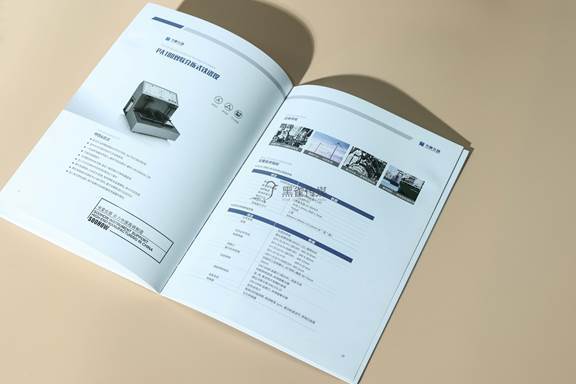
Core Insights - The article emphasizes the importance of professional brochure design for companies, particularly in manufacturing hubs like Suzhou and Shanghai, where outdated promotional materials can undermine a company's market position [1][2]. Group 1: Importance of Professional Design - A well-designed brochure serves as a "paper showroom" that enhances communication efficiency, allowing potential clients to quickly grasp core technologies [1]. - The visual rigor of a brochure correlates with product reliability, especially when dealing with discerning clients like Fortune 500 companies [2]. - Effective brochure design can shorten sales cycles by restructuring the underlying business logic, enabling clients to understand the value proposition with minimal explanation from sales personnel [2]. Group 2: Key Design Challenges - High-end custom design requires overcoming three core challenges: information architecture, visual strategy differentiation, and supply chain delivery [4][7][8]. - Information architecture involves thorough research and understanding of complex technical documents to create impactful designs that resonate with professional buyers [5][6]. - Visual strategy must differentiate a company in a crowded market, using color systems and layout language to convey the desired brand message [7]. Group 3: Case Study and Results - A case study of an automation solutions provider in Suzhou illustrates the transformation achieved through professional design, where a cluttered brochure was streamlined to reflect the company's leadership in technology [10][11]. - The redesigned brochure led to a 22% increase in lead generation at a major trade show and improved consistency in messaging among global distributors [14]. Group 4: Choosing the Right Design Partner - Companies should prioritize design firms with deep industry knowledge over those with mere accolades, as understanding specific technical needs is crucial [19]. - Localized service capabilities are essential for effective communication and quality assurance in brochure production [19]. - A track record of sustained high-quality project delivery is a strong indicator of a design firm's reliability and market competitiveness [19]. Group 5: Future Trends - The article suggests that as of 2025, brand visuals will require more refined operations, and outdated promotional materials can damage a company's reputation [20]. - A well-executed brochure can act as a silent sales agent, helping companies transition from merely selling products to selling value [20].
四川美丰:公司高度重视品牌资产的清晰与独特性
Zheng Quan Ri Bao Wang· 2026-01-09 13:11
Group 1 - The company emphasizes the importance of brand asset clarity and uniqueness, considering it a core intangible asset [1]

董事长专访 | 中信尼雅王毅:用“静气”厚植发展“底气”
Sou Hu Cai Jing· 2025-12-24 11:35
Core Viewpoint - The company emphasizes the importance of building brand strength and consumer connection during challenging times in the wine industry, advocating for a transformation into a lifestyle that resonates with consumers [1][4]. Group 1: Brand and Product Development - The company is recognized as a significant force in the Chinese wine industry, focusing on the unique characteristics of the Tianshan terroir to create "Chinese flavor" wines [4]. - The company has a commitment to ecological protection and "zero pollution" cultivation methods, ensuring that every bottle of wine reflects the essence of Xinjiang's terroir [5]. - The company has developed a range of innovative products, including dry red, dry white, sweet white, and distilled wines, continuously upgrading quality and individuality over its 28-year history [5]. Group 2: Research and Quality Control - The company has established four national and seven provincial research platforms, contributing to the formulation of national standards and securing 11 authorized patents, which provide scientific and technical support for wine production [6]. - The company believes that maintaining stable product quality and transitioning from quality advantages to brand advantages is essential for realizing the long-term value of wine terroir [7]. Group 3: Market Strategy and Consumer Engagement - The company has conducted extensive research on the Manas small wine region, identifying five grape varieties suitable for local cultivation and producing five mid-to-high-end products through innovative techniques [8]. - The company aims to translate professional value into consumer-friendly language, enhancing brand recognition and cultural confidence in Chinese wine [8]. - The company is addressing the dual trends of "high cost-performance" and "premiumization" by launching affordable wine products and integrating them into diverse lifestyle scenarios [9]. Group 4: Crisis Management and Future Outlook - The wine industry is facing significant challenges, including declining consumer demand and inventory issues, prompting the company to focus on reducing excess capacity and optimizing its product matrix [10]. - The company has shifted its sales strategy towards e-commerce and direct-to-consumer models, resulting in a 4.05% increase in total revenue and a significant rise in online sales by 356.28% in the first half of the year [10]. - The company emphasizes the importance of long-term strategic patience in managing a business that requires a minimum of five years from grape planting to market [11].


中信尼雅王毅:用“静气”厚植发展“底气”
Shang Hai Zheng Quan Bao· 2025-12-22 18:23
Core Viewpoint - The company, CITIC Niyah, is focusing on brand development and adapting to market changes by emphasizing quality, ecological protection, and consumer engagement in the Chinese wine industry, especially during challenging times for the sector [3][4][5]. Group 1: Brand and Product Development - CITIC Niyah is committed to exploring the unique terroir of the Tianshan region to create distinctive wines that reflect "Chinese flavor" [3][4]. - The company has developed a range of innovative products, including dry red, dry white, sweet white, and alcohol-free wines, achieving continuous quality upgrades [5]. - The company has received multiple national and provincial research platform certifications and has participated in the formulation of national standards, securing 11 authorized patents [5]. Group 2: Market Strategy and Consumer Engagement - CITIC Niyah aims to translate the professional value of wine into relatable consumer experiences, enhancing brand recognition and cultural confidence in Chinese wine [6][7]. - The company is addressing the dual demand for high cost-performance and premium products by launching affordable wines and integrating them into diverse consumption scenarios [7]. - The focus is on creating a connection with consumers by showcasing the unique qualities of Xinjiang wines through innovative marketing strategies, including live streaming and direct sales [7][9]. Group 3: Industry Challenges and Strategic Response - The global wine industry is facing a crisis characterized by declining consumer demand, shrinking revenues, and high inventory levels, necessitating a focus on supply-side adjustments [8]. - CITIC Niyah has reduced vineyard area from 150,000 acres to 13,000 acres to address supply-demand imbalances and is optimizing its product matrix to alleviate financial pressures [8]. - The company has shifted its sales strategy towards a more direct model, achieving a 4.05% increase in total revenue and a significant 356.28% growth in online sales in the first half of the year [9].