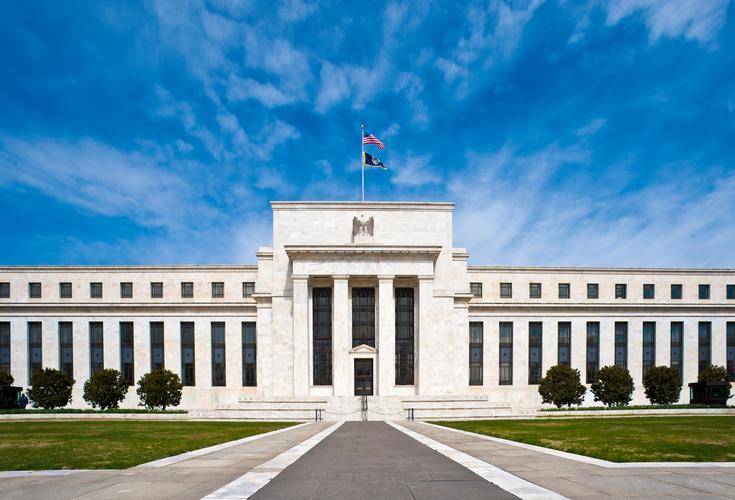
央行信誉

Search documents
全新美联储主席,对美股到底意味着什么?
美股研究社· 2026-02-02 11:06
Core Viewpoint - The article discusses the implications of Trump's nomination of Kevin Warsh as the next Federal Reserve Chairman, highlighting market reactions to inflation data and the potential impact on monetary policy [5][7][18]. Group 1: Market Reactions - The announcement of Warsh's nomination coincided with the release of December PPI inflation data, which showed a year-over-year increase of 3.0%, exceeding expectations, while core PPI rose to 3.3%, marking the largest monthly increase in six months [7][9]. - Following these developments, the dollar index surged by 0.9%, the largest increase in nearly eight months, while precious metals experienced significant declines, with gold dropping below $4900 and silver seeing intraday losses exceeding 30% [9][11]. - The market's reaction was influenced by the crowded positioning in gold, as a Bank of America survey indicated that being long on gold had become the most crowded trade globally [11]. Group 2: Kevin Warsh's Background - Kevin Warsh served as a Federal Reserve Governor from 2006 to 2011 and is known for his criticism of the Fed's loose monetary policies, advocating for a return to price stability [15][17]. - His nomination was anticipated, as he was seen as a frontrunner among candidates, and his strong academic and practical background is viewed favorably by Wall Street [17]. Group 3: Historical Context and Market Logic - The article draws parallels to the 1970s inflation crisis, where a lack of central bank independence led to a loss of market trust, ultimately requiring a hawkish approach to restore credibility [21][22]. - Trump's nomination of Warsh is seen as a strategy to stabilize expectations through a credible figure, allowing for more flexible policies in the future [24]. Group 4: Policy Outlook - Warsh's past statements suggest he favors adjusting the Fed's balance sheet to manage excess liquidity, which could create room for future rate cuts [27]. - If confirmed, Warsh's policies may not immediately open a "rate cut window," but his approach could be beneficial for long-term asset allocation and risk appetite [28]. Group 5: Long-term Implications - Understanding the core logic of the market is deemed more important than chasing short-term fluctuations, as Warsh's nomination represents a long-term strategy to build central bank credibility [30]. - The article suggests that Warsh's leadership could provide a more stable policy foundation, enhancing market confidence and paving the way for a more robust monetary policy shift in the future [30][33].

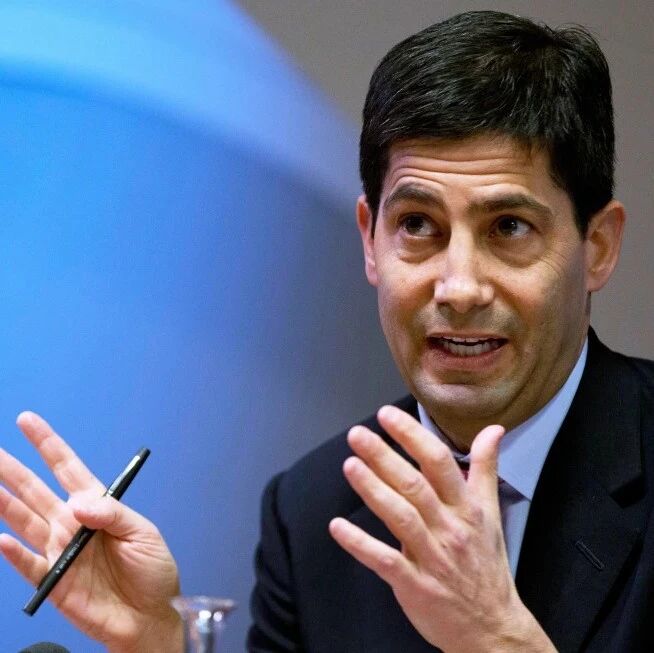
全新美联储主席,对美股到底意味着什么?
3 6 Ke· 2026-01-31 02:32
Core Viewpoint - The announcement of Kevin Warsh as the potential next Federal Reserve Chair by Trump has led to significant market volatility, with a strong reaction from the dollar and a sharp decline in precious metals [1][4][5]. Group 1: Market Reactions - The dollar index surged by 0.9%, marking its largest single-day increase in nearly eight months, while gold prices fell below $4900, and silver experienced a drop of over 30% in a single day [4]. - The S&P 500 index fell approximately 0.4%, the Nasdaq dropped nearly 1%, and the Russell 2000, sensitive to interest rates, saw a decline of about 1.5% [9][10]. Group 2: Inflation Data - December's Producer Price Index (PPI) showed a year-on-year increase of 3.0%, exceeding expectations, with core PPI rising to 3.3%, the largest monthly increase in six months, indicating persistent price pressures [5]. Group 3: Kevin Warsh's Background - Kevin Warsh served as a Federal Reserve Governor from 2006 to 2011 and is known for his criticism of the Fed's loose monetary policies, advocating for a return to a focus on price stability [11][13]. - Warsh was selected from a list of candidates, including current Fed officials and executives from major financial firms, and is viewed as having a strong academic and practical background [13]. Group 4: Market Logic Behind Reactions - The market's initial response to Warsh's nomination reflects fears of a hawkish stance that could limit interest rate cuts, leading to a stronger dollar and losses in precious metals [14]. - Trump's nomination of Warsh is seen as a strategic move to establish credibility for future policy shifts, aiming for a balance between inflation control and potential rate cuts [14][15]. Group 5: Historical Context - The historical reference to the 1970s inflation crisis highlights the importance of central bank independence and credibility, suggesting that Warsh's nomination aims to stabilize market expectations before any policy changes [15]. Group 6: Warsh's Policy Outlook - Warsh is expected to advocate for a reasonable adjustment of the Fed's balance sheet and emphasize productivity improvements, particularly from AI, as key factors influencing future inflation and growth [16]. - His potential policies may include maintaining a strong stance on inflation control initially, followed by measures to stabilize price expectations and create conditions for future rate cuts [16]. Group 7: Long-term Implications - Understanding the core logic of the market is crucial for investors, as Warsh's nomination represents a long-term strategy to build central bank credibility rather than immediate rate cuts [17]. - Warsh's leadership could provide a more stable policy foundation, enhancing market confidence and paving the way for a more robust monetary policy transition in the future [17].
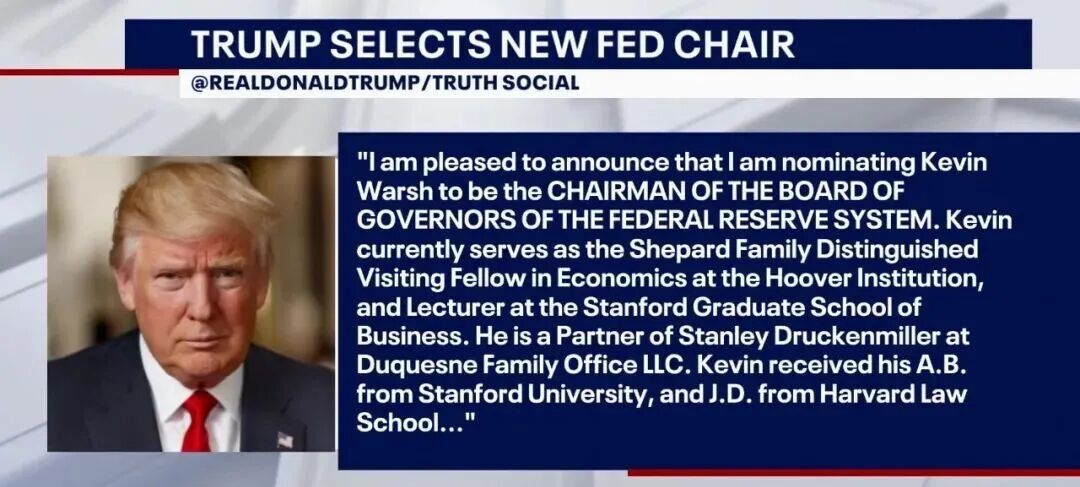
黄金无视鲍威尔称美联储信誉未受动摇言论 一举突破5400美元 续刷历史新高
智通财经网· 2026-01-28 22:17
Group 1 - Gold and silver prices have reached historic highs in 2026, becoming one of the most watched assets in global financial markets [1] - Federal Reserve Chairman Jerome Powell downplayed concerns regarding the Fed's credibility and the impact of asset price fluctuations on monetary policy [1] - The Fed decided to maintain the federal funds rate target range at 3.50% to 3.75%, aligning with economists' expectations, with market predictions for the next rate cut not expected until June [1] Group 2 - Analysts suggest that the Fed's neutral stance may pose short-term resistance to gold prices but will not reverse the overall upward trend [2] - Market focus is shifting towards potential leadership changes at the Fed after Powell's tenure, with expectations that a successor may be more inclined to support rate cuts [2]
BlueberryMarkets:费城联储主席称通胀若持续缓和2026年或可降息
Sou Hu Cai Jing· 2026-01-04 03:16
Core Viewpoint - The speech by Anna Paulsen, President of the Philadelphia Federal Reserve Bank, emphasizes the need for the Federal Reserve to balance inflation, employment, and economic growth in its monetary policy approach [1]. Group 1: Economic Outlook - Paulsen anticipates a gradual easing of inflation and stabilization of the labor market, projecting an economic growth rate of around 2% by 2026 [3]. - The median forecast among policymakers suggests a potential interest rate cut of only 0.25 percentage points in 2026, while market expectations are more aggressive [3]. - The current monetary policy is viewed as "slightly tight," which helps maintain downward pressure on inflation, with expectations for inflation to gradually return to the 2% target [4]. Group 2: Labor Market Assessment - The labor market is experiencing high risks, with demand slowing faster than the reduction in supply, although unemployment insurance claims have stabilized [3]. - The assessment reflects the resilience of the job market, indicating that it has not collapsed, but adjustments in policy need to be carefully considered [3]. Group 3: Policy Considerations - The Federal Reserve is inclined towards gradual policy adjustments, with a focus on ensuring controlled inflation while supporting stable economic growth [5]. - There is a noted complexity in interpreting economic conditions due to the recent federal government shutdown affecting data collection [4]. - The credibility of the central bank is crucial in managing inflation expectations, with past inflation experiences not having a lasting impact on long-term expectations [4].