就业疲软

Search documents
智昇:降息or不降?美联储内部吵翻了!分歧程度为32年之最
Sou Hu Cai Jing· 2025-11-19 08:54
Core Viewpoint - The Federal Reserve's anticipated interest rate cut is now uncertain due to diverging views among officials regarding the health of the economy, persistent inflation, and weak job markets [1][3] Group 1: Diverging Opinions Among Federal Reserve Officials - Some policymakers have heightened concerns about persistent inflation, linking it to the recent focus on "affordability" during the elections [3] - Another faction emphasizes the risks of a weak job market, suggesting that low hiring and layoffs could worsen the current employment situation [3] - The internal division within the Federal Reserve reflects a complex economic outlook influenced by tariffs, AI advancements, immigration policy changes, and tax reforms [3] Group 2: Risks of Delayed Rate Cuts - If the Federal Reserve reduces the scale of interest rate cuts, high costs for housing and auto loans will persist, exacerbating public dissatisfaction with living costs [3][4] - Polls indicate that high mortgage and auto loan rates are contributing to widespread discontent among the populace [3] Group 3: Anticipated Opposition Votes in Upcoming Meetings - Analysts predict a significant number of dissenting votes in the upcoming Federal Open Market Committee (FOMC) meeting, regardless of whether a rate cut is decided [4] - If a rate cut occurs, dissenting votes could reach four to five, while maintaining rates could see three dissenting votes, marking a rare occurrence in the Fed's history [4] Group 4: Impact of Government Shutdown on Economic Data - The government shutdown has interrupted the release of economic data, complicating the Federal Reserve's data-dependent decision-making approach [6] - The latest employment data is stuck at August levels, and inflation data is only updated to September, creating challenges for the Fed [6] Group 5: Market Expectations and Stock Market Reactions - The probability of a rate cut in December has dropped to around 50%, down from nearly 94% a month ago, contributing to recent stock market corrections [7] - The current rate cut probability has slightly rebounded to 48.9% [7] Group 6: Diverging Views on Future Rate Cuts - After the Fed's second rate cut in October, Chairman Powell dampened expectations for further cuts, stating that December's cut is "not a foregone conclusion" [8] - Various regional Fed officials have expressed concerns about inflation, emphasizing the need to maintain rates around 3.9% to help bring inflation back to target [8] - Conversely, some officials argue that the weak job market poses a more significant risk and advocate for a December rate cut [8] Group 7: Key Economic Indicators and Political Pressures - The upcoming labor market data will be crucial in shaping the Fed's consensus on rate cuts [9] - Political pressures, including discussions about potential replacements for Chairman Powell, may influence the Fed's policy direction [9] Group 8: Institutional Perspectives - Citigroup predicts that weak labor market data will lead the Fed to initiate a rate cut in December, which is a key variable affecting the current stock market [10] - The end of the government shutdown is expected to improve market liquidity, creating a favorable environment for U.S. equities [10]

美联储传声筒:美联储在 12 月降息问题上的分歧越来越大
Sou Hu Cai Jing· 2025-11-12 02:54
Core Viewpoint - There is a significant division within the Federal Reserve regarding whether to continue interest rate cuts in December, with concerns about persistent inflation and tariff effects versus worries about weak employment and slowing demand [1] Group 1: Federal Reserve's Internal Disagreement - Some officials advocate for pausing interest rate cuts due to concerns over sticky inflation and tariff impacts [1] - Dovish members emphasize the importance of addressing weak employment and declining demand [1] - The government shutdown has interrupted key economic data, exacerbating the division among decision-makers [1] Group 2: Current Interest Rate Context - The current interest rate is in the range of 3.75% to 4% [1] - Market expectations indicate a slightly higher probability of a rate cut in December, despite the internal Fed conflict [1] - The situation reflects a rare "hawk-dove standoff" within the Federal Reserve in recent years [1]
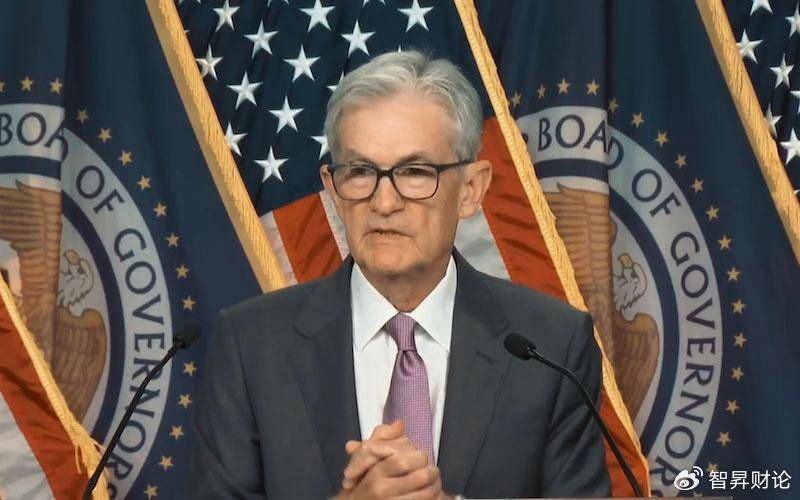
美国劳工统计局再次推迟发布就业报告
Yang Shi Xin Wen· 2025-11-08 01:16
Core Viewpoint - The ongoing U.S. federal government shutdown has led to a second delay in the release of monthly employment data by the Bureau of Labor Statistics, impacting the availability of key economic indicators [1] Group 1: Impact on Employment Data - The Bureau of Labor Statistics, a core statistical agency of the U.S. government, has halted data collection and reporting during the shutdown, affecting the release of important statistics such as the Consumer Price Index [1] - This marks the second consecutive delay in employment report publication since last month, indicating a significant disruption in economic data flow [1] Group 2: Broader Economic Implications - The shutdown is also affecting data collection efforts by other agencies, including the Census Bureau and the Bureau of Economic Analysis, which may lead to a lack of critical economic insights [1] - Economic analysts suggest that the current situation of weak employment and persistent inflation complicates the economic landscape, making it harder for institutions like the Federal Reserve to make informed decisions due to the absence of vital data [1]
美联储降息“大局已定” 政策路径悬念重重
Shang Hai Zheng Quan Bao· 2025-09-14 19:38
Group 1 - The Federal Reserve is expected to restart interest rate cuts, with a high probability of a 25 basis point reduction, while a 50 basis point cut is also possible [1][4][5] - Recent economic data, including the August CPI and core CPI, align with market expectations, providing a basis for the Fed's decision to cut rates [1][2] - The labor market shows signs of weakness, with initial jobless claims rising to 263,000, the highest in nearly two years, indicating a potential shift in the Fed's monetary policy [1][3] Group 2 - Market focus has shifted to the pace and magnitude of future rate cuts, with analysts predicting three rate cuts within the year [4][5] - The Chicago Mercantile Exchange's FedWatch Tool indicates a 92.5% probability of a 25 basis point cut and a 7.5% chance of a 50 basis point cut in September [4] - Political factors are increasingly influencing the Fed's monetary policy decisions, adding complexity and uncertainty to the rate-cutting process [5][6] Group 3 - Global asset reactions to the Fed's rate cuts remain uncertain, with expectations of a weaker dollar and stronger stock market if a 25 basis point cut occurs [6] - A larger cut of 50 basis points could lead to increased liquidity but may also create market volatility [6][7] - Long-term implications suggest that if rate cuts are driven by political pressure rather than economic fundamentals, it could lead to uncontrolled inflation and necessitate a shift in monetary policy [7]
黄金今日行情走势要点分析(2025.9.12)
Sou Hu Cai Jing· 2025-09-12 00:40
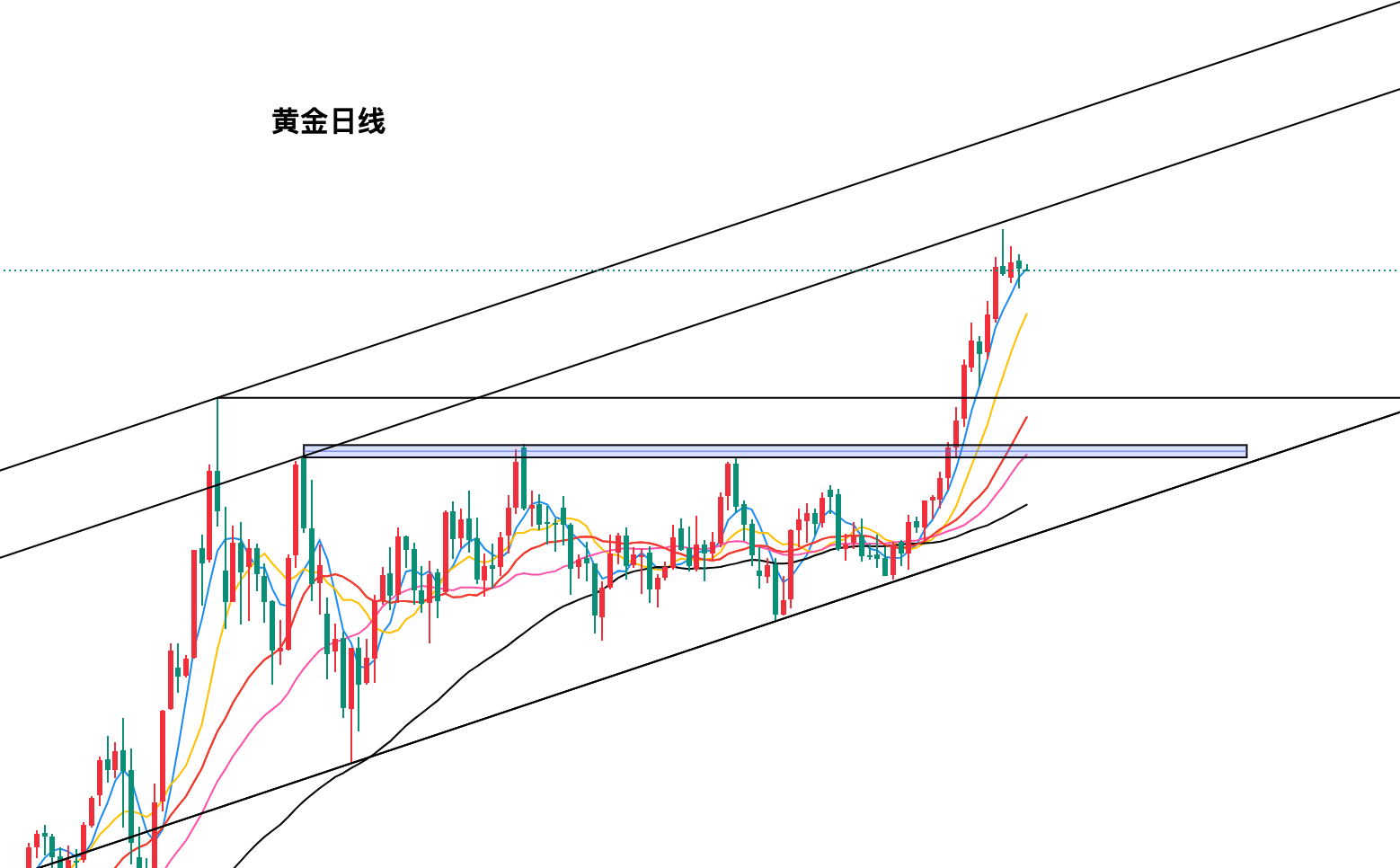
Core Viewpoint - The recent economic data from the U.S. presents a dual signal, with rising inflation pressures and a significant increase in unemployment claims, impacting the gold market dynamics positively despite short-term volatility [2][3][4]. Fundamental Analysis - Inflation is rising, with the U.S. Consumer Price Index (CPI) for August increasing by 2.9% year-on-year, the highest in seven months, and a month-on-month rise of 0.4%, exceeding the expected 0.3% [2]. - Employment data shows a notable decline, with initial jobless claims rising to 263,000, the highest in three years, significantly above the expected 235,000, and non-farm payrolls only increasing by 22,000 in August, far below the anticipated 75,000 [3]. - The market anticipates a 100% probability of a rate cut by the Federal Reserve in the upcoming meeting, with a 91% chance of a 25 basis point cut, driven by weak employment data and a surprising drop in the Producer Price Index (PPI) [3][4]. - The low interest rate environment enhances the attractiveness of gold as a non-yielding asset, despite recent buyer fatigue [4]. Technical Analysis - On the daily chart, gold has shown a downward trend followed by a rebound, maintaining a volatile pattern. The price has broken below the 5-day moving average, indicating a potential shift in support levels [8]. - Key support levels to watch include 3613 and 3585, while resistance levels are identified at 3651 and 3674 [9]. - The four-hour chart indicates a slowdown in upward momentum, with the market potentially entering a corrective phase, necessitating close monitoring of price movements [8][9]. Key Financial Data and Events - Upcoming financial data to watch includes Germany's August CPI, UK's GDP, and U.S. consumer confidence index, which may influence market sentiment and gold prices [11].
美联储降息窗口渐近:就业疲软与鸽派信号下的政策风云
Sou Hu Cai Jing· 2025-08-18 07:50
Group 1 - The recent statements from Mary Daly, President of the San Francisco Fed, indicate a significant shift in the Federal Reserve's policy stance towards a more dovish approach, suggesting that the timing for interest rate cuts is approaching due to signs of weakness in the U.S. labor market and the lack of sustained inflation from tariff policies [1][2] - The non-farm payroll report revealed only 73,000 new jobs added in July, with revisions to May and June data showing a downward adjustment of 258,000 jobs, marking an unprecedented 90% revision, which shattered market expectations of labor market resilience [1][2] - Market reactions to the non-farm data have been dramatic, with the probability of a rate cut next month soaring from under 40% to nearly 90%, and expectations for three consecutive rate cuts by the end of the year gaining traction [2][3] Group 2 - The Federal Reserve's policy considerations are balancing between "job preservation" and "inflation control," with the unemployment rate rising only slightly to 4.2%, indicating a relatively healthy level, yet various labor market indicators suggest a clear softening compared to last year [3][4] - Daly emphasized the need for flexibility in the Fed's approach, indicating that if inflation rises or the labor market improves, fewer than two rate cuts may be necessary, but if labor market weakness persists and inflation remains stable, further actions will be required [4] - The upcoming FOMC meeting in September will focus on two key data points: the August non-farm payroll report and core PCE inflation data, which will significantly influence the Fed's policy direction and market expectations [4]
特朗普,重磅!
Zhong Guo Ji Jin Bao· 2025-08-06 00:19
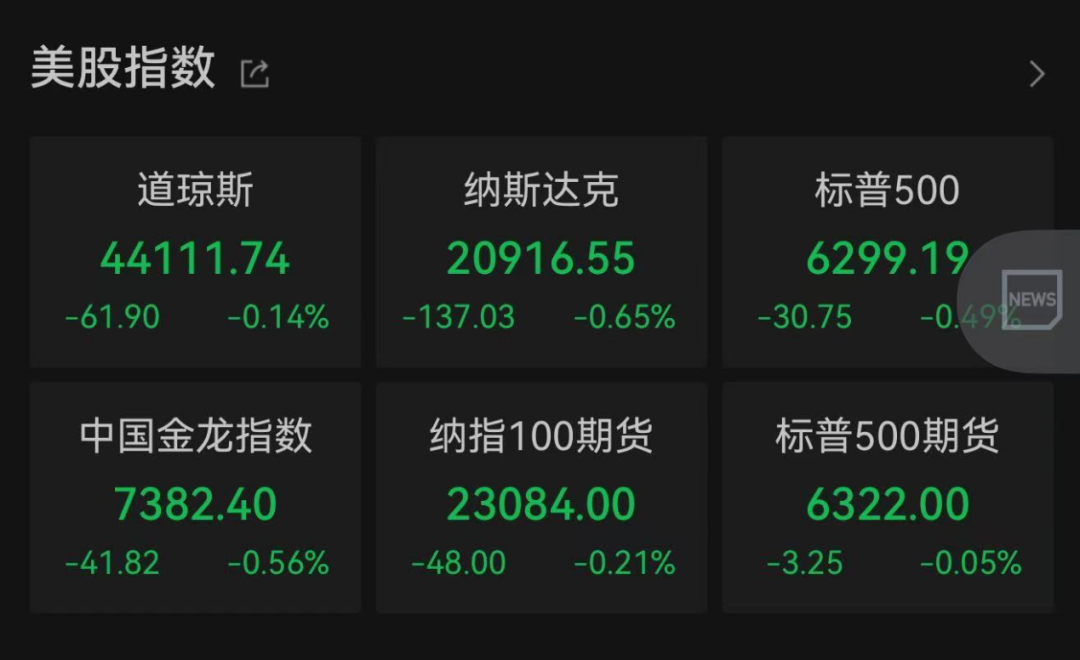
Market Overview - On August 5, U.S. stock indices collectively declined, with the Dow Jones down 0.14% at 44,111.74 points, the S&P 500 down 0.49% at 6,299.19 points, and the Nasdaq down 0.65% at 20,916.55 points [2][4]. Economic Factors - Analysts attribute the decline in U.S. stocks to tariff announcements and economic data concerns. President Trump announced plans to impose "small tariffs" on imported drugs, with rates potentially rising to 250% over time. He also hinted at upcoming tariffs on semiconductors and chips [4][16]. - Economic indicators show a worrying trend, with the ISM non-manufacturing index for July at 50.1, below expectations of 51.5, indicating stagnation in the services sector. Employment indicators also fell from 47.2 to 46.4, raising concerns about stagflation [4][18]. Technology Sector Performance - Major tech stocks experienced declines, with Nvidia down 0.97%, Microsoft down 1.47%, Apple down 0.21%, Google down 0.22%, Meta down 1.67%, and Tesla down 0.19%. However, Amazon saw a slight increase of 0.99% [5][6]. - Amazon announced that its cloud computing division, AWS, will offer OpenAI's models, which may enhance its competitive position against Microsoft Azure [5]. Cryptocurrency Market - Coinbase plans to issue $2 billion in convertible bonds to raise funds for stock buybacks and debt repayment, leading to a stock price drop of over 6% [10]. Commodity Prices - International gold prices rose by 0.25%, closing at approximately $3,535 per ounce [11]. Company Earnings Reports - Taiwan Semiconductor Manufacturing Company (TSMC) reported Q2 revenue of $7.69 billion, a 32% year-over-year increase, but net profit fell by 31% to $781 million, leading to a stock price drop of over 2% [13][15]. - Advanced Micro Devices (AMD) reported Q4 net sales of $5.76 billion, below the expected $6.01 billion, with a stock price decline of 1.67% [16].