投资策略调整

Search documents
高层持续变动、净利润下跌76%,信达澳亚基金千亿规模如何维稳?
Sou Hu Cai Jing· 2026-01-14 04:43
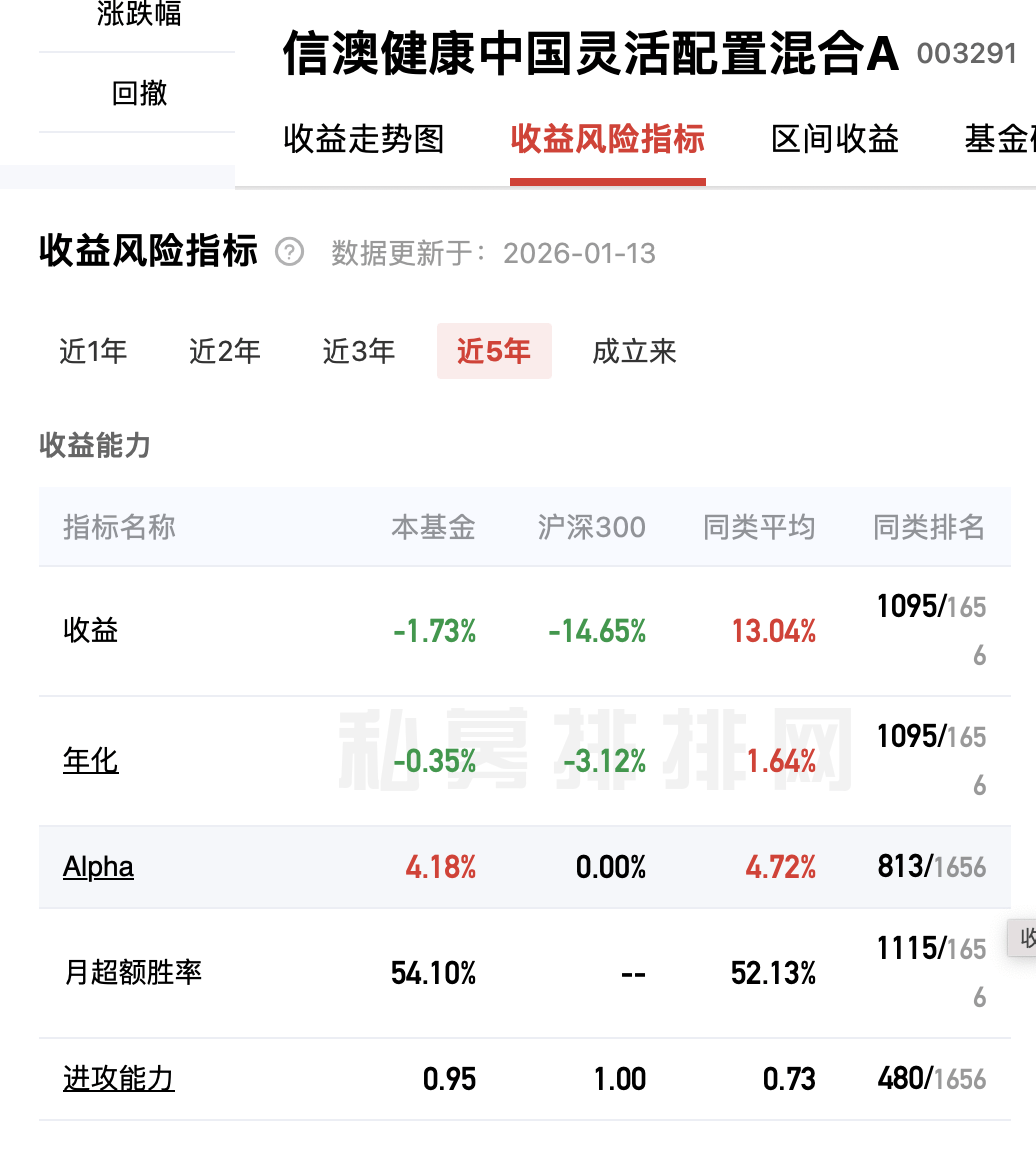
Core Viewpoint - The restructuring of Xinda Australia Fund's ownership and management has led to significant changes in its operational stability and performance, raising concerns about its future growth trajectory and investor confidence [1][6]. Management Changes - In December 2025, Xinda Australia Fund underwent multiple personnel changes, including the departure of Chairman Zhu Ruimin and the appointment of Tang Lunfei as the new chairman [2][3]. - Vice General Manager Lu Li also left the company, and the former General Manager Zhu Yongqiang retired after leading the fund to grow its management scale from 10 billion to 100 billion [2][3]. - The new chairman Tang Lunfei has extensive experience in risk management and compliance, which may influence the company's future direction [2]. Fund Manager Adjustments - Several fund managers were replaced in December, with notable attention on the departure of Yang Ke, the manager of the "Xinda Health China" fund, which has seen a significant decline in performance [3][4]. - Yang Ke's management saw a drastic reduction in assets from over 7 billion to 690 million, indicating a loss of investor confidence [5]. Performance and Financial Metrics - Xinda Australia Fund reported a significant decline in revenue and net profit, with 2024 figures showing revenue of 644 million and net profit of 101 million, both down sharply year-on-year [6]. - By mid-2025, the fund's management scale dropped from 1,374.51 billion to 1,030.06 billion, with a notable decrease in money market fund size [6]. - The fund faced regulatory issues, including a penalty for insider trading, which further impacted its reputation and operational stability [6][7]. Market Position and Future Outlook - The company is at a crossroads, needing to stabilize its core team, adjust investment strategies, and rebuild investor trust amidst a changing market environment [7]. - If the company can effectively integrate internal resources and refocus on research and investment capabilities, there remains potential for regaining investor confidence as market conditions improve [7].

中国太平20251217
2025-12-17 15:50
Summary of China Taiping's Conference Call Company Overview - **Company**: China Taiping Insurance Holdings Company Limited - **Industry**: Insurance and Financial Services Key Points Investment Strategy and Performance - China Taiping adjusted its investment strategy in Q3 2025, responding to government calls to increase A-share equity holdings since May, benefiting from investment returns in certain sectors [2][3] - The net investment yield for the first half of 2025 was 3.11%, with expectations for total investment returns to rebound and potentially exceed last year's levels [2][3] - The company plans to allocate 30% of new investable funds to the A-share market, gradually increasing equity positions [4][15] Taxation and Financial Performance - The tax rate for 2025 is significantly lower than in 2024, which is expected to enhance post-tax earnings [2][5] - The company has fully adopted new accounting standards, although domestic operations are still affected by old standards, leading to transitional tax rate differences [5] Risk Management and Claims - Following a significant fire incident in Hong Kong, China Taiping is managing a claim of 2 billion HKD, with a low retention ratio due to reinsurance [2][6] - The company has a strong market presence in property and building insurance, which aids in managing risks effectively [6] Product Diversification and Sales Channels - The "Open Door" initiative launched in October aims to diversify products, including increasing the proportion of annuity-type and traditional insurance products [2][7] - In the bancassurance channel, the company expects rapid growth in 2024 due to policy integration, with significant value contributions anticipated in 2025 [2][9] Liability Management - New business break-even yield costs have decreased to 1.7%-1.9%, while existing business break-even yield is around 2.5% [4][11] - The duration gap between assets and liabilities is expected to narrow by 0.5%-0.8% annually due to increased sales of participating insurance [12] Market Outlook and Strategy - The company anticipates a stable low-interest-rate environment, with plans to gradually increase equity allocations in response to government policies supporting long-term market development [13][15] - China Taiping is focusing on a balanced investment strategy, with a preference for growth assets (60%) over dividend assets (40%) [22] Future Projections - The company aims for a 90% share of participating insurance in 2025, with a target of maintaining over 50% in the future [29] - The focus will also be on enhancing the product structure, potentially increasing traditional insurance offerings [29] Market Position and Competitiveness - China Taiping has established a solid position in the bancassurance channel through partnerships with major banks, increasing the number of bancassurance outlets from over 70,000 to 90,000 [9][10] - The company is committed to maintaining agent income stability despite regulatory changes in the individual insurance channel [30] Dividend Policy and Shareholder Returns - The company maintains a cautious approach to dividends, with plans to evaluate and potentially adjust the dividend payout strategy based on net profit growth and tax policies [26][31] Long-term Investment Initiatives - A long-term stock investment pilot has been initiated with a fund size of 10 billion RMB, which began operations in Q4 [28] Additional Insights - The company is diversifying its investment portfolio beyond traditional sectors, focusing on technology, energy, and infrastructure [23][19] - The impact of regulatory changes on market dynamics and investment strategies is being closely monitored to ensure compliance and optimize returns [16][31]

阿里:预计闪购投入将在下季度显著收缩
Di Yi Cai Jing· 2025-11-25 13:16
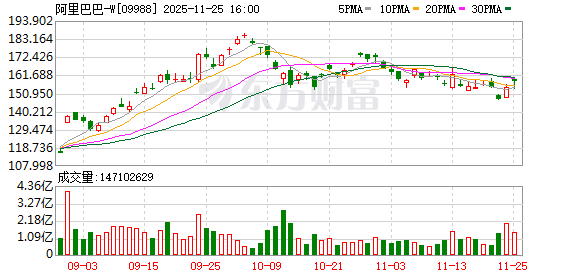
Core Insights - Alibaba Group's CFO Xu Hong indicated that the third quarter marked a peak in investment for the flash purchase business, with expectations for a significant reduction in overall investment in the next quarter due to improved efficiency and stable scale [2] Group 1 - The company plans to dynamically adjust its investment strategy based on the competitive landscape of the market [2]

美政府将部分农产品移出“对等关税”清单;比特币大跌5%;巴菲特最新持仓曝光!抛售苹果,建仓谷歌;外交部:中国公民近期避免前往日本丨每经早参
Mei Ri Jing Ji Xin Wen· 2025-11-14 23:05
Group 1 - The State Council of China, led by Premier Li Qiang, held a meeting to discuss the implementation of policies to enhance the adaptability of supply and demand in consumer goods and promote consumption [3] - The meeting also reviewed the revised Trademark Law and the revised Funeral Management Regulations [3] Group 2 - International oil prices rose, with WTI crude oil up 2.15% to $59.95 per barrel, and Brent crude oil up 1.97% to $64.25 per barrel [4] - International gold prices fell, with spot gold down 2.13% to $4082.16 per ounce, while COMEX gold futures dropped 2.62% to $4084.4 per ounce [4] Group 3 - European stock indices closed lower, with Germany's DAX down 0.65% to 23860.62 points, France's CAC40 down 0.76% to 8170.09 points, and the UK's FTSE 100 down 1.11% to 9698.37 points [5] Group 4 - The Chinese Ministry of Commerce and other departments announced stricter controls on the export of new cars under the guise of used cars, effective January 1, 2026 [8] - The new regulations require additional documentation for vehicles registered less than 180 days before export [8] Group 5 - The Chinese Ministry of Commerce expressed strong dissatisfaction with comments made by the Dutch Minister of Economic Affairs regarding ASML, emphasizing the need for constructive dialogue to resolve the semiconductor supply chain crisis [9] Group 6 - The Financial Regulatory Bureau reported that by the end of Q3 2025, the total assets of China's banking financial institutions reached 474.3 trillion yuan, a year-on-year increase of 7.9% [10] - Large commercial banks accounted for 43.9% of total assets, with a year-on-year growth of 10% [10] Group 7 - The Shenzhou 20 astronaut crew returned safely to Beijing, with all members reported to be in good health [11] Group 8 - Six countries, including China and several Southeast Asian nations, held a meeting to discuss joint efforts to combat cross-border telecom fraud [12] Group 9 - Li Auto announced internal accountability measures in response to two quality incidents involving their vehicles [23] - Tesla is recalling 10,500 Powerwall 2 energy storage products in the U.S. due to fire risks [23] Group 10 - Berkshire Hathaway disclosed a significant reduction in its stake in Apple, selling approximately 41.79 million shares, while initiating a position in Alphabet [25] - The report indicated a 14.9% decrease in Apple's holdings, while Alphabet was newly acquired with a value of approximately $4.34 billion [25] Group 11 - Hillhouse Capital's HHLR Advisors reported a significant increase in its U.S. stock holdings, with over 90% of its portfolio in Chinese concept stocks [26] - The report highlighted increased positions in Alibaba and Pinduoduo, while reducing stakes in other high-performing stocks [26] Group 12 - Contemporary Amperex Technology Co., Ltd. announced a plan to transfer 45.63 million shares, representing 1% of its total share capital, due to personal funding needs [28]


公募基金:调整策略,均衡布局科技等领域
Sou Hu Cai Jing· 2025-10-19 23:46
Core Viewpoint - Public funds are reassessing and adjusting their investment strategies in response to recent market adjustments, with a focus on A/H shares and technology as the main investment themes [1] Group 1: Market Outlook - A-shares and Hong Kong stocks have a solid upward foundation, and short-term events are unlikely to alter the overall trend [1] - The technology sector is viewed as the most promising investment theme in the medium to long term [1] Group 2: Sector Focus - Sub-sectors such as new energy and new consumption may show performance during market rotations [1] Group 3: Asset Allocation - A balanced asset allocation strategy is recommended [1]
金价涨跌背后的秘密:聪明人靠它判断经济和财富机会
Sou Hu Cai Jing· 2025-10-07 12:12
Core Viewpoint - Gold is considered a "hard currency" by global wealthy individuals and professional investors, as it does not rely on corporate profits or market trends, but rather serves as a barometer for economic conditions [1][3]. Group 1: Economic Indicators Related to Gold Prices - Rising gold prices typically indicate increased economic risks, often associated with heightened inflation, market volatility, and geopolitical tensions [5][6][8]. - Conversely, falling gold prices suggest a more optimistic economic environment, characterized by stronger growth expectations, restored confidence in currency, and reduced global political risks [10][13][15]. Group 2: Investment Logic Behind Gold Price Fluctuations - Gold's unique attributes, such as its lack of default risk and its status as a global store of value, make it a preferred asset during economic instability [19]. - The price of gold is closely linked to major currencies like the US dollar, reflecting changes in monetary policy and international financial conditions [20]. - Gold prices also serve as a sentiment indicator, where rising prices signal market panic and falling prices indicate a recovery in market confidence [21][22]. Group 3: Utilizing Gold Prices for Investment Decisions - Investors should monitor macroeconomic data, including inflation rates, interest rates, and geopolitical news, to analyze gold price trends [25]. - Gold should be part of a diversified asset allocation strategy, increasing its proportion during economic uncertainty and reducing it during recovery periods [26]. - Long-term trends in gold prices are more indicative of economic signals than short-term fluctuations, which may be influenced by speculation [28]. - Analyzing gold in conjunction with other asset classes, such as stocks and real estate, can provide a comprehensive view of economic conditions [29]. Conclusion - The fluctuations in gold prices represent both investment opportunities and economic signals, guiding investors on when to adjust their strategies based on economic conditions [31][33].

黄金、原油:高位震荡与目标区,策略待调整
Sou Hu Cai Jing· 2025-08-25 09:28
Group 1 - The core viewpoint of the article discusses the current high volatility in gold prices and the potential continuation of its upward trend, which has garnered significant attention [1] - The article highlights that crude oil has reached its upward target zone, raising questions about the feasibility of entering long positions [1] - There is an emphasis on the need for updated strategies regarding gold trading following its recent price increases [1]
白酒失宠,易方达萧楠操盘遇挫,基金净值下滑引关注
Sou Hu Cai Jing· 2025-08-14 20:10
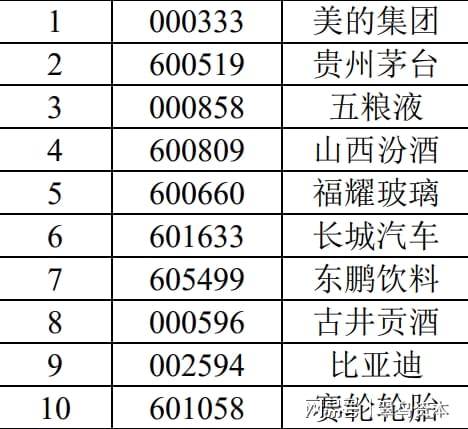
Core Viewpoint - The performance of the liquor sector, traditionally seen as a stable investment, has recently caused significant pressure for fund managers, leading to a reevaluation of strategies [1][3]. Group 1: Fund Manager's Performance - Xiao Nan, a senior fund manager at E Fund, manages over 30 billion yuan and has faced challenges with the liquor sector impacting fund performance [1][2]. - The fund managed by Xiao Nan has seen a decline of 6.29% this year, while the average of similar funds has increased by 15.37% [2][4]. - Over the past year, two years, and three years, the fund has underperformed the market, indicating difficulties in both bullish and bearish market conditions [2][4]. Group 2: Investment Strategy Adjustments - In the second quarter report, Xiao Nan acknowledged the negative impact of increasing exposure to liquor stocks on fund performance, admitting a cognitive bias towards high-quality assets [3]. - The report highlighted that leading liquor companies have compromised long-term brand value for short-term performance, resulting in significant price declines [3]. - To improve fund performance, Xiao Nan reduced holdings in low-end liquor and beer stocks while increasing allocations in agriculture and beverage sectors, indicating a shift towards more defensive and fundamentally supported investments [3].



宏利投资:看好欧元未来的上行潜力
Shang Hai Zheng Quan Bao· 2025-08-05 13:34
Core Viewpoint - Manulife Investment indicates that the global landscape has changed, leading to adjustments in investment strategies for different regions in the second half of the year [1] Group 1: Investment Outlook - The company remains optimistic about the upward potential of the Euro, supported by the narrowing growth gap between the US and Europe, as well as many investors seeking alternatives to the US dollar [1] - For Eurozone equities, Manulife Investment holds a cautiously optimistic view due to structural improvements in the market outlook and attractive relative valuations [1] Group 2: Japan's Economic Situation - Japan's economic output gap has recently narrowed, but weak global demand may lead to a slowdown in growth by the second half of 2025 [1] - Wage growth is pushing inflation higher, and the Bank of Japan may raise interest rates in the second half of the year; however, government debt is suppressing long-term bond yields [1] - The appreciation of the yen may temporarily pressure the stock market, but improvements in corporate earnings and capital expenditures are expected to benefit long-term performance [1]
会员金选丨洞察全球变局,把握投资与产业机遇
第一财经· 2025-06-30 03:12
Group 1 - The article discusses the dramatic evolution of the US tariff policy towards China in 2025, highlighting a shift from a dual-track system of "benchmark tariffs + differentiated rates" to a full upgrade to 125% "reciprocal tariffs" and selective exemptions for semiconductor-related products [1] - The article emphasizes that the fluctuations in tariff policy reflect the US's "maximum pressure" strategy and the deep-seated contradictions within its domestic political and economic landscape, indicating a critical turning point in Sino-US economic relations [1] - The adjustments in policy and market dynamics are profoundly impacting the global economic landscape, suggesting a need for strategic responses from China [1] Group 2 - The upcoming public lecture will explore economic trends and the construction of financial defense systems under the context of Sino-US competition, led by Professor Li Nan [2] - The agenda includes a discussion on the underlying logic of tariff negotiations, focusing on how US inflation, debt, and electoral politics drive policy fluctuations, and how China can enhance resilience through countermeasures and internal circulation [4] - The lecture will also analyze paths for industrial breakthroughs in key sectors such as semiconductors and new energy, as well as the feasibility of transshipment trade in the face of technological blockades [4] Group 3 - The investment strategy adjustments will focus on identifying long-term value anchors amid A-share market volatility and how companies can optimize their global layout by leveraging policy windows [4] - Professor Li Nan's expertise includes financial economics, econometrics, and macro asset pricing, with a focus on economic policy and investment decisions under uncertainty [6] - The collaboration with Nobel laureate Lars Peter Hansen and John C. Heaton on long-run risk measurement highlights the academic credibility and research depth of Professor Li Nan [6]