
政治干预央行

Search documents
总统 vs. 央行行长:一场决定全球经济命运的“内战”
Sou Hu Cai Jing· 2026-02-10 08:14
Core Viewpoint - The ongoing conflict between former President Trump and current Federal Reserve Chairman Powell highlights a significant political struggle that could impact monetary policy and economic stability in the U.S. [1][3] Group 1: Political Dynamics - Trump publicly admitted that appointing Powell was a mistake, indicating a rift between the former president and the Fed chairman due to Powell's resistance to Trump's desired interest rate policies [3] - The U.S. Department of Justice issued a subpoena to the Federal Reserve, threatening criminal charges against Powell, which Powell claims is a pretext for political retaliation [3][4] - The historical context shows that presidential attempts to control the Federal Reserve are not new, but the current use of judicial tools against a sitting chairman is unprecedented [3] Group 2: Economic Implications - Powell has warned his successor against engaging in election politics, reflecting the precarious position of the Federal Reserve as it navigates political pressures while trying to maintain economic stability [4] - The potential for a return to aggressive monetary policy, characterized by significant interest rate hikes, is suggested by Trump's mention of Kevin Warsh as a replacement for Powell [3] - The conflict raises concerns about the credibility of the Federal Reserve as a stabilizing force in the global economy, especially if its monetary policy becomes a tool for political agendas [4]

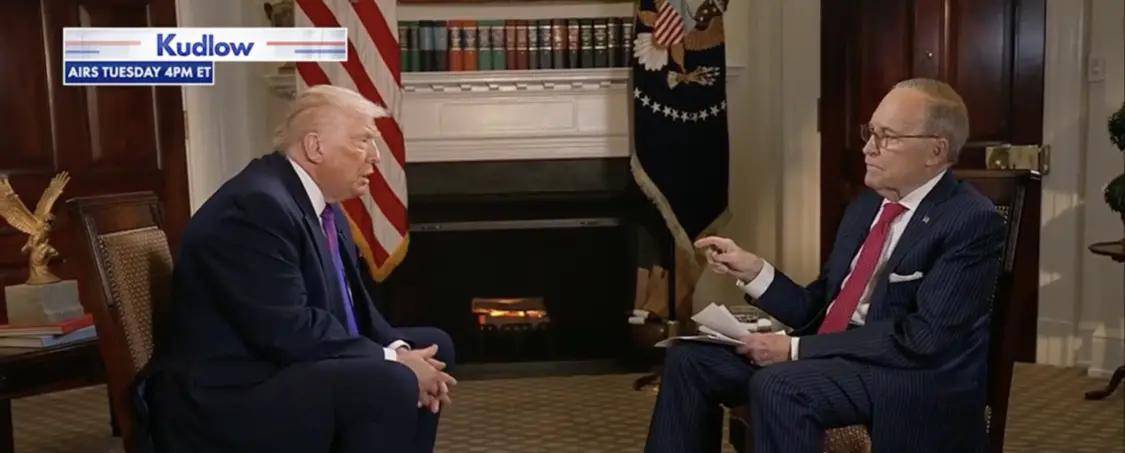
特朗普痛下狠手!美联储主席遭刑事调查,鲍威尔怒喊:全是借口
Sou Hu Cai Jing· 2026-01-14 09:53
Core Viewpoint - The investigation into Federal Reserve Chairman Jerome Powell regarding the $2.5 billion renovation of the Eccles Building has escalated into a significant political issue, highlighting the tension between the Federal Reserve's independence and political pressures from former President Trump [1][3][5]. Group 1: Investigation Details - The investigation focuses on allegations of false statements made by Powell during congressional testimony related to the renovation project [1]. - The renovation project has a budget of $2.5 billion (approximately 180 billion RMB), raising concerns about cost overruns [1]. - Powell has characterized the investigation as a product of "White House interest in interest rates," indicating a broader challenge to the Federal Reserve's independence [3]. Group 2: Political Context - The investigation reflects a significant shift in the long-standing consensus that central bank decisions should not be influenced by short-term political interests, particularly under Trump's administration [5]. - Trump's ongoing criticism of Powell since his appointment has intensified, particularly regarding the pace and extent of interest rate cuts [5]. - The investigation serves as a warning to future central bank leaders about the increasing political pressures they may face [5]. Group 3: Market Implications - Investors are beginning to reassess the future policy direction of the Federal Reserve, with concerns that political preferences may influence interest rate decisions [7]. - If the Federal Reserve's decisions are swayed by political pressures, the safety of dollar-denominated assets could be fundamentally questioned, leading to market volatility [7]. - The investigation may also serve as a political maneuver for Trump, diverting public attention from economic challenges while reinforcing his anti-establishment image [7][8]. Group 4: Potential Outcomes - There are implications that the investigation could lead to a change in leadership at the Federal Reserve, allowing Trump to appoint allies who align with his policy preferences [8]. - This potential shift could further align monetary policy with Trump's political agenda, impacting trade and infrastructure initiatives [8]. - The investigation underscores the intense competition between political and economic power within the U.S., with possible repercussions for the global economic landscape [8].
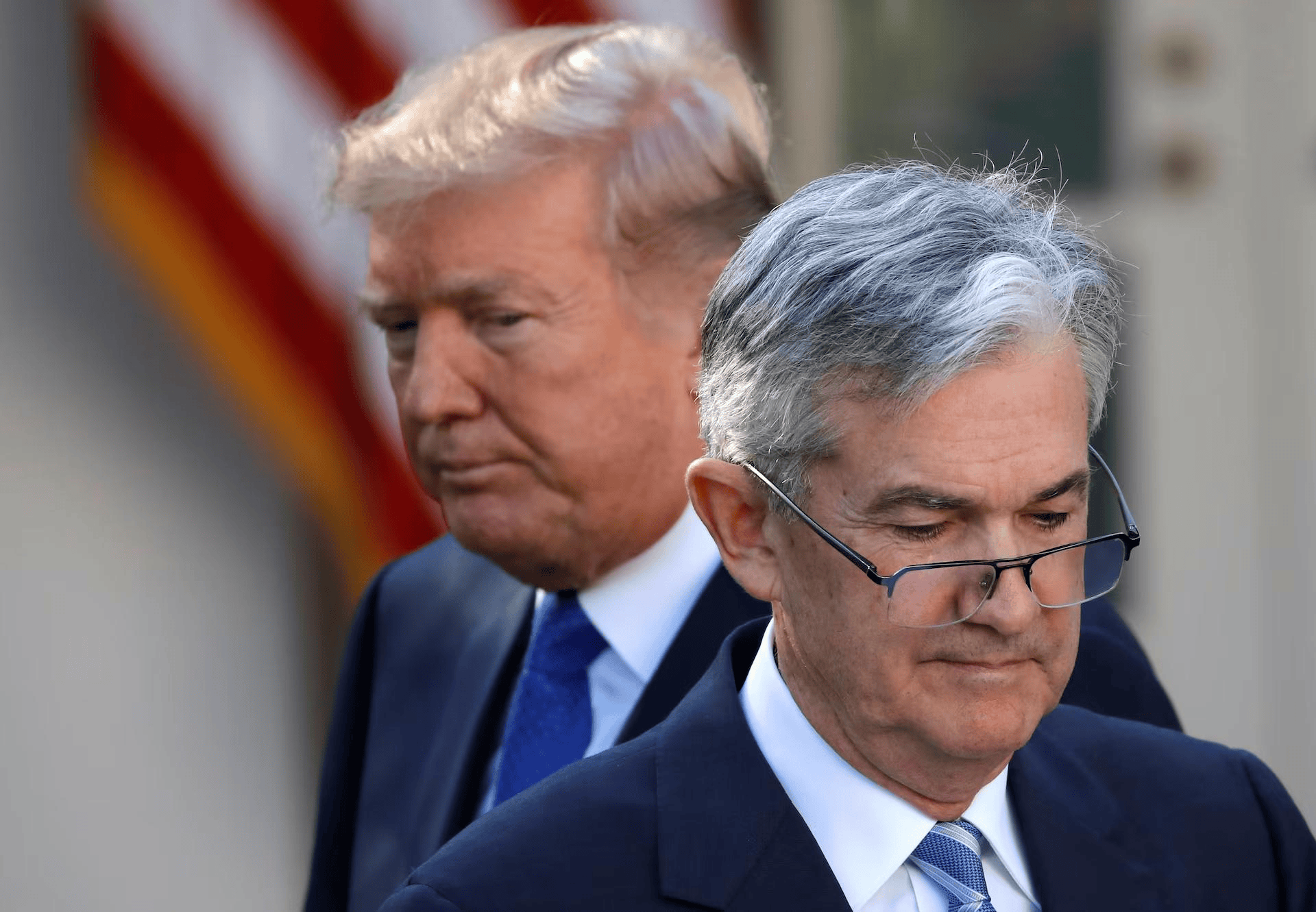
短期降息 vs 长期失控:Wmax 揭秘FED政策转向的深层代价
Sou Hu Cai Jing· 2025-11-19 07:28
Core Viewpoint - Trump is attempting to influence the Federal Reserve's decisions through various measures, including public criticism of the Fed Chairman and efforts to appoint his chief economic advisor to the FOMC, while demanding a 3% interest rate cut [1][3]. Group 1: Political Influence on the Federal Reserve - Supporters view Trump's actions as necessary reforms to address the Fed's long-term inflation target failure and believe that interest rate cuts before the 2024 election align with Democratic re-election goals [3]. - Critics express concern that this represents a takeover of partisan politics, aiming to create a "supermajority" in the FOMC that supports low interest rates, similar to the conservative dominance in the Supreme Court [3]. Group 2: Historical Context and Risks - Historical precedents, such as Nixon's pressure on the Fed in the 1970s, illustrate the risks of undermining central bank independence, which led to soaring inflation and required significant interest rate hikes to control [4]. - The independence of the Federal Reserve is deemed essential for stable economic performance, balancing maximum employment and price stability [4]. Group 3: Scenarios and Economic Implications - If the Fed is influenced by political pressures, it may prioritize low unemployment over anchoring inflation targets, potentially increasing the frequency of interest rate cuts by two times compared to baseline scenarios, leading to inflation expectations rising to 3% [7]. - In an extreme scenario where the Fed succumbs entirely to political pressure, maintaining a policy rate of 1% despite worsening inflation, a short-term false prosperity may occur, but inflation expectations could rise significantly, with borrowing costs potentially increasing by 3 percentage points [7]. Group 4: Long-term Consequences - Eroding the Fed's independence may yield short-term economic growth and employment benefits, but the long-term costs could include uncontrolled inflation, market volatility, and decreased output efficiency, making it a detrimental policy choice [9]. - Some perspectives view the Fed as a tool for partisan governance rather than a neutral institution pursuing optimal economic outcomes, highlighting a significant divergence from data-driven assessments [9].
特朗普步步紧逼,全球央行担心美联储独立性受损将树“危险先例”
Di Yi Cai Jing· 2025-08-27 07:47
Group 1 - Concerns among global central bank officials that if the Federal Reserve succumbs to political pressure, it could set a dangerous precedent for other central banks worldwide [1][4] - During the Jackson Hole global central bank conference, many central bank leaders expressed that the Fed's ability to combat inflation could be directly threatened by a loss of independence, leading to significant market turmoil [1][2] - The independence of central banks is crucial for effective functioning, as emphasized by European Central Bank President Lagarde, who warned that losing independence could lead to instability [2][3] Group 2 - Historical examples of political interference in central banks, such as Japan's former Prime Minister Abe's criticism of the Bank of Japan's leadership, highlight the ongoing challenges to central bank independence [3][4] - The potential for Trump's actions to encourage governments, especially populist ones, to exert control over their central banks raises concerns among global officials [4] - The situation in the U.S. serves as a warning to other central banks about the fragility of independence, with implications for global inflation and market stability [4]
美联储摊上大事,110多年来历届总统不敢做的事,特朗普真就做了
Sou Hu Cai Jing· 2025-08-27 04:59
Core Viewpoint - The recent dismissal of Federal Reserve Governor Lisa Cook by former President Trump has raised significant concerns about the independence of the Federal Reserve, leading to immediate reactions in the financial markets, including a drop in the dollar index and a surge in gold prices [1][15][29]. Group 1: Dismissal and Market Reactions - Trump's announcement to dismiss Cook was made via social media, claiming it was "immediate" and led to a decline in the dollar index and a rise in gold prices [1][15]. - The dollar index fell by 0.3%, dropping below 98.3, while gold prices reached a historical high of over $2600 per ounce [15]. - The market's reaction indicates investor concerns regarding the potential challenge to the Federal Reserve's independence [1][17]. Group 2: Legal and Political Implications - Cook's position was nominated by President Biden and is set until 2038, raising questions about the legality of Trump's actions [6][24]. - Trump's justification for the dismissal revolves around allegations of Cook submitting false information regarding her housing loans, but the legal basis for such a dismissal remains uncertain [4][24]. - The potential for a court battle over Cook's dismissal could further politicize the Federal Reserve, impacting its traditional independence [24][26]. Group 3: Historical Context and Future Risks - The Federal Reserve has historically been viewed as an independent entity, crucial for maintaining global financial stability [10][11]. - Trump's actions are seen as a direct challenge to this independence, reminiscent of past political pressures on central banks, which have led to economic instability [20][28]. - If the Federal Reserve succumbs to political pressure, it could undermine the credibility of the dollar and lead to a loss of market confidence in U.S. monetary policy [17][29].
让央行听话,这不只是特朗普的愿望
Hua Er Jie Jian Wen· 2025-08-25 07:22
Core Viewpoint - Trump's pressure on the Federal Reserve to lower interest rates and reshape its leadership is raising global concerns among central banks about political interference in monetary policy [1][2]. Group 1: Impact on Central Bank Independence - Central bank officials from around the world expressed strong support for Powell's independence during the Jackson Hole meeting, viewing any loss of independence as a direct threat to global economic stability [2]. - Joachim Nagel, head of the German central bank, emphasized that independence is essential for price stability and should not be taken for granted [2]. - Concerns were raised that if the Fed succumbs to political pressure, it could set a dangerous precedent for political attacks on monetary policy independence globally [2][3]. Group 2: Global Political Pressure on Central Banks - Trump's actions are not isolated; central banks in Latvia, Slovenia, and Japan have faced similar political pressures [3]. - The Latvian central bank governor faced criticism for not aligning with government wishes, while Slovenia has been without a central bank governor due to political disputes [3]. - Japan's former Prime Minister Abe criticized the previous central bank governor, leading to a change in leadership that resulted in aggressive monetary policies [3]. Group 3: Potential Market Reactions - Currently, financial markets do not show deep concern regarding the Fed's independence, with strong stock market performance and stable bond yields [4]. - However, if the Fed's independence is compromised, it could lead to significant market turmoil, with investors demanding higher risk premiums for holding U.S. Treasuries [5]. - Analysts warn that Trump's actions could encourage governments, especially populist ones, to exert control over their central banks, potentially leading to rising global inflation and increased market volatility [5].
让央行听话!--这不只是特朗普的愿望
Hua Er Jie Jian Wen· 2025-08-25 06:17
Core Viewpoint - Trump's pressure on the Federal Reserve to lower interest rates and reshape its leadership is raising global concerns among central banks about political interference in monetary policy [1][2]. Group 1: Impact on Central Bank Independence - Central bank officials from around the world expressed strong support for Fed Chair Powell during the Jackson Hole meeting, emphasizing that the loss of independence could weaken the Fed's ability to combat inflation, posing a direct threat to global economic stability [2][5]. - European Central Bank officials warned that if the Fed succumbs to political pressure, it could set a dangerous precedent for political attacks on monetary policy independence globally [2][3]. Group 2: Global Political Pressure on Central Banks - Trump's actions are not isolated; central banks in countries like Latvia and Japan are also facing similar political pressures, which could undermine their independence [3][4]. - The situation in Japan highlights how political figures have previously influenced central bank leadership, raising concerns about the potential for increased government control over monetary policy [3]. Group 3: Potential Market Reactions - Currently, financial markets do not show deep concern regarding the Fed's independence, as evidenced by strong stock market performance and stable bond yields [6]. - However, if the Fed's independence is compromised, it could lead to significant market turmoil, with investors demanding higher risk premiums for holding U.S. Treasuries and reassessing their role in the global financial system [6][7].
赵建:美国总统与美联储,一部恩怨情仇史
Sou Hu Cai Jing· 2025-08-17 08:50
Core Viewpoint - The ongoing conflict between Trump and the Federal Reserve regarding interest rate cuts reflects deeper issues surrounding the independence of the Fed, which is crucial for the stability of the US dollar and the global financial system [1][2][3]. Group 1: Federal Reserve Independence - The independence of the Federal Reserve is essential for maintaining the predictability of the dollar's value, which in turn supports global demand for dollar-denominated assets [5][17]. - A loss of independence could transform the dollar from a global "value anchor" into a domestic "political tool," undermining its credibility and accelerating the diversification of global reserve currencies [5][17]. Group 2: Historical Lessons - Historical examples illustrate the dangers of political pressure on the Fed, such as the 1971 Nixon administration's pressure leading to the "stagflation" period, where inflation peaked at 15% and unemployment exceeded 10% [6]. - The market's reaction to political threats against the Fed, such as Trump's threats to dismiss Powell, indicates a deep-seated fear of political interference, which can lead to significant market volatility [7]. Group 3: Background and Evolution of the Federal Reserve - The Federal Reserve was established in 1913 as a response to the financial crises of the 19th century, with a design aimed at preventing political interference in monetary policy [9][10]. - Legal safeguards have been put in place to ensure the Fed's independence, including restrictions on presidential dismissals and the separation of fiscal and monetary policy [10][11][12][13]. Group 4: Political and Monetary Discipline - The historical conflicts between the Fed and US presidents often arise from differing time horizons, with presidents focused on short-term electoral cycles and the Fed prioritizing long-term economic stability [16]. - The current political climate, characterized by rising debt levels and the temptation for debt monetization, poses ongoing challenges to the Fed's independence [16][17].