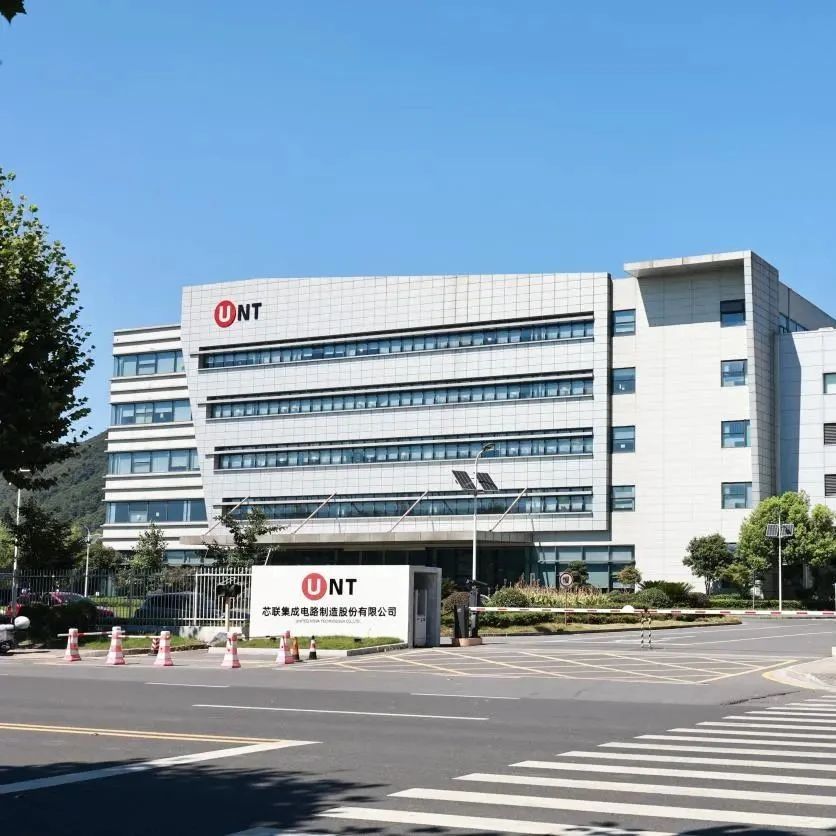
智能化革命

Search documents
盐南高新区新河街道企业开足马力冲刺新年“开门红”
Sou Hu Cai Jing· 2026-02-26 07:25
Group 1 - The festive atmosphere of the Spring Festival has not yet dissipated, and companies in the Yannan High-tech Zone are rapidly resuming production to achieve a strong start in the first quarter [1] - Companies are adopting a proactive approach, with many employees returning to work promptly after the holiday, aiming for significant growth in sales and tax revenue in 2025 [1][3][4] - Anbofo Connector Systems (Yancheng) Co., Ltd. has increased its workforce by 106 employees compared to last year, with a total of 670 employees now working to meet production demands [1] Group 2 - Newhui Technology (Jiangsu) Co., Ltd. is focusing on expanding its business in smart automotive, smart home, and mobile protection screen sectors, aiming to become a leading international manufacturer of touch display products [3] - The company reported a 65.9% year-on-year increase in industrial invoiced sales for January 2026, reaching 46.82 million yuan compared to 28.22 million yuan in the same month last year [3] - New Stoneware (Yancheng) Intelligent Manufacturing Co., Ltd. has achieved a remarkable 284.2% year-on-year growth in industrial invoiced sales for January 2026, totaling 34 million yuan compared to 8.85 million yuan in January 2025 [4] Group 3 - The production capacity of New Stoneware's Yancheng factory is set to double from 10,000 to 20,000 units per year, enhancing its ability to meet market demands and support the development of the intelligent equipment industry cluster in Yancheng [4] - The companies are collectively striving for a "good start" in the new year, injecting strong momentum into the high-quality development of the region [5]

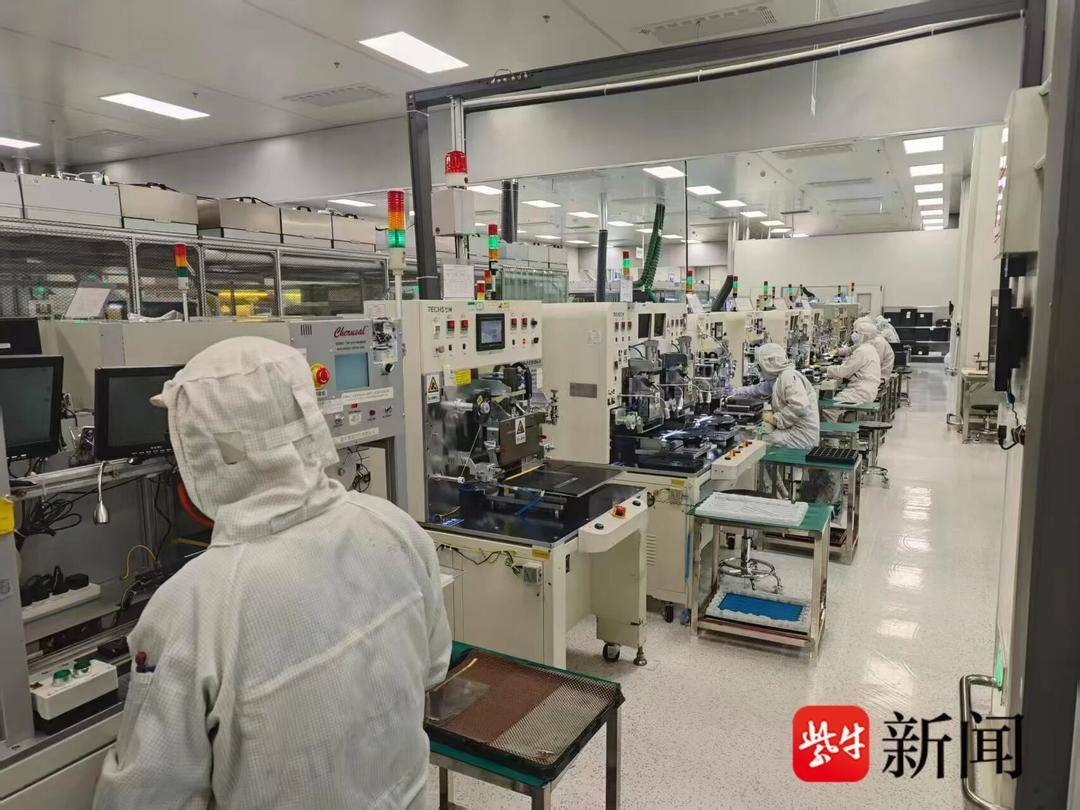
神州沐朝晖 万事皆可期
Zhong Guo Qing Nian Bao· 2026-01-07 00:42
Group 1 - The article highlights the importance of youth innovation and contributions to various sectors, particularly in energy storage and social work, as part of China's development goals for the "Fifteen Five" plan [2][7][12] - Liu Yang is leading the development of a fully automated production line for carbon-based lithium-ion capacitors, which is seen as a key technology for energy storage and grid stability [2][4] - The integration of lithium-ion capacitors with grid energy storage technology is presented as a new approach to enhance grid safety and efficiency under high renewable energy penetration [4][6] Group 2 - The article discusses the establishment of a community service model that combines social work with micro-business initiatives, creating a sustainable funding source for community projects [9][11] - Xu Ming's agricultural cooperative is implementing a "dual cooperative" model to enhance agricultural productivity and farmer income, demonstrating a successful integration of modern agricultural practices [21][22] - The cooperative's achievements include managing over 25,600 acres and generating significant income for local farmers, showcasing the effectiveness of collaborative agricultural strategies [22][24] Group 3 - The article emphasizes the role of innovation in the railway sector, with a focus on improving maintenance and safety through technology and data-driven solutions [16][18] - The development of automated tools and systems in railway maintenance is highlighted as a response to the need for efficiency and safety in infrastructure management [17][18] - The future of railway infrastructure is projected to involve significant advancements in digitalization and smart technologies, aligning with national strategic goals [18]
从12万吨到“三个1亿吨”,中国石油如何书写75载能源报国使命担当?
中国能源报· 2025-09-25 09:24
Core Viewpoint - The article commemorates the 75th anniversary of China National Petroleum Corporation (CNPC), highlighting its evolution from a struggling oil industry to a leading global energy company, emphasizing its contributions to national energy security and economic development [4][10]. Group 1: Historical Development - CNPC was established on September 25, 1950, marking the beginning of a centralized oil management system in China, which was crucial for the country's industrial development [5]. - The company has grown significantly, ranking among the top two in the Fortune Global 500 for 15 consecutive years and achieving the second position among international chemical companies in 2024 [4]. - The oil production in China surpassed 1 million tons in 1978, positioning the country as the eighth largest oil producer globally [7]. Group 2: Contributions to Energy Security - CNPC has become a cornerstone of national energy security, with domestic oil and gas production accounting for approximately half and two-thirds of the national output, respectively [7]. - The company has developed significant refining and chemical projects, achieving an ethylene production capacity of over 10 million tons per year and maintaining the second-largest refining capacity globally [7]. Group 3: Green Transition and Technological Innovation - In response to global energy transformations and carbon neutrality goals, CNPC is actively pursuing a green transition, with renewable energy sources now constituting 7% of its domestic energy supply [8]. - The company is at the forefront of technological advancements, focusing on unconventional oil and gas exploration, new materials, and digital transformation initiatives [10]. Group 4: Social Responsibility and National Mission - CNPC emphasizes its role as a state-owned enterprise, contributing to disaster relief, rural revitalization, and international events like the Beijing Winter Olympics, showcasing its commitment to national and public service [10]. - The company aims to continue its mission of ensuring national energy security while contributing to the construction of a strong nation and the rejuvenation of the Chinese nation [10].


阿里饱和式投入 AI,目标超级智能
晚点LatePost· 2025-09-24 15:28
Core Viewpoint - Alibaba plans to invest 380 billion in AI infrastructure over the next three years, positioning itself as a leader in AI development and cloud computing [2][5][23]. Group 1: AI Development Stages - The evolution towards Artificial Superintelligence (ASI) will occur in three stages: "Intelligent Emergence," "Autonomous Action," and "Self-Iteration" [3][9][12]. - The first stage, "Intelligent Emergence," involves AI learning from vast human knowledge to develop generalized intelligence [9][10]. - The second stage, "Autonomous Action," allows AI to assist humans by performing complex tasks in the real world [10][11]. - The final stage, "Self-Iteration," will enable AI to surpass human intelligence through continuous learning and interaction with the physical world [12][15]. Group 2: AI Infrastructure and Investment - Alibaba's investment of 380 billion in AI infrastructure is aimed at meeting the growing demand for AI capabilities and energy requirements, with a projected tenfold increase in energy consumption by 2032 compared to 2022 [5][23]. - The company is building a "super AI cloud" to support the next generation of computing, which will require significant resources and infrastructure [21][22]. - Alibaba's cloud platform, with over 300 open-source models and a global download count exceeding 600 million, is positioned as a leading provider of AI capabilities [4][22][23]. Group 3: Market Position and Strategy - Alibaba aims to create an open-source ecosystem, likening its model to "Android of the AI era," to foster developer engagement and accelerate market demand [4][19]. - The transition from CPU-based to GPU-based AI computing is essential for meeting the demands of modern AI applications, necessitating a shift in cloud computing paradigms [21][22]. - The company anticipates that only a few super cloud computing platforms will dominate the market, with Alibaba aiming to be one of them [21][22]. Group 4: Future Implications of AI - The emergence of ASI is expected to revolutionize human productivity, allowing individuals to achieve results exponentially greater than current capabilities [24][25]. - AI will redefine the relationship between humans and technology, with numerous agents and robots working collaboratively across various sectors [24][25]. - The ongoing AI revolution is projected to reshape the entire infrastructure, software, and application landscape, driving new demands and opportunities [25][26].

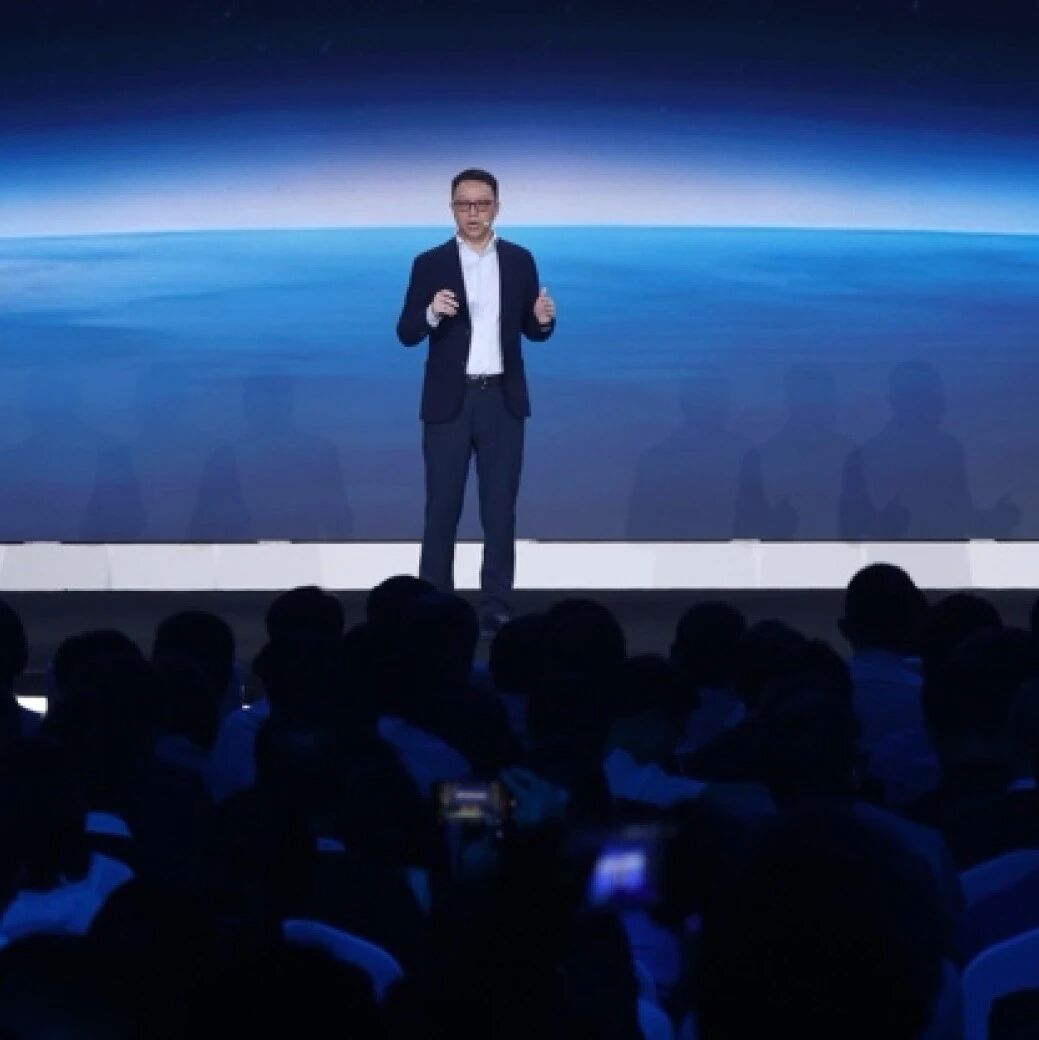
对话赵奇:芯联集成的“冷”赛道“热”突围┃百亿千万计划
中国基金报· 2025-07-22 07:01
Core Viewpoint - The article highlights the strategic positioning and technological advancements of ChipLink Integrated, a key player in the semiconductor manufacturing sector, particularly in power semiconductors and sensors, amidst the rapid growth of the electric vehicle market and the ongoing AI revolution [1][2]. Group 1: Company Strategy and Market Position - ChipLink Integrated has focused on power semiconductors and sensors, which are essential for the transition to an intelligent society, recognizing the importance of making information actionable [4][2]. - The company has become a leader in automotive-grade chips, capitalizing on the explosive growth of the electric vehicle market [4]. - The strategy of "producing one generation while reserving two" allows ChipLink Integrated to maintain a competitive edge by introducing new technologies every 18 months, thus avoiding price wars and ensuring sustainable development [9]. Group 2: Technological Innovation - The company aims to adhere to a self-created "Moore's Law" by continuously pushing new process technologies, ensuring that it remains at the forefront of the semiconductor industry [7]. - ChipLink Integrated has made significant investments in R&D, with a focus on reducing costs through technological advancements rather than simple business negotiations [9]. - The integration of AI tools has improved design and process development efficiency by 30% within six months, significantly reducing trial and error costs [11][12]. Group 3: Financial Performance and Future Outlook - The company has faced initial losses due to heavy investments in equipment, but anticipates a turnaround with a projected EBITDA of 2.146 billion yuan in 2024, marking a 131.86% year-on-year increase [14]. - In Q1 2025, ChipLink Integrated reported a revenue of 1.734 billion yuan, a 28.14% increase year-on-year, with significant growth in automotive power module revenue exceeding 100% [15]. - The gross margin improved from 1.03% at the end of 2024 to 3.7% in Q1 2025, indicating a positive trend in financial metrics [16]. Group 4: Industry Positioning and Future Goals - The company aims to become the largest and most advanced R&D and manufacturing base for power and analog semiconductors in China, with a long-term goal of being in the "first tier" globally [18][19]. - ChipLink Integrated plans to enhance its capabilities in smart power integration and microcontrollers, completing the control chain for power management [19]. - The company is well-positioned to leverage the global leadership of China's new energy and intelligent terminals, which are driving chip demand and providing opportunities for domestic semiconductor firms to transition from "replacement" to "leadership" [19].