科技与狠活

Search documents
都是科技与狠活,这样不疼吗?
Xin Lang Cai Jing· 2026-01-26 08:28
Core Viewpoint - The article discusses the recent developments in the investment banking sector, highlighting key trends and potential opportunities for investors [1] Group 1: Industry Trends - The investment banking industry is experiencing a significant shift towards digital transformation, with firms increasingly adopting advanced technologies to enhance efficiency and client service [1] - There is a growing emphasis on sustainable finance, with more investment banks integrating environmental, social, and governance (ESG) criteria into their decision-making processes [1] Group 2: Company Insights - Major investment banks reported a mixed performance in their latest earnings, with some firms showing strong revenue growth while others faced challenges due to market volatility [1] - The competition among investment banks is intensifying, particularly in the areas of mergers and acquisitions (M&A) advisory and capital markets, as firms seek to capture a larger share of the market [1]
明天起,点奶茶要注意一下!
Xin Lang Cai Jing· 2025-12-30 15:03
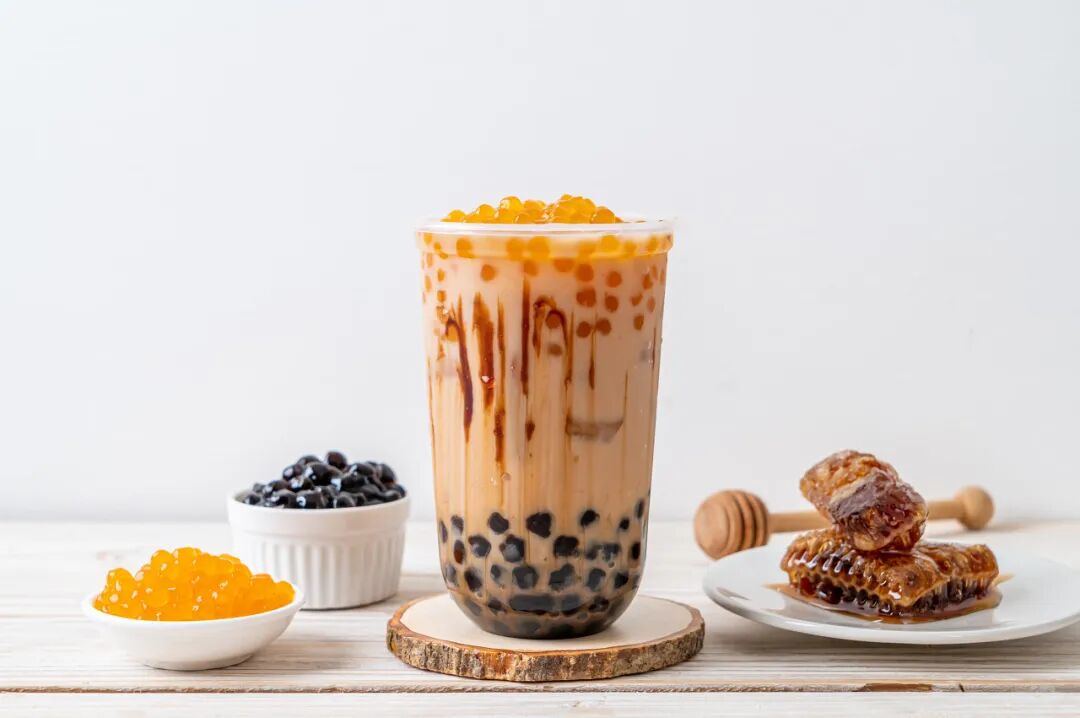
Core Viewpoint - The article highlights the health risks associated with consuming milk tea, emphasizing the importance of understanding the ingredients used in its preparation and making informed choices when ordering. Ingredient Analysis - Milk tea often contains various types of milk bases, such as creamers (plant-based powders), base milk, thick milk, and coconut milk, each with different nutritional values and health implications [3][4]. - Creamers are primarily sugar and oil combinations, which can lead to weight gain and may contain trans fats harmful to heart health [3]. - Base milk typically has a low milk content (3%-5%) and is high in fat compared to regular milk, while thick milk may be a mixture of condensed milk and other additives, increasing sugar and fat content [3]. - Coconut milk, while rich in flavor, is high in calories and can negatively impact cardiovascular health [3]. Consumer Guidance - Consumers are advised to avoid milk tea made with creamers, base milk, and thick milk to reduce health risks [4]. - To identify quality milk tea, consumers should check labels for ingredient transparency, observe the color and texture for signs of additives, and assess the aroma and taste for quality indicators [6]. - When choosing milk tea, opting for those made with real milk, selecting healthier toppings, and choosing low or no sugar options are recommended [7][8]. Health Recommendations - It is suggested to limit the frequency of milk tea consumption and to balance caloric intake by reducing meal portions or increasing physical activity after consumption [9][10].

聚酯纤维,被“网暴”了
虎嗅APP· 2025-12-20 09:27
Core Viewpoint - The article discusses the recent backlash against polyester fiber clothing, which has been associated with low quality and negative perceptions due to misinformation linking it to recycled plastic bottles [6][11][38]. Group 1: Consumer Perception and Misinformation - Polyester fiber has been unfairly labeled as "cheap" and "low-quality," contrasting with natural fibers like cashmere and silk, which are seen as high-end [9][10]. - Social media has amplified negative sentiments, with consumers feeling deceived after discovering that expensive clothing items are made from polyester, which they now associate with recycled plastic [12][14][30]. - The narrative that polyester clothing is made from dirty plastic bottles has led to widespread consumer dissatisfaction and ridicule [16][20][50]. Group 2: Material Characteristics and Misunderstandings - Despite its negative reputation, polyester fiber is a versatile material that has been used for decades and can be produced in high-quality forms [32][44]. - The article highlights that most polyester clothing is not made from recycled materials but from petroleum-based sources, challenging the notion that all polyester is equivalent to cheap plastic [40][41]. - Advanced polyester products can offer desirable qualities such as softness and durability, contradicting the perception that all polyester is uncomfortable or low-quality [44][46]. Group 3: Market Trends and Consumer Behavior - There is a growing trend among consumers to prioritize material quality and fit over style, leading to increased scrutiny of fabric choices [52][56]. - The backlash against polyester has coincided with a rise in popularity for natural fibers, which are often perceived as healthier and more luxurious [57][58]. - Retailers are responding to consumer concerns by rebranding polyester under various names to make it sound more appealing, which has further complicated consumer understanding [60][62].

“躺枪”的预制菜都是科技与狠活儿吗?
Ke Ji Ri Bao· 2025-09-16 23:22
Core Viewpoint - The recent controversy surrounding the use of pre-prepared meals in the restaurant industry highlights concerns about consumer rights and the potential negative impacts on the pre-prepared food industry, despite the focus not being solely on pre-prepared meals [1] Group 1: Industry Concerns - The pre-prepared food industry faces the risk of "bad money driving out good" if low-cost, substandard products dominate the market, which could hinder innovation and quality [2] - Regulatory bodies have issued guidelines to enhance food safety and promote high-quality development in the pre-prepared food sector, emphasizing the need for technological innovation and collaboration with research institutions [1][2] Group 2: Technological Innovations - Advanced preservation technologies, such as liquid nitrogen freezing, can extend the shelf life of seafood without preservatives, maintaining taste and nutritional value [1] - Research indicates that modern cold chain technology and preservation methods result in minimal nutritional loss in pre-prepared meals, sometimes outperforming leftover dishes [3] Group 3: Consumer Transparency - The implementation of blockchain and traceability technologies can empower consumers by providing transparent information about food products, allowing them to make informed choices [4] - The shift towards consumer-driven transparency in food safety and quality is essential for fostering trust and encouraging responsible consumption [4]
壹快评|守护百姓餐桌,拥抱“科技”拒绝“狠活”
第一财经· 2025-09-16 10:24
Core Viewpoint - The article discusses the public's reaction to the pre-prepared food controversy, emphasizing the need to differentiate between legitimate technological advancements in the food industry and illegal practices aimed at cost-cutting and profit maximization [2][3]. Group 1: Technology in Food Industry - The term "technology" in the food and catering sector refers to scientific advancements such as high-pressure sterilization, vacuum freeze-drying, membrane separation technology, and sterile packaging, which enhance food safety, quality, and production efficiency [2]. - Examples of beneficial technology include Tetra Pak packaging for liquid milk and cold chain logistics for fresh products, showcasing how technology can improve quality of life [2][3]. Group 2: Illegal Practices - "Henkai" refers to illegal practices that prioritize profit over consumer health, such as the misuse of preservatives and industrial gelatin, which pose direct risks to consumer health and disrupt market order [3]. - Such practices must be strictly prohibited and punished due to their harmful effects on consumers [3]. Group 3: Pre-prepared Food - Pre-prepared food exemplifies the necessity for standardized and industrialized production in the catering industry, especially in modern fast-paced lifestyles where fresh cooking for every meal is impractical [3][4]. - This approach enhances safety while effectively reducing costs, making dining out or convenient eating more accessible to the public [3]. Group 4: Consumer Needs and Technological Solutions - Consumers may need to compromise on taste and nutrition for safety, speed, and price when opting for pre-prepared food, highlighting the need for advanced technology to address these conflicting demands [4]. - Ensuring the quality of pre-prepared food and maintaining consumer rights to information are essential considerations [4]. Group 5: Overall Technological Impact - Technological advancements have significantly contributed to food supply, from agricultural practices to food processing, improving nutrition and ensuring food safety [5]. - The article argues that technology should not be demonized; instead, the industry should adopt beneficial practices while discarding harmful ones, promoting a safer and more sustainable food system [5].
“先喝折耳根水、再啃生姜泡芙”,我们逛完这届食品展感觉商家把脆皮打工人当药罐子用了
3 6 Ke· 2025-05-13 09:12
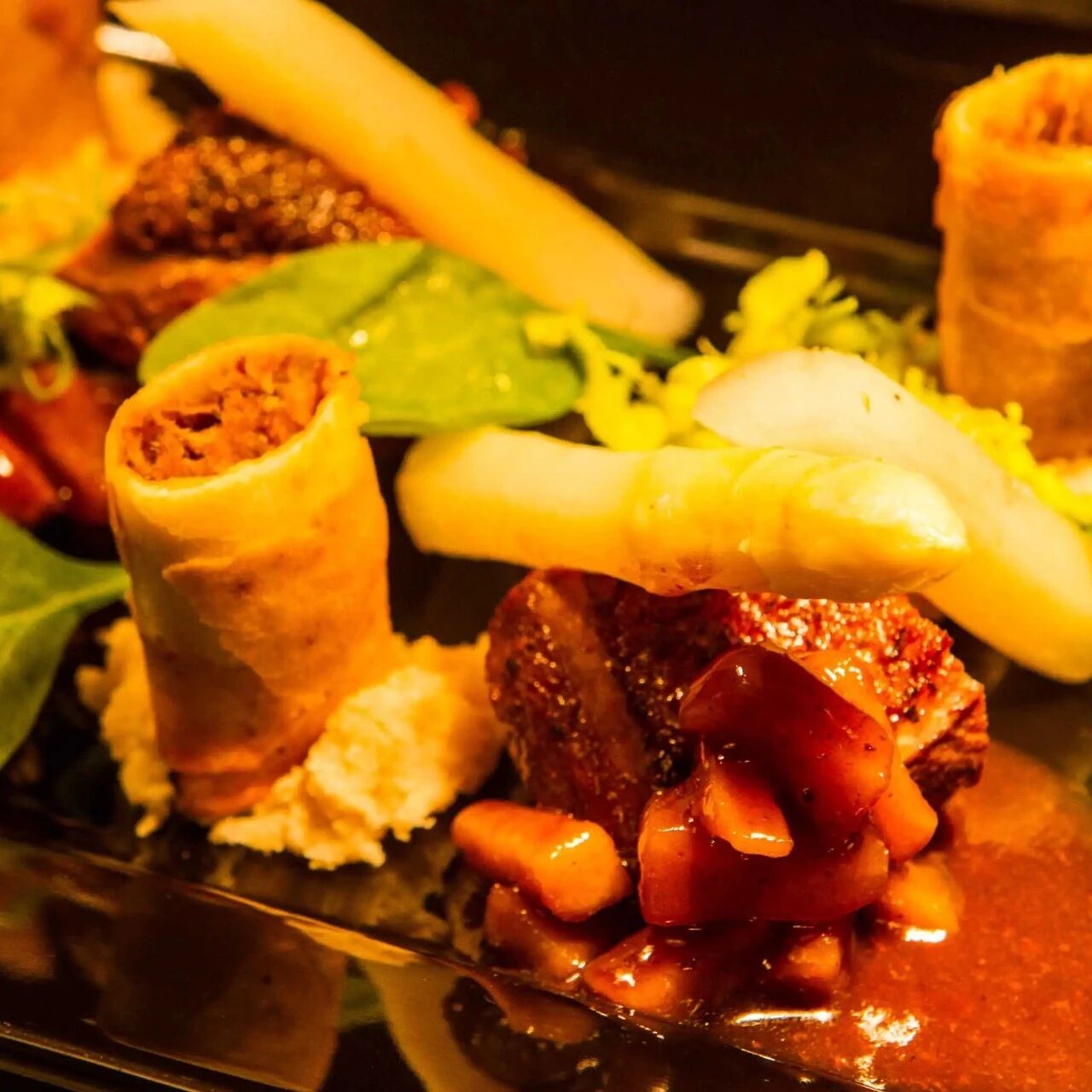
Core Insights - The food and beverage industry is increasingly focusing on "super" products, moving beyond traditional taste evaluations to emphasize health and functionality [3][5][46] - The trend of "super" extends across demographics, with products tailored for adults, children, and specific gender needs [5][6] - Innovations in food technology are leading to a more diverse and refined product offering, including natural sweeteners and plant-based alternatives [9][13][39] Industry Trends - The concept of "superfoods" is prevalent, with various ingredients being marketed as health-enhancing, such as "medicinal foods" and unique plant extracts [3][46] - The integration of food and pet industries is notable, with similar health trends appearing in both sectors [6][7] - The rise of "XX waters" and plant-based beverages indicates a shift towards healthier hydration options, with numerous new products emerging [27][29] Technological Advancements - Advances in food technology are focusing on "restoration" of natural flavors, with the use of yeast extracts and other natural ingredients to enhance taste without added sugars [9][13] - The development of new sweeteners, such as "tagatose," offers lower-calorie options while maintaining sweetness, reflecting a trend towards healthier alternatives [13][39] - Companies are increasingly utilizing a formulaic approach to create new beverage products, combining various plant and herbal ingredients to appeal to health-conscious consumers [30][32] Consumer Behavior - The shift towards health-oriented products is evident, with consumers increasingly seeking functional benefits from their food and beverages rather than just taste [46] - The food industry is adapting to consumer preferences, moving from a production-driven model to a consumer-driven one, where brands must respond to specific health needs [29][39] - Despite the health trends, indulgent products like high-calorie snacks and desserts continue to thrive, indicating a complex consumer landscape [44][45]