
系统集成

Search documents
独家洞察 | 克服生产力障碍!投资银行家的效率实操指南
慧甚FactSet· 2026-02-26 08:32
Core Insights - The article emphasizes the need for investment banks to modernize their workflows by leveraging automation, AI, and seamless system integration to enhance productivity and create new growth opportunities [3][10]. Group 1: Productivity Challenges in Banking - Junior bankers spend a significant amount of time on administrative tasks, limiting their ability to contribute strategically. 60% of senior banking leaders recognize this issue, noting that junior staff spend too much time on data collection rather than analysis [4]. - Nearly half of junior bankers (49%) report difficulties in managing multiple ongoing projects, which is a direct result of inefficient workflows [4]. Group 2: Framework for Workflow Modernization - A three-part framework is proposed to address key pain points: 1. Identify and automate high-friction tasks, such as creating and updating pitch materials, which can alleviate burnout and allow teams to focus on strategic, client-facing work [5]. 2. Implement AI-driven insights and recommendations to enable real-time processing and integration of large data sets, helping analysts extract actionable intelligence quickly [6]. 3. Establish integrated systems to reduce friction and enhance collaboration by connecting various tools like Microsoft Excel and CRM systems into a unified data environment [6]. Group 3: Regional Technology Modernization Priorities - North America: Focus on real-time data access and tool integration, with 65% of junior bankers emphasizing the need for seamless workflows [7]. - Europe: Emphasis on streamlining workflows and automating routine tasks, with 75% of junior bankers seeking solutions for automating cumbersome processes [7]. - Asia-Pacific: Prioritization of data availability, platform integration, and collaboration, with 63% of junior bankers valuing comprehensive and accurate data [7]. Group 4: Attracting Top Talent through Technology - In a competitive labor market, the level of technology within an organization is crucial for attracting and retaining talent. 63% of banking leaders believe that effective tools are decisive for talent acquisition and retention [8]. Group 5: Call to Action - To accelerate transaction execution, deepen client relationships, and drive revenue growth, it is essential to equip teams with intelligent and integrated technology, allowing employees to focus on high-value work [9].


54GWh!又一储能电池项目开工!
起点锂电· 2026-02-14 08:19
Core Viewpoint - The article discusses the strategic development and production capacity expansion of Pengcheng Infinite in the energy storage sector, highlighting its partnerships, project timelines, and competitive positioning in the market [4][5][11]. Group 1: Project Developments - The Yibin Energy Storage Industrial Park battery cell manufacturing base project was launched on February 10, 2023, with a total planned area of over 8,000 acres, set to begin construction in January 2024 [4]. - The Yibin base aims for an annual production capacity of 54GWh of energy storage cells, marking a significant step in Pengcheng Infinite's national strategic layout [4][5]. - The project is expected to be completed by September 2026, with trial production starting in November 2026, filling a critical gap in Yibin's energy storage cell production [4]. Group 2: Capacity Expansion - Pengcheng Infinite plans to establish multiple production bases, including a 15GWh capacity facility in Qinghai starting in January 2024 and a 27GWh facility in Shandong, with a total investment of approximately 55 billion yuan [5][6]. - By the fourth quarter of 2026, the combined production capacity from the Yibin and Shandong bases is projected to exceed 69GWh, supporting market order fulfillment [7][11]. Group 3: Technological and Market Positioning - The company has received around 70 utility model patent authorizations from CATL, focusing on system integration and safety design, which enhances its competitive edge [9]. - As of Q2 2025, Pengcheng Infinite has achieved a cumulative order volume of 16GWh, with significant contracts from major state-owned enterprises, indicating strong market demand [9][10]. - The company is transitioning from being a new supplier to a comprehensive system solution provider, offering end-to-end services from demand analysis to after-sales support [10]. Group 4: Competitive Landscape and Challenges - Despite rapid capacity expansion, the company faces challenges in sustaining large orders to support its production, especially in a competitive market environment [12]. - The management team primarily comes from CATL, raising concerns about long-term competitiveness due to reliance on external technology and potential vulnerabilities in innovation and supply chain negotiations [13].

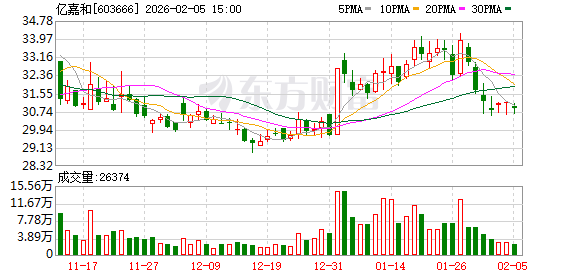
亿嘉和:截至2025年6月30日,公司本科及以上学历人员占比超过77%
Zheng Quan Ri Bao· 2026-02-05 12:13
Core Viewpoint - The company emphasizes technological innovation as its core strategy, focusing on the application and breakthroughs of cutting-edge technologies in the robotics field [2] R&D Investment - The company is committed to high levels of R&D investment, concentrating on intelligent perception, motion control, system integration, and scenario adaptation to enhance product performance and user experience [2] - The company has maintained a high level of R&D investment in recent years, but acknowledges the long cycles, high costs, and uncertainties associated with technological research and development [2] Talent Development - The company places significant importance on building a technical talent system by attracting experienced R&D professionals and optimizing team structure to enhance technical capabilities [2] - As of June 30, 2025, over 77% of the company's employees hold a bachelor's degree or higher, with the R&D team covering key fields such as computer science, artificial intelligence, robotics technology, electronic information, and precision manufacturing [2] Employee Incentives - The company has established a competitive compensation system and career development pathways, along with measures like employee stock ownership plans, long-term assessment incentives, and systematic training mechanisms to stimulate innovation and team cohesion [2] Strategic Focus - The company aims to balance technological advancement with R&D efficiency and operational quality, ensuring competitiveness in technology iteration and product innovation [2]

AI的“硬”仗:华勤技术,如何成为AI多终端时代的“产业机会捕获者”
Ge Long Hui· 2026-02-03 08:53
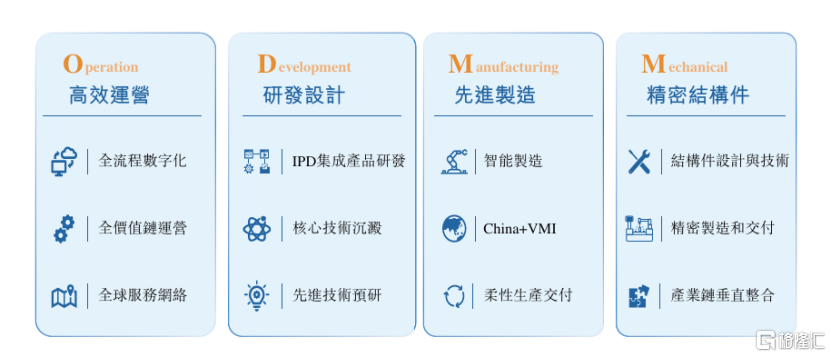
Core Insights - The article emphasizes the shift of AI capabilities from cloud-based systems to real-world applications, highlighting the importance of complex hardware integration and manufacturing capabilities in this transition [2][10] - It suggests that companies capable of delivering complex AI hardware across multiple product forms will be better positioned for success, rather than those focusing on a single terminal type [2][10] Group 1: Company Evolution - The company, Huakin Technology, has evolved from a mobile phone ODM to a multi-terminal AI hardware platform, demonstrating a consistent ability to build capabilities ahead of industry demand [4][5] - Founded in 2005, Huakin initially focused on mobile phone motherboard design, later expanding its capabilities to include full-chain operations from R&D to manufacturing [4][6] - The transition to a full ODM model allowed Huakin to become the global leader in smartphone ODM shipments by 2011, maintaining its industry leadership for several years [5][6] Group 2: System Integration and Service Model - Huakin's experience in mobile phone manufacturing has honed its system integration capabilities, which are crucial for handling complex hardware systems [6][9] - The company has developed an "end-to-end" service model that reduces supply chain complexity for brand clients, enhancing product launch speed [8] - Huakin's software capabilities differentiate it from traditional ODMs, with a strong focus on AI software and system engineering, which are critical in the era of edge AI [8][9] Group 3: AI-Driven Growth - Huakin's strategic "3+N+3" model focuses on smartphones, laptops, and servers as core areas while expanding into new ecosystems and innovative sectors like automotive electronics and robotics [11][14] - The company has already established a presence in the data center business, with expectations of significant revenue growth driven by AI server demand [14][19] - The introduction of AI into consumer electronics is expected to enhance product complexity and value, with Huakin positioned to benefit from this trend [15][16] Group 4: Financial Performance and Market Position - In the first three quarters of 2025, Huakin reported a revenue of 128.88 billion yuan, a 69.6% year-on-year increase, with a projected annual revenue of 170-171.5 billion yuan [19][22] - The company's high-performance computing business is expected to account for 60% of its revenue by mid-2025, indicating a shift in revenue structure [19][20] - The global data infrastructure market is projected to grow significantly, with AI servers becoming a key growth driver, aligning with Huakin's strategic focus [22][24] Group 5: Market Valuation and Perception - Despite strong growth prospects, Huakin's valuation remains lower compared to peers, reflecting market perceptions tied to its historical focus on consumer electronics [25][27] - The company’s ability to capture opportunities across various sectors may lead to a re-evaluation of its market position, similar to past examples in the industry [26][27] - The current market narrative may not fully recognize Huakin's capabilities and potential, indicating a disconnect between fundamental performance and market valuation [27]

商务部详解《大连等9城市服务业扩大开放综合试点任务》主要内容
Di Yi Cai Jing· 2026-01-09 13:18
Group 1 - The core focus of the initiative is to support the opening up of the service industry in nine cities, including Dalian, with 159 pilot tasks across three main areas: telecommunications and digital industries, healthcare and wellness, and financial international cooperation [1][2] - The plan aims to enhance the efficiency of pilot work by implementing 103 common tasks and 3 additional tasks approved by relevant departments in the nine cities by April 2025 [1] - The initiative encourages cities to develop tailored tasks based on their unique advantages and industries, promoting innovation and collaboration among the cities [2] Group 2 - Specific support measures include enhancing logistics in Dalian, promoting cross-border trade in Ningbo, facilitating cultural trade in Xiamen, and advancing marine technology in Qingdao [2] - The initiative emphasizes the importance of organizational implementation, with clear requirements for strengthening responsibilities and ensuring compliance with regulations [2]
企业做数字化技术究竟复杂在哪里?
3 6 Ke· 2026-01-09 00:24
Core Insights - The article emphasizes that digital transformation is not merely a technical issue but involves deep cognitive and organizational changes within companies [1] Group 1: Technical Challenges in Digital Transformation - The selection of technology is akin to gambling, where poor choices can lead to significant failures, especially if companies blindly follow trends without considering their unique business contexts [2] - System integration poses a major challenge due to the existence of data silos and compatibility issues between legacy and modern systems, often requiring substantial resources for middleware development [3] - Data governance is a complex task that involves unifying standards across departments and systems, often leading to conflicts and difficulties in measuring success [4] Group 2: Security and Compliance Issues - Companies face significant risks related to data security and compliance, with inadequate investment in security measures leading to vulnerabilities and potential legal repercussions [6] Group 3: Financial Implications of Digital Investment - Digital transformation is perceived as a continuous financial burden, with ongoing costs for hardware, software, and training, while the rapid pace of technological change complicates investment decisions [7] Group 4: Talent Shortages and Misalignment - The lack of skilled personnel who understand both business and technology creates a bottleneck in digital transformation efforts, with companies struggling to retain and develop talent [8] Group 5: Complexity of Digital Transformation - The complexity of digital transformation lies in its intertwining with business strategy, organizational processes, data assets, and security, requiring a holistic approach rather than isolated technical solutions [9]
数字化转型的“最后一公里”:小懿互联如何破解企业数据孤岛困局
Sou Hu Cai Jing· 2025-12-31 04:52
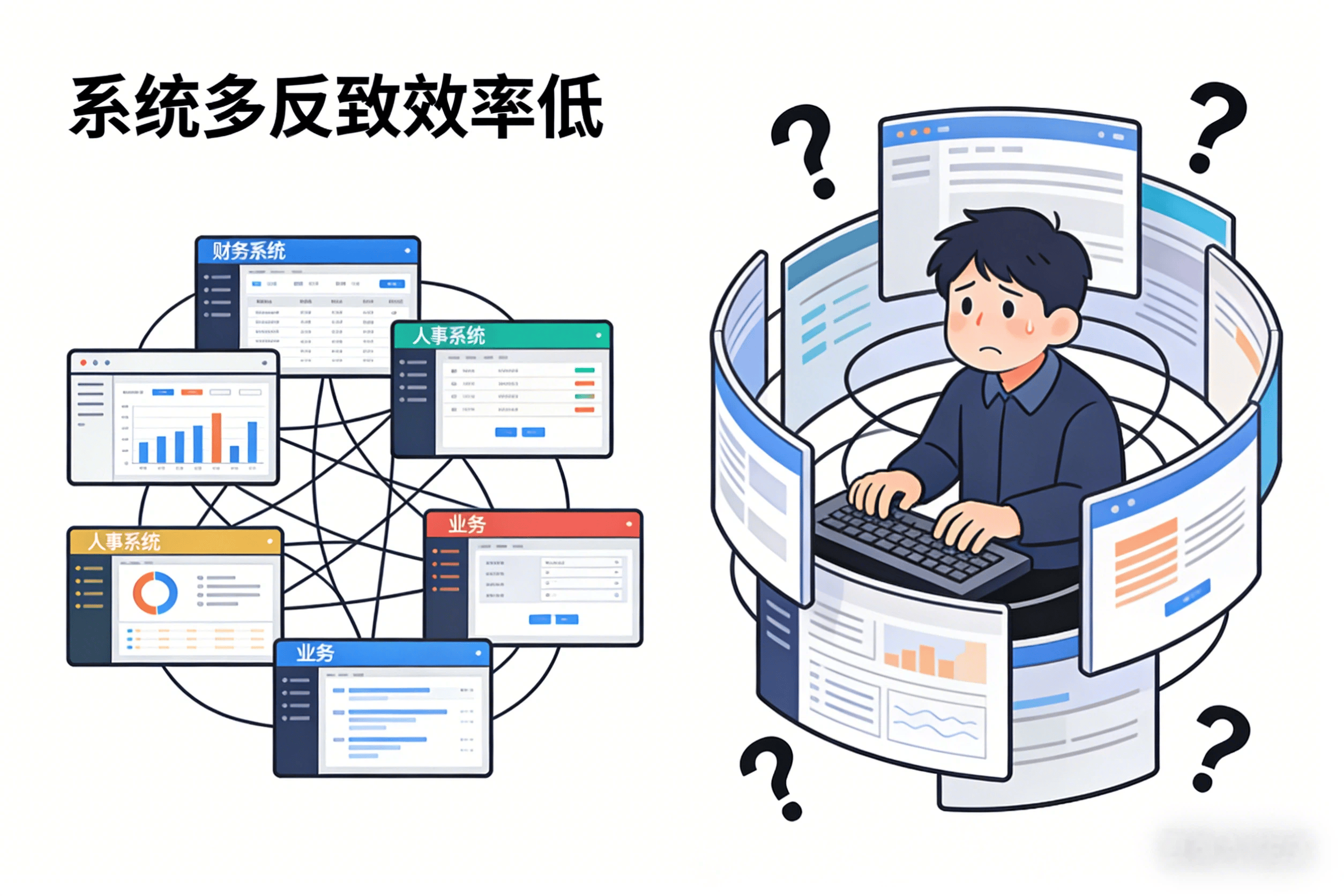
Core Insights - The core issue highlighted is the paradox of digital transformation where increased system usage leads to decreased efficiency due to lack of integration among systems [1][3] - Over 68% of Chinese enterprises face the "system island" problem, where data remains isolated within different departments, hindering effective collaboration [1][3] Digital Transformation Paradox - Many enterprises are experiencing "system obesity," where multiple systems are implemented but lack communication, leading to inefficiencies [3] - On average, medium-sized enterprises utilize 6.8 core business systems, with manual integration consuming 40% of IT department time [5] - Inconsistencies in data result in decision-making errors, causing an average annual revenue loss of 15% [5] Xiaoyi Interconnect's Solution - Xiaoyi Interconnect, established in 2013, positions itself as an "enterprise system integration platform," aiming to create universal translation rules for different systems [7] - The company supports over 78 original software systems and offers more than 6000 integration solutions [9] Technical Core Analysis - Xiaoyi Interconnect focuses on unifying data language, acting as a connector rather than creating new systems [8] - The platform allows IT personnel to configure system integration processes with a drag-and-drop interface, achieving 90% of common integration needs without coding [9] Real-World Scenarios - E-commerce companies face challenges during peak sales events due to data synchronization issues, leading to inventory discrepancies of up to 18% [9] - Manufacturing firms struggle with long reconciliation periods due to different systems used by upstream and downstream partners [9] - Group companies experience delays in report generation due to manual data consolidation from various system versions [9] Expert Opinions - Industry experts recognize the innovative approach of Xiaoyi Interconnect in system integration [9] - Concerns are raised regarding the platform's ability to support the latest system versions and ensure data security, especially for critical financial and supply chain data [9] Practical Recommendations for Enterprises - Companies should consider system integration if they face high costs for new system implementations, excessive time spent on data issues, inconsistent customer experiences, or reliance on intuition for business decisions [11][13] Future Outlook - Xiaoyi Interconnect aims to evolve from merely connecting systems to enabling business processes through intelligent integration and ecosystem development [15] - Industry observers predict that the concept of system integration may fade as new systems will inherently consider integration during design [15] Conclusion - The essence of digital transformation is to facilitate data flow to create value, allowing IT departments to shift from reactive problem-solving to proactive innovation [15]
研判2025!中国节温器行业分类、产业链及市场规模分析:智能节温器与集成热管理模块需求激增,技术升级成市场扩容核心引擎[图]
Chan Ye Xin Xi Wang· 2025-12-28 01:01
Industry Overview - The thermostat industry in China is undergoing a significant transformation from traditional fuel vehicles to new energy vehicles, with notable changes in market demand, technology routes, and competitive landscape [1][7] - The overall operation of the industry remains stable, but structural adjustments are evident, with the market size projected to reach approximately 15.744 billion yuan in 2024, representing a year-on-year growth of 10.69% [1][8] - The growth momentum has shifted to the new energy vehicle sector, driven by the higher requirements for temperature control precision and response speed in battery thermal management and electric motor cooling systems [1][7] Thermostat Functionality and Types - Thermostats are automatic temperature control devices that regulate the flow of coolant based on temperature, ensuring the engine operates within an optimal temperature range [2] - There are two main types of thermostats: paraffin thermostats, which are simple and cost-effective but have inherent response delays, and electronic thermostats, which offer rapid response and higher precision, becoming essential in new energy vehicles [3][4] Market Dynamics - The demand for thermostats is directly influenced by engine production, with a reported engine output of 228,894.8 million kilowatts in China from January to November 2025, reflecting a year-on-year increase of 6.99% [7] - Traditional wax thermostats dominate the fuel vehicle market due to their low cost and reliability, while electronic thermostats are increasingly penetrating the new energy vehicle market due to their precise temperature control capabilities [7] Key Companies and Performance - Wuxi Weifu has a patented controllable electronic thermostat structure, achieving dynamic temperature control and adapting to national emission standards [8][10] - Hunan Tianyan has been recognized for its high corrosion resistance and thermal conductivity in its thermostat products, with a reported revenue of 359 million yuan in the first three quarters of 2025, marking a year-on-year growth of 20.26% [8][11] Industry Trends - The advancement of electronic thermostat technology is driving the smart upgrade of the industry, with significant improvements in temperature control precision and response speed [12] - The product form is evolving towards integration and modularization, enhancing system efficiency and creating higher technical barriers [13] - The rise of new energy vehicles is restructuring market demand, necessitating a shift from single-engine components to multi-zone and multi-medium control solutions, increasing competitiveness among domestic companies [14]


聚水潭如何自动同步销售出库单到金蝶云星空?购销业务集成
Sou Hu Cai Jing· 2025-12-25 04:13
Core Insights - The integration of front-end e-commerce platforms like JuShuiTan and back-end financial systems like Kingdee Cloud is crucial for operational efficiency and data accuracy in businesses [1][18] - The article emphasizes the need for seamless collaboration between purchasing and sales processes to enhance business performance and reduce risks associated with manual data handling [1][18] Integration Challenges - Many companies initially rely on manual data export and import, which is time-consuming and prone to errors, leading to data chaos [3] - Scheduled API polling for data synchronization results in poor real-time performance and resource wastage, especially during peak sales periods [4] - Custom point-to-point development for each document type increases maintenance complexity and costs, as changes in one system require adjustments in multiple interfaces [5] Ideal Integration Capabilities - Effective integration should focus on "process fusion" rather than just "data transfer," ensuring that business workflows are streamlined [6] - KPaaS integration platform enables efficient document flow by automating processes such as purchase order creation and sales order confirmation, ensuring real-time updates across systems [6][18] Event-Driven Synchronization - KPaaS allows for immediate synchronization of document status changes, reducing delays and ensuring timely financial entries [11] - The platform supports two-way status synchronization, enabling feedback from Kingdee to JuShuiTan, which helps in error handling and alerts [7] Visual Workflow Design - KPaaS provides a graphical process designer that allows users to easily create and manage cross-system workflows, reducing the need for extensive coding [8] - The platform supports customizable data mapping and validation rules to ensure accurate document processing [10][13] Monitoring and Maintenance - KPaaS includes features for document tracking and operational support, allowing administrators to monitor processing status and manage exceptions effectively [16] - The system can send alerts for overdue tasks, enhancing operational efficiency and responsiveness [16] Conclusion - The integration between JuShuiTan and Kingdee Cloud should focus on achieving consistency in business actions, real-time financial data, and reliable management decision-making [18] - The KPaaS platform transforms complex system interactions into configurable and observable business process assets, essential for digital transformation in the e-commerce and manufacturing sectors [18]
震裕科技:明年公司将推出旋转关节模组
Zheng Quan Ri Bao Wang· 2025-12-12 08:13
Core Viewpoint - The company, Zhenyu Technology, is advancing its product offerings by iterating on system integration and improving processing techniques, leading to significant enhancements in their actuator modules and components [1] Group 1: Product Development - The company has achieved the third generation of its actuator products, resulting in a weight reduction of 22.5% compared to the previous generation [1] - The surface temperature of the actuator under working conditions has decreased by 13% [1] - The module size has been reduced by over 30% compared to earlier versions [1] Group 2: Production Capacity and Future Plans - The company has established the capability for large-scale production of its integrated modules [1] - A next-generation highly integrated module is currently under development, with an expected market launch in the second half of the year [1] - The company plans to introduce a rotating joint module next year [1] Group 3: Customization and Integration Solutions - The company is industrializing components such as micro roller screws, micro ball screws, micro planetary gear sets, and micro worm gears to provide customized integration solutions for downstream clients [1]