
绿色期货

Search documents
广期所发布建设绿色期货交易所年度报告
Qi Huo Ri Bao· 2026-02-23 18:13
Core Insights - The Guangzhou Futures Exchange aims to build a green futures trading platform focusing on innovative sectors such as renewable energy, new materials, and carbon emissions [1][2] - The report highlights the steady market performance and increasing trading activity of platinum and palladium futures, indicating market recognition of their pricing and hedging functions [1] - The futures of industrial silicon, lithium carbonate, and polysilicon have shown continuous improvement in operational quality, with significant trading volumes ranking them among the top global industrial metal futures [1] Industry Developments - By the end of 2025, 96 listed companies have issued hedging announcements related to industrial silicon, lithium carbonate, and polysilicon futures, indicating strong industry engagement [2] - Polysilicon futures and options are transitioning from market cultivation to functional development, with an increasing scale of participation from industry clients in hedging activities [2] - Since the third quarter of 2025, there has been a notable increase in announcements from A-share photovoltaic companies regarding commodity hedging, with a total margin investment exceeding 10 billion yuan [2]
广期所:以绿色期货之笔 书写服务实体经济崭新篇章
Zheng Quan Shi Bao Wang· 2026-01-05 01:33
Core Viewpoint - The company emphasizes its commitment to green development and aims to enhance its role in supporting the green low-carbon transition and the construction of the Guangdong-Hong Kong-Macao Greater Bay Area, aligning with national strategies and initiatives [2][4]. Group 1: Green Development Initiatives - In 2025, the company plans to solidify its position in green commodities by launching futures and options for platinum and palladium, expanding its offerings in the new energy metal futures sector [3]. - The correlation of spot prices for industrial silicon, lithium carbonate, and polysilicon reached 0.99, 0.97, and 0.94 respectively, indicating strong market integration and the importance of these commodities in the global new energy pricing [3]. - The company has introduced qualified foreign institutional investors (QFII) to participate in trading of industrial silicon, lithium carbonate, and polysilicon, enhancing international cooperation and expanding its green finance network [3]. Group 2: Strategic Goals and Future Plans - The company aims to deepen its commitment to green development by focusing on innovation in commodity offerings, particularly in new energy, new materials, and carbon emissions [4]. - Plans include the development of weather-related futures and research into carbon futures to better align with industry needs [4]. - The company will enhance its market services through the "Assist Green to New" industry service plan, expanding its reach to more entities in the real economy [4]. Group 3: Operational Excellence and Risk Management - The company has been recognized by the China Securities Regulatory Commission as a qualified central counterparty (QCCP), aligning its operations with international standards and enhancing its risk management capabilities [3]. - The focus will remain on maintaining a robust risk management framework while promoting high-quality development and ensuring stable market operations [4][5].

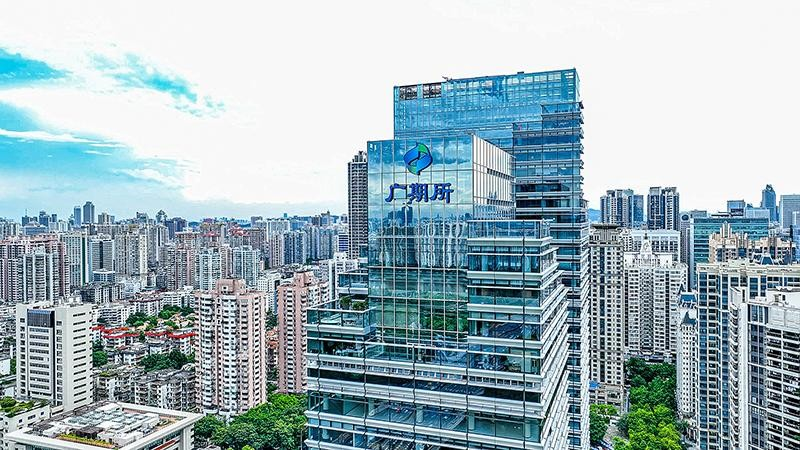
以绿色期货之笔 书写服务实体经济崭新篇章
Zheng Quan Shi Bao· 2026-01-04 23:29
Core Viewpoint - The company aims to enhance its role in supporting green low-carbon transformation and the development of the Guangdong-Hong Kong-Macao Greater Bay Area, aligning with national strategies for high-quality development and green finance [1][3][4] Group 1: Green Development Initiatives - In 2025, the company successfully launched futures and options for platinum and palladium, expanding its offerings in the new energy metal futures sector [2] - The correlation of spot prices for industrial silicon, lithium carbonate, and polysilicon reached 0.99, 0.97, and 0.94 respectively, indicating strong market integration [2] - The introduction of qualified foreign institutional investors (QFII) for trading in industrial silicon, lithium carbonate, and polysilicon marks a significant step in opening up the market [2] Group 2: Market Function and Risk Management - The company has been recognized as a qualified central counterparty (QCCP) by the China Securities Regulatory Commission, enhancing its operational standards and risk management capabilities [2] - The focus will be on innovation in product offerings, particularly in new energy, new materials, and carbon emissions, to better meet industry needs [3] - The company plans to deepen market services and expand its coverage of industrial bases, ensuring that futures tools are accessible to more enterprises [3] Group 3: Future Goals and Strategies - The company is committed to high-quality implementation of the "14th Five-Year Plan" and aims to contribute to the construction of a financial powerhouse and the modernization of China [4] - There is a focus on enhancing international collaboration, including exploring overseas settlement price authorization and building overseas delivery warehouses [3] - The company emphasizes maintaining a strong risk management framework to ensure stable market operations while promoting high-quality development [3]
广州期货交易所 以绿色期货之笔 书写服务实体经济崭新篇章
Zheng Quan Shi Bao· 2026-01-04 18:38
Core Viewpoint - The company emphasizes its commitment to green development and aims to enhance its role in supporting the green low-carbon transition and the construction of the Guangdong-Hong Kong-Macao Greater Bay Area, aligning with national strategies and initiatives [1][3]. Group 1: Green Development Initiatives - In 2025, the company successfully launched futures and options for platinum and palladium, expanding its offerings in the new energy metal futures sector [2]. - The correlation of spot prices for industrial silicon, lithium carbonate, and polysilicon reached 0.99, 0.97, and 0.94 respectively, indicating strong market functionality [2]. - The company has introduced qualified foreign institutional investors (QFII) to participate in trading of industrial silicon, lithium carbonate, and polysilicon, enhancing international cooperation [2]. Group 2: Strategic Goals for the Future - The company plans to focus on product innovation in areas such as new energy, new materials, and carbon emissions, while accelerating the development of weather-related futures [3]. - There is an intention to deepen market services and expand the coverage of the "Green to New" industry service plan, ensuring that futures tools reach more real enterprises [3]. - The company aims to enhance its openness by exploring overseas settlement price authorization and the construction of overseas delivery warehouses [3]. Group 3: Commitment to High-Quality Development - The company is dedicated to implementing the strategic tasks and major initiatives of the "14th Five-Year Plan" for the futures market, contributing to the construction of a financial powerhouse and supporting China's modernization [4].

广州期货交易所:以绿色期货之笔 书写服务实体经济崭新篇章
Zheng Quan Shi Bao· 2026-01-04 17:55
Core Viewpoint - The Guangzhou Futures Exchange is committed to supporting green low-carbon transformation and the development of the Guangdong-Hong Kong-Macao Greater Bay Area, aligning with national strategies and emphasizing the importance of green development in high-quality growth [1][3]. Group 1: Achievements in 2025 - In 2025, the exchange successfully launched futures and options for platinum and palladium, expanding the new energy metal futures sector [2]. - The correlation of spot prices for industrial silicon, lithium carbonate, and polysilicon reached 0.99, 0.97, and 0.94 respectively, with over half of the listed companies in the photovoltaic and lithium battery sectors using futures for hedging [2]. - The introduction of qualified foreign institutional investors (QFII) for trading in industrial silicon, lithium carbonate, and polysilicon marked a significant step in opening up the market [2]. Group 2: Future Plans and Strategies - The exchange aims to deepen the implementation of green development principles and enhance its role in supporting the high-quality development of the Greater Bay Area [3]. - Focus will be placed on innovation in product offerings, particularly in new energy, new materials, and carbon emissions, with plans to accelerate the development of weather-related futures and carbon futures [3]. - The exchange plans to enhance its international presence by exploring overseas settlement price authorization and building overseas delivery warehouses [3]. Group 3: Commitment to Green Futures - The exchange is dedicated to becoming a leading green futures trading platform, aligning with the strategic tasks of the "14th Five-Year Plan" and contributing to the construction of a financial powerhouse [4]. - There is a strong emphasis on collaboration and collective effort to achieve the goals of financial modernization and sustainable development [4].
期市品种创新潮涌 夯实服务实体根基
Qi Huo Ri Bao Wang· 2025-12-07 17:04
Core Viewpoint - The number of futures and options products in China's market has reached 164, with a steady increase in product supply during the "14th Five-Year Plan" period, aiming to better serve the real economy and fill gaps in risk management tools across various industrial chains [1][2]. Group 1: Product Expansion and Coverage - During the "14th Five-Year Plan," China's futures market has accelerated the establishment of a comprehensive product system, covering major sectors such as agriculture, metals, energy, chemicals, construction materials, shipping, and finance [2][3]. - The Shanghai Futures Exchange has launched 18 futures and options products, while the Zhengzhou Commodity Exchange has introduced 19 products, and the Dalian Commodity Exchange has added 14 products, including the first monthly average price futures in China [2][3]. Group 2: Innovation and Systematic Development - The innovation of products and tools has shifted from "single-point breakthroughs" to a systematic and sectoral approach, with the Shanghai Futures Exchange forming a product matrix covering metals, energy, chemicals, and shipping services [3]. - The Zhengzhou Commodity Exchange has made significant strides in product innovation, transitioning from "catching up" to "leading" in the polyester industry [3]. Group 3: Focus on Green Development - The futures market is aligning with national strategies and industrial development, with a strong emphasis on green development. The launch of the first recycled commodity futures, such as casting aluminum alloy futures, supports the green transformation of the aluminum industry [4]. - A diversified green futures product system has been established, focusing on new energy metals and clean energy futures, which are crucial for industries like photovoltaics and lithium batteries [4]. Group 4: Risk Management Tools - Futures products like live pig futures provide effective tools for industries to manage cyclical risks, with a significant number of major pig farming enterprises participating in hedging [5]. - The introduction of the first shipping service futures, the collection index (European line) futures, offers effective risk management tools for the shipping industry, allowing companies to expand hedging strategies to other routes [5]. Group 5: Development of Options Market - The options market has seen significant growth, with 51 new options products launched during the "14th Five-Year Plan," achieving full coverage of major futures products in various sectors [6][7]. - The increasing variety of options tools meets the more refined and diverse risk management needs of the real economy, with companies adopting flexible strategies to mitigate risks [7]. Group 6: Future Directions - Moving forward, the focus of the futures market will shift from expansion to quality improvement, addressing gaps in the derivatives system to better serve national strategies and industrial pain points [8]. - Future innovations may include carbon emission rights futures, electricity futures, foreign exchange futures, commodity index futures, and weather derivatives, which are essential for enhancing the market's functionality [8].
我国期货市场“含绿量”不断提升
Jin Rong Shi Bao· 2025-11-26 01:40
Core Viewpoint - The development of green finance is essential for supporting the green transformation of the real economy and achieving high-quality financial development, with China's futures market increasingly contributing to this effort through a diversified range of green futures products [1][2]. Group 1: Green Futures Market Development - China's futures market has established a diversified system of green futures, including new energy metal futures, clean energy futures, and recycled metal futures, with products like lithium carbonate and polysilicon listed by mid-November 2025 [1][2]. - The green futures market has shown stable operation, with significant price increases in the second half of the year, such as polysilicon rising by 60.2% and lithium carbonate by 40.1% [2]. - Daily trading volume and open interest for green futures have increased significantly, with average daily transactions reaching 2.489 million contracts, a 126.2% increase from the first half of the year [2]. Group 2: Regulatory Support and Industry Engagement - The China Securities Regulatory Commission has issued guidelines to promote the development of carbon futures and support financial institutions in participating in carbon trading, aligning with the green development policy [2]. - Futures exchanges in China are actively developing green products to provide price signals and hedging tools for enterprises, with the Shanghai Futures Exchange launching the first recycled metal futures product, casting aluminum alloy futures [3]. Group 3: Future Product Development and Market Expansion - The Guangzhou Futures Exchange is accelerating the development of green products, including corrugated paper futures, focusing on recycling waste paper to support carbon neutrality and green development goals [4]. - The Guangzhou Futures Exchange plans to list platinum and palladium futures on November 27, 2025, which are critical for green industries such as automotive emissions control and renewable energy [5]. - The exchange aims to enhance its product system, improve market services, and promote high-level openness to meet the green transformation needs during the 14th Five-Year Plan period and beyond [5].
期货市场“含绿量”不断提升
Qi Huo Ri Bao Wang· 2025-11-16 18:27
Core Insights - The Chinese futures market has significantly increased its "green content" in recent years, establishing a diversified system of green futures products focused on new energy metals, clean energy, and recycled metals [1] Group 1: Market Development - By November 2025, the Chinese futures market will have listed multiple green futures products, including lithium carbonate, polysilicon, industrial silicon (new energy metals), low-sulfur fuel oil, liquefied petroleum gas (clean energy), and casting aluminum alloy (recycled metals) [1] - The operation of these green futures products has been stable, with overall price increases observed in the second half of this year: polysilicon prices rose by 60.2%, lithium carbonate by 40.1%, industrial silicon by 15.3%, and casting aluminum alloy by 6.6% [1] Group 2: Trading Activity - Trading activity for green futures has been robust, with average daily trading volume and open interest reaching 2.489 million contracts and 1.884 million contracts, respectively, representing increases of 126.2% and 55.6% compared to the first half of the year [1] - Industrial clients are actively using green futures to manage risks, with the proportion of institutional holdings steadily increasing to approximately 70% [1]
金融科技在期货行业的应用研究:基于技术应用与行业转型的视角
Bao Cheng Qi Huo· 2025-08-11 05:16
Report Industry Investment Rating - Not provided in the report Core Viewpoints - Financial technology is revolutionizing the futures industry, impacting trading methods, risk management, service models, and market competition. It offers opportunities such as efficiency improvement, innovation, and risk management optimization but also brings challenges like regulatory issues and new risks [2][14][15] - The futures industry must embrace financial technology, actively transform, and strengthen risk management and regulatory compliance to achieve sustainable development [13][14][15] Summary by Relevant Catalogs Financial Technology in the Futures Industry - Application Status - Financial technology applications in the futures industry include big data, cloud computing, AI, and blockchain, which optimize trading processes, enhance risk management, and improve customer experience [2] - Big data enables comprehensive data collection and analysis for better trading decisions and personalized services [3] - Cloud computing provides flexible computing resources, secure data storage, and cost - effective solutions [3] - AI is used in intelligent trading systems, risk management, and customer service [4] - Blockchain offers transparency, security, and efficiency in trading, settlement, and data sharing [4][5] Financial Technology's Impact on the Futures Industry - AI and algorithm trading have increased trading efficiency, with the global algorithm trading proportion rising from less than 20% to over 50% in 10 years, but also bring new problems [5] - Blockchain technology rebuilds trust and simplifies clearing processes, reducing fraud and operational risks [6] - Cloud computing and big data upgrade infrastructure and empower decision - making, improving customer satisfaction [6] - Financial technology drives business model innovation, including smart investment advisors for retail clients and integrated service platforms for institutional clients, as well as new derivative products [7][9] Financial Technology - Risk Management Opportunities and Challenges - Financial technology provides real - time and multi - dimensional risk management capabilities, such as AI - based risk analysis and blockchain - based traceability [9] - Quantified hedging strategies can be refined with financial technology, but algorithmic trading may cause market volatility, and technical dependence poses systemic risks [10] Financial Technology and Futures Industry Integration Directions - Quantum computing may revolutionize quantitative hedging models, but large - scale commercialization is restricted by technology and cost [10] - Sustainable finance and green futures are emerging, with financial technology playing a role in carbon management and green project traceability [11] Futures Industry Transformation in the Financial Technology Era - The industry faces intensified competition, upgraded customer demands, and prominent compliance risks, making transformation necessary [11][12] - Transformation paths include technology investment, talent cultivation, risk management system reconstruction, regulatory adaptation, and ecological cooperation [13][14] Conclusion - Financial technology is reshaping the futures industry, bringing both opportunities and challenges. All parties need to collaborate to achieve high - quality development [14][15]
4月份150家期货公司合计实现净利润7.85亿元
Zheng Quan Ri Bao· 2025-05-29 15:43
Core Insights - In April, China's futures industry reported a decline in both revenue and net profit compared to previous months and the same month last year, with total revenue of 3.073 billion yuan and net profit of 785 million yuan [1] - The futures market experienced significant growth in trading volume and value, with April's trading volume reaching 808 million contracts and a total trading value of 70.18 trillion yuan, marking year-on-year increases of 21.49% and 23.69% respectively [1] Group 1: Industry Performance - The total revenue and net profit of 150 futures companies in April showed a year-on-year decrease from 3.263 billion yuan and 827 million yuan in April of the previous year [1] - The trading volume for the first four months of the year reached 2.658 billion contracts, with a total trading value of 232.20 trillion yuan, reflecting year-on-year growth of 22.19% and 28.36% respectively [1] Group 2: Factors Influencing Performance - The decline in overall brokerage income for futures companies is attributed to reduced interest rebate ratios from futures exchanges and lower bank deposit rates [2] - Industry experts suggest that futures companies are focusing on enhancing core competitiveness and utilizing futures and derivatives to manage price volatility risks in production and operations [2] Group 3: Future Outlook - The futures market is expected to expand its investor base and improve its service to the real economy, driven by high-quality development initiatives [2] - Futures companies are encouraged to innovate products and fill strategic gaps, particularly in the areas of renewable energy and green commodities, to meet diverse market demands and support high-quality economic development [2] - There is a call for continued internationalization and enhancement of "China price" in global pricing capabilities [2]