
美联储公信力

Search documents
美国财长贝森特:美联储必须维护公信力,并且做到无可指摘地运作。
Sou Hu Cai Jing· 2026-02-04 18:08
Group 1 - The core viewpoint emphasizes the necessity for the Federal Reserve to maintain its credibility and operate without any faults [1]
工行等五大行紧急预警 调整贵金属投资业务
Mei Ri Shang Bao· 2026-02-02 00:37
Core Viewpoint - The recent sharp decline in gold and silver prices has sparked significant market discussion, primarily driven by expectations of a hawkish policy from the newly appointed Federal Reserve chairman, alongside profit-taking and liquidity issues in the market [1][3]. Group 1: Price Movements - On January 31, spot gold prices fell by 12.92%, dropping below $4,700 per ounce to a low of $4,695, marking the largest single-day decline since April 1980 [1] - Spot silver prices experienced a dramatic drop of up to 36%, reaching a low of $77.7 per ounce, the largest single-day decline since February 1983 [1][2]. - The closing price for spot gold was reported at $4,894.49 per ounce, reflecting a decline of over 9%, while spot silver closed at $84.63 per ounce, down nearly 27% [2]. Group 2: Market Reactions - Following the price drop, several banks, including ICBC and CCB, issued risk warnings and adjusted their gold investment services, advising investors to assess their risk tolerance and maintain a rational investment approach [4][5]. - Major jewelry brands have also adjusted their gold prices, with many returning to the range of 1,500-1,600 yuan per gram, reflecting the international price drop [2]. Group 3: Future Outlook - Analysts from China International Capital Corporation (CICC) remain optimistic about the long-term prospects for gold, suggesting that the bull market may not be over despite the recent volatility [3]. - The core reasons for the recent decline include signals from the Federal Reserve regarding delayed interest rate cuts and personnel changes, leading to panic selling [3]. - The long-term support for gold prices is expected to come from continued central bank purchases, anticipated rate cuts by the Federal Reserve, and geopolitical risk factors [3].



现货黄金价格大跌,多品牌设置退货手续费,“不能因金价降了就退货,退单一律扣500元”
Sou Hu Cai Jing· 2026-02-01 12:59
Group 1 - Significant fluctuations in gold and silver prices were observed starting January 30, with silver prices dropping by 35.89% and gold prices falling by 12.92%, reaching a low of $4682 per ounce [1] - As of the close, gold was reported at $4880.034 per ounce, down 9.25%, marking the largest single-day decline since April 1, 1980, while silver fell 26.42%, the largest drop since February 28, 1983 [1] - Analysts attribute the severe impact on gold and silver prices to the nomination of Waller, viewed as a candidate who could "re-anchor the credibility of the Federal Reserve" rather than a belief in aggressive rate hikes [1] Group 2 - Domestic gold jewelry prices have adjusted downward in response to the falling gold prices, with brands like Chow Tai Fook and Lao Feng Xiang reporting significant price drops [3] - Retail policies regarding returns of gold products are strict, with many physical stores not accepting returns after purchase, while online platforms have varying rules, often not allowing returns for investment gold products [4] - Some brands have implemented specific return policies, such as deducting a fee of 1-5% for returns, and certain brands allow refunds only within a limited time frame after purchase [4][6]

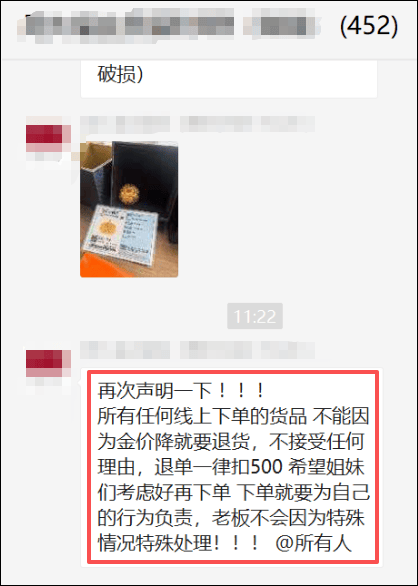
“不能因金价降了就退货,退单一律扣500元”!现货黄金价格大跌,多品牌设置退货手续费【早报】
Sou Hu Cai Jing· 2026-02-01 00:18
Core Viewpoint - The nomination of Kevin Warsh as the Federal Reserve Chairman by President Trump has triggered hawkish market expectations, leading to a panic sell-off in precious metals, particularly gold and silver [1][5]. Group 1: Market Reaction - Starting from January 30, significant fluctuations in gold and silver prices were observed, with a notable sell-off intensifying into January 31 [1]. - On January 31, the spot silver price experienced a dramatic drop of 35.89%, while the spot gold price fell by 12.92%, dipping below $4,700 per ounce to a low of $4,682 per ounce [1]. - By the end of trading on January 30, the spot gold price closed at $4,880.034 per ounce, marking a decline of 9.25%, the largest single-day drop since April 1, 1980 [2]. Group 2: Historical Context - The spot silver price on January 30 closed down 26.42%, representing the largest single-day decline since February 28, 1983, at $85.259 per ounce [3]. Group 3: Analyst Insights - Analysts suggest that the strong negative impact on gold and silver prices is not solely due to expectations of aggressive rate hikes by the Federal Reserve, but rather because Warsh is perceived as a candidate who can "re-anchor the credibility of the Federal Reserve" [5].

凌晨,见证历史!
Zhong Guo Ji Jin Bao· 2025-12-17 00:29
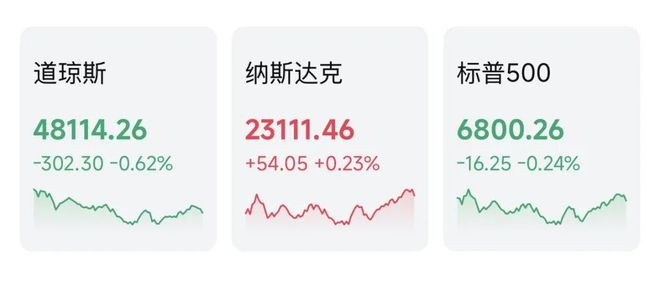
Group 1: Tesla Performance - Tesla's stock price increased by 3.07%, reaching a record high of $489.88, with a total market capitalization of $1.6293 trillion [7] - The stock has seen a year-to-date increase of 21% [7] - Elon Musk's net worth rose to approximately $684 billion, making him the world's richest person, with a one-night increase of $8.2 billion [9][10] Group 2: Market Conditions - The U.S. stock market showed mixed results, with the Dow Jones down by 0.62% and the Nasdaq up by 0.23% [1] - The U.S. non-farm payroll report for November indicated an addition of 64,000 jobs, exceeding market expectations, but the unemployment rate rose to 4.6%, the highest in over four years [4] - Concerns about the U.S. economy were highlighted by stagnant retail sales in October, primarily due to weak auto and gasoline sales [5] Group 3: Oil Market - Oil prices have dropped significantly, with WTI crude oil falling to $55.17, marking the lowest level since early 2021 [11] - The decline in oil prices is attributed to concerns over oversupply, with prices decreasing for four consecutive trading days [11]
市场质疑哈塞特能否在美联储实现目标
Xin Lang Cai Jing· 2025-12-04 13:07
Core Viewpoint - The potential appointment of Kevin Hassett as the next Federal Reserve Chairman may not lead to the rapid interest rate cuts expected by President Trump, as the decision ultimately requires consensus within the committee [1][4]. Group 1: Concerns about Hassett's Influence - Gregory Peters, Co-Chief Investment Officer at PGIM Fixed Income, expressed doubts about Hassett's credibility within the committee to drive consensus for significant monetary policy changes [1][3]. - There are growing concerns among bond investors regarding Hassett's possible appointment, with some expressing their worries to the U.S. Treasury [4]. Group 2: Market Reactions and Implications - Traders and macro fund managers are closely assessing the implications of Trump's potential restructuring of the Federal Reserve, as even minor policy changes could trigger global market volatility [2][4]. - Following Hassett's emergence as a leading candidate, some traders have begun to bet on an accelerated pace of interest rate cuts, indicating a shift in market sentiment [2][4]. Group 3: Current Market Conditions - As of Thursday's Asian trading session, U.S. Treasury yields remained relatively stable, with the 10-year yield at 4.08% and the 2-year yield slightly increasing to 3.50% [5]. - Peters noted that concerns about the Federal Reserve's independence and credibility are reflected in risk premiums and term premiums across sovereign bond markets, indicating a fragile long-term bond market [3][5].
美联储“内讧”!鲍威尔共识破裂,降息路线左右互搏!
Sou Hu Cai Jing· 2025-11-19 12:59
Core Viewpoint - The Federal Reserve is experiencing unprecedented internal divisions regarding interest rate policies, marking the end of a consensus era under Chairman Jerome Powell's leadership [2][3][4] Group 1: Internal Disagreements - In late October, the Federal Reserve decided to lower interest rates by 25 basis points, but this move faced public opposition from two policymakers, one advocating for no change and the other for a larger cut of 50 basis points [2] - This is the first time in over 30 years that more than one member of the Federal Reserve Board has cast dissenting votes, indicating significant internal fractures [2][3] - The growing divide among officials is attributed to the uncertainty surrounding the U.S. economic outlook and questions regarding President Trump's aggressive trade policies [2][3] Group 2: Economic Outlook and Policy Implications - The unclear economic outlook complicates the dual mandate of maintaining labor market stability and controlling inflation, leading to conflicting opinions among Federal Reserve officials [3][4] - Some officials prioritize curbing high inflation driven by tariffs, while others focus on the weakening labor market, fearing a recession if no action is taken [3][4] - A divided Federal Reserve could have mixed impacts, potentially undermining its effectiveness and credibility if disagreements are not resolved [3][4] Group 3: Leadership Challenges - Powell's role has become increasingly difficult as the consensus-building approach that characterized previous leadership is now challenged [4][6] - Powell acknowledged the "strong divisions" among officials regarding policy direction, a shift from his earlier characterization of the disagreements as a "healthy debate" [6][8] - The upcoming meetings before Powell's term ends in May 2024 are expected to continue showcasing these divisions, complicating market predictions regarding future rate changes [6][8] Group 4: Market Reactions and Future Predictions - The complexity of current Federal Reserve policy-making contrasts sharply with the clear objectives during the pandemic and subsequent inflationary periods [7][8] - The recent government shutdown has further complicated economic assessments, as critical data releases were delayed, adding to the uncertainty in policy decisions [8] - The split among policymakers includes hawkish voices advocating for maintaining rates to combat inflation and dovish voices calling for cuts to support the labor market [9][10]
Hakimian: Fed Faces "Crisis of Credibility"'
Youtube· 2025-09-18 00:00
Core Viewpoint - The Federal Reserve's decision to cut rates by 25 basis points was met with mixed reactions, highlighting a tug-of-war between dovish and hawkish members, leading to volatility in various markets [1][2][19]. Federal Reserve's Rate Decision - The Fed cut rates by 25 basis points, with Chair Jerome Powell indicating a lack of support for a larger cut of 50 basis points [1]. - The statement released was more dovish than expected, while the subsequent press conference was perceived as bearish, causing market fluctuations [2][19]. Economic Conditions - The Fed is facing challenges with both inflation rising and a weakening labor market, indicating a difficult position regarding its dual mandate [4][5]. - Inflation has been above the Fed's target for nearly six years, raising concerns about credibility if inflation expectations become unanchored [5][6]. Market Reactions - The Russell 2000 index rose nearly 2%, reflecting a positive response from interest rate-sensitive small-cap stocks [18]. - The 10-year Treasury yield dipped below 4% but later increased, indicating market volatility in response to the Fed's announcements [18][19]. Future Outlook - Upcoming jobless claims data will be crucial for market sentiment, with expectations that higher claims could lead to a risk-negative day [23][24]. - The trajectory of the job market, inflation realities, and corporate guidance will significantly influence market conditions in the near term [25].
中国7月外汇储备规模环比上涨0.91%,央行连续第10个月增持黄金
Sou Hu Cai Jing· 2025-09-07 10:20
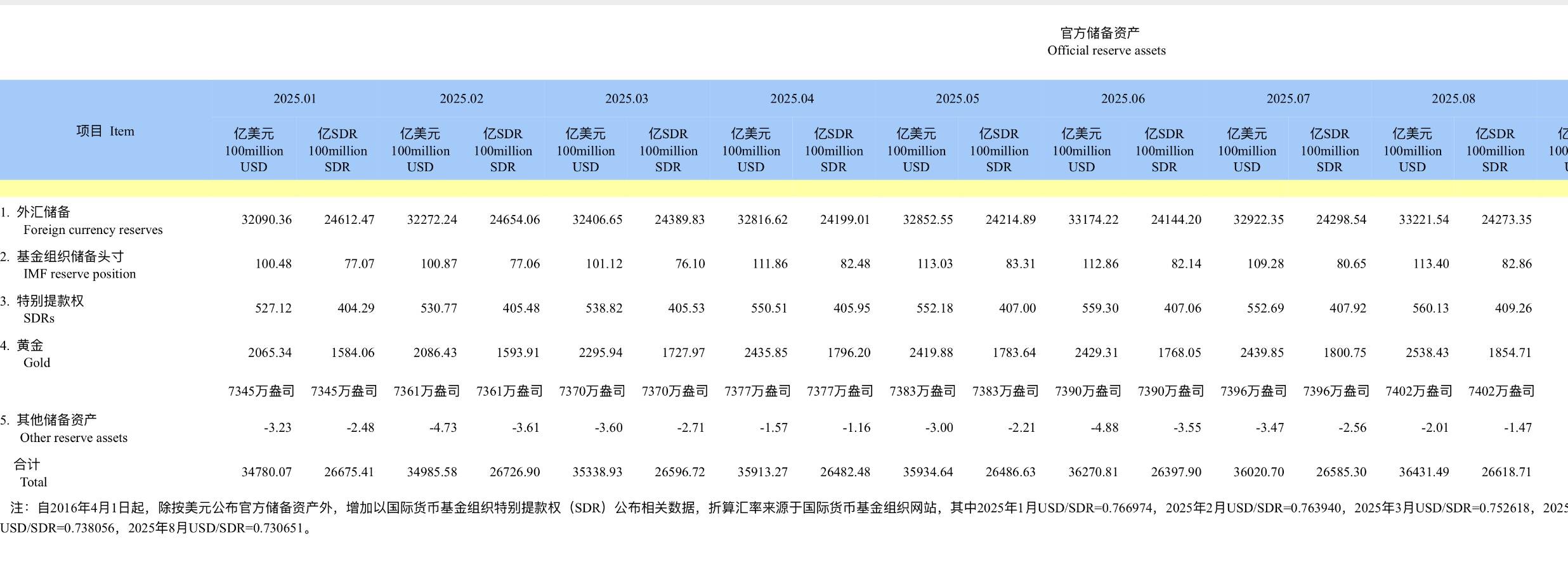
Group 1: Foreign Exchange Reserves - As of August 2025, China's foreign exchange reserves reached $332.2154 billion, an increase of $29.9 billion from the end of July, representing a growth rate of 0.91% [1] - The increase in foreign exchange reserves is attributed to factors such as changes in major economies' monetary policies and macroeconomic data, leading to a decline in the US dollar index and an overall rise in global financial asset prices [2] Group 2: Gold Reserves - The People's Bank of China has increased its gold reserves for the 10th consecutive month, with a total of 74.02 million ounces (approximately 2,098 tons) as of the end of August, reflecting a month-on-month increase of 6,000 ounces (about 1.7 tons) [1] - Since November of the previous year, China has cumulatively purchased 1.22 million ounces (approximately 38 tons) of gold [1] - Gold has emerged as one of the strongest-performing major commodities this year, with a price increase exceeding 30% and reaching a historical high recently [3] Group 3: Market Influences - Factors such as central bank purchases, expectations of interest rate cuts by the Federal Reserve, and political pressures on the Fed have contributed to the recent surge in gold prices [3] - The World Gold Council reports that geopolitical risks will continue to support demand from official sectors, despite a slowdown in the accumulation of gold by central banks as prices rise [5]
恒信证券|高盛称美联储公信力若受损 金价有可能升至近5000美元
Sou Hu Cai Jing· 2025-09-04 07:06
Group 1: Core Viewpoint - Goldman Sachs suggests that if the credibility of the Federal Reserve is severely undermined, global financial markets may undergo profound changes, with gold prices potentially rising to nearly $5000 per ounce [1][4][5]. Group 2: Importance of Federal Reserve Credibility - The Federal Reserve serves as a crucial anchor for global finance, influencing not only U.S. monetary policy but also acting as a "weather vane" for global capital markets [1]. - A loss of credibility in the Federal Reserve could challenge the trust in the U.S. dollar as a global reserve currency, impacting its global standing [6]. Group 3: Gold Price Dynamics - Gold is traditionally viewed as the "last currency," often strengthening when there are doubts about fiat currency credibility [2]. - Current gold prices are hovering at high levels, and any expectations of weakened Federal Reserve credibility, combined with market risk sentiment, could lead to significant price increases [3]. Group 4: Historical Context and Valuation - Historical instances, such as the collapse of the Bretton Woods system in the 1970s and the 2008 financial crisis, have seen gold prices surge during periods of monetary credit crises [7]. - The theoretical valuation of gold suggests further upward potential based on the ratio of global money supply to gold reserves [7]. Group 5: Market Implications - A significant rise in gold prices would indicate a severe blow to the credibility of the dollar and the Federal Reserve, leading to various market changes, including increased volatility in the dollar index and diversified capital flows [8]. - The demand for gold as a safe-haven asset may increase amid geopolitical and financial uncertainties, further driving up its price [6][8]. Group 6: Asset Allocation and Investment Strategies - Institutional investors may reassess the weight of gold in their portfolios, leading to increased trading activity in the gold market [9]. - The potential for lower real interest rates due to a loss of Federal Reserve credibility could enhance gold's attractiveness as an investment [6].
