股份支付

Search documents
环新系“换壳”上市?新富科技IPO信披乱如麻
Sou Hu Cai Jing· 2026-02-02 09:36
Core Viewpoint - Xinfu Technology is preparing for an IPO on the Beijing Stock Exchange, with concerns about its connections to Huanxin Group and discrepancies in related party transactions [1][3][4] Group 1: Company Overview - Xinfu Technology focuses on the research, production, and sales of thermal management components for electric vehicles, including battery liquid cooling pipes and plates [1] - As of the signing date of the prospectus, the largest shareholder, Innovation No. 1, holds 42.72% of Xinfu Technology, while the actual controller, Pan Yixin, indirectly controls 61.83% of the shares through various holding platforms [1] Group 2: Historical Context - Xinfu Technology was previously a subsidiary of Huanxin Group, which attempted to list on the New Third Board but failed after multiple inquiries [3][4] - In April 2020, Huanxin Group increased its stake in Xinfu Technology to 61.24%, making it a controlling subsidiary [4] Group 3: Financial Performance - Xinfu Technology's revenue for the reporting periods was 464 million, 600 million, 1.381 billion, and 797 million yuan, with net profits of 39.64 million, 47.75 million, 71.96 million, and 65.18 million yuan respectively [10] - The company plans to issue up to 11.56 million shares in its IPO, aiming to raise approximately 409.31 million yuan, with a share price of about 35.40 yuan, reflecting a 13.83% increase from the last financing round [10] Group 4: Customer Dependency - T Company, likely Tesla, is Xinfu Technology's largest customer, contributing over 50% of sales in all reporting periods, with sales figures of 253 million, 358 million, 811 million, and 494 million yuan [11] - The company's overseas revenue has been significantly reliant on T Company, with contributions of 96.22%, 99.21%, 98.02%, and 99.47% to its foreign sales [11] Group 5: Governance and Related Party Transactions - Most of Xinfu Technology's board members and executives have backgrounds in Huanxin Group, raising concerns about potential conflicts of interest [6] - There are discrepancies in the disclosure of related party transactions, including a 14 million yuan loan from Huanxin Group that was not properly reported [7] Group 6: Valuation and Stock Issuance - Xinfu Technology's valuation increased by over 60% within eight months, raising questions about the pricing of its stock issuances [9] - The first round of stock issuance was priced at 19.37 yuan per share, while the second round was at 31.10 yuan, indicating a significant increase in valuation [8][9] Group 7: Disclosure Issues - There are inconsistencies in the company's disclosures regarding sales figures, production capacity, and accounts receivable, which may affect investor confidence [12][13][14]



中际旭创:预计2025年归母净利润98亿元–118亿元,同比增长89.50%-128.17%
Xin Lang Cai Jing· 2026-01-30 12:43
Core Viewpoint - The company expects a significant increase in net profit attributable to shareholders for the fiscal year 2025, projecting between 9.8 billion to 11.8 billion yuan, representing a year-on-year growth of 89.50% to 128.17% [1] Financial Performance - The company experienced rapid growth in product shipments, particularly in high-speed optical modules, due to strong investments in computing infrastructure by end customers [1] - Both operating revenue and net profit saw substantial growth compared to the same period last year [1] Profit Adjustments - The net profit attributable to shareholders was reduced by approximately 223 million yuan due to expenses related to stock incentive plans and employee shareholding plans [1] - An additional reduction of about 113 million yuan in net profit was attributed to inventory impairment provisions and credit impairment losses on receivables [1] - A foreign exchange loss of approximately 270 million yuan due to the continuous decline of the US dollar also impacted net profit [1] Investment Gains - The company recognized investment income and fair value changes, resulting in an increase of about 296 million yuan in net profit attributable to shareholders, with approximately 48 million yuan classified as non-recurring gains [1] - The primary source of these gains was from equity method investments in joint ventures and fair value changes in other equity investments [1]

上海生生转道港股IPO 股权转让成高管“点金术”
Xin Lang Cai Jing· 2026-01-20 20:57
Core Viewpoint - Shanghai Shengsheng Pharmaceutical Cold Chain Technology Co., Ltd. has submitted a listing application to the Hong Kong Stock Exchange, facing scrutiny over internal control issues despite its industry advantages and market position [1] Group 1: Company Overview - Shanghai Shengsheng is a leading integrated temperature-controlled supply chain service provider in the pharmaceutical and life sciences sector, focusing on clinical trial temperature-controlled supply chain services [2] - The company achieved revenues of 614 million yuan, 654 million yuan, and 538 million yuan for the years 2023, 2024, and the first three quarters of 2025, respectively, with profits of 92.03 million yuan, 26.396 million yuan, and 113 million yuan during the same periods [2] - The revenue structure is primarily derived from clinical trial temperature-controlled supply chain services, which consistently account for over 80% of total revenue [2] Group 2: Market Dynamics - The growth in Shanghai Shengsheng's performance is driven by the expanding market size and technological demands, with the clinical trial temperature-controlled service market in China growing from 2 billion yuan in 2020 to 3.6 billion yuan in 2024 [3] - The company holds both GMP and GDP certifications, establishing a nationwide service network to meet the stringent temperature control and safety requirements of the pharmaceutical industry [3] Group 3: Financial Performance and Challenges - The accounts receivable of Shanghai Shengsheng increased significantly, with trade receivables of 157 million yuan, 192 million yuan, and 220 million yuan during the reporting period, and the turnover days for trade receivables were 98 days, 98 days, and 105 days, respectively [4] - The company acknowledged that some transactions with clients are settled on credit, which could adversely affect its cash flow and business operations if clients fail to pay on time [4] Group 4: Governance Issues - Concerns regarding internal control governance arose when the actual controllers borrowed funds to increase their shareholding and subsequently transferred shares at a premium, raising regulatory scrutiny [5] - The significant difference in share transfer prices has led to questions from regulators, although the company has stated that there are reasonable backgrounds for these price variations [5] - In 2024, the company reported a substantial drop in profits primarily due to share-based payment expenses amounting to 72.12 million yuan, with a significant portion of these expenses attributed to a few high-salaried employees [6]
上市公司以“换股”的方式购买资产,究竟是怎么回事?
Sou Hu Cai Jing· 2025-12-12 08:37
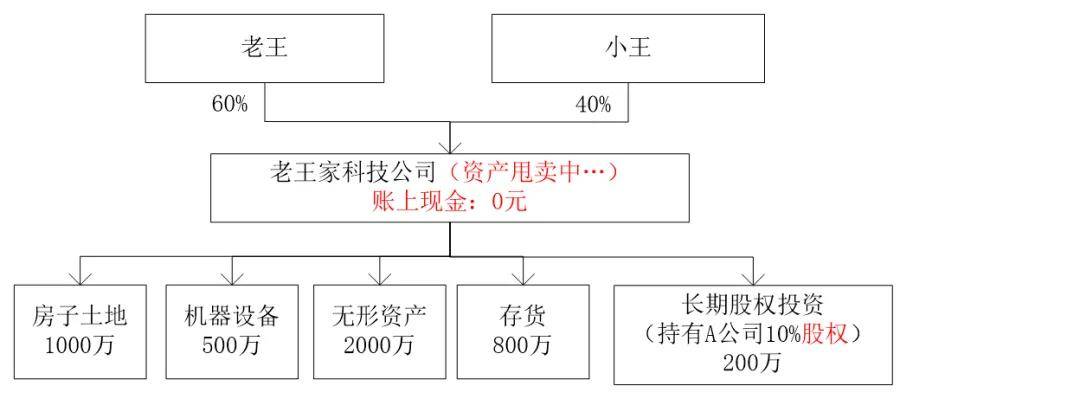
Core Viewpoint - The article discusses the concept of "share swap" as a method for acquiring control of a listed company, particularly when cash is insufficient for the transaction [1]. Group 1: Asset Definition and Seller's Perspective - The term "asset" is broadly defined, encompassing various items that a seller may possess, such as real estate, machinery, intangible assets, and inventory [3]. - The example seller, "Old Wang Technology Company," holds a long-term equity investment representing a 10% stake in Company A, which is considered an asset available for sale [3][5]. Group 2: Buyer's Perspective and Transaction Details - The buyer, "Qian Duo Duo Technology," has 50 million yuan in cash and intends to purchase assets from Old Wang Technology Company, including real estate (10 million), machinery (5 million), intangible assets (20 million), and inventory (8 million), totaling 43 million yuan [7]. - After the asset purchase, Qian Duo Duo Technology has 7 million yuan remaining in cash [7]. Group 3: Share Swap Mechanism - To acquire the 10% stake in Company A, valued at 25 million yuan, Qian Duo Duo Technology opts to issue new shares instead of using cash, as its cash reserves are insufficient [11]. - The share issuance is calculated at a price of 10 yuan per share, resulting in the need to issue 2.5 million new shares to cover the cost of the equity stake [11][13]. - This share swap creates a new shareholder relationship, where Old Wang Technology Company becomes a shareholder in Qian Duo Duo Technology post-transaction [13]. Group 4: Conclusion on Share Swap - The article concludes that share swaps are a common acquisition method for companies lacking cash, allowing them to use their own shares as a payment tool, particularly advantageous for publicly listed companies due to the market value of their shares [15].
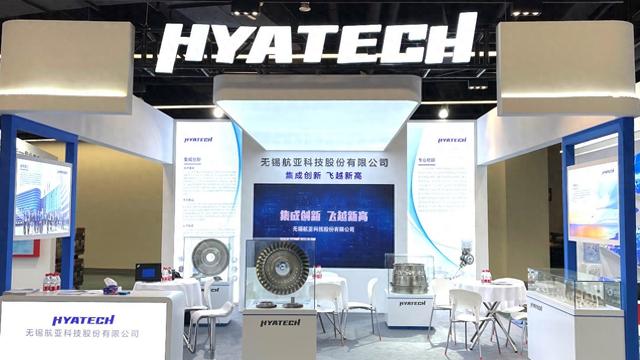
股份支付致净利润转降 航亚科技六成股票激励流向六位高管
Zhong Guo Jing Ying Bao· 2025-08-22 20:13
Core Viewpoint -航亚科技's financial report for the first half of 2025 shows a revenue of 369 million yuan, an increase of 8.76% year-on-year, but a net profit attributable to shareholders decreased by 8.92% to 61.21 million yuan, primarily due to increased share-based payment expenses [3][4][8] Financial Performance - The company's revenue for the first half of 2025 was 369 million yuan, with a year-on-year growth of 8.76% [3] - The net profit attributable to shareholders was 61.21 million yuan, a decrease of 8.92% year-on-year [3] - The non-recurring net profit was 53.90 million yuan, down 18.35% year-on-year [3] - The increase in share-based payment expenses was the main reason for the decline in net profit [4][6] Expense Analysis - The company's operating expenses, referred to as "three fees," saw significant increases: sales expenses rose by 16.17%, management expenses by 40.12%, and financial expenses surged by 106.71% [4] - The increase in share-based payment expenses was a major contributor to the rise in sales and management expenses [4][6] Share-Based Payment Plan - The company implemented a restricted stock incentive plan in 2024, granting 5.5 million shares to incentivize management and align their interests with shareholders [5] - A high concentration of share grants was noted, with six core executives receiving 60% of the total shares allocated under the plan [6][7] Accounts Receivable Concerns - The company's accounts receivable reached 392 million yuan by the end of June 2025, exceeding its revenue for the first half of 2025 [8][9] - The accounts receivable as a percentage of revenue has increased significantly over the past three years, indicating a growing reliance on credit sales [8][9] - The company acknowledged the risks associated with high accounts receivable but noted that 95.45% of it was within one year, with clients being reputable aviation companies [8][10] Cash Flow Situation - Despite revenue growth, the net cash flow from operating activities decreased by 35.55% year-on-year, indicating potential liquidity issues [8][10]

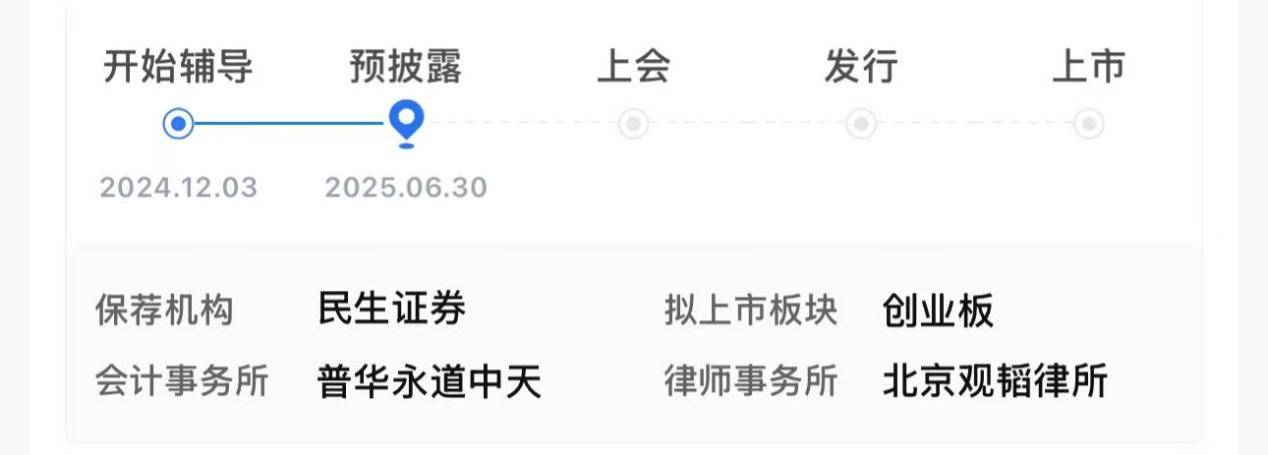
欣强电子IPO:家族“全台籍”控股95%,营收停滞下的创业板闯关之路
Sou Hu Cai Jing· 2025-07-31 05:12
Core Viewpoint - The company, Xinqiang Electronics, is preparing for an IPO on the Shenzhen Stock Exchange's ChiNext board, aiming to raise 9.62 billion yuan for high-end circuit board expansion projects. However, it faces multiple challenges, including governance issues, stagnant revenue growth, and reliance on joint ventures for sales [1][3][23]. Group 1: Company Overview - Xinqiang Electronics has a 12.57% market share in the global memory PCB market as of 2024, with an average product price exceeding 2000 yuan per square meter, placing it in the industry's top tier [3]. - The company was established in August 2005 with a registered capital of 250 million yuan, focusing on the R&D, production, and sales of printed circuit boards, primarily targeting the mid-to-high-end market [10]. Group 2: IPO and Valuation Concerns - The company’s pre-IPO share transfer involved the controlling family selling shares at 2.80 yuan each, resulting in a price-to-earnings (PE) ratio of 7.68, which raises questions about the valuation disparity as the IPO aims for a near 100 billion yuan valuation [4][6]. - The IPO plans to issue no less than 51 million shares, representing 10% of the total post-issue share capital, indicating a significant increase in valuation within a short period [6]. Group 3: Revenue Structure and Risks - Approximately 20% of the company's revenue is derived from joint ventures, raising concerns about its independence and the sustainability of its revenue model [7][9]. - The company has faced stagnant revenue growth, with 2022-2024 revenues reported at 8.69 billion yuan, 10 billion yuan, and 9.99 billion yuan, respectively, indicating a slight decline in 2024 [16]. Group 4: Governance and Management Issues - The board of directors is predominantly composed of members from the controlling family, holding 95.04% of the shares, which may pose challenges during the IPO review process due to a lack of local representation [12]. - The company has distributed significant cash dividends totaling 180 million yuan over two years, which nearly depletes its net profits during the same period, raising questions about the rationale behind such distributions [14]. Group 5: R&D and Competitive Landscape - R&D expenditures from 2022 to 2024 were below 4% of revenue, indicating insufficient investment in innovation compared to industry standards [18]. - The PCB industry is highly competitive, with the top ten manufacturers holding only 37.75% of the market share, necessitating that Xinqiang Electronics demonstrate its ability to innovate and compete effectively [19]. Group 6: Potential Risks - The company’s reliance on joint ventures for sales and the associated risks of revenue dependency could impact its financial stability if these relationships deteriorate [20]. - The planned expansion of production capacity by 38,000 square meters may exacerbate existing overcapacity issues in the industry, particularly given the stagnant revenue growth [20][21].

同宇新材: 公司财务报表及审阅报告(2025年1-3月)
Zheng Quan Zhi Xing· 2025-06-26 16:52
Core Viewpoint - The financial statements of Tongyu New Materials (Guangdong) Co., Ltd. have been reviewed, and no significant misstatements were identified, indicating that the financial reports fairly reflect the company's financial position as of March 31, 2025 [2][3]. Company Overview - Tongyu New Materials (Guangdong) Co., Ltd. was established through the overall restructuring of Guangdong Tongyu New Materials Co., Ltd. The registered capital is RMB 30 million, with the main business activities including research, production, and sales of electronic materials, engineering plastics, synthetic resins, and chemical products [3][5]. Financial Reporting Basis - The financial statements are prepared on a going concern basis, in accordance with the relevant accounting standards and guidelines, reflecting the company's financial status, operating results, changes in equity, and cash flows [5][6]. Important Accounting Policies - The company adheres to significant accounting policies and estimates as per the enterprise accounting standards, ensuring that the financial statements provide a true and complete representation of the company's financial condition and results [5][6]. Consolidation Scope - The consolidation scope is determined based on control, including subsidiaries controlled by the company and structured entities, ensuring that the financial statements reflect the entire economic entity [7][8]. Financial Instruments - Financial instruments are recognized when the company becomes a party to the financial contract, with subsequent measurement based on their classification, including those measured at amortized cost and fair value [26][28]. Credit Risk Assessment - The company assesses credit risk based on the expected credit loss model, categorizing financial instruments into stages to determine the appropriate loss provisions [29][30].
新恒汇: 首次公开发行股票并在创业板上市之上市公告书
Zheng Quan Zhi Xing· 2025-06-18 13:23
Core Viewpoint - New Henghui Electronics Co., Ltd. is set to go public on the Shenzhen Stock Exchange's ChiNext board on June 20, 2025, with an initial offering price of 12.80 yuan per share, which is significantly lower than the industry average P/E ratio, indicating potential investment attractiveness [2][19]. Company Overview - New Henghui Electronics specializes in the manufacturing of smart cards, etched lead frames, and IoT eSIM chip packaging, with a registered capital of 179.67 million yuan [21][22]. - The company has achieved positive net profits in the last two years, totaling 32.12 million yuan, meeting the listing criteria for the ChiNext board [21][24]. Financial Metrics - The offering price of 12.80 yuan per share corresponds to a diluted P/E ratio of 17.76 times based on the 2024 net profit, which is significantly lower than the industry average P/E ratio of 37.99 times [5][19]. - The company reported revenues of 68.38 million yuan, 76.67 million yuan, and 81.60 million yuan for the last three years, indicating a steady growth trajectory [12][13]. Market Position - The company holds a 32% market share in flexible lead frames and approximately 13% in smart card modules, reflecting a strong competitive position in the smart card market [10][12]. - The global smart card shipment volume has remained stable at around 9.5 billion units, with significant contributions from telecom SIM cards and banking chip cards [10]. Shareholder Structure - The major shareholders include Yu Renrong and Ren Zhijun, who collectively control over 51% of the company, ensuring stable governance [24][25]. - The company plans to implement a strategic share placement, with 1.20 million shares allocated to strategic investors, which will enhance liquidity post-listing [19][20]. Risk Factors - The company faces risks related to market demand stability for smart cards, potential competition in the etched lead frame business, and reliance on major customers, which could impact future revenue growth [10][12][13]. - The initial trading period on the ChiNext board will have no price limits for the first five trading days, which may lead to significant price volatility [8][9].
报考港股上市的迈威生物:董事长刘大涛被立案,其年薪超3000万元
Sou Hu Cai Jing· 2025-05-11 15:35
Core Viewpoint - Maiwei Biotech (Shanghai) Co., Ltd. is under investigation by the China Securities Regulatory Commission (CSRC) for suspected short-term trading by its chairman and general manager, Liu Datao, which is stated to not significantly impact the company's daily operations [1][3]. Company Overview - Maiwei Biotech was listed on the Shanghai Stock Exchange's Sci-Tech Innovation Board on January 18, 2022, with an IPO price of 34.8 yuan per share, raising approximately 3.477 billion yuan [3]. - The company focuses on the development of drugs for tumors and age-related diseases, with a product pipeline that includes over 10 drug assets [5]. Financial Performance - The company's revenue for 2023 was approximately 1.28 billion yuan, with a net loss of about 1.059 billion yuan. For the first ten months of 2024, revenue increased to around 1.60 billion yuan, but the net loss remained significant at approximately 864 million yuan [8][9]. - In 2024, the revenue reached about 2.00 billion yuan, reflecting a growth of approximately 56.28% compared to 2023, but the net loss was still around 1.044 billion yuan [8][9]. - In the first quarter of 2025, the company reported revenue of approximately 44.79 million yuan, a decline of 33.70% year-on-year, with a net loss of about 292 million yuan [10]. Investment and Funding - The company plans to raise funds through a listing on the Hong Kong Stock Exchange to support clinical trials and the development of its core products [5]. - The total investment for various projects amounts to approximately 338.15 million yuan, with significant allocations for antibody industrialization and drug research and development [4]. Management and Compensation - Liu Datao received a total compensation of approximately 31.78 million yuan in 2023, which included direct salary and substantial stock-based payments [11][12]. - For the first ten months of 2024, Liu's compensation was about 27.05 million yuan, indicating a high level of executive pay despite the company's ongoing losses [11].


IPO上市精选37个问答(建议收藏)
Sou Hu Cai Jing· 2025-04-29 05:57
Group 1 - Direct financing refers to the method where fund providers directly supply funds to fund seekers through negotiations or by purchasing securities issued by them, including stock and bond issuance [1] - The capital market consists of various financing activities and is primarily divided into the securities market and the bank medium to long-term credit market, including stocks, corporate bonds, and financial derivatives [2] - The stock market is a platform for companies to raise funds by issuing shares, representing ownership rights for shareholders, and is divided into the primary market (issuance) and secondary market (trading) [3][4] Group 2 - Issuers are entities that issue stocks to raise funds, while investors include institutional and individual investors who trade stocks [4] - The independent organization of the stock market includes self-regulatory organizations like stock exchanges and regulatory bodies such as the China Securities Regulatory Commission [4] - A subsidiary is a company controlled by another company (the parent company) and has its own legal status, while a branch does not have legal status and operates under the parent company's responsibility [5] Group 3 - The consolidated financial statements reflect the overall financial status, operating results, and cash flows of a company and its subsidiaries, including the consolidated balance sheet and income statement [8] - The company must ensure compliance with legal requirements and provide accurate information to intermediaries during the listing process to avoid delays or additional costs [9][10] Group 4 - The stock issuance plan includes details such as underwriting methods, issuance quantity, pricing principles, and procedures [16][17] - Underwriting is the process where securities companies sell securities on behalf of issuers, with methods including firm commitment and best efforts [17] Group 5 - After listing, companies must adhere to regulations, maintain transparency, and comply with the securities listing agreement, ensuring proper governance structures are in place [18][19] - Companies should actively manage investor relations and ensure timely and accurate information disclosure to enhance investor trust [19] Group 6 - The new Securities Law introduces changes to the stock issuance system, requiring registration with the relevant authorities and allowing stock exchanges to review issuance applications [20] - Founders of a company must meet specific criteria, including the ability to independently bear civil responsibilities [23] Group 7 - State-owned enterprises undergoing restructuring must ensure legal compliance and disclose relevant opinions from authorities regarding the legitimacy of the restructuring process [24] - Clear ownership structures are essential, and issues such as equity holding and contractual agreements must be addressed to avoid disputes [25][26] Group 8 - The independence of an issuer is crucial, requiring a complete business system and the ability to operate independently in the market [42] - Related party transactions must be managed to avoid conflicts of interest and ensure fair pricing [44][45]