自我疗愈

Search documents
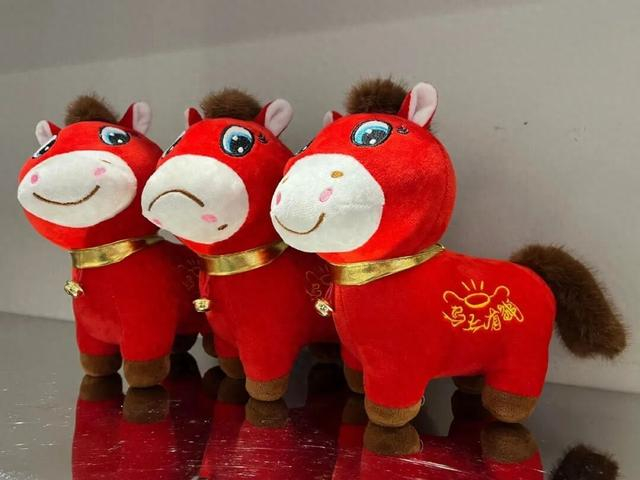
“哭哭马”为何让人会心一笑
Xin Lang Cai Jing· 2026-01-13 20:54
Group 1 - The "crying horse" plush toy has gained unexpected popularity, with orders extending to March due to its emotional resonance and the sense of community it has created online [1][2] - The rise of "crying horse" reflects a shift in consumer psychology, where individuals prefer unique expressions and emotional value over traditional aesthetics [2][3] - The emotional connection and understanding of real feelings are what resonate most with consumers, highlighting the need for both encouragement and empathy in society [3] Group 2 - The success of the "crying horse" demonstrates a growing trend in the creative consumer market, where unconventional and relatable products can thrive [1][2] - The approach of the business owner, including quick production without price hikes, shows respect for new expressions and contributes to the product's warm reception [3]
锐评|“哭哭马”为何让人会心一笑
Xin Lang Cai Jing· 2026-01-12 11:23
Core Insights - A plush toy called "Crying Horse" has unexpectedly gone viral, with production lines in Yiwu working overnight to fulfill orders that extend to March [1] - The popularity of "Crying Horse" reflects a shift in consumer psychology, where people are increasingly seeking self-expression and emotional value rather than adhering to traditional aesthetic standards [3] - The emotional resonance of the toy, which embodies feelings of vulnerability and authenticity, has struck a chord with consumers, highlighting the need for understanding and acceptance of diverse social emotions [4] Group 1 - The "Crying Horse" has become a cultural phenomenon, generating significant online engagement and emotional connections among consumers [1] - The toy's appeal lies in its ability to provide a humorous outlet for feelings of inadequacy and stress, contrasting with societal pressures to be perpetually optimistic [3] - The production approach, including rapid manufacturing without price increases, demonstrates respect for new expressions and consumer sentiments, contributing to its success [4]

【图说】迎新
Xin Lang Cai Jing· 2025-12-31 20:03
Group 1 - The phrase "爱你老己" has recently gone viral online, reflecting a trend of self-care and emotional support among individuals [1] - This expression serves as a reminder for people to cherish themselves and find joy in life, especially during the end of the year [1] - The popularity of this phrase indicates a collective movement towards self-acceptance and positivity, suggesting that society is becoming more aware of the importance of self-love [1]
当代90后自救指南
Hu Xiu· 2025-10-24 00:39
Core Viewpoint - The article discusses various methods that individuals use to cope with negative emotions, emphasizing the importance of self-care and personal strategies to manage stress and anxiety in contemporary life [10][11][39]. Group 1: Personal Strategies for Managing Emotions - Individuals often engage in physical changes in their environment, such as changing personal care products and cleaning their spaces, to help shift their emotional state [2][4][8]. - Engaging in creative activities, such as playing musical instruments, is highlighted as a way to find solace and express emotions [5][17]. - The act of decluttering and organizing personal belongings is seen as a therapeutic method to alleviate stress [4][11]. Group 2: Social Interactions and Support - Conversations with friends, whether casual or deep discussions, are common methods for individuals to process their feelings and find relief from negative emotions [18][20][31]. - Cooking for family and friends is mentioned as a fulfilling activity that not only distracts from negative feelings but also provides a sense of accomplishment and connection [20]. Group 3: Physical Activities and Self-Care - Engaging in physical activities like running, swimming, or simply spending time outdoors is noted as an effective way to release pent-up emotions and improve mood [25][32]. - Self-care routines, such as taking a shower or washing hair, are described as simple yet effective ways to refresh one's emotional state [33]. Group 4: Creative Expression and Reflection - Writing is presented as a powerful tool for self-reflection and emotional processing, allowing individuals to articulate their feelings and gain clarity [36][39]. - The article emphasizes the importance of understanding one's emotions and finding personal methods to cope, reinforcing the idea that self-love is crucial in combating negative feelings [40][41].
又一位“德华”火了,夹子音“全职奶舅”成网友电子榨菜?
3 6 Ke· 2025-10-09 09:28
Core Viewpoint - The rise of "Dehua" content, particularly through the popular Vlog series by @是明奇阿, showcases the humorous and engaging experiences of non-parental figures, such as uncles, in childcare, reflecting a shift in parenting narratives on social media platforms [1][12][22]. Group 1: Content Creation and Popularity - The term "Dehua" originates from a character in the TV series "Parents' Love," now used to describe non-parental caregivers [1]. - @是明奇阿's Vlog series, featuring a comedic take on being a "full-time uncle," has gained significant traction, with some videos receiving over 2.44 million likes [11]. - The content created by "Dehua" figures often emphasizes humor and emotional connection, contrasting with traditional parenting styles [23][25]. Group 2: Community Engagement and Trends - Many viewers have begun to share their own "Dehua" experiences, showcasing various humorous and creative childcare methods [5][12]. - The "Dehua" phenomenon is not isolated; it represents a broader trend of non-parental figures gaining popularity in childcare content across platforms like Douyin and Kuaishou [12][22]. - The unique perspectives of uncles, aunts, and other relatives in childcare provide a refreshing contrast to the pressures faced by parents, allowing for more relaxed and enjoyable interactions [22][25]. Group 3: Emotional Resonance and Cultural Impact - The content resonates with audiences by addressing the emotional needs of viewers, allowing them to relive their childhood experiences and connect with family dynamics [25][26]. - The "Dehua" videos serve as a form of "self-healing" for many young viewers, as they reflect on their own childhoods while engaging with the content [25][26]. - This trend highlights a shift towards more authentic and relatable parenting narratives, moving away from the polished portrayals often seen in traditional parenting content [25][26].

韩媒:为什么韩国人明知一些书本内容浅显却仍持续购买?
Huan Qiu Shi Bao· 2025-09-25 23:04
Group 1 - The article discusses the rise of "healing essays" in South Korea, which are characterized by their short, easily digestible content that often contains motivational phrases rather than deep narratives [1][2] - In 2023, over 4,200 essays were published in South Korea, nearly double the number from a decade ago, with sales of "Korean essays" increasing by over 30% since 2019, while other literary categories have stagnated [2] - The appeal of these essays lies more in their cultural significance and the social validation they provide to readers rather than their literary quality, as purchasing them is seen as a way to care for oneself [2] Group 2 - Publishers recognize that the market for these essays is low-risk, as they do not require in-depth character development or research, focusing instead on catchy phrases that are visually appealing for social media [2] - Some readers express concern that these essays serve as "fast food for the soul," providing instant gratification but lacking in substance, which could be problematic if they become the primary source of emotional support [2] - The phenomenon is further fueled by social media influencers who can quickly become authors, indicating a shift in the publishing landscape where depth is less important than marketability [2]
小红书为什么愿意为赵露思兜底?
Hu Xiu· 2025-08-07 08:33
Core Viewpoint - The article discusses the evolving relationship between Zhao Lusi and the social media platform Xiaohongshu, highlighting how the platform has become a supportive space for her amidst controversies and public scrutiny [2][4][5]. Group 1: Zhao Lusi's Controversies and Public Perception - Zhao Lusi faced backlash for her behavior on a reality show, which was perceived as lacking empathy towards less fortunate individuals [2][5]. - Despite the criticism on platforms like Weibo, Xiaohongshu users showed understanding and support for her emotional struggles, indicating a more compassionate community [2][5]. - Following her public confrontation with her agency, Galaxy Cool Entertainment, Zhao Lusi received significant support on Xiaohongshu, with her live stream attracting over 21.08 billion views [2][5]. Group 2: Xiaohongshu's Unique Community Dynamics - Xiaohongshu's user base is predominantly female and leans towards emotional expression and self-healing, aligning well with Zhao Lusi's candid sharing of her struggles [5][9]. - The platform's culture encourages users to share personal experiences, which resonates with Zhao Lusi's narrative of loneliness and emotional turmoil [5][9]. - Xiaohongshu's 2024 trend report identified self-healing as a key theme, further emphasizing the platform's role as a space for emotional connection and identity exploration [5][9]. Group 3: Zhao Lusi's Career Trajectory - Zhao Lusi's rise in the entertainment industry has been characterized by strategic moves, including her breakout role in "The Legend of Chen Qianqian" and subsequent successful projects [11]. - Her ability to engage with audiences through social media platforms like Douyin has contributed to her popularity, but her recent controversies have challenged her established image [11][12]. - The article notes that Zhao Lusi's current situation reflects broader themes in the digital age, where emotional narratives can significantly impact public perception and career sustainability [12][14]. Group 4: Xiaohongshu's Strategic Positioning - Xiaohongshu is positioned as a platform that needs a top-tier celebrity to enhance its visibility and appeal, especially in the context of its user demographics [12][13]. - The platform's support for Zhao Lusi is seen as a strategic move to leverage her influence and maintain relevance in a competitive social media landscape [12][13]. - The article suggests that while Xiaohongshu provides emotional support, it may not offer a long-term solution for Zhao Lusi's career challenges, highlighting the need for sustained artistic development [13][14].

做自己的心理医生(深刻)
洞见· 2025-06-11 09:53
Core Viewpoint - The article emphasizes the importance of self-therapy and personal responsibility in overcoming mental struggles, as illustrated through the life and insights of author Margarita Pasos, who transformed her own suffering into a guide for others [12][71]. Group 1: Author's Background and Struggles - Margarita Pasos faced severe childhood trauma, including being locked away for four years by a caregiver, leading to long-term psychological issues such as claustrophobia and anxiety [21][34]. - Her experiences in a violent environment further compounded her mental health challenges, resulting in a pervasive sense of victimhood and anxiety [30][36]. Group 2: Journey to Self-Discovery - After numerous failed attempts to seek help from medical professionals, Pasos realized that the key to her healing lay within herself [50][61]. - She began to shift her mindset from negative to positive, learning to view challenges as opportunities for growth rather than threats [56][60]. Group 3: Practical Strategies for Self-Help - The article outlines several techniques for managing negative emotions: - **Anxiety**: Use a rubber band on the wrist to snap oneself back to the present when negative thoughts arise [78]. - **Anger**: Cultivate emotional resilience by adopting a "seal skin" mentality, allowing one to remain unaffected by trivial matters [84][86]. - **Fear**: Establish a healthy mental diet by avoiding negative stimuli and consuming positive content [92][96]. - **Sadness**: Practice gratitude to transform negative feelings into positive ones, viewing challenges as growth opportunities [104][106]. Group 4: Conclusion and Call to Action - The article concludes with a powerful message that individuals have the ability to be their own healers and should take responsibility for their happiness [71][110]. - It encourages readers to confront their pain and actively engage in self-healing practices, reinforcing the idea that self-help is not just a choice but a responsibility [72][68].

“香港舞台剧女王”用一台独角戏,完成与父亲的漫长告别
Di Yi Cai Jing· 2025-05-27 07:58
Core Viewpoint - The performance "Promise·Chanel" by actress Jiao Yuan serves as an emotional farewell to her late father, showcasing her personal growth and deep-seated feelings over her 20-year career in theater [1][4][12] Group 1: Performance Overview - Jiao Yuan's solo play "Promise·Chanel" connects her life story through songs by her idol Faye Wong, allowing her to express intimate emotions and complete a long goodbye with her father [1][12] - The play was performed in Shanghai on May 23 and 24 as the closing act of the YOUNG theater's "Hong Kong·Artistic Freedom" series [1] - Jiao Yuan's performance is characterized by her intense emotional expression, which has captivated audiences throughout her career [4][5] Group 2: Personal Background and Themes - Jiao Yuan reflects on her complex relationship with her father, who was a traditional figure and a national-level Peking opera actor, emphasizing the emotional struggles of losing a parent [7][9][10] - The narrative of "Promise·Chanel" includes both joyful memories and painful experiences, highlighting the theme of learning to say goodbye [7][10] - The play's creation process was described as painful yet necessary for Jiao Yuan to articulate her feelings about her father and their relationship [7][12] Group 3: Artistic Influence and Legacy - Jiao Yuan attributes her pursuit of excellence in performance to her father's rigorous training and influence, which shaped her artistic identity [8][9] - The play features minimal props to recreate significant moments from her childhood, allowing the audience to connect with her experiences [10] - Jiao Yuan's journey in the play culminates in a message of self-acceptance and healing, encouraging others to confront their own grief and emotions [12]