
衍生品交易监管

Search documents
非银行金融行业周报:高市场活跃度延续,保险基本面仍维持上升趋势-20260118
SINOLINK SECURITIES· 2026-01-18 11:58
Investment Rating - The report maintains a positive recommendation for the insurance sector, suggesting a favorable outlook for both short-term and long-term performance [5]. Core Insights - The report highlights the restructuring of the trillion-yuan health insurance market, with medical insurance continuing to dominate, projected to reach a premium of 944 billion yuan by November 2025, reflecting a year-on-year growth of 2.39% [4]. - The report emphasizes the strong performance of securities firms, with CITIC Securities forecasting a revenue of 74.83 billion yuan for 2025, a year-on-year increase of 28.75%, and a net profit of 30.05 billion yuan, up 38.46% [3][44]. - The report identifies three main investment themes: high-quality securities firms with significant valuation and performance mismatches, companies in the technology sector benefiting from venture capital, and diversified financial firms with impressive growth rates [3]. Summary by Sections Securities Sector - The report notes an increase in the financing margin ratio from 80% to 100%, aimed at promoting market stability and resilience, with a controlled overall impact expected [2]. - Two securities firms reported strong earnings forecasts for 2025, with CITIC Securities showing significant growth in revenue and net profit due to high market activity [2][44]. Insurance Sector - The health insurance market is expected to see medical insurance as the main product, with a projected market share of approximately 46% by 2025, growing at nearly 7% [4]. - The report indicates that the C-end business will dominate the health insurance market, with a near 70% share by 2025, driven by trends such as expanding coverage and targeting younger demographics [4]. - The report anticipates that medical insurance will be the primary growth driver, influenced by factors like population aging and medical inflation [4]. Investment Recommendations - The report suggests focusing on three main lines: high-quality securities firms with valuation mismatches, technology firms benefiting from venture capital, and diversified financial firms with strong growth [3]. - It highlights the positive short-term outlook for the insurance sector, with expectations of high performance in Q1 due to favorable market conditions [5].






金融行业周报(2026、01、18):央行宣布结构性降息,衍生品交易监管更规范-20260118
Western Securities· 2026-01-18 11:43
Investment Rating - The report does not explicitly state an overall investment rating for the financial industry, but it provides specific recommendations for various sectors and companies within the industry [3][21]. Core Insights - The financial industry experienced a decline this week, with the non-bank financial index down by 2.63%, underperforming the CSI 300 index by 2.06 percentage points. The banking sector saw a decline of 3.03%, also underperforming the CSI 300 index by 2.46 percentage points [1][9]. - The report highlights a structural interest rate cut by the central bank, which is expected to impact various financial sectors, particularly banks and insurance companies. The insurance sector is viewed as being in a critical window for performance and valuation recovery [3][21]. - Regulatory measures have been introduced to stabilize the derivatives market, which is expected to benefit well-capitalized and compliant brokerage firms [2][17]. Summary by Sections 1. Weekly Performance and Sector Insights - The non-bank financial index decreased by 2.63%, with the securities, insurance, and diversified financial indices down by 2.21%, 3.59%, and 1.83% respectively [1][9]. - The banking sector's performance was notably poor, with state-owned banks, joint-stock banks, city commercial banks, and rural commercial banks experiencing declines of 2.20%, 4.08%, 2.40%, and 2.20% respectively [1][9]. 2. Insurance Sector Insights - The insurance sector's index fell by 3.59%, underperforming the CSI 300 index by 3.02 percentage points. The report indicates that regulatory cooling measures have created short-term pressure on the insurance sector, but the long-term outlook remains positive due to asset growth and interest margin recovery [1][13][15]. - Key companies such as China Pacific Insurance, China Life, and New China Life are recommended for investment due to their strong fundamentals and recovery potential [3][16]. 3. Brokerage Sector Insights - The brokerage sector saw a decline of 2.21%, with the report emphasizing the potential benefits of new regulatory measures aimed at enhancing the derivatives market. The focus is on larger, well-capitalized firms that can navigate the evolving regulatory landscape [2][17]. - Recommendations include major brokerages like Guotai Junan and Huatai Securities, which are expected to benefit from the anticipated recovery in profitability and valuation [2][18]. 4. Banking Sector Insights - The banking sector's index fell by 3.03%, with the central bank's recent interest rate cut expected to support the sector's performance in the long run. The report suggests that banks may see a gradual recovery in net interest income and profitability [3][21][22]. - Specific banks such as Hangzhou Bank and Ningbo Bank are highlighted as potential investment opportunities, particularly those with previously undervalued positions [3][22].



划红线、明方向,更具包容性、适应性!衍生品交易监管办法再次征求意见
Qi Huo Ri Bao· 2026-01-17 00:08
Core Viewpoint - The China Securities Regulatory Commission (CSRC) has released a draft for the "Regulations on the Supervision and Management of Derivative Transactions (Trial) (Draft for Comments)" aimed at standardizing derivative trading, enhancing market transparency, protecting legal rights, and mitigating financial risks [1][7]. Group 1: Regulatory Framework - The draft consists of 57 articles that clarify regulations on derivative trading, settlement, traders, operating institutions, market infrastructure, supervision, and legal responsibilities [2]. - The scope of the draft includes derivative trading venues and institutions regulated by the CSRC, excluding the interbank derivative market and OTC markets organized by banks and insurance institutions [2]. - The draft affirms the role of the derivative market in risk management, resource allocation, and serving the real economy, while encouraging hedging activities and limiting excessive speculation [2][7]. Group 2: Trading Principles and Restrictions - Derivative operating institutions are prohibited from promoting derivative contracts through advertising or public solicitation [3]. - Derivative transactions must be confirmed through a master agreement, detailing contract elements such as underlying assets, nominal principal, transaction direction, and fees [3]. - The draft mandates that operating institutions maintain reasonable leverage levels and market sizes, and enhance the standardization of derivative trading [2][3]. Group 3: Corporate Governance and Compliance - Listed companies are restricted from engaging in derivative transactions based on their own stock, with exceptions as per laws and regulations [4]. - Companies must establish internal controls and risk management systems when participating in derivative trading and comply with disclosure obligations [4]. - Derivative operating institutions must separate derivative trading from proprietary trading and implement effective measures to prevent conflicts of interest [6]. Group 4: Enhanced Supervision and Risk Management - The draft imposes higher requirements on derivative operating institutions, including risk control indicators, governance structure, and qualified personnel [6]. - Institutions are required to manage margin on a daily basis and establish pricing and valuation management systems for derivatives [6]. - The draft aims to create a comprehensive risk management framework covering all market participants, enhancing compliance and professional capabilities [8][9]. Group 5: Market Development and Future Outlook - The draft is seen as a significant step in building a regulatory framework for the derivative market, filling existing regulatory gaps and complementing current laws [7]. - It encourages the development of derivatives that meet medium- to long-term funding needs while restricting speculative activities [7][9]. - The overall aim is to transition the domestic derivative market from extensive to high-quality development, supporting economic growth [9].


衍生品交易监督管理办法征求意见 支持开发满足中长期资金风险管理需求的衍生品,依法限制过度投机行为
Zheng Quan Shi Bao Wang· 2026-01-16 23:55
Core Viewpoint - The China Securities Regulatory Commission (CSRC) has released a draft of the "Derivatives Trading Supervision and Management Measures (Trial) (Draft for Comments)" aimed at supporting derivatives trading for risk management and service to the real economy while enhancing monitoring and regulation to effectively prevent risks [1][4]. Group 1: Regulatory Framework - The draft establishes a unified regulatory requirement for various derivatives operating institutions under the CSRC to promote a standardized and healthy market development [1]. - Derivatives trading venues are required to report to the CSRC when organizing new derivatives contract trading or adjusting contract varieties and structures [1]. - The draft emphasizes the importance of risk management, compliance management, and internal management for derivatives operating institutions [2][4]. Group 2: Market Development Direction - The derivatives market is encouraged to engage in hedging and risk management activities, with a focus on developing derivatives that meet medium- to long-term funding risk management needs while legally restricting excessive speculation [2]. - The draft aims to enhance the clarity of business rules related to margin recording, custody, and usage, ensuring that margins are prioritized for derivatives trading settlement [2]. Group 3: Management and Supervision - A comprehensive regulatory arrangement is established to better prevent and mitigate financial risks, including counter-cyclical management of derivatives trading by the CSRC [2]. - The CSRC is mandated to coordinate supervision with other financial management departments and strengthen regulatory cooperation with overseas supervisory bodies for derivatives trading conducted by foreign institutions [2]. Group 4: Compliance and Legal Responsibilities - Clear "red lines" are set for participants in derivatives trading, prohibiting market manipulation, insider trading, and other illegal activities [3]. - The draft specifies the prohibitive behaviors of derivatives operating institutions and their personnel, detailing the legal responsibilities for violations [3]. Group 5: Adaptability and Inclusiveness - The draft outlines that derivatives trading should be conducted with margin requirements, with further details to be specified in normative documents and self-regulatory rules [3]. - It allows for differentiated standards for professional traders based on the type of underlying assets, ensuring that they meet or exceed the CSRC's professional trader standards [3].
更具适应性和包容性 衍生品交易监管办法再次征求意见
Zhong Guo Jing Ying Bao· 2026-01-16 14:19
Core Viewpoint - The China Securities Regulatory Commission (CSRC) has released a draft regulation for the supervision of derivative trading, aiming to enhance risk management and support the real economy through the development of the futures and derivatives market [1][2]. Group 1: Regulatory Framework - The draft regulation outlines the scope of application, stating that all derivative trading and related activities under CSRC's jurisdiction will be governed by this regulation [2]. - It emphasizes the functions of the derivatives market in managing risks, allocating resources, and serving the real economy, along with the basic principles for participating in derivative trading activities [2]. - The regulation specifies the conditions and procedures for developing derivative contracts, as well as the basic trading rules for various types of derivative contracts [2]. Group 2: Risk Management and Oversight - The draft includes provisions for performance assurance systems and standards for the appropriateness of traders [2]. - It aims to strengthen monitoring and cross-market regulation of derivatives, enhancing oversight of derivative operating institutions and trading venues [2]. - The regulation also addresses the supervision of derivative clearing institutions and trading report databases, along with clarifying supervisory management and legal responsibilities [2]. Group 3: Stakeholder Feedback - In 2023, the CSRC previously sought public opinion on the draft, receiving general support for its aim to standardize the development of the derivatives market, along with suggestions for further improvement [2]. - The CSRC has taken into account reasonable suggestions from stakeholders, making further modifications to enhance the adaptability and inclusiveness of the regulation [2].
证监会拟出台衍生品交易监管办法 促进市场规范健康发展
Zheng Quan Ri Bao Wang· 2026-01-16 13:07
Core Viewpoint - The China Securities Regulatory Commission (CSRC) is seeking public opinion on the draft of the "Supervision and Administration Measures for Derivative Transactions (Trial) (Draft for Comments)" to enhance the regulation and development of the derivatives market in accordance with national policies and laws [1][2]. Group 1: Regulatory Framework - The draft aims to implement the requirements of the "Opinions on Strengthening Regulation, Preventing Risks, and Promoting High-Quality Development of Capital Markets" issued by the State Council [1]. - The draft outlines the regulatory scope, including all derivative transactions and related activities under CSRC's jurisdiction [2]. - It emphasizes the role of derivatives in risk management, resource allocation, and serving the real economy [1][2]. Group 2: Key Provisions - The draft specifies the conditions and procedures for developing derivative contracts [2]. - It establishes basic trading rules for various types of derivative contracts and a performance guarantee system [2]. - The draft includes standards for the suitability of traders and enhances monitoring and cross-market regulation of derivatives [2]. Group 3: Market Infrastructure and Oversight - The draft strengthens the regulation of derivative trading venues, clearing institutions, and reporting databases [2]. - It outlines prohibitive and restrictive requirements for derivative trading activities [2]. - The draft also clarifies supervisory management and legal responsibilities related to derivatives [2].
事关衍生品交易监管 证监会公开征求意见
Xin Hua Wang· 2026-01-16 13:05
Core Viewpoint - The China Securities Regulatory Commission (CSRC) has drafted the "Supervision and Management Measures for Derivative Trading (Trial) (Draft for Comments)" to promote the standardized and healthy development of the derivatives market, inviting public feedback on the proposal [1][4]. Group 1: Regulatory Framework - The draft outlines the risk management, resource allocation, and service functions of the derivatives market, as well as the basic principles for participating in derivative trading activities [4]. - It specifies the development conditions and procedures for derivative contracts, basic trading rules for various derivative contracts, performance guarantee systems, and suitability standards for traders [4]. Group 2: Monitoring and Compliance - The draft enhances monitoring and cross-market regulation of derivatives, clarifying prohibitive and restrictive requirements for derivative trading [4]. - It strengthens the regulation of derivative operating institutions and the supervision of derivative trading venues, clearing institutions, and trading report databases [4]. Group 3: Market Impact - Derivative trading, which includes swap contracts, forward contracts, and non-standard options contracts, plays a positive role in risk management, resource allocation, and serving the real economy [4]. - The CSRC welcomes feedback from all sectors of society on the draft, indicating a commitment to refining the proposal based on public input before implementation [1][4].
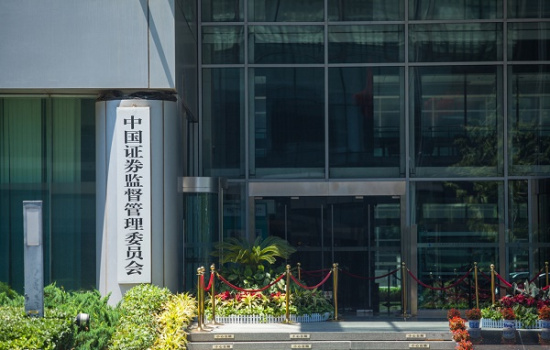
证监会拟出台衍生品交易监管新规
Sou Hu Cai Jing· 2026-01-16 11:56
Core Viewpoint - The China Securities Regulatory Commission (CSRC) has released a draft for public consultation regarding the "Supervision and Administration Measures for Derivative Trading (Trial) (Draft for Comments)", which outlines regulations for derivative trading and related activities in China. Group 1: Regulatory Scope and Functions - The draft specifies that it applies to derivative trading venues and institutions regulated by the CSRC, excluding the interbank derivative market and OTC markets organized by banking and insurance institutions [1] - It emphasizes the role of the derivative market in managing risks, allocating resources, and serving the real economy, encouraging risk management activities like hedging while limiting excessive speculation [1] Group 2: Principles and Rules - The draft outlines basic principles that all parties involved in derivative trading must adhere to [1] - It details the conditions and procedures for developing derivative contracts [1] - Basic trading rules for derivative contracts are also specified [1] Group 3: Compliance and Monitoring - The draft establishes a performance guarantee system and sets standards for the appropriateness of traders [1] - It calls for enhanced monitoring and cross-market regulation of derivative trading [2] - Prohibitive and restrictive requirements for derivative trading are clearly defined [3] Group 4: Institutional Oversight - The draft emphasizes the need for strengthened regulation of derivative operating institutions [4] - It also highlights the importance of regulating the infrastructure of the derivative market [5] - Clear supervisory management and legal responsibilities are outlined [6]
证监会对衍生品交易征求意见:遵循审慎监管原则 可以对衍生品交易实施逆周期调节管理
Sou Hu Cai Jing· 2026-01-16 11:56
Core Viewpoint - The China Securities Regulatory Commission (CSRC) has drafted the "Supervision and Management Measures for Derivative Transactions (Trial) (Draft for Comments)" to promote the healthy development of the derivatives market in accordance with national policies and legal requirements [1][2]. Group 1: Regulatory Framework - The draft specifies the applicable scope, stating that it governs derivative transactions and related activities under the supervision of the CSRC [2]. - It outlines the functions of the derivatives market, including risk management, resource allocation, and service to the real economy, along with basic principles for participation in derivative trading [2]. - The draft establishes conditions and procedures for the development of derivative contracts [2]. Group 2: Trading Rules and Oversight - Basic trading rules for various types of derivative contracts are clearly defined in the draft [2]. - The draft includes provisions for performance guarantee systems and standards for the appropriateness of traders [2]. - Enhanced monitoring and cross-market regulation of derivatives are emphasized, along with prohibitive and restrictive requirements for derivative trading [2]. Group 3: Institutional and Infrastructure Regulation - The draft strengthens the regulation of derivative operating institutions and trading venues, as well as clearing institutions and reporting databases [2]. - It specifies the supervisory management and legal responsibilities associated with derivative transactions [2]. - Feedback from the public has been generally supportive of the draft, with suggestions for further refinement being considered by the CSRC [2].
证监会:衍生品经营机构应当将衍生品交易业务纳入整体的风险管理
智通财经网· 2026-01-16 11:42
Core Viewpoint - The China Securities Regulatory Commission (CSRC) has drafted the "Supervision and Management Measures for Derivative Trading (Trial) (Draft for Comments)" to enhance risk management and market transparency in derivative trading [1][3]. Group 1: General Principles - The measures aim to standardize derivative trading activities, improve market transparency, protect legal rights, and support the real economy while preventing financial risks [3][4]. - Derivative trading includes swap contracts, forward contracts, and non-standardized options contracts [5]. Group 2: Risk Management - Derivative operating institutions must incorporate derivative trading into overall risk management, accurately identify, assess, and respond to various risks, including credit, market, liquidity, and operational risks [25][26]. - Institutions are required to manage position concentration and ensure that the scale of derivative business aligns with their capital strength, management capabilities, and risk control levels [25][26]. Group 3: Trading Standards - Derivative contracts must have fair market pricing, good liquidity, and should not be easily manipulated [7]. - The design of derivative contracts should be transparent, fair, and reasonable, with clear and understandable terms [7]. Group 4: Participant Requirements - Participants in derivative trading must meet professional trader standards set by the CSRC, and institutions must conduct thorough assessments of traders' financial status and risk tolerance [18][19]. - Trading accounts must be registered in the real name of the trader, and sharing accounts is prohibited [20]. Group 5: Institutional Responsibilities - Derivative operating institutions must maintain a sound governance structure, risk management, and compliance systems, and separate derivative trading from other business operations to prevent conflicts of interest [22][24]. - Institutions are required to manage margin on a daily basis and establish pricing and valuation management systems for derivatives [24][26]. Group 6: Market Infrastructure - The CSRC will establish a derivative trading report database to collect, analyze, and manage trading information, enhancing market transparency [29][30]. - Derivative trading venues must strengthen risk control and monitoring of trading activities [28][29].