金融业对外开放

Search documents
潘功胜定调货币、防风险与金融开放
第一财经· 2026-03-06 15:15
Core Viewpoint - The article discusses the key signals and policies released during the press conference held by five major departments in China, focusing on monetary policy, financial risk prevention, and the opening up of the financial sector, which are crucial for the economic development in the "15th Five-Year Plan" period [3]. Monetary Policy - The government will continue to implement a moderately loose monetary policy, utilizing various policy tools such as reserve requirement ratio (RRR) cuts and interest rate reductions to support economic growth [5][7]. - The People's Bank of China (PBOC) aims to maintain ample market liquidity and ensure that the growth of social financing and money supply aligns with economic growth and price level expectations [7]. - The focus will be on supporting domestic demand, technological innovation, and small and micro enterprises while regulating financial institutions to optimize credit structures [7]. Financial Stability and Risk Prevention - The PBOC emphasizes the importance of balancing economic growth and financial risk prevention, stating that many economic issues manifest through financial channels [9]. - Significant progress has been made in reducing risks in key areas, with the number of financing platforms and their debt levels decreasing by over 70% compared to early 2023 [8]. - The PBOC will continue to guide local governments and financial institutions in managing debt risks and ensuring the stability of small and medium-sized banks [9]. Exchange Rate and External Environment - The PBOC acknowledges the complexity of exchange rate influences, including geopolitical events and monetary policies, which have led to increased volatility in international financial markets [10]. - The central bank will monitor external shocks and their potential impacts on China's financial market, employing macro-prudential tools to mitigate risks [10]. Financial Sector Opening - The article highlights the ongoing efforts to enhance the level of financial openness in China, with foreign institutions expected to hold over 10 trillion yuan in domestic RMB financial assets by the end of 2025 [12]. - The PBOC plans to continue expanding high-level financial openness, improving the transparency and predictability of financial policies, and promoting the internationalization of the RMB [12][13]. - There is a commitment to strengthening regulatory capabilities to match the high-level opening of the financial sector, ensuring financial security [13].

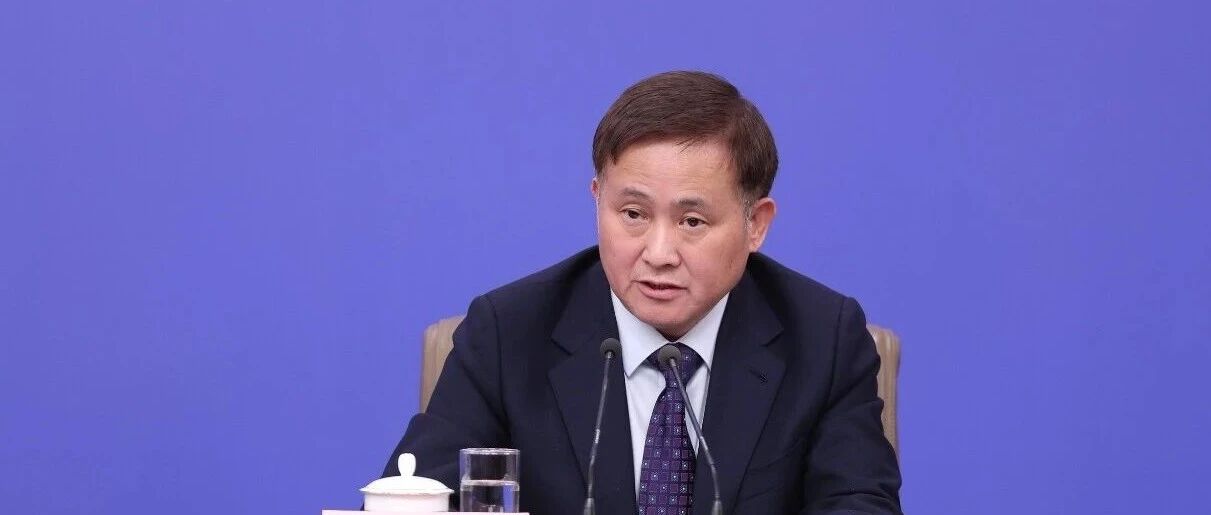
时报观察|主权债券屡受热捧 中国资产“圈粉”全球
证券时报· 2025-11-21 00:00
Group 1 - The core viewpoint of the articles highlights the strong global demand for Chinese sovereign bonds, evidenced by the record-breaking issuance of €4 billion in Luxembourg, which attracted over 1,000 institutional investors and achieved a subscription multiple of 25 times [1] - The issuance of $4 billion in sovereign bonds two weeks prior also saw a high subscription multiple of nearly 30 times, indicating robust global investment interest in Chinese sovereign debt [1] - The distribution of international investors shows a significant allocation to long-term investors such as central banks and sovereign wealth funds, with over 60% of the bonds allocated to regions outside Asia, reflecting confidence in the safety and sustainability of Chinese assets [1] Group 2 - In 2023, China has significantly expanded its overseas sovereign bond issuance, surpassing the total amount issued in the previous year, supported by a favorable global interest rate environment and increasing financing needs of Chinese enterprises going abroad [1] - The issuance of multi-currency sovereign bonds provides a pricing benchmark for Chinese companies seeking overseas financing, helping to reduce their financing costs and uncertainties [1] - The continuous inflow of foreign capital into Chinese assets is also evident domestically, with a record high of $31 billion in securities investment settlement in October, indicating a positive outlook from foreign institutions on China's stock and currency markets [2]

一揽子增量政策落地见效 中国金融业对外开放大门越开越大
Zheng Quan Shi Bao· 2025-11-04 17:53
Group 1 - The Hong Kong International Financial Leaders Investment Summit opened on November 4, attracting officials from mainland financial regulatory bodies, Hong Kong government financial officials, and executives from major global financial institutions to discuss current hot topics of interest to global investors [1] - Hong Kong's financial market has shown exceptional performance this year, with an average daily trading volume exceeding $32 billion, doubling compared to last year; 80 IPO projects were completed in the first ten months, raising over $26 billion, making it the world's leader in IPO fundraising [1] - The Hong Kong government is actively promoting reforms to maintain this momentum, allowing overseas companies to raise funds and enhancing trade risk management efficiency, while also promoting RMB stock trading [1] Group 2 - The People's Bank of China has implemented a moderately accommodative monetary policy this year, releasing 1 trillion yuan in long-term liquidity by lowering the reserve requirement ratio, and has taken measures to reduce financing costs for society [2] - During the "14th Five-Year Plan" period, significant achievements in the opening of China's capital market to foreign investment include comprehensive industry access, deepening market connectivity, and steady progress in product openness [2] - The current global economic and financial landscape is facing increasing uncertainties, making it crucial to accurately grasp international economic trends and promote coordinated development between mainland and Hong Kong capital markets [2] Group 3 - Support for mainland insurance companies to issue catastrophe bonds and insurance-linked securities in Hong Kong is being promoted, along with financial service facilitation in the Greater Bay Area [3] - Strengthening cooperation in technology, green finance, inclusive finance, pension finance, and digital finance between mainland and Hong Kong is a focus, leveraging Hong Kong's advantages in technological innovation and intellectual property protection [3] - The opening of China's financial sector is increasingly welcomed by foreign investment institutions, with a consensus forming around investing in and deepening engagement with China [3]
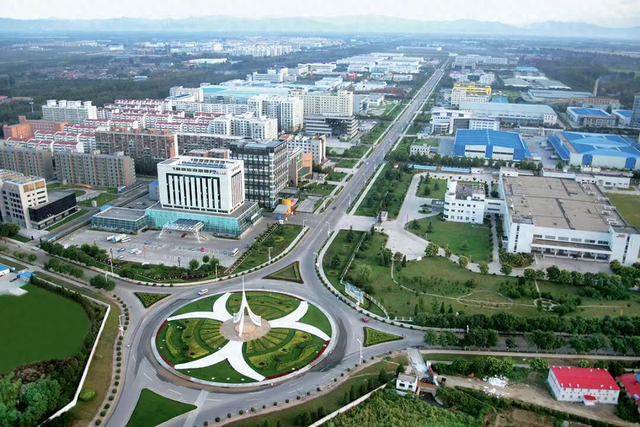
首都机场临空经济区金融业对外开放水平再提升
Bei Jing Ri Bao Ke Hu Duan· 2025-10-29 04:58
Core Insights - The Capital Airport Economic Zone has seen significant foreign investment growth, with approximately $5.97 billion (around ¥41.76 billion) in actual foreign capital utilized this year, contributing to the high-quality development of Beijing's financial sector [2] - The zone is a key area for the construction of the capital's industrial financial center, focusing on attracting high-quality financial enterprises and forming a modern financial industry system characterized by industrial and aviation finance [2] - HSBC Insurance Brokerage, a notable player in the zone, has completed three rounds of capital increase since 2025, totaling $1.07 billion (approximately ¥7.47 billion), raising its registered capital to ¥25.17 billion, which supports its future business expansion [2] Financial Sector Developments - Huaxia Fund, a leading financial enterprise in the zone, has also contributed to foreign investment growth by completing a share transfer to Qatar Holding for $490 million (approximately ¥34.29 billion), enhancing the zone's foreign capital utilization metrics [3] - The zone benefits from a combination of favorable policies and efficient enterprise services, being a national-level economic demonstration area and a core region for expanding service industry openness in Beijing [3] - The financial enterprises in the zone generated a total public budget revenue of ¥21.11 billion from January to September, marking a year-on-year increase of 33.7%, while the district-level public budget revenue reached ¥4.76 billion, up 36.21% year-on-year [3][4] Future Outlook - The Capital Airport Economic Zone aims to provide robust support for enterprise development through practical service measures and an improved business environment, promoting higher quality development in the financial industry [4]
“十四五”金融业答卷亮眼:170万亿精准滴灌实体经济
Di Yi Cai Jing· 2025-09-22 14:06
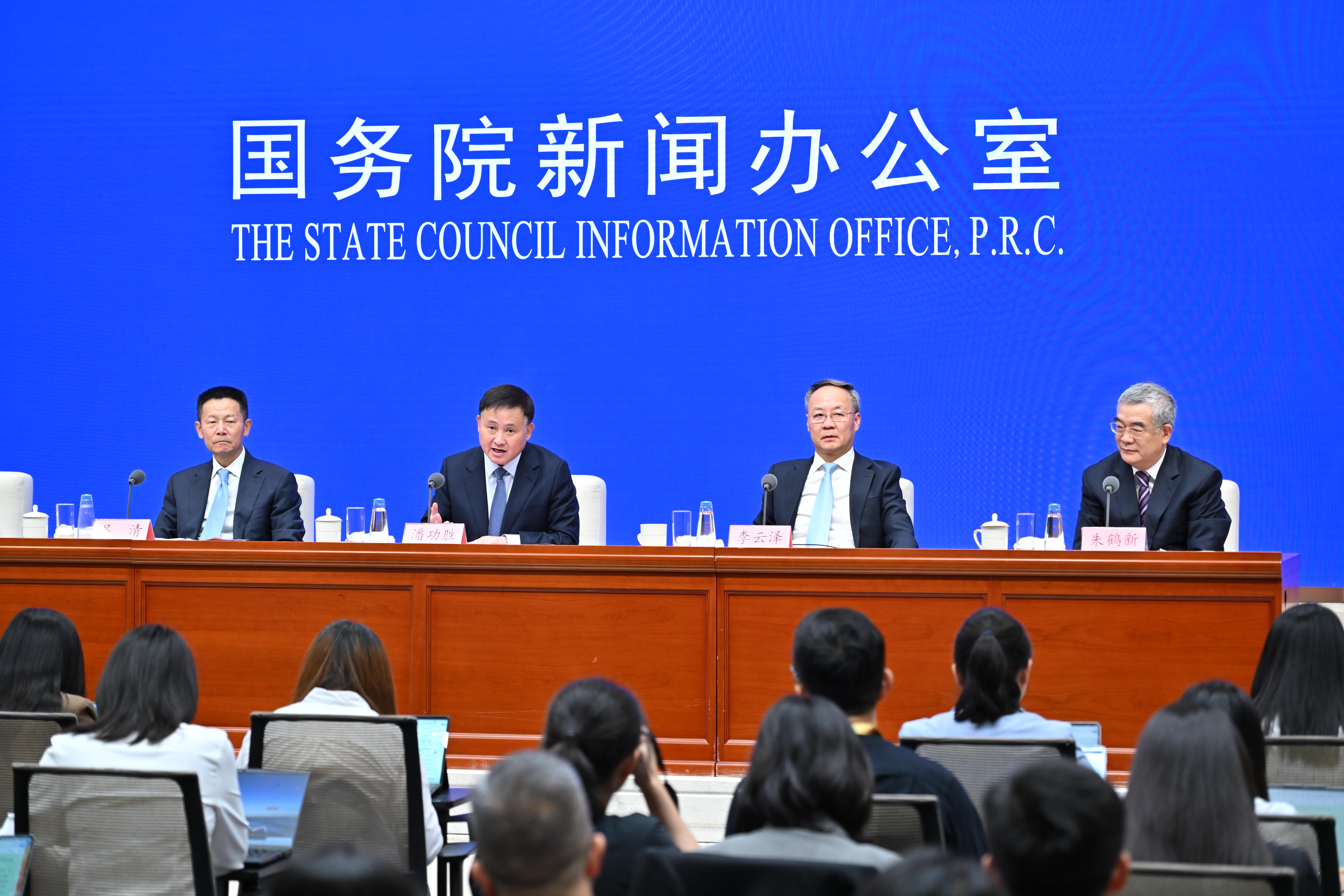
Core Viewpoint - The press conference highlighted the achievements of the financial sector during the "14th Five-Year Plan" period, emphasizing the simultaneous enhancement of the "strength" and "precision" of financial support for the real economy [1][5]. Financial Support for the Real Economy - Over the past five years, the banking and insurance sectors have injected a total of 170 trillion yuan into the real economy through various financing methods, with significant growth in loans for scientific research, manufacturing, and infrastructure [6][7]. - The balance of inclusive finance loans for small and micro enterprises reached 36 trillion yuan, 2.3 times that of the end of the "13th Five-Year Plan," with interest rates decreasing by 2 percentage points [6]. - The insurance sector has paid out 9 trillion yuan in claims, a 61.7% increase compared to the "13th Five-Year Plan" period [6]. Risk Management and Regulatory Reforms - The financial regulatory system has undergone significant reforms, with a high-pressure stance on illegal activities leading to 2,214 administrative penalties in the capital market, totaling 41.4 billion yuan [6][7]. - The number of financing platforms has decreased by over 60% since the beginning of 2023, and the scale of financial debt has dropped by over 50% [7]. Financial Sector Openness - The financial sector has made substantial progress in opening up, with significant reforms in capital markets, foreign exchange management, and international financial governance [9][10]. - As of now, 43 of the world's top 50 banks have established operations in China, and half of the 40 largest insurance companies have entered the Chinese market [10]. Capital Market Developments - The capital market has experienced profound changes, including the implementation of new securities laws and the establishment of a more robust legal framework [12][13]. - The total market capitalization of A-shares has surpassed 100 trillion yuan, with a significant increase in the proportion of technology sector market capitalization [14]. Future Monetary Policy Outlook - The monetary policy is expected to become more flexible and precise, focusing on maintaining liquidity and supporting consumption and effective investment [15][16]. - The People's Bank of China aims to enhance macro-prudential and financial stability functions to prevent systemic financial risks [16].
金融监管巨头齐聚!“十四五”答卷亮眼:170万亿输血实体、3.4万亿外资持仓
Di Yi Cai Jing· 2025-09-22 12:15
Core Insights - The banking and insurance sectors have injected a total of 170 trillion yuan into the real economy over the past five years through various financial instruments [1][5]. Financial Sector Achievements - The financial industry has achieved significant growth, with total assets surpassing 500 trillion yuan, averaging a 9% annual growth rate over five years [4]. - The scale of trust, wealth management, and insurance asset management institutions has doubled compared to the end of the 13th Five-Year Plan, reaching nearly 100 trillion yuan [4]. - China has solidified its position as the world's largest credit market and the second-largest insurance market, with 143 Chinese banks listed among the global top 1,000 [4]. Support for the Real Economy - Financial support for the real economy has improved in both intensity and precision, with annual growth rates for loans in key areas such as scientific research, manufacturing, and infrastructure reaching 27.2%, 21.7%, and 10.1% respectively [5]. - The balance of inclusive finance loans for small and micro enterprises has reached 36 trillion yuan, 2.3 times that of the end of the 13th Five-Year Plan, with interest rates decreasing by 2 percentage points [5]. - The insurance sector has paid out a total of 9 trillion yuan in claims, a 61.7% increase compared to the 13th Five-Year Plan period [5]. Risk Management and Regulatory Reforms - The financial regulatory system has undergone significant reforms, with a focus on enhancing governance and maintaining a high-pressure stance against illegal activities [5]. - Over the past five years, the capital market has seen 2,214 administrative penalties for financial misconduct, totaling 41.4 billion yuan, marking increases of 58% and 30% respectively compared to the 13th Five-Year Plan [5]. - The number of high-risk small banks has been significantly reduced, and over 7,000 "zombie" private equity firms have been cleared [6]. Financial Opening and International Cooperation - The financial sector has made substantial progress in opening up, with 43 of the world's top 50 banks establishing operations in China [7][8]. - The cancellation of foreign ownership limits in the banking sector and improvements in cross-border investment mechanisms have been highlighted as key achievements [8]. - The foreign capital held in A-shares has reached 3.4 trillion yuan, with 269 companies listed abroad [8]. Future Outlook - The monetary policy will remain flexible and precise, focusing on maintaining liquidity and supporting consumption and effective investment [10]. - The financial regulatory authorities will continue to enhance macro-prudential and financial stability functions to prevent systemic financial risks [12]. - The emphasis will be on creating a market-oriented, law-based, and internationalized foreign exchange environment to support high-quality economic development during the 15th Five-Year Plan [12].
宏观经济点评报告:要素市场化改革的关键一步
SINOLINK SECURITIES· 2025-09-22 09:06
Group 1: Reform Overview - The State Council has approved a pilot program for market-oriented allocation of factors in 10 regions, focusing on six key elements: technology, land, human resources, data, capital, and environmental resources[2] - The reform plans are tailored to local conditions, addressing critical issues in factor marketization, including land index marketization and rural homestead reform[4] Group 2: Land and Resource Allocation - The reform emphasizes market-oriented allocation of land indicators, allowing regions with surplus indicators to transfer them to areas with higher development potential, enhancing land resource efficiency[5] - Zhengzhou's plan focuses on transforming underutilized industrial land into new industrial land, supporting industrial upgrades[5] Group 3: Public Services and Population Management - The pilot regions, except Beijing, propose a system where basic public services are provided based on the place of residence, aiming for equalization of services[6] - Chengdu's plan explores matching new construction land with population trends, while other regions emphasize linking fiscal transfers and public service investments to urbanization of rural populations[6] Group 4: Rural Land Reform - The reform aims to facilitate urbanization of rural populations by exploring voluntary and compensated exit mechanisms for rural homestead rights, enhancing financial support for migrants[7] - The focus is on increasing the property value of homestead rights as urbanization progresses, thereby boosting rural residents' income potential[7] Group 5: Income Distribution and Labor Compensation - The reform plans aim to increase labor compensation in the initial distribution of income and enhance residents' income through land and capital rights[8] - Hefei's plan includes raising minimum wage standards and improving wage negotiation systems to benefit frontline workers[8] Group 6: Technology and Innovation - The plans propose granting researchers ownership or long-term usage rights of their scientific achievements, with Hefei suggesting at least 70% ownership rights for researchers[9] - There is a focus on promoting technology capitalization, including knowledge property financing and encouraging quality tech companies to go public[9] Group 7: Financial Sector Reforms - The Fuzhou-Xiamen-Quanzhou region's plan supports Taiwanese financial institutions' participation in mainland financial markets, enhancing cross-border financial cooperation[13] - The Chongqing plan encourages exploration of financial product and capital connectivity between China and Singapore[13] Group 8: Data Management and Utilization - The reform emphasizes the opening of high-value public data sets in various sectors, including health and transportation, to promote transparency and innovation[15] - The Suzhou-Nanjing region's plan explores market-oriented pricing and management of data assets, facilitating data trading[15] Group 9: Risk Considerations - There are risks related to misinterpretation of policies and potential delays in land reform progress, which may affect the overall effectiveness of the pilot programs[16]
“2025年服贸会金融领域‘北京服务’发布”在京举办
Zheng Quan Ri Bao Wang· 2025-09-14 08:31
Core Insights - The event "2025 Service Trade Fair Financial Sector 'Beijing Service' Release" was held in Beijing, showcasing the city's financial reform and innovation achievements [1] - The Beijing Municipal Financial Office selected outstanding cases from over 200 submissions to highlight the effectiveness and replicability of Beijing's financial services [1] Group 1 - The event was attended by over 150 guests from various financial institutions and associations, emphasizing the collaborative effort in promoting Beijing's financial services [1] - The selected cases cover multiple areas including national strategy support, urban development, cross-border finance, and financial judicial collaboration, showcasing Beijing's leading advantages [1] - The cases are characterized by their originality, effectiveness, and demonstrability, providing valuable "Beijing experience" for financial reform and development [1] Group 2 - Beijing has been optimizing its financial business environment with the support of central financial management, aiming to create a world-class "Beijing Service" brand [2] - The city has launched several innovative financial policies and pilot programs, including the integration of foreign and domestic currency pools for multinational companies [2] - Nearly 200 domestic and foreign financial institutions have established operations in Beijing, reflecting the city's attractiveness for financial services [2]
2025服贸会 | 实效性突出 金融领域“北京服务”优秀案例亮相
Bei Jing Shang Bao· 2025-09-14 03:10
Core Viewpoint - The 2025 Service Trade Fair will be held in Beijing, showcasing the city's financial service brand and innovations in the financial sector [1][2]. Group 1: Event Overview - The 2025 Service Trade Fair will take place from September 10 to 14, 2025, at Shougang Park in Beijing [1]. - The Beijing Municipal Financial Office hosted a significant event on September 12, 2025, to launch the "Beijing Service" in the financial sector [1]. Group 2: Financial Innovations and Achievements - Beijing has optimized its financial business environment, aiming to create a world-class "Beijing Service" brand in finance, supported by central financial management [1][2]. - Over 50 breakthrough policies have been implemented in Beijing, including integrated currency pools for multinational companies and unified bank settlement accounts [2]. - Nearly 200 domestic and foreign financial institutions have established operations in Beijing, with significant approvals for new companies and licenses, such as the first foreign-funded securities company to obtain a fund sales license in Beijing [2]. Group 3: Case Studies and Future Directions - The Beijing Municipal Financial Office selected outstanding cases from over 200 submissions to showcase innovative financial services, emphasizing originality, effectiveness, and replicability [3]. - The cases cover various areas, including national strategy support, urban development, cross-border finance, and judicial collaboration in finance [3]. - The office plans to continue promoting innovation in financial services and products to enhance the "Beijing Service" brand and foster a high-quality financial development environment [3].
实效性突出,金融领域“北京服务”优秀案例亮相
Bei Jing Shang Bao· 2025-09-14 02:38
Core Insights - The 2025 Service Trade Fair will be held in Beijing from September 10 to 14, 2025, with a significant event focusing on financial services [1] - The Beijing Municipal Financial Office aims to enhance the financial business environment and establish a world-class "Beijing Service" brand in the financial sector [1][3] - Over 150 guests from various financial institutions and associations attended the event to witness the launch of the "Beijing Service" in the financial domain [1] Group 1 - Beijing has successfully implemented over 50 breakthrough policies, including integrated currency pools for multinational companies and unified bank settlement accounts [3] - Nearly 200 domestic and foreign financial institutions have established operations in Beijing, with notable approvals for companies like Prudential Insurance and Goldman Sachs [3][4] - The financial office selected outstanding cases from over 200 submissions to showcase innovative financial services that align with national strategies and urban development [4] Group 2 - The showcased cases demonstrate significant originality, effectiveness, and replicability, providing valuable "Beijing experience" for financial reform [4] - The year 2023 is pivotal for deepening reforms and promoting modernization, with the financial office committed to continuous innovation in financial services [4]