
长期高利率

Search documents
ZFX山海证券:避险买盘推升金价重回5190
Xin Lang Cai Jing· 2026-02-25 15:20
Core Viewpoint - The gold market has regained upward momentum due to global trade environment shocks and rising risk aversion, despite a short-term adjustment [1][3] Group 1: Gold Market Dynamics - Following a 1.6% pullback due to profit-taking, gold prices rebounded by 1% to $5,192.68 per ounce after the U.S. implemented a 10% global import tariff [1][3] - The policy-driven risk premium is offsetting concerns over profit-taking, providing crucial support for precious metals [1][3] - The dramatic shift in trade policy is becoming a core logic for commodity pricing, with expectations of inflation rising due to potential increases in tariffs [1][3] Group 2: Geopolitical Influences - The evolving geopolitical situation, particularly the upcoming nuclear agreement negotiations between the U.S. and Iran, is heightening investor caution and increasing demand for safe-haven metals [1][3] Group 3: Other Metals Performance - The dollar index fell by 0.2%, allowing for a nearly 4% rebound in silver prices, reaching $90.55 per ounce, and a nearly 5% increase in platinum prices to $2,277.60 [2][5] - Copper prices also showed resilience, with London copper rising to $13,294.63 per ton, reflecting a broad interest in metals with both industrial and safe-haven attributes [2][5] Group 4: Interest Rate Environment - Despite the prevailing risk aversion, pressure from the interest rate environment remains significant, with expectations of "long-term high rates" persisting due to recent statements from Federal Reserve officials [2][5] - This environment typically imposes valuation limits on non-yielding assets, indicating that gold prices will continue to seek balance between risk aversion and interest rate pressures as they approach the $5,200 mark [2][5]


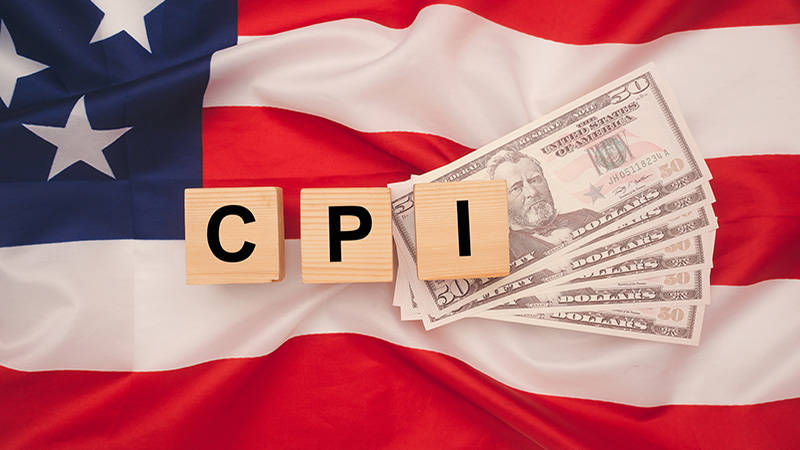
历史性时刻!美国CPI放榜,金银全线狂飙
Sou Hu Cai Jing· 2026-01-14 07:42
Group 1 - The core viewpoint of the article highlights that the recent rise in gold prices, reaching historical highs, is not merely a reaction to cooling inflation but reflects a significant shift in market dynamics and investor sentiment towards systemic risk [1][7]. - The December U.S. core CPI showed a year-on-year increase of 2.6%, maintaining a low range not seen in four years, indicating a long-term trend of declining inflation [1]. - Despite the positive inflation data, the Federal Funds rate futures did not show a drastic drop, suggesting that good news on inflation alone is insufficient to influence the Federal Reserve's policy decisions [3]. Group 2 - The bond market's 10-year U.S. Treasury yield remained around 4.17%, indicating a persistent high-rate environment rather than a sign of easing monetary policy [5]. - In a challenging environment with a strong dollar and flat yields, spot gold prices surged past $4,600, while silver reached $89, with the gold-silver ratio narrowing to a new low not seen in over a decade [5]. - Analysts suggest that the traditional model of "real interest rates driving gold prices" is inadequate to explain the current situation, as gold is increasingly viewed as a hedge against systemic risk rather than just inflation [7]. Group 3 - The rise in gold prices is seen as a systematic reflection of long-term uncertainties rather than a mere emotional response to market conditions [9]. - Understanding why gold remains strong in a dollar-negative environment is deemed more important than focusing on specific price points, emphasizing the need for rational trading strategies in a new era where good news does not automatically lead to easing [9].
美联储降息救市!7月20日,今日传出五大消息已袭来!
Sou Hu Cai Jing· 2025-07-22 04:31
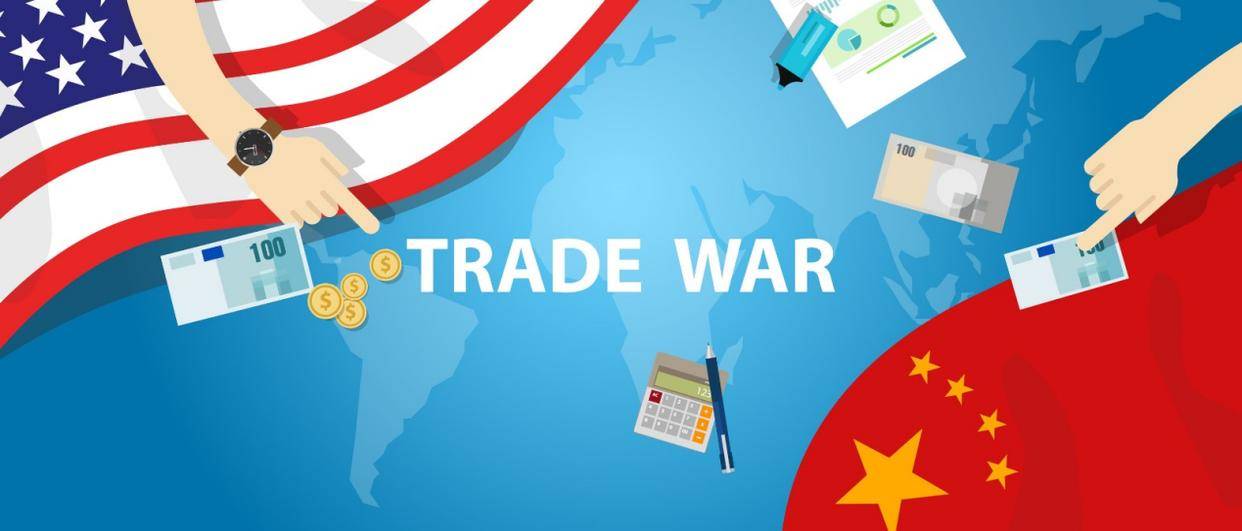
Core Viewpoint - A power struggle is unfolding between Wall Street and the White House regarding interest rates, with Federal Reserve Chairman Jerome Powell facing pressure from hawkish sentiments and potential leadership changes [1][3]. Group 1: Federal Reserve and Interest Rates - Dallas Fed President Logan's hawkish speech emphasized the need to maintain a 4.25% interest rate range for at least 6 to 12 months, dampening hopes for rate cuts [3][4]. - Market reactions to Logan's speech were immediate, with the probability of a rate cut in September dropping from 65% to 58%, and the likelihood of two cuts this year plummeting from 93% to 76% [3]. - The latest June meeting minutes revealed a split among Fed officials, with some advocating for immediate rate cuts, while others expressed concerns about inflation driven by tariffs [4]. Group 2: Economic Indicators and Market Reactions - The Consumer Price Index (CPI) rose by 2.7% year-on-year, marking a four-month high, while core CPI increased by 2.9%, significantly above the Fed's 2% target [4]. - Concerns about tariffs affecting consumer prices were highlighted, with 88% of manufacturing firms and 82% of service firms planning to pass on tariff costs to consumers [4]. - The trade war's impact was underscored by Trump's announcement of a 30% tariff on Mexico, prompting retaliatory measures and raising fears of broader economic repercussions [4]. Group 3: Market Volatility and Political Dynamics - Trump's contemplation of firing Powell led to significant market volatility, with stock prices dropping and bond yields rising, only for his stance to reverse shortly after [5]. - Logan's use of the term "trauma" to describe current risks indicates the precarious balance the Fed must maintain between rising inflation and the need for potential rate cuts [7]. - The ongoing political dynamics and potential leadership changes at the Fed create uncertainty in the financial markets, as the next chair will face tough decisions amid conflicting pressures [7].
德意志银行:长期高利率可能打击美国企业借款人
news flash· 2025-06-09 15:53
Core Viewpoint - Deutsche Bank's strategists indicate that prolonged high interest rates may negatively impact U.S. corporate borrowers as the Federal Reserve delays interest rate cuts [1] Group 1: Impact of High Interest Rates - The expectation of a soft landing is leading to most defaults appearing as non-performing assets, with higher recovery rates [1] - However, the likelihood of a soft landing is decreasing due to inflation remaining above target, significant policy uncertainty, and rising sovereign term premiums [1] Group 2: Default Rate Projections - Deutsche Bank predicts that the default rate in speculative-grade credit could reach 5.5% around mid-next year, marking the highest level since 2012 for issuer-weighted speculative-grade default rates [1]
